Morgan Café
Morgan Café pairs American café cooking with brunch and lunch, quiet casual service, a historic building, a courtyard, and a beer program.
Pearl is the En Primeur Club membership app — saves, bookings, and concierge access live there. Same editors, same standards.
- Address
- 225 Madison Ave, New York, NY 10016
- Phone
- +16466922804
- Website
- themorgan.org
- Directions
- Get directions
 Saves & bookings on Pearl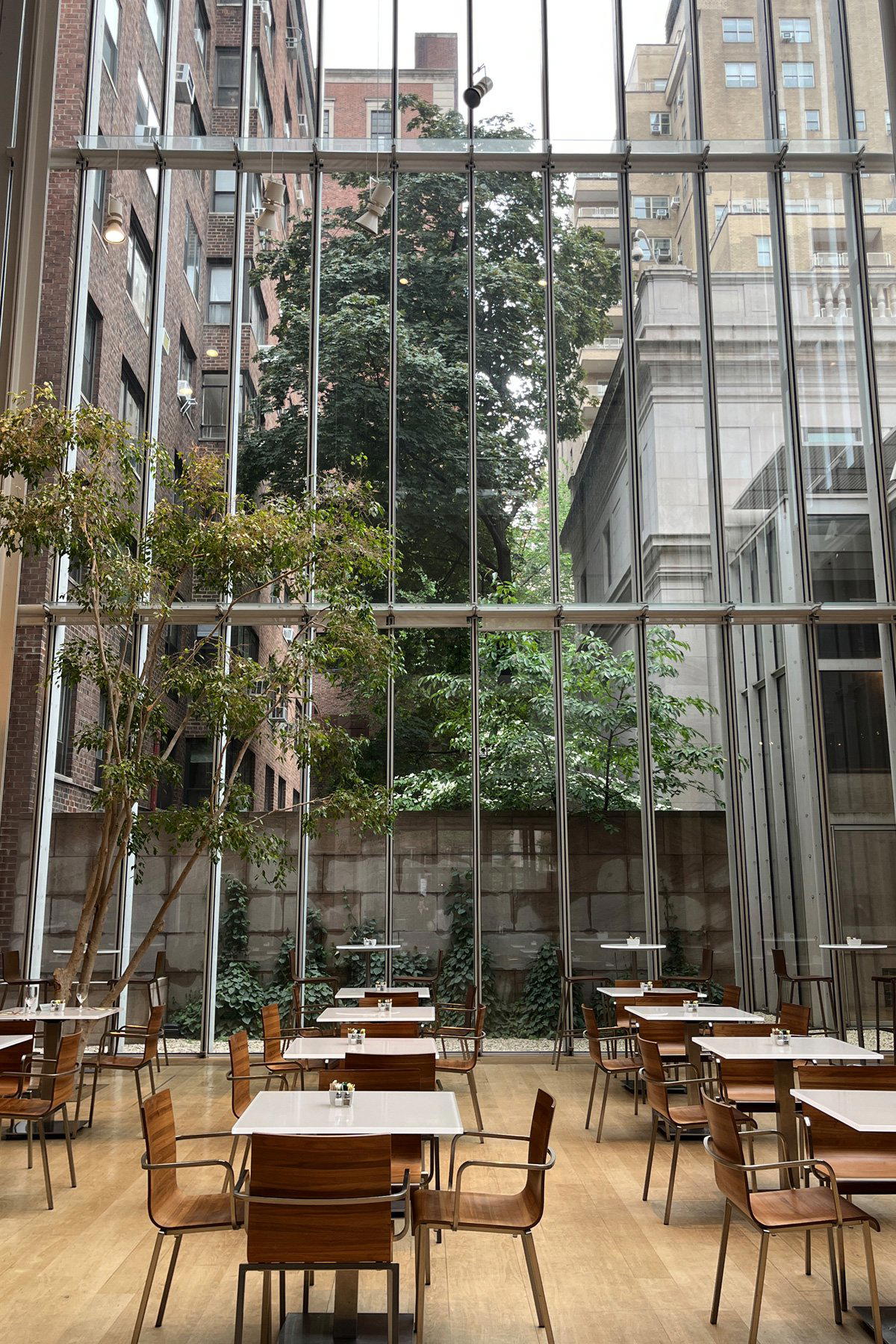
Madison Avenue and the Midtown Café Tradition
Morgan Café is an American café at 225 Madison Ave, New York, NY 10016, with, walk-in-friendly profile. Where venues like Per Se and Le Bernardin operate at the summit of a formal tasting-menu hierarchy, the cafés and all-day dining rooms along Madison serve a different social function: they are places where the rhythm of the workday organizes the room as much as any kitchen calendar does. Morgan Café, at 225 Madison Avenue, sits inside that tradition.
That address is not incidental. The block sits close to the Morgan Library and Museum, one of the few genuinely literary institutions left in Midtown, and the surrounding neighborhood carries a particular character: quieter than the Rockefeller Center corridor, more residential in texture than the Grand Central zone a few avenues east, and historically associated with the kind of low-key institutional gravity that comes from proximity to museums, publishing houses, and long-established private clubs. Cafés in this part of the city tend to draw a different cross-section of New York than the see-and-be-seen dining rooms of the Upper East Side or the industry-table scene of the West Village.
Where Café Culture and the City's Dining Hierarchy Diverge
New York's dining conversation is frequently organized around its most decorated formal rooms. The city's Korean progressive tasting format, represented by venues like Atomix and Jungsik New York, and its Japanese counter format, anchored at the leading end by Masa, require advance planning windows that can stretch to months and price points that few visitors treat as casual. The café format operates under entirely different logic. It is not competing for the same occasion.
What defines the leading café-format dining in dense urban centers is an ability to hold a consistent standard across multiple dayparts without the scaffolding of a formal tasting structure. Breakfast service, lunch, and afternoon coffee occupy the same physical room under different atmospheric conditions, and the kitchen has to perform across all of them. That is a distinct discipline from the single-seating, single-format model that earns stars. Across American cities, from the counter-service café movements in San Francisco to the all-day rooms adjacent to cultural institutions in Chicago (see: venues near the cultural corridors referenced in our coverage of Alinea), the leading institutional-adjacent cafés have learned to treat consistency as the primary credential.
The Murray Hill Context
Murray Hill occupies an underexamined position in New York's dining geography. It is not a neighborhood that generates significant food-media attention, partly because it lacks the density of new openings that drives coverage in the Lower East Side or Brooklyn, and partly because its dining rooms tend to serve a local and institutional clientele rather than a destination-seeking one. That insularity cuts both ways: it means less visibility, but also less volatility. Restaurants and cafés in this stretch of Midtown tend to have longer operating histories than their counterparts in trendier corridors, because their customer base is built on proximity and habit rather than hype cycles.
The area draws from a mix of office workers, museum visitors, residents of the surrounding apartment buildings, and travelers staying in the hotels that line this part of Madison and Park. The café that works well in this context is one that can accommodate a solo traveler with a laptop, a two-person lunch between meetings, and a group of museum-goers arriving mid-afternoon, sometimes within the same hour. That operational range is where the format either proves itself or reveals its limits.
Cultural Context: The American Café and Its European Reference Points
The café as a dining format carries significant cultural weight that is easy to underestimate in the American context. In Vienna or Paris, the grand café is a civic institution with a defined social function: it is where intellectuals worked, where newspapers were read, where the unhurried afternoon was legitimized as a form of public life. New York has never fully adopted that model, the pace of the city and the cost of real estate have generally pushed café culture toward faster formats, but the institutional-adjacent café has come closest to approximating it. Places attached to or near cultural institutions tend to inherit something of the institution's permission structure: it is acceptable to sit longer, to treat the afternoon as time rather than transaction.
For travelers moving between New York's museums and cultural stops, this geography matters practically. The Morgan Library sits within a short walk of the café's Madison Avenue address, making the surrounding block a logical rest point in an itinerary that might also include visits to Grand Central Terminal or the broader Midtown cultural circuit. Visitors doing serious restaurant planning in New York, working through options from Blue Hill at Stone Barns in Tarrytown to the downtown tasting rooms, often need a low-pressure lunch or breakfast option that doesn't require the same booking lead time as the city's formal dinner circuit. That is the practical register where a well-positioned café earns its place in an itinerary.
Planning a Visit
Morgan Café is open Tue through Thu and Sat through Sun from 11 AM to 4 PM, Fri from 11 AM to 7:30 PM, and is closed Monday. It sits at a casual price tier of about $35 per person, with walk-in-friendly service. The address, 225 Madison Avenue, New York, NY 10016, places the café in a part of Midtown that is accessible from multiple subway lines, including the 4, 5, and 6 trains at Grand Central and the B, D, F, and M trains at Bryant Park.
Emeril's in New Orleans, Lazy Bear in San Francisco, Single Thread Farm in Healdsburg, Providence in Los Angeles, Addison in San Diego, The Inn at Little Washington, Bacchanalia in Atlanta, and The French Laundry in Napa each represent distinct regional expressions of serious American hospitality at different price tiers. For international reference points, 8 1/2 Otto e Mezzo Bombana in Hong Kong and Alain Ducasse at Louis XV in Monte Carlo represent the upper register of what institutional dining can mean in a global context.
Price and Positioning
Comparable venues nearby, for context on price, style, and recognition.
| Venue | Cuisine | Price | Notes |
|---|---|---|---|
| Morgan CaféThis venue — the venue you are viewing | Midtown-Times Square, American Café | $$ | Not listed |
| Bistro Verde | Not listed | $$ | Midtown-Times Square, Modern American Bistro |
| The Red Stache | Not listed | $$ | Hell's Kitchen, American Gastropub with Craft Cocktails |
| Route 66 Cafe | Hell's Kitchen, Classic American Diner | $$ | Not listed |
| Café Standard | East Village, American Bistro Café | $$ | Not listed |
| Malibu Farm | Not listed | $$ | Financial District-Battery Park City, California Farm-to-Table |
Continue exploring
More in New York City
Restaurants in New York City
Browse all →
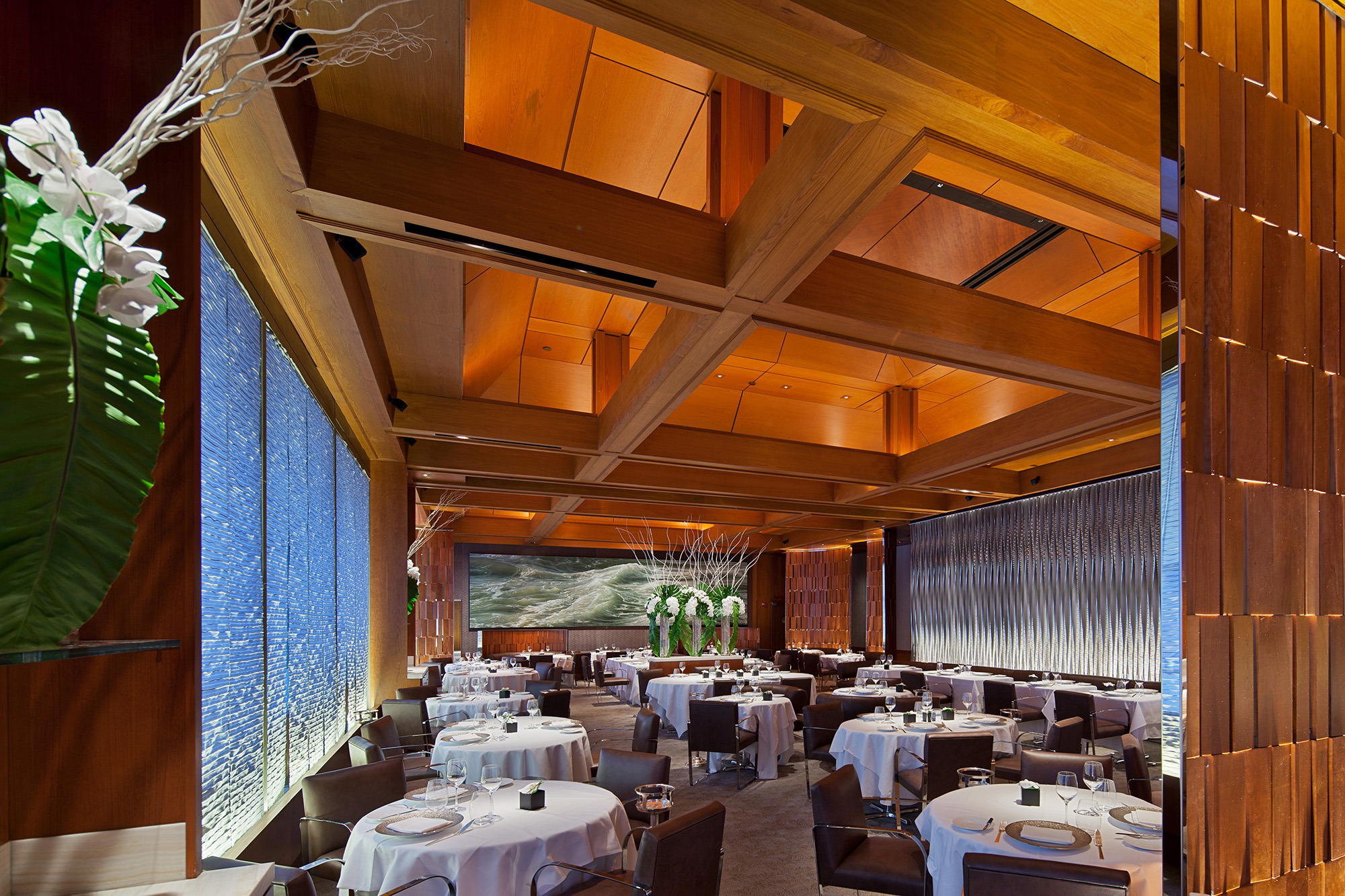
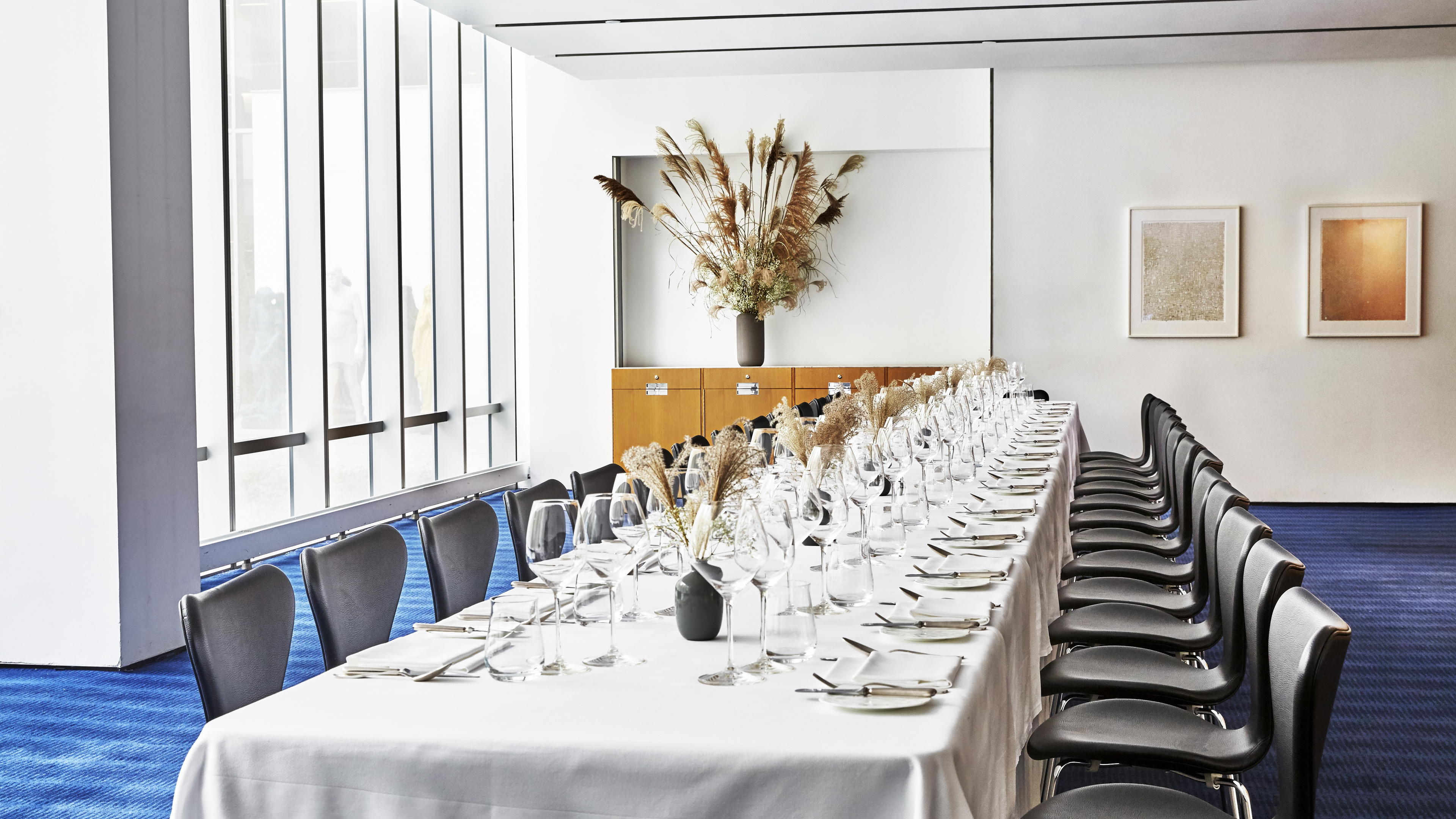
Bars in New York City
Browse all →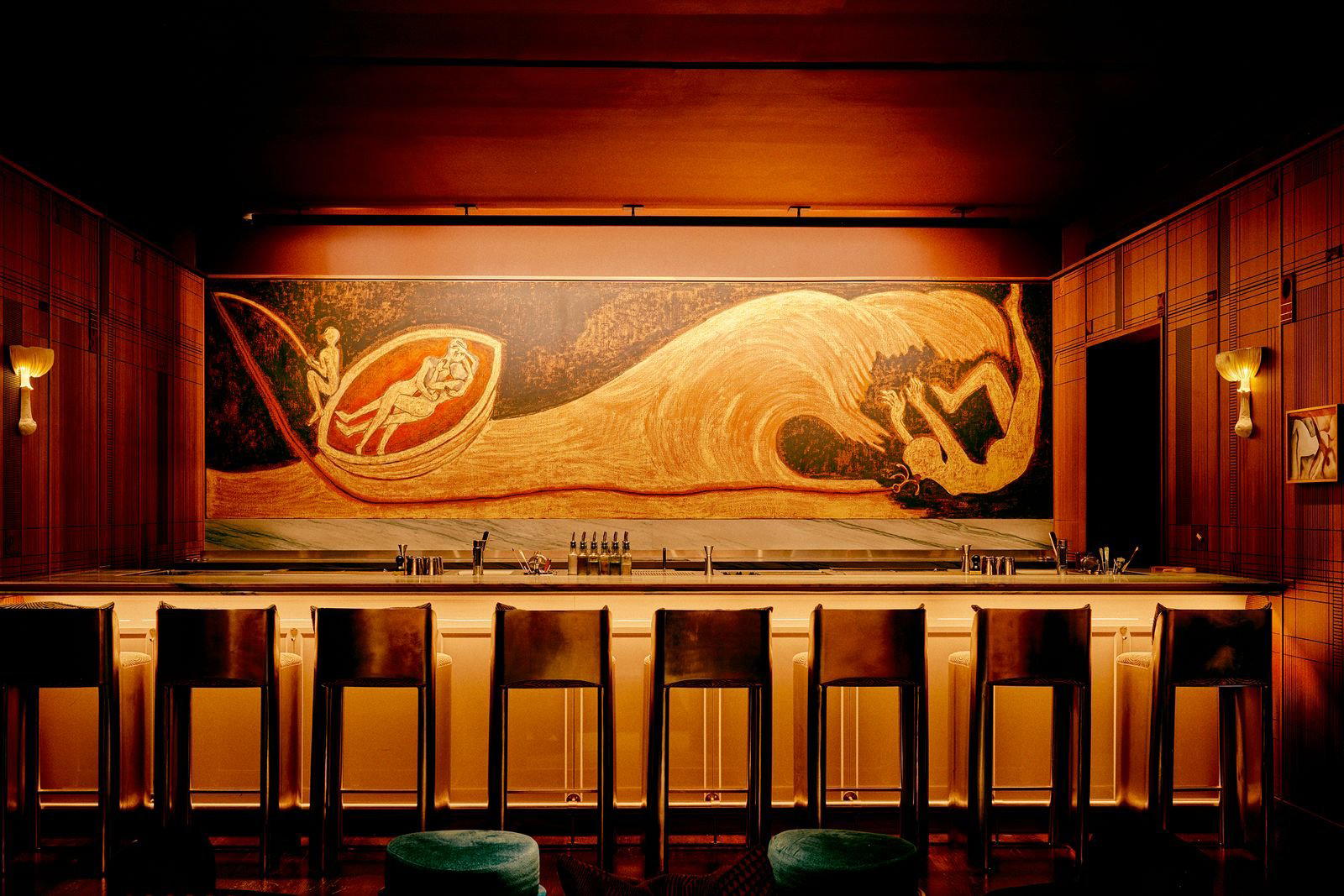
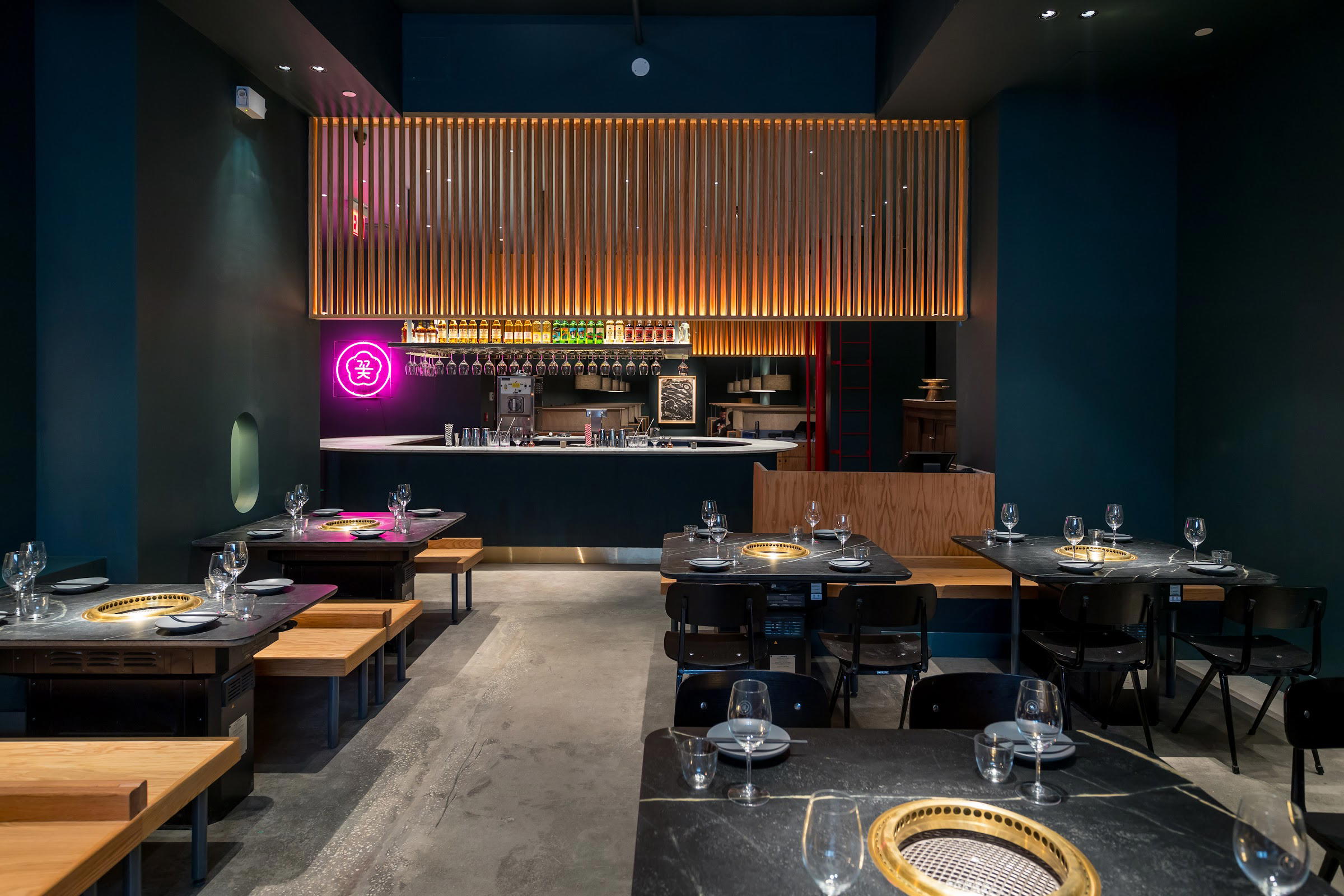
Hotels in New York City
Browse all →





At a Glance
- Elegant
- Quiet
- Scenic
- Classic
- Brunch
- Casual Hangout
- Solo
- Historic Building
- Courtyard
- Live Music
- Beer Program
Current opening hours
- Monday
- Closed
- Tuesday
- 11 AM–4 PM
- Wednesday
- 11 AM–4 PM
- Thursday
- 11 AM–4 PM
- Friday
- 11 AM–7:30 PM
- Saturday
- 11 AM–4 PM
- Sunday
- 11 AM–4 PM
Hours can change for holidays and private events. Last verified .
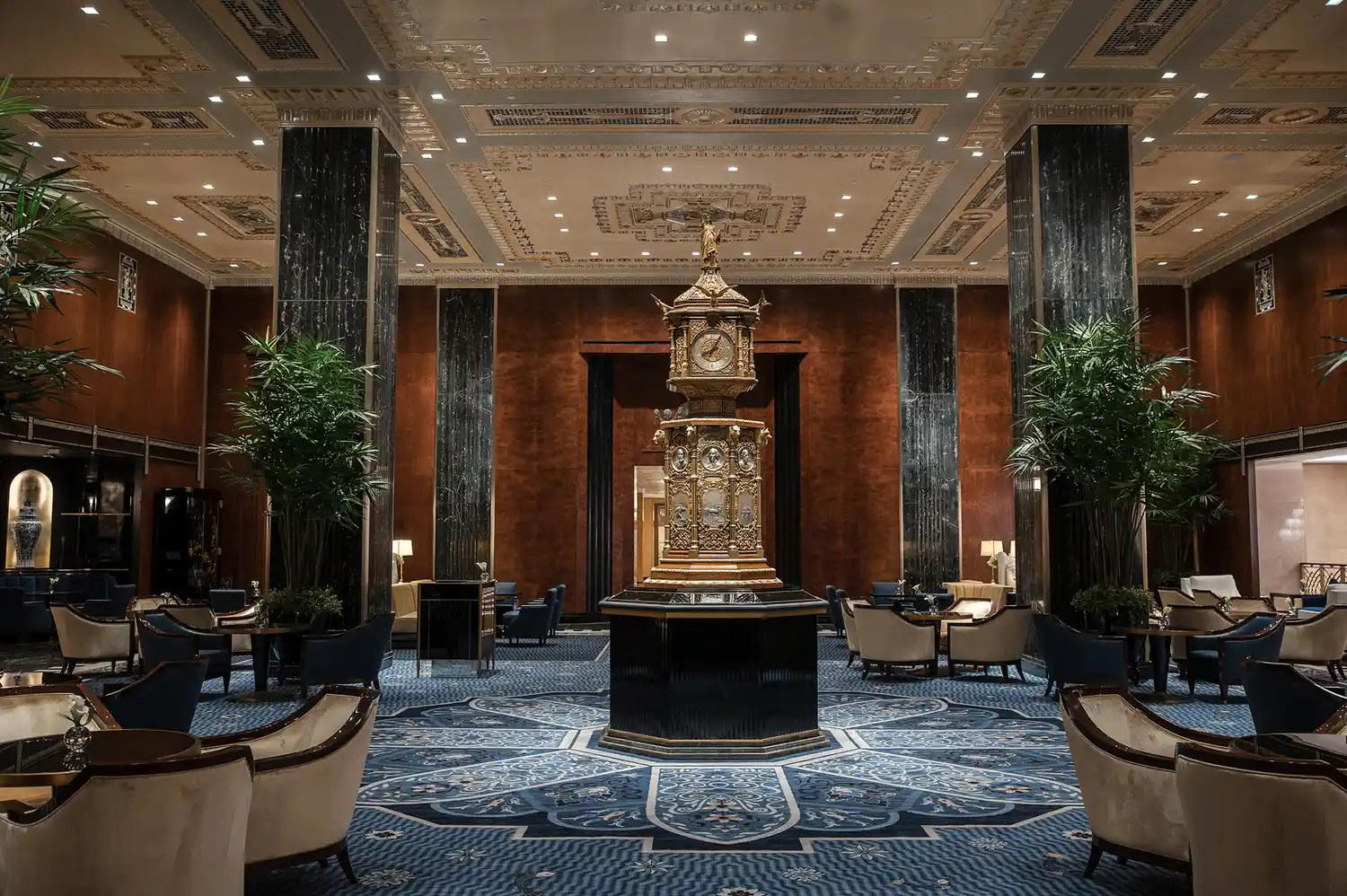
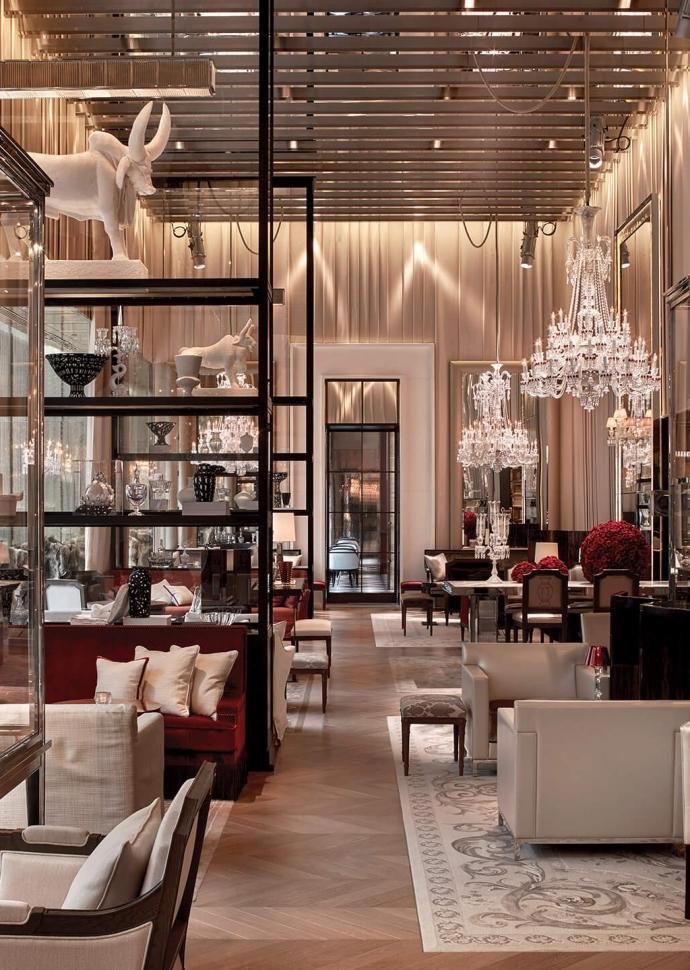
Bright, airy, and tranquil with abundant natural light pouring through expansive glass walls; described as elegant yet casual with a peaceful, contemplative atmosphere.