The Red Stache
On West 52nd Street in Midtown Manhattan, The Red Stache occupies a stretch of Hell's Kitchen that has grown more culinarily serious over the past decade.
Pearl is the En Primeur Club membership app — saves, bookings, and concierge access live there. Same editors, same standards.
- Address
- 401 W 52nd St, New York, NY 10019
- Phone
- +12129334404
- Website
- theredstache.com
- Directions
- Get directions
 Saves & bookings on Pearl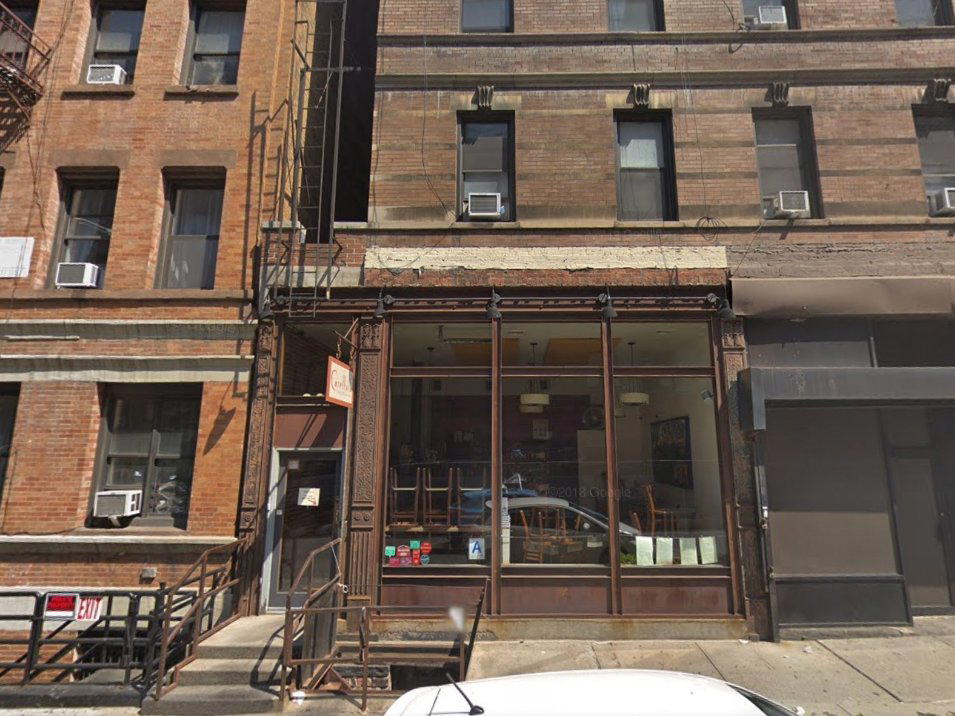
West 52nd Street and What the Address Signals
Hell's Kitchen has undergone a long, uneven transformation from working-class neighborhood to one of Midtown Manhattan's more interesting dining corridors. The stretch of West 52nd Street where The Red Stache sits at 401 reflects that shift: close enough to the Theater District to catch pre-show traffic, but oriented enough toward the residential blocks west of Ninth Avenue to draw a local crowd that returns regularly rather than once-a-year. In a city where dining destinations tend to cluster in a handful of frequently cited neighborhoods, this pocket of Midtown West operates at a slight remove from the spotlight, which shapes the kind of experience venues here tend to offer.
That positioning matters more than it might seem. The Midtown West corridor between Eighth and Tenth avenues has developed a layer of neighborhood bars and casual dining spots that function differently from the Michelin-tracked rooms a few blocks east. Where Le Bernardin, Masa, and Per Se represent the trophy-room tier of New York dining, the blocks around West 52nd and Tenth Avenue represent something else: the kind of place where the bartender knows your order by the third visit and the room doesn't require a special occasion to justify the cost.
The Hell's Kitchen Context
Hell's Kitchen's dining identity has never been singular. The neighborhood carries Puerto Rican food traditions along Ninth Avenue, a significant concentration of pre-theater dining that serves Broadway audiences, and a growing number of bars and smaller restaurants that have followed residential development northward from the West Village and Chelsea. The result is a neighborhood with more dining range than its Midtown label implies, and less critical coverage than that range warrants.
Neighborhood bars in this part of Manhattan tend to follow a few recognizable formats: the sports bar anchored by screens and draft taps, the cocktail-forward room targeting the post-work crowd from nearby office buildings, and the full-service bar-restaurant hybrid that serves as a de facto living room for apartment dwellers without dining space. The Red Stache's name, with its specific and slightly playful branding, suggests an identity that positions itself away from the generic sports bar end of that spectrum.
New York's bar scene has shifted over the past fifteen years from novelty-driven formats toward more grounded neighborhood programs where consistency and hospitality carry more weight than concept alone. Bars in residential-adjacent Midtown pockets tend to benefit from that shift, drawing regulars who value reliability over spectacle. That dynamic is worth keeping in mind when considering what West 52nd Street venues are built to do.
Midtown West in a Broader Dining Map
Anyone building a New York dining itinerary around this part of the city is working with a useful geographic anchor. The address at 401 W 52nd St places The Red Stache within walking distance of Columbus Circle, making it a practical option in relation to Lincoln Center and the southern edge of the Upper West Side as well as central Midtown. The subway access through the 50th Street station on the C and E lines keeps it connected to the broader grid without requiring a crosstown effort.
That practicality is not a minor point in a city where travel time between neighborhoods is a genuine variable in dining decisions. New York's most discussed destination restaurants, including the Atomix and Jungsik New York rooms in Midtown and Flatiron, the farm-rooted programming at Blue Hill at Stone Barns north of the city, or the tasting-menu formats found at celebrated American rooms like Alinea in Chicago and Lazy Bear in San Francisco, require planning, commitment, and often weeks of lead time. A neighborhood bar on the west side of Midtown occupies a different function in the week's eating and drinking schedule: lower friction, higher frequency, and a different kind of value proposition.
That same logic applies across the country. Heavily booked and discussed rooms in American dining, from The French Laundry in Napa to Single Thread Farm in Healdsburg, Providence in Los Angeles, Addison in San Diego, The Inn at Little Washington, Bacchanalia in Atlanta, and Emeril's in New Orleans, draw visitors who plan around a single table. Neighborhood spots draw visitors who happen to be staying nearby and locals who don't need a reason beyond proximity. Both categories matter in a city's food fabric, and West 52nd Street operates in the latter.
What Draws People to This Block
The name carries a personality that signals deliberate branding: specific, slightly irreverent, not straining for gravity. In a block where generic Irish pub signage and midscale chain restaurants compete for attention, a name with that kind of specificity tends to indicate an operator who thought carefully about identity. Whether that identity is expressed through a particular cocktail program, a food format, or a particular aesthetic is information that builds over time through visits rather than press coverage.
New York rewards exactly this kind of patient reputation-building. Some of the city's most frequented bars, including well-regarded rooms in the West Village, the East Village, and increasingly in neighborhoods like Hell's Kitchen, built their followings without sustained media coverage, accumulating trust through consistency rather than launches. That model is slower but tends to produce a more durable neighborhood anchor than the press-cycle-driven opening.
For the full picture of where The Red Stache sits in the city's broader eating and drinking map, see our full New York City restaurants guide, which covers the city by neighborhood and format with the depth this block deserves alongside internationally recognized rooms like 8 1/2 Otto e Mezzo Bombana and Alain Ducasse at Louis XV in the global context.
Planning a Visit
The address is 401 W 52nd St, New York, NY 10019, in the Hell's Kitchen neighborhood of Midtown Manhattan. Nearest subway access is the 50th Street station on the C and E lines. Given the venue's proximity to the Theater District, early evenings on weeknights tend to be busier around curtain times, while late evenings and weekend afternoons typically reflect more of the neighborhood's residential character.
Cuisine and Recognition
Comparable venues nearby, for context on price, style, and recognition.
| Venue | Cuisine | Price | Notes |
|---|---|---|---|
| The Red StacheThis venue — the venue you are viewing | American Gastropub with Craft Cocktails | $$ | Not listed |
| Melt Shop | Grilled Cheese Sandwiches | $$ | Midtown-Times Square |
| Tipsy Scoop | Boozy Ice Cream & Cocktail Barlour | $$ | Murray Hill-Kips Bay |
| Kitchen | Modern American Brasserie | $$ | Gramercy |
| Mighty Quinn's | Texas-Carolina BBQ | $$ | West Village |
| North Square | Seasonal American Bistro | $$ | Greenwich Village |
Continue exploring
More in New York City
Restaurants in New York City
Browse all →
Bars in New York City
Browse all →

Hotels in New York City
Browse all →






At a Glance
- Cozy
- Lively
- Trendy
- Intimate
- Date Night
- Casual Hangout
- Brunch
- After Work
- Group Dining
- Live Music
- Private Dining
- Extensive Wine List
- Craft Cocktails
- Sommelier Led
- Local Sourcing
Current opening hours
- Monday
- 4 PM–12 AM
- Tuesday
- 4 PM–12 AM
- Wednesday
- 4 PM–12 AM
- Thursday
- 4 PM–12 AM
- Friday
- 4 PM–2 AM
- Saturday
- 2 PM–2 AM
- Sunday
- 2 PM–1 AM
Hours can change for holidays and private events. Last verified .
Warm and inviting with a welcoming energy that shifts effortlessly from lively to laid-back; features two 12-foot movie screens and serves as a gathering place for the community.