
Buca Osteria & Bar occupies a discreet address off Yorkville Avenue, reached through the Four Seasons Hotel courtyard, a routing that sets the register before you've sat down. The room positions itself inside Toronto's premium Italian tier, where the conversation between kitchen, cellar, and floor defines the experience as much as any single dish.
Pearl is the En Primeur Club membership app — saves, bookings, and concierge access live there. Same editors, same standards.
- Address
- 53 Scollard Street front entrance located via Yorkville Avenue through the Four Seasons Courtyard, Toronto, ON M5R 0A1, Canada
- Phone
- +1 416 962 2822
- Website
- buca.ca
- Directions
- Get directions
 Saves & bookings on Pearl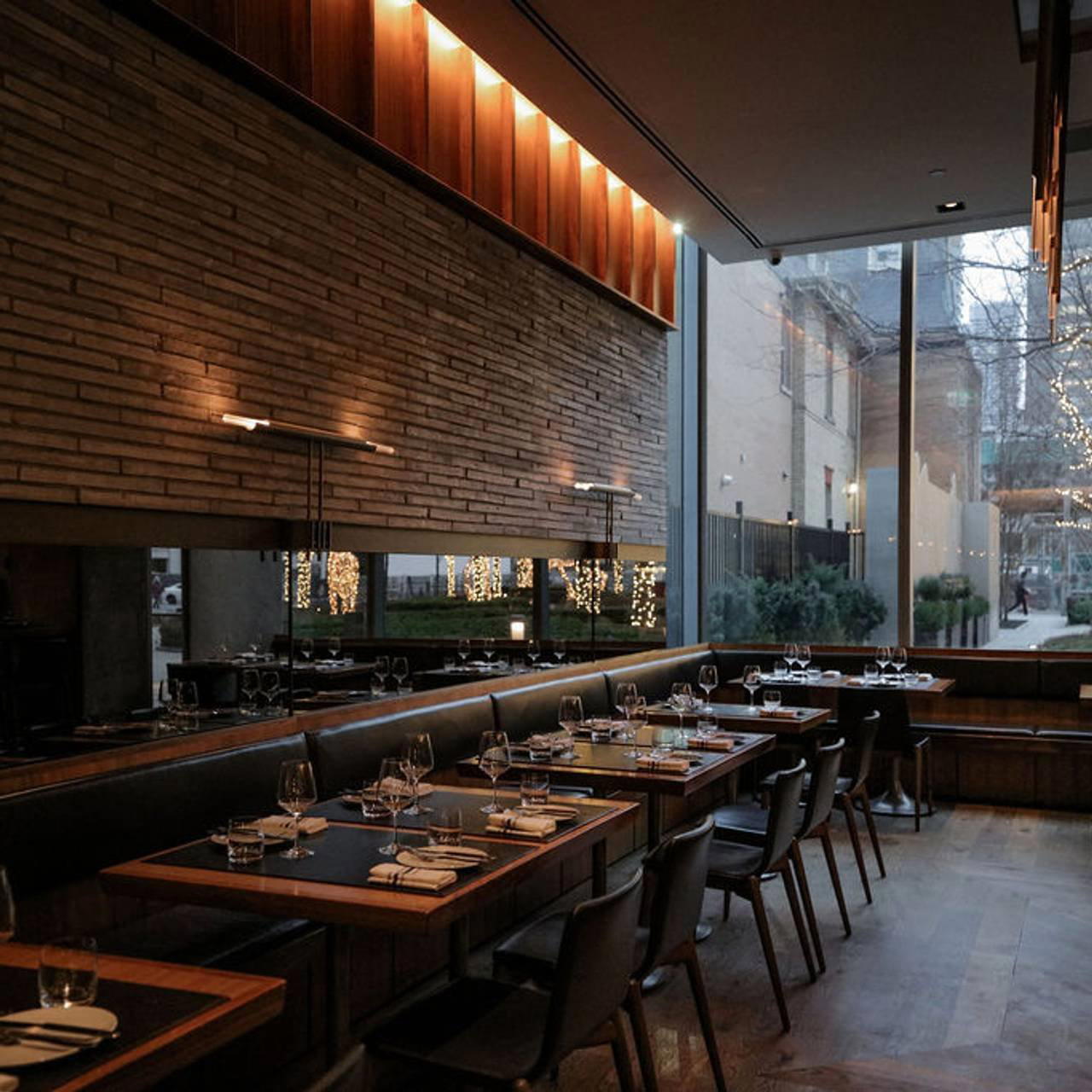
Arriving Through the Courtyard
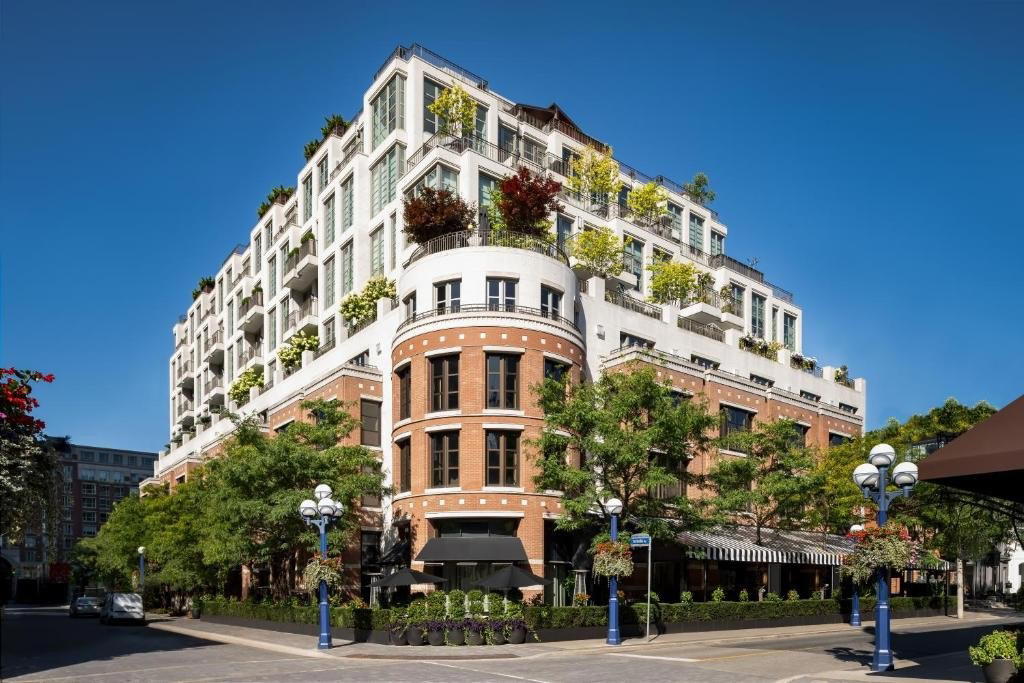
Buca Osteria & Bar is a Toronto restaurant serving modern coastal Italian seafood in Yorkville. Buca Osteria & Bar, with its entrance on Scollard Street and its approach threaded through the Four Seasons Hotel courtyard on Yorkville Avenue, belongs to that category. The routing is not accidental. It places the restaurant inside one of the city's most concentrated pockets of premium hospitality before a guest has crossed the threshold, and it frames expectations accordingly. Yorkville has long been the neighbourhood where Toronto's high-end dining and hotel infrastructure cluster most densely, and Buca's position within it, adjacent to but distinct from the Four Seasons operation, reflects how the city's Italian dining scene has matured into something that no longer needs a prominent shopfront to draw a full room.
Where Toronto's Italian Dining Scene Has Arrived
Premium Italian in Toronto has moved in two directions over the past decade. One trajectory runs toward the kind of contemporary Italian found at DaNico and Don Alfonso 1890, where regional Italian technique intersects with Canadian produce and tasting-menu formats. The other holds closer to osteria tradition, the format where a long, sociable meal, a serious wine list, and a kitchen rooted in Italian regional cooking define the offer rather than a procession of small composed courses. Buca has staked its position in the second camp, operating as an osteria in the original sense: a room where eating well and drinking thoughtfully are treated as inseparable activities rather than sequential ones.
That distinction matters when placing Buca against its Yorkville-adjacent peers. Buca's format is fundamentally different: it requires a functioning ensemble across kitchen, sommelier, and floor for the room to work. The osteria tradition is, by design, a collaborative one.
The Team Dynamic as the Product
This is the editorial angle that most consistently separates restaurants that sustain a reputation from those that rest on a single strong opening. In a room operating at Buca's register, the interaction between kitchen output, wine program curation, and front-of-house pacing is the product. A kitchen that produces technically accomplished Italian cooking becomes something different when the sommelier's selections are calibrated to amplify it, and when the floor team reads a table well enough to know when to hold back and when to engage.
Osteria-format restaurants are particularly exposed when this alignment fails. The meal is longer, the wine list more central, and the expectation of hospitality more embedded in the tradition than in, say, a tasting-menu format where the parade of courses structures the evening for the guest. At Buca, the room's reputation within Yorkville's competitive set rests on whether that ensemble holds together across a full service, a standard that restaurants operating at the Alo price tier in this city understand as the baseline expectation.
Across Canada's broader premium dining conversation, from Tanière³ in Quebec City to Restaurant Pearl Morissette in Lincoln to AnnaLena in Vancouver, the rooms that age well tend to be the ones where no single element overwhelms the others. Buca's format makes that balance particularly legible to a seasoned diner.
Osteria Tradition in a Yorkville Room
The osteria as a format carries specific expectations that distinguish it from the trattoria below or the ristorante above. Ingredients take precedence over elaborate technique. The wine list should reward attention and be weighted toward Italian regions. The pacing of the meal should feel guest-led rather than kitchen-led. Bread and antipasto arrive with the seriousness of the courses that follow. These are conventions, not rules, but a room that claims the osteria label in a premium neighbourhood like Yorkville is asking to be judged against them.
Toronto's Italian dining tradition runs deeper than its current premium tier suggests. The city's Italian community, one of the largest in North America, has supported neighbourhood osterie and trattorias for generations, which means the dining public here has a reference point that extends beyond the restaurant-week circuit. A room like Buca operates with that context in the background, which raises the bar for what counts as convincing Italian cooking at the premium end.
For comparison, the Italian premium tier in other North American cities tends to be pulled toward either the white-tablecloth formal end or the casual-chic end, with the genuine osteria middle ground harder to sustain commercially. Toronto's market, with its Italian-literate dining public and a Yorkville neighbourhood that rewards quality over novelty, makes the format more viable here than in many peer cities.
Planning Your Visit
The address requires a moment of orientation. The formal entrance is at 53 Scollard Street, but most guests approach through the Four Seasons Hotel courtyard off Yorkville Avenue. Yorkville is well-served by the Bay and Bloor-Yonge subway stations, both within a short walk, and the Four Seasons courtyard provides a useful landmark if you're navigating on foot. Reservations at this tier of Yorkville dining are standard practice; reservations are recommended.
the EP Club guide covers the full spectrum, from the tasting-menu format of Alo to the kaiseki register of Aburi Hana. For those extending their trip to the Ontario countryside, Eigensinn Farm in Singhampton and The Pine in Creemore represent the province's farm-led end of the premium dining range, a useful counterpoint to Yorkville's more urban register.
Fast Comparison
Comparable venues nearby, for context on price, style, and recognition.
| Venue | Cuisine | Price | Notes |
|---|---|---|---|
| Buca Osteria & BarThis venue — the venue you are viewing | Modern Coastal Italian Seafood | $$$ | Not listed |
| Zitto Zitto Taverna | Sicilian-Inspired Italian Taverna | $$$ | Palmerston-Little Italy |
| Piano Piano | Modern Italian | $$$ | Davisville Village |
| Primadonna | Italian-American | $$$ | Fashion District |
| Il Ponte | Authentic Italian Cucina | $$$ | South Riverdale |
| Donatello | Authentic Italian Fine Dining | $$$ | Downtown Yonge |
Recognition history
Dated appearances from independent guides and award organizations, with the underlying list record or original source where available.
Opinionated About Dining Top Restaurants in North America Ranked #580
Opinionated About Dining
Opinionated About Dining Top Restaurants in North America Ranked #415
Opinionated About Dining
Opinionated About Dining Top Restaurants in North America Highly Recommended
Opinionated About Dining
Opinionated About Dining Gourmet Casual Dining in North America Ranked #115
Opinionated About Dining
Continue exploring
More in Toronto
More from Chef Jorge Fiestas
Browse all →
Restaurants in Toronto
Browse all →
Bars in Toronto
Browse all →
Hotels in Toronto
Browse all →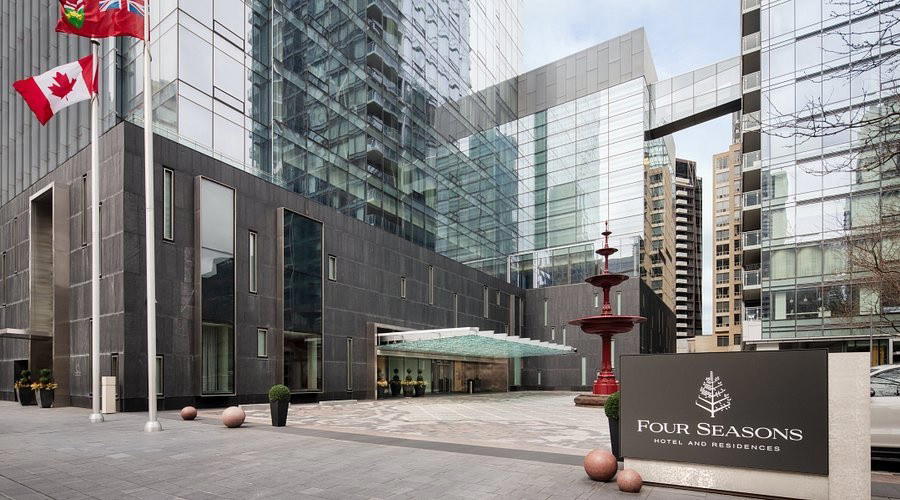

At a Glance
- Sophisticated
- Elegant
- Modern
- Date Night
- Special Occasion
- Business Dinner
- Open Kitchen
- Chefs Counter
- Extensive Wine List
Current opening hours
- Monday
- Closed
- Tuesday
- 11:30 AM–2:30 PM, 5–9:30 PM
- Wednesday
- 11:30 AM–2:30 PM, 5–9:30 PM
- Thursday
- 11:30 AM–2:30 PM, 5–9:30 PM
- Friday
- 11:30 AM–2:30 PM, 5–9:30 PM
- Saturday
- 11:30 AM–2:30 PM, 5–9:30 PM
- Sunday
- Closed
Hours can change for holidays and private events. Last verified .
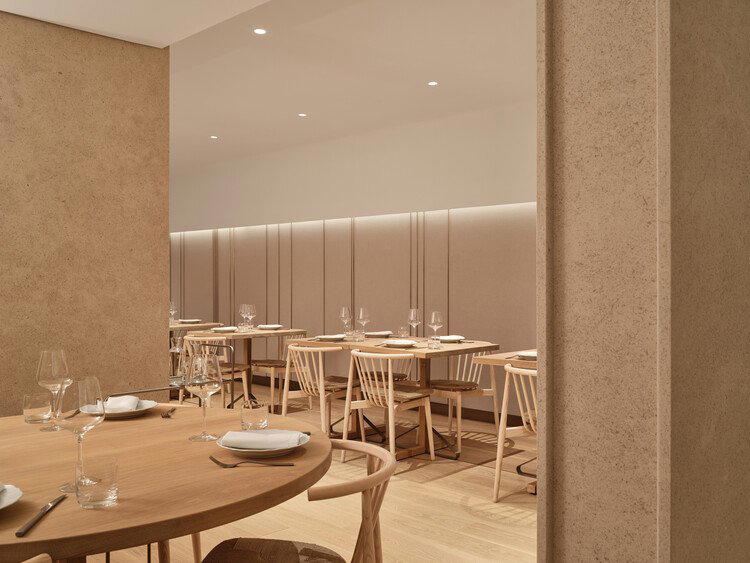
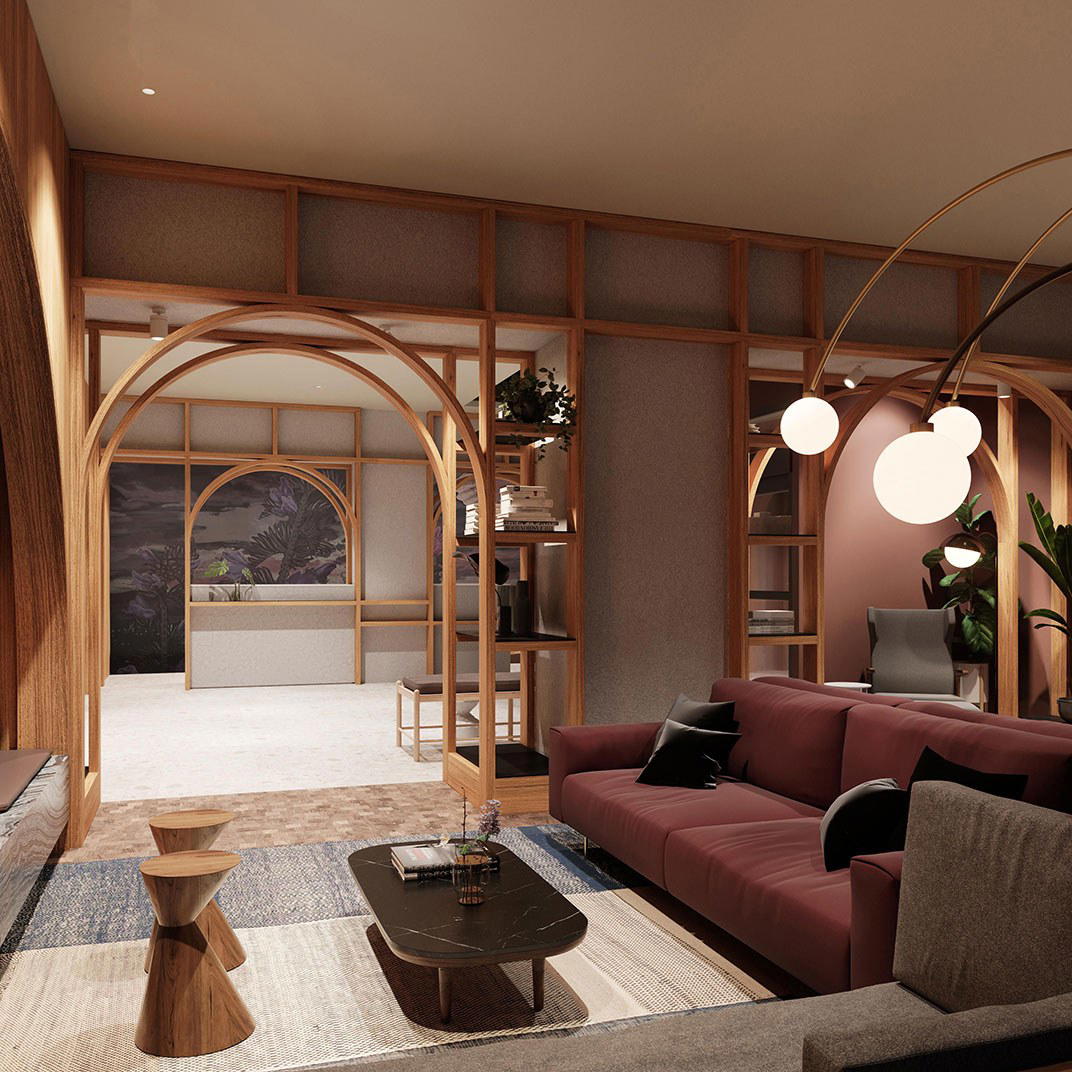
Polished dining room with ethereal detailing, open kitchen, modern and sleek atmosphere, moodily lit with sophisticated vibe.