Monsoon

Michelin Bib Gourmand
Our verdict
Monsoon returned to the Taiwan dining scene in 2025, relocating from Taipei to Zhubei in Hsinchu County with a menu that has shifted entirely to plant-based cooking. The kitchen reinterprets Hakkanese food culture through vegetarian ingredients, grounding the menu in maternal memory and local agriculture. A grilled taro dish traced to the chef's mother's Miaoli farm anchors the experience.

Pearl is the En Primeur Club membership app — saves, bookings, and concierge access live there. Same editors, same standards.
The menu
What to order
- Mashed grilled taro basil soup
- Mum’s pickles
A Relocated Kitchen and a Menu Transformed
Restaurants that survive a hiatus and relocate rarely emerge with a sharper identity than before. Monsoon is an exception worth examining. After a two-year pause, the restaurant that formerly operated in Taipei reopened in 2025 at 20 Chenggong 1st Road in Zhubei, a city in Hsinchu County sitting at the edge of Taiwan's technology corridor. The move was not merely geographical. The menu abandoned meat entirely, pivoting to a plant-based reinterpretation of Hakkanese food culture. In a regional dining scene where the Hakka tradition has long been defined by preserved pork, braised offal, and fermented pantry staples, that pivot is a deliberate provocation.
Hsinchu County has a growing constellation of kitchens worth tracking. Ang Gu, Bebu, Chuan Fu, Firoo, and Geng Ye Yue Mei each represent distinct positions within the county's evolving restaurant culture. Monsoon sits apart from all of them, occupying a space where heritage cuisine and ethical constraint intersect — a position that has few direct comparators in the county and limited precedents across Taiwan's wider restaurant map.
The Physical Space as Editorial Statement
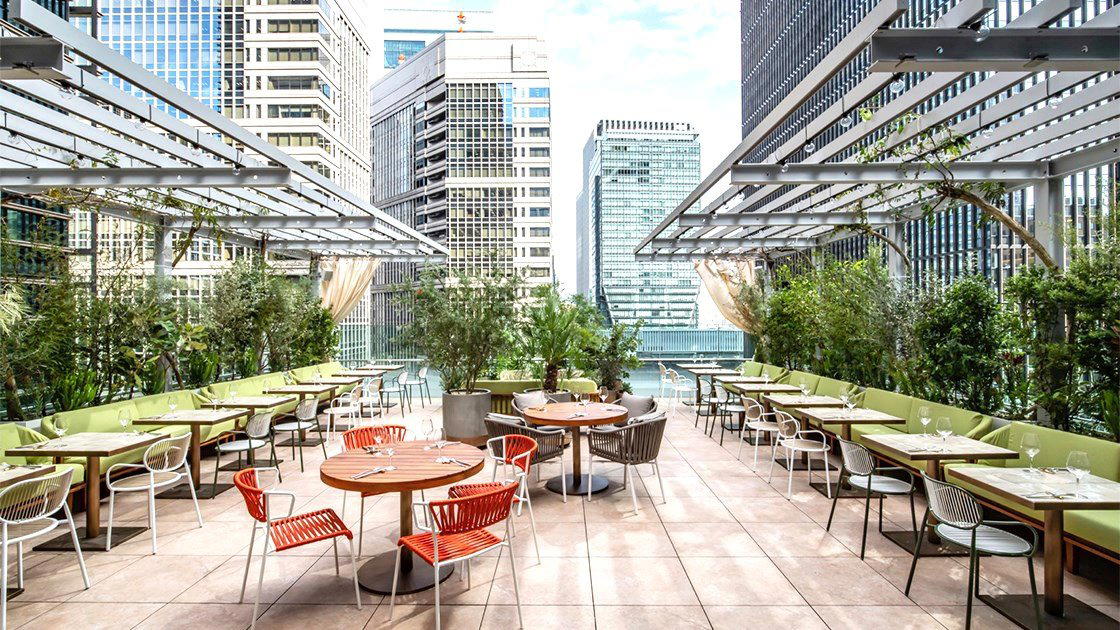
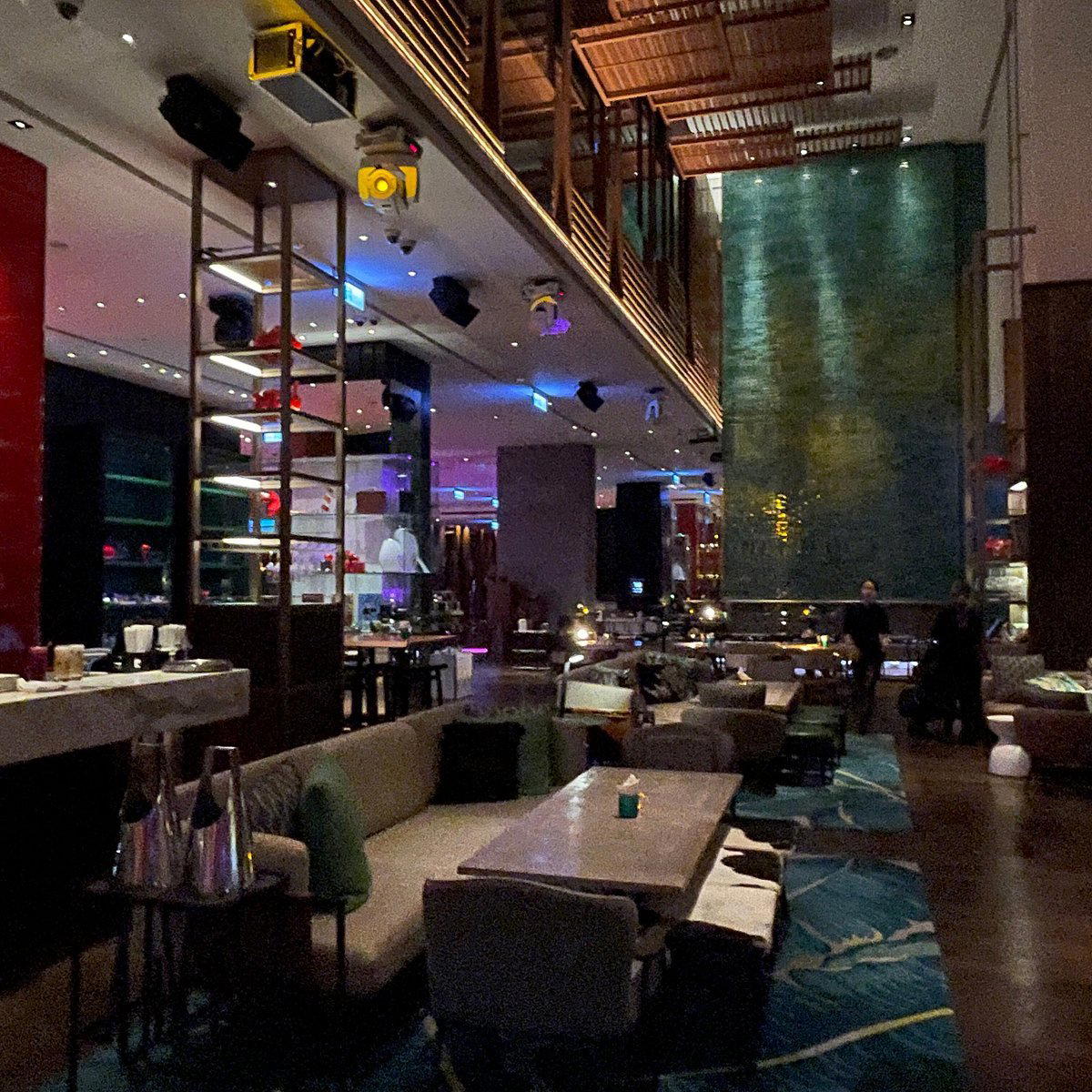
The design logic of restaurants committed to a specific culinary philosophy tends to reflect that philosophy outward. In kitchens that draw on agricultural memory and Hakka frugality, the interior language typically leans toward material honesty: unvarnished wood, ceramic tableware made locally, lighting that avoids theatre. Monsoon's Zhubei address places it in an urban residential fabric rather than a heritage district, which shapes how the space reads. Without the atmospheric scaffolding of a preserved village lane or a repurposed tobacco-curing shed, the interior has to carry the restaurant's argument on its own terms.
The Hakka diaspora built its identity around resourcefulness and preservation, and kitchens working within that tradition tend to express those values through restraint in the physical environment as much as on the plate. A space that mirrors its culinary logic, where nothing is decorative for its own sake, positions the food as the single point of attention. That framing matters when a menu is making an argument, as Monsoon's plant-based Hakkanese menu clearly is.
What the Menu Is Actually Doing
Across Taiwan's more ambitious restaurants, a recurring pattern has emerged over the past decade: chefs trained abroad or in high-pressure urban kitchens returning to regional ingredients and ancestral formats. JL Studio in Taichung, logy in Taipei, and GEN in Kaohsiung each represent a version of that return, filtered through different technical frameworks. Monsoon operates at a smaller scale and with a narrower cultural focus, but the underlying gesture is related: treating a specific regional food culture as material for serious cooking rather than as nostalgia.
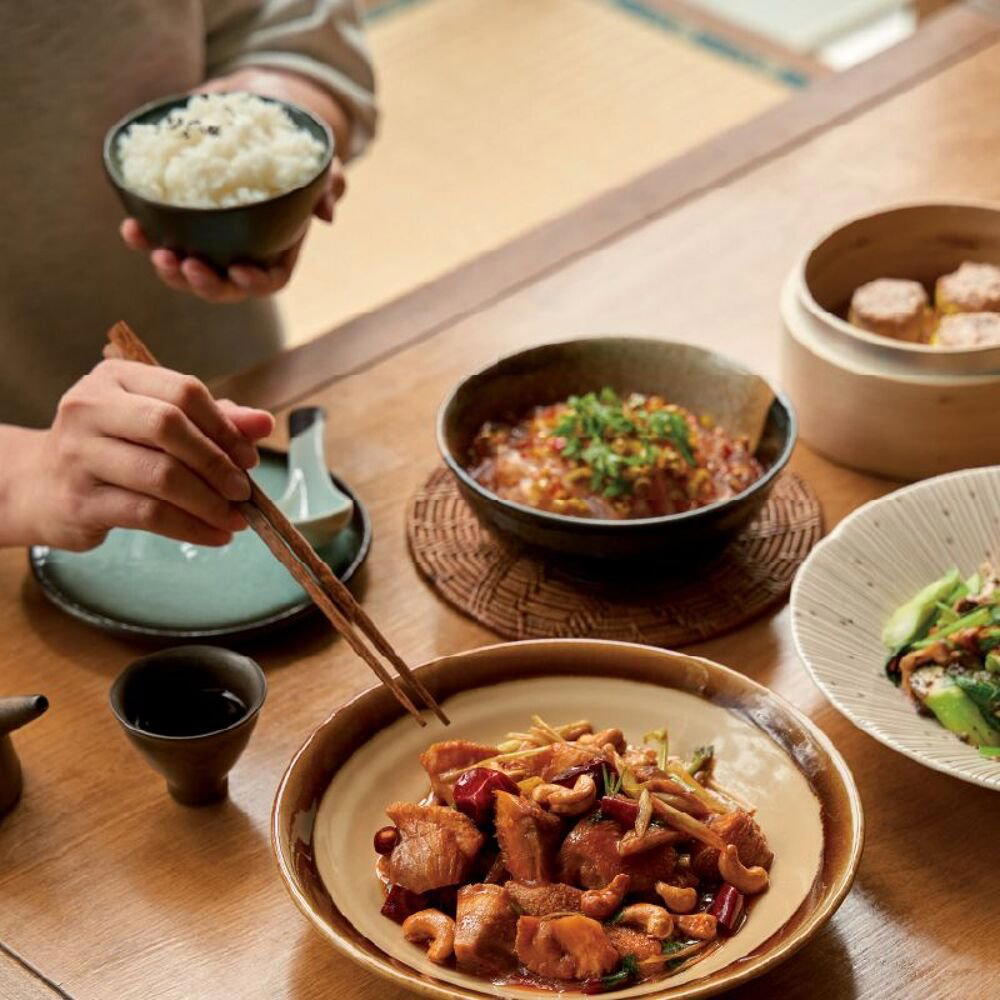
The Hakkanese taro basil soup provides the clearest evidence of how that approach works in practice. The classic version is a cooked taro preparation with aromatic herbs, a dish common to Hakka household cooking across Miaoli, Hsinchu, and Taoyuan counties. Monsoon's interpretation replaces the conventional format with mashed grilled taro grown by the chef's mother in Miaoli, laced with tea tree oil and garnished with dried basil. The sourcing is not incidental: taro from a specific family farm in Miaoli carries provenance that connects the dish to place and generation in a way that a market-sourced ingredient cannot replicate.
The pickles, described as coming from the same maternal source, reinforce the same logic. Mum's pickles is not a menu flourish. In Hakka cooking, fermented and pickled vegetables are foundational, a preservation technology developed over centuries of agricultural hardship. Presenting them as a dish element that carries a named domestic origin is a way of foregrounding the tradition's domestic architecture rather than abstracting it into technique.
Where Monsoon Sits on Taiwan's Wider Map
Taiwan has developed a category of destination restaurant operating outside its three main metropolitan areas. Akame in Wutai Township draws visitors into Pingtung's mountainous interior for indigenous Rukai cooking. Zhu Xin Ju in Tainan operates within Tainan's deep Hoklo culinary heritage. Volando Urai Spring Spa and Resort in Wulai District connects its kitchen to the Atayal tradition of its location. Each of these works within a defined ethnic and agricultural framework rather than reaching for a pan-Asian or global-tasting-menu idiom.
Monsoon occupies a comparable position for the Hakka tradition, though with the additional constraint of a fully plant-based menu. That constraint narrows the reference pool considerably. Hakka cuisine is not a tradition with an established vegetarian canon in the way that Buddhist temple cooking is across Taiwan. Working within it without animal protein requires identifying which structural roles meat and preserved meat play in the tradition and finding vegetable-based equivalents that carry equivalent weight. Grilled taro is one such substitution: dense, textured, capable of absorbing smoke and fat from the grill, it can anchor a dish in the way that braised pork belly might in a conventional Hakka context.
Planning a Visit
Monsoon is located at 20 Chenggong 1st Road in Zhubei City, Hsinchu County. Zhubei is accessible by high-speed rail from Taipei in under 30 minutes, with the Hsinchu HSR station serving the city. Given the restaurant's profile, the niche it occupies, and the pattern common to similarly positioned destination kitchens in Taiwan, booking ahead is advisable. For further orientation across the county's dining options, the [our full Hsinchu County restaurants guide]() covers the broader scene, while the [our full Hsinchu County hotels guide](), [bars guide](), [wineries guide](), and experiences guide provide context for building a longer stay around the visit.
For readers familiar with the broader conversation about ingredient-driven, heritage-anchored cooking, reference points from further afield are useful for calibration. The discipline of cooking that centres a single tradition and a single sourcing logic, the way Le Bernardin in New York City centres the sea or Emeril's in New Orleans centres Louisiana's culinary DNA, is recognisable across very different scales. Monsoon operates at smaller scale, but the commitment to a defined culinary argument is the same structural quality.
Frequently asked questions
What awards or recognition does Monsoon have?
Monsoon has received recognition including: After a two-year hiatus, the restaurant formerly based in Taipei reopened here in 2025. The menu has evolved from meat to vegetarian, reinterpreting Hakkanese food culture with plant-based ingredients. Inspired by a hurricane, the chef pays….
What's the address for Monsoon?
Monsoon is located at 20 Chenggong 1st, Zhubei city, Hsinchu County.
What's the best thing to order at Monsoon?
The grilled taro dish is the clearest signal of what the kitchen is doing. Taro grown by the chef's mother in Miaoli is mashed and finished with tea tree oil and dried basil, reframing the classic Hakkanese taro basil soup entirely in plant-based terms. Mum's pickles arrive as a separate touchpoint, adding a fermented, domestic register that most tasting menus would not risk.
Is Monsoon reservation-only?
No booking contact details are currently published for the Zhubei address at 20 Chenggong 1st Road. Given the restaurant reopened in 2025 after a two-year hiatus and operates with a focused, evolved menu, arriving without prior contact is not advisable. Check for updated contact information closer to your travel dates.
What is Monsoon known for?
Monsoon is known for reinterpreting Hakkanese food culture through a fully plant-based menu, a direction the kitchen adopted when it relocated from Taipei to Zhubei in 2025. The approach draws on local agricultural sourcing, including produce from the chef's family farm in Miaoli, to reconstruct dishes that Hakka communities would recognise in form but not in ingredient.
What if I have allergies at Monsoon?
No phone number or website is currently listed for the Zhubei location at 20 Chenggong 1st Road. Guests with allergies or specific dietary requirements should attempt contact through any available social media presence or by visiting directly ahead of a booking. The menu's plant-based orientation means animal proteins are not in use, but cross-contact and specific ingredient questions require direct confirmation from the kitchen.
Credentials Lens
Recognition history
Dated appearances from independent guides and award organizations, with the underlying list record or original source where available.
Michelin Bib Gourmand
Michelin
Full recognition history (2 entries)
Michelin Plate
Michelin · 2026 Michelin Plate
Continue exploring
More in Zhubei City
Restaurants in Zhubei City
All restaurants in Zhubei City →
Bars in Zhubei City
Browse all →
Details
- Modern
- Cozy
- Sophisticated
- Special Occasion
- Design Destination
- Local Sourcing
- A La Carte
- Vegetarian Friendly
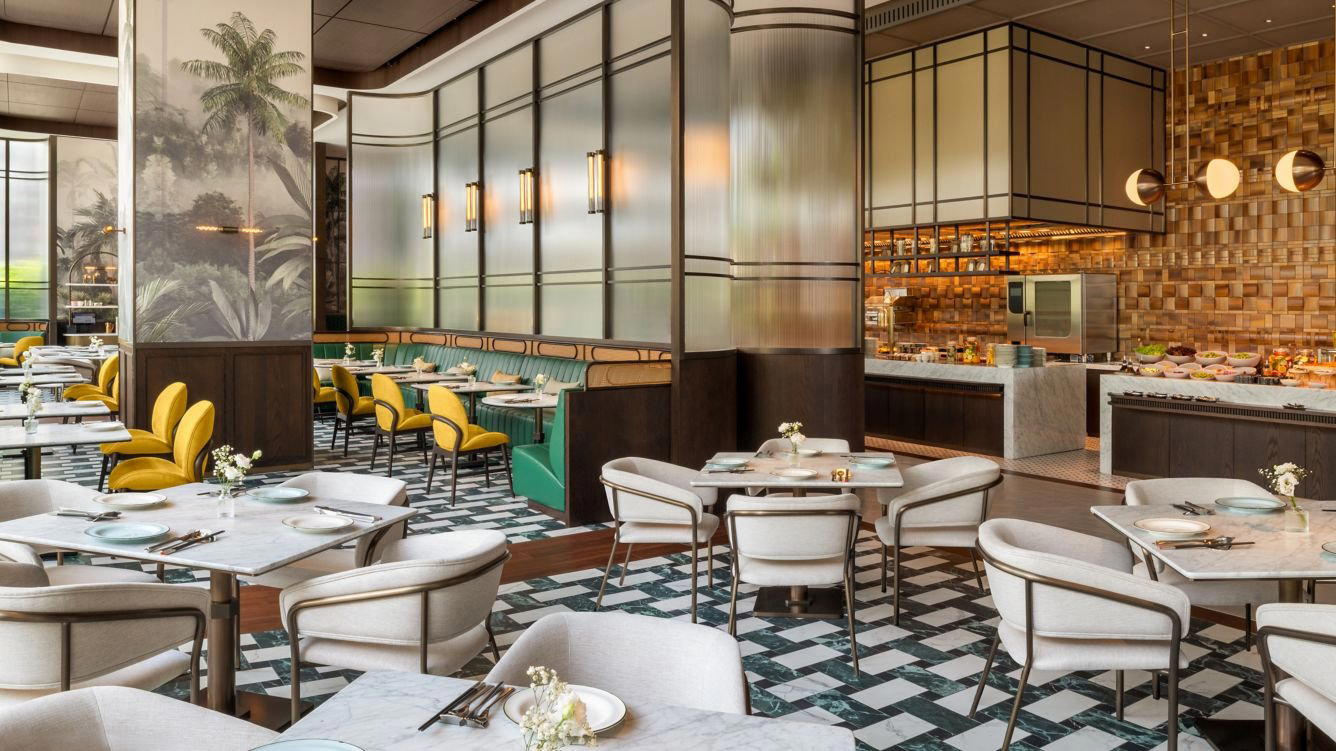
Modern design blending contemporary aesthetics with Hakka cultural homage, featuring a warm and homely feel through family-inspired elements.