Our verdict
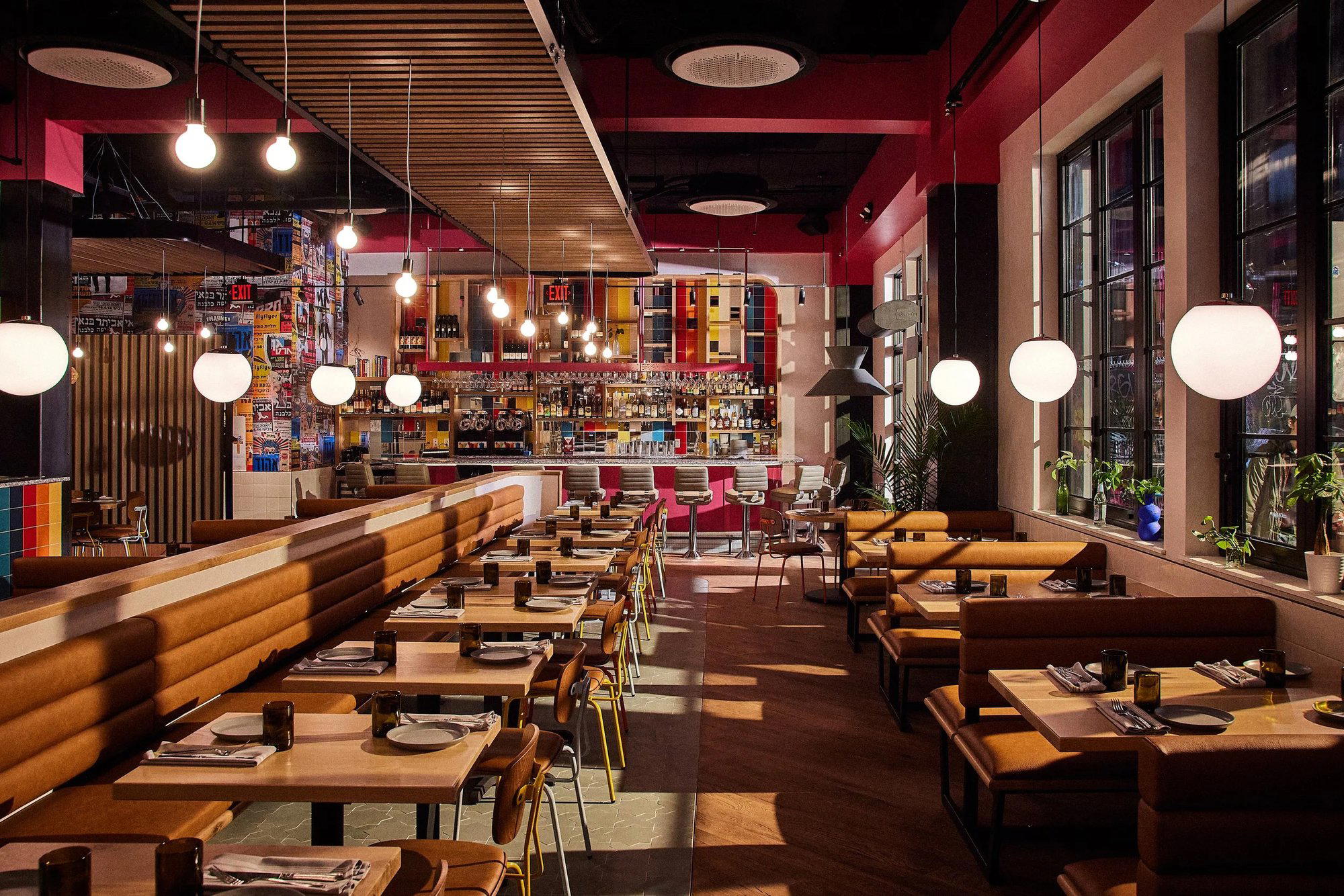
On Chestnut Street in Center City, Mona occupies a stretch of Philadelphia's dining corridor where the competition is dense and expectations run high. Positioned alongside a generation of restaurants reshaping how the city eats, Mona draws on cultural roots that give it a distinct identity in a scene where New American defaults remain the dominant idiom. Worth tracking for anyone mapping Philadelphia's current dining moment.

Pearl is the En Primeur Club membership app — saves, bookings, and concierge access live there. Same editors, same standards.
- Address
- 1308 Chestnut St, Philadelphia, PA 19107
- Phone
- (215) 770-4319
- Hours
- Daily 4 PM–2 AM
- Website
- monaphilly.com
- Directions
- Get directions
- Booking
- Book on OpenTable
The menu
What to order
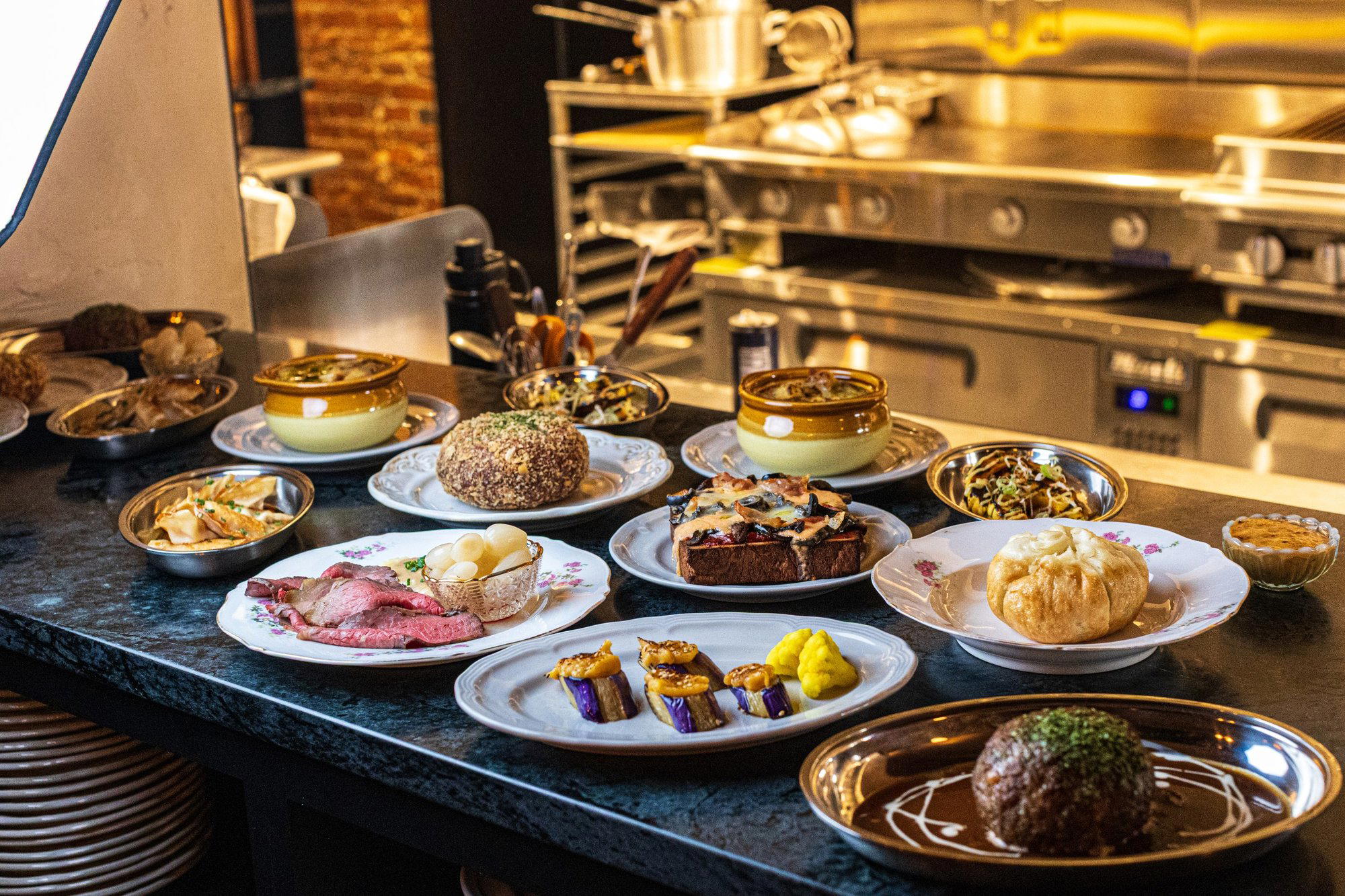
- Moussaka
- Souvlaki
- Spanakopita
- Lobster Pappardelle
Chestnut Street and the Pressure of Philadelphia's Center City Dining Scene
The block of Chestnut Street between 13th and 14th in Center City Philadelphia has become one of the city's more contested restaurant corridors. Within a short walk you have the kind of dining density that forces every room to justify its cover charge: Fork (New American) holds down the considered tasting-menu tier; Friday Saturday Sunday (New American) built a national reputation out of a rowhouse on Spruce. The competitive pressure in this part of the city is real, and it tends to clarify what a restaurant actually is, stripping away the vague aspirational language that lets weaker rooms survive in less scrutinized neighborhoods.
Mona, at 1308 Chestnut St, sits inside that pressure. What the room does with that positioning is the more interesting question.
Cultural Roots as a Competitive Advantage
Philadelphia's dining identity has shifted substantially over the past decade. The city that once leaned heavily on Italian-American red-sauce institutions and New American gastropubs now runs a much wider range. The arrival and consolidation of Southeast Asian cooking as a serious dining category — anchored by operations like Kalaya on the Thai side and Mawn (Cambodian, Pan-Asian) representing the broader regional sweep — signals that Philadelphia diners now engage with cultural specificity rather than requiring a familiar Western frame around non-European cuisines.
That broader shift matters for understanding where Mona fits. Restaurants that draw on distinct cultural traditions rather than defaulting to the New American idiom are no longer occupying a niche in this city; they are increasingly shaping the mainstream of what serious diners here want to eat. The conversation has moved. The venues that read cultural roots as a constraint are falling behind the ones that treat them as the actual point.
Across the country, this pattern is visible at multiple price tiers. The tasting-menu format at Atomix in New York City demonstrates how Korean culinary tradition can anchor a two-Michelin-star program without translating itself into Western terms. Alinea in Chicago and The French Laundry in Napa built their reputations on the opposite model, French technique as the universal grammar, but the more interesting question in American fine dining right now is what happens when that assumption gets set aside.
Where Mona Sits in Philadelphia's Current Order
Philadelphia's dining hierarchy has a few distinct tiers at the moment. At the leading, rooms like My Loup (French-Inspired) operate with the kind of precision and formality that signals a specific price point and ambition level. Below that, there is a productive middle tier of restaurants that have built genuine followings without chasing Michelin recognition or national awards cycles, venues where the food is the argument, not the press around it.
Mona's position on Chestnut Street places it in proximity to that middle tier, competing for the same pool of Philadelphia diners who eat out seriously and track what is new without requiring a three-month booking window. That is a competitive but functional space in the city's current order. For context on how American restaurants operate at various levels of ambition and recognition, ranges from the farm-driven rigor of Blue Hill at Stone Barns in Tarrytown to the seafood-forward precision of Le Bernardin in New York City and the Southern coastal authority of Emeril's in New Orleans give a useful frame for what serious American dining looks like at different registers.
Within Philadelphia specifically, Mona is one of several addresses worth tracking for anyone building a picture of where the city's dining culture is heading. Our full Philadelphia restaurants guide maps the broader field, including how venues at different price points and in different neighborhoods fit into the city's overall dining geography.
The National Frame: What American Restaurants Are Doing Now
The restaurants setting the pace in American fine dining in the mid-2020s tend to share certain qualities: an articulate point of view on sourcing, a format that reflects genuine conviction rather than trend-chasing, and a willingness to be specific rather than comprehensive. Single Thread Farm in Healdsburg built its reputation on the intersection of Japanese culinary philosophy and Northern California agriculture. Lazy Bear in San Francisco made a communal format work at a high price point. Providence in Los Angeles sustained two Michelin stars over many years through seafood focus and technical consistency. Addison in San Diego became California's only Forbes Five-Star restaurant outside Napa. The Inn at Little Washington in Washington has operated at a high level for decades, demonstrating that regional American fine dining outside the major coastal markets can sustain serious recognition.
These references are not benchmarks that every Philadelphia restaurant needs to clear. They are useful for calibrating what conviction and specificity look like at the top of the American market, and for understanding that the restaurants making the most interesting arguments right now tend to be the ones that know exactly what they are, rather than the ones trying to appeal to the broadest possible room.
For international comparison, 8 1/2 Otto e Mezzo Bombana (Hong Kong) demonstrates how Italian culinary tradition can hold Michelin recognition in a non-Italian city, a useful model for thinking about how cultural specificity travels and what it requires to be legible in a new context.
Know Before You Go
Frequently asked questions
Where is Mona located?
Mona is located at 1308 Chestnut St, Philadelphia, PA 19107, Philadelphia.
How does Mona fit into Philadelphia's broader dining scene compared to its Chestnut Street neighbors?
Philadelphia's dining hierarchy has sharpened considerably in recent years, with the city drawing national editorial attention alongside its established Michelin-recognized venues. Where Mona positions itself within that order — by cuisine, price, or format — is best assessed against its current menu rather than its address alone.
What dish is Mona famous for?
No single signature dish has been confirmed through the public record at this stage. Mona operates on Chestnut Street in Center City, a corridor where kitchens tend to differentiate on sourcing specificity and menu point of view rather than a single marquee plate. Check the current menu directly before visiting, as Philadelphia's mid-tier fine dining rooms rotate frequently.
How hard is it to get a table at Mona?
Chestnut Street between 13th and 14th has become one of Center City's more contested dining blocks, and weekend reservations at the corridor's better-regarded rooms can disappear within days of release. Mona's specific booking window isn't publicly documented, but planning at least two to three weeks ahead for a Friday or Saturday seat in this part of Philadelphia is a reasonable baseline. Weeknight availability tends to open later in the cycle.
Compact Comparison
Comparable venues nearby, for context on price, style, and recognition.
| Venue | Cuisine | Price | Awards | Notes |
|---|---|---|---|---|
| MonaThis venue — the venue you are viewing | Modern Greek & Mediterranean | $50–100 | Not listed | Not listed |
| Spice Finch | Modern Mediterranean Small Plates | $50–100 | Not listed | Rittenhouse Square, Modern Mediterranean Small Plates |
| Almyra | Modern Greek & Mediterranean Seafood | $50–100 | Not listed | Center City, Modern Greek & Mediterranean Seafood |
| Dolce Italian - Philadelphia | Classic Italian with House-Made Pastas | $50–100 | Not listed | Avenue of the Arts, Classic Italian with House-Made Pastas |
| La Famiglia | Classic Italian Fine Dining | $50–100 | Wine Spectator Best of Award of Excellence | Old City, Classic Italian Fine Dining |
| Louie Louie | French-Inspired American Bistro | $30–50 | Not listed | University City, French-Inspired American Bistro |