La Famiglia

Wine Spectator Best of Award of Excellence
Our verdict
La Famiglia serves classic Italian fine dining in a historic building on Front Street, with an extensive wine list and a 2026 Wine Spectator Best of Award of Excellence.

Pearl is the En Primeur Club membership app — saves, bookings, and concierge access live there. Same editors, same standards.
- Address
- 8 S Front St, Philadelphia, PA 19106
- Phone
- (215) 922-2803
- Hours
- Mon ClosedTue–Sat 5–9 PMSun Closed
- Website
- lafamiglia.com
- Directions
- Get directions
- Booking
- Book on OpenTable
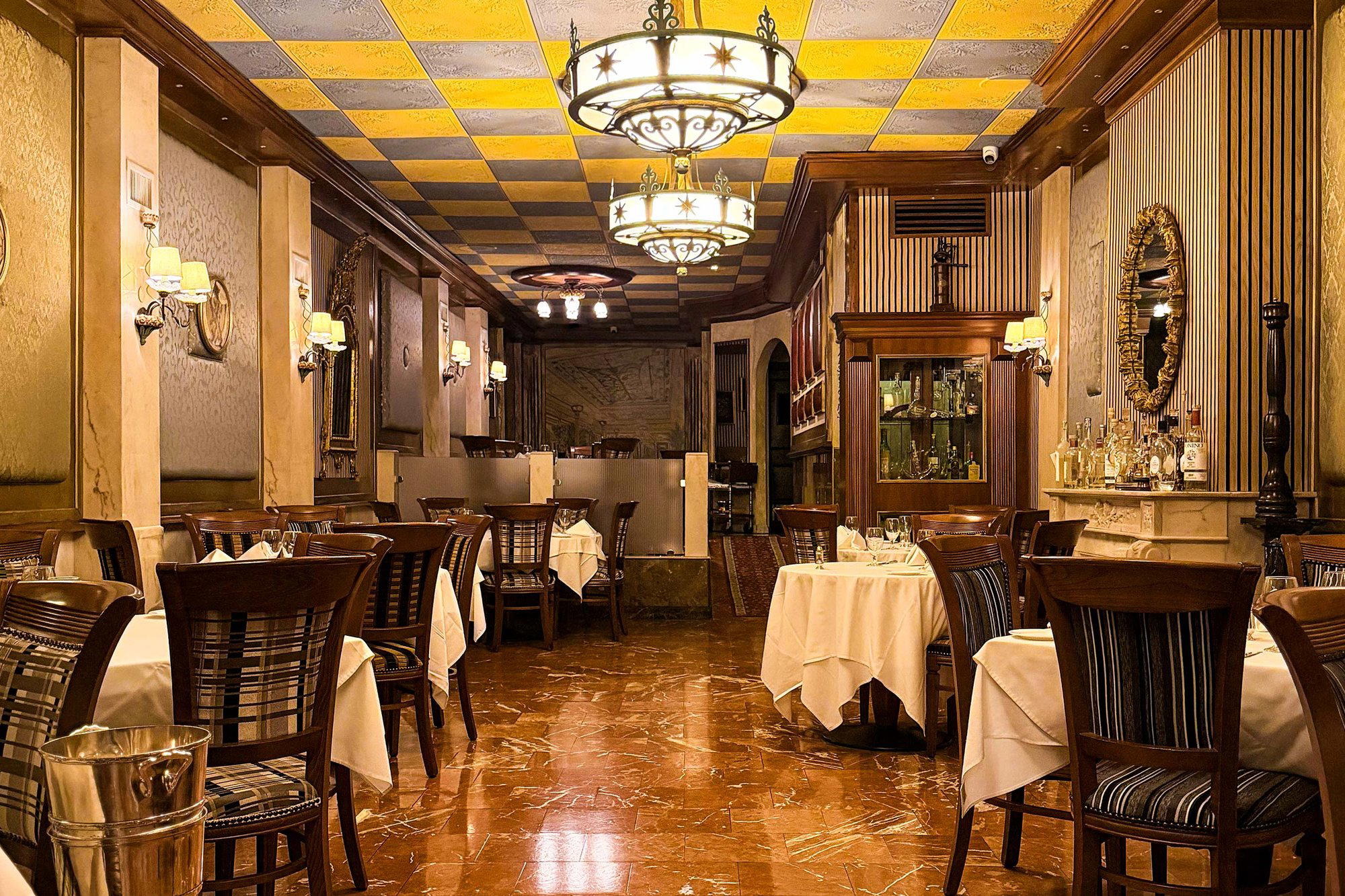
The menu
What to order
- Penne alla Famiglia
- Salt-crusted whole branzino
- Bistecca alla Famiglia
Old City, Old Craft: Italian Fine Dining on Front Street
South Front Street along Philadelphia's Old City waterfront carries a particular kind of gravity. The cobblestone blocks and Federal-era facades have hosted merchants, sailors, and eventually restaurateurs who understood that proximity to the Delaware River meant proximity to everything the city moved and consumed. La Famiglia sits at 8 S Front St within that corridor, an address that situates it inside one of Philadelphia's oldest commercial neighborhoods and places it in quiet dialogue with the city's broader Italian-American dining tradition, a tradition that runs deeper here than in most American cities outside New York.
Italian restaurants in American cities tend to split into two visible camps: the red-sauce institution built on generational loyalty, and the contemporary trattoria threading northern Italian technique through local seasonal produce. The more durable establishments occupy a middle ground, drawing on classical European method while anchoring their menus to the specific agricultural rhythms of the mid-Atlantic. That intersection of imported craft and regional ingredient is where Philadelphia's more serious Italian dining has always operated, and it is the lens through which La Famiglia reads most usefully.
The Italian Dining Tradition in Philadelphia
Philadelphia's relationship with Italian cuisine is structural, not incidental. The city's South Philadelphia neighborhoods produced one of the densest concentrations of Italian-American communities in the country through the late nineteenth and early twentieth centuries, and that population density created a hospitality culture that outlasted the wave that built it. What distinguishes the city's upper-tier Italian establishments from their counterparts in, say, Boston or Chicago is a genuine depth of product knowledge, particularly around pasta, cured meats, and wine, that reflects decades of community practice rather than recent trend adoption.
Against that backdrop, the move toward classical Italian fine dining in the Old City area represents a geographic and conceptual shift. Old City diners tend to be mixed: tourists visiting Independence Hall, professionals from the nearby financial district, and locals for whom the neighborhood functions as a destination rather than a daily convenience. An Italian restaurant pitching at the upper end of that market must work simultaneously as a neighborhood institution and as a flag for visitors arriving with comparative dining experience. That dual audience shapes everything from service register to wine list depth.
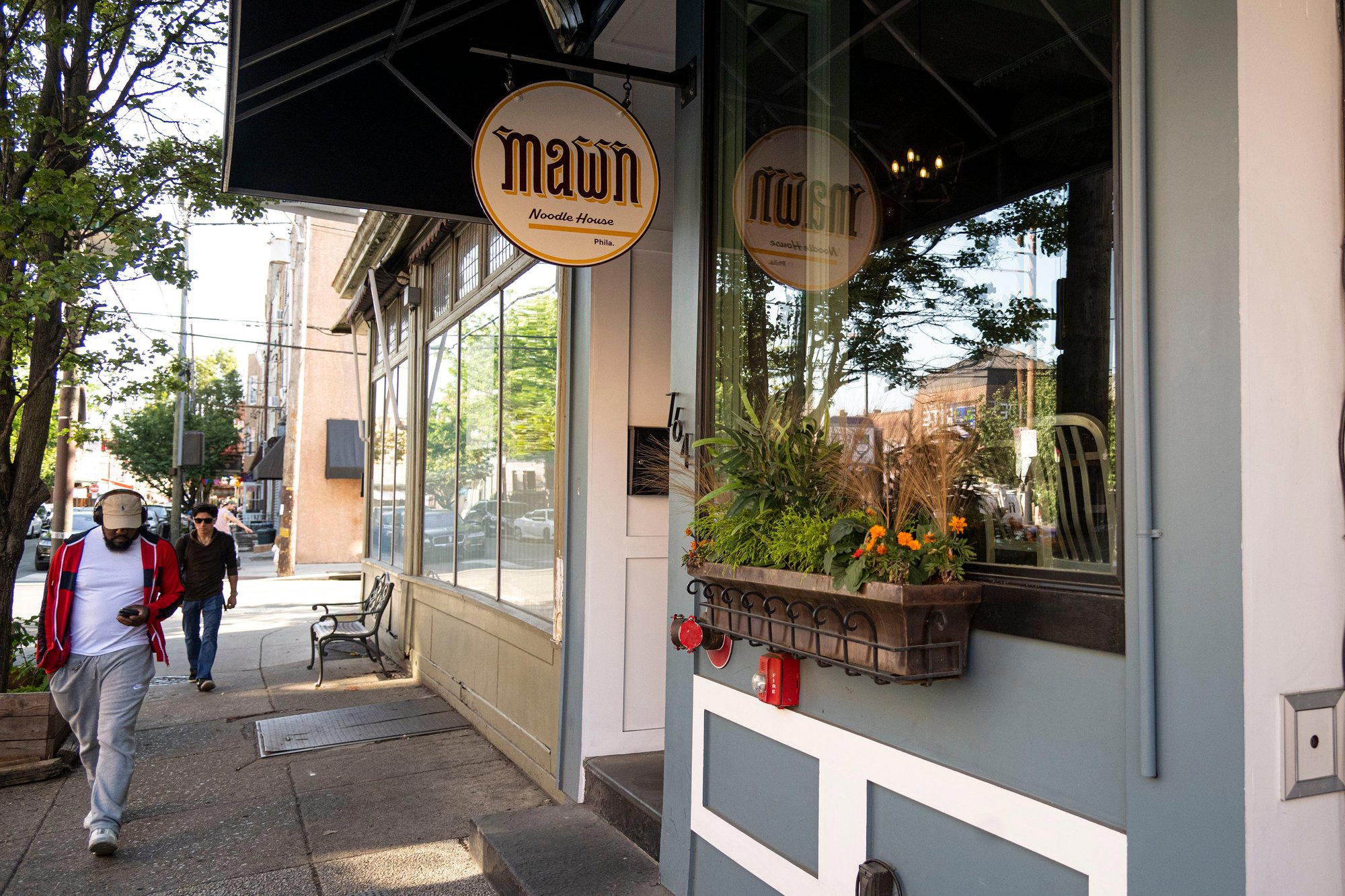
Philadelphia's broader dining scene has moved considerably in the past decade. New American restaurants like Fork and Friday Saturday Sunday have captured critical attention and a younger dining public. Thai cooking has reached serious technical depth at Kalaya. Pan-Asian formats like Mawn have expanded the city's register considerably. French-influenced tasting menus at My Loup pull a segment of the city's serious dining public toward shorter, more precise formats. Within that competitive field, a classical Italian fine dining house occupies a specific and somewhat contrarian position: it is betting on depth of tradition over novelty of concept.
Global Technique and Local Product
The most coherent argument for classical Italian fine dining in the mid-Atlantic is the quality of what the region produces. Pennsylvania and New Jersey farmers supply some of the country's leading brassicas, stone fruits, and heritage grain, and the region's mushroom industry centered around Kennett Square is unmatched domestically. Italian technique, particularly the Northern Italian emphasis on butter, cream, and slow reduction, applies to these products with particular success. A dish built on Pennsylvania ramps finished with a Piemontese method, or a pasta relying on local wheat milled close to its harvest date, is making a different argument than a pasta built on imported semolina and canned San Marzano.
This local-global framework has become standard practice at serious American Italian restaurants. Le Bernardin in New York City pioneered the idea that European technique applied to American product could produce something genuinely distinct. At a different scale, the same logic animates restaurants as geographically spread as Single Thread Farm in Healdsburg, Blue Hill at Stone Barns in Tarrytown, and The French Laundry in Napa. The ambition in each case is to make the local product the subject of the European method, not the other way around. Philadelphia's geography places it in an unusually strong position to make that argument: the growing region is diverse, the proximity to coastal and inland producers is tight, and the city's markets have historically supported the kind of ingredient specificity that fine dining requires.
For comparison, fine dining establishments that have used European technique to showcase American ingredients at the highest tier include Alinea in Chicago, Providence in Los Angeles, Addison in San Diego, The Inn at Little Washington, and Atomix in New York City. Each occupies a different culinary register, but all share the structural premise that imported discipline applied to domestic product produces something worth the price of admission. That same premise is the strongest case for classical Italian fine dining in Philadelphia.
What the Address Tells You
The Old City location matters practically as well as atmospherically. Front Street sits within walking distance of the major hotels that serve Philadelphia's convention and tourism market, meaning the restaurant draws an international dining public that arrives with comparative context. A diner who has eaten at 8 1/2 Otto e Mezzo Bombana in Hong Kong or Emeril's in New Orleans or Lazy Bear in San Francisco carries benchmarks. A fine dining house on Front Street is being measured against those benchmarks whether it seeks the comparison or not. That is the nature of operating in a tourism-adjacent Old City block, and it is part of what separates the address from a similar restaurant positioned in a purely residential neighborhood.
For visitors building a Philadelphia itinerary, the Old City concentration of restaurants and cultural sites means that a meal at La Famiglia can sit logically alongside visits to the historic district, an afternoon at the Penn's Landing waterfront, or an evening that moves through the neighborhood's bar circuit. The practical geography is forgiving. Our full Philadelphia restaurants guide maps the city's dining across neighborhoods for travelers trying to structure time efficiently.
Planning Your Visit
La Famiglia operates at 8 S Front St in Old City, Philadelphia. Old City parking is difficult on weekend evenings; arriving by rideshare or using the nearby Market-Frankford Line with a short walk is the more reliable approach. The neighborhood is navigable on foot from most Center City hotels.
Frequently asked questions
What's the address for La Famiglia?
La Famiglia is located at 8 S Front St, Philadelphia, PA 19106, Philadelphia.
How does La Famiglia compare to other Italian restaurants in Philadelphia's Old City neighborhood?
La Famiglia at 8 S Front St is one of the few Italian fine dining addresses in Old City itself, a neighborhood better known for its historic architecture and proximity to Independence Mall than for a dense restaurant cluster. Most of Philadelphia's Italian fine dining scene concentrates further south, making La Famiglia's waterfront-adjacent location on the northern edge of that tradition a point of genuine geographic distinction. For current menu and pricing comparisons, the restaurant is the authoritative source.
What's the must-try dish at La Famiglia?
La Famiglia's specific menu is best confirmed directly with the restaurant, as seasonal and rotating preparations vary. The kitchen's foundation in classical Italian cooking means housemade pasta and regional Italian technique tend to be the core of any given menu. Contact the restaurant at 8 S Front St in Old City for current offerings.
Do they take walk-ins at La Famiglia?
Walk-in availability at La Famiglia depends on the night and season, and Old City draws consistent foot traffic from the nearby hotel corridor and Independence Hall visitors. Reservations are the safer approach for a confirmed table. Reach the restaurant directly at their Front Street address for current availability.
What is La Famiglia known for?
La Famiglia occupies one of Philadelphia's oldest dining addresses in Old City, operating along the cobblestone Federal-era blocks of South Front Street. The restaurant has long been associated with classical Italian fine dining in a city where that tradition runs deep through the South Philadelphia Italian-American community. Its longevity on the Philadelphia dining scene is itself a credential in a competitive market.
Can La Famiglia handle vegetarian requests?
Italian fine dining menus generally offer natural entry points for vegetarian diners through pasta, antipasti, and vegetable preparations, though La Famiglia's specific current accommodations are best confirmed with the restaurant. Contact them directly at 8 S Front St, Philadelphia, for details on dietary requests ahead of your visit.
Is La Famiglia worth it?
La Famiglia holds a distinct position among Philadelphia's Italian fine dining options by virtue of its Old City address, its Federal-era surroundings on South Front Street, and its place in a city with one of the most deeply rooted Italian dining traditions on the East Coast. Whether the current menu and pricing align with your expectations is worth confirming directly before booking.
Recognition Snapshot
Comparable venues nearby, for context on price, style, and recognition.
| Venue | Cuisine | Price | Awards | Notes |
|---|---|---|---|---|
| La FamigliaThis venue — the venue you are viewing | Classic Italian Fine Dining | $50–100 | Wine Spectator Best of Award of Excellence | Not listed |
| Melograno | Authentic Roman-Inspired Italian | $50–100 | Not listed | Rittenhouse Square |
| Adoro | Classic Italian BYOB | $20–30 | Not listed | Southwark |
| Bellini | Modern Italian Steakhouse | $50–100 | Not listed | Rittenhouse Square |
| Emilia | Casual Italian Pasta | Not listed | Not listed | East Kensington |
| L'Angolo Ristorante | Authentic Puglia Italian Trattoria | $30–50 | Not listed | Girard Estate |
Recognition history
Dated appearances from independent guides and award organizations, with the underlying list record or original source where available.
Wine Spectator Best of Award of Excellence
Wine Spectator