Spice Finch
Our verdict
Spice Finch occupies a considered spot in Philadelphia's Rittenhouse Square dining corridor, where Mediterranean-inflected cooking meets the measured pace of a room that rewards unhurried eating. The address at 220 S 17th Street places it within easy reach of the city's densest concentration of serious restaurants, making it a natural reference point when mapping Philadelphia's contemporary dining scene.

Pearl is the En Primeur Club membership app — saves, bookings, and concierge access live there. Same editors, same standards.
- Address
- 220 S 17th St, Philadelphia, PA 19103
- Phone
- (215) 309-2238
- Hours
- Mon–Fri 4–9 PMSat–Sun 11 AM–3 PM, 4–9 PM
- Website
- spicefinchphilly.com
- Directions
- Get directions
- Booking
- Book on OpenTable
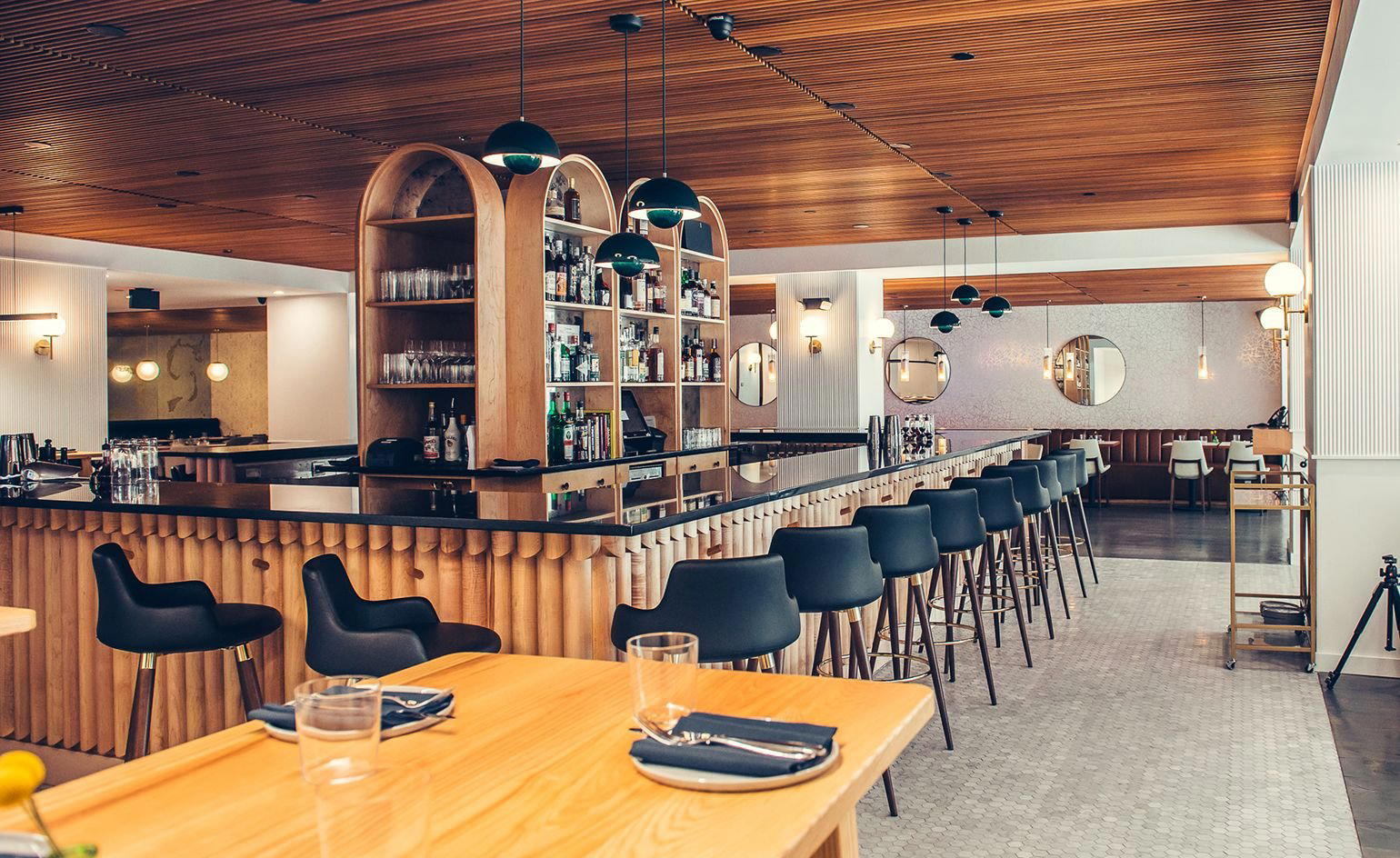
The menu
What to order
- Baked Cheese
- Roasted Cauliflower
- Octopus Escabeche
- Lamb Shank
- Chocolate Tahini Cake
The Room and the Ritual
On 17th Street in Rittenhouse Square, the dining tempo shifts noticeably from the grab-and-go energy of the surrounding blocks. The stretch between Walnut and Locust has accumulated enough destination-level restaurants over the past decade that the neighborhood now functions as Philadelphia's clearest equivalent to a serious dining corridor, comparable in concentration, if not in scale, to what Midtown South represents in New York or the West Loop does in Chicago. Spice Finch at 220 S 17th Street sits inside that current, drawing on a neighborhood identity built around tables where the meal is the evening, not the prelude to it.
That framing matters because it shapes how Spice Finch positions itself within Philadelphia's broader restaurant conversation. The city has a well-documented habit of producing restaurants where the cooking draws from Mediterranean, Middle Eastern, or Eastern Mediterranean traditions, layering spice-forward profiles over locally sourced ingredients. It is a mode that, at its finest, produces food with genuine geographic logic rather than fusion gesture. Understanding where Spice Finch lands within that tradition is the more useful frame than any individual dish description.
Philadelphia's Mediterranean Moment
Philadelphia's dining identity has never been reducible to cheesesteaks and soft pretzels, despite what the city's own mythology sometimes suggests. The restaurant scene that developed through the 2010s and into the 2020s consistently reached toward the Eastern Mediterranean, North Africa, and the Levant as culinary reference points, finding in those traditions both the spice complexity and the vegetable-forward approach that aligned with where serious American cooking was heading. Friday Saturday Sunday and Fork represent the more classically American end of that trajectory, while Mawn and South Philly Barbacoa demonstrate how far the city's appetite for non-European reference points has extended.
Spice Finch occupies a position in that conversation that is distinct from the tasting-menu formalism you find at nationally recognized addresses like The French Laundry in Napa or Smyth in Chicago, and equally distinct from the hyper-seasonal farm-narrative model practiced at places such as Blue Hill at Stone Barns or Single Thread Farm in Healdsburg. The address suggests a restaurant operating in the register of convivial, share-plate Mediterranean eating, where the ritual is about the table rather than the performance of a kitchen.
How the Meal Moves
The customs of Mediterranean-style dining have a particular internal logic that differs from either the progressive tasting menu or the conventional three-course American format. The meal tends to arrive in waves rather than sequences, with small plates appearing in clusters that encourage overlapping rather than orderly progression. That structure places real demands on a kitchen, since timing becomes less about managing a single throughline and more about reading the pace of each table. It also places demands on the diner: this is not a format that rewards divided attention or the impulse to order linearly and eat quickly.
Restaurants that handle this format well, whether in Philadelphia or at comparable addresses like Le Bernardin in New York City or Providence in Los Angeles (though in different registers entirely), share an understanding that the meal's rhythm is itself part of the offering. The pacing at Spice Finch, from the available signals about its address and positioning within Rittenhouse Square's dinner-focused corridor, suggests a room built for evenings that extend past the 90-minute table-turn model that dominates higher-volume dining.
The neighborhood context supports this. Rittenhouse Square diners skew toward longer meals, and the concentration of wine-serious restaurants in the area has created a local expectation that the beverage program will reward sitting. My Loup, a few blocks over, has made the wine-first, food-second ethos its entire identity. Spice Finch operates in a parallel mode, where the drink and the dish are co-equal parts of a single long table experience.
Jean-Georges Philadelphia represents the high-end French anchor at this price tier. The Filipino-inflected cooking at Helm has demonstrated that Philly diners will follow serious cooking regardless of origin. What that competitive environment clarifies is that any restaurant on 17th Street that sustains a dinner-focused, share-plate format is doing so against alternatives that are equally serious and, in some cases, more extensively awarded.
That context is worth holding onto when thinking about what Spice Finch offers. Restaurants operating at this address without the scaffolding of major awards, celebrity chef names, or high-visibility press campaigns typically survive on repeat neighborhood custom and word-of-mouth from the city's food-engaged population. That is, in many respects, the more durable foundation. Philadelphia's dining community has shown consistently, across venues from Fork to Mawn, that it will sustain restaurants that earn loyalty through the quality of the food and the intelligence of the room rather than through spectacle. The model is closer to what you see in cities with embedded food cultures, like New Orleans with Emeril's or the Washington area's The Inn at Little Washington, where longevity and community integration matter as much as any single critical moment.
Planning Your Visit
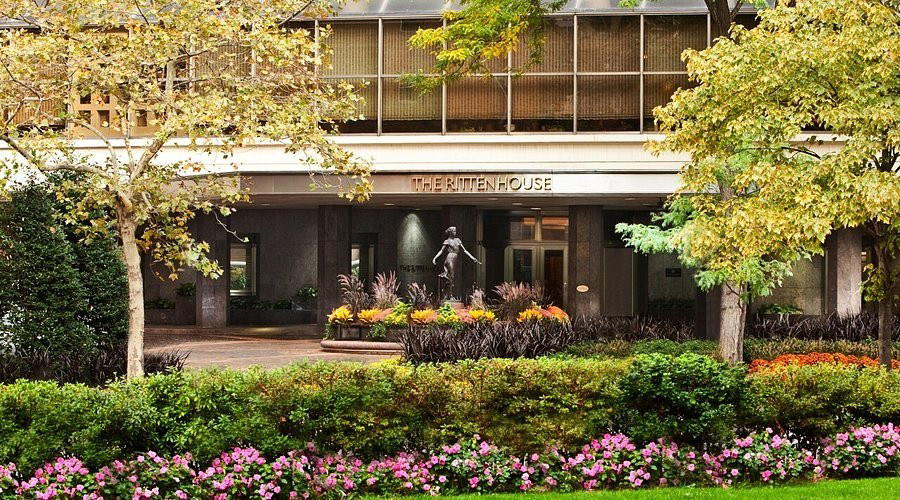
Spice Finch is located at 220 S 17th Street in Philadelphia's Rittenhouse Square neighborhood, a walkable address from both the square itself and the broader Center City hotel and transit infrastructure. For visitors arriving from outside Philadelphia, the neighborhood is approximately 20 minutes by rideshare from 30th Street Station and well within walking distance of the major Rittenhouse-area hotels. Given the restaurant's positioning within one of the city's most competitive dining corridors, booking ahead is advisable, particularly for weekend evenings when the surrounding restaurant cluster draws significant demand. Checking the restaurant's current reservation availability directly is the clearest indicator of how far in advance to plan. For a broader map of where Spice Finch sits within Philadelphia's dining options, the EP Club Philadelphia restaurants guide provides additional context on peer venues and neighborhood-by-neighborhood comparisons.
Frequently asked questions
Where is Spice Finch located?
Spice Finch is located at 220 S 17th St, Philadelphia, PA 19103, Philadelphia.
Is Spice Finch a good option for a solo diner in Philadelphia?
The share-plate format at Spice Finch is built around the table, which means solo diners at 220 S 17th Street get the most from the menu by choosing three to four dishes rather than defaulting to a single plate. Seating at the bar or counter, where available, tends to suit solo visits in Rittenhouse Square restaurants better than a full table reservation. The Mediterranean-style progression of smaller dishes also means pacing is easier to control when dining alone.
What do people recommend at Spice Finch?
Spice Finch draws consistent praise for its Mediterranean share plates, where the format encourages ordering several dishes across the menu rather than committing to a single entrée. Guests at the 220 S 17th Street address regularly highlight the vegetable-forward and spiced preparations as the strongest choices on the table. The approach rewards groups of three or more who can cover more of the menu.
How far ahead should I plan for Spice Finch?
Rittenhouse Square dining rooms at Spice Finch's level tend to fill Thursday through Saturday several days in advance, with weekend prime-time slots going fastest. Booking a week ahead is a reasonable baseline for most visits; two weeks provides more flexibility for groups or specific seating preferences. Midweek visits at 220 S 17th Street typically offer more availability.
What do critics highlight about Spice Finch?
Philadelphia food coverage has positioned Spice Finch within the city's Mediterranean moment, noting how it fits a broader shift away from European fine dining toward Levantine and North African flavor references. The share-plate format draws particular attention as a structural choice that shapes the entire meal.
What if I have allergies at Spice Finch?
Mediterranean kitchens of this type typically work with tree nuts, gluten, and dairy as recurring ingredients across multiple preparations, so allergy communication matters here more than at more straightforward menus. Contact Spice Finch directly at 220 S 17th Street before arrival to discuss specific restrictions, as the share-plate format means cross-contact possibilities multiply across a multi-dish order. Staff in Rittenhouse Square restaurants at this level are generally equipped to walk through the menu in detail.
What It’s Closest To
A quick snapshot of similar venues for side-by-side context.
| Venue | Cuisine | Price | Awards | Notes |
|---|---|---|---|---|
| Spice FinchThis venue — the venue you are viewing | Modern Mediterranean Small Plates | $50–100 | Not listed | Not listed |
| Friday Saturday Sunday | Modern American Tasting Menu | $100–150 | 1 Michelin Star · World's 50 Best #40 | New American |
| Fork | Seasonal New American | Not listed | James Beard Award Outstanding Restaurateur #1 · Wine Spectator Award of Excellence | New American |
| South Philly Barbacoa | Authentic Mexican Barbacoa Taqueria | $10–20 | James Beard Award Best Chef: Mid Atlantic · Chef's Table Featured on Chef's Table | Mexican |
| Jean-Georges Philadelphia | Modern French Fine Dining | $200–300 | La Liste Top Restaurants · Wine Spectator Best of Award of Excellence | French |
| Helm | Seasonal New American Small Plates | $50–100 | Not listed | Filipino |
Continue exploring
More in Philadelphia
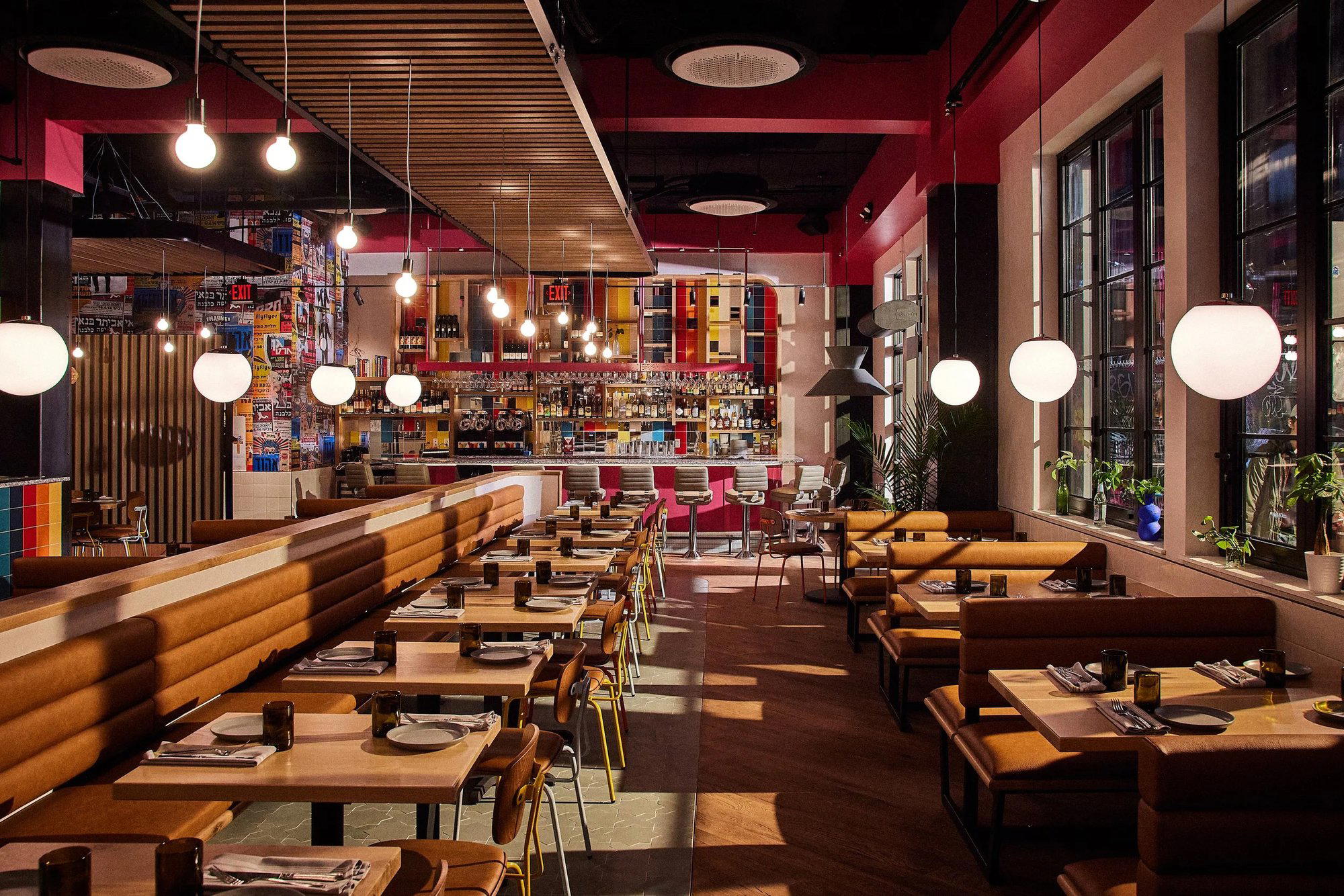
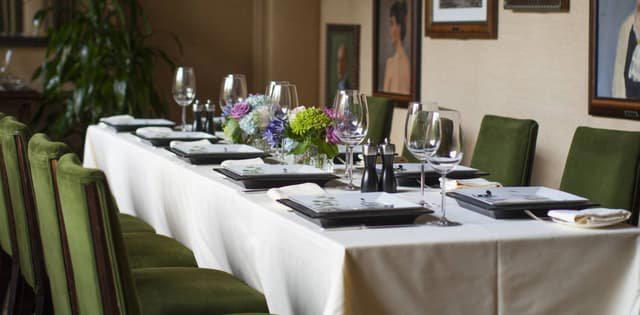
Restaurants in Philadelphia
Browse all →
Bars in Philadelphia
Browse all →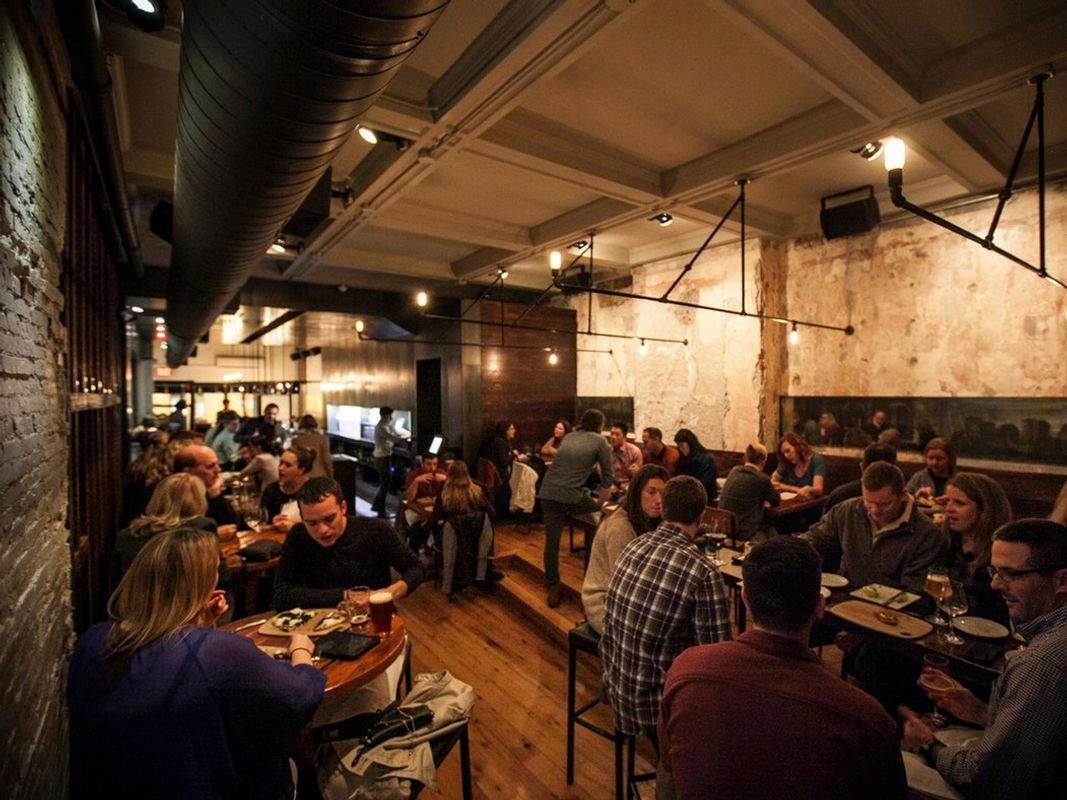
Details
- Elegant
- Modern
- Sophisticated
- Romantic
- Date Night
- Group Dining
- Celebration
- Special Occasion
- Brunch
- Private Dining
- Hotel Restaurant
- Open Kitchen
- Craft Cocktails
- Extensive Wine List
- Beer Program
- Small Plates
- Family Style
- Craft Cocktails
- Mediterranean Wines
- Vegetarian Friendly
- Vegan Options
- Gluten Free Options
Current opening hours
- Monday
- 4–9 PM
- Tuesday
- 4–9 PM
- Wednesday
- 4–9 PM
- Thursday
- 4–9 PM
- Friday
- 4–9 PM
- Saturday
- 11 AM–3 PM, 4–9 PM
- Sunday
- 11 AM–3 PM, 4–9 PM
Hours can change for holidays and private events. Last verified .
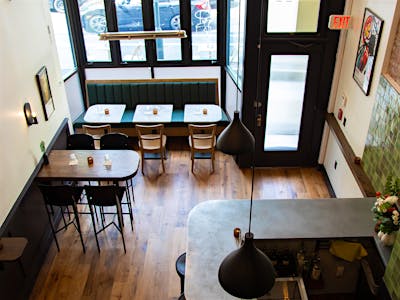
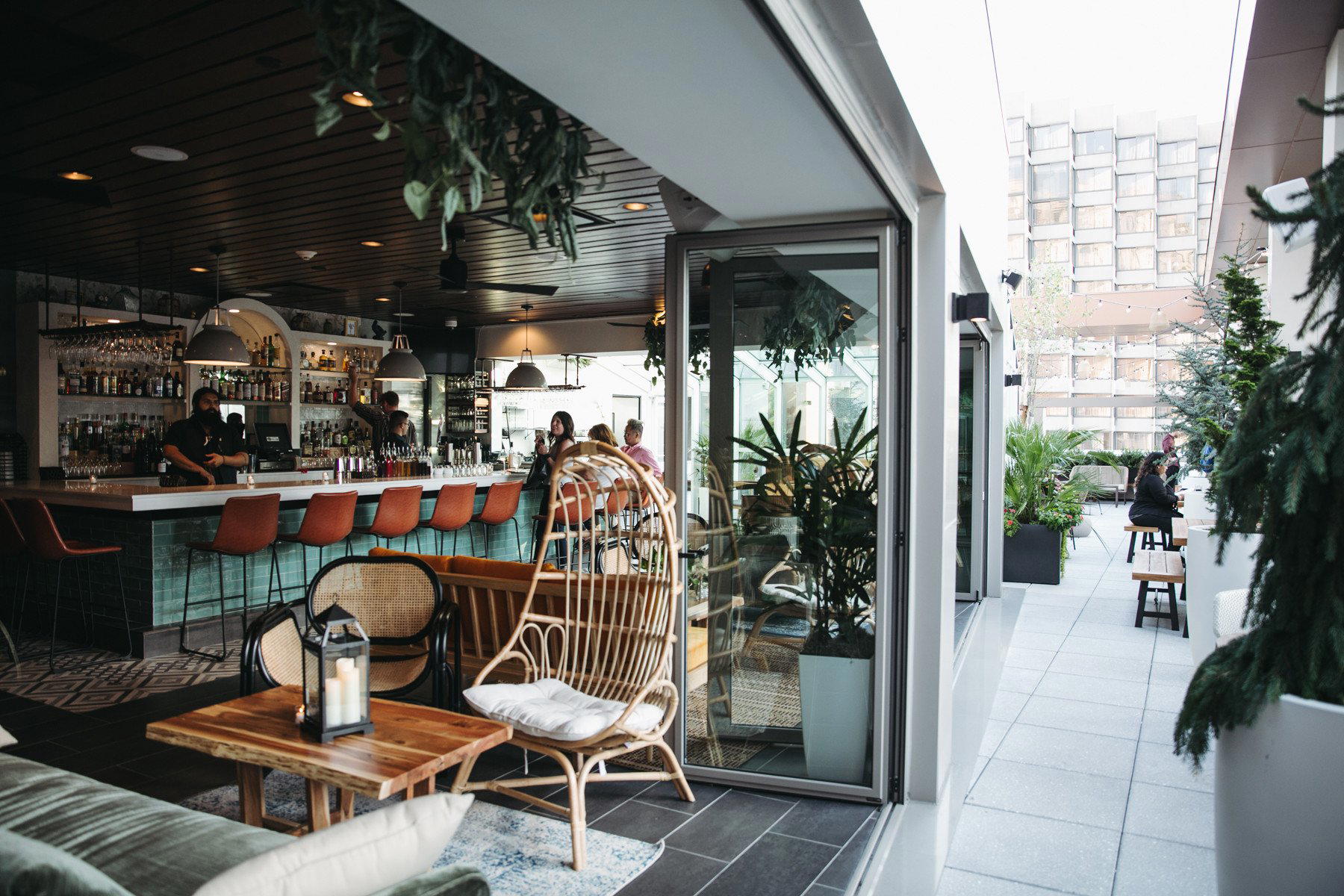
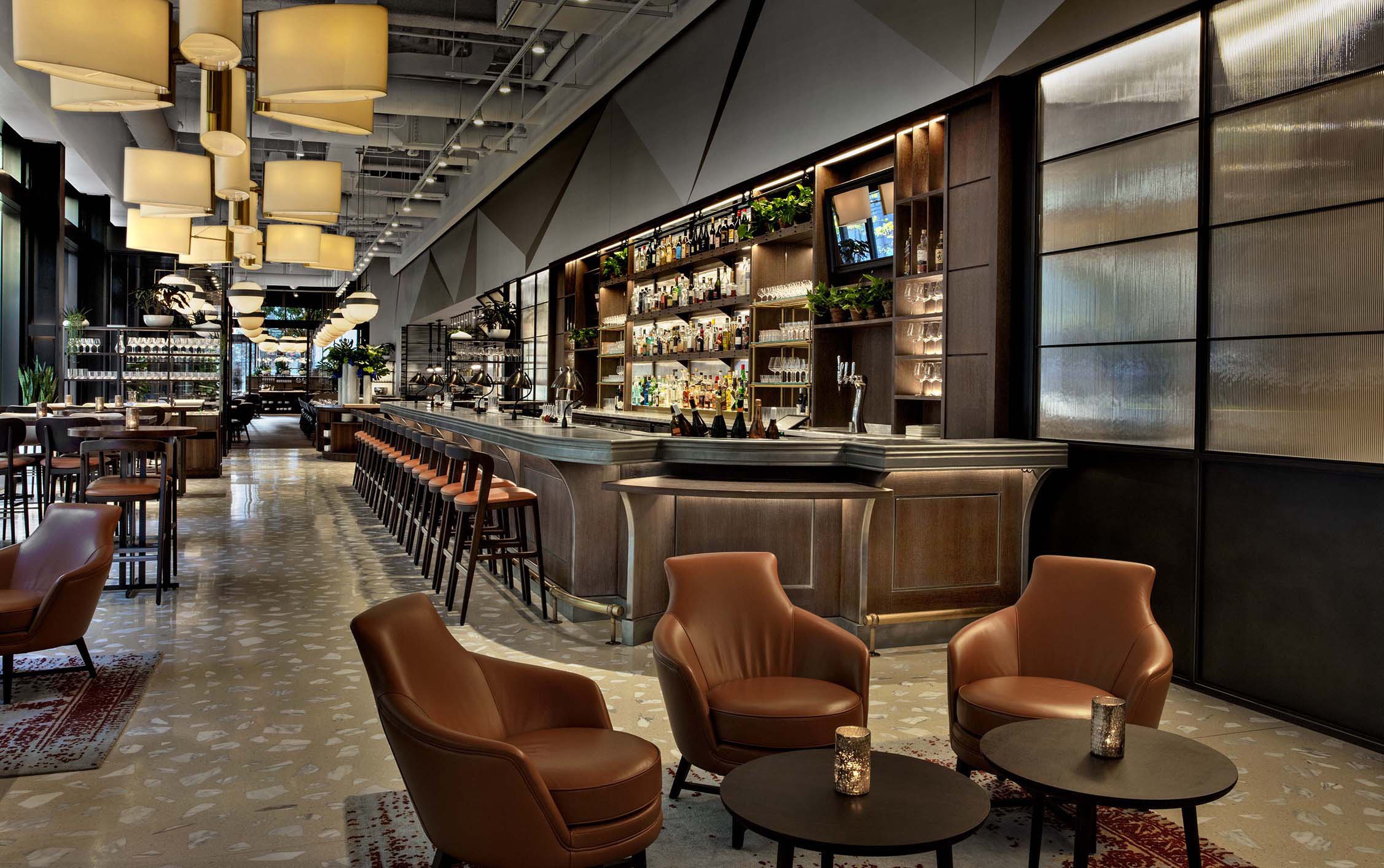
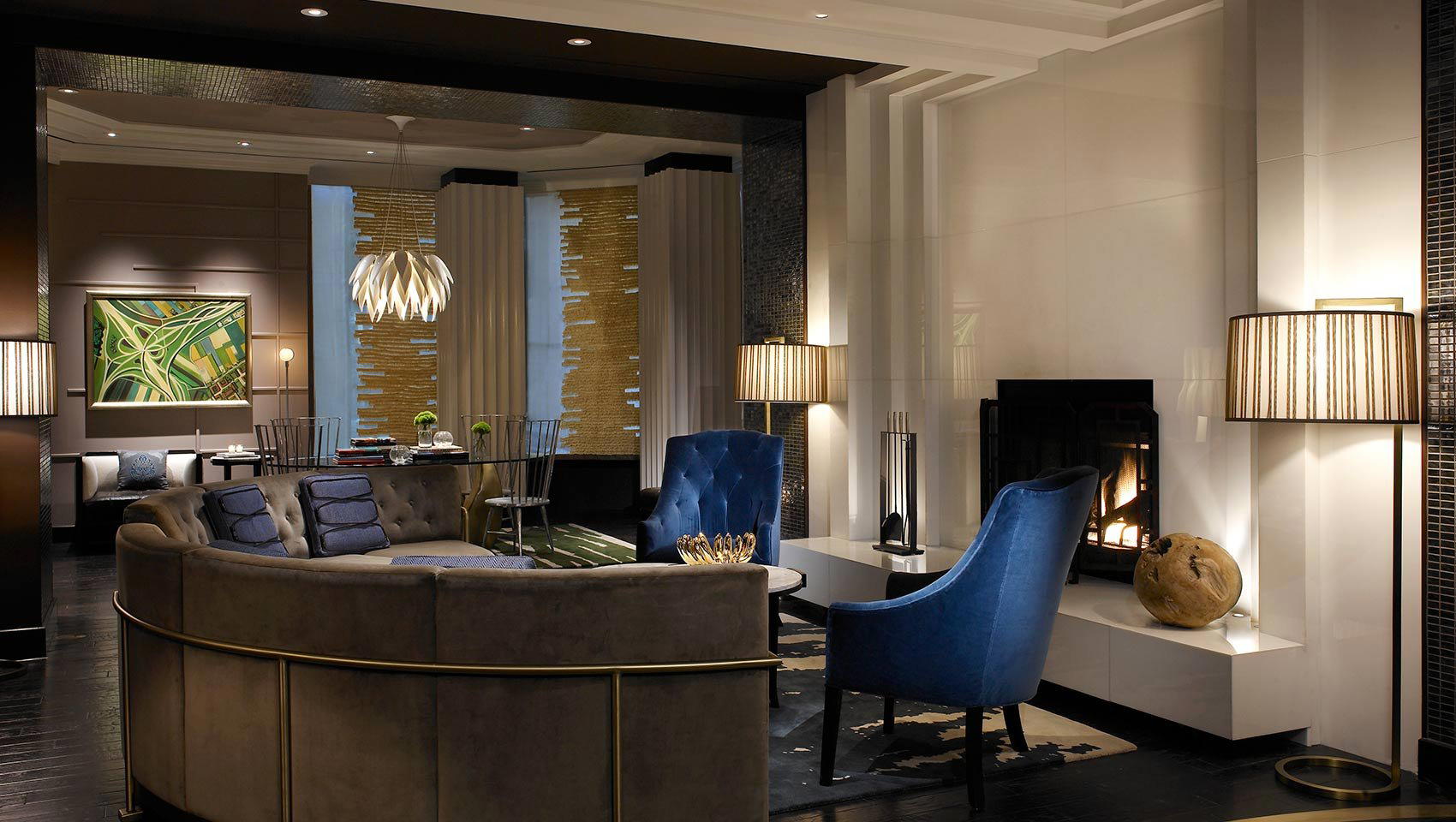
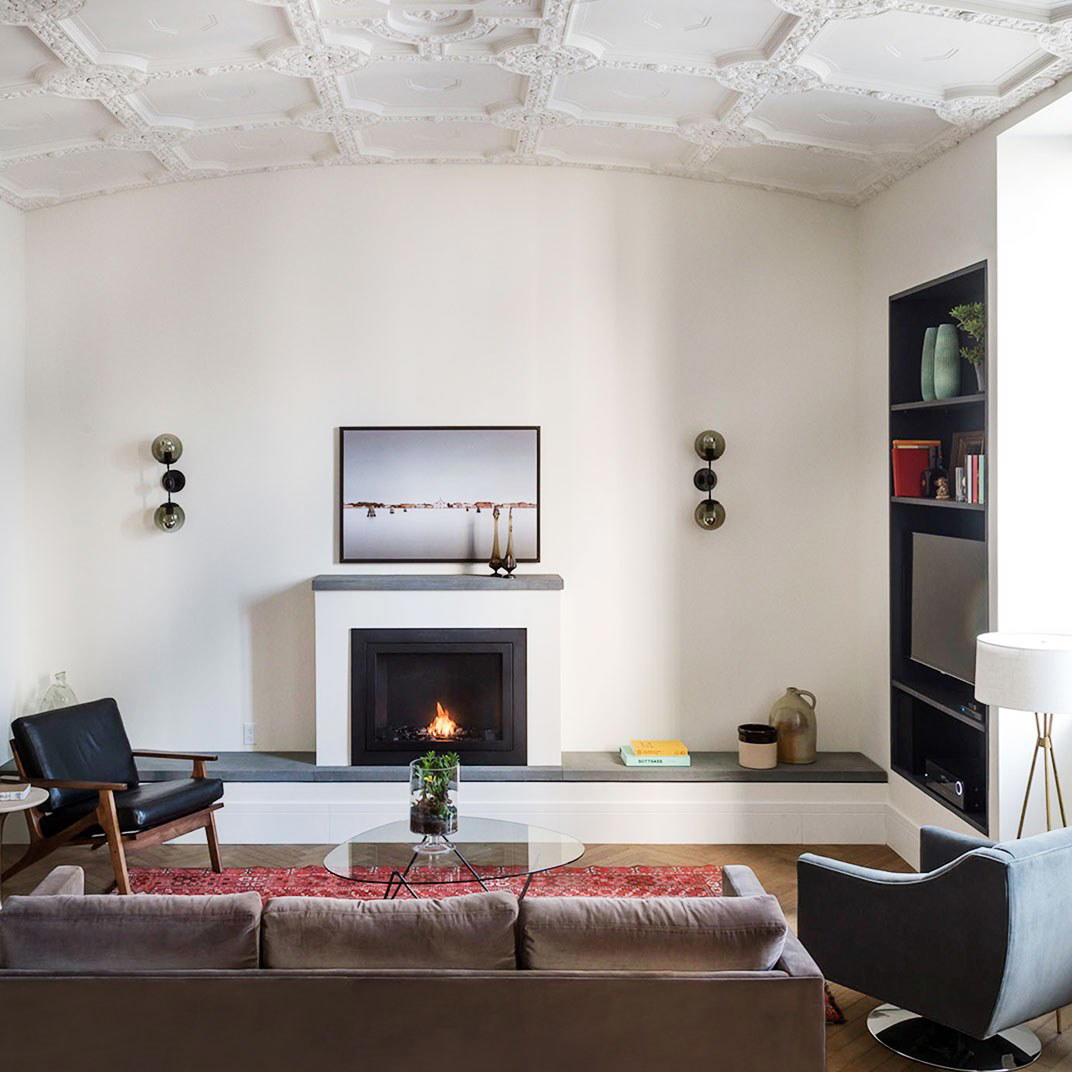
Bright and airy art deco-inspired space with polished wood and wicker furnishings, creating a sophisticated yet approachable dining environment.