Almyra
Our verdict
Almyra brings Greek cooking into Philadelphia’s broader appetite for social, table-led dining rather than formal tasting-menu theatre. The useful frame is the taverna tradition: generosity, shared plates, grilled seafood, herbs, lemon, olive oil, and a room that works when the table orders broadly rather than narrowly.

Pearl is the En Primeur Club membership app — saves, bookings, and concierge access live there. Same editors, same standards.
- Address
- Philadelphia, United States
- Directions
- Get directions
The menu
What to order
- Spreads with pita and spiced rice crackers
- Spanakopita manti
- Duo tartare
- Lamb chops
- Lavraki (whole grilled fish)
- Shrimp kebab
Greek restaurants often announce themselves through rhythm as much as food: the clatter of plates, the pace of shared dishes, the brightness of lemon and herbs, the sense that dinner is built for a table rather than a solitary main course. In Philadelphia, where neighborhood dining often prizes warmth over ceremony, Almyra belongs to the part of the city’s restaurant culture that treats hospitality as movement, noise, and repetition, not as hushed choreography.
The relevant tradition is Greek dining rather than the luxury tasting room. A Greek meal often works through accumulation: spreads, bread, vegetables, seafood, grilled dishes, salads, and something sweet or fortified at the end. The point is not technical surprise every few minutes. The point is whether a table can eat widely, keep conversation moving, and feel that the kitchen understands the Mediterranean grammar of acid, smoke, salt, oregano, olive oil, and char.
Greek dining in Philadelphia works when the table orders in waves
Philadelphia has become comfortable with restaurants that blur occasion dining and weeknight energy. That matters for Greek cooking, because the format can reward generous ordering. A table that treats the meal like an appetizer-and-entrée sequence may miss the structure. The stronger read is to build in waves: cold spreads first, something crisp or briny, then a heartier round, then a slower finish. This is how the cuisine’s balance appears. Richness needs lemon. Smoke needs herbs. Bread is not filler; it is a tool.
Almyra’s category also sits apart from the city’s more chef-counter and tasting-menu conversations. Philadelphia can support precision formats, but Greek dining often draws its authority from conviviality and proportion. The meal succeeds when several dishes land at once and the table negotiates what disappears first. That makes it a useful address for groups, families, and mixed appetites, especially when not everyone wants the rigidity of a long-form menu.
For a broader read on the city’s dining spread, Our full Philadelphia restaurants guide gives the wider map, from compact rooms and format-specific counters to neighborhood dining, steakhouses, and event-led food programming. Taken together, those categories show how broad Philadelphia’s restaurant conversation has become.
The taverna idea still carries the meal
The Greek eating house has never depended on preciousness. Its durability comes from a simple bargain: recognizable ingredients, clear seasoning, and a room designed for return use rather than reverence. That does not mean casual in the careless sense. It means the food has to be legible. If a kitchen leans too hard into ornament, the cuisine loses its center; if it retreats into plainness, the table goes flat. The middle ground is where modern Greek restaurants earn repeat attention.
Almyra is therefore better judged by how well it supports a shared-table mood than by whether it performs as a chef biography. The public recognition supplied here places Almyra within Philadelphia’s current restaurant-opening conversation; the useful trust signal is category fit: Greek cooking has a coherent dining language, and Philadelphia has the audience for restaurants that feel social without becoming anonymous. The city’s stronger rooms tend to understand occasion without overexplaining it. Greek dining gives that instinct a natural structure.
That also makes the restaurant easier to place for travelers. Visitors staying over can pair dinner planning with Our full Philadelphia hotels guide, then use Our full Philadelphia bars guide for the after-dinner part of the night. The city’s food culture extends beyond restaurants as well, with Our full Philadelphia wineries guide and Our full Philadelphia experiences guide covering the wider planning frame.
How to read Almyra against Greek dining elsewhere
Greek restaurants outside Greece tend to split in two directions. Some lean toward holiday nostalgia: blue-and-white interiors, easy seafood cues, and a menu built for broad recognition. Others use Greek dining as a contemporary format, keeping the shared-table logic while tightening sourcing, drinks, pacing, and room design. Almyra is best approached through that second lens: not as a museum of Greek cooking, but as a Philadelphia interpretation of a durable social format.
That distinction is useful because Greek food can be flattened into clichés when a restaurant relies only on atmosphere. The stronger version lets the table feel the cuisine’s structure. Dips are not decorative. Grilled dishes need contrast. Salads carry acidity and crunch. Wine and spirits can shift the meal from family dinner to late-evening gathering. When those parts line up, the Greek dining format remains one of the most flexible models in a city.
For readers comparing Greek and island-influenced cooking across EP Club, the broader file includes other regional, casual, and city-specific dining formats. The connection is not cuisine equivalence; it is the way regional food travels, adapts, and becomes part of a city’s dining habits.
Frequently asked questions
Would Almyra be comfortable with kids?
Yes, Almyra’s Greek cuisine in Philadelphia points to a format that can work well for mixed-age tables. The category is often built around a relaxed dinner rhythm, which tends to suit families.
How would you describe the vibe at Almyra?
Think Greek dining in Philadelphia with a relaxed, sociable feel rather than a formal tasting-menu setting. The city context suggests an easygoing dinner spot where the pace is driven by conversation.
What style of cooking does Almyra do?
Almyra serves Greek cuisine.
How hard is it to get a table at Almyra?
Almyra is an open Philadelphia restaurant, so access should be read in that city context. Weekend prime times will generally be tighter than midweek slots.
Reputation & Price
Comparable venues nearby, for context on price, style, and recognition.
| Venue | Cuisine | Price | Awards | Notes |
|---|---|---|---|---|
| AlmyraThis venue — the venue you are viewing | Modern Greek & Mediterranean Seafood | $50–100 | Not listed | Not listed |
| Estia | Authentic Greek Seafood | $30–50 | Not listed | Avenue of the Arts, Authentic Greek Seafood |
| In Riva | Southern Italian Wood-Fired Pizza & Pasta | $30–50 | Not listed | East Falls, Southern Italian Wood-Fired Pizza & Pasta |
| Tuna Bar | Modern Japanese Raw Bar | $30–50 | Not listed | Old City, Modern Japanese Raw Bar |
| Amá | Modern Mexican | $50–100 | James Beard Award Semi Finalist · Resy Best of the Hit List | Olde Kensington, Modern Mexican |
| Pine Street Grill | Elevated American Bar & Grill | $30–50 | Not listed | Rittenhouse Square, Polished American Bar & Grill |
Continue exploring
More in Philadelphia
Restaurants in Philadelphia
Browse all →
Bars in Philadelphia
Browse all →
Details
- Lively
- Modern
- Trendy
- Energetic
- Elegant
- Date Night
- Business Dinner
- Group Dining
- Celebration
- After Work
- Special Occasion
- Late Night
- Private Event
- Private Dining
- Standalone
- Design Destination
- Craft Cocktails
- Extensive Wine List
- Sustainable Seafood
- Street Scene
- A La Carte
- Small Plates
- Cocktails
- Wine
- Spirits
- Pescatarian Friendly
- Vegetarian Friendly
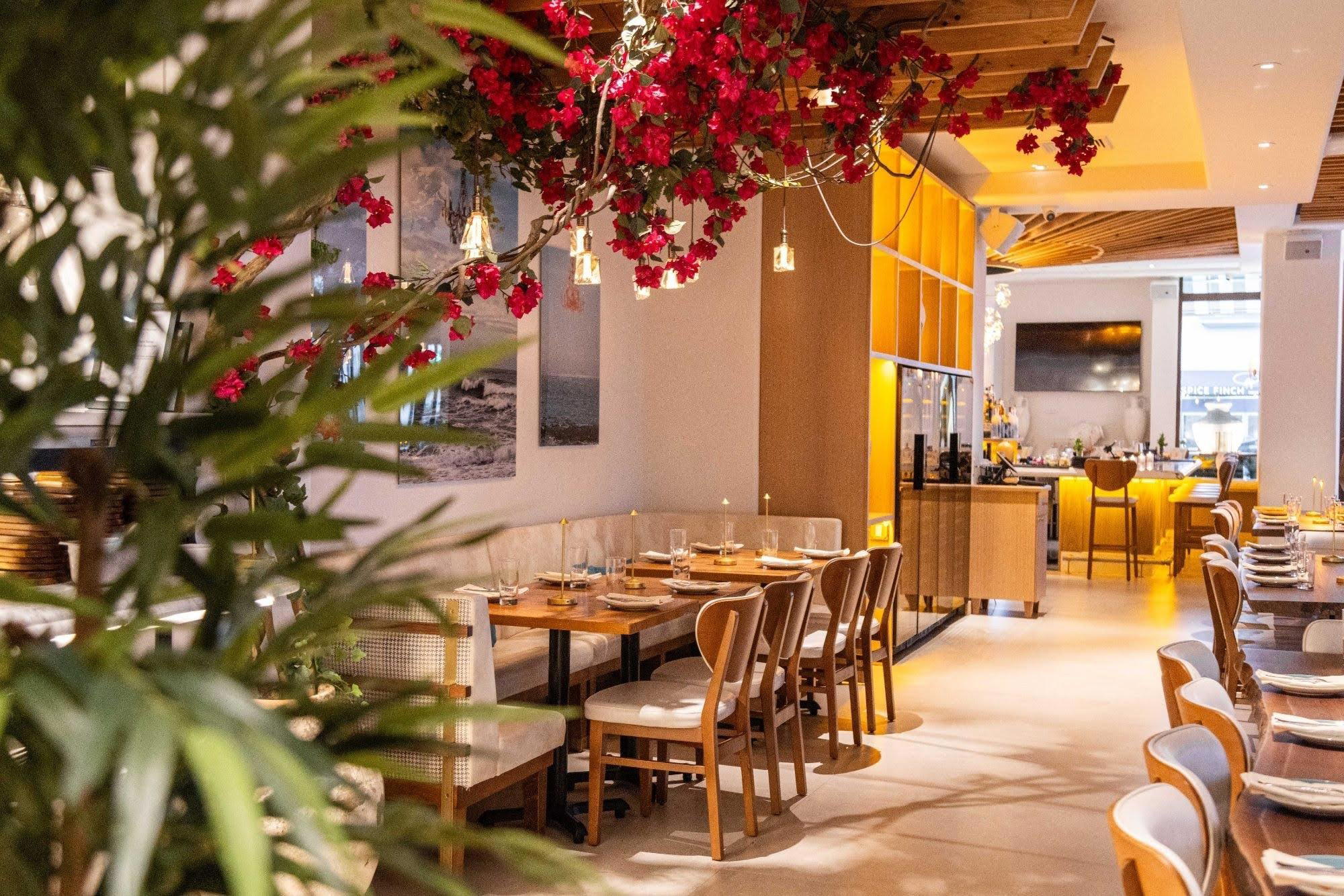
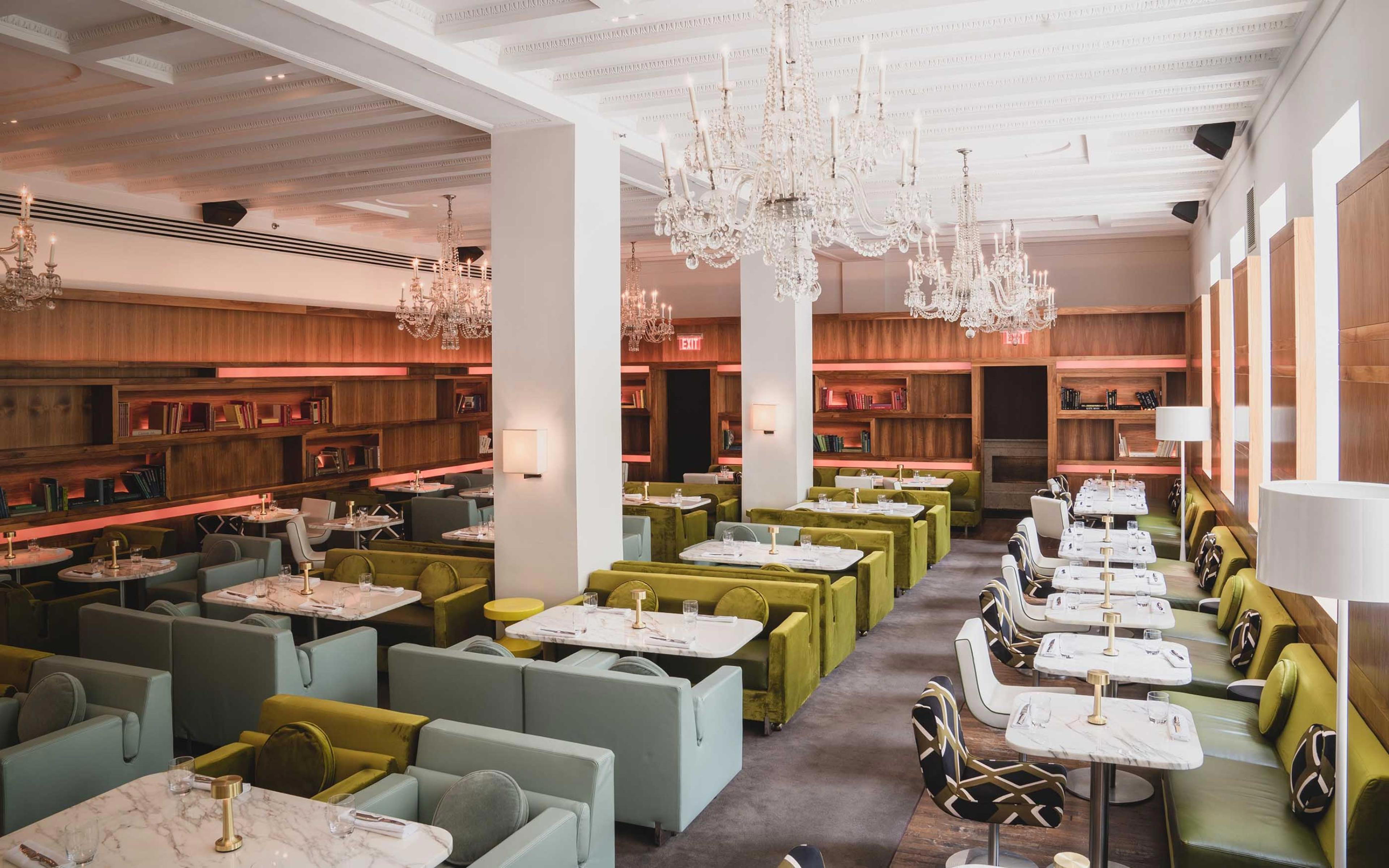
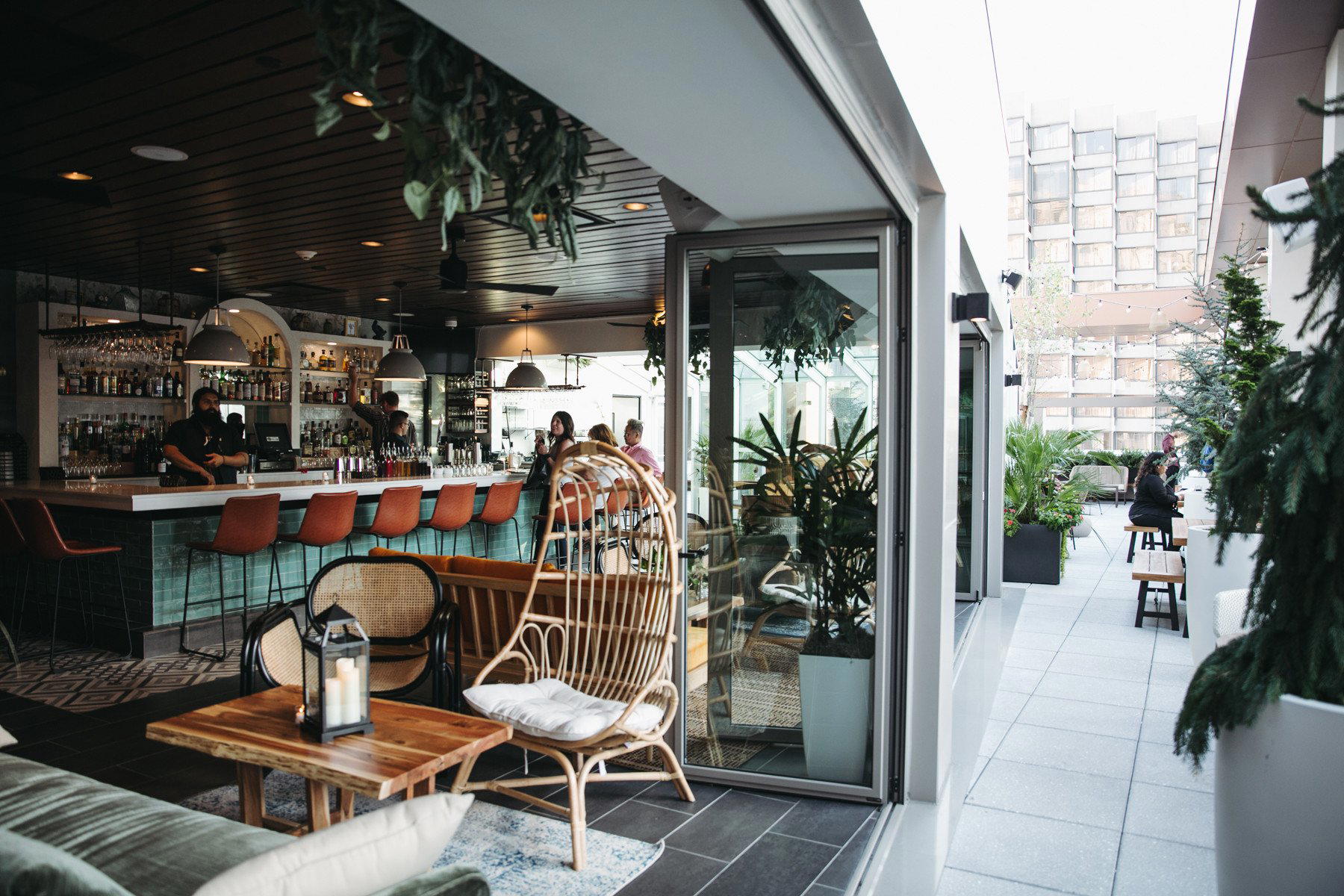
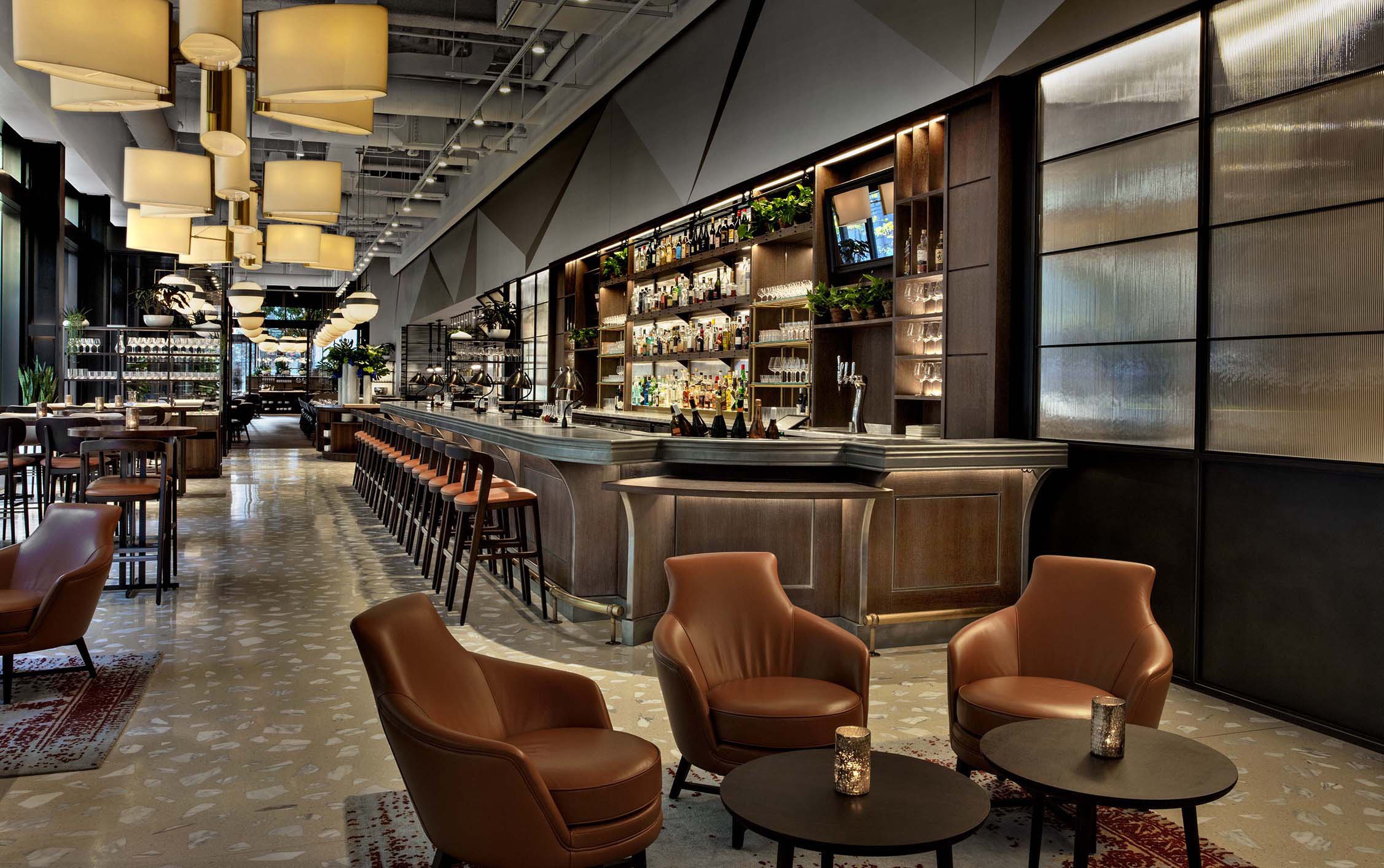
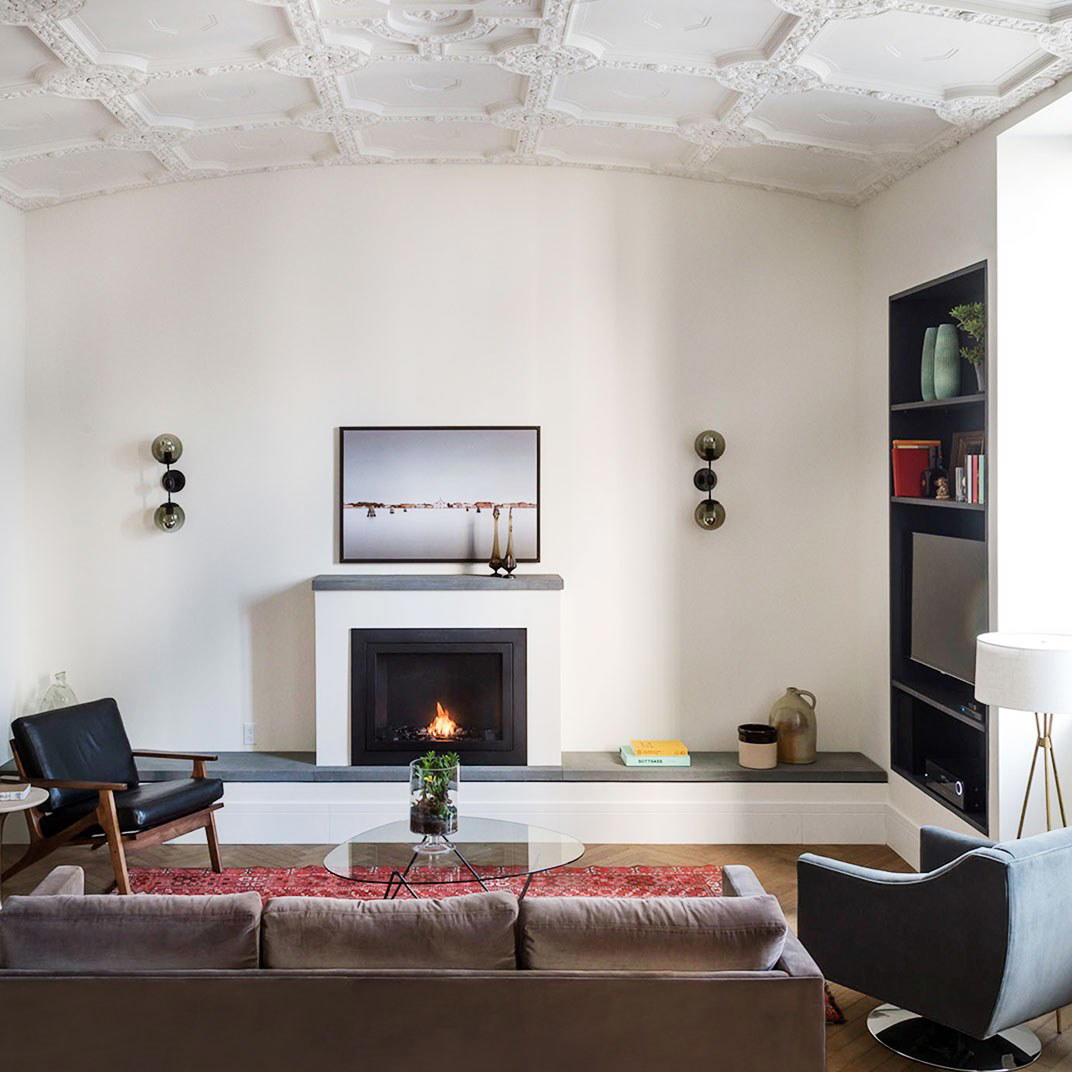
Light, breezy, and modern with a bustling bar scene; interiors and lighting are designed to evoke a bright Greek island party atmosphere, becoming more energetic and nightlife-oriented as the evening progresses.