Louie Louie
Our verdict
Louie Louie occupies a corner of West Philadelphia's Walnut Street corridor where the University City dining scene meets a more considered approach to sourcing and kitchen practice. Against a Philadelphia restaurant field that has grown increasingly serious about provenance, Louie Louie positions itself in the neighborhood tier that rewards repeat visitors rather than destination seekers. Check current hours and booking availability directly before visiting.

Pearl is the En Primeur Club membership app — saves, bookings, and concierge access live there. Same editors, same standards.
- Address
- 3611 Walnut St, Philadelphia, PA 19104
- Phone
- (267) 805-8585
- Hours
- Mon–Thu 11 AM–9 PMFri 11 AM–9:30 PMSat 10 AM–9:30 PMSun 10 AM–8 PM
- Website
- louielouie.restaurant
- Directions
- Get directions
- Booking
- Book on OpenTable
The menu
What to order
- French Toast
- Lobster Bisque
- Duck Confit
- Calamari Po'Boy
- Half Roasted Chicken
- Burger
West Philadelphia's Sourcing-Forward Corner
University City's dining strip along Walnut Street has historically been defined by student-budget convenience and quick turnover. The presence of a restaurant like Louie Louie at 3611 Walnut St reflects a broader shift: the neighborhood is attracting operators who see its foot traffic and institutional adjacency as assets for building a local following rather than just capturing transient custom.
Philadelphia and the Sourcing Conversation
Philadelphia's restaurant scene has spent the past decade building a genuine infrastructure for ethical sourcing. The Reading Terminal Market, a permanent presence since 1893, has long provided chefs with direct relationships to Pennsylvania Dutch farms, regional meat producers, and seasonal produce suppliers. That foundation means restaurants across price tiers, from quick-service counters to full-service dining rooms, have access to a sourcing network that cities without comparable market institutions simply cannot replicate at the same density.
The consequence for diners is that a claim of local or ethical sourcing in Philadelphia carries more verifiable weight than in many comparable mid-sized American cities. Restaurants operating in the University City corridor have particular incentive to lean into this, given their proximity to an academic and research population that tends to ask more questions about ingredient provenance than the average diner. That social pressure, over time, shapes what operators prioritize when building menus and supplier relationships.
Within Philadelphia's broader field, the restaurants that have attracted the most sustained critical attention, including Fork and Friday Saturday Sunday on the New American side, and Kalaya and Mawn for Southeast and South Asian cooking, have all built reputations partly on the coherence between what they claim about sourcing and what actually arrives on the plate. My Loup represents the French-inflected end of the same impulse. These restaurants set the reference points against which any Philly room making sourcing-forward claims gets measured, consciously or not.
Sustainability as Kitchen Practice, Not Marketing Position
In American dining broadly, the word sustainability has been stretched to cover everything from compostable takeout containers to deeply integrated farm partnerships. The more meaningful version of the concept, the kind that actually changes how a kitchen buys, preps, and disposes, tends to show up in specific operational choices rather than menu language. Restaurants at Blue Hill at Stone Barns in Tarrytown and Single Thread Farm in Healdsburg have set the high-water mark for this kind of integration, where the sourcing relationship is structurally embedded in menu development rather than applied as a garnish to an already-determined dish list. Those operations function at a price point and scale that most neighborhood restaurants cannot match, but they have established a vocabulary and a set of visible commitments that trickle down into how other operators frame their own sourcing decisions.
For a restaurant on Walnut Street, operating in a neighborhood where price sensitivity is real and margins are tight, the translation of those principles requires different mechanisms. Waste reduction through whole-ingredient utilization, relationships with smaller regional farms that do not require minimum orders at the scale a Napa or Hudson Valley destination restaurant demands, and menu flexibility that responds to seasonal availability rather than locking in year-round staples: these are the practical expressions of the same underlying commitment, adapted to urban neighborhood economics.
Nationally, the restaurants that have made these commitments most legibly, including Lazy Bear in San Francisco and Providence in Los Angeles on the seafood sustainability side, tend to make them visible through menu notes, staff knowledge, and the specificity with which they can answer a question about where a given ingredient came from. That specificity is itself a signal: it means the kitchen has actually had the conversation with the supplier, not just ticked a procurement checkbox.
The University City Dining Context
Walnut Street between 30th and 40th functions as the primary commercial artery for a neighborhood that houses the University of Pennsylvania, Drexel University, and a growing cluster of medical and research institutions. The dining options have historically skewed toward delivery-optimized formats and branded chains, with independent full-service restaurants representing a smaller share of the total than in comparable corridors in Rittenhouse Square or Fishtown. That scarcity makes the independents that do operate here more consequential as neighborhood institutions: they bear a larger share of the social function that restaurants play in a community.
The proximity to Penn's campus also brings a particular kind of diner awareness around food systems, environmental impact, and labor practices. Student populations at research universities have driven meaningful changes in campus dining programs across the country, and that same awareness shapes expectations when those same people eat off-campus. A restaurant that can meet those expectations with substance rather than signage tends to build loyalty faster in this kind of neighborhood than it would in a more purely transactional dining district.
Planning Your Visit
Louie Louie is located at 3611 Walnut St in Philadelphia's University City neighborhood, easily reachable by the Market-Frankford Line to the 34th Street station or by SEPTA bus routes running along Walnut. The Walnut Street corridor sees consistent foot traffic from late morning through evening, with the period around Penn's academic calendar creating predictable peaks. For comparable Philadelphia rooms with confirmed booking infrastructure, our full Philadelphia restaurants guide covers the broader field.
Philadelphia in the National Sourcing Conversation
When measured against the national tier of restaurants where sourcing commitments have received the most rigorous external scrutiny, including Alinea in Chicago for its systems-level approach to waste, Addison in San Diego for its regional California sourcing depth, The French Laundry in Napa for its on-site kitchen garden, The Inn at Little Washington for its documented farm relationships, Le Bernardin in New York City for seafood sustainability, Atomix in New York for Korean ingredient integrity, Emeril's in New Orleans for Gulf Coast sourcing, and 8½ Otto e Mezzo Bombana in Hong Kong for its Italian-ingredient import rigor, Philadelphia sits as a city with the structural conditions to support genuine sourcing depth. The question for any individual restaurant is whether the infrastructure is being used.
Frequently asked questions
What part of town is Louie Louie in?
Louie Louie is located at 3611 Walnut St, Philadelphia, PA 19104, Philadelphia.
How does Louie Louie compare to other independent restaurants along Walnut Street in Philadelphia's University City?
The Walnut Street corridor between 30th and 40th in Philadelphia has historically skewed toward high-turnover, convenience-driven formats serving the University of Pennsylvania and Drexel University communities. Louie Louie at 3611 Walnut St represents the independently operated end of that spectrum, where the kitchen's approach to sourcing distinguishes it from the category-chain and fast-casual options that dominate the block. For diners coming from Center City Philadelphia, the Market-Frankford Line to 34th Street puts the restaurant within easy reach.
What dish is Louie Louie famous for?
Louie Louie sits within Philadelphia's University City corridor, a neighborhood where independently operated kitchens have increasingly oriented menus around local and regional sourcing rather than a single marquee dish. check the venue's official channels at 3611 Walnut St or visit in person for current menu details.
Is Louie Louie reservation-only?
Along the Walnut Street corridor in Philadelphia's University City, reservation policies vary widely between walk-in-friendly neighborhood spots and counter formats that book days in advance. Checking directly with the restaurant at 3611 Walnut St before visiting is the practical approach.
What makes Louie Louie worth seeking out?
Louie Louie occupies a stretch of Walnut Street in Philadelphia's University City where independently operated, sourcing-conscious restaurants are a relative rarity compared to the neighborhood's daytime population density. Philadelphia's broader dining infrastructure, built in part around long-standing supply relationships at institutions like the Reading Terminal Market, gives kitchens in this city a credible sourcing foundation. A restaurant operating with that orientation in University City fills a gap that the corridor's existing quick-service options do not.
Can Louie Louie accommodate dietary restrictions?
Philadelphia's restaurant scene has developed a strong norm of flexibility on dietary needs, particularly at independently operated kitchens where menus tend to shift with supply. The most reliable step is contacting Louie Louie directly at 3611 Walnut St before your visit.
Is Louie Louie overpriced or worth every penny?
Within Philadelphia's University City, restaurants operating near the Walnut Street corridor span a wide range, from student-budget counters to full-service independent operations where the per-person spend reflects ingredient sourcing and service. Verifying current pricing directly with the venue before visiting is advisable.
The Short List
Comparable venues nearby, for context on price, style, and recognition.
| Venue | Cuisine | Price | Notes |
|---|---|---|---|
| Louie LouieThis venue — the venue you are viewing | French-Inspired American Bistro | $30–50 | Not listed |
| The Good King Tavern | French Bistro | $30–50 | Bella Vista, French Bistro |
| Miel Patisserie | Rittenhouse Square, French Patisserie | Not listed | Not listed |
| Bibou | Classic French Fine Dining | Not listed | Italian Market, Classic French Fine Dining |
| Scarpetta | Modern Italian Fine Dining | Not listed | Rittenhouse Square, Modern Italian Fine Dining |
| Zama | Modern Japanese Sushi & Omakase | $30–50 | Rittenhouse Square, Modern Japanese Sushi & Omakase |
Continue exploring
More in Philadelphia
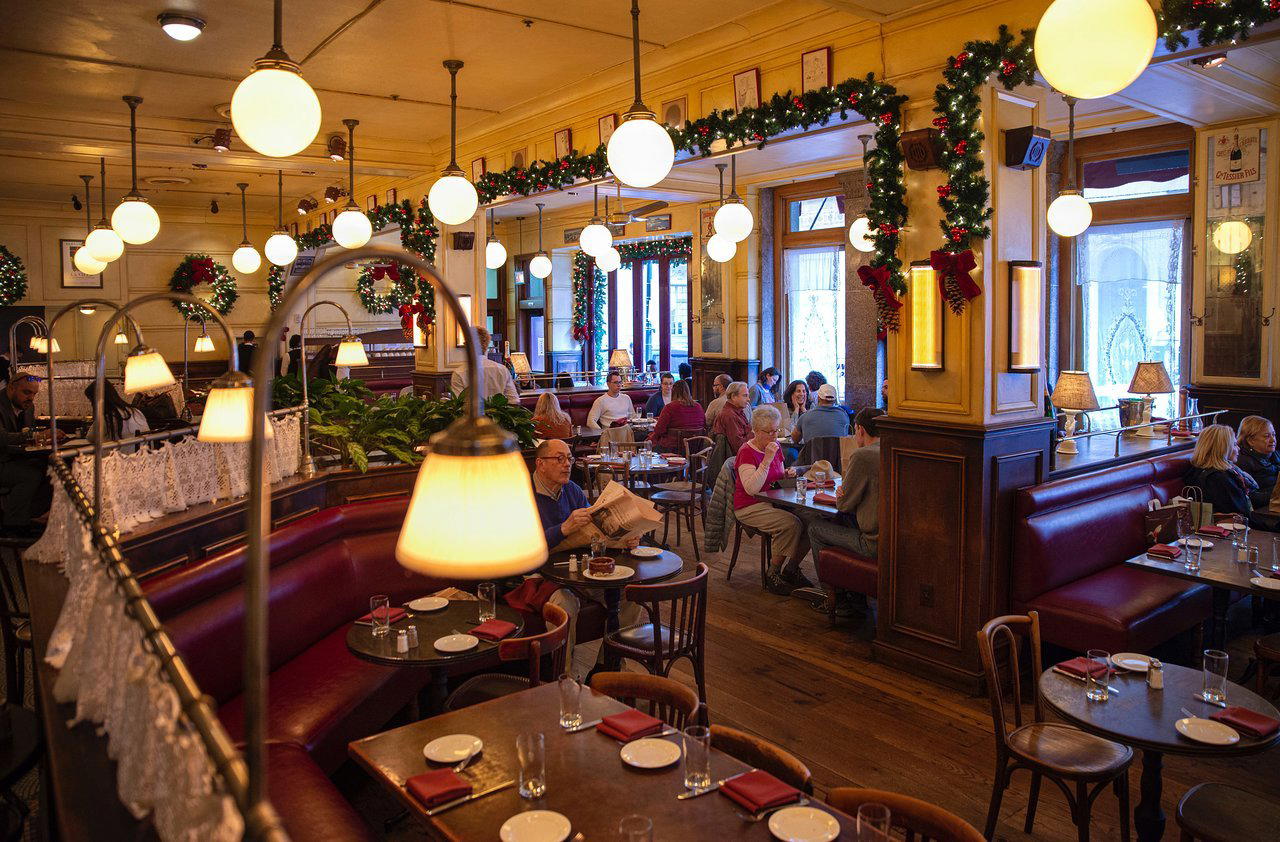
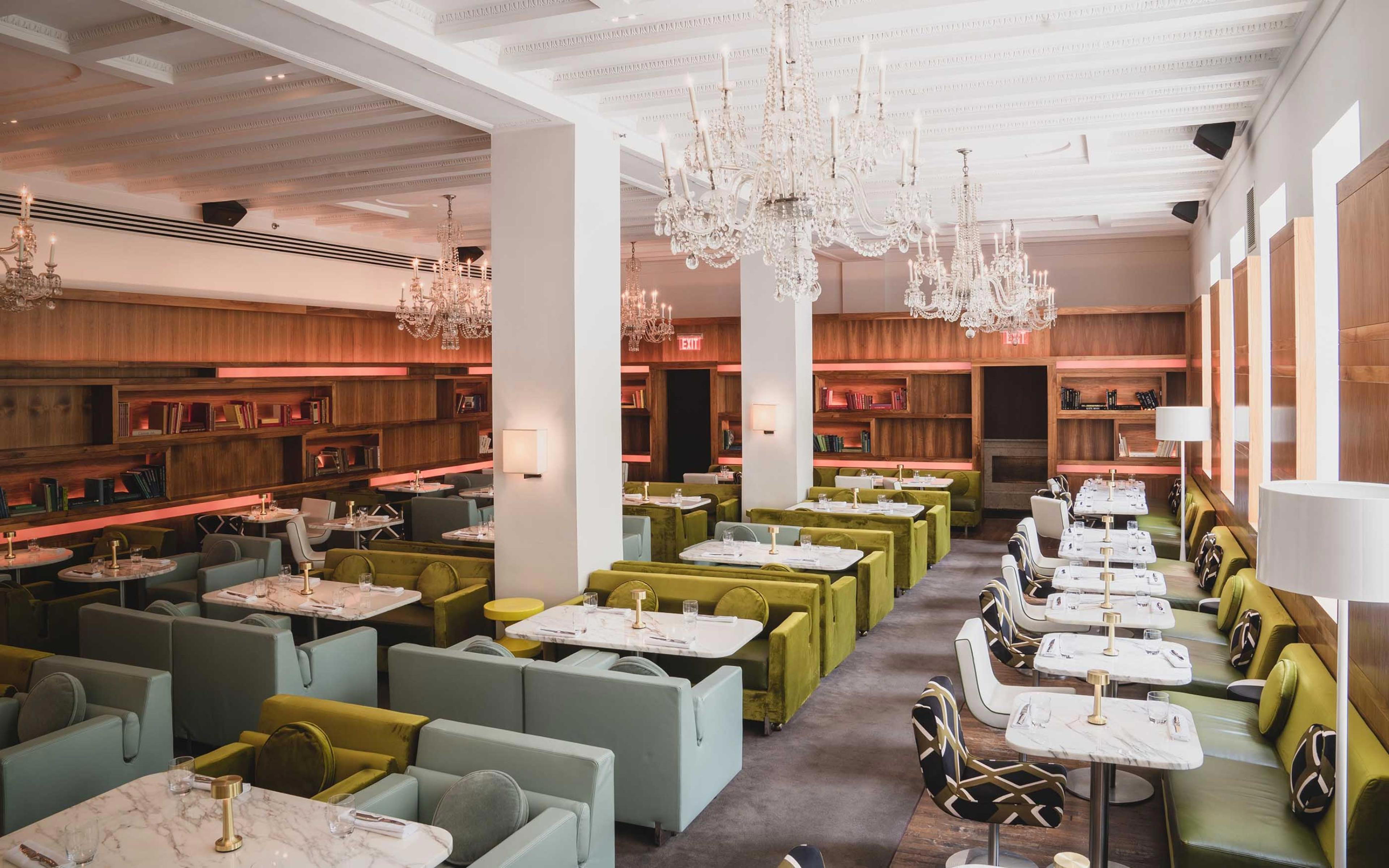
Restaurants in Philadelphia
Browse all →
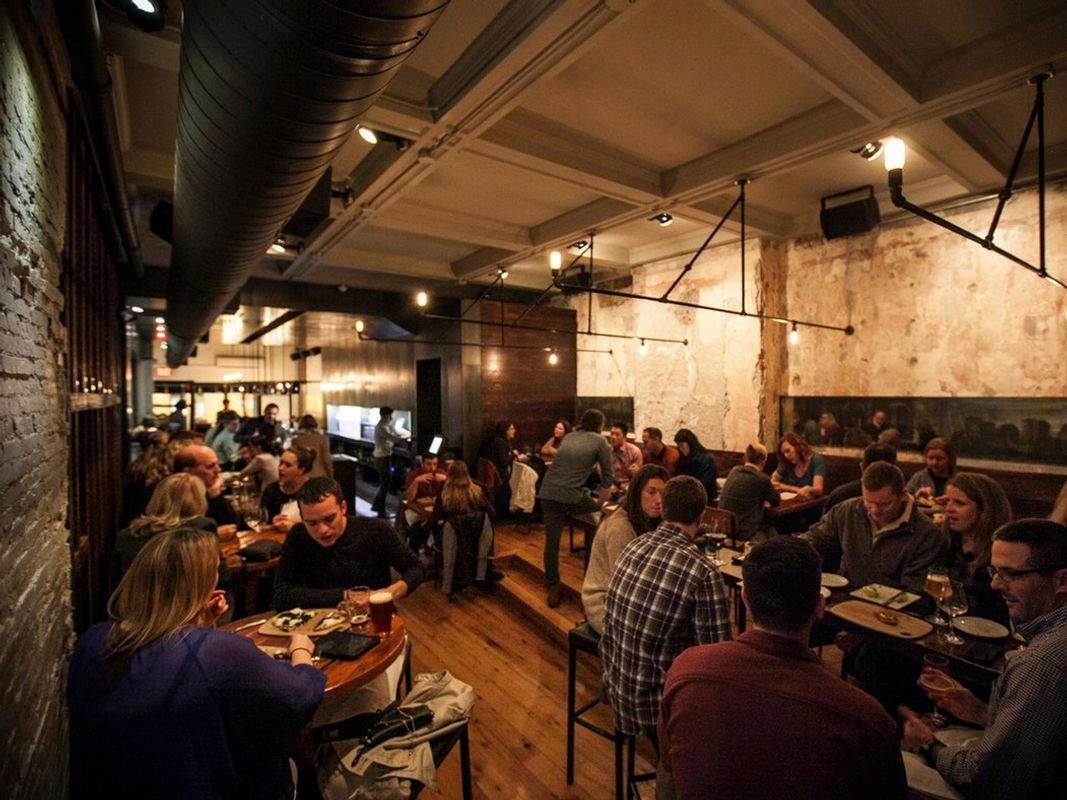
Bars in Philadelphia
Browse all →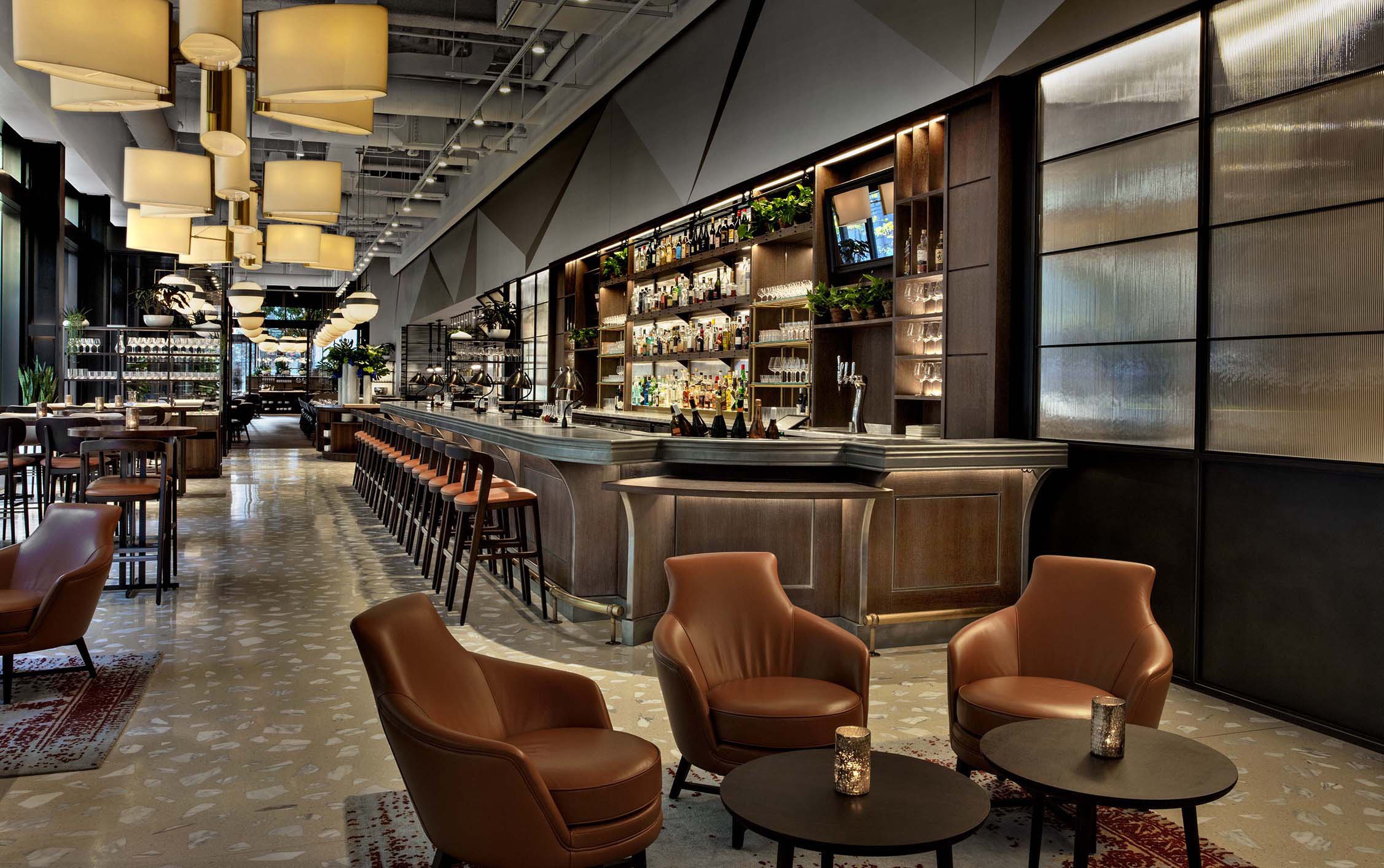
Details
- Romantic
- Modern
- Elegant
- Whimsical
- Date Night
- Group Dining
- Brunch
- Casual Hangout
- Terrace
- Standalone
- Design Destination
- Extensive Wine List
- Craft Cocktails
- Beer Program
- Local Sourcing
- Street Scene
- A La Carte
- Small Plates
- Craft Cocktails
- Wine
- Craft Beer
- Vegetarian Friendly
- Gluten Free Options
Current opening hours
- Monday
- 11 AM–9 PM
- Tuesday
- 11 AM–9 PM
- Wednesday
- 11 AM–9 PM
- Thursday
- 11 AM–9 PM
- Friday
- 11 AM–9:30 PM
- Saturday
- 10 AM–9:30 PM
- Sunday
- 10 AM–8 PM
Hours can change for holidays and private events. Last verified .
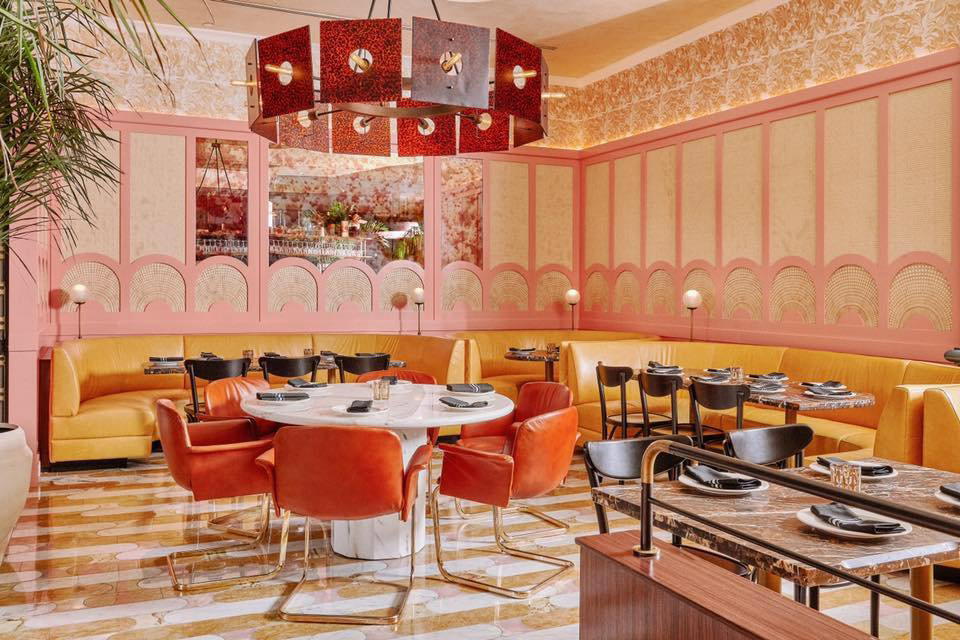
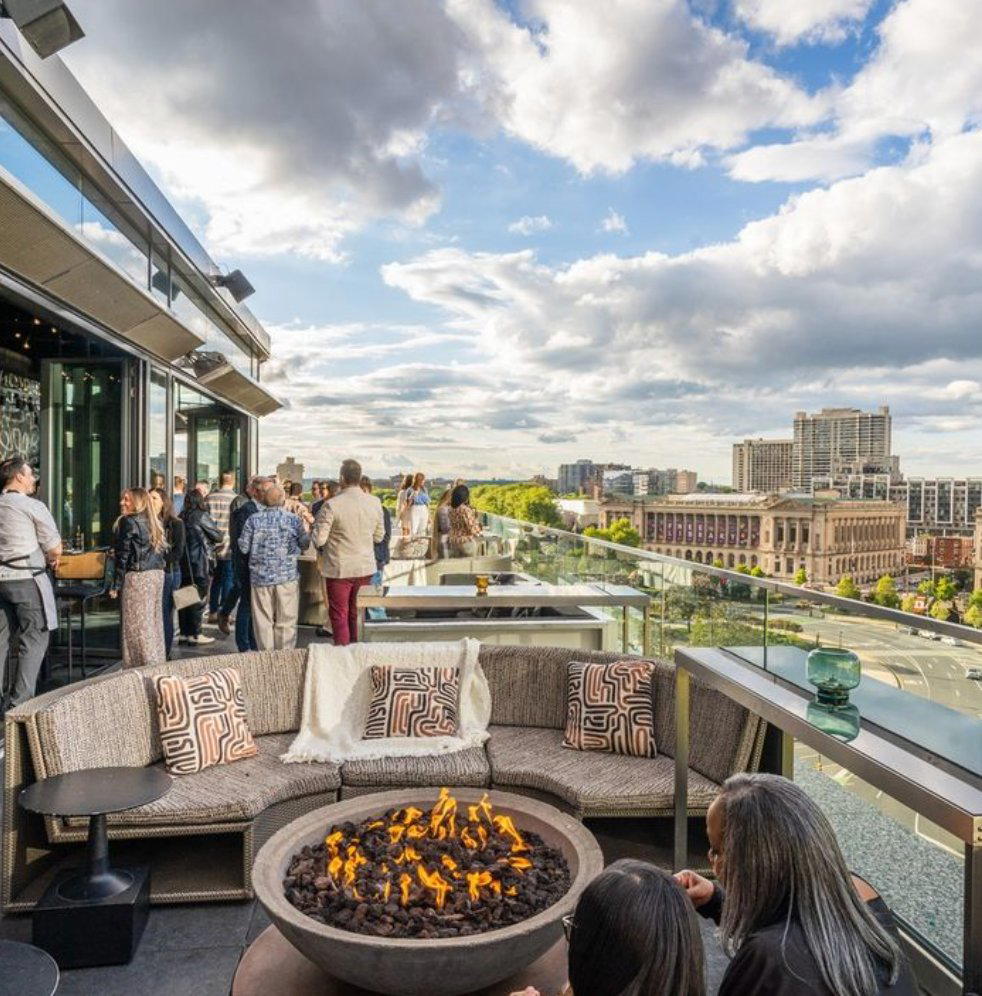
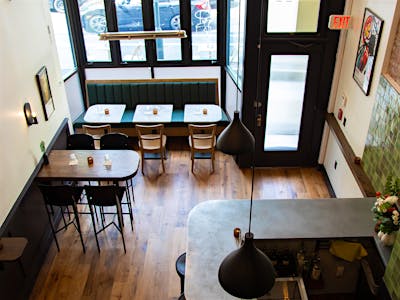
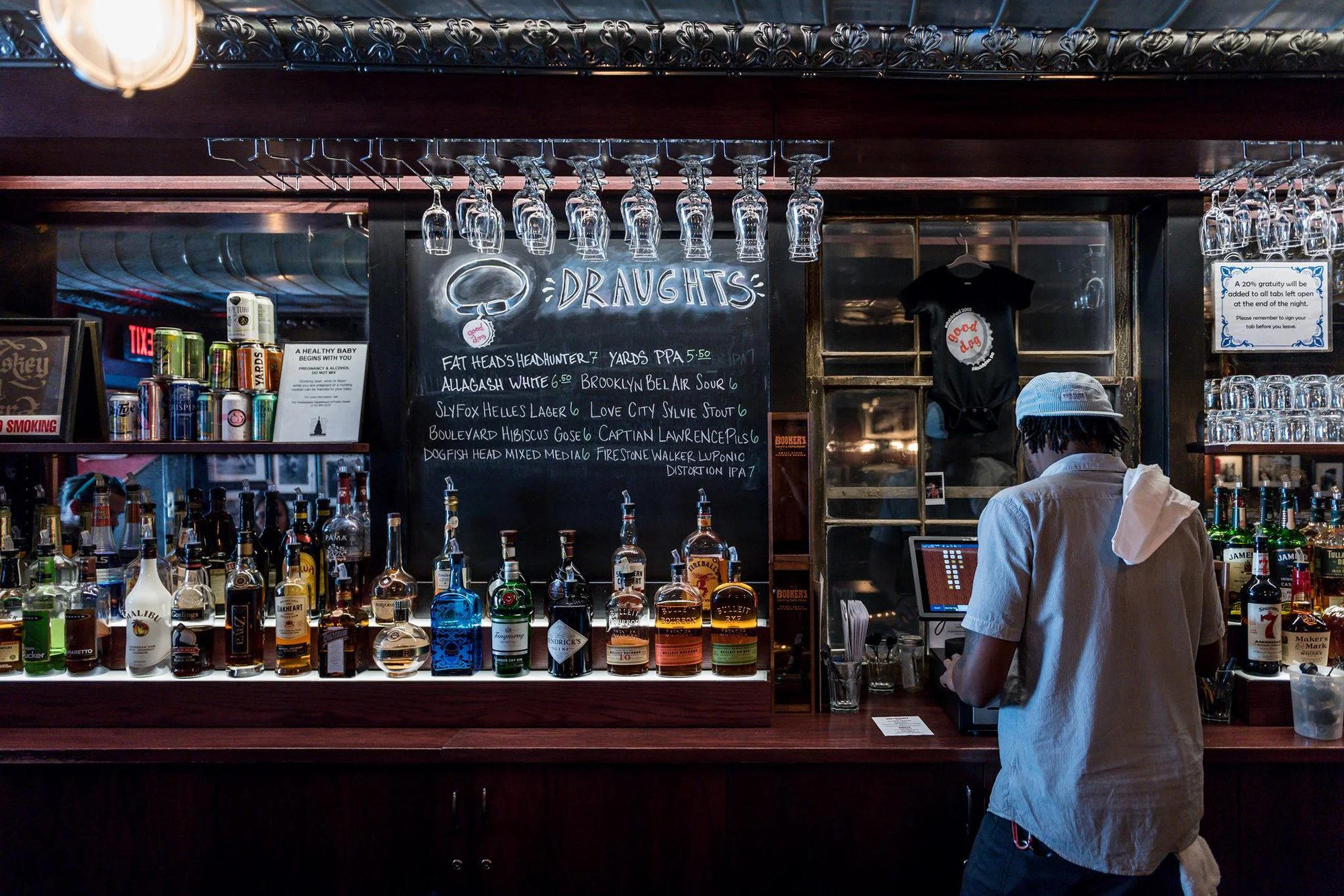
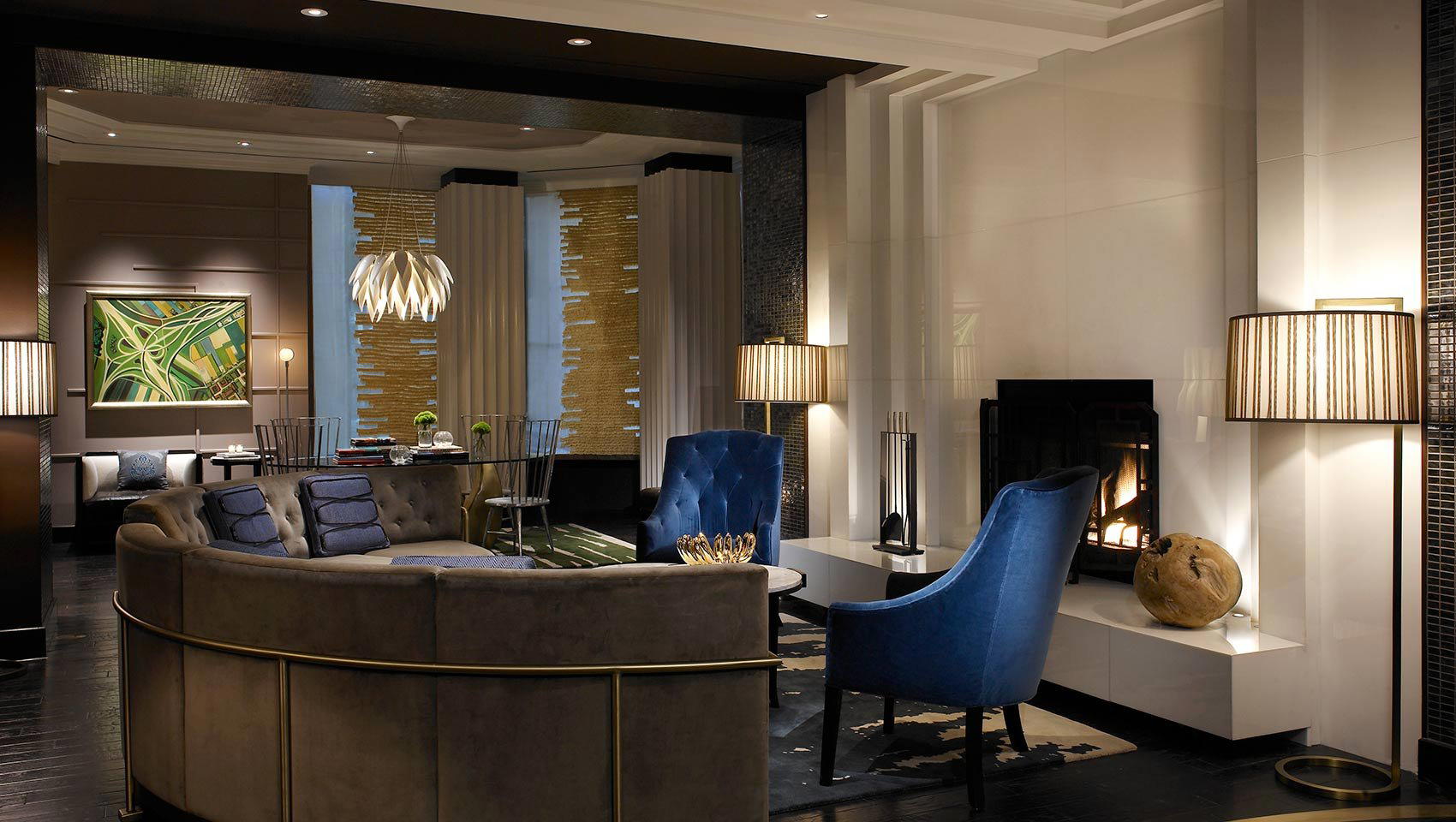
Colorful, lively atmosphere blending modern art nouveau with a funky 70s vibe, reminiscent of grand European cafes with warm, inviting lighting.