Dolce Italian - Philadelphia
Our verdict
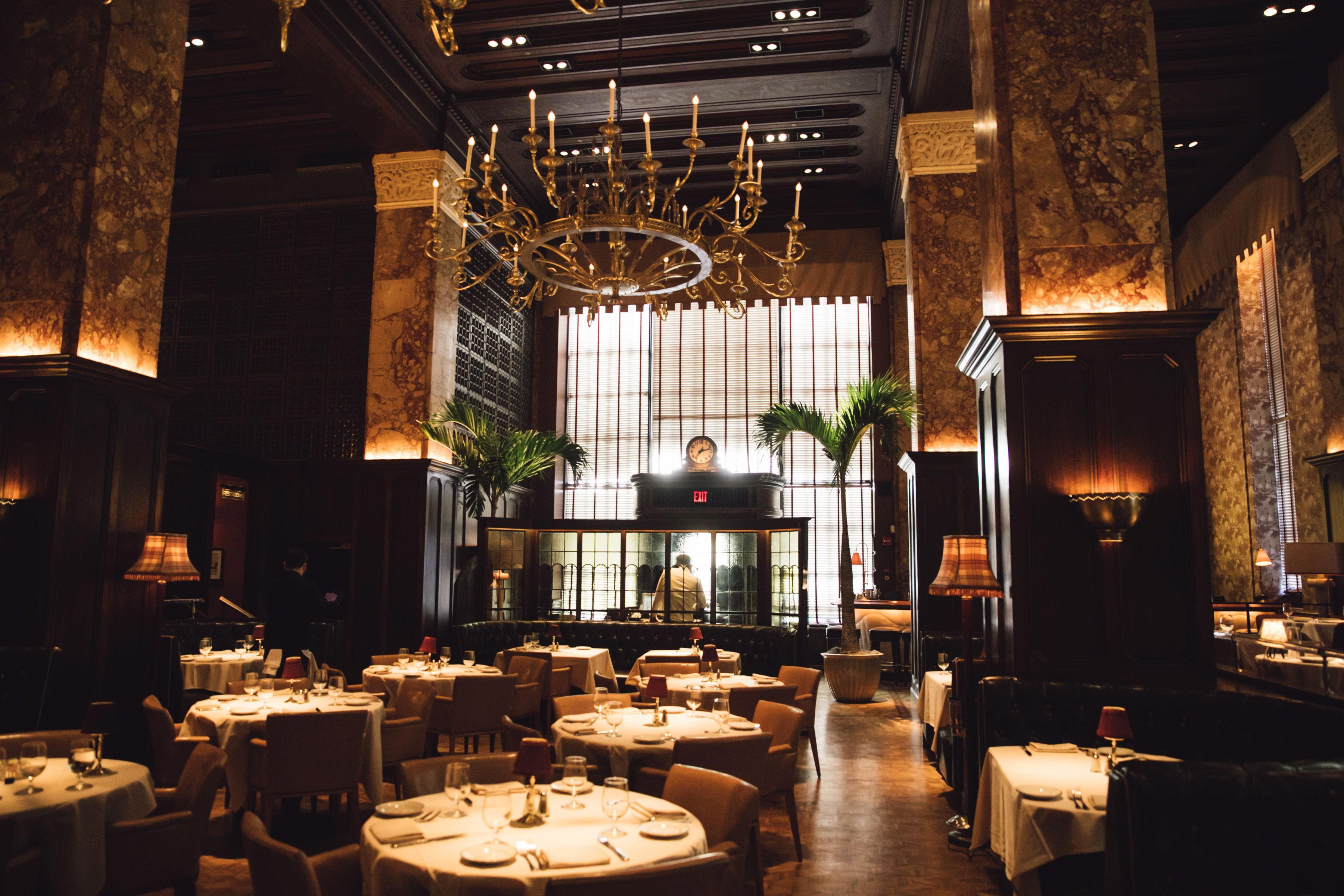
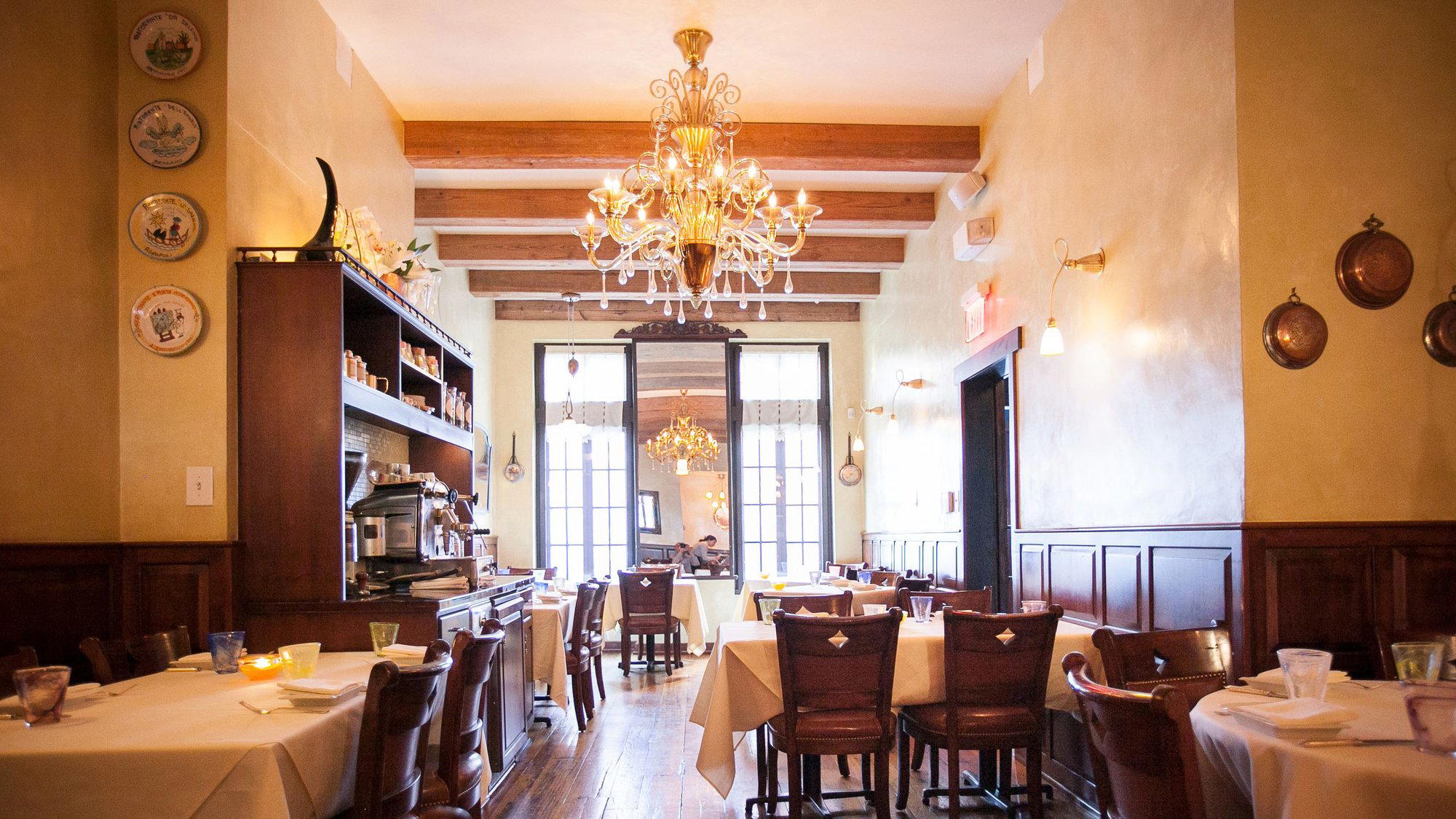
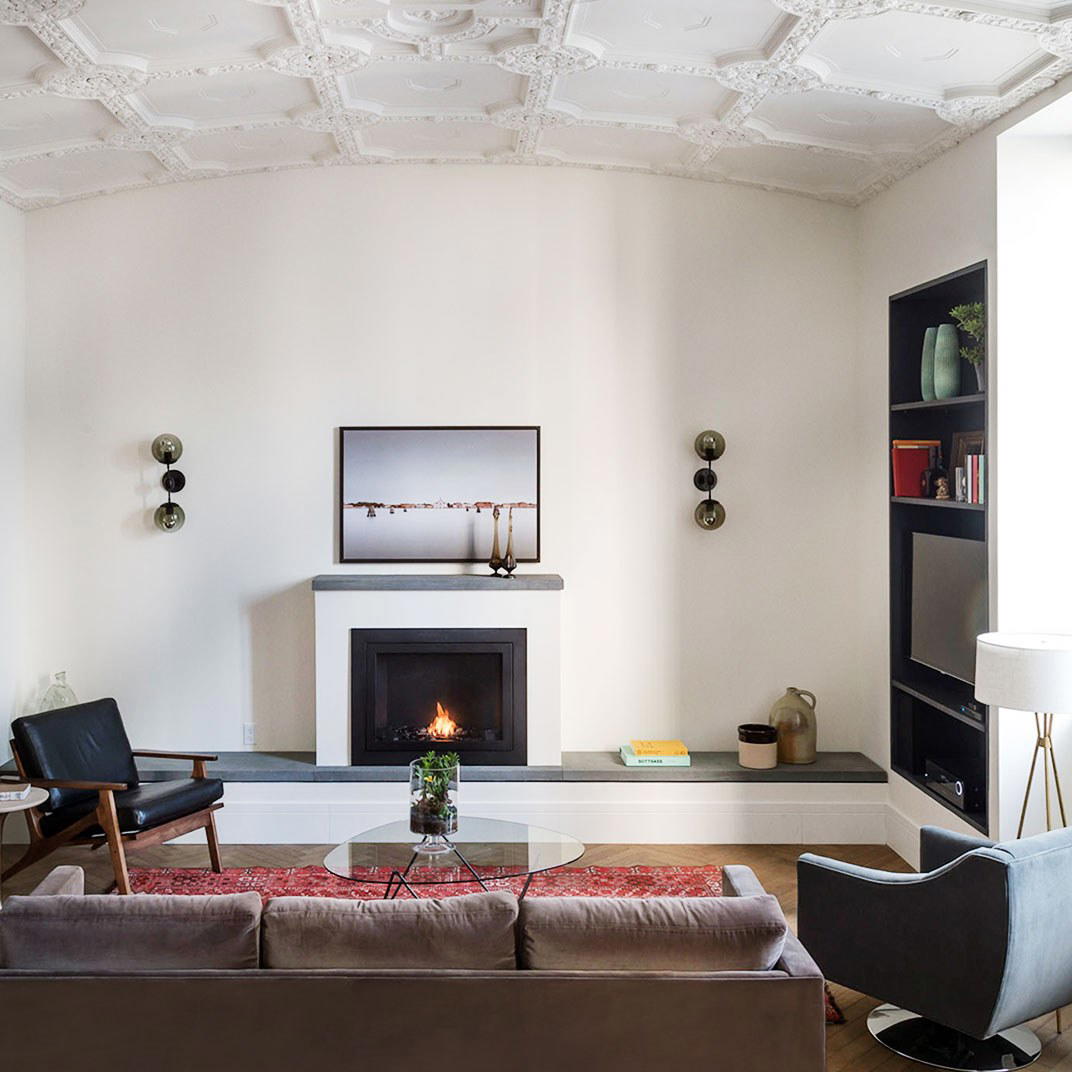
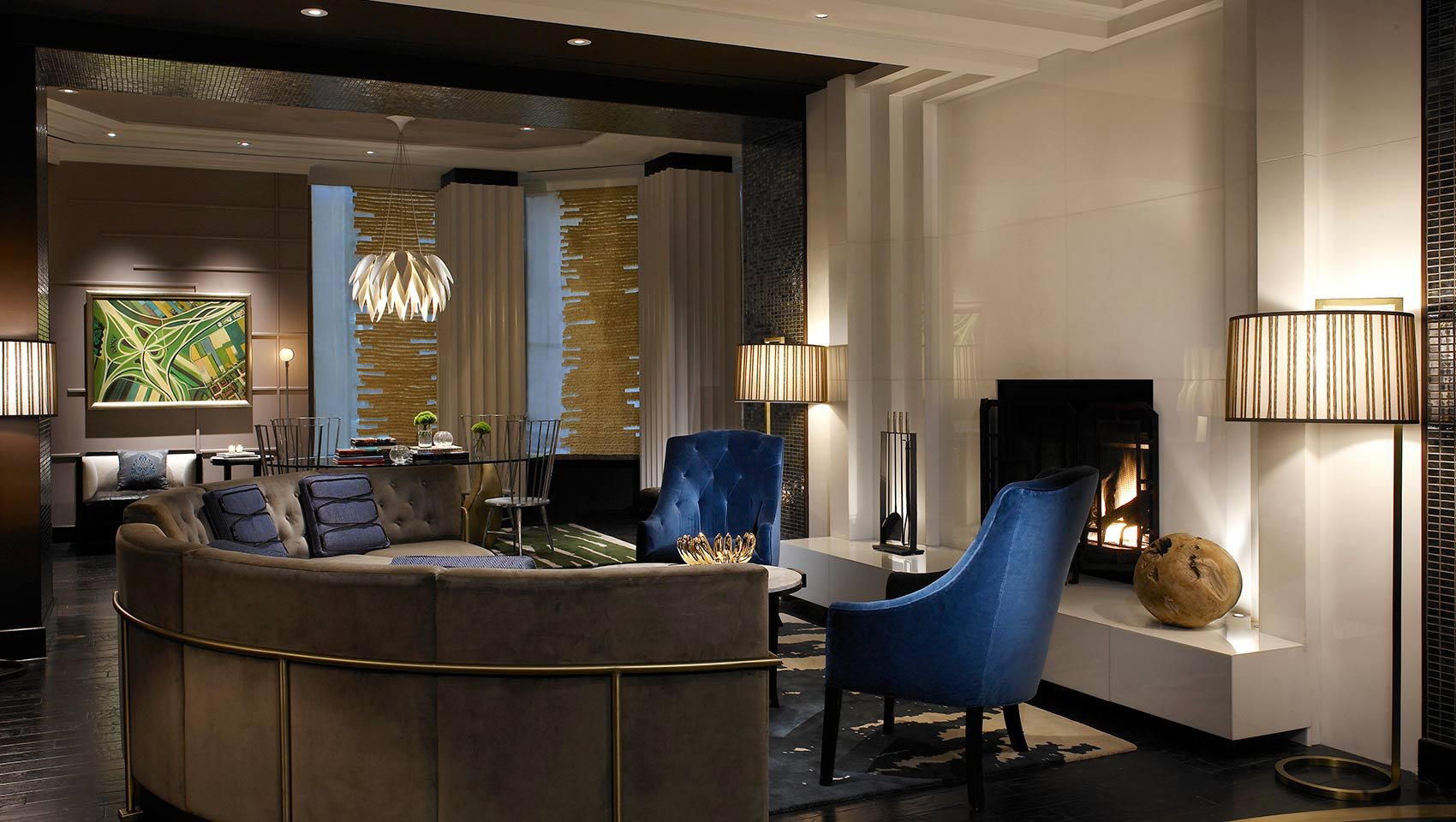
Dolce Italian - Philadelphia serves classic Italian with house-made pastas inside a hotel restaurant with an open kitchen and an extensive wine list, a fit for conversational meals.

Pearl is the En Primeur Club membership app — saves, bookings, and concierge access live there. Same editors, same standards.

The menu
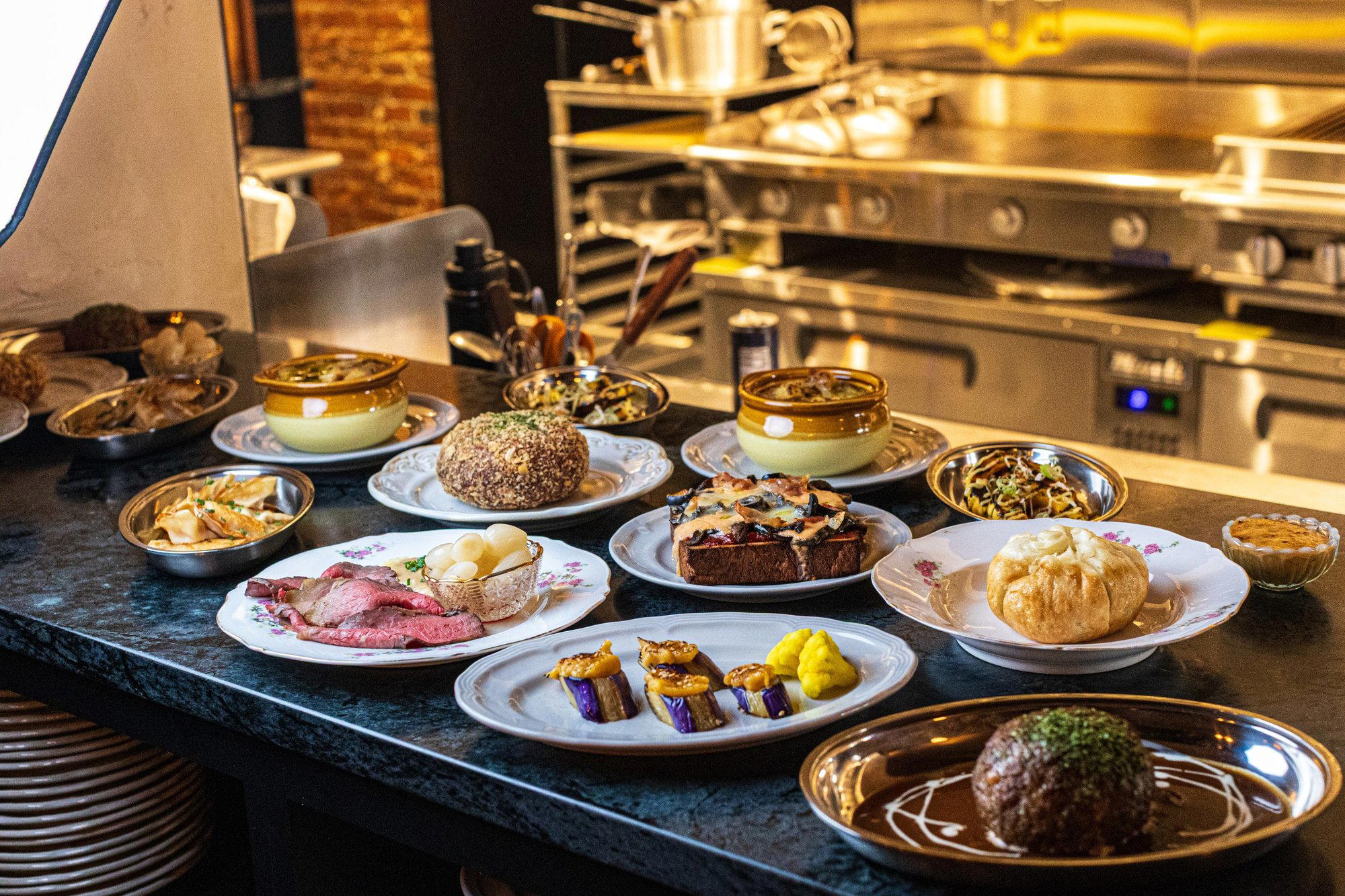
What to order
- Veal Milanese
- Startufata Pizza
- Dolce Meatballs
Chestnut Street, Familiar Faces
Center City Philadelphia has always maintained a particular kind of Italian dining culture: not the red-sauce parlors of South Philly lore, nor the austere modernist Italian rooms that have proliferated in New York, but something in between — a convivial register where the cooking is taken seriously and regulars are treated as collaborators in the room's energy. Dolce Italian at 1437 Chestnut St sits inside that tradition, occupying a Chestnut Street address that places it squarely in the city's dining corridor, a stretch that draws office workers at lunch and theater-goers and couples in the evening hours.
The Chestnut Street corridor has become one of Philadelphia's more consistent dining belts, positioned between Rittenhouse Square's established restaurant cluster and the denser midtown hotel district. For Italian specifically, the city's appetite has shifted over the past decade away from occasion-driven red-cloth dining and toward rooms that reward repeat visits, where the menu has enough range to absorb a second or third look without feeling thin. That shift is relevant context for understanding what a venue like Dolce Italian is building toward: not the single-visit destination, but the local anchor.
What Regulars Are Actually Ordering
In Italian restaurants that develop genuine local followings, the gap between the printed menu and the unwritten one tends to widen over time. Regulars learn which pastas hold up on quieter weekday evenings versus weekend rushes, which antipasti the kitchen treats as genuine openers rather than afterthoughts, and where the wine list has depth versus where it's thin. This dynamic is particularly pronounced in American Italian rooms, where the cuisine straddles familiar reference points and kitchen-specific interpretations of Italian regional cooking.
Italian cuisine in American cities has undergone a significant reassessment since roughly 2015. The era of generic red-sauce comfort has given way, in most serious rooms, to sharper regional specificity: Sicilian preparations distinct from Venetian ones, pasta textures and shapes tied to northern versus southern traditions, and sourcing narratives attached to specific ingredients. Philadelphia's Italian dining scene has tracked this national shift, with kitchens increasingly making their geographic and technical commitments visible. Within that frame, the restaurants that build regulars are typically those with a legible identity, a point of view the kitchen can sustain across seasons.
The broader category comparison is instructive. Philadelphia diners who move between Italian rooms and the city's New American contingent, restaurants like Fork (New American) and Friday Saturday Sunday (New American), tend to apply similar criteria: is there a coherent sensibility, is the cooking technically grounded, and does the room earn a return visit? Italian cuisine earns that return through pasta and protein execution above all else. A room that handles its hand-cut pasta correctly and sources its proteins with some intention tends to hold its regulars.
The Room and Its Rhythms
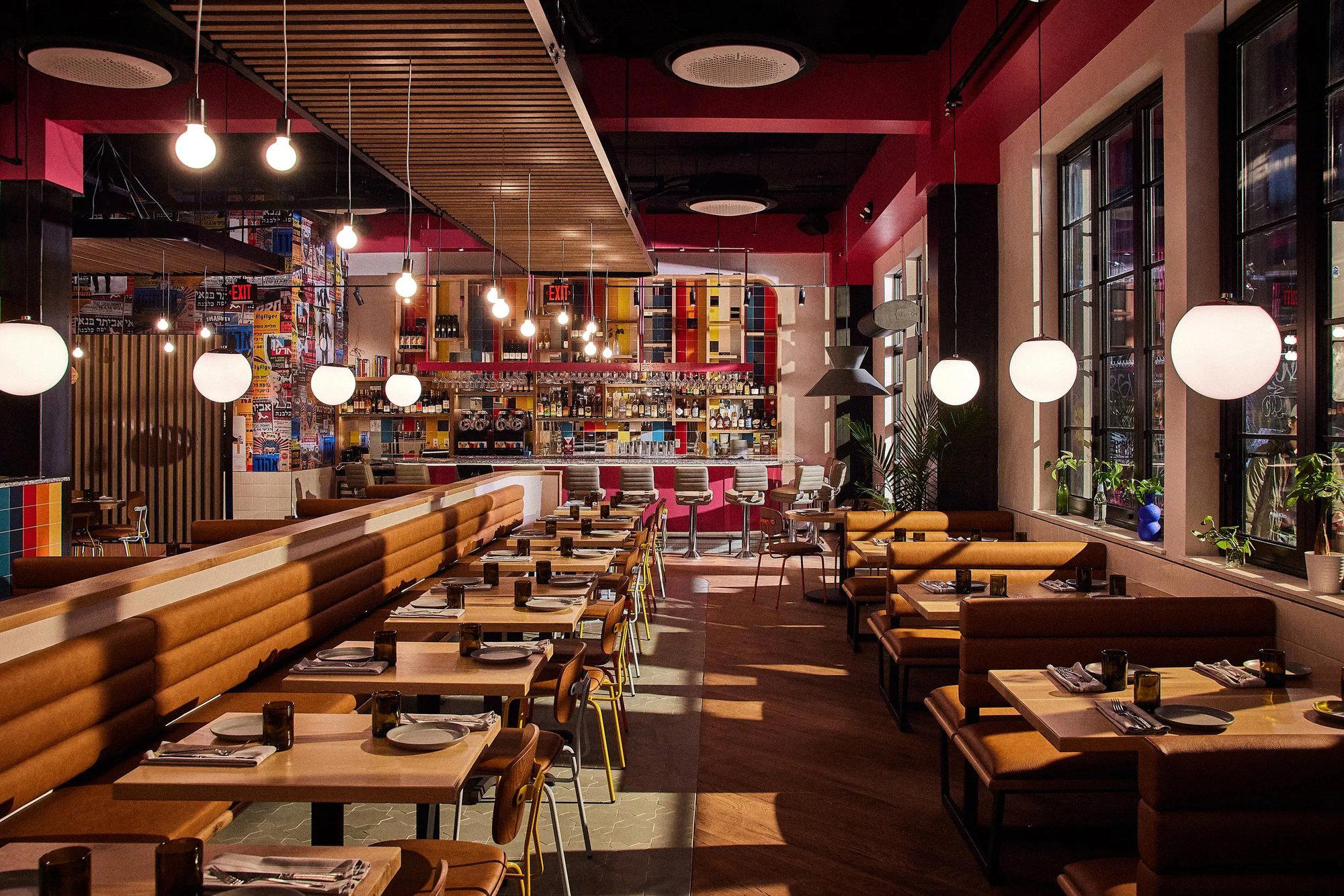
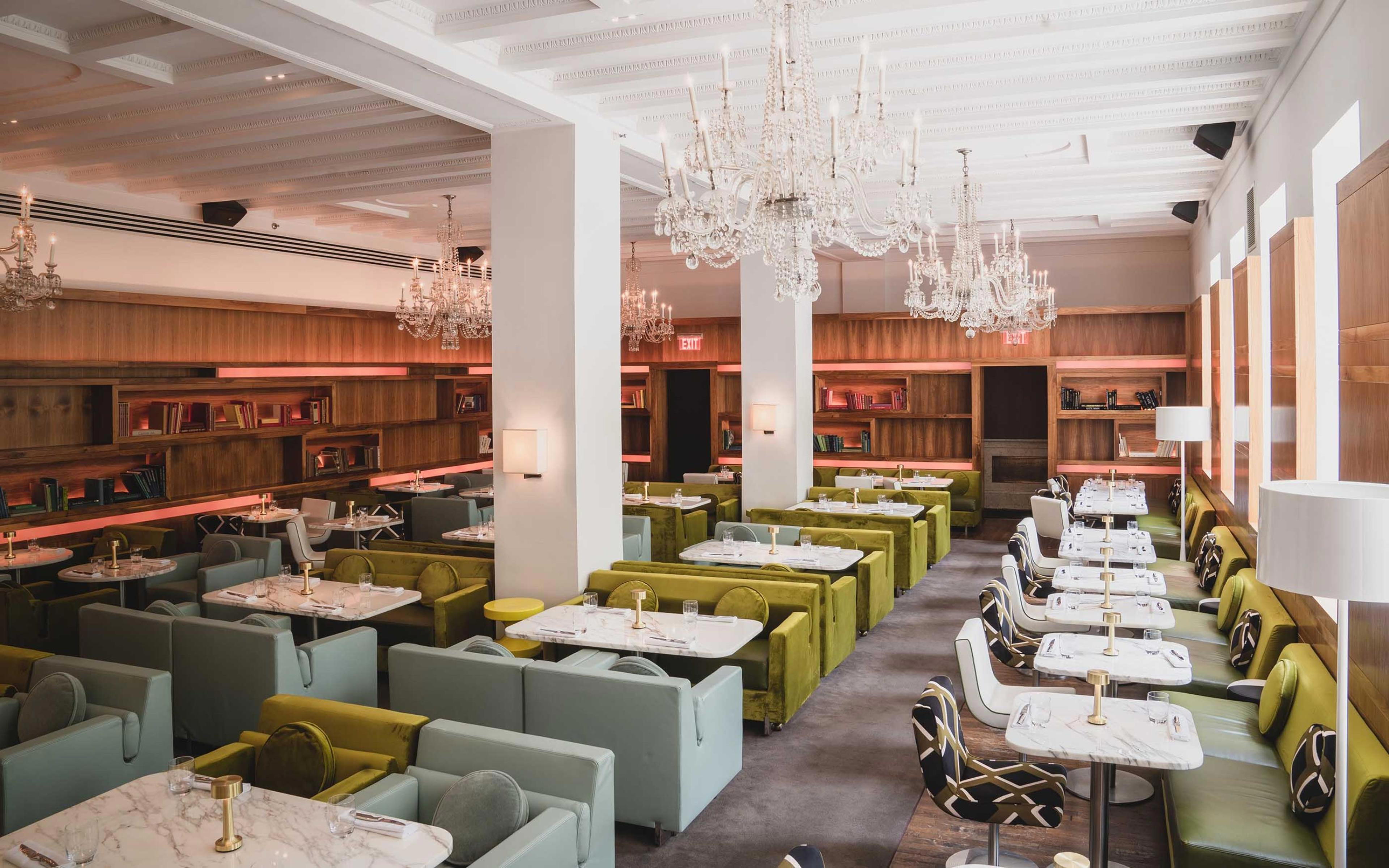
Atmospherically, Center City Italian rooms at this address type tend toward the warmer register: interior lighting calibrated for evening dining, acoustic conditions that allow conversation without forcing it, and enough visual warmth to distinguish the experience from the more austere New American rooms nearby. Whether a room pulls off that balance consistently depends on service pacing and crowd composition as much as interior design, and both shift across the week. Weekday evenings tend to skew toward neighborhood professionals; weekend service absorbs a broader mix including pre-theater tables, anniversary dinners, and the kind of group booking that tests a kitchen's ability to maintain pace.
For context on what Philadelphia's dining scene offers beyond the Italian category, the city's range now extends from Mawn (Cambodian, Pan-Asian) to My Loup (French-Inspired) to South Philly Barbacoa (Mexican), a spread that reflects how seriously the city now takes cuisine diversity across its dining corridors. Italian remains one of the best-attended categories nationally, and in Philadelphia that attendance is spread across neighborhoods, not concentrated in a single district. The Chestnut Street placement positions Dolce Italian to pull from multiple demand sources: hotel guests, office workers, and Rittenhouse residents.
Nationally, the reference tier for Italian in American cities runs from technically rigorous fine-dining rooms to smart casual neighborhood anchors. The fine-dining benchmark set, including rooms like Le Bernardin in New York City and The French Laundry in Napa, defines one end of the spectrum. The more relevant comparison for a Center City Italian room is the serious-casual tier: dependable, technically sound, with a wine program that goes beyond the obvious appellations and a kitchen that can sustain quality across a full service.
Planning Your Visit
| Venue | Category | Price Tier | Booking Approach | Neighborhood |
|---|---|---|---|---|
| Dolce Italian - Philadelphia | Italian | Not published | Confirm directly | Chestnut St, Center City |
| Fork | New American | Higher end | Advance booking advised | Old City |
| Friday Saturday Sunday | New American | Mid-to-upper | Book ahead | Rittenhouse |
| My Loup | French-Inspired | Mid-to-upper | Advance booking | Rittenhouse area |
Current hours, pricing, and reservation availability should be confirmed directly with the venue at 1437 Chestnut St, Philadelphia, PA 19102. For the full range of what Philadelphia's dining scene covers across neighborhoods and cuisines, see our full Philadelphia restaurants guide. Readers comparing American fine dining more broadly may find useful reference points at Lazy Bear in San Francisco, Smyth in Chicago, Providence in Los Angeles, Addison in San Diego, Blue Hill at Stone Barns in Tarrytown, The Inn at Little Washington in Washington, Atomix in New York City, Atelier Moessmer Norbert Niederkofler in Brunico, Emeril's in New Orleans, and Single Thread Farm in Healdsburg.
Frequently asked questions
Can I bring kids to Dolce Italian - Philadelphia?
Dolce Italian sits on Chestnut Street in Center City, a corridor that draws a mixed dining crowd including families earlier in the evening. The room format at this address type tends to accommodate groups without friction. For specific high-chair availability or early seating options, check the venue's official channels before visiting.
What should I expect atmosphere-wise at Dolce Italian - Philadelphia?
The Chestnut Street address places Dolce Italian in the heart of Center City's commercial-to-residential transition zone, where Italian rooms at this location type typically run warm lighting and moderate noise levels calibrated for conversation. Expect a dinner-oriented room that settles into a consistent rhythm midweek and runs louder on weekends. It reads as a neighborhood anchor rather than a special-occasion set piece.
How does Dolce Italian Philadelphia compare to other Italian restaurants on Chestnut Street?
At 1437 Chestnut St, Dolce Italian occupies a stretch of Center City Philadelphia where Italian dining options range from fast-casual to white-tablecloth, and the restaurant sits in the mid-tier of that range by format and intent. Unlike the South Philly red-sauce tradition or the chef-driven Italian rooms in Rittenhouse, Dolce Italian reads as a Chestnut Street workingman's Italian: consistent, accessible, and built for the repeat local rather than the single-visit tourist.
What should I order at Dolce Italian - Philadelphia?
In Italian restaurants that build local followings in Center City Philadelphia, the dishes regulars return for are rarely the seasonal specials — they are the reliably executed pasta and protein formats that hold the room together year-round. Ask the server what the kitchen has been running consistently; that unwritten short list is usually the most reliable guide at a venue like this.
Where do I go for Dolce Italian - Philadelphia?
Dolce Italian - Philadelphia is located at 1437 Chestnut St, Philadelphia, PA 19102, Philadelphia.
Can I walk in to Dolce Italian - Philadelphia?
Walk-in availability at 1437 Chestnut St depends heavily on the day and time. Center City Italian restaurants at this location see bar-seat and early-slot availability more reliably than prime Friday or Saturday windows. Calling ahead, even on short notice, is a more reliable approach than arriving without a reservation on a weekend evening.
What has Dolce Italian - Philadelphia built its reputation on?
Dolce Italian has positioned itself within Philadelphia's center-city Italian corridor as a neighborhood-consistent option on Chestnut Street rather than a destination driven by chef celebrity or tasting-menu ambition. The restaurant's local standing in Philadelphia's Italian dining scene rests on the kind of repeat-visit familiarity that sustains a room over years in a competitive urban corridor.
Price and Recognition
Comparable venues nearby, for context on price, style, and recognition.
| Venue | Cuisine | Price | Awards | Notes |
|---|---|---|---|---|
| Dolce Italian - PhiladelphiaThis venue — the venue you are viewing | Classic Italian with House-Made Pastas | $50–100 | Not listed | Not listed |
| L'Angolo Ristorante | Authentic Puglia Italian Trattoria | $30–50 | Not listed | Girard Estate, Authentic Puglia Italian Trattoria |
| Nomad Pizza | Neapolitan Pizza | Not listed | Not listed | South Street, Neapolitan Pizza |
| Palizzi Social Club | Traditional Abruzzese-Italian Social Club | $50–100 | Not listed | Wharton, Traditional Abruzzese-Italian Social Club |
| Bellini | Modern Italian Steakhouse | $50–100 | Not listed | Rittenhouse Square, Modern Italian Steakhouse |
| Borromini | Authentic Italian Trattoria | $30–50 | Wine Spectator Best of Award of Excellence | Rittenhouse Square, Authentic Italian Trattoria |