Mombar
Our verdict
On Steinway Street in Astoria, Mombar occupies a distinct position in New York's Egyptian dining scene, a neighbourhood fixture where returning customers drive the rhythm of the room rather than reservation software. The cooking draws from North African tradition, and the kind of loyalty the place commands in its corner of Queens says more about it than any formal accolade could.

Pearl is the En Primeur Club membership app, where members save venues, book tables and use the concierge.

The menu
What to order
- Foul
- Hummus
- Egyptian bread
Steinway Street and the Egyptian Table in Queens
Steinway Street in Astoria has functioned as one of New York City's most coherent Arab-American commercial corridors for decades, and within that corridor, Egyptian cooking occupies a specific culinary register: spice-forward but not aggressive, built on slow techniques and preserved ingredients, anchored in a tradition that predates the city's current obsession with Middle Eastern food by a generation. Mombar, at 25-22 Steinway Street, has been part of that fabric long enough that its regulars form the real frame of reference for the place. The dining room's rhythm is set by people who return weekly, not by first-time visitors working through a checklist.
That dynamic matters in a borough where food press cycles quickly toward the new. Astoria's Egyptian strip doesn't trend in the way that, say, the West Village cocktail scene or a new Atomix-tier Korean tasting counter does. What it does instead is accumulate loyalty, and Mombar has accumulated more than most. The restaurant's longevity on Steinway Street places it in a category of New York dining that sits entirely apart from the Michelin-tracked upper tier, the Le Bernardin end of the spectrum, or the prix-fixe formalism of Per Se, and that separation is not a deficiency. It reflects a different set of values entirely.
What the Regulars Know
Neighbourhood restaurants that survive on repeat business develop an unwritten menu alongside the printed one. At Mombar, that unwritten menu is the product of years of conversation between kitchen and customer. Regulars tend to orient toward the kitchen's Egyptian-inflected preparations: dishes rooted in the kofta and slow-cooked lamb traditions of the Nile delta, merguez-style sausages made in-house according to the restaurant's own specifications, and legume-heavy sides that function as anchors rather than afterthoughts. The sausage making, in particular, has drawn consistent attention from food writers covering the outer boroughs, and it represents the kitchen's clearest point of technical differentiation from the broader Steinway Street competition.
First-time visitors sometimes arrive expecting a standard kebab-house format. What Mombar delivers is more considered than that: the cooking operates in a register closer to home-kitchen complexity than street-food simplicity, and the pacing of a meal there is set by the kitchen's rhythm rather than a waiter's prompt. That's not inefficiency, it's the baseline condition of serious neighbourhood cooking, and regulars have calibrated their visits accordingly. If you're accustomed to the tight choreography of a Masa omakase counter, adjust your expectations before arrival. The experience operates on entirely different terms.
Astoria as a Dining Context
Understanding where Mombar sits requires understanding what Astoria's Steinway Street actually is. The corridor runs south from 30th Avenue through a series of Arabic-language storefronts, hookah cafes, bakeries, and grocers that have served the area's Egyptian, Yemeni, and broader Arab-American communities since at least the 1980s. The food establishments along this stretch are not curated for tourism; they're calibrated for community use, which produces a different quality of cooking, one oriented toward a repeat customer who notices when something changes.
The relevant comparison is not Jungsik New York or any other $$$$ progressive kitchen in Manhattan. It's the handful of other Egyptian-owned establishments along Steinway that compete on the same terms: cooking authenticity, price-to-portion ratio, and the accumulated trust of a neighbourhood that has eaten there across multiple generations.
For visitors oriented toward that kind of authenticity, Astoria is among the most productive outer-borough destinations in New York, more accessible than some of the further-flung Queens corridors, and dense enough with quality establishments that a single visit can constitute a proper meal circuit. Mombar anchors the upper end of that circuit for Egyptian cooking specifically.
How Mombar Compares to the Wider New York Scene
New York's dining conversation in 2024 and 2025 has concentrated heavily on tasting-menu formats and the kind of technical ambition that produces press coverage: the chef-driven experiential model visible at institutions like Blue Hill at Stone Barns in Tarrytown or, further afield, Alinea in Chicago. Mombar operates in a completely different register, no tasting menus, no formal structure, no press machine. The absence of those things is not incidental. It's what makes the restaurant function as a neighbourhood anchor rather than a destination draw.
That said, Mombar has attracted enough editorial attention over its lifespan to establish a legitimate reputation beyond Astoria. Food media that covers New York's outer boroughs seriously, and the list of outlets doing that well is shorter than it should be, consistently cite Steinway Street as one of the city's essential ethnic food corridors, and Mombar appears in those citations with regularity. The restaurant's profile nationally is modest compared to, say, Emeril's in New Orleans or Providence in Los Angeles, but local reputation and national profile operate on different axes. In its own geography, Mombar carries weight.
For a broader map of where Mombar fits within New York City's dining picture, our full New York City restaurants guide provides neighbourhood-level context across cuisine categories and price tiers.
Planning a Visit
Mombar is located at 25-22 Steinway Street in Astoria, Queens, reachable via the N or W subway lines to the Astoria Boulevard stop, placing it within a short walk of the main commercial strip. Given the restaurant's standing among regulars and the limited capacity typical of Steinway Street dining rooms, calling ahead is advisable for weekend evenings, when neighbourhood traffic is highest. Parking in the immediate area is possible but competitive on Friday and Saturday nights. The neighbourhood itself rewards extended time: before or after a meal at Mombar, Steinway Street's bakeries and grocers offer the kind of supplementary eating that rounds out an outer-borough food excursion into something more substantial than a single restaurant visit.
Frequently asked questions
What do regulars order at Mombar?
The kitchen's in-house sausage program is the most consistently cited dish among returning customers and food writers covering Astoria's Egyptian corridor. Beyond that, slow-cooked lamb preparations and legume-based sides represent the Egyptian culinary tradition the restaurant draws from most directly. Regulars tend to order across multiple small plates rather than anchoring to a single main, which reflects how Egyptian home-kitchen dining actually functions.
Should I book Mombar in advance?
For weekend evenings, yes. Mombar's standing among Astoria regulars means the dining room fills without depending on new visitors, so walk-ins during peak hours carry real risk. If you're traveling from Manhattan specifically to visit, calling ahead eliminates uncertainty.
What do critics highlight about Mombar?
Food writers covering New York's outer boroughs have consistently pointed to the restaurant's in-house sausage making as the clearest marker of kitchen seriousness, placing it above standard Steinway Street competition. The broader editorial consensus frames Mombar as evidence that Egyptian cooking in Queens operates at a level of complexity that Manhattan-centric food coverage routinely underweights. The restaurant carries no Michelin recognition, but the outer-borough press record is substantive.
Can Mombar handle vegetarian requests?
Egyptian culinary tradition includes a substantive set of legume and vegetable preparations, ful medames, koshari-adjacent dishes, roasted vegetable sides, that translate well to vegetarian eating without requiring kitchen modification. Whether Mombar's current menu accommodates vegetarians formally is best confirmed by direct contact with the restaurant, as the venue does not publish a current online menu. The culinary tradition suggests reasonable options exist, but specific dish availability should not be assumed.
Is Mombar good value for money?
By New York standards, Steinway Street Egyptian dining is priced for neighbourhood regulars, not destination diners, which means Mombar delivers considerably more than its price point would suggest in comparison to Manhattan equivalents. The value proposition is strongest when ordered across multiple dishes rather than a single entree, the kitchen's strengths distribute across a table, not a single plate.
What makes Mombar different from other Egyptian restaurants on Steinway Street?
The in-house sausage program is the most documented point of differentiation: while several Steinway Street establishments source merguez-style sausage externally, Mombar's kitchen produces its own, which gives the restaurant a degree of control over spice profile and texture that registers clearly on the plate. Combined with the restaurant's longevity in the corridor and its accumulated regular clientele, it occupies a distinct position at the quality tier of a competitive block. For context on how similar neighbourhood-anchor restaurants function across other American cities, see Bacchanalia in Atlanta or Lazy Bear in San Francisco as examples of how deep local loyalty shapes a restaurant's identity independent of formal accolades.
Compact Comparison
Comparable venues nearby, for context on price, style, and recognition.
| Venue | Cuisine | Price | Awards | Notes |
|---|---|---|---|---|
| MombarThis venue (the venue you are viewing) | Traditional Egyptian | $20–30 | Not listed | Not listed |
| Sahadi's | Lebanese Mediterranean Deli | $20–30 | James Beard Award America's Classics | Brooklyn Heights, Lebanese Mediterranean Deli |
| Gazala Place | Authentic Druze Middle Eastern | Not listed | Not listed | Hell's Kitchen, Authentic Druze Middle Eastern |
| Moustache Pitza | Lebanese Pita Pizzas | $20–30 | Not listed | West Village, Lebanese Pita Pizzas |
| The Halal Guys | Not listed | Not listed | Not listed | Midtown-Times Square, American Halal Street Food |
| Elder | American Bar Food | Not listed | Not listed | Greenpoint, American Bar Food |
Continue exploring
More in New York City
Restaurants in New York City
All restaurants in New York City →
Bars in New York City
All bars in New York City →





Details
- Cozy
- Bohemian
- Whimsical
- Casual Hangout
- Group Dining
- Special Occasion
- Standalone
- Byob
- A La Carte
- Family Style
- Byob
- Vegetarian Friendly
- Halal
Current opening hours
- Monday
- Closed
- Tuesday
- 5–9 PM
- Wednesday
- 5–9 PM
- Thursday
- 5–9 PM
- Friday
- 5–9 PM
- Saturday
- 5–9 PM
- Sunday
- 5–9 PM
Hours can change for holidays and private events. Hours as of .
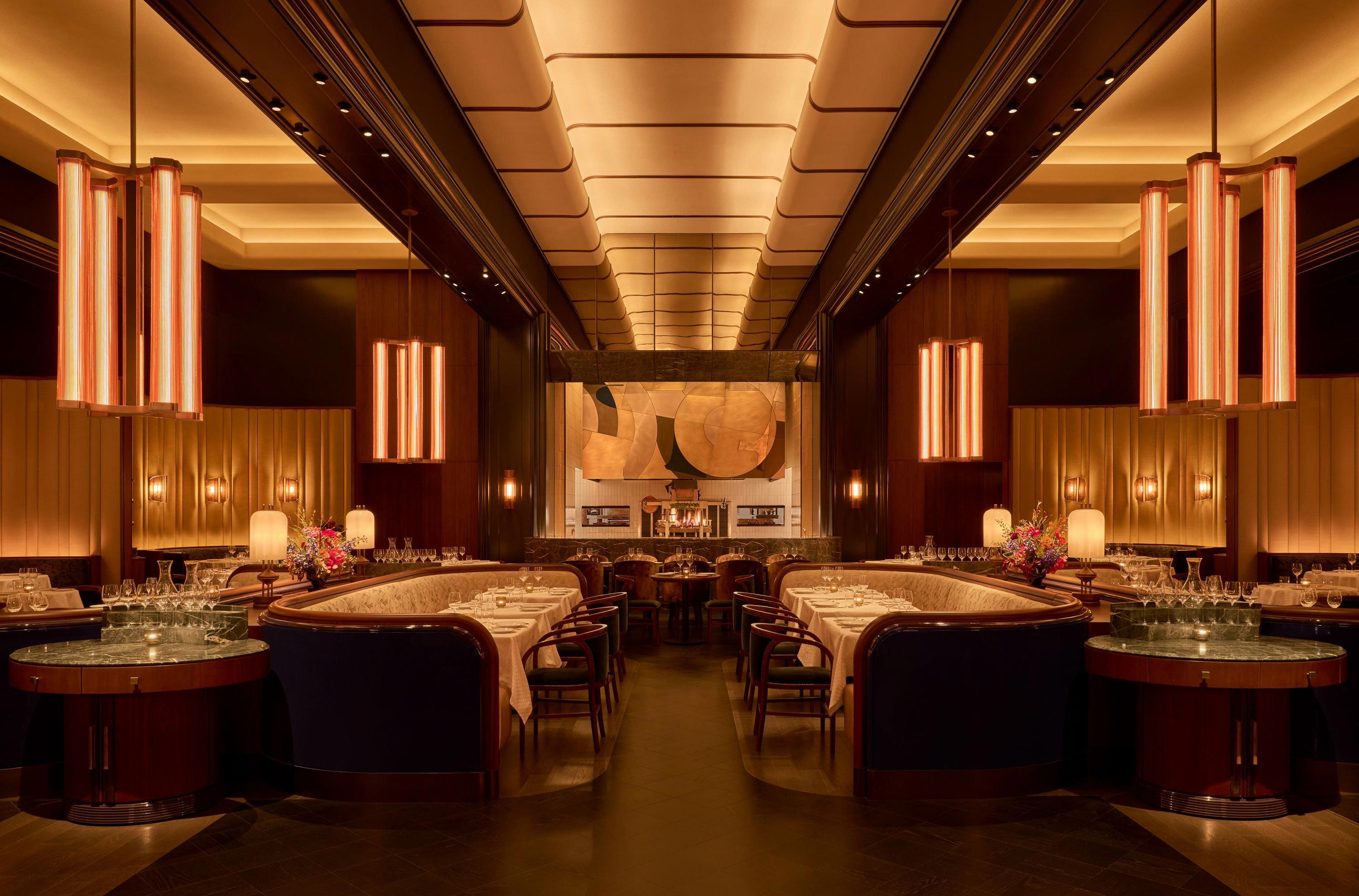
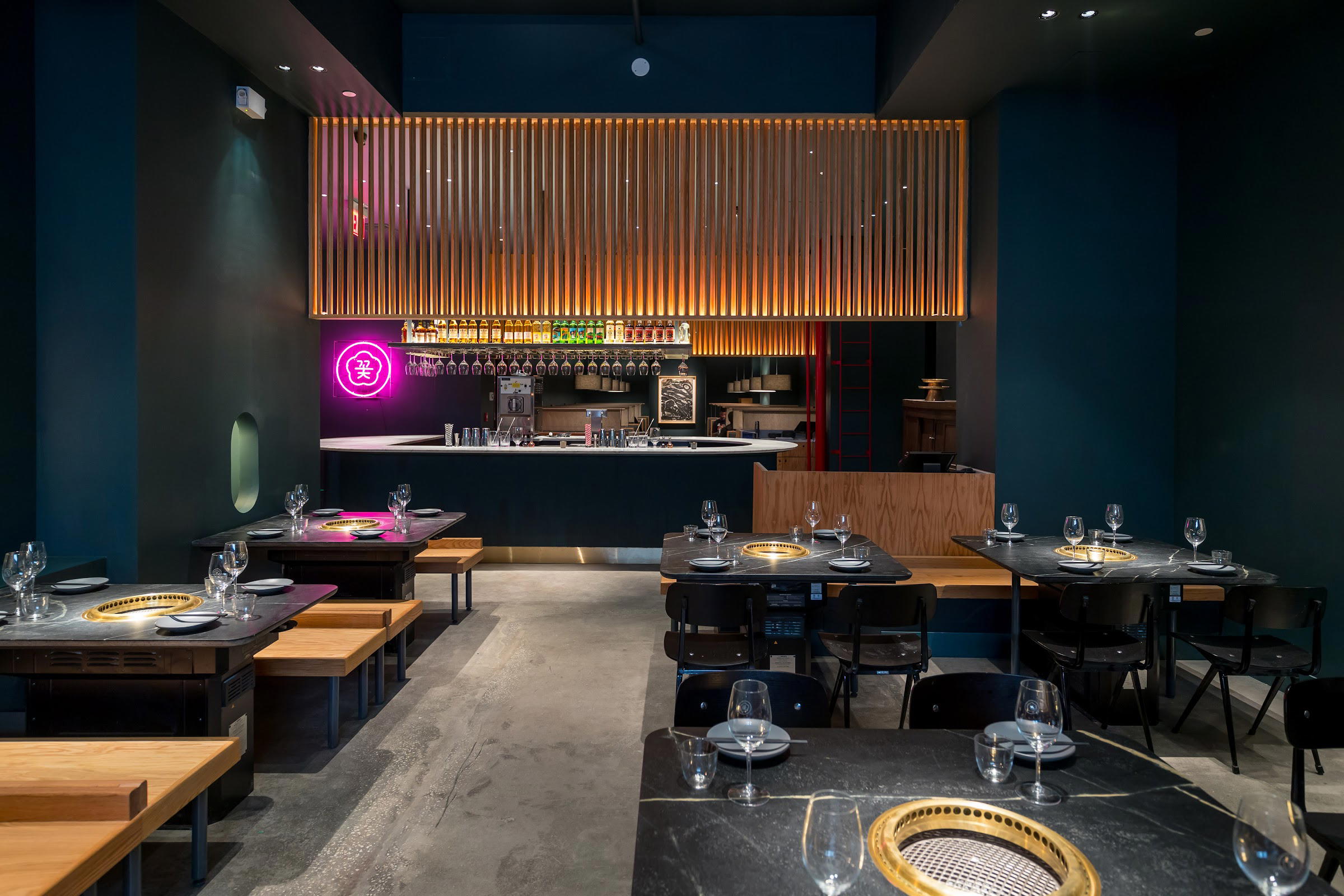
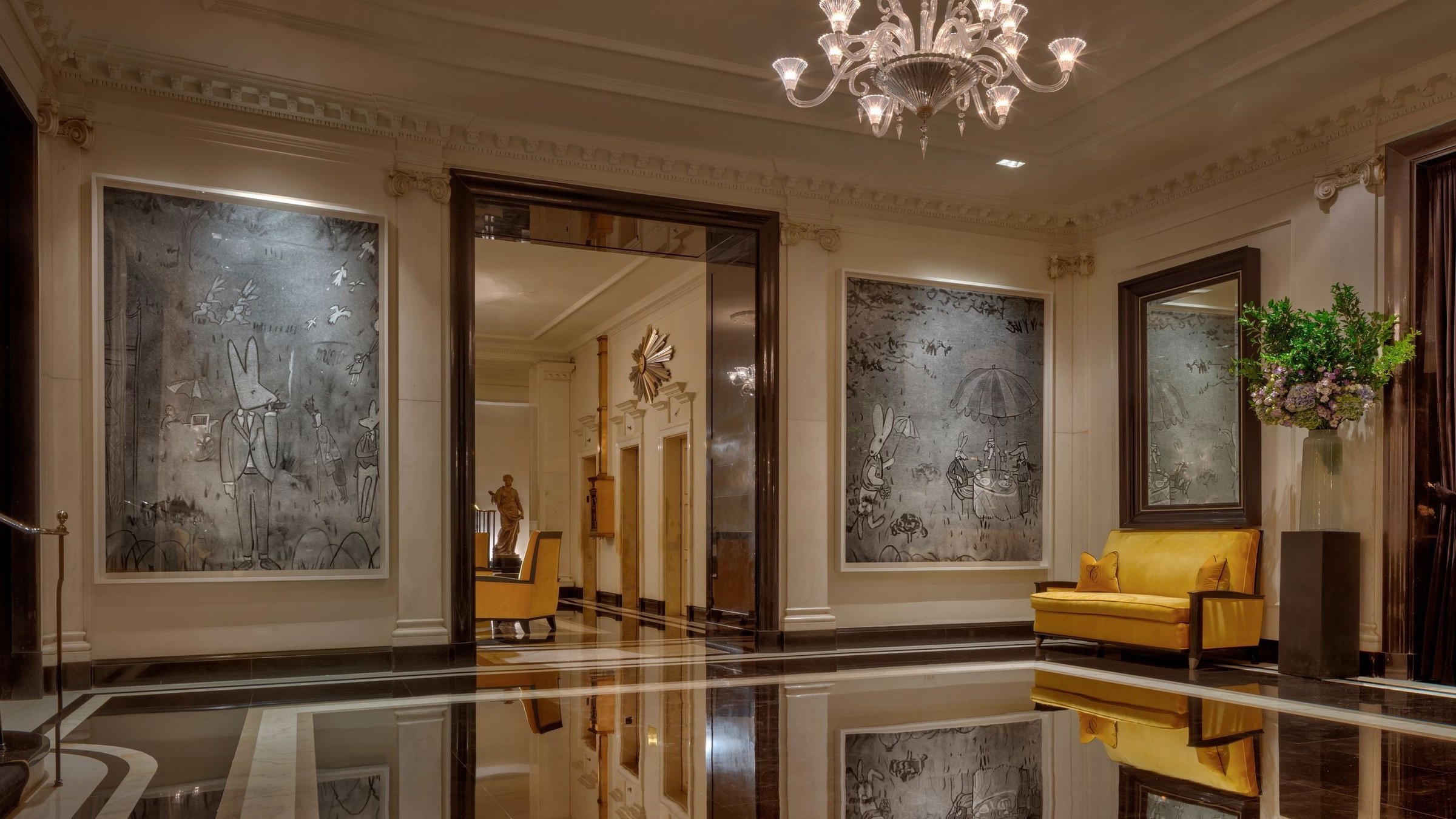
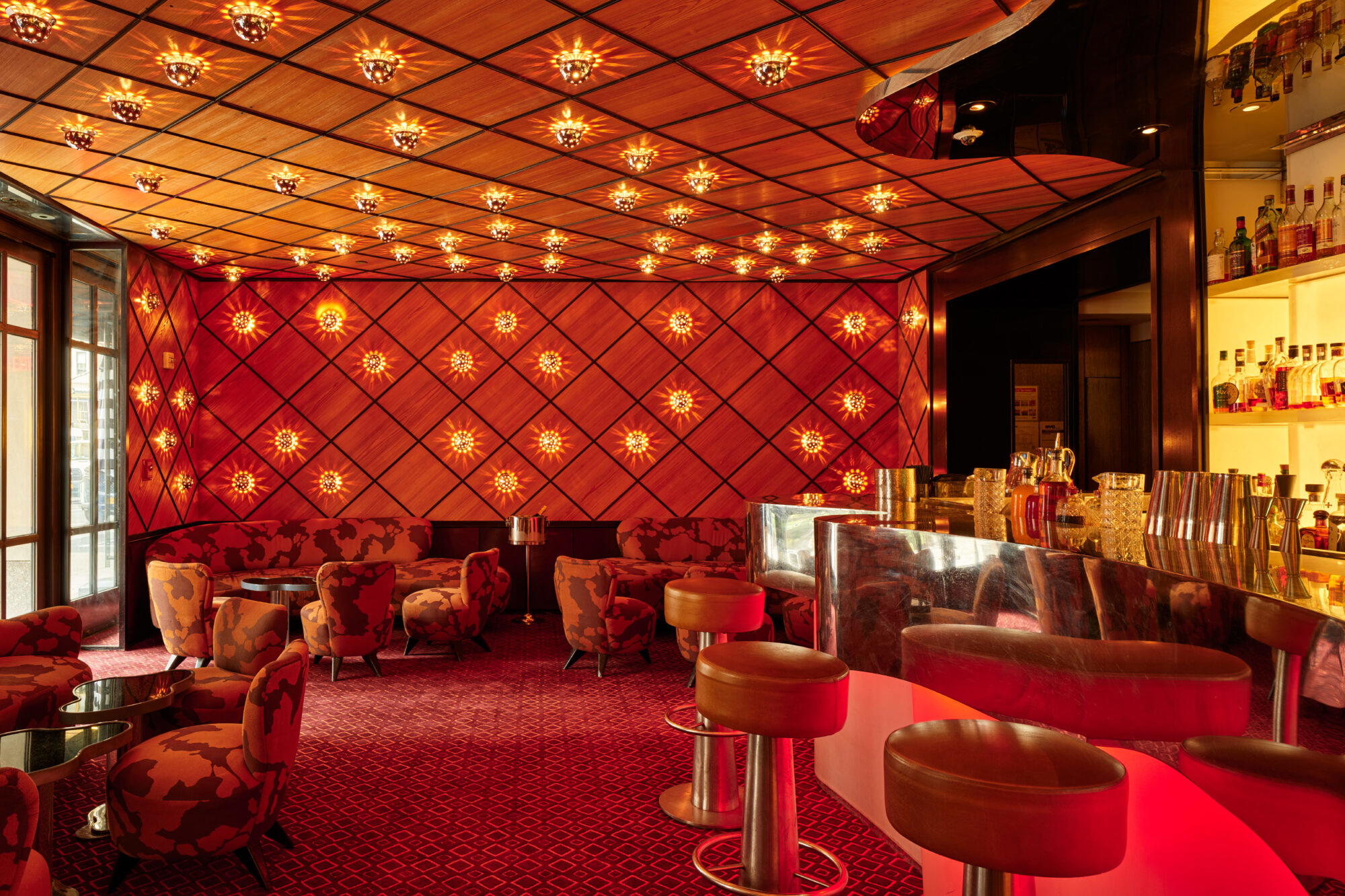
Lively and artistic with walls covered in eclectic décor; warm, homestyle atmosphere that transports diners to Egypt.