
A Michelin-starred French restaurant in Nakagyo Ward, MOKO occupies a converted merchant's house and frames classic French technique around Kyoto's produce, particularly vegetables sourced from nearby Ohara. The kitchen ages fish and meat in a dedicated curing warehouse to concentrate umami, then pairs them with sauce-forward presentations.
Pearl is the En Primeur Club membership app — saves, bookings, and concierge access live there. Same editors, same standards.
- Address
- 235-2 Tamauecho, Nakagyo Ward, Kyoto, 604-0005, Japan
- Phone
- +81 75-252-1523
- Website
- instagram.com
- Directions
- Get directions
 Saves & bookings on Pearl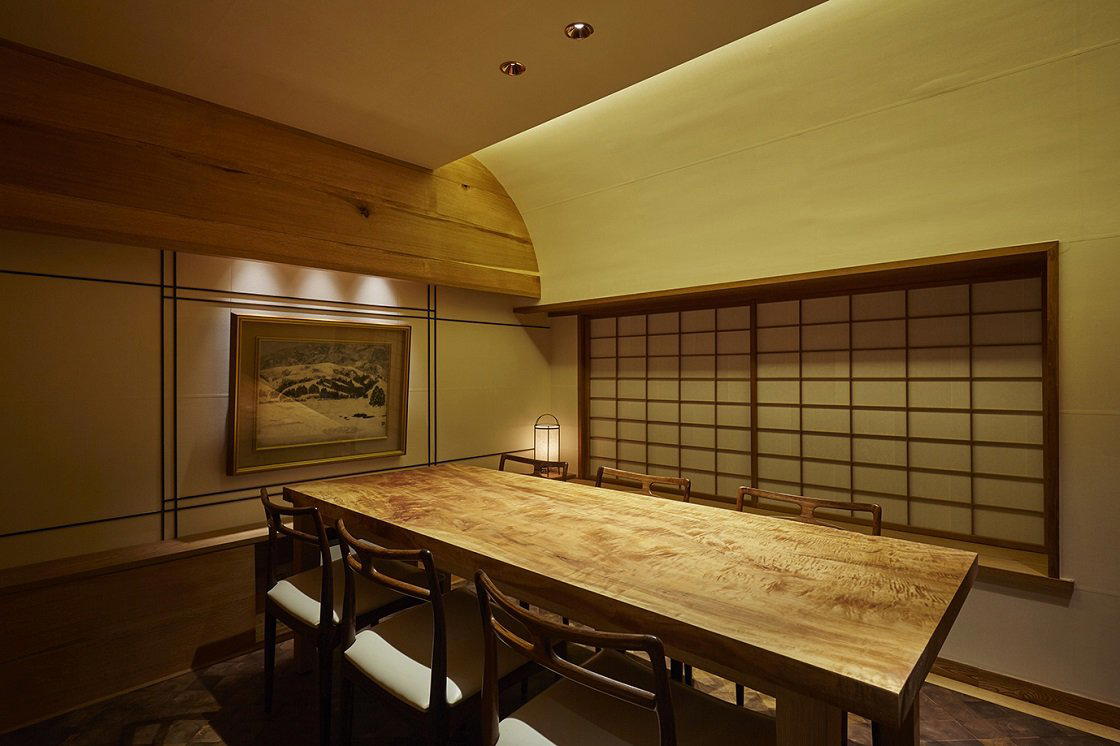
Where a Merchant's House Becomes a French Kitchen
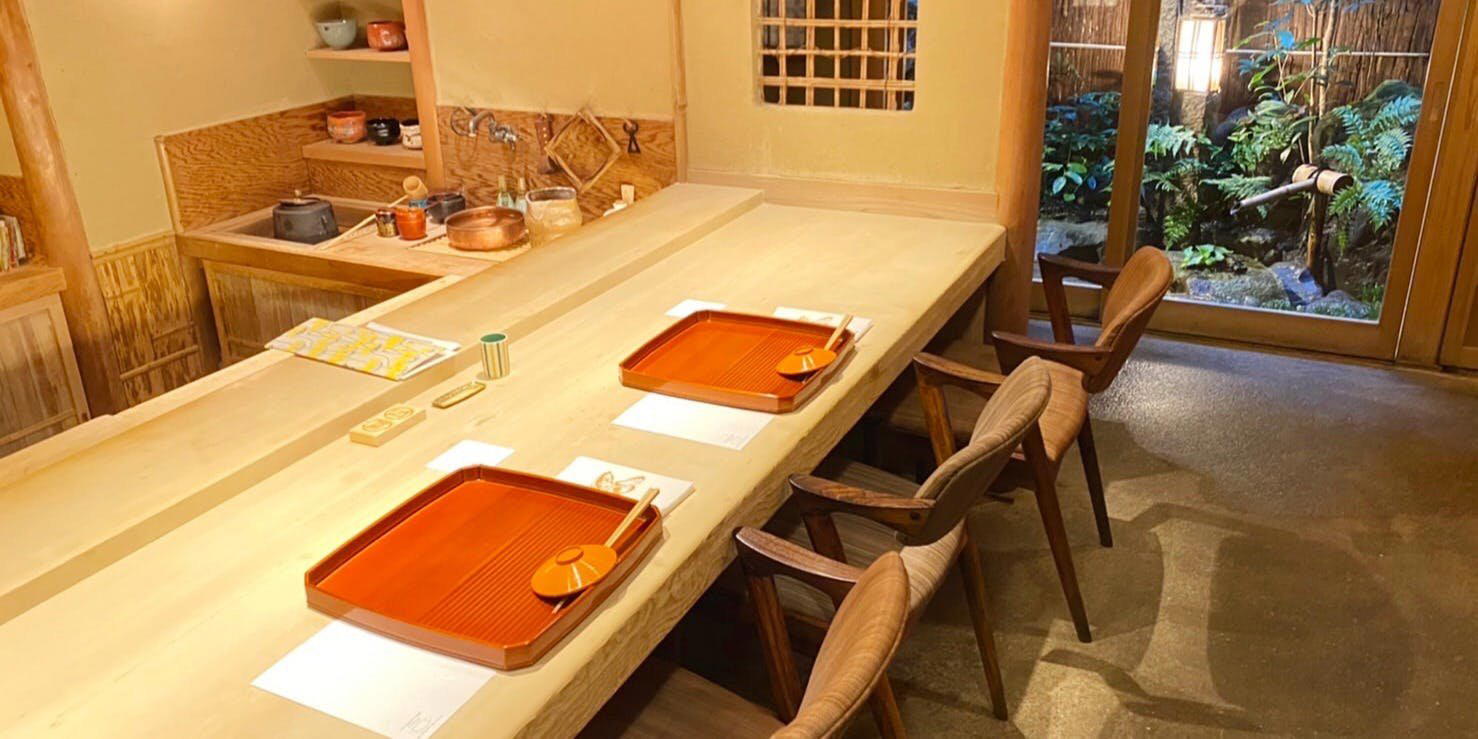
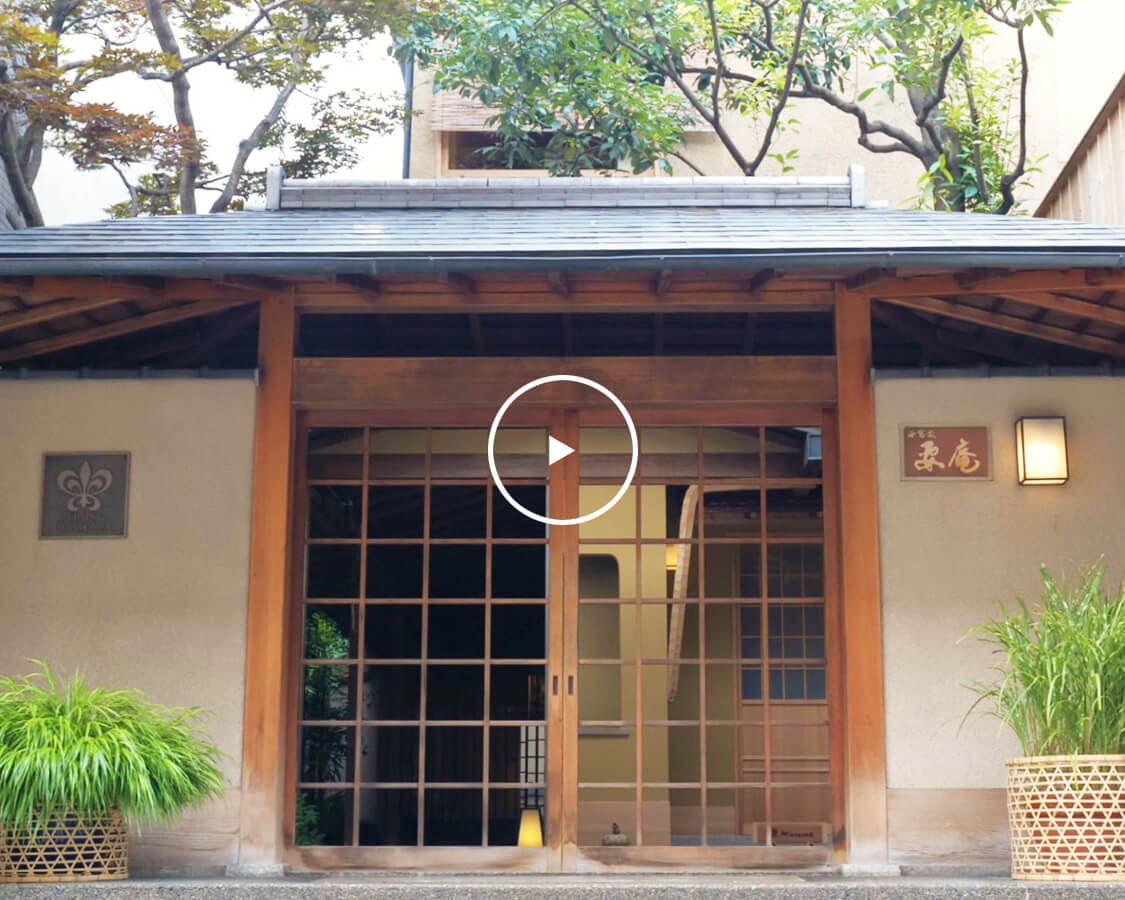
Kyoto's machiya townhouses have hosted countless reinventions: antique dealers turned into boutiques, textile workshops converted into cafés. What distinguishes the space housing MOKO is that the building already carried a culinary history before French cuisine arrived inside it. The old merchant's house had previously served as a dietary school, which lends the room a certain purposefulness that purpose-built restaurant interiors rarely achieve. The walls and proportions carry weight. Sitting inside, you feel the architecture working with the food rather than competing for attention.
French cuisine in Kyoto occupies a specific niche within the city's dining structure. Kyoto is, first and foremost, a kaiseki city: the kaiseki counter is the default expression of serious cooking here, and foreign cuisines enter a conversation already defined by seasonal discipline, local sourcing, and restraint in presentation. The French kitchens that earn sustained recognition in Kyoto do so by operating inside that conversation rather than outside it. MOKO's one Michelin star, awarded in 2024, places it among Kyoto's starred French kitchens, all of which operate at ¥¥¥ to ¥¥¥¥ and engage with Japanese ingredients in varying degrees. Against kaiseki rooms at ¥¥¥¥, such as Gion Sasaki or Ifuki, MOKO's ¥¥¥ positioning makes it a less financially demanding entry point into Kyoto's starred tier.
The Kitchen's Logic: Ohara Vegetables, Aged Protein
The approach at MOKO rests on a productive tension between French classical structure and Kyoto ingredient culture. Vegetables from Ohara, a mountain farming area roughly twelve kilometres north of central Kyoto, form the fresh axis of the cooking. Ohara has supplied Kyoto's kitchens with produce for centuries, its altitude and soil producing vegetables with a cleanness that chefs across the city treat as a given. Within a French context, that freshness tends to arrive without the heavy cream or butter foundations that would subdue it; the sauce work here is described as light and refreshing rather than reduction-heavy.
The counterweight to that freshness is the curing warehouse, where fish and meat are aged before service. Aging protein inside a French restaurant is not unusual, but operating a dedicated facility in Kyoto rather than buying pre-aged product signals a particular commitment to umami control. The result is that dishes built on classic French architecture, sauce-driven, course-structured, carry a savoury depth that reads as Japanese in intent even when the plate looks purely European in form.
For diners familiar with French restaurants elsewhere in Japan, the comparison points are instructive. Sézanne in Tokyo works in a more internationally European idiom and pitches at a higher price tier. HAJIME in Osaka reaches toward avant-garde construction. MOKO occupies a quieter register: technique-forward without theatrics, locally grounded without becoming a regional novelty act.
Lunch and Dinner at MOKO: Different Registers, Same Kitchen
The lunch versus dinner divide matters considerably in starred French restaurants in Japan, and Kyoto's kitchens are no exception. Lunch service in this tier typically runs a shorter course format at a lower price point, drawing both international visitors working around sightseeing schedules and local professionals who want the cooking without the full evening investment. Dinner moves into longer formats, deeper wine pairings, and a pace that assumes you have nowhere else to be.
At MOKO, the ¥¥¥ price band suggests lunch likely represents the more accessible entry to the kitchen. For first-time visitors, lunch offers a more relaxed entry to the kitchen. The architecture of the converted merchant's house reads differently in natural light: the materials become more legible, the proportions more apparent. From a practical standpoint, daytime visits in Kyoto also sit more naturally in a broader itinerary that might include anpeiji or Hiramatsu Kodaiji for dinner.
Evening service at this level in Kyoto carries its own logic. The kaiseki tradition that surrounds French restaurants here exerts a kind of formal gravity on dinner: guests dress accordingly, the kitchen adjusts its ambitions, and the room shifts from daytime informality to something closer to ceremony. At MOKO, with its machiya bones and sauce-forward French cooking, dinner is the service in which the kitchen's investment in the curing warehouse pays most visibly, as aged proteins appear in fuller course structures with the space for sauce work to register across multiple temperatures and preparations.
Neither service is a compromise version of the other. Lunch is a genuine expression of the cooking at a tempo suited to daytime. Dinner extends it. The question for a visitor planning a single meal is primarily one of schedule and depth: how long you want to sit, and how much of the kitchen's range you want to cover.
Kyoto's French Tier: Where MOKO Sits
The French restaurant count in Kyoto is smaller than Tokyo but denser in quality relative to total number. The starred tier includes several kitchens that trained in Europe and returned with specific regional reference points. Paris and London credentials, which inform the cooking at MOKO, sit alongside Burgundy-trained operators and kitchens that reference specific French regional traditions. What unites them is a shared accommodation with Kyoto's ingredient culture: you cannot run a serious kitchen in this city and ignore what the markets and farms around it produce.
Within that context, MOKO at ¥¥¥ operates below the kaiseki ceiling (¥¥¥¥ houses like Kyokaiseki Kichisen occupy a different financial bracket entirely) and alongside cross-category peers such as cenci, which applies Italian technique to Kyoto produce at a similar price point. The room likely runs small, the clientele repeat, and the word-of-mouth circuit is tight.
MOKO fits naturally into a plan that mixes categories rather than staying exclusively within kaiseki.
Beyond Kyoto, the French-in-Japan question connects outward: Goh in Fukuoka and akordu in Nara both work at the intersection of European technique and Japanese produce, offering useful comparators for travellers tracking this tendency across the country's culinary regions. Further afield, 1000 in Yokohama, 6 in Okinawa, and Harutaka in Tokyo represent different registers entirely but sit within the same tier of serious Japanese dining. For the European reference point from which Alexis Moko's training originates, Hotel de Ville Crissier in Crissier provides the clearest illustration of what classical French fine dining looks like at its institutional weight.
Cuisine and Awards Snapshot
Comparable venues nearby, for context on price, style, and recognition.
| Venue | Cuisine | Price | Awards | Notes |
|---|---|---|---|---|
| MOKOThis venue — the venue you are viewing | Contemporary French with Japanese Seasonal Influence | $$$ | Michelin 1 Star | Not listed |
| anpeiji | Light French with Japanese Ingredients | $$$$ | Michelin 1 Star | Fushimi |
| Okina | Traditional Kyoto Kappo | $$$ | Michelin 1 Star | Ukyō |
| Gion Mamma | Michelin-Starred Kaiseki with Charcoal Grilling | $$$ | Michelin 1 Star | Higashiyama |
| Oryori Mashita | Traditional Kyoto Kaiseki | $$$ | Michelin 1 Star | Higashiyama |
| Tozentei | Traditional Kyoto Kaiseki | $$$$ | Michelin 1 Star | Kita |
Recognition history
Dated appearances from independent guides and award organizations, with the underlying list record or original source where available.
Michelin 1 Star
Michelin
Michelin 1 Star
Michelin
Continue exploring
More in Kyoto
Restaurants in Kyoto
Browse all →

Bars in Kyoto
Browse all →


Hotels in Kyoto
Browse all →

Wineries in Kyoto
Browse all →
At a Glance
- Elegant
- Intimate
- Sophisticated
- Date Night
- Special Occasion
- Celebration
- Open Kitchen
- Historic Building
- Garden
- Chefs Counter
- Sommelier Led
- Farm To Table
- Local Sourcing
- Organic
- Garden
Current opening hours
- Monday
- Closed
- Tuesday
- 6–10 PM
- Wednesday
- 12–3 PM, 6–10 PM
- Thursday
- 12–3 PM, 6–10 PM
- Friday
- 12–3 PM, 6–10 PM
- Saturday
- 12–3 PM, 6–10 PM
- Sunday
- Closed
Hours can change for holidays and private events. Last verified .
Warm and welcoming atmosphere within a beautifully restored historic townhouse with open-ceiling interior, traditional Japanese architectural elements, and an open kitchen allowing guests to witness culinary preparation.