MOJO occupies a quietly residential stretch of the 17th arrondissement at 9 Rue du Général Lanrezac, sitting at some remove from the more trafficked dining corridors of central Paris. The address alone signals a certain intentionality: this is not a restaurant that relies on foot traffic or tourist proximity. Details on format, price, and booking are limited in the public record, making direct enquiry one reliable route for planning.
Pearl is the En Primeur Club membership app — saves, bookings, and concierge access live there. Same editors, same standards.
- Address
- 9 Rue du Général Lanrezac, 75017 Paris, France
- Phone
- +33142940100
- Website
- mojo-paris.com
- Directions
- Get directions
 Saves & bookings on Pearl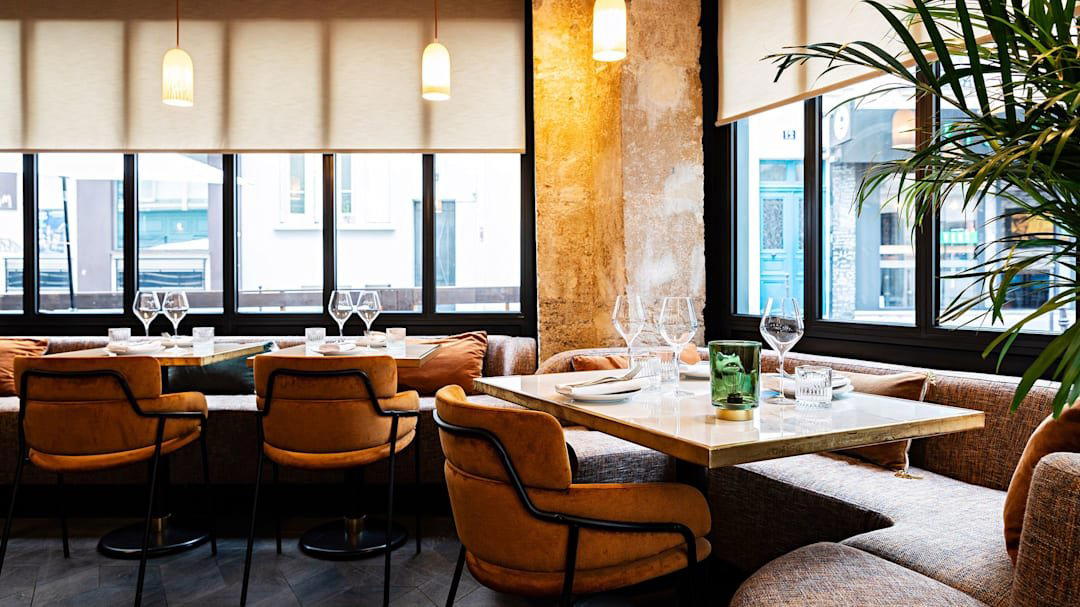
The 17th Arrondissement and the Case for Peripheral Dining
Paris dining has long operated on a gravitational pull toward the 1st, 6th, and 8th arrondissements, where concentration and international press coverage create a self-reinforcing circuit. Addresses like Alléno Paris au Pavillon Ledoyen and Le Cinq at the Four Seasons George V anchor the high end of that corridor. What the 17th offers is different: a residential density that keeps dining rooms oriented toward a local clientele rather than one assembled from hotel concierge lists. MOJO, at 9 Rue du Général Lanrezac, sits within that quieter register of the city.
The street itself runs off Place Charles de Gaulle-Étoile, close enough to the 8th's edge to draw from its energy but far enough into the 17th to feel genuinely neighbourhood-rooted. For visitors to Paris who have already worked through the canonical addresses, the city's outer arrondissements increasingly represent where to look for something less staged, tables where the room fills with people who live nearby rather than people who flew in for the reservation.
Lunch and Dinner in the Parisian Register
Across the Paris dining spectrum, the gap between lunch and dinner service is one of the more consequential structural features of the city's restaurant culture. At the formal end, houses like Arpège and L'Ambroisie maintain a different pace and price architecture at midday than in the evening, lunch often delivering comparable kitchen ambition at a lower price point, with a room that tilts toward business tables and local regulars rather than the more ceremonial evening crowd.
In neighbourhood addresses across the 17th, this divide takes a different form. Daytime service in less formal settings tends to feel more compressed, more improvisational, and more genuinely French in its rhythm: a shorter menu, a faster table turn, wine poured without ceremony. The evening shifts the register toward something more deliberate, with service pacing that accommodates longer stays. For a restaurant at MOJO's address, this structural pattern matters: the decision to visit at lunch or dinner shapes not just what you eat but how the room feels around you.
Visitors who approach Paris dining with schedule flexibility will generally find that lunch reservations at neighbourhood addresses are easier to secure than evening slots, and that the atmosphere during a midday service can reveal more about a kitchen's actual priorities than a dressed-up dinner service sometimes does. Arriving mid-week at lunch is generally the lower-friction option at addresses of this type.
Placing MOJO in the Broader Paris Context
The Paris restaurant market at the serious end is defined by a tier structure that price and awards recognition make relatively legible. At the leading, multi-starred houses such as Kei operate within a framework where Michelin recognition sets expectations for format, price, and service register. Below that, a large and genuinely competitive mid-market of neighbourhood bistros and contemporary tables competes on value density, the quality of cooking relative to what the bill looks like at the end.
Beyond the capital, France's broader fine-dining geography extends to addresses like Mirazur in Menton, Flocons de Sel in Megève, and Bras in Laguiole, all of which have built reputations on regional rootedness rather than metropolitan density. That model, where a restaurant's identity derives from its physical context and local sourcing logic rather than its proximity to other prestigious addresses, has increasing relevance even within Paris, particularly in arrondissements where the clientele is primarily local.
MOJO's address in the 17th places it within a neighbourhood that has seen gradual culinary development without the rapid gentrification or international press saturation that has reshaped parts of the 10th and 11th. The result is a dining corridor that operates more quietly and, for visitors willing to move away from the standard itinerary, more accessibly.
What the Address Signals
Choosing to open at 9 Rue du Général Lanrezac rather than on a more trafficked stretch communicates something about the intended audience. Restaurants that seek high-volume tourist capture tend to cluster around monuments, hotel districts, and the more legible gastronomic addresses. A restaurant in a quieter residential pocket signals a clientele built over time from neighbourhood regulars, the kind of room where return visits accumulate rather than one-off special-occasion bookings.
For the reader making a practical decision, this positioning carries implications. Booking pressure at addresses of this type is often lower than at comparable kitchens in more central locations, though that varies considerably with the level of local recognition a restaurant has earned. The reservation process may be handled directly. Calling ahead or visiting the address directly for availability remains one reliable approach in the absence of a confirmed online booking channel.
Context from comparable French addresses is useful here: at Auberge du Vieux Puits in Fontjoncouse and Auberge de l'Ill in Illhaeusern, addresses that sit well outside metropolitan circuits have built sustained reputations on the strength of kitchen consistency rather than location convenience. The lesson applies more broadly: the absence of a high-profile address does not indicate the absence of kitchen seriousness.
For Those Planning the Visit
MOJO's position within the wider Paris dining scene connects to a pattern visible at serious neighbourhood addresses internationally, from Le Bernardin in New York to Atomix, where the surrounding neighbourhood and the room's physical register are as much a part of the experience as the food itself. In Paris, the 17th offers a version of this: a district where the dining decisions are made by residents rather than itinerary-builders, and where a table at a neighbourhood address carries a different social logic than one at a headliner arrondissement restaurant.
For those extending into France's regional fine-dining circuit, addresses including Troisgros in Ouches, Paul Bocuse in Collonges-au-Mont-d'Or, Assiette Champenoise in Reims, Au Crocodile in Strasbourg, and AM par Alexandre Mazzia in Marseille represent the depth of the French kitchen tradition outside the capital.
MOJO, 9 Rue du Général Lanrezac, 75017 Paris. Booking is recommended. Lunch service runs Monday to Friday, 12 to 2 PM, with dinner Monday to Friday, 7 to 10 PM.
Budget and Context
Comparable venues nearby, for context on price, style, and recognition.
| Venue | Cuisine | Price | Notes |
|---|---|---|---|
| MOJOThis venue — the venue you are viewing | Not listed | $$$ | Not listed |
| Le Paris 16 | Trocadéro, Parisian Bistro | $$$ | Not listed |
| Market | Not listed | $$$ | 8th Arr. - Élysée, French-Asian Fusion |
| La Fontaine de Mars | Not listed | $$$ | 7ème arrondissement, Traditional French Bistro |
| Le Bistrot des Vignes | Passy, Traditional French Bistro | $$$ | Not listed |
| Arboré | Not listed | $$$ | Madeleine, Contemporary French Bistronomy |
Continue exploring
More in Paris
Restaurants in Paris
Browse all →

Bars in Paris
Browse all →
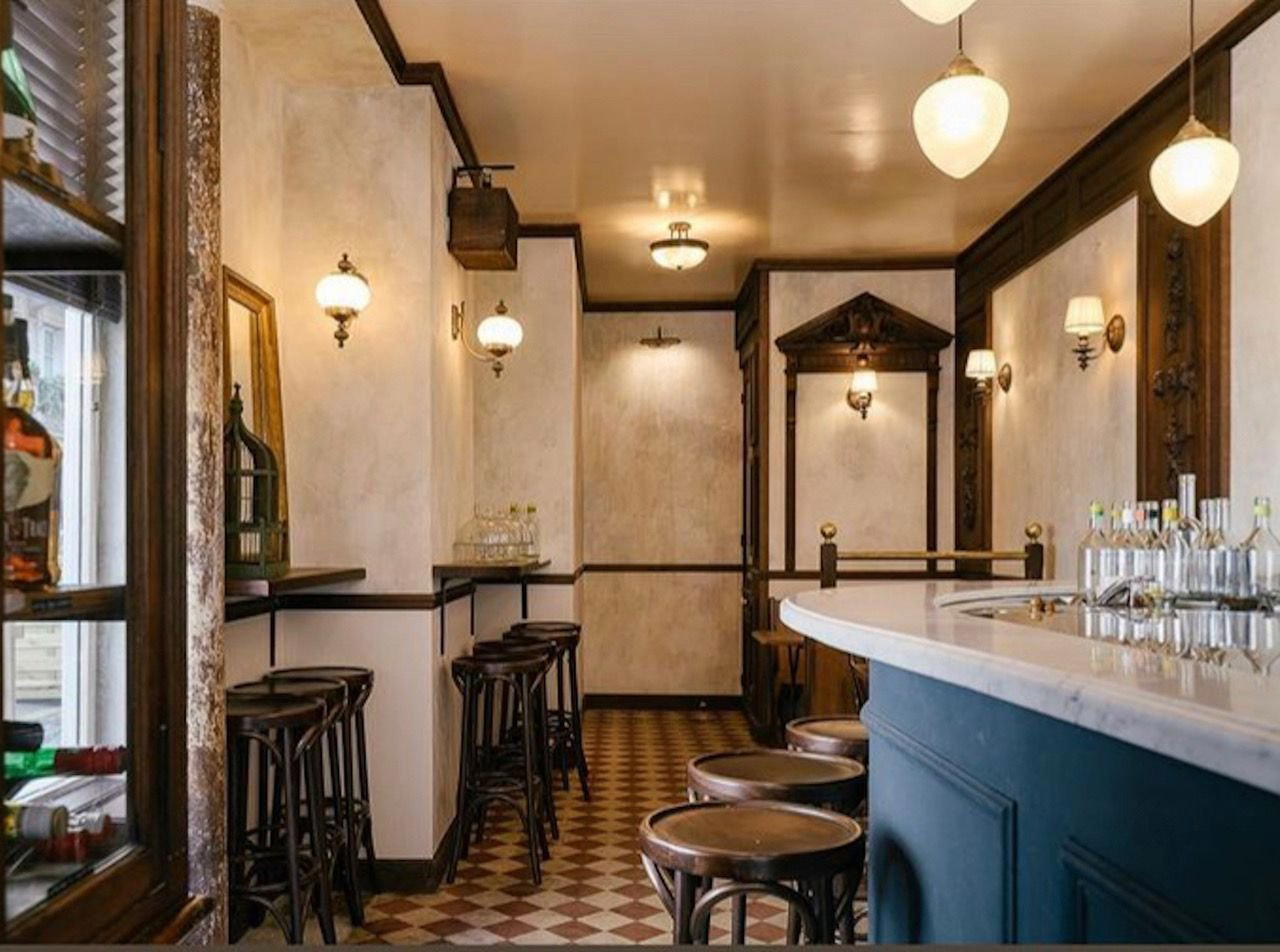
Hotels in Paris
Browse all →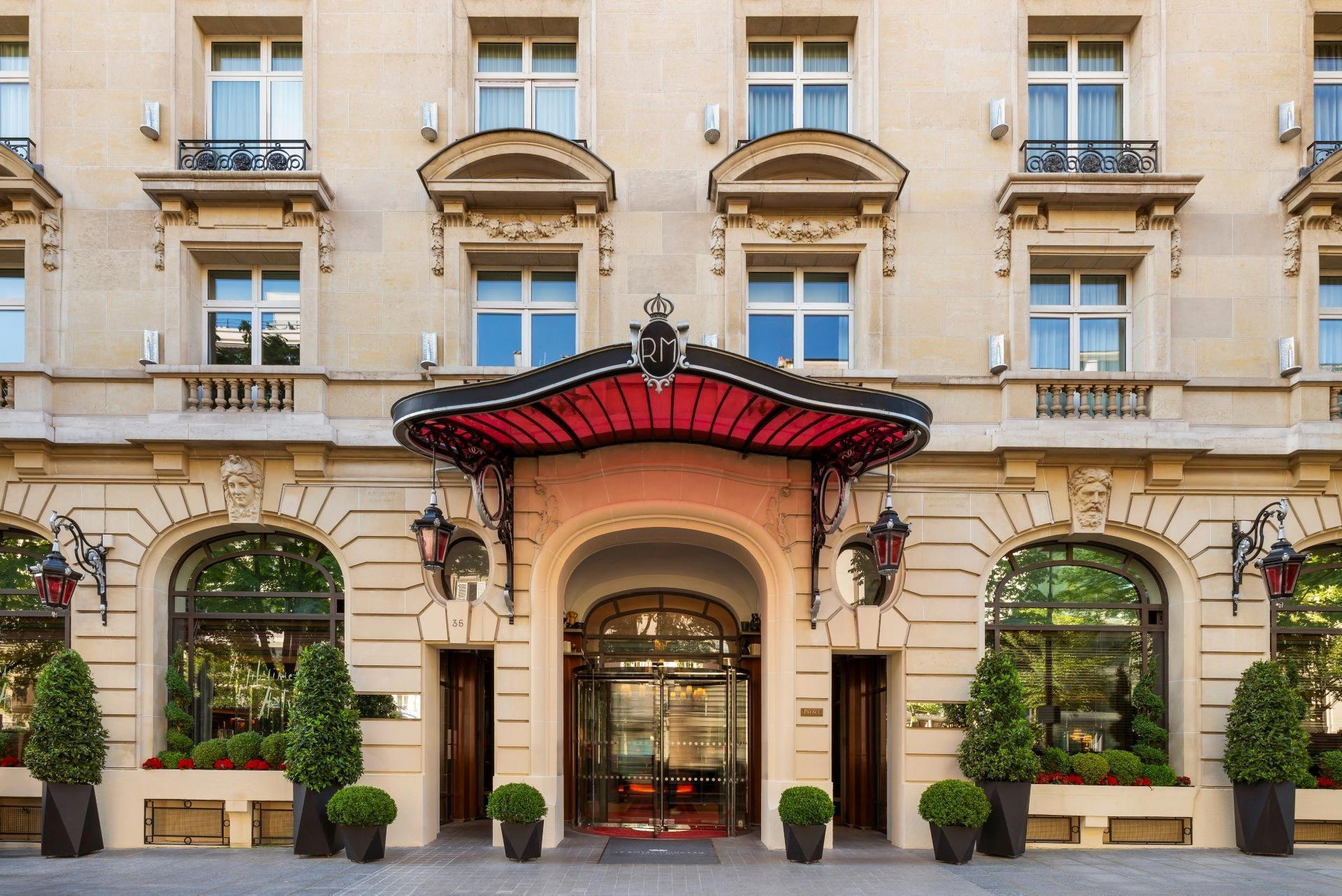
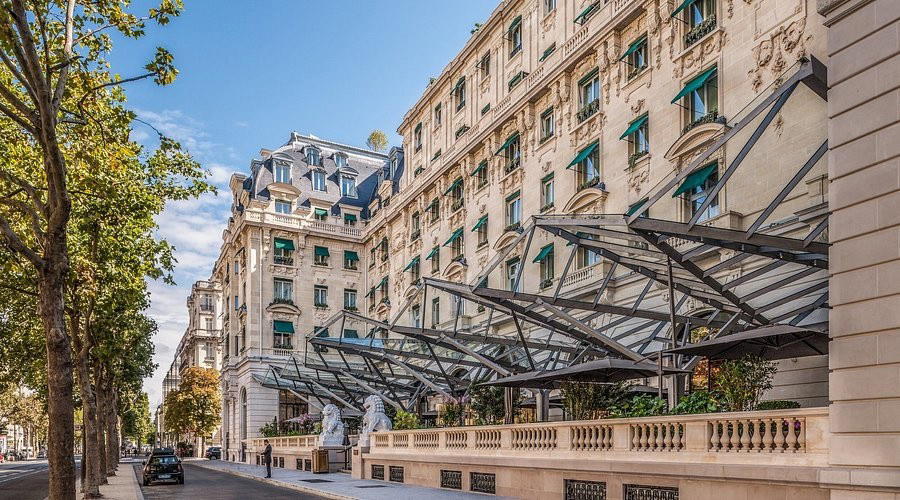
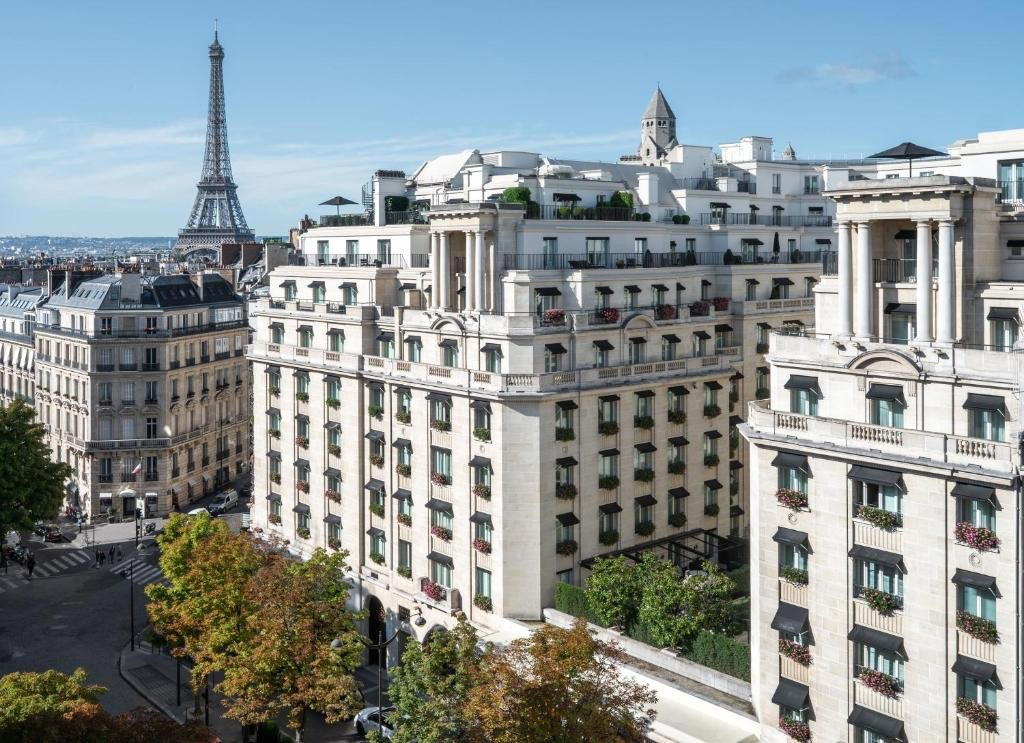
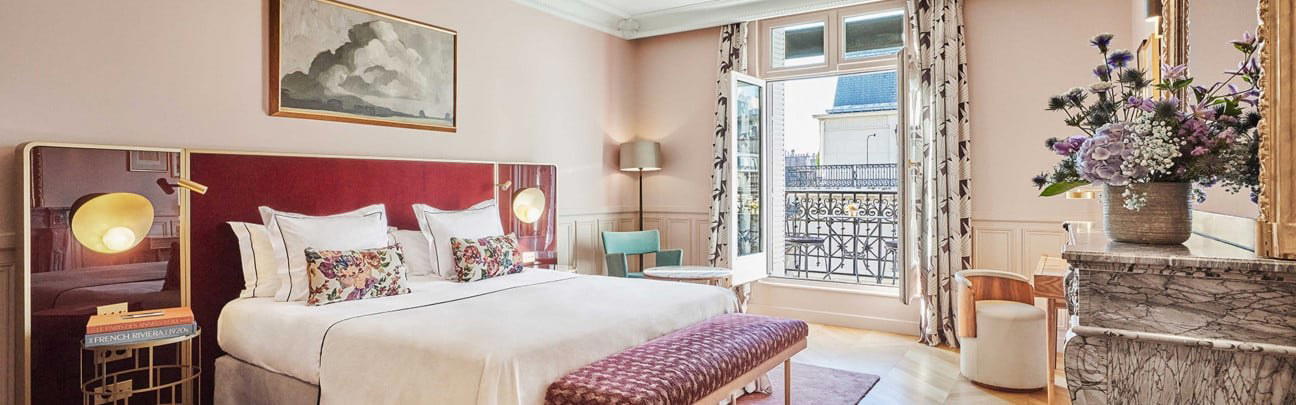
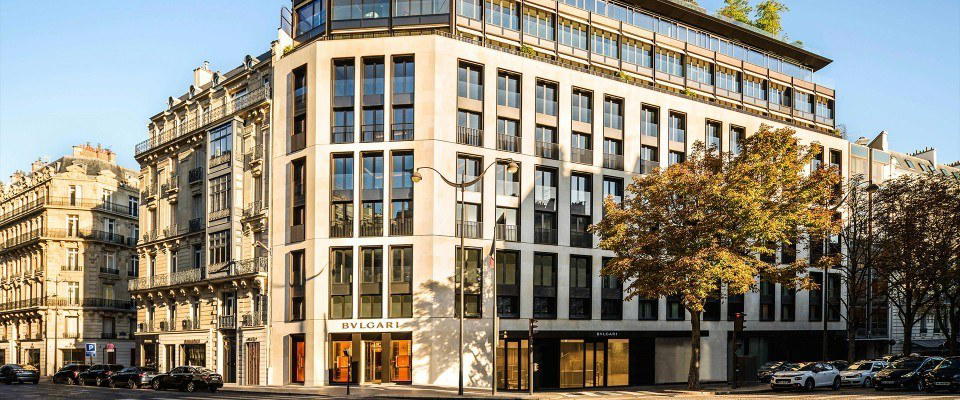



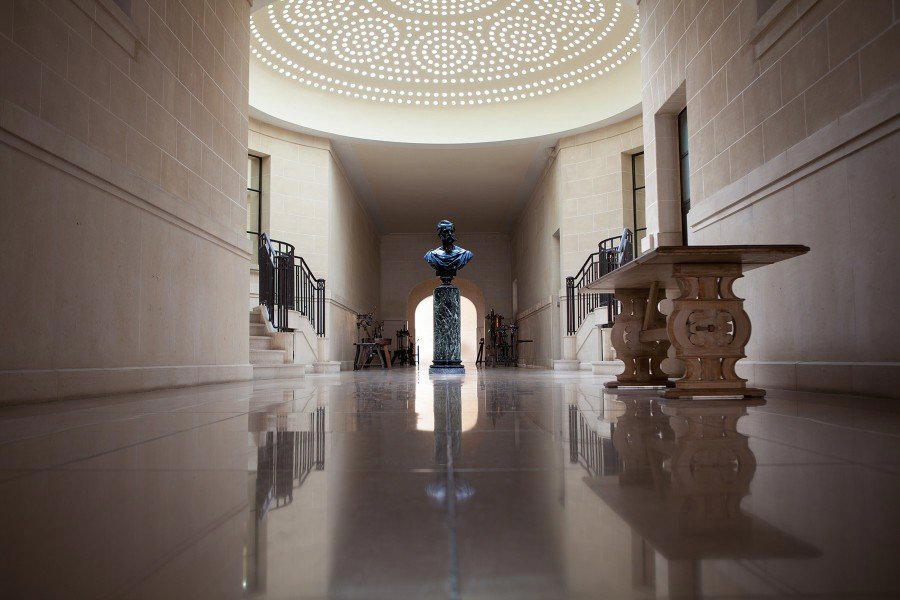
At a Glance
- Cozy
- Modern
- Intimate
- Elegant
- Date Night
- Special Occasion
- Business Dinner
- Open Kitchen
- Extensive Wine List
Current opening hours
- Monday
- 12–2 PM, 7–10 PM
- Tuesday
- 12–2 PM, 7–10 PM
- Wednesday
- 12–2 PM, 7–10 PM
- Thursday
- 12–2 PM, 7–10 PM
- Friday
- 12–2 PM, 7–10 PM
- Saturday
- Closed
- Sunday
- Closed
Hours can change for holidays and private events. Last verified .
Warm, cozy, and contemporary atmosphere praised for heartfelt hospitality and inviting setting.