On Avenue Matignon in Paris's 8th arrondissement, Market occupies a stretch of the city where grand-boulevard formality meets the quieter pressure of serious dining. The address places it within reach of the Champs-Élysées dining corridor, where restaurants at this level compete on atmosphere, sourcing precision, and room presence as much as plate composition.
Pearl is the En Primeur Club membership app — saves, bookings, and concierge access live there. Same editors, same standards.
- Address
- 15 Av. Matignon, 75008 Paris, France
- Phone
- +33156434090
- Website
- restaurant-market.com
- Directions
- Get directions
 Saves & bookings on Pearl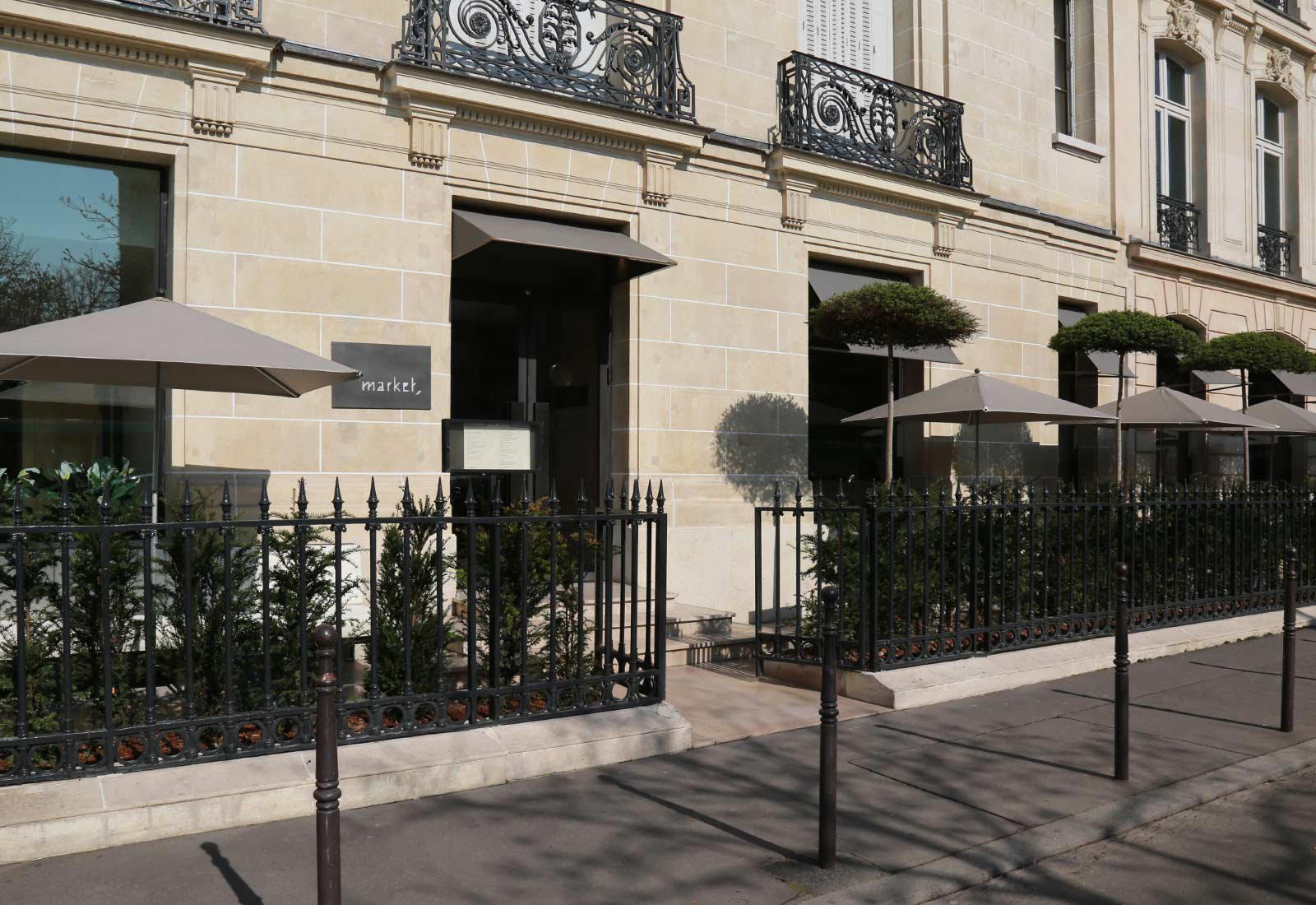
Avenue Matignon and the Weight of the 8th
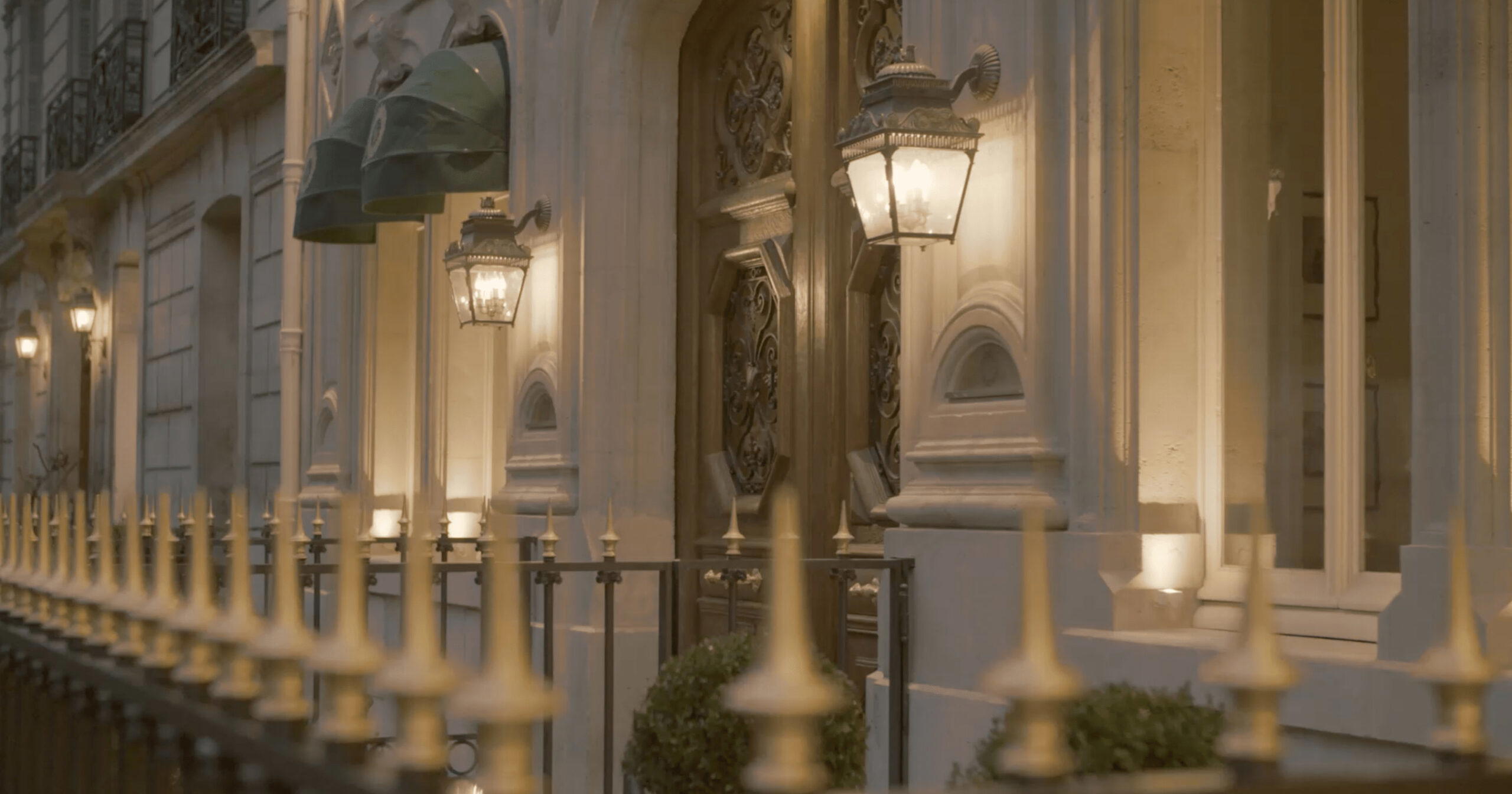
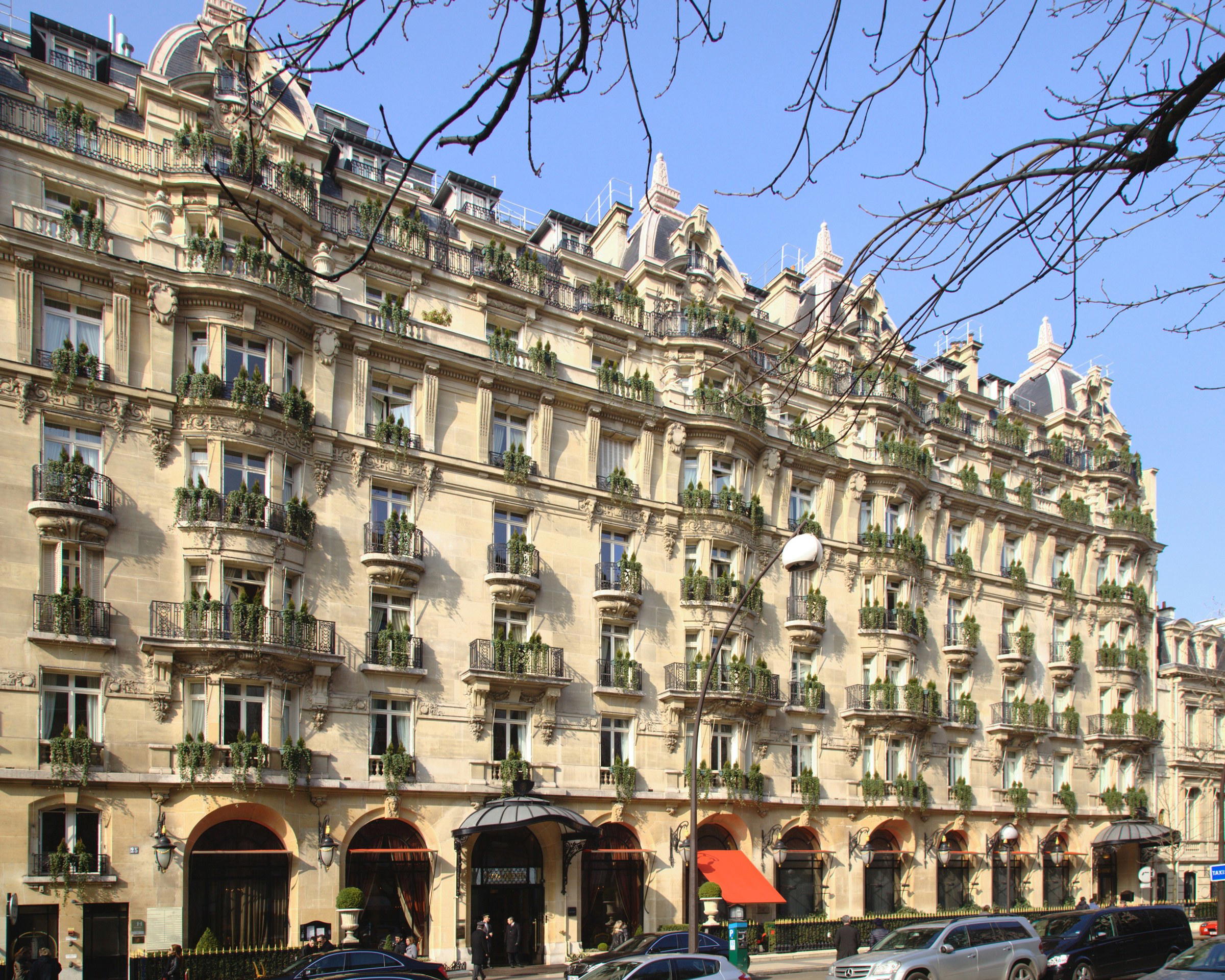
Paris's 8th arrondissement does not allow restaurants to be casual about their setting. The avenue between the Élysée Palace and the Rond-Point des Champs-Élysées carries a particular charge: the buildings are wide-shouldered and pale-stoned, the foot traffic shifts between political adjacency and luxury retail, and the restaurants that survive here must hold their own against a backdrop that demands presence. Market, at 15 Avenue Matignon, sits inside that pressure. The address alone situates it in a competitive tier where the room, the sourcing logic, and the consistency of the kitchen are all read as signals by a clientele accustomed to restaurants like Le Cinq at the Four Seasons Hôtel George V and Alléno Paris au Pavillon Ledoyen a few blocks away.
The 8th has long been the arrondissement where Paris performs its most confident version of grand dining. That confidence can tip toward stiffness in the wrong hands, or toward a kind of frictionless luxury that prioritizes the room over the plate. The restaurants that hold greater interest here are those that do neither: they use the setting as amplification rather than subject, letting the physical environment do its work while the kitchen earns separate attention. For context on what the wider Paris scene offers across price points and styles, our full Paris restaurants guide maps the field in detail.
The Atmosphere the Address Creates
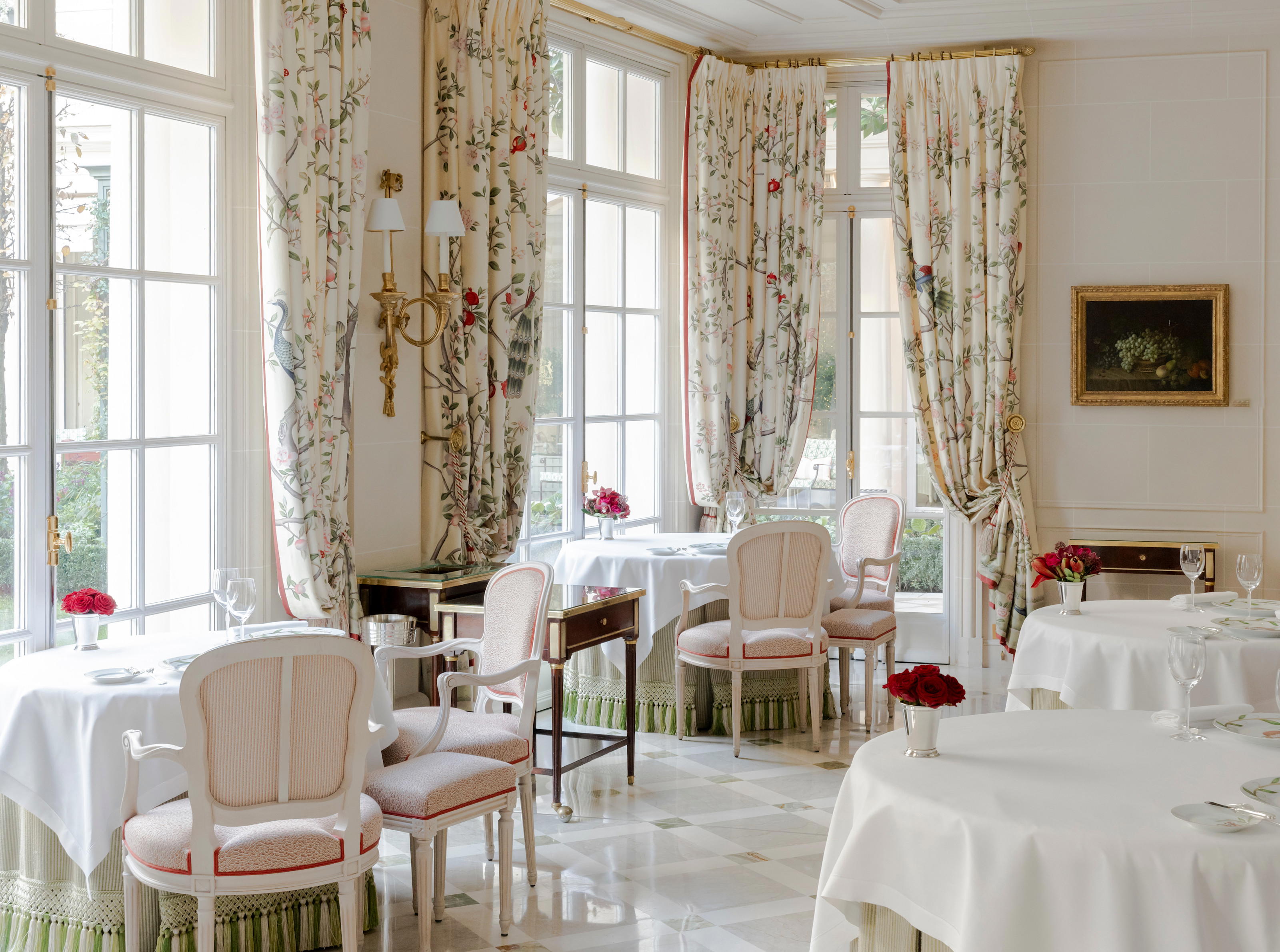
Restaurants on this stretch of Matignon inherit a specific quality of light. The avenue runs roughly northeast, and in the late afternoon the stone facades on the western side catch a low, diffuse glow that comes through the tall windows of street-level dining rooms in long horizontal bands. It is the kind of light that makes tablecloths look deliberate and wine glasses look considered. This is not incidental: the 8th's upper-tier restaurants have always understood that the first sensory experience is the approach, and that the transition from pavement to dining room is itself part of the proposition.
Inside restaurants of this category and address, the acoustic register tends toward the contained. These are rooms built to hold conversation without amplifying it, where the hum of a full service creates presence without pressure. The contrast with the more theatrical formats found further east in Paris, or with the open-kitchen noise formats that have become common in the 10th and 11th, is deliberate. In the 8th, the dominant mode remains the composed room: staff movement coordinated, pacing calibrated, the visual field uncluttered. That composure is a position, not an absence of character.
Where Market Sits in the French Fine Dining Continuum
French fine dining has spent the last decade sorting itself into distinct registers. At one end, the classical houses maintain service rituals and menu architecture that reference a continuous tradition: silver-domed presentation, brigade formality, menus that proceed through a recognizable grammar of courses. Places like L'Ambroisie on the Place des Vosges represent this mode at its most concentrated. At the other end, creative kitchens have increasingly abandoned that grammar in favor of formats that prioritize progression, surprise, and the chef's interpretive voice, a tendency visible in the work coming out of Arpège and, in a different register, Kei.
Market occupies the 8th arrondissement's address infrastructure, which places it in conversation with both traditions without necessarily committing to either's most extreme version. The restaurants that work leading in this particular geography tend to calibrate: formal enough to honor the setting, flexible enough to hold a clientele whose tastes have been shaped by two decades of evolution in what serious dining can mean. The comparison set for a restaurant at this address includes not just the immediate neighbors but the broader category of French addresses that have built their reputations on sourcing integrity and room coherence rather than on a single signature gesture.
Beyond Paris, the French fine dining tradition that shapes expectations in rooms like this one runs through addresses as varied as Mirazur in Menton, Troisgros in Ouches, Bras in Laguiole, and Auberge de l'Ill in Illhaeusern. Each of those addresses has defined, at some point, what a serious French restaurant is expected to feel like: the proportion of the room, the weight of the linen, the gap between the guest's arrival and the first moment of genuine comfort. Paris's 8th inherits that continuum and applies it at urban density, which changes the experience without diluting the underlying expectations.
For contrast, the approach taken by AM par Alexandre Mazzia in Marseille or Assiette Champenoise in Reims illustrates how regional French kitchens have developed their own distinct sensory identities, often with less institutional weight to negotiate. The Alsatian tradition at Au Crocodile in Strasbourg and the remote intensity of Auberge du Vieux Puits in Fontjoncouse represent the range of what French fine dining produces when it operates outside the capital's specific gravitational field. Inside that field, on an avenue like Matignon, the pressures are different and the expectations correspondingly calibrated.
For readers familiar with French-influenced fine dining outside France entirely, the comparison extends further: Le Bernardin in New York demonstrates how the French technical tradition translates into a different urban context, while Atomix in New York shows what happens when that tradition encounters a completely different culinary inheritance. The Avenue Matignon address positions Market in the original source of those traditions rather than in their translation.
Planning Your Visit
Avenue Matignon is accessible from the Miromesnil and Franklin D. Roosevelt Métro stations, both within comfortable walking distance. The 8th arrondissement's upper-tier restaurants generally expect advance reservation, and the closer the address sits to the Champs-Élysées corridor, the more that holds. For current booking availability, hours, and pricing at Market, contact the restaurant directly. Dress expectations in rooms of this address category trend toward smart; the 8th's dining culture does not enforce formal codes as rigidly as it once did, but the room will set its own tone clearly on arrival.
Address: 15 Avenue Matignon, 75008 Paris.
Recognition Snapshot
Comparable venues nearby, for context on price, style, and recognition.
| Venue | Cuisine | Price | Notes |
|---|---|---|---|
| MarketThis venue — the venue you are viewing | French-Asian Fusion | $$$ | Not listed |
| Comptoir De Vie | Modern French Tasting Counter-Bar | $$$ | 2nd Arrondissement |
| Café Max | Classic French Bistro | $$$ | Gros-Caillou |
| Auberge Bressane | Traditional French Bourgeois Bistro | $$$ | 7th arrondissement |
| MOJO | Contemporary French | $$$ | Paris 17 |
| CoCo | Modern French Seasonal Cuisine | $$$ | Opéra |
Continue exploring
More in Paris
Restaurants in Paris
Browse all →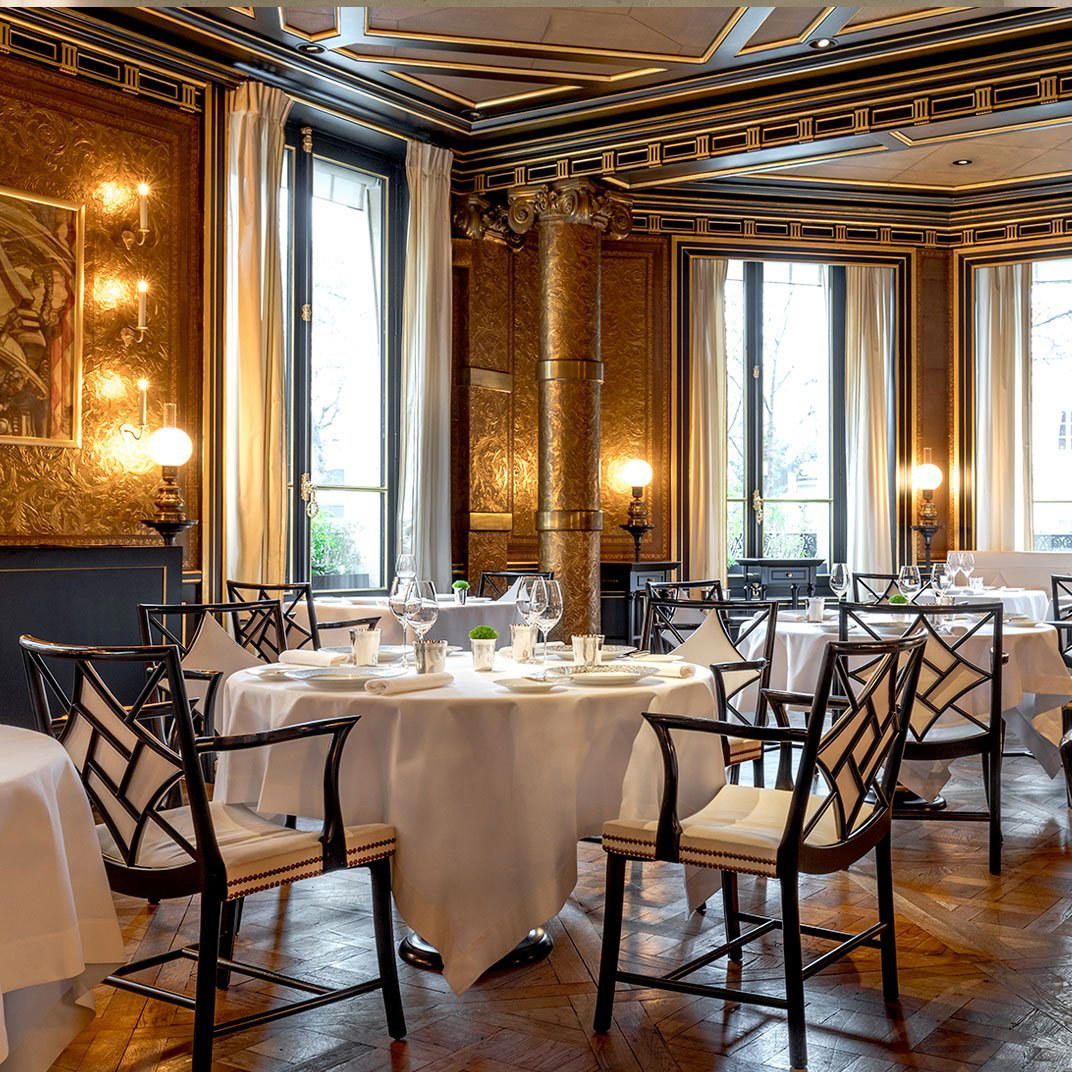
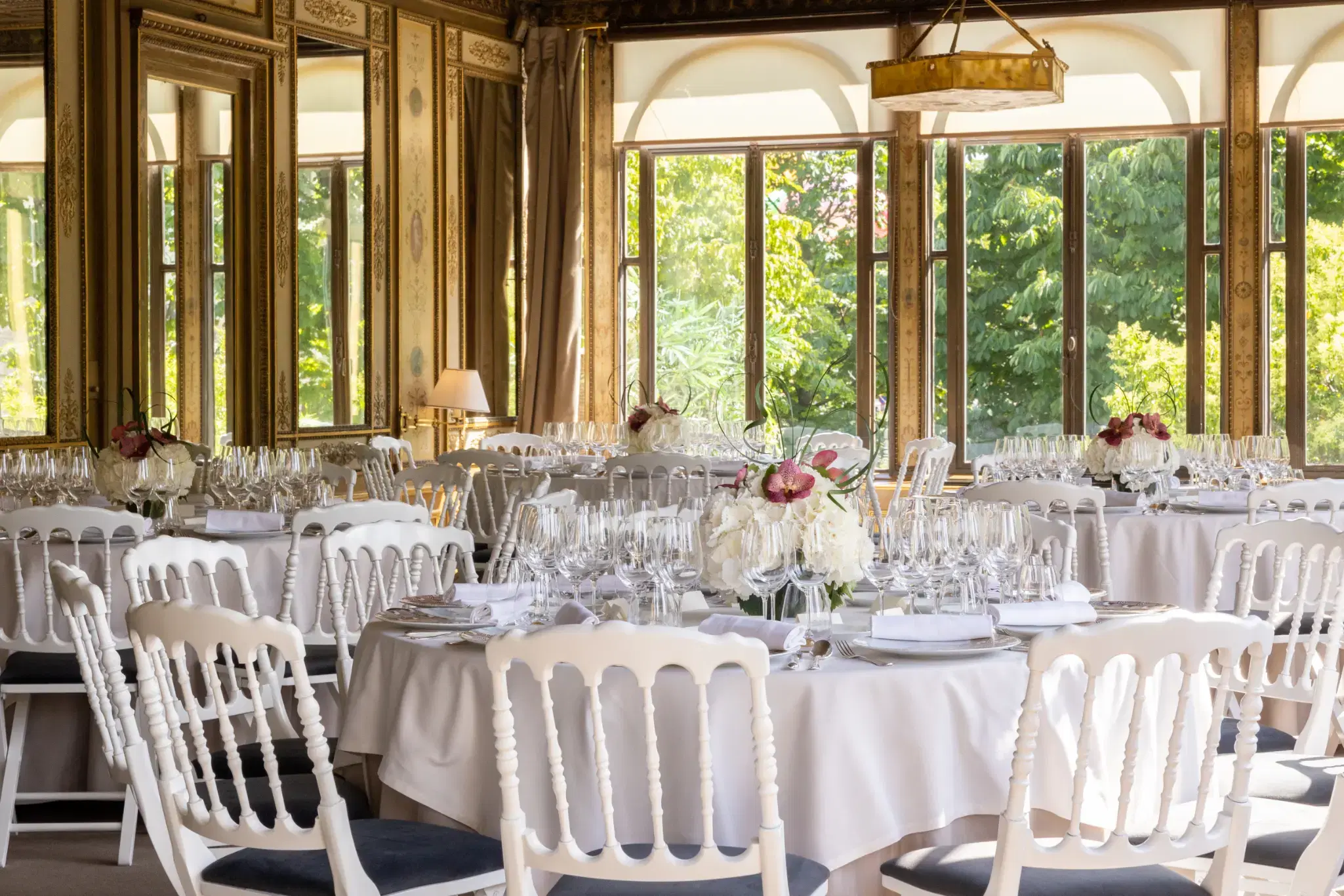

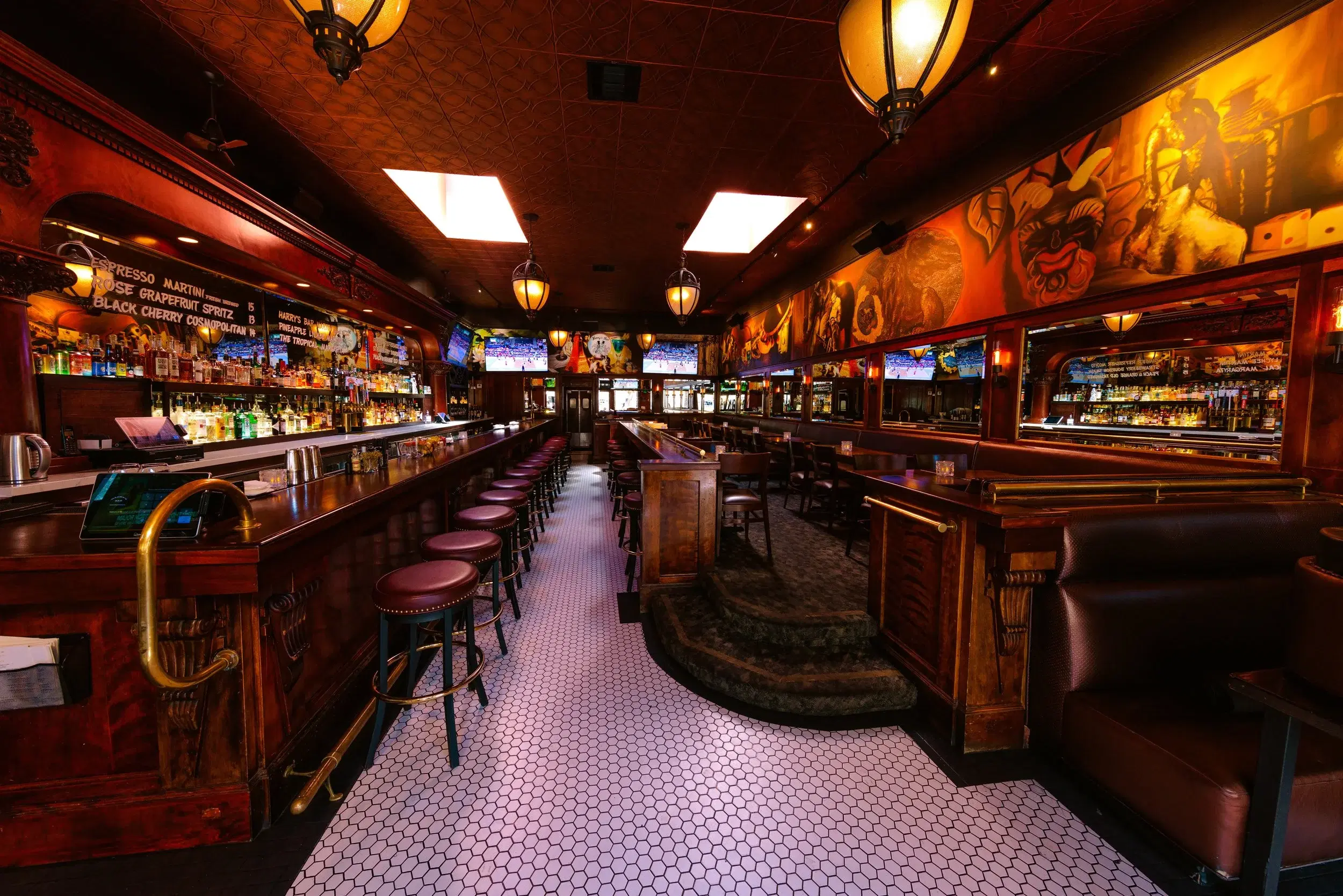
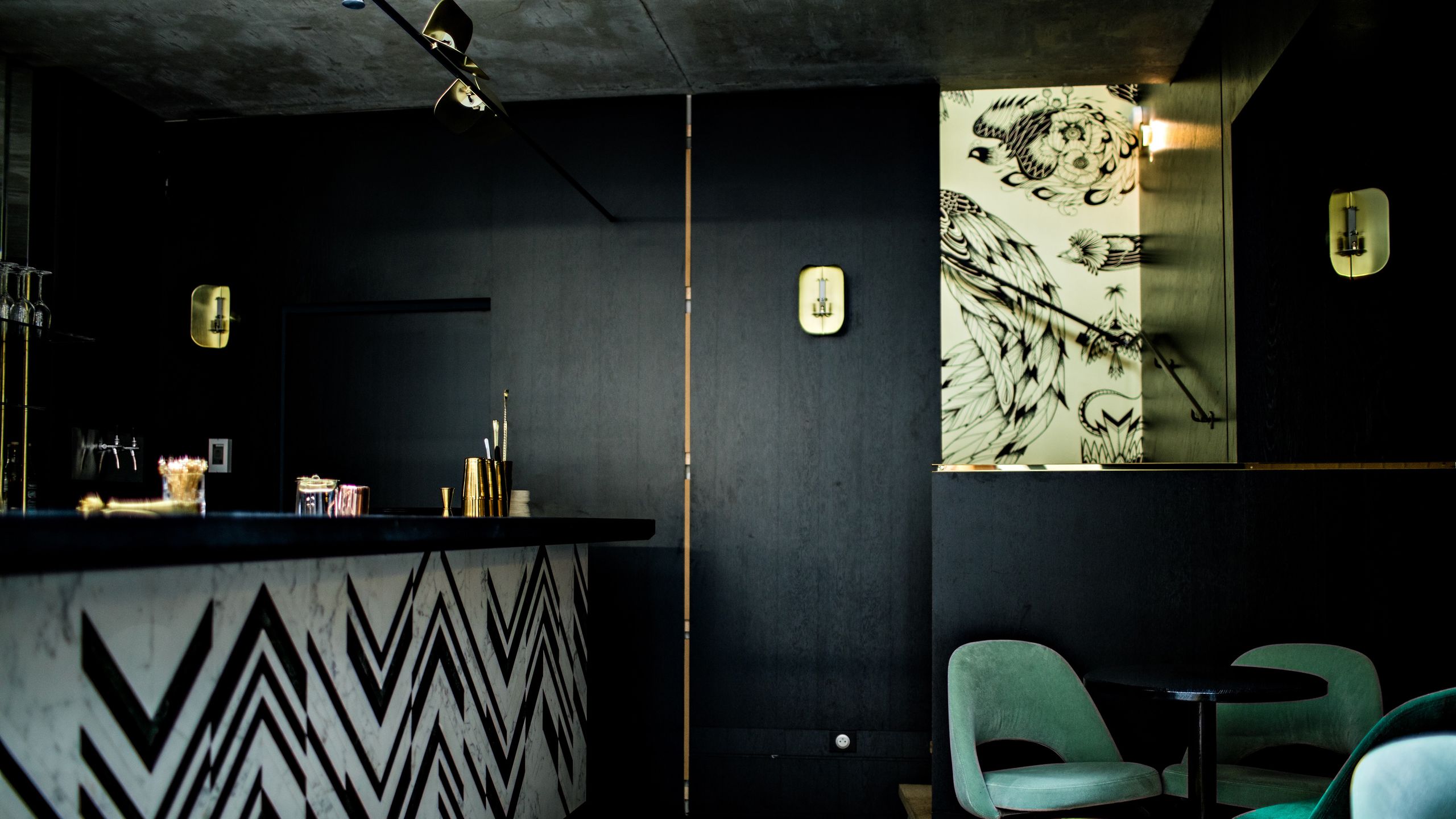
Bars in Paris
Browse all →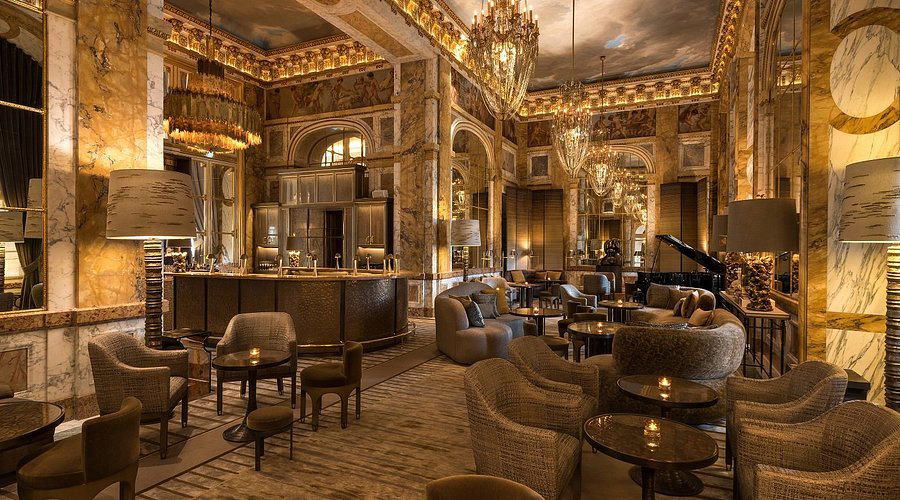
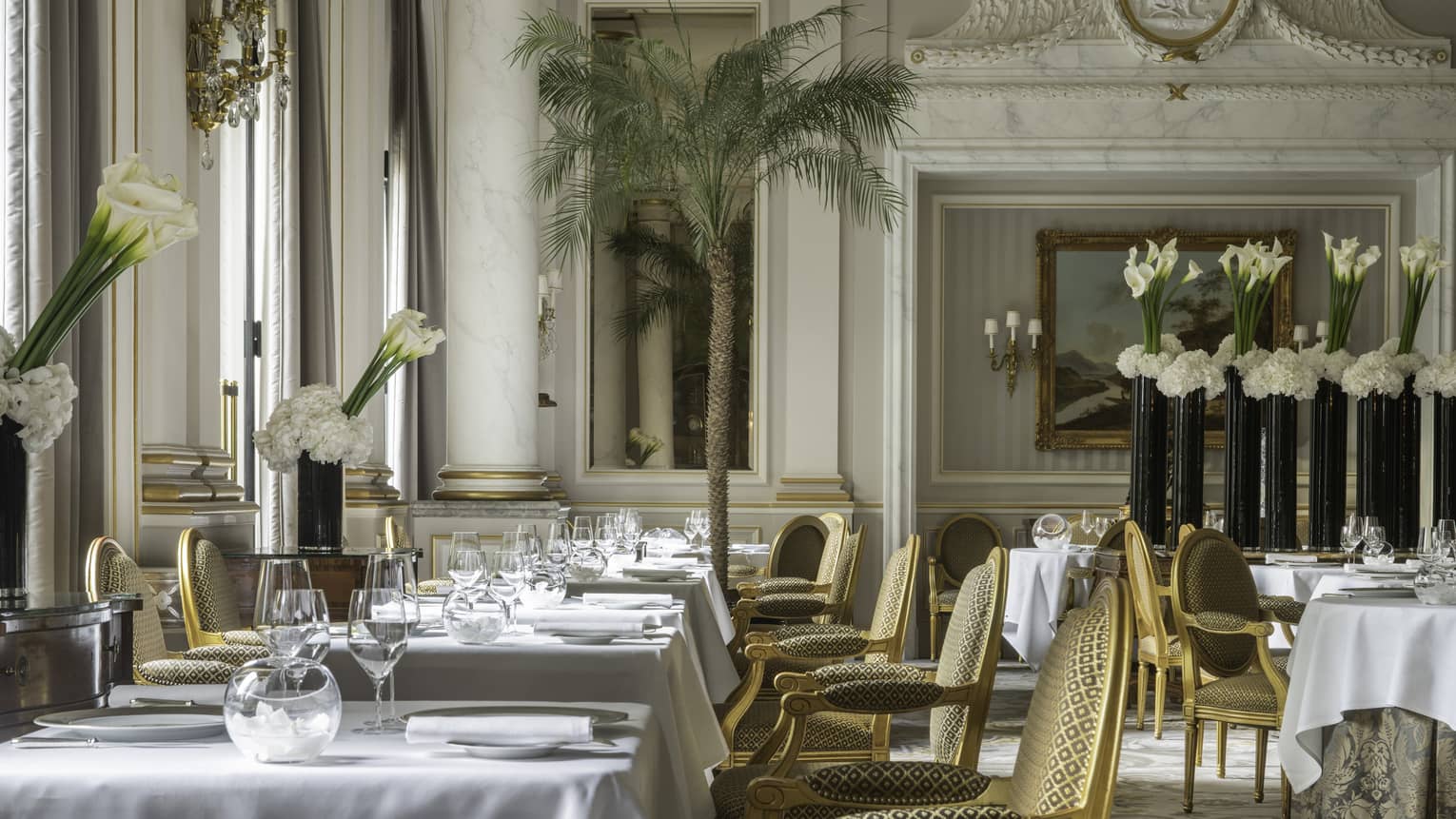
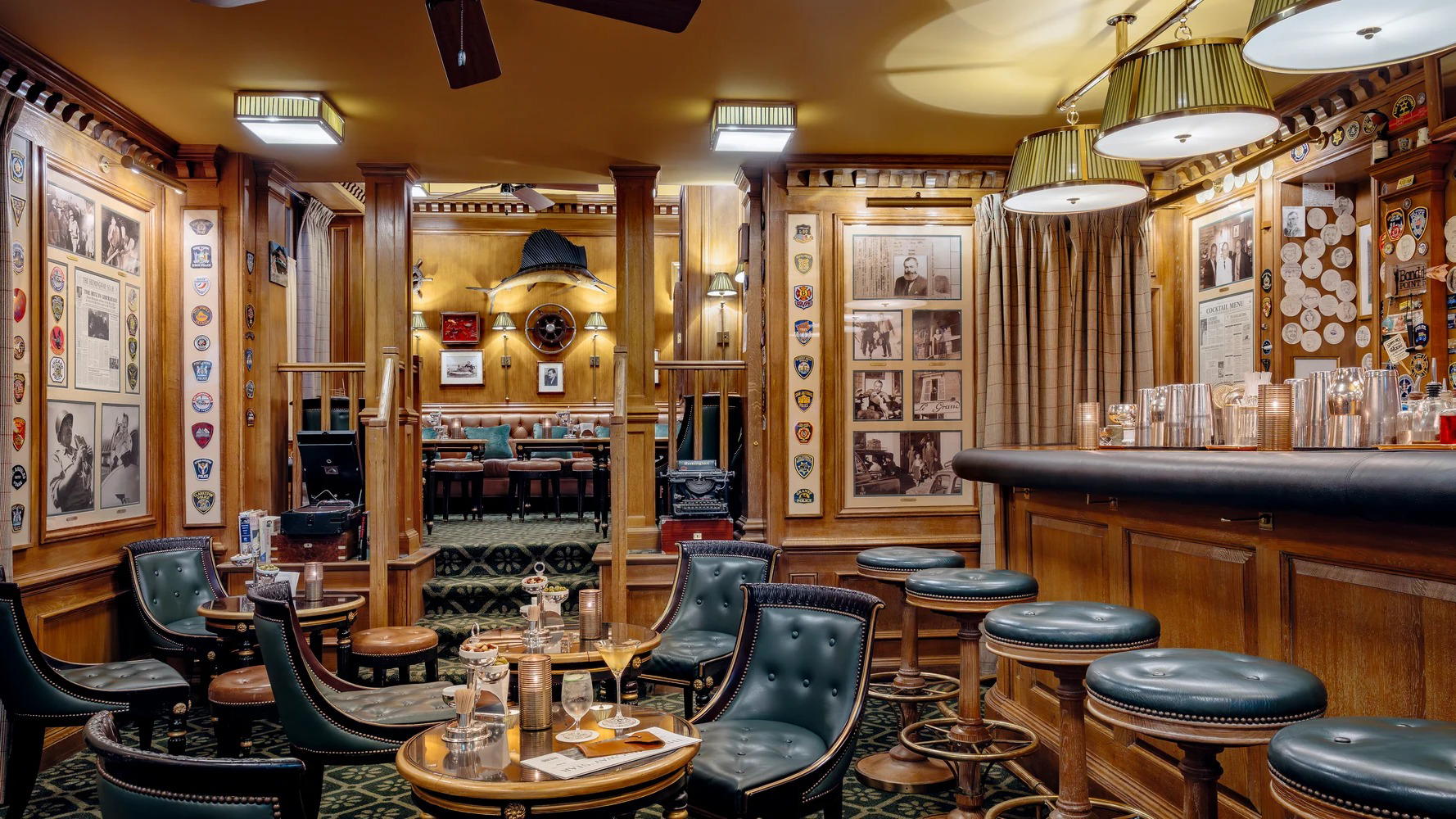
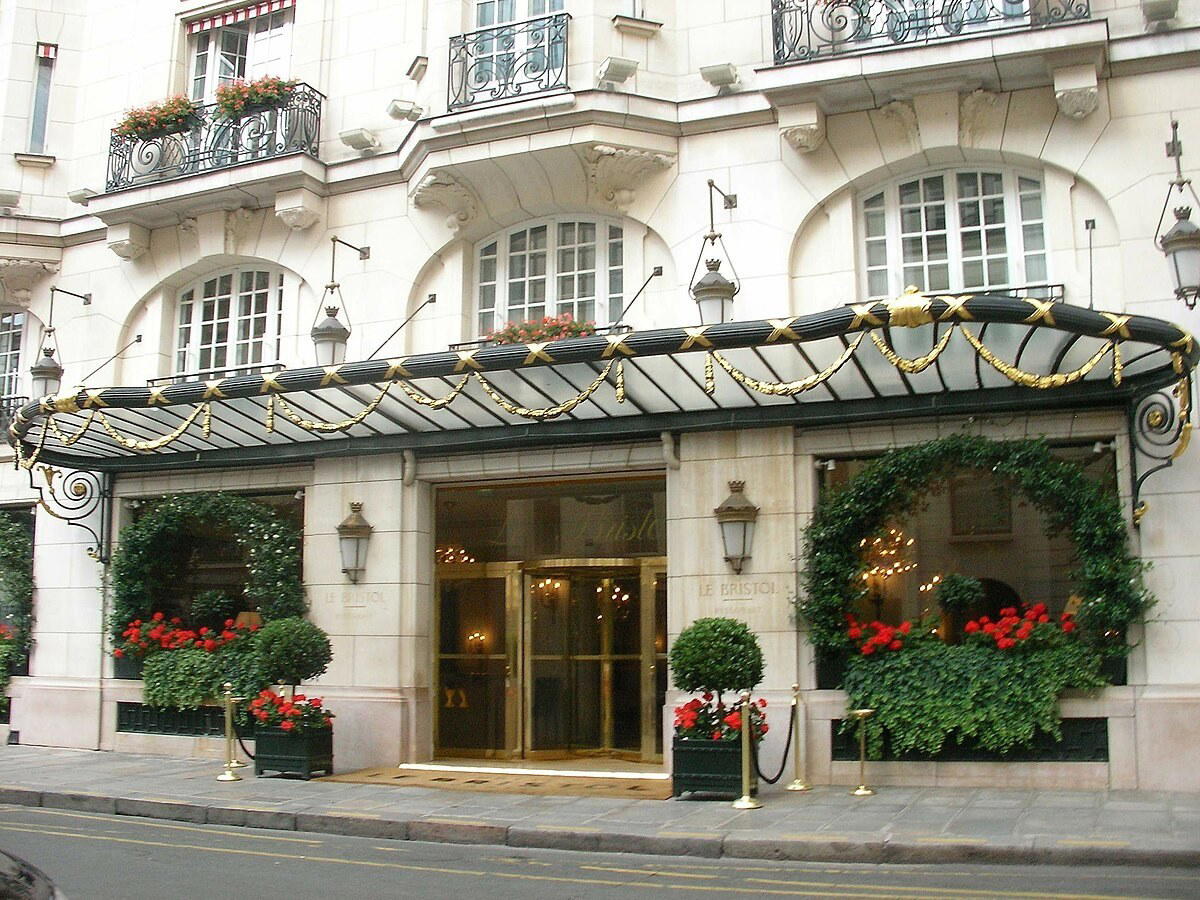
Hotels in Paris
Browse all →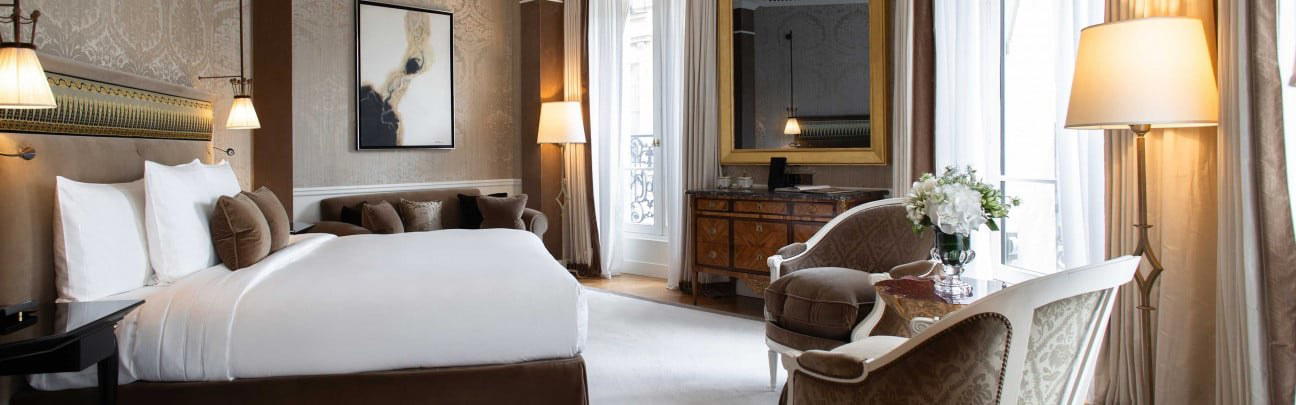



At a Glance
- Modern
- Elegant
- Sophisticated
- Date Night
- Business Dinner
- Brunch
- Open Kitchen
- Extensive Wine List
Current opening hours
- Monday
- 12–11 PM
- Tuesday
- 12–11 PM
- Wednesday
- 12–11 PM
- Thursday
- 12–11 PM
- Friday
- 12–11 PM
- Saturday
- 12–11 PM
- Sunday
- 12–11:15 PM
Hours can change for holidays and private events. Last verified .
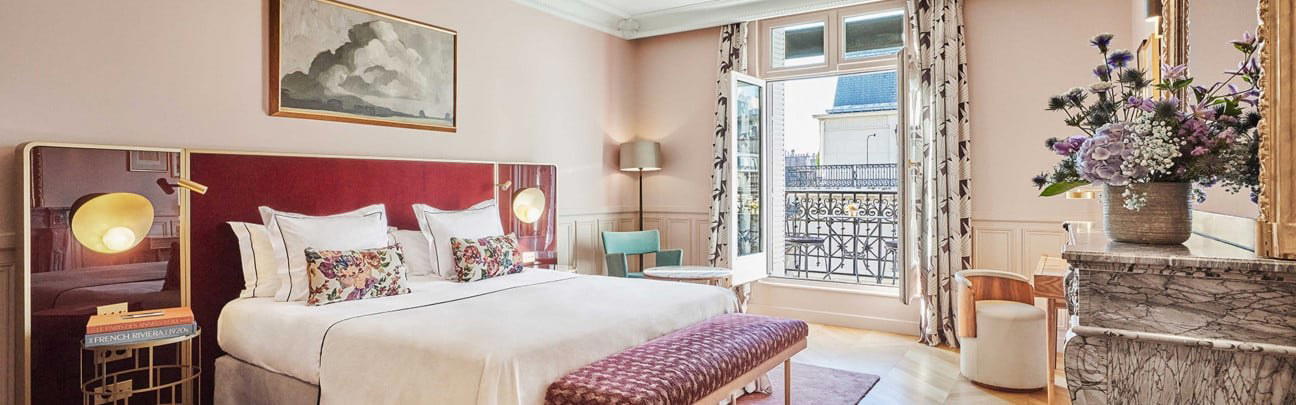
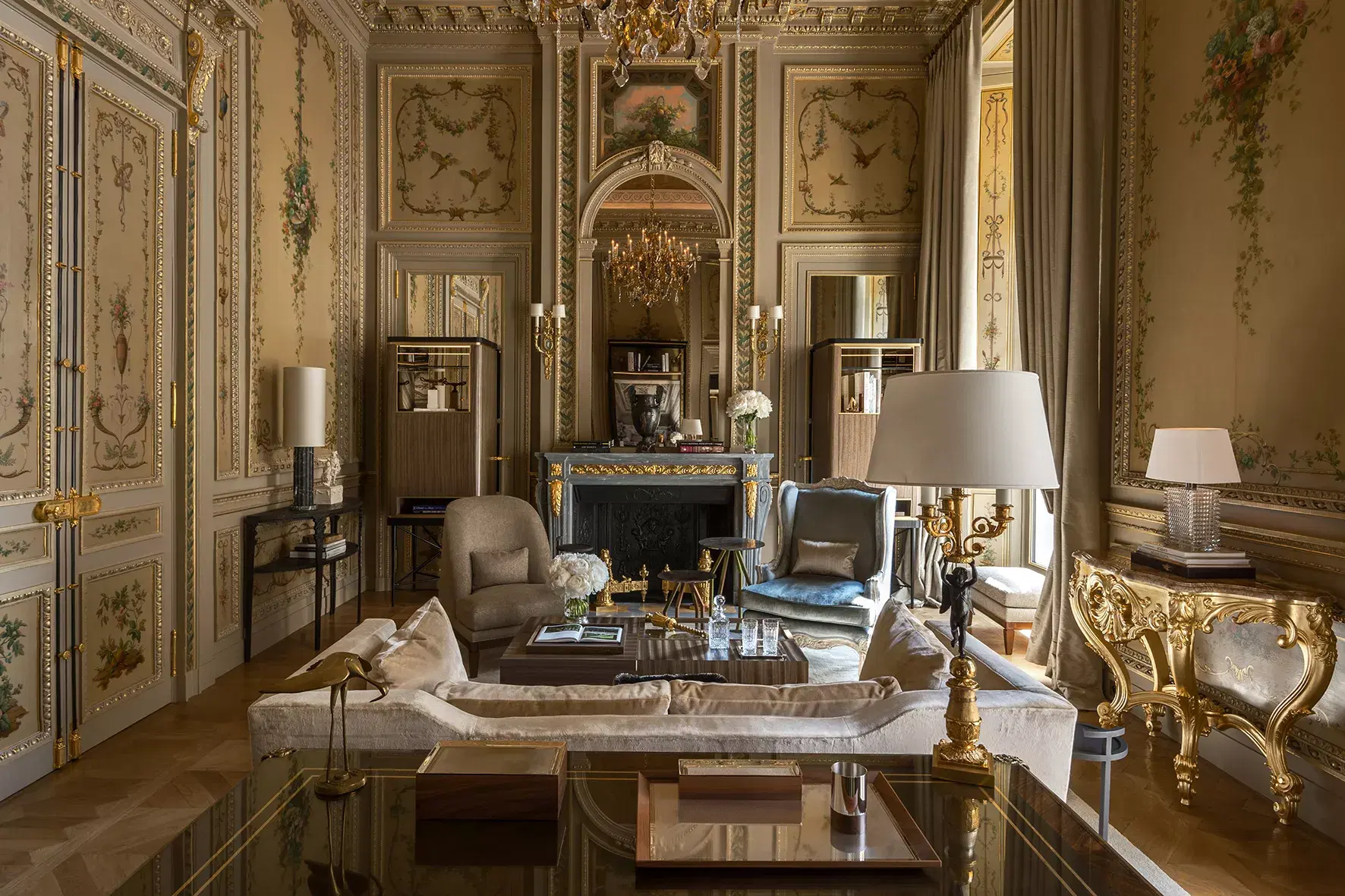
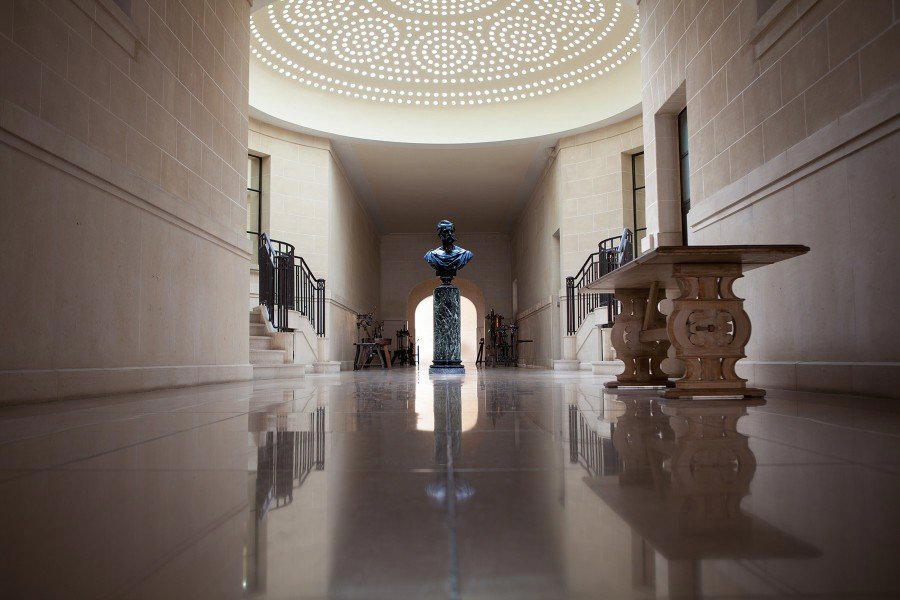
Sleek and inviting with simple materials like marble, wood, and leather, offering a sophisticated cosmopolitan atmosphere.