

A Michelin Bib Gourmand holder for 2024 and 2025, Moi sits in Rome's northern quarter on Via Antonio Serra, drawing a local crowd with seasonal cooking that pulls from Italian and international traditions. Chef Thomas Moi's vegetable-forward menu includes chef's tasting options calibrated to dietary preferences, all at a price point that undercuts comparable creative restaurants in the city centre. Booking ahead is recommended.
Pearl is the En Primeur Club membership app — saves, bookings, and concierge access live there. Same editors, same standards.
- Address
- Via Antonio Serra, 15, 00191 Roma RM, Italy
- Phone
- +39 06 8760 0399
- Website
- ristorantemoi.com
- Directions
- Get directions
 Saves & bookings on Pearl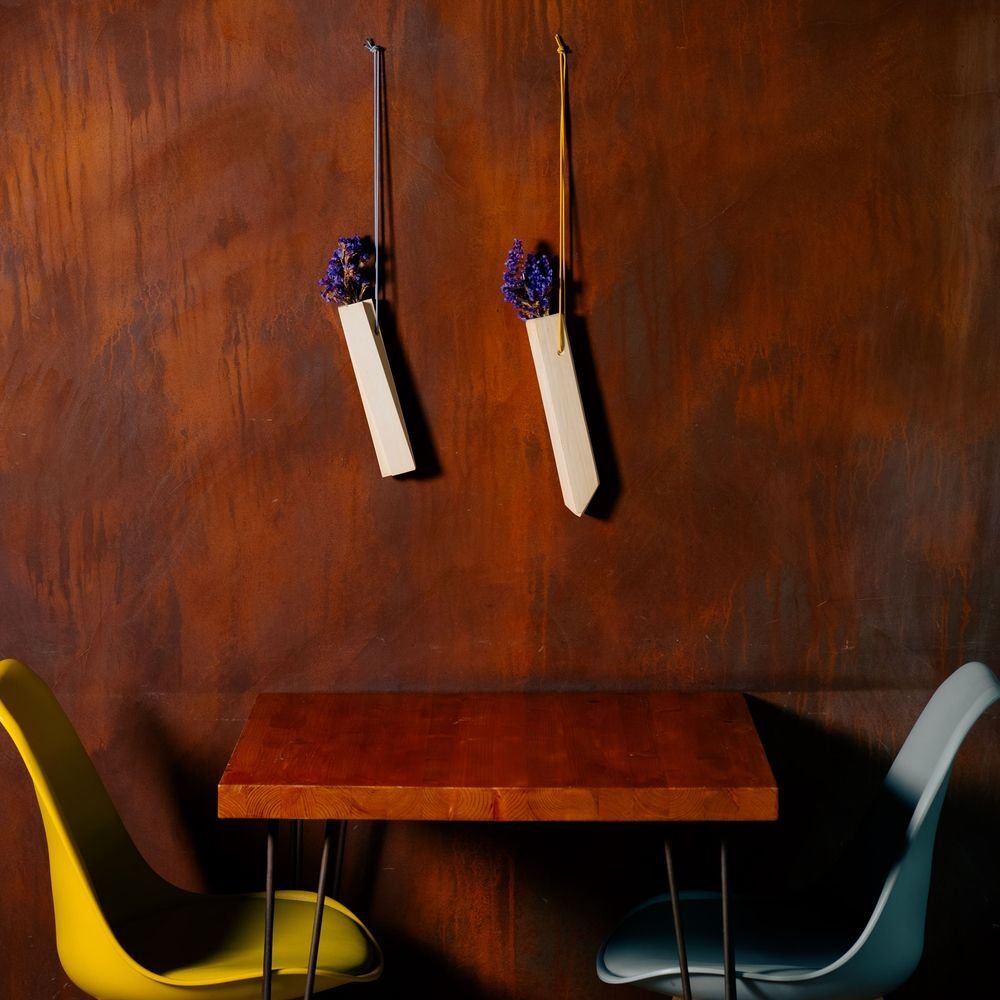
North of the Tourist Circuit
Rome's most talked-about dining addresses tend to cluster in the centro storico and Trastevere, where foot traffic sustains visibility and reservation pressure keeps tables scarce months in advance. The northern residential districts operate differently. Here, in the calm of the Parioli-adjacent streets off Via Antonio Serra, a meal at Moi follows the quieter rhythm of a neighbourhood restaurant that earns its reputation through the plate rather than the postcode. There is no theatrical entrance, no queue of visitors with guidebooks. What you find instead is a small room, attentive service, and cooking that pulls from a wider frame of reference than most restaurants at this price tier in the city.
That contrast with Rome's dining centre matters for understanding what Moi is and why it has twice earned the Michelin Bib Gourmand, in 2024 and 2025. The Bib Gourmand category specifically recognises quality cooking at moderate prices, and at Moi the €€ positioning represents a meaningful differential. The recognition is not honorary; it reflects a deliberate kitchen posture that keeps ambition pointed at flavour rather than ceremony.
The Shape of the Meal
Seasonal cooking in Rome can mean many things. At the city's most formal addresses, seasonality is announced on the menu and framed as narrative. At Moi, the approach reads as operational rather than promotional: what is in season drives what is on the plate, and Chef Thomas Moi draws from Italian culinary reference points alongside traditions from elsewhere in Europe and beyond. That cross-referencing is not fusion in the casual sense. It is the kind of informed borrowing that characterises a kitchen trained across multiple contexts, applying technique and flavour logic from wherever they are most useful.
Vegetables hold a particular weight in the kitchen's output. The tasting menu structure accommodates plant-based preferences, including fully plant-only formats, which positions Moi within a wider shift in Italian fine-casual dining toward menus that treat vegetables as primary rather than supporting material. This is not a trend that has fully landed in Rome's more traditional trattoria culture, making Moi's approach more notable in its local context than it might appear in a city like Milan or Florence. For comparison, Acquolina works a similarly creative frame in Rome, but with a strong seafood orientation; Moi's vegetable emphasis gives it a different axis entirely.
The tasting menu format also implies a specific dining ritual: a sequence of courses paced by the kitchen, rather than a meal assembled from à la carte choices. This structure asks something of the guest, a willingness to follow the kitchen's sequence rather than curate their own path through the menu. In return, it offers coherence. Dishes are built to speak to each other, and the ingredient logic that runs through a well-constructed tasting sequence is rarely reproducible in a single à la carte selection. At a mid-range price point, this format remains relatively uncommon in Rome outside the starred tier, which gives Moi a distinct position in the city's mid-market creative dining segment.
Pacing and Service
The warm service noted consistently across guest accounts shapes the pacing of the meal as much as the menu structure does. In smaller restaurants where a tight team handles all floor responsibilities, service tempo becomes an expression of the kitchen's confidence: dishes arrive when they are ready, not when a table is impatient.
This consistency at small scale is a feature of the northern Roman neighbourhood restaurant model. Without the volume of tourist covers that central restaurants rely on, these addresses depend on repeat local custom and word-of-mouth, which creates a different quality incentive. The kitchen cannot coast on novelty; it has to perform reliably for guests who return. That dynamic tends to produce cooking that is technically grounded rather than conceptually experimental for its own sake.
Moi in the Wider Italian Creative Dining Frame
Italy's creative dining scene has its centre of gravity well outside Rome. Osteria Francescana in Modena and Enrico Bartolini in Milan represent the Michelin-starred upper tier, while Enoteca Pinchiorri in Florence holds one of Italy's most established fine dining reputations. At the other end of the peninsula, Quattro Passi in Marina del Cantone has built a strong reputation on Campanian seafood. Rome's creative mid-market sits in a different conversation from all of these: less focused on destination dining, more oriented toward a local professional crowd that wants cooking above the trattoria standard without the full architecture of a formal tasting experience.
Moi's Bib Gourmand places it alongside a handful of Rome addresses recognised in that bracket. Moi stands apart within Rome's creative mid-market dining scene.
Know Before You Go
- Address: Via Antonio Serra, 15, 00191 Roma, Italy
- Price range: €€ (moderate)
- Cuisine: Seasonal, with vegetable-forward tasting menus; plant-based options available
- Awards: Michelin Bib Gourmand 2024 and 2025 8 from 212 reviews
- Booking: Advance reservations strongly recommended
- Location note: Northern Rome; away from the central tourist circuit, in the residential district near Parioli
What Should I Order at Moi?
The kitchen's tasting menu is the clearest path through Chef H.O. Cham's cooking. The sequence is built around seasonal produce and draws from both Italian and international culinary traditions, with vegetables occupying a central role rather than a supporting one. Guests with plant-based dietary preferences can specify this at booking and receive a menu tailored accordingly, including a fully plant-only format. For those following the standard tasting sequence, the cross-cultural reference points in the cooking mean that familiar Italian flavour structures appear alongside less expected combinations. The Bib Gourmand recognition in both 2024 and 2025 signals a kitchen operating with consistent technical command, so one reliable approach is to trust the sequence rather than asking for substitutions. Given the small scale of the restaurant and the personalised service noted by multiple reviewers, communicating dietary requirements at the time of booking rather than on arrival will give the kitchen the leading conditions to produce its most considered work.
Peers Worth Knowing
Comparable venues nearby, for context on price, style, and recognition.
| Venue | Cuisine | Price | Notes |
|---|---|---|---|
| MoiThis venue — the venue you are viewing | Modern Italian Fine Dining | $$$ | Not listed |
| Roscioli | Traditional Roman Pasta Trattoria | $$$ | Regola |
| San Baylon | Contemporary Italian Fine Dining | $$$ | Campo Marzio |
| Luciano Cucina Italiana | Modern Roman Italian | $$$ | Parione |
| Pinocchio | Italian Trattoria with Pizza | $$ | Fiumicino |
| Diana's Place | Modern Italian Bistrot | $$$ | Castro Pretorio |
Recognition history
Dated appearances from independent guides and award organizations, with the underlying list record or original source where available.
Michelin Plate
Michelin
Michelin Bib Gourmand
Michelin
We're Smart World 4 Radishes
We're Smart World
Michelin Bib Gourmand
Michelin


At a Glance
- Elegant
- Minimalist
- Cozy
- Modern
- Date Night
- Special Occasion
- Open Kitchen
- Extensive Wine List
- Farm To Table
- Sustainable Seafood
Current opening hours
- Monday
- 7:30–10:30 PM
- Tuesday
- 7:30–10:30 PM
- Wednesday
- 7:30–10:30 PM
- Thursday
- 12–2:30 PM, 7:30–10:30 PM
- Friday
- 12–2:30 PM, 7:30–10:30 PM
- Saturday
- 12–2:30 PM, 7:30–10:30 PM
- Sunday
- Closed
Hours can change for holidays and private events. Last verified .
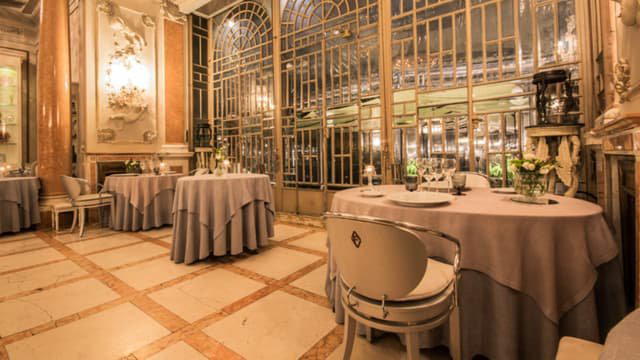
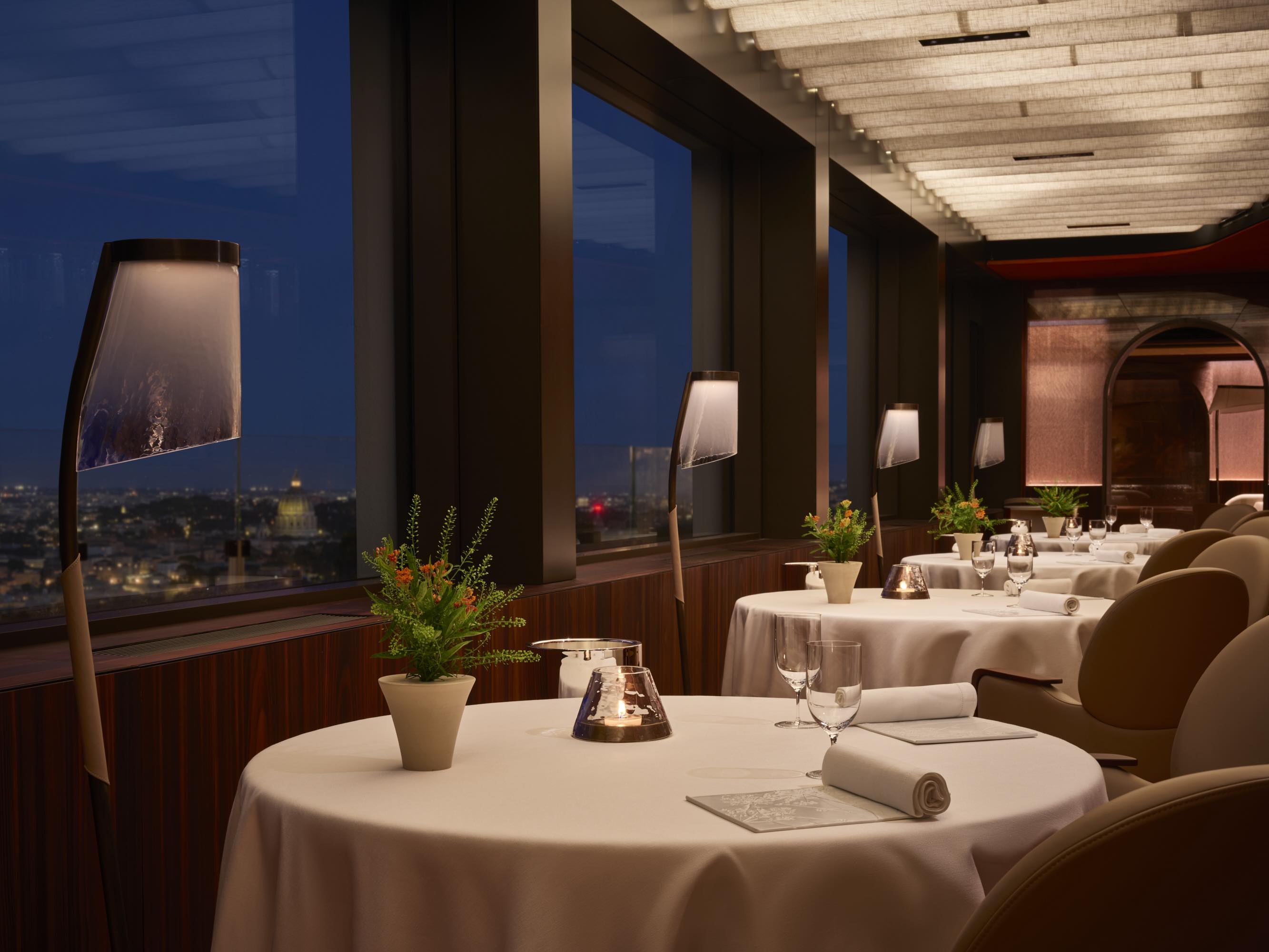
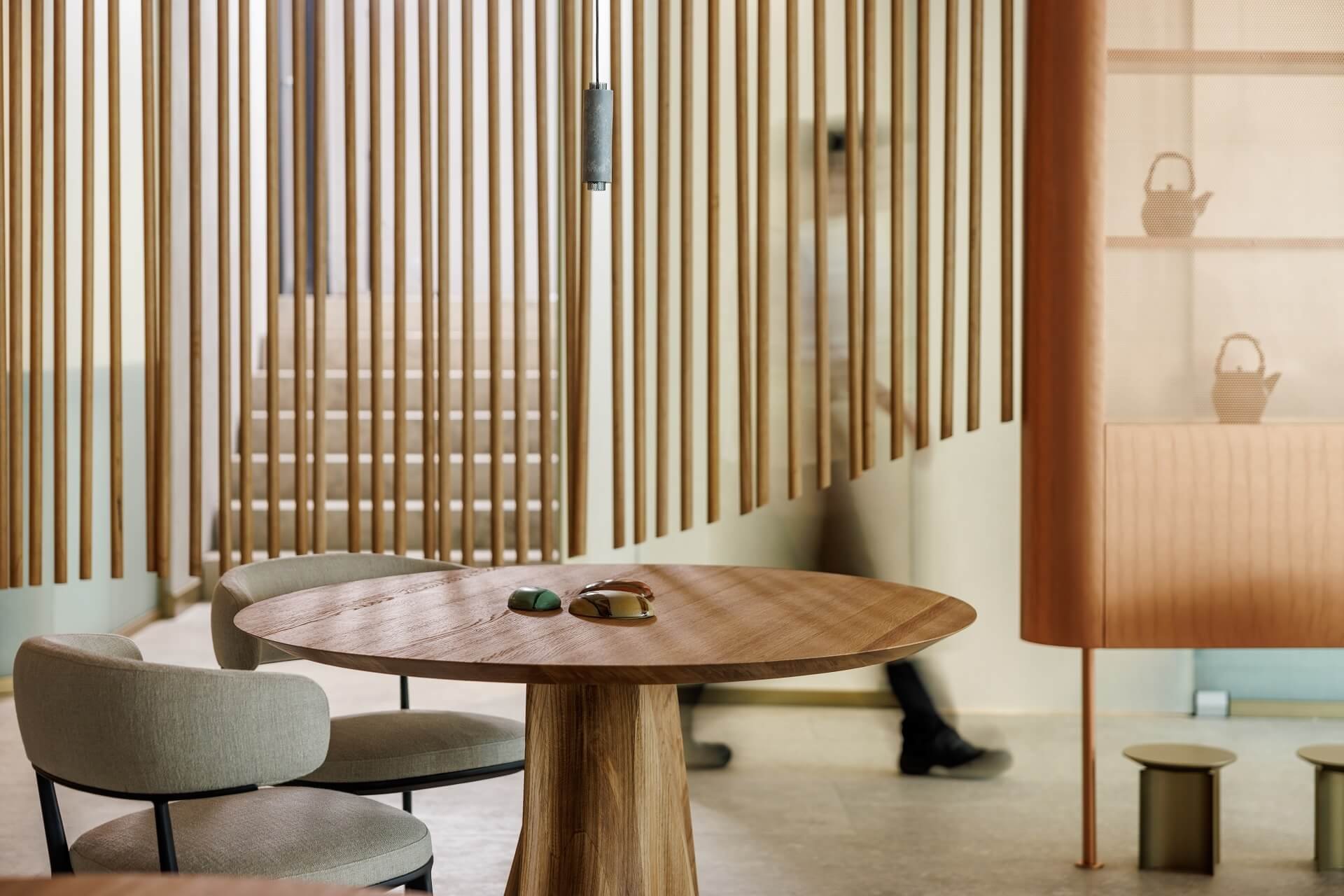
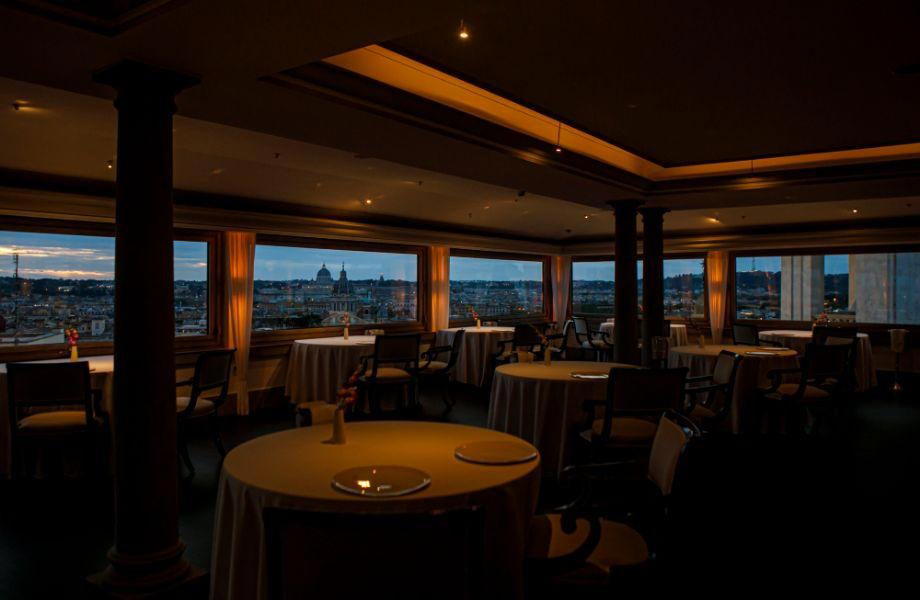
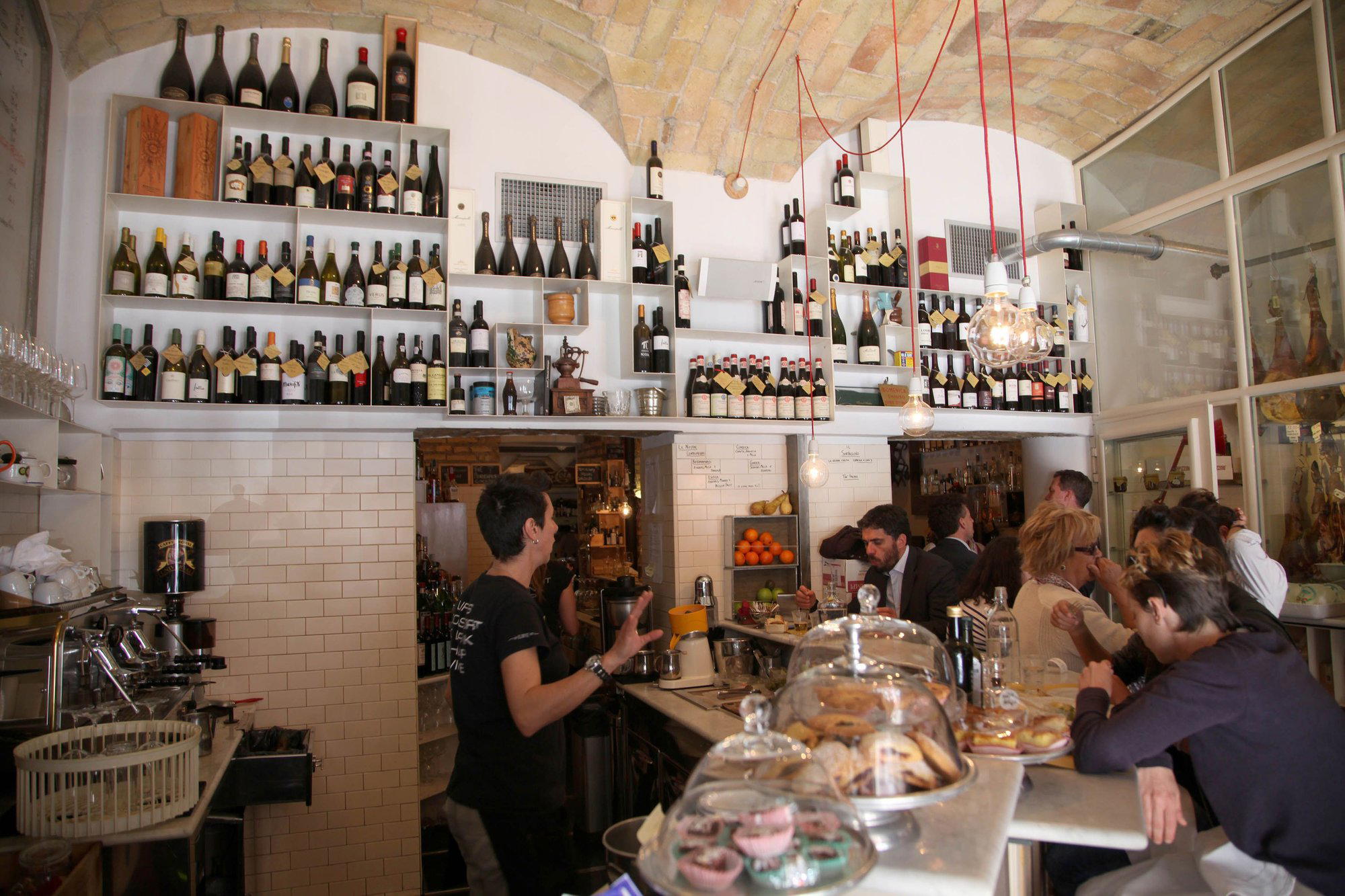
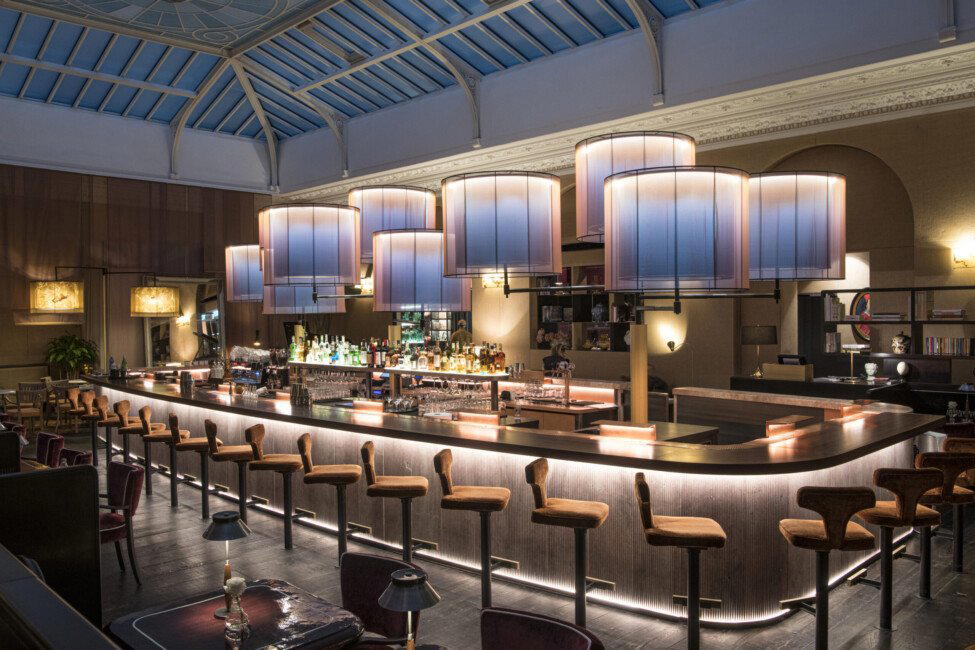
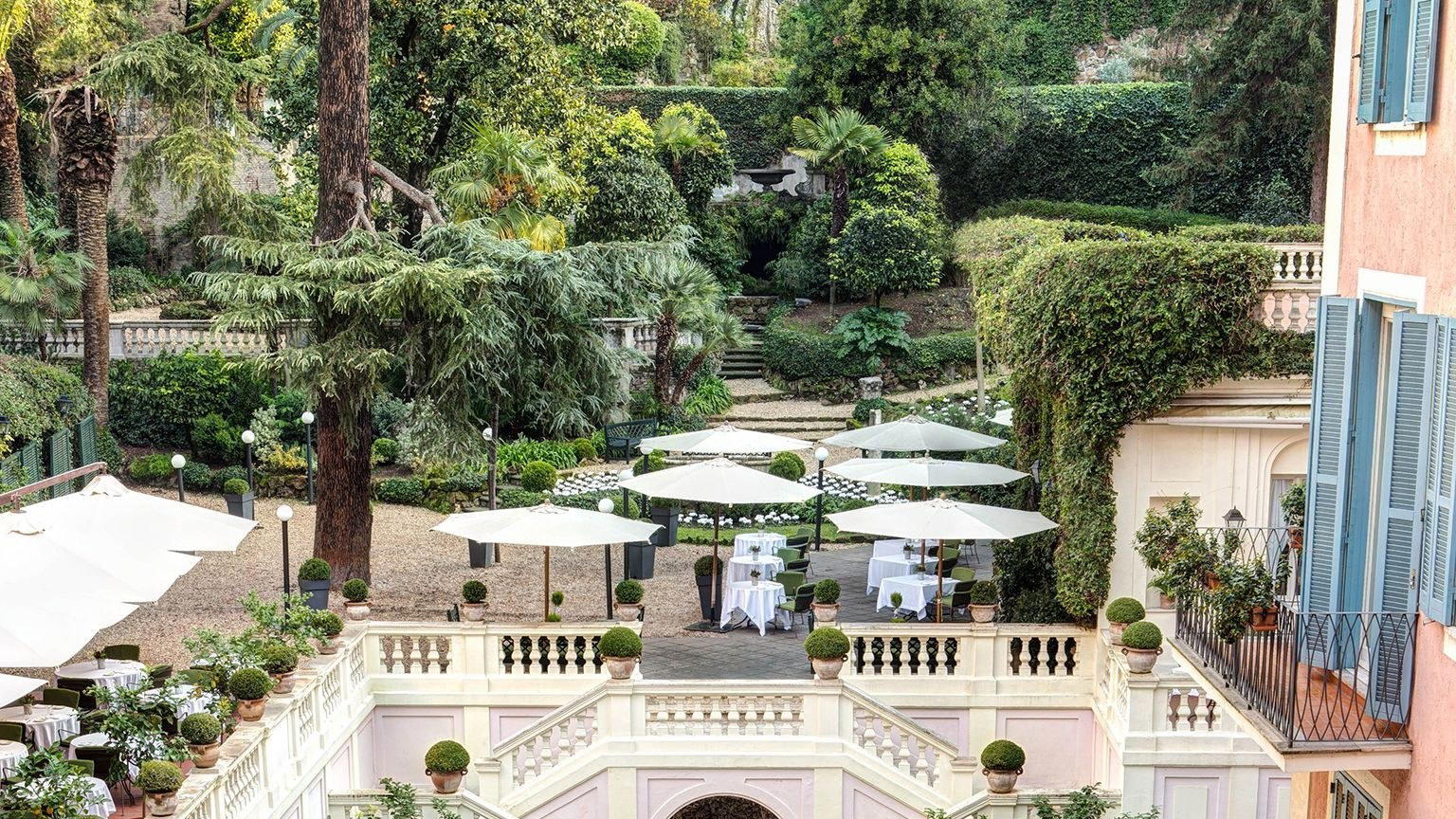
Minimalist and elegant with colorful, youthful presentation; intimate and refined atmosphere suitable for informed diners.