Moerisch sits at Tangern 2 in Seeboden, a small lakeside town on the Millstätter See in Carinthia, Austria. The address places it within a broader regional dining conversation that rewards travellers willing to move beyond the obvious Austrian culinary centres. Visitors seeking Carinthian table culture in a quiet lakeside setting will find this an address worth planning around.
Pearl is the En Primeur Club membership app — saves, bookings, and concierge access live there. Same editors, same standards.
- Address
- Tangern 2, 9871 Seeboden, Austria
- Phone
- +43476281372
- Website
- moerisch.at
- Directions
- Get directions
 Saves & bookings on Pearl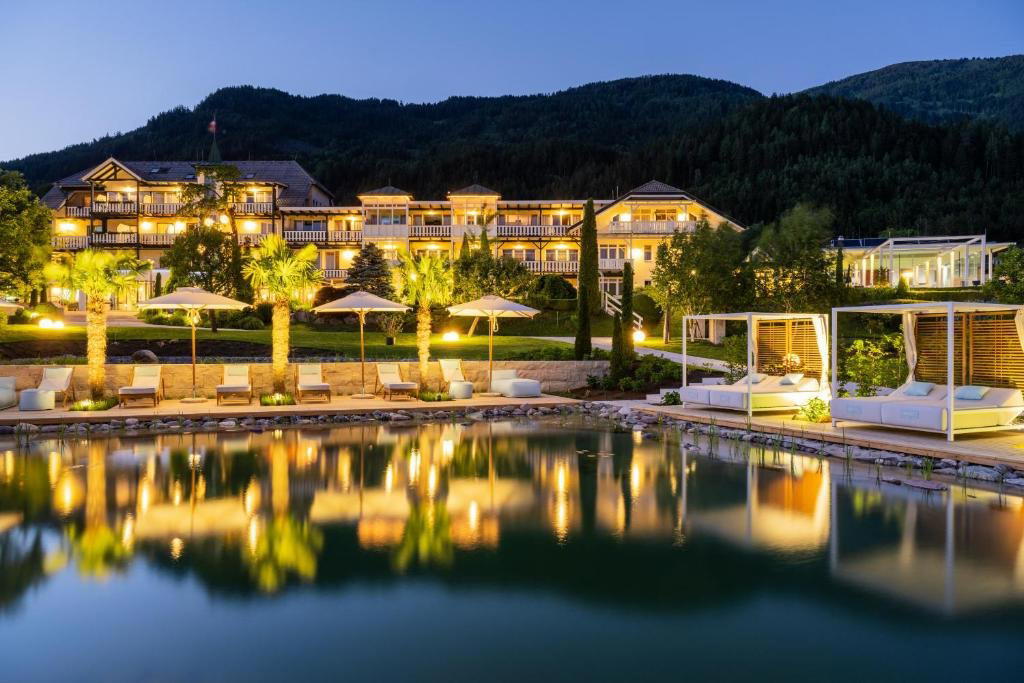
Seeboden and the Carinthian Dining Tradition
The Millstätter See corridor in Carinthia operates on different rhythms from Austria's more talked-about dining regions. Where the Salzburg and Tyrolean circuits draw diners through a dense concentration of decorated restaurants — Ikarus in Salzburg, Döllerer in Golling an der Salzach, Kräuterreich by Vitus Winkler in Sankt Veit im Pongau — Carinthia's lake district has historically operated as a quieter counterpoint, one where local ingredient culture and seasonal rhythms set the pace rather than formal tasting-menu competition. Seeboden, a town of roughly three thousand residents on the western shore of the Millstätter See, sits inside that tradition. The lake itself, one of the warmest in the Alps, shapes food culture here: freshwater fish, summer produce from the surrounding valleys, and an unhurried approach to the table that reflects the tourism pattern of families and returning guests rather than destination-dining tourists chasing recognition lists.
That regional context matters when reading any address in Seeboden. The town's dining options sit closer to the Landhaus Bacher in Mautern an der Donau model, rooted, place-specific cooking in a setting that rewards the detour, than to the high-volume urban programs of Steirereck im Stadtpark in Vienna. The peer conversation here is local and seasonal, not awards-circuit driven.
Moerisch: Address and Setting
Moerisch occupies Tangern 2 in Seeboden, a specific address within the broader municipality rather than the central lakefront strip. The Tangern area sits at a slight remove from the waterfront commercial zone, which in Carinthian terms means the approach feels more residential and quiet, the kind of address you find because someone told you about it rather than because it announced itself. That physical positioning is consistent with how smaller Austrian lake-district venues tend to present: discreetly, with the assumption that guests arrive with intent rather than by chance.
Carinthia's dining culture has always had a strong connection to the agricultural calendar. The region produces distinct dairy, cured meats, and grain-based dishes, Kasnudeln, the cheese-filled pasta that functions as Carinthia's most culturally significant dish, draws a direct line between local dairy farming and the table in a way few Austrian regional specialities do. Restaurants operating in Seeboden and the surrounding area draw on that tradition to varying degrees, ranging from direct Gasthof cooking to more considered regional menus. Where Moerisch positions itself within that spectrum is part of what makes the address worth examining in the context of our full Seeboden restaurants guide.
The Carinthian Table: Cultural Roots and What They Mean for Diners
Austrian regional cooking is not a single tradition. The federal state system produces genuinely distinct food cultures: Styrian pumpkin oil and the sour-vegetable preparations of the southeast are meaningfully different from the dumplings and cured-pork focus of Tyrol, which in turn differ from Carinthia's dairy-forward, freshwater-fish, and Slavic-influenced traditions. The latter reflects the region's historical position at the intersection of Germanic, Slovenian, and Friulian cultures, a border-zone culinary identity that gives Carinthian cooking more structural variety than its relative obscurity on the international dining circuit might suggest.
That Slavic influence matters at the table. Carinthia's signature Kasnudeln carry clear parallels to Slovenian žlikrofi; the use of sour cream, caraway, and fresh herbs reflects a cooking vocabulary shared across the Julian Alps rather than derived from the Germanic Austrian mainstream. Diners who have spent time at Taubenkobel in Schützen am Gebirge, where the Pannonian tradition similarly inflects the menu, will recognise the same dynamic: Austrian fine dining increasingly rewards the regions that acknowledge their border-zone complexity rather than flattening it into a generic Alpine aesthetic.
Lakeside dining on the Millstätter See adds a further dimension. Freshwater fish, Reinanke (a lake whitefish), pike-perch, and carp, appear regularly on Carinthian menus in a way that has no equivalent in the landlocked mountain districts to the north and west. The seasonal availability of these fish, combined with the short supply chain from lake to kitchen, gives lakeside restaurants a product argument that is genuinely regional rather than merely decorative.
Within Seeboden specifically, Moerisch shares the local dining conversation with a small number of addresses. Cucina da Isa represents the Italian-influenced option in town, a reminder that cross-border culinary influence in Carinthia runs in multiple directions, not only toward Slovenia. mo.wi offers another local point of reference for the contemporary end of the Seeboden dining scene. The fact that Seeboden supports multiple distinct dining approaches in a town of this size reflects the demand pattern of a summer lake resort: seasonal visitors with specific expectations arrive alongside a local population that sustains the off-season trade.
Austria's decorated dining circuit provides useful calibration even for addresses outside it. The mountain-resort model is well represented by Gourmetrestaurant Tannenhof in Sankt Anton am Arlberg, Griggeler Stuba in Lech, and Stüva in Ischgl. The Salzburg corridor has Obauer in Werfen and the Upper Austrian tradition runs through Ois in Neufelden and Schwarzer Adler in Hall in Tirol. Seeboden, and by extension Moerisch, occupies a different register entirely: less about destination-dining credentials and more about the kind of place-specific experience that a lake district holiday makes natural. That is neither a limitation nor an excuse, it is simply a different kind of argument for making the reservation. For international readers more familiar with decorated urban programs like Le Bernardin in New York City or Atomix in New York City, the contrast with Carinthia's lake-district pace is itself part of the appeal. And for those who have sought out Restaurant 141 by Joachim Jaud in Mieming, the appetite for serious cooking in quieter Austrian addresses is already established.
Planning Your Visit
Seeboden is accessible from Spittal an der Drau, the nearest regional rail hub, which sits on the main Salzburg-to-Villach line. From Spittal, the drive west along the Millstätter See takes under fifteen minutes. Summer, from June through August, represents the peak season for the lake district, when accommodation fills and the waterfront areas operate at full capacity. Visiting in late spring or early September offers a quieter approach to the same geography. As with most smaller Austrian addresses, contacting the venue directly before travelling is advisable, opening hours and seasonal schedules at lake-district restaurants frequently shift across the calendar, and Moerisch's full operational details are best confirmed through direct enquiry at Tangern 2, Seeboden.
Booking and Cost Snapshot
| Venue | Cuisine | Price | Awards |
|---|---|---|---|
| MoerischThis venue — the venue you are viewing | Not listed | This venue | Not listed |
| Steirereck im Stadtpark | Creative | €€€€ | Michelin 3 Star |
| Döllerer | Contemporary Austrian, Innovative | €€€€ | Michelin 2 Star |
| Ikarus | Modern European, Creative | €€€€ | Michelin 2 Star |
| Konstantin Filippou | Modern European, Modern Cuisine | €€€€ | Michelin 2 Star |
| Landhaus Bacher | Austrian, Classic Cuisine | €€€€ | Michelin 2 Star |
Continue exploring
More in Seeboden
Restaurants in Seeboden
Browse all →
Bars in Seeboden
Browse all →
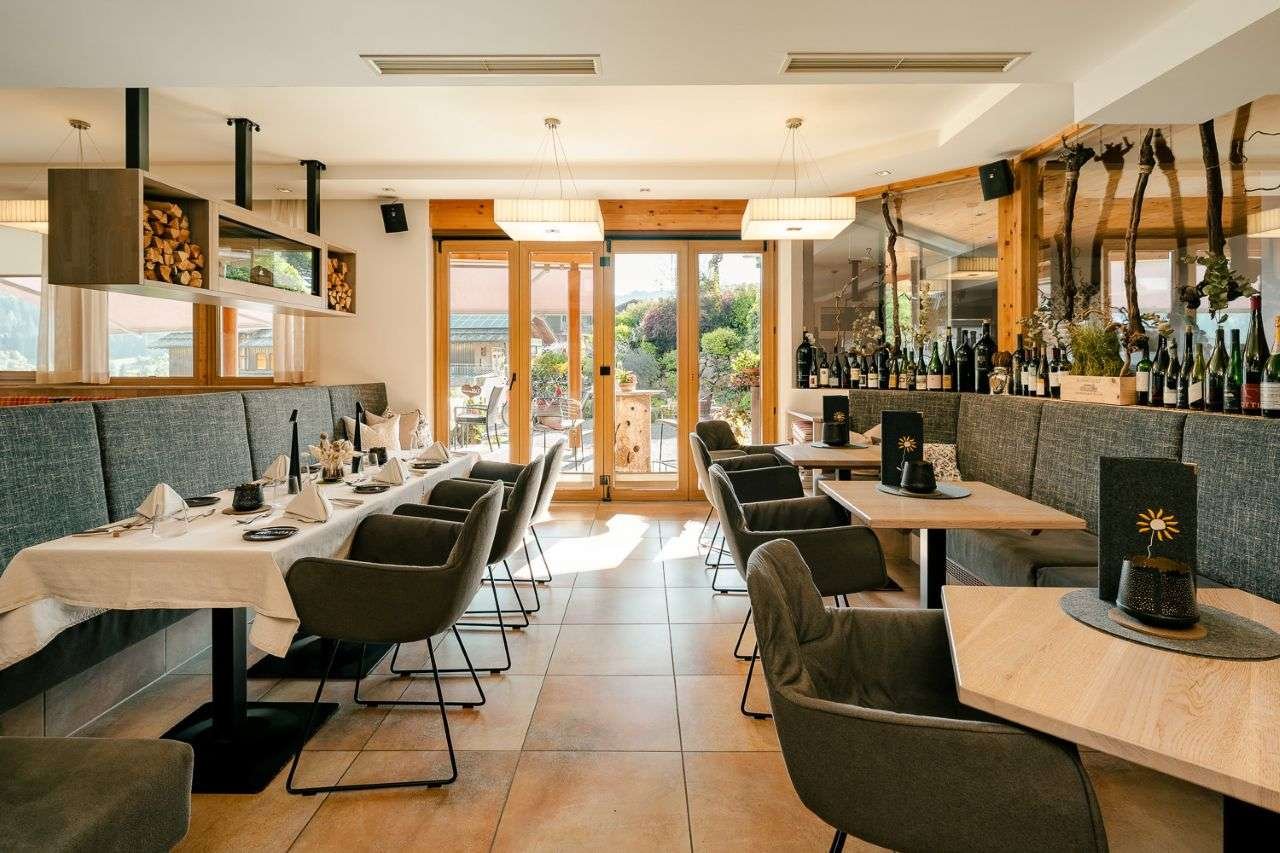
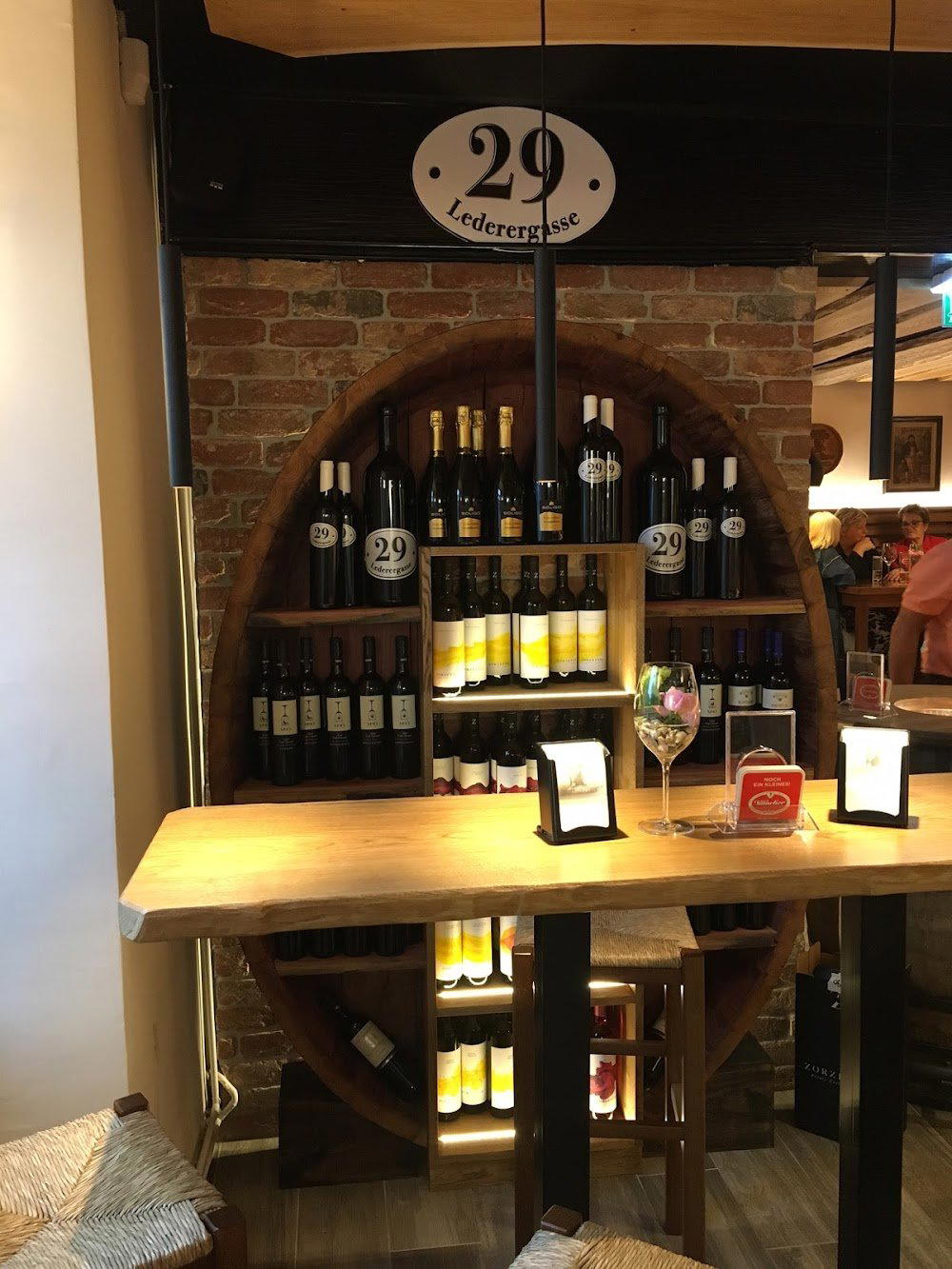
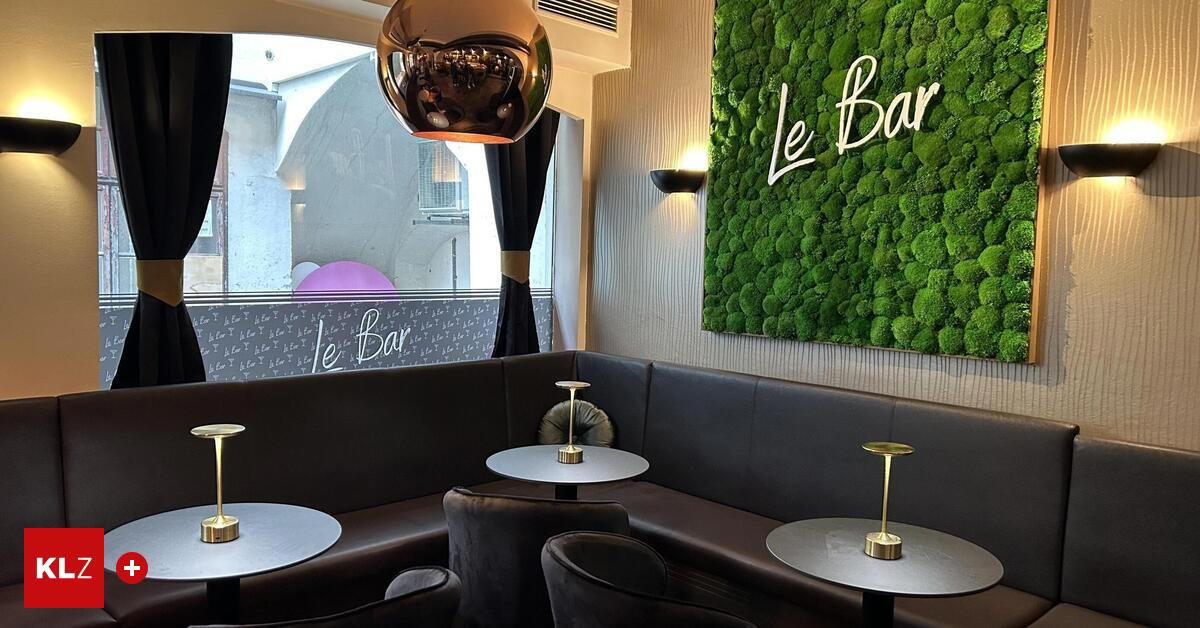
Hotels in Seeboden
Browse all →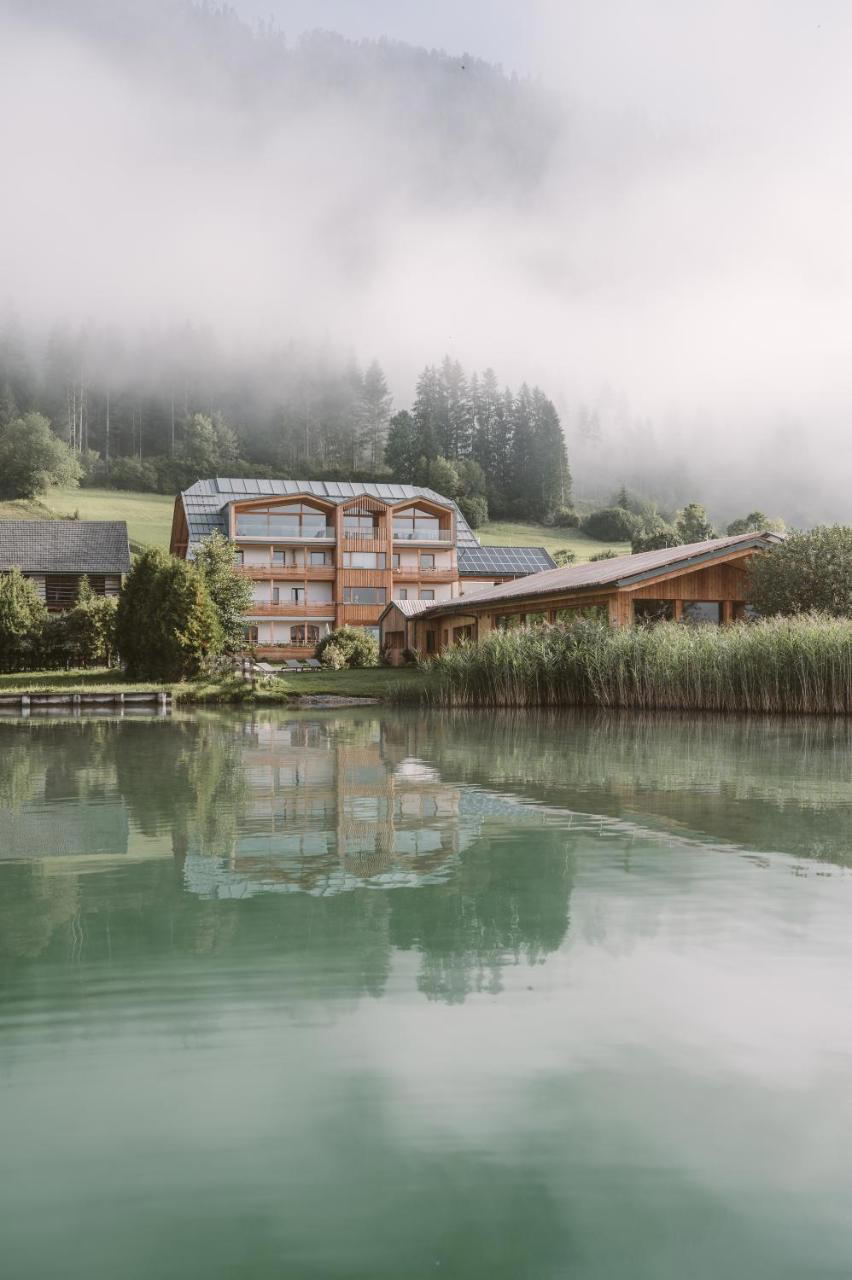

At a Glance
- Elegant
- Romantic
- Sophisticated
- Scenic
- Date Night
- Celebration
- Special Occasion
- Business Dinner
- Terrace
- Garden
- Waterfront
- Hotel Restaurant
- Panoramic View
- Sommelier Led
- Local Sourcing
- Farm To Table
- Mountain
- Waterfront
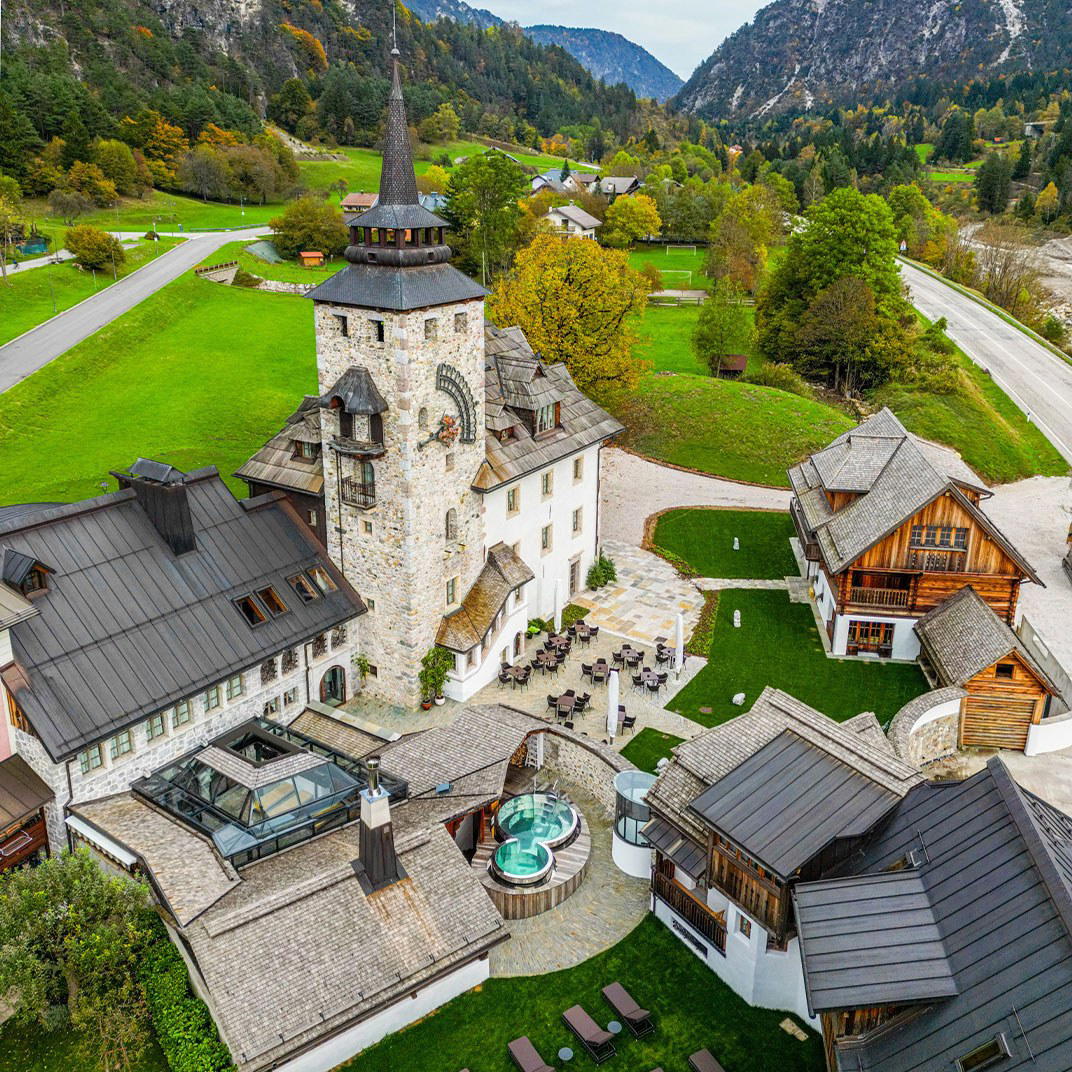
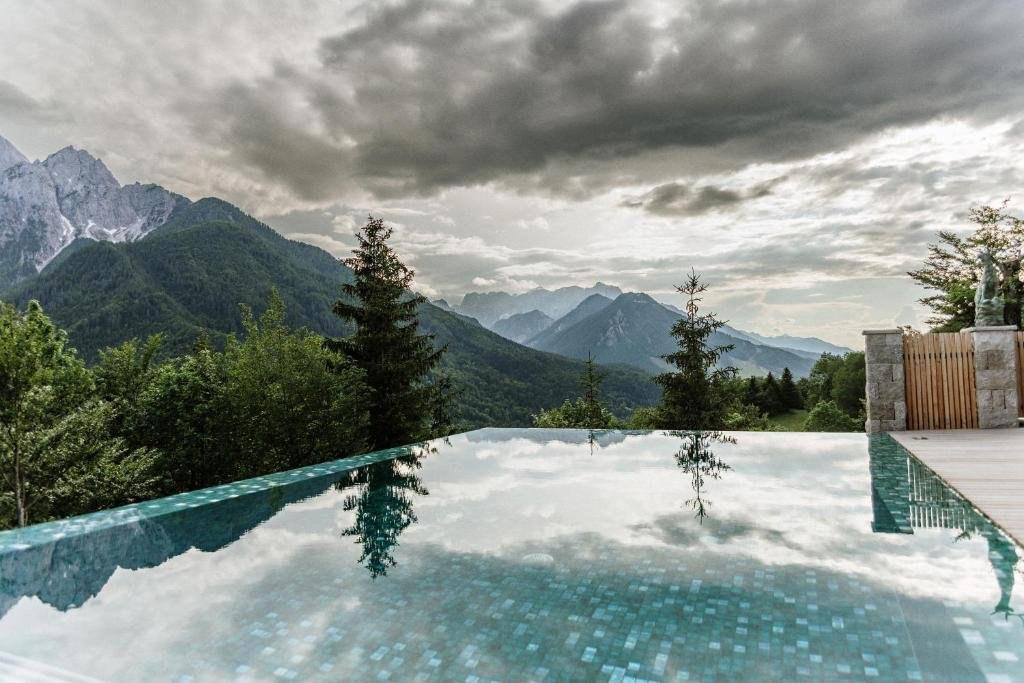
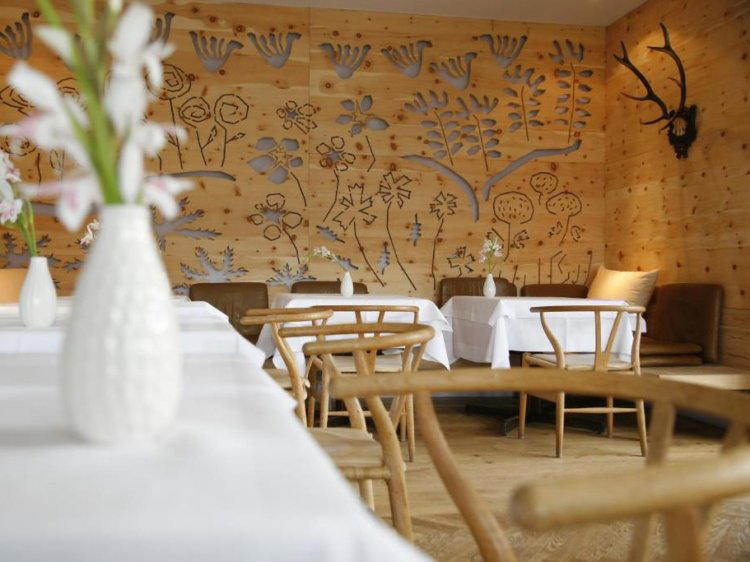
Refined and classy countryside retreat with sunlit terraces overlooking mountains and lake; warm, welcoming service in an upscale yet relaxed setting.