In the small Carinthian lakeside town of Seeboden, mo.wi operates from Hauptstraße 48 as part of a quietly growing local dining scene that rewards those willing to look beyond Austria's more celebrated restaurant corridors. With limited public documentation, the restaurant retains a low profile that stands in contrast to the country's heavily awarded fine-dining circuit, making direct visits and local knowledge particularly reliable compass for prospective guests.
Pearl is the En Primeur Club membership app — saves, bookings, and concierge access live there. Same editors, same standards.
- Address
- Hauptstraße 48, 9871 Seeboden, Austria
- Phone
- +43476281400
- Website
- moserhof.com
- Directions
- Get directions
 Saves & bookings on Pearl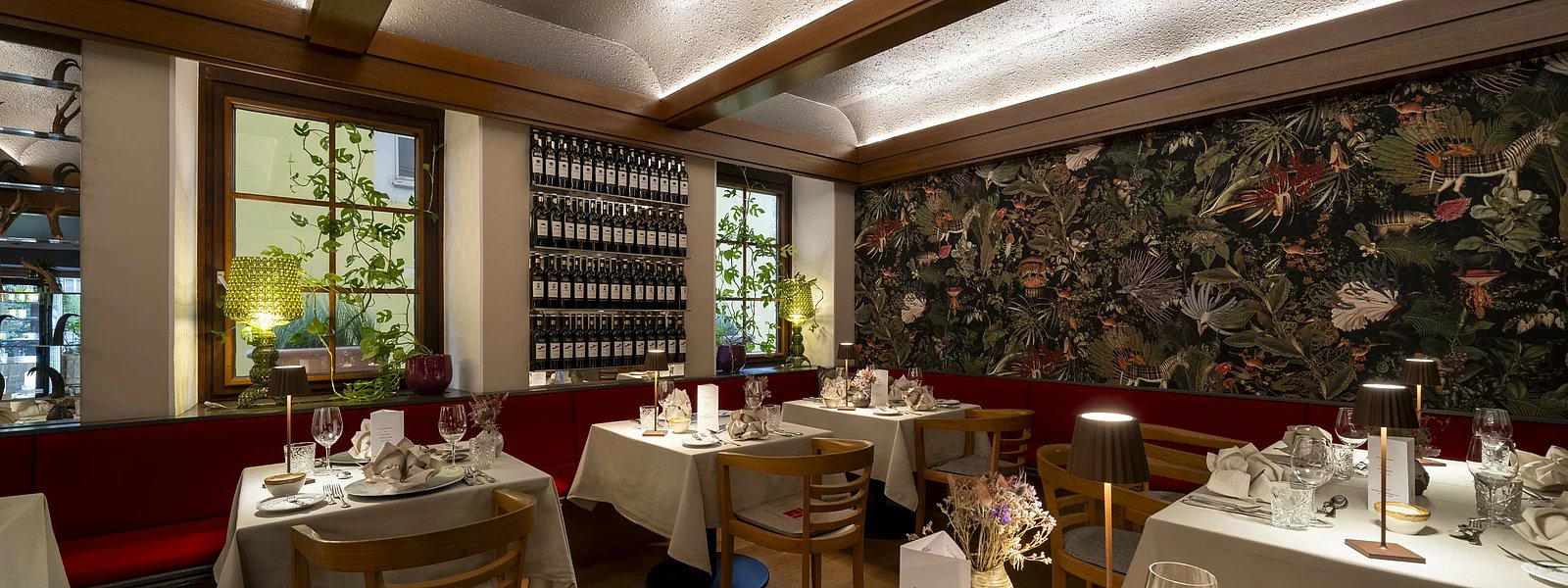
Seeboden at the Table: Reading a Town Through Its Restaurants
Carinthia's lake district doesn't announce itself the way the Salzburg or Tyrolean dining scenes do. There are no Michelin guides pressed into visitors' hands at the train station, no well-worn pilgrimage routes connecting starred kitchens. What the region offers instead is a quieter register of Austrian hospitality, one where the physical proximity to alpine meadows, freshwater lakes, and small-scale agriculture tends to shape what appears on the plate more directly than any imported culinary fashion. Seeboden sits on the western shore of the Millstätter See, and its restaurant addresses — modest, address-first, low on digital footprint — are characteristic of that ethos. mo.wi, at Hauptstraße 48, belongs to that local grain.
Where the Food Comes From, and Why That Question Matters
In Austrian regional cooking, the sourcing argument has particular weight. The country's culinary reputation, built on places like Steirereck im Stadtpark in Vienna and Landhaus Bacher in Mautern an der Donau, rests in part on a genuine relationship between kitchen and landscape, the kind of relationship that manifests not in marketing language but in the specificity of what arrives at the table. Carinthia offers the raw conditions for this: clean alpine water systems that support freshwater fish, short supply chains between farm and kitchen, and a seasonal rhythm that is still largely dictated by altitude and weather rather than logistics. A restaurant operating in a town like Seeboden, if it is paying attention, has access to ingredients that larger urban kitchens have to work harder and spend more to source.
This is the context that shapes how to think about mo.wi. The venue's low public profile, no phone number indexed, no website, no documented awards, is consistent with a certain kind of regionally embedded Austrian restaurant that operates on local reputation rather than international recognition. This positioning is not unusual in Carinthia, and it is not necessarily a signal of quality in either direction. It is, rather, a different relationship with visibility, one that Austria's smaller-town dining culture has maintained even as the country's headline restaurants have moved decisively into global conversation.
The Austrian Provincial Register: Peer Context
To place mo.wi accurately, it helps to map the broader field. Austria's most discussed regional restaurants tend to cluster in Salzburg and Tyrol: Döllerer in Golling an der Salzach runs a tightly argued contemporary Austrian program with serious wine depth; Obauer in Werfen has maintained a multi-decade reputation for classical technique inflected with alpine produce; Kräuterreich by Vitus Winkler in Sankt Veit im Pongau has built its identity around herb-driven cooking with a strong sourcing narrative. In the Tyrolean ski corridor, Gourmetrestaurant Tannenhof in Sankt Anton am Arlberg, Griggeler Stuba in Lech, and Stüva in Ischgl all operate at a recognized fine-dining tier, partly sustained by high-season resort economics. Further east, Taubenkobel in Schützen am Gebirge and Ois in Neufelden have carved out distinct identities in Burgenland and Upper Austria respectively.
Carinthia operates somewhat outside these established circuits. Restaurants here rarely enter the national conversation at the same volume, which means that a genuinely accomplished kitchen in Seeboden could be drawing on excellent local produce and technique without ever registering in the reference publications that shape Austrian dining tourism. This is a pattern seen in lake-district restaurant cultures across central Europe, where the absence of a recognized name does not map neatly onto the absence of quality. For comparison at a much higher tier of global documentation, consider how Le Bernardin in New York City or Atomix in New York City have built their reputations on verifiable, documented credentials, the inverse case, where total transparency of record supports total confidence in recommendation. mo.wi sits at the opposite end of that documentation spectrum, which places the burden of discovery squarely on the visiting diner.
Seeboden's Local Dining Scene
Within Seeboden itself, mo.wi shares a small local dining ecosystem. Cucina da Isa and Moerisch represent other addresses in the town's restaurant offer, suggesting that Seeboden supports a modest but plural dining culture relative to its size. Towns of this scale on the Millstätter See tend to draw a mix of domestic Austrian holidaymakers and a smaller contingent of international visitors in summer, which creates a seasonal demand curve that local restaurants must accommodate. This demographic shapes menus in ways that are sometimes conservative and sometimes surprisingly confident, Carinthian lake-district cooking has its own regional grammar, with freshwater fish, foraged mountain herbs, and dairy from nearby alpine farms forming a coherent local vocabulary that distinguishes it from the Viennese or Tyrolean traditions. For a fuller picture of what the town currently offers, our full Seeboden restaurants guide maps the scene in more detail.
Among Austria's regionally ambitious addresses, Ikarus in Salzburg, Schwarzer Adler in Hall in Tirol, and Restaurant 141 by Joachim Jaud in Mieming all demonstrate that serious cooking can operate well outside Vienna's gravitational pull. The Carinthian lake district has the geographic and agricultural conditions to support this kind of work; whether mo.wi is executing at that level is a question the available record cannot yet answer with confidence.
Planning a Visit: What to Know Before You Go
mo.wi is located at Hauptstraße 48 in Seeboden, the main thoroughfare that runs along the western Millstätter See shore. Seeboden is accessible by car from Klagenfurt in approximately 45 minutes and from Salzburg in around 90 minutes, making it a realistic day-trip destination from either city for those building a Carinthian itinerary. The town is also served by regional rail connections through Spittal an der Drau, the nearest significant rail hub. Summer months, when the Millstätter See draws its strongest visitor numbers, are likely the venue's busiest period; visiting outside peak season may offer a more considered experience.
Continue exploring
More in Seeboden
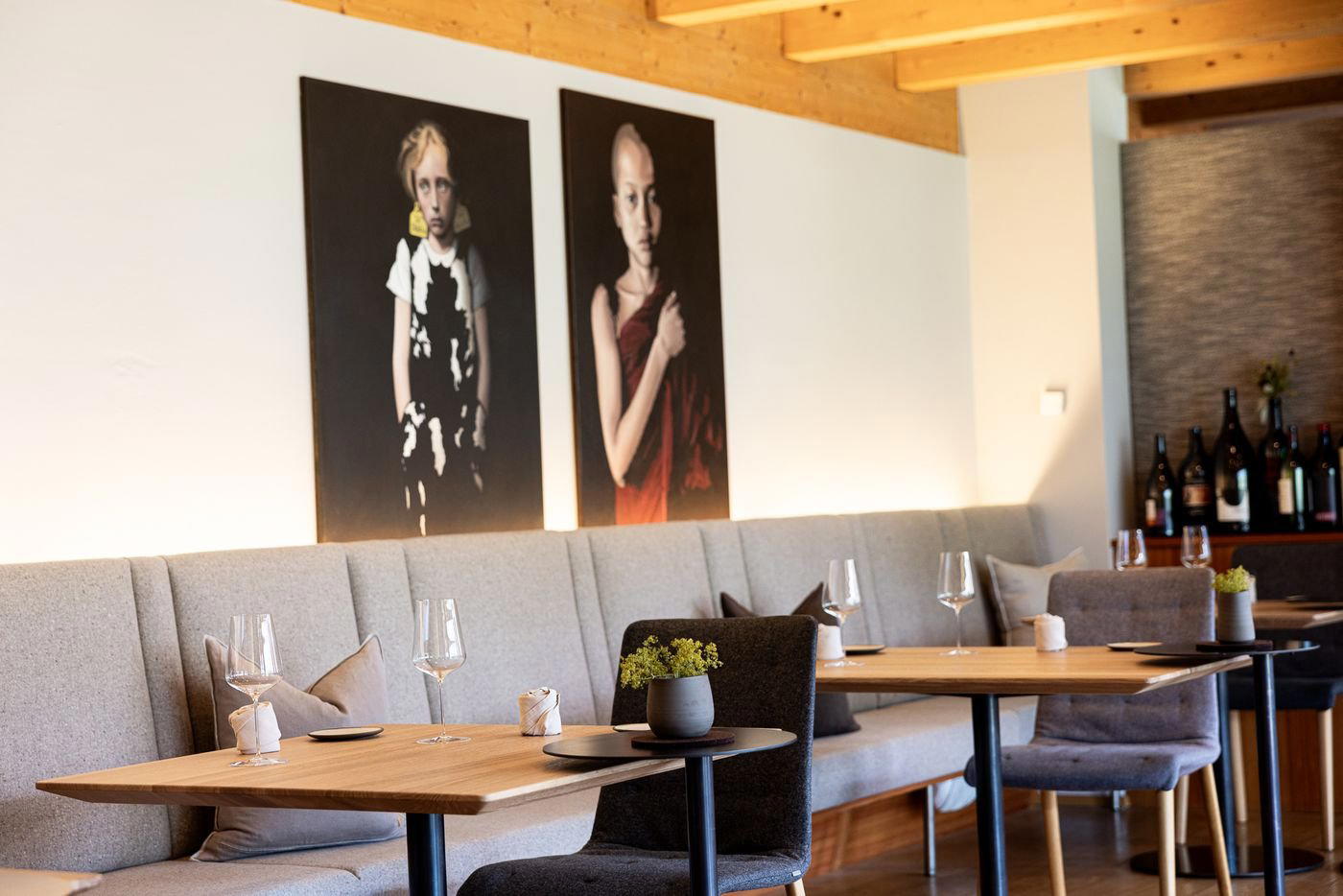
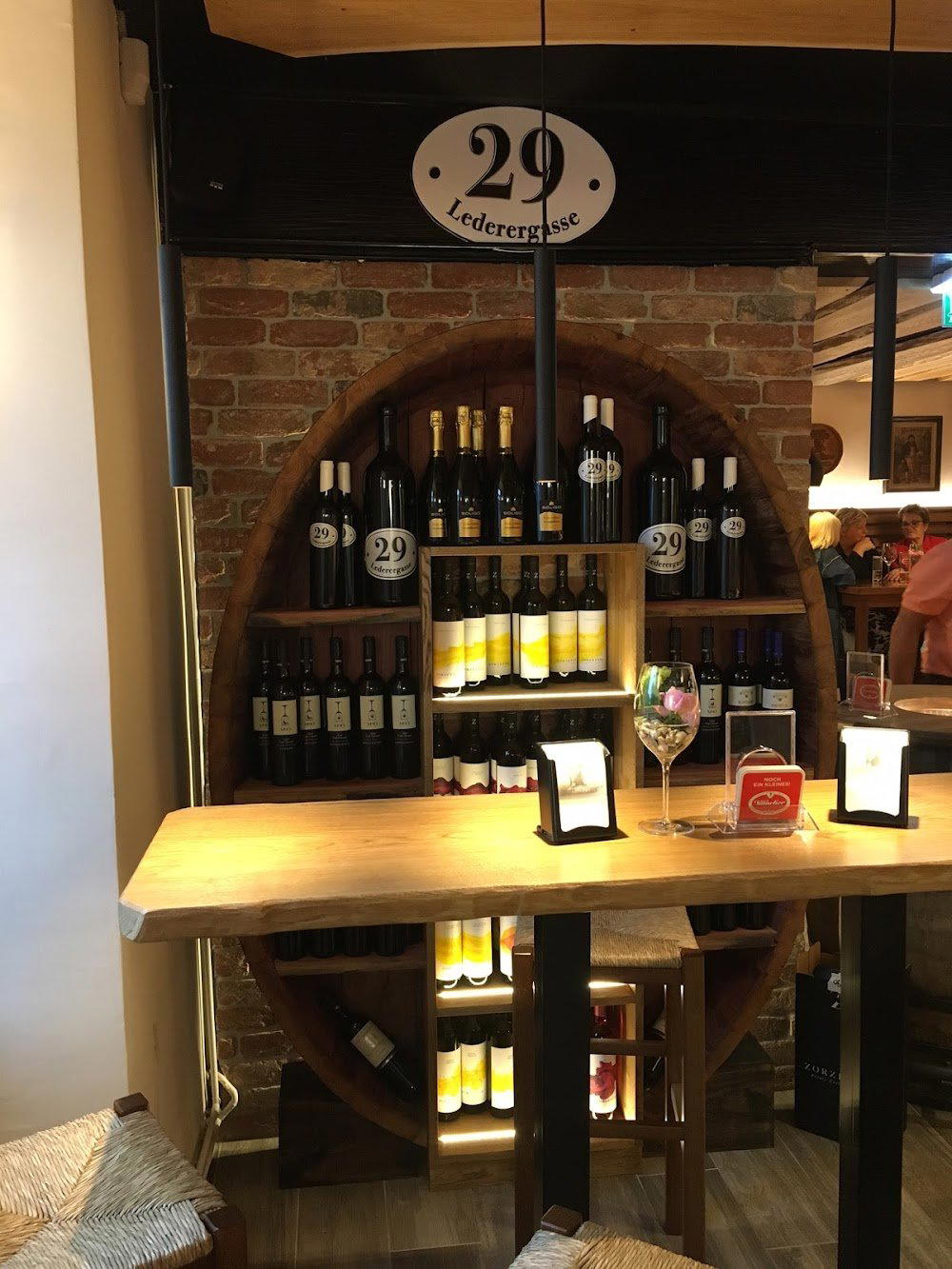
Restaurants in Seeboden
Browse all →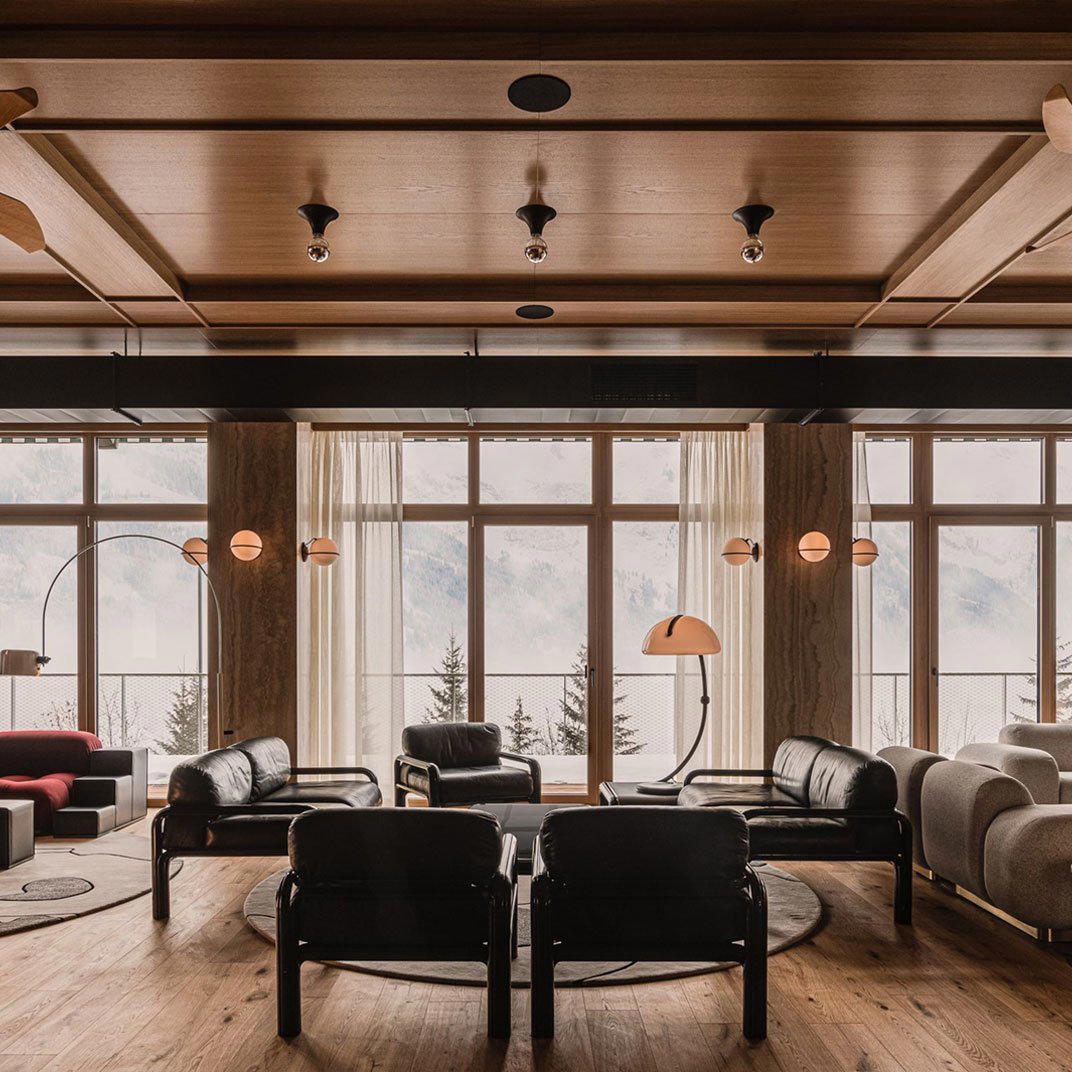
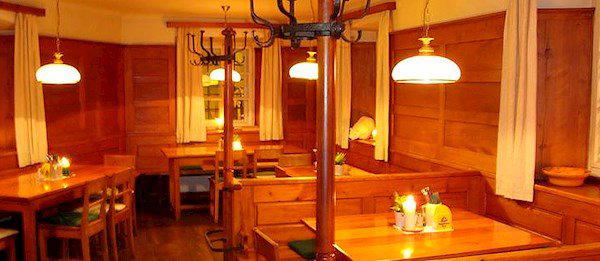
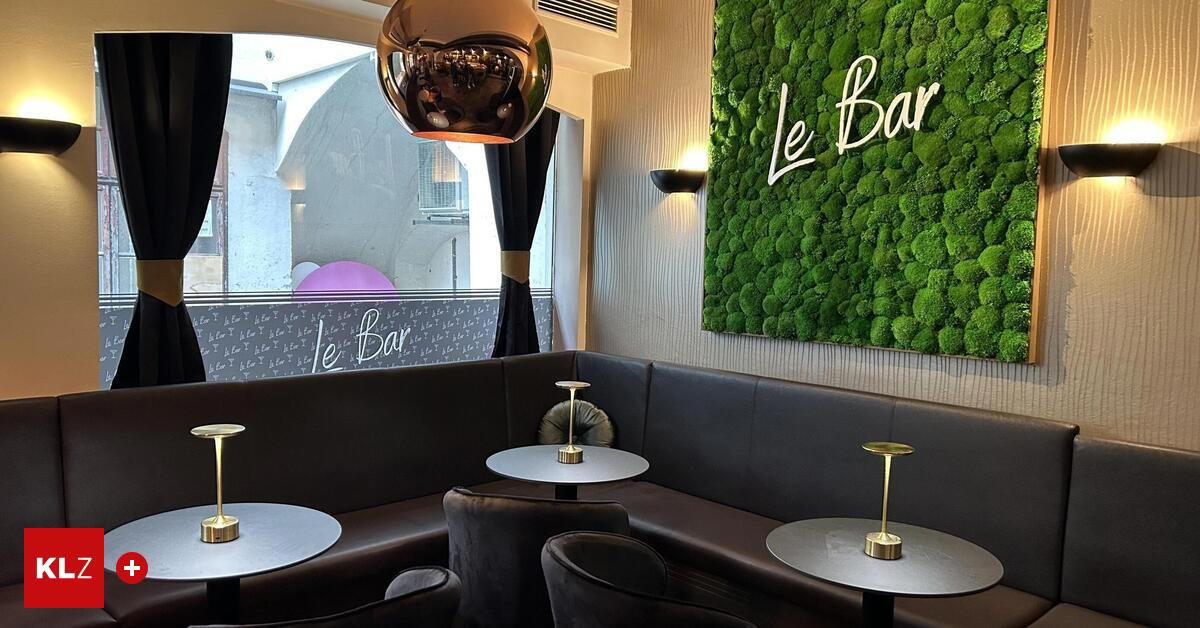
Bars in Seeboden
Browse all →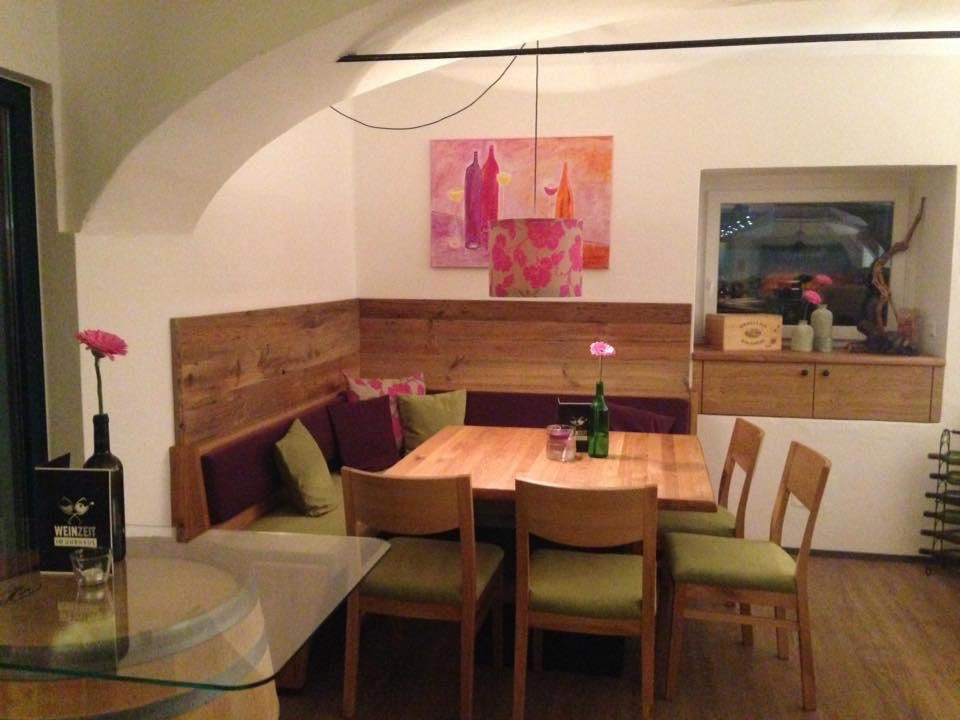
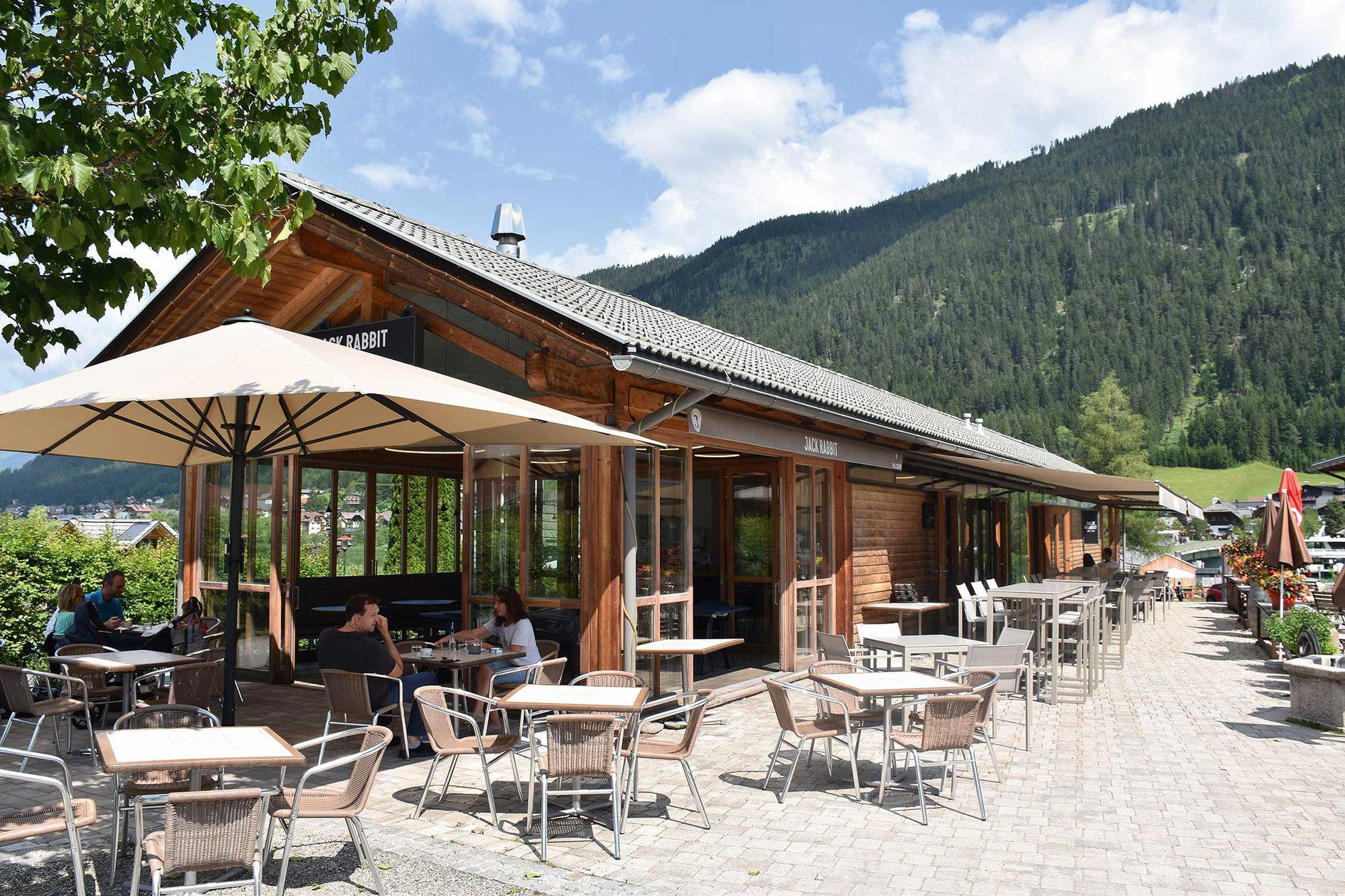
Hotels in Seeboden
Browse all →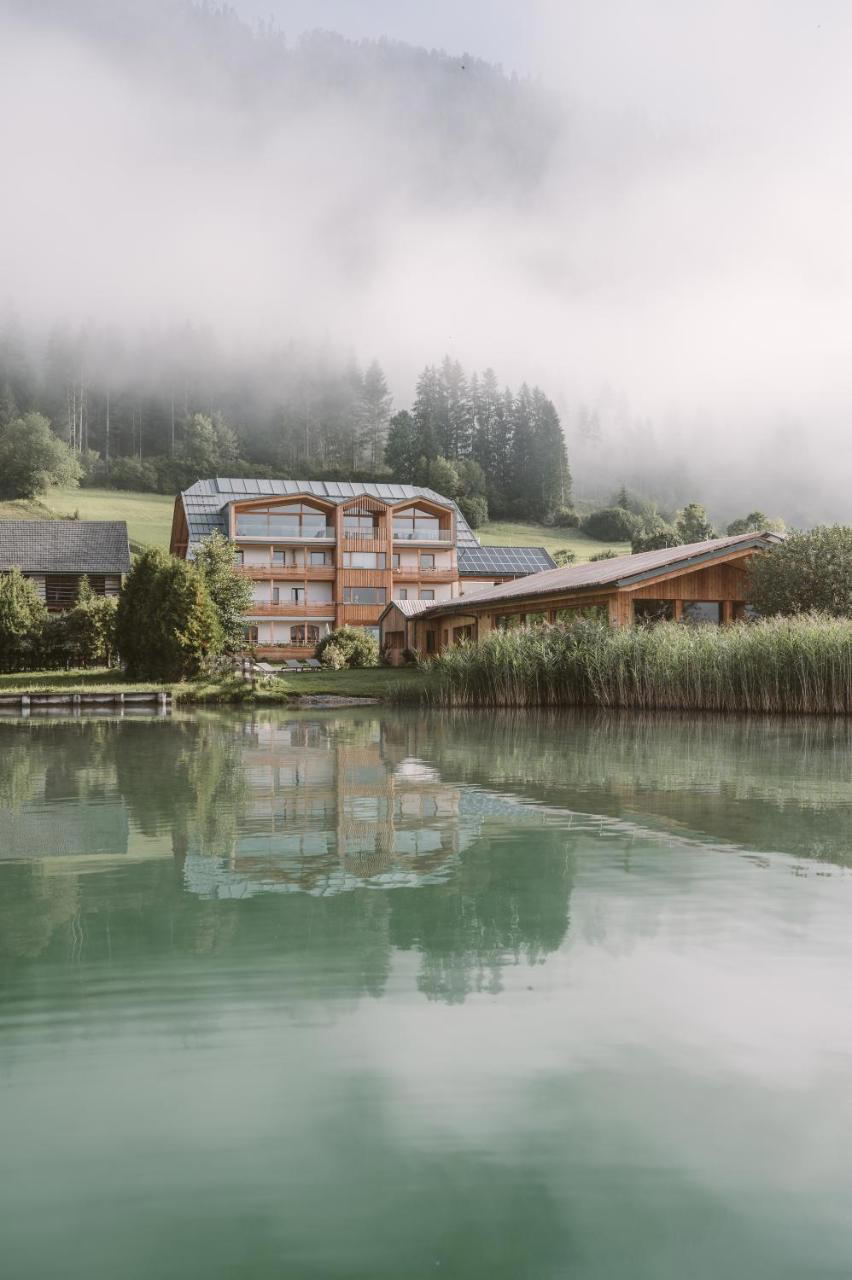

At a Glance
- Cozy
- Elegant
- Scenic
- Date Night
- Special Occasion
- Waterfront
- Local Sourcing
- Farm To Table
- Waterfront
Current opening hours
- Monday
- Closed
- Tuesday
- 4–9 PM
- Wednesday
- 4–9 PM
- Thursday
- 4–9 PM
- Friday
- 4–9 PM
- Saturday
- 4–9 PM
- Sunday
- Closed
Hours can change for holidays and private events. Last verified .
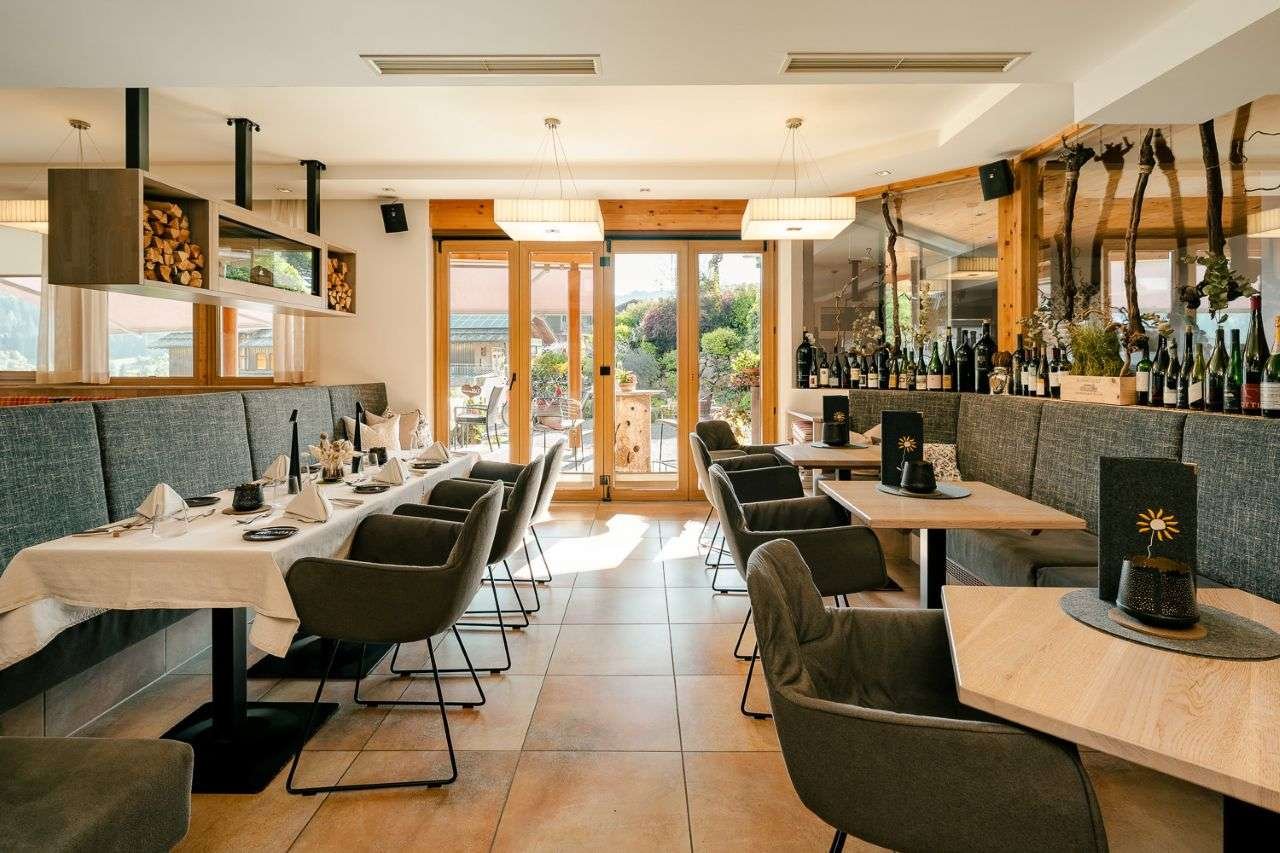
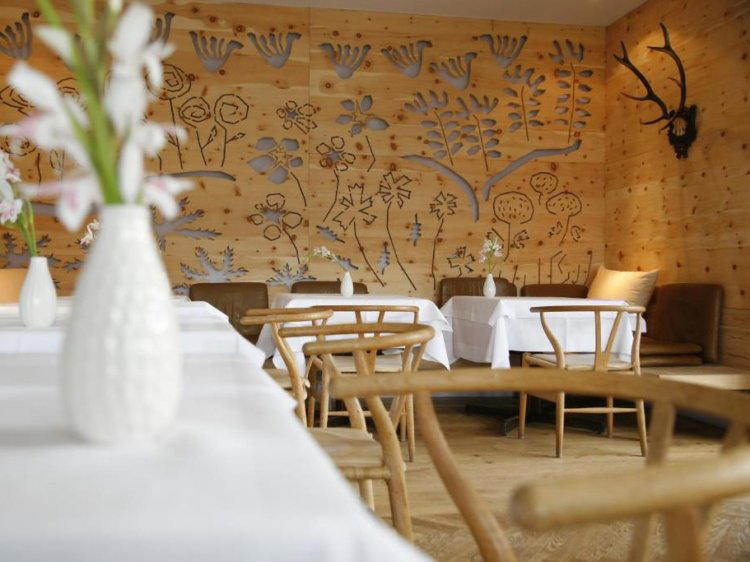
Cozy and stylish atmosphere with nice ambience, pleasant quiet rooms, and elegantly set tables under candlelight by the lake.