A quietly positioned Italian kitchen on Seeboden's main street, Cucina da Isa operates in a region where Austrian tradition dominates and Italian cooking must earn its place through sourcing discipline and kitchen consistency. For travellers exploring the Millstätter See area, it represents an alternative to the lake town's more obvious options, with the kind of neighbourhood familiarity that repeat visitors tend to seek out.
Pearl is the En Primeur Club membership app — saves, bookings, and concierge access live there. Same editors, same standards.
- Address
- Hauptstraße 52, 9871 Seeboden, Austria
- Phone
- +436602901448
- Website
- facebook.com
- Directions
- Get directions
 Saves & bookings on Pearl
Italian Cooking in a Carinthian Lake Town
Seeboden sits on the western shore of the Millstätter See, a lake that draws summer visitors looking for clean water, Alpine air, and the particular quietness of a town that never quite became a resort. The dining scene here reflects that character: small in scale, locally anchored, and not especially interested in performing for outsiders. Into that context, an Italian kitchen on Hauptstraße reads less as an exotic outlier and more as a practical neighbourhood fixture — the kind of place that earns its position through repetition and sourcing rigour rather than any formal recognition apparatus.
Cucina da Isa occupies a ground-floor position at Hauptstraße 52, the town's central spine. On the Millstätter See, where Austrian kitchens draw on Carinthian traditions of freshwater fish, cured meats, and field vegetables, an Italian-inflected kitchen has a narrow path to walk: it either leans into imported pantry goods and loses its regional footing, or it anchors itself to local producers and builds something more defensible. The latter approach is what separates Italian cooking in the Austrian provinces from the kind of mid-range pasta operation that could exist anywhere in Central Europe.
The Sourcing Question in Alpine Italian Cooking
Across Austrian restaurant culture, the sourcing question has become a defining line between kitchens worth tracking and those running on convenience. At the summit of that hierarchy sit operations like Steirereck im Stadtpark in Vienna and Döllerer in Golling an der Salzach, both of which have built formal sourcing programmes that trace ingredients to named farms and regions. Smaller kitchens in lake towns cannot replicate that infrastructure, but the underlying logic applies at every scale: what enters the kitchen determines what comes out of it.
For an Italian kitchen in Carinthia, this creates a specific set of decisions. Italy's pantry — olive oil, cured meats, aged cheeses, dried pasta, travels well and arrives with regional identity intact. But the proteins, the vegetables, and the dairy available in the Millstätter See area carry their own character: Alpine milk, freshwater fish from the lake system, summer produce from valley farms. The kitchens in this part of Austria that make a genuine argument for quality are those that treat these two supply chains as complementary rather than in competition. The Italian structure and the Carinthian ingredient: that combination, when it works, produces something that neither a straight Austrian kitchen nor a metropolitan Italian restaurant can replicate.
Comparable operations in smaller Austrian towns have demonstrated that this approach holds commercial logic as well as culinary interest. Ois in Neufelden and Kräuterreich by Vitus Winkler in Sankt Veit im Pongau have both built reputations in non-metropolitan settings by anchoring menus to what grows and grazes nearby, even when the cooking tradition being expressed originates elsewhere. The regional sourcing commitment becomes the proof of seriousness, in the absence of formal awards or extended press coverage.
Where Cucina da Isa Sits in the Local Scene
Seeboden's restaurant options are modest in number but reasonably coherent in character. mo.wi and Moerisch represent the more overtly Austrian end of the town's dining, with the lake and its immediate agricultural catchment as primary reference points. Cucina da Isa operates on a different register, drawing on Italian culinary grammar while remaining physically embedded in the same small-town infrastructure. For visitors spending several days around the Millstätter See, that variety matters: the appetite for Carinthian lake fish and Kärtner Kasnudeln has a natural ceiling, and an Italian kitchen provides an alternative that doesn't require driving to a larger town.
The broader Carinthian and Styrian dining scene has matured considerably over the past decade. Operations like Landhaus Bacher in Mautern an der Donau and Obauer in Werfen have sustained multi-decade reputations by committing to Austrian classic cuisine with serious sourcing depth. At the other end of the formality spectrum, smaller neighbourhood kitchens like Cucina da Isa serve a different function: they keep a town's dining ecosystem from collapsing into a single register. In Alpine resort contexts, compare Gourmetrestaurant Tannenhof in Sankt Anton am Arlberg or Stüva in Ischgl, the premium end of the market is well served, while the middle tier often relies on exactly these kinds of neighbourhood-scale Italian and Mediterranean kitchens to cover the everyday dining demand.
Italian cooking as a category occupies a particular position in Austrian towns with significant summer tourism. It is familiar enough to be accessible, flexible enough to accommodate a table of four with different appetites, and at its leading, specific enough in sourcing and execution to reward attention. The risk, in any market, is genericness: the pasta-and-pizza format that requires no sourcing commitment and makes no particular culinary argument. The kitchens that avoid that outcome are those that treat the cuisine as a discipline rather than a category.
Planning Your Visit
Seeboden is most easily reached by car from Klagenfurt, approximately 60 kilometres to the east via the A2 and B98. The town is also accessible by train via Spittal-Millstättersee station, roughly three kilometres from the centre. Summer is the primary season on the Millstätter See, and dining options in the area, including at Hauptstraße addresses, are busiest from June through August. Travelling outside peak season offers a quieter experience and, typically, easier access to tables. For broader Austrian dining context, our full Seeboden restaurants guide maps the town's options across formats and price points. Those travelling more widely through Austria with serious dining intent should also consider Taubenkobel in Schützen am Gebirge, Griggeler Stuba in Lech, or Ikarus in Salzburg for higher-format experiences. For reference points outside Europe, the sourcing rigour found at its leading in operations like Le Bernardin in New York City and Lazy Bear in San Francisco illustrates how ingredient provenance functions as a primary quality signal across different culinary traditions. Restaurant 141 by Joachim Jaud in Mieming and Schwarzer Adler in Hall in Tirol are also worth noting for travellers covering the Tyrol alongside Carinthia.
Questions About Cucina da Isa
- Is the restaurant suitable for children?
- What should I expect atmosphere-wise at the restaurant?
- If the venue holds to the neighbourhood character typical of Italian kitchens on Seeboden's Hauptstraße, expect a modest, unshowy room suited to casual meals rather than occasion dining. No awards data is currently available, which places it in the everyday dining tier rather than the formal restaurant register that defines Carinthia's destination kitchens.
- What's the must-try dish at the restaurant?
- Italian kitchens in the Austrian Alpine region that take sourcing seriously tend to anchor their menus to seasonal produce and local dairy; ask the kitchen directly what is freshest and locally sourced when you visit.
- How does an Italian restaurant in Seeboden fit into Carinthia's broader food culture?
- Carinthia has its own strong culinary identity, Kärtner Kasnudeln, freshwater fish from the Millstätter See, and cured meats tied to Alpine farming traditions, which means Italian kitchens in the region operate alongside, rather than in replacement of, that tradition. A kitchen like Cucina da Isa serves the practical function of broadening a small town's dining register for multi-day visitors, and those that earn repeat business in lake-town settings typically do so through sourcing discipline and consistency rather than culinary novelty.
Continue exploring
More in Seeboden
Restaurants in Seeboden
Browse all →
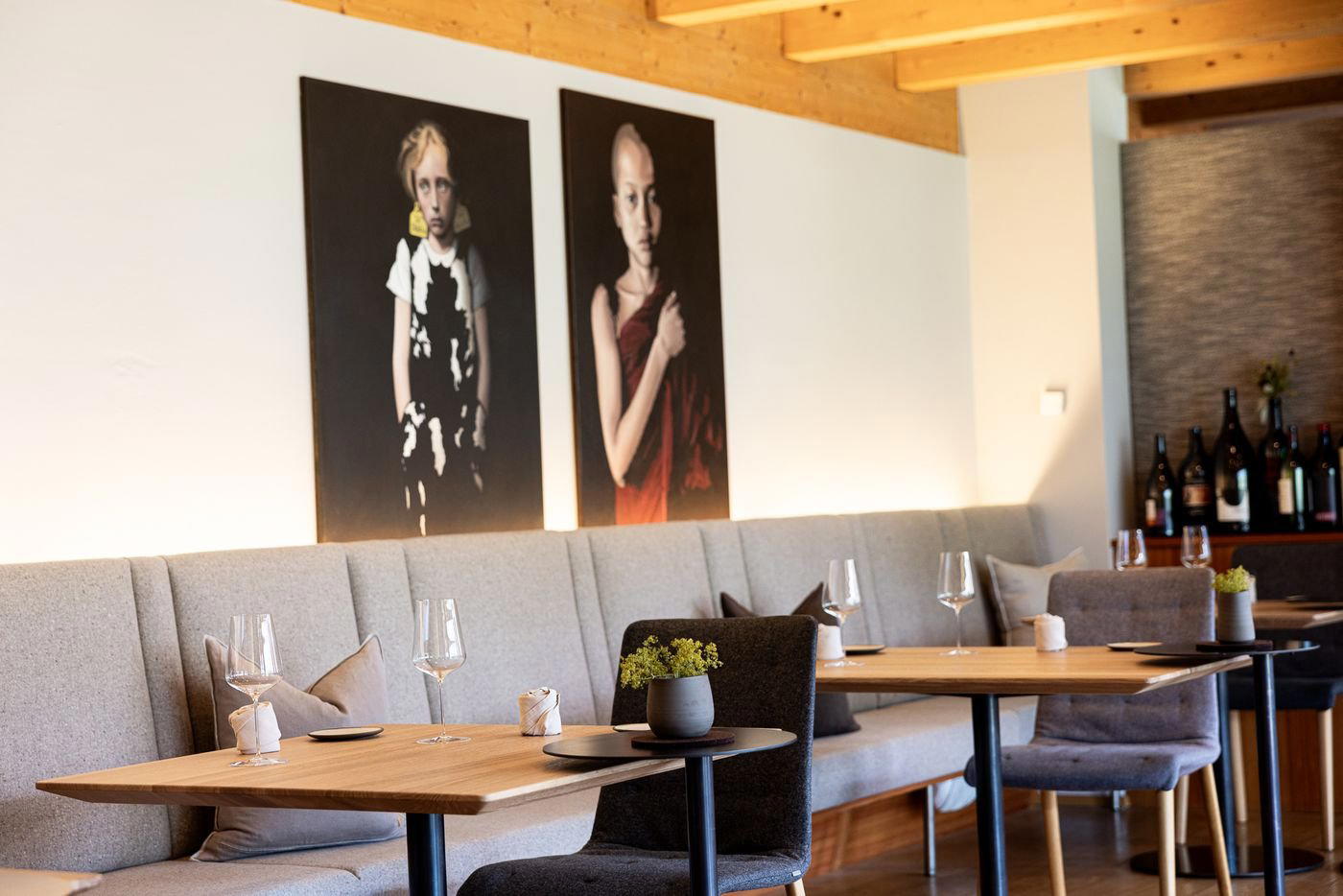
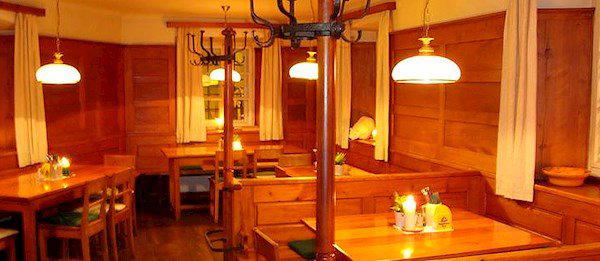
Bars in Seeboden
Browse all →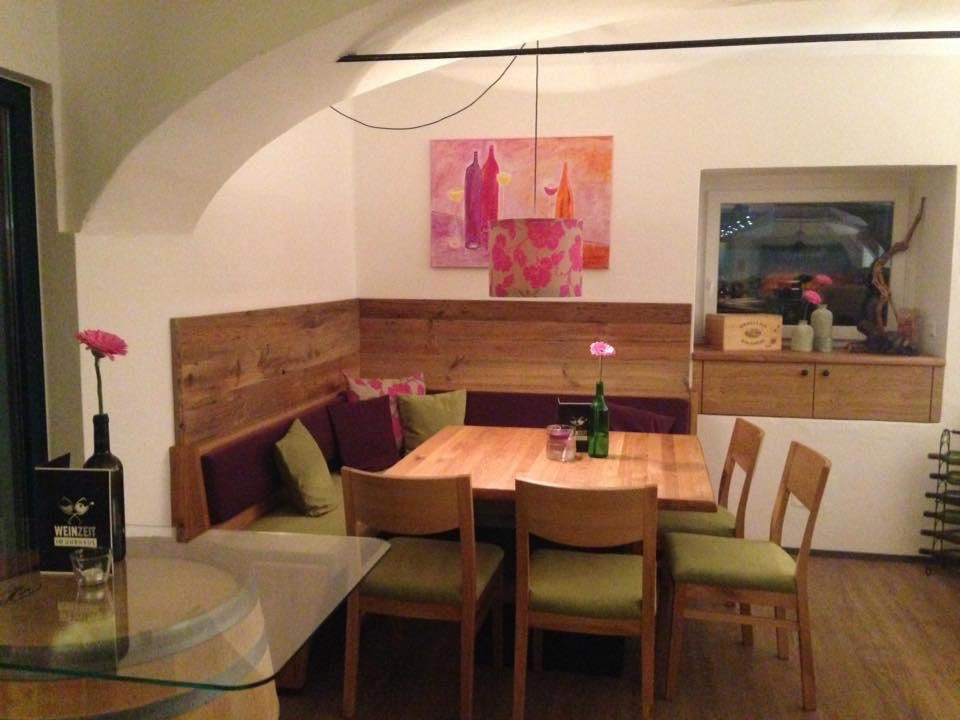
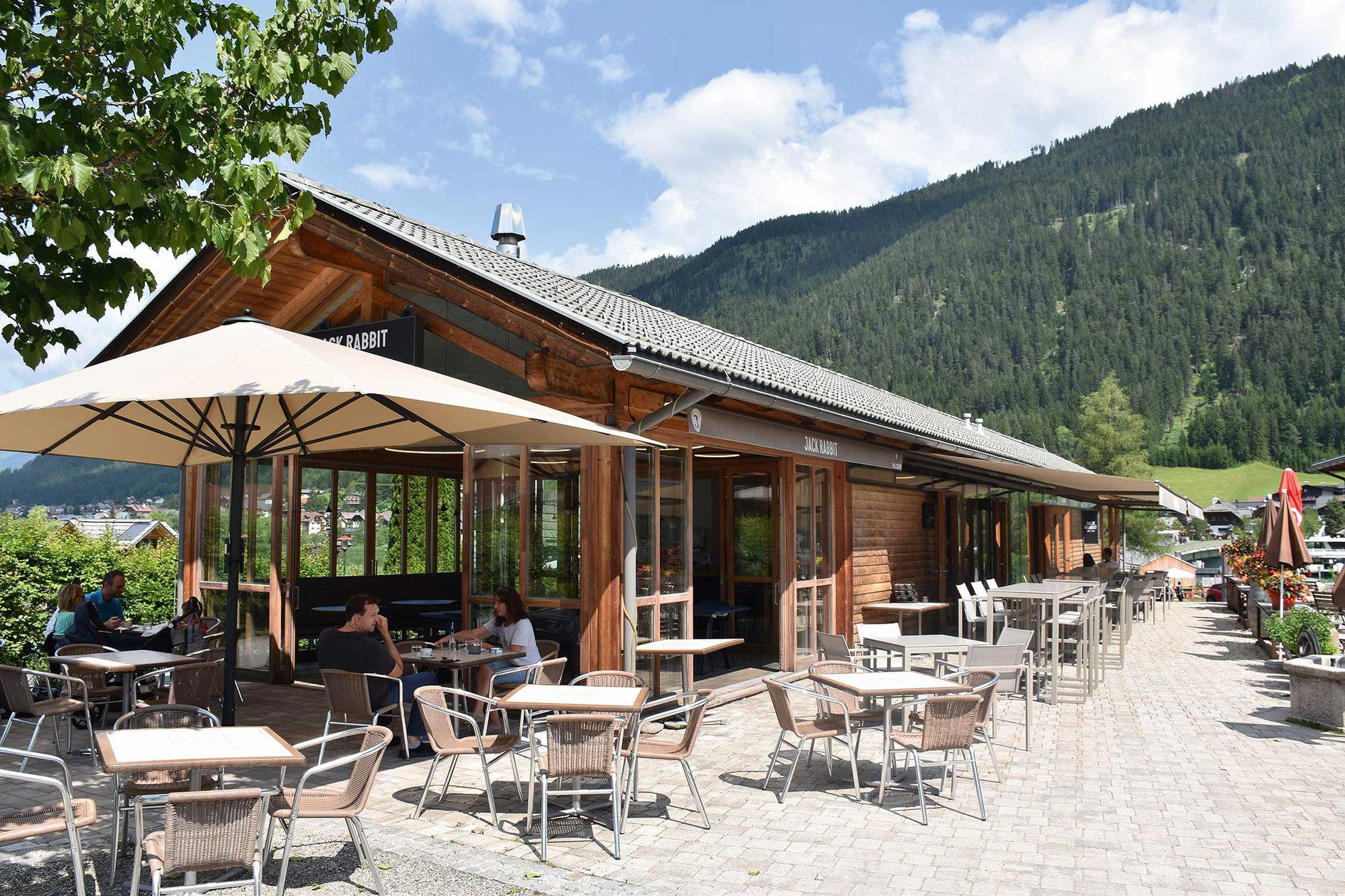
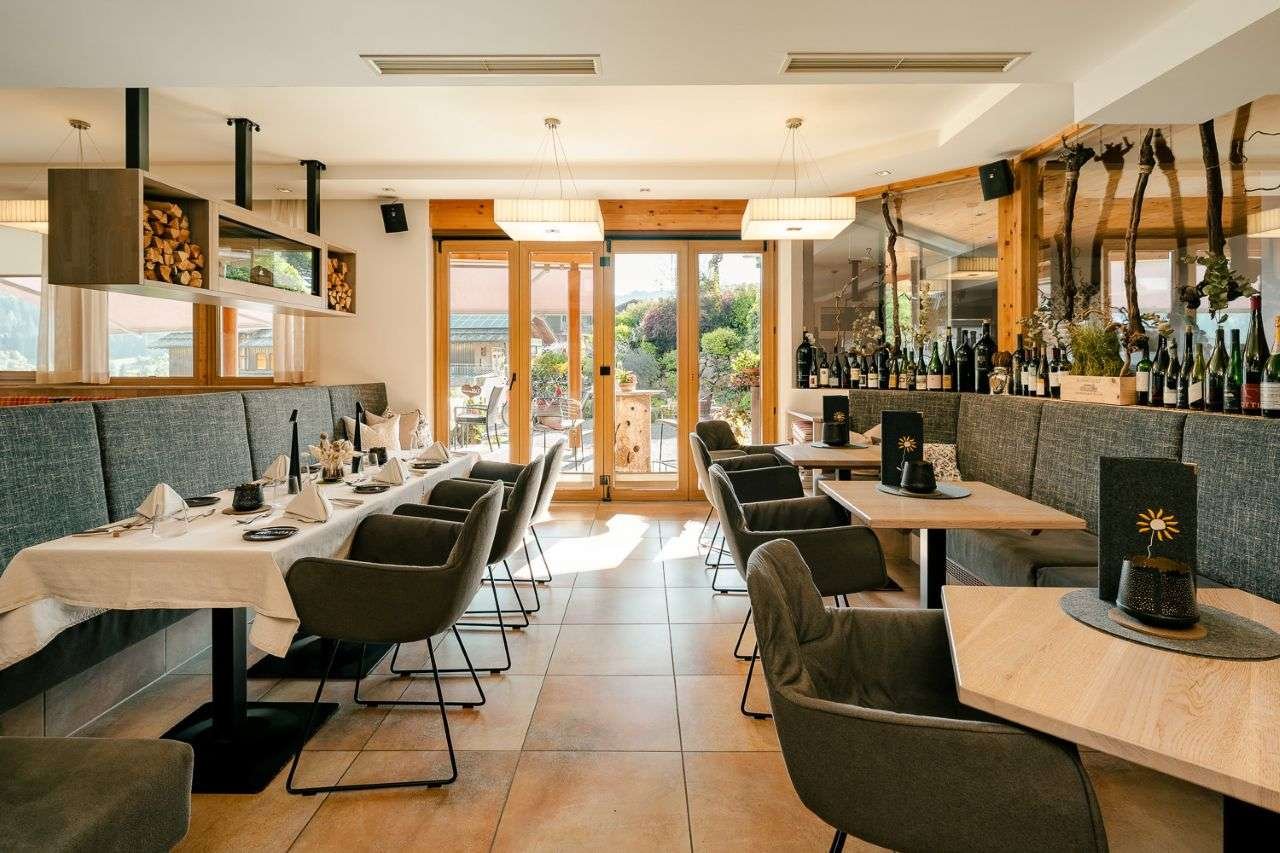
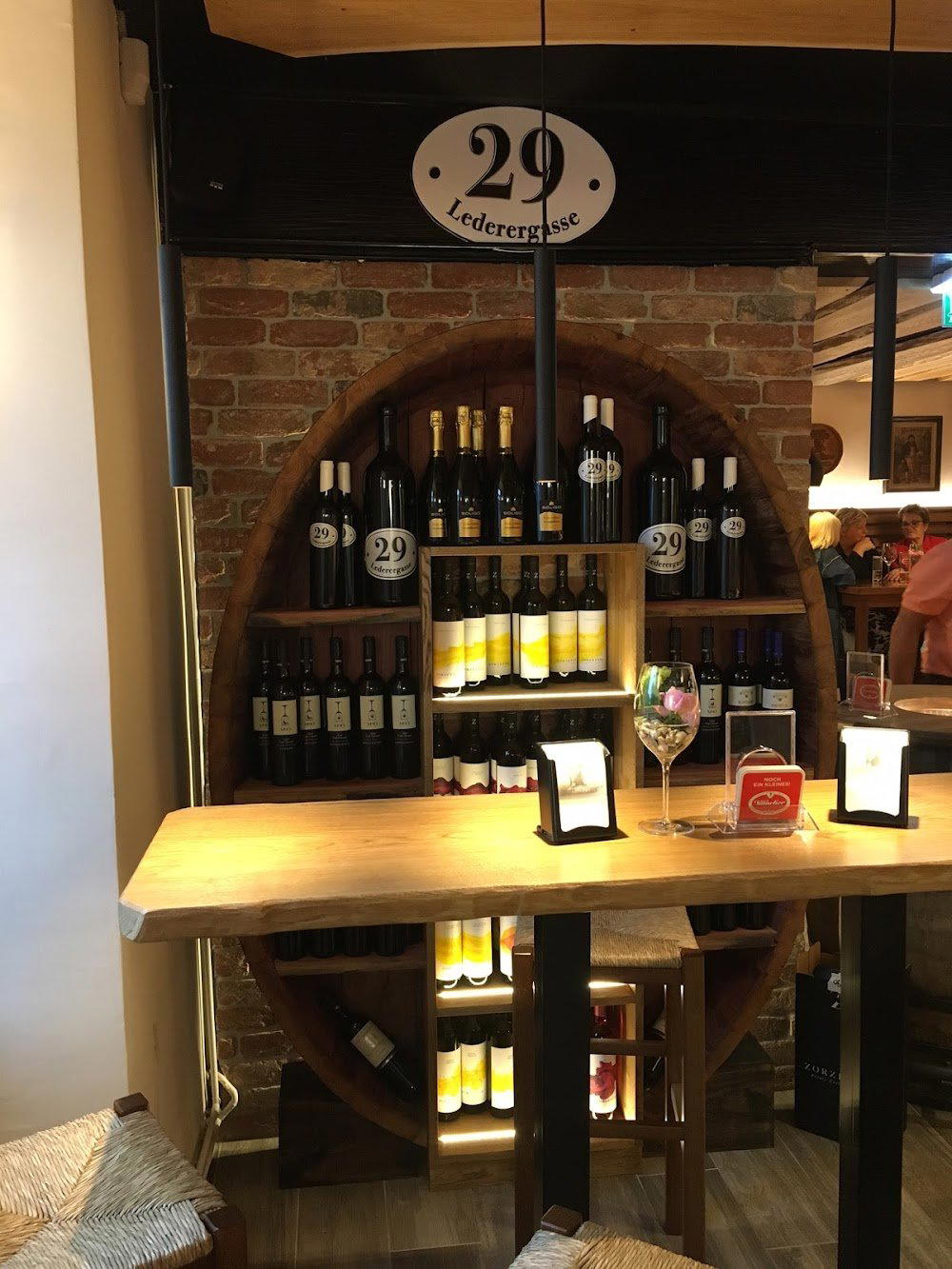
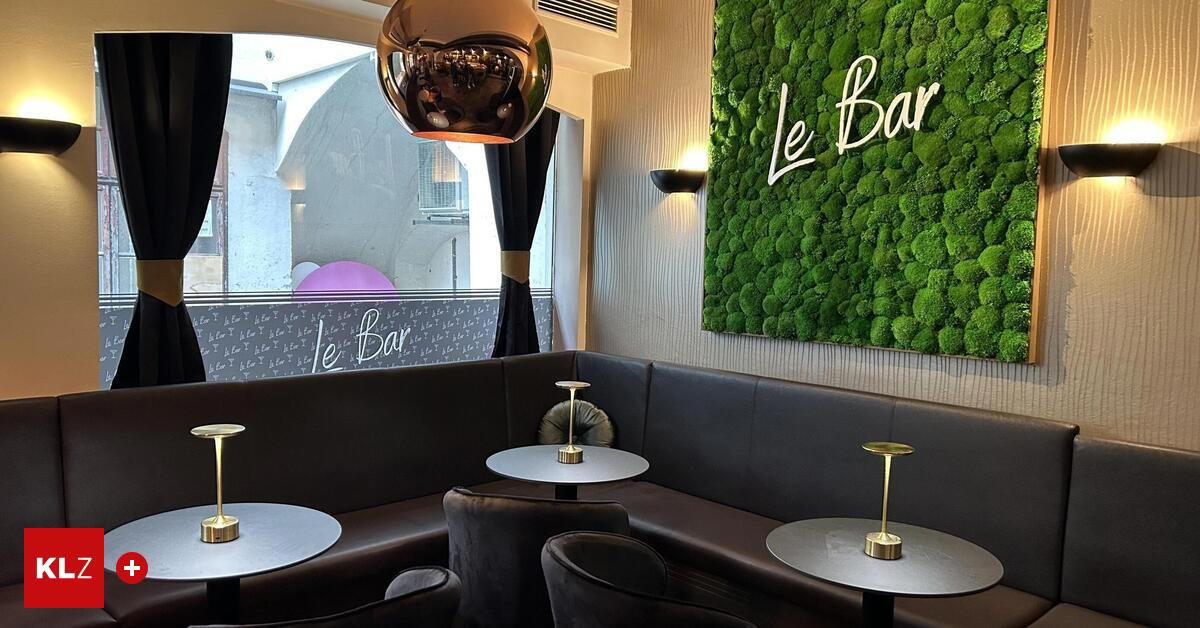
Hotels in Seeboden
Browse all →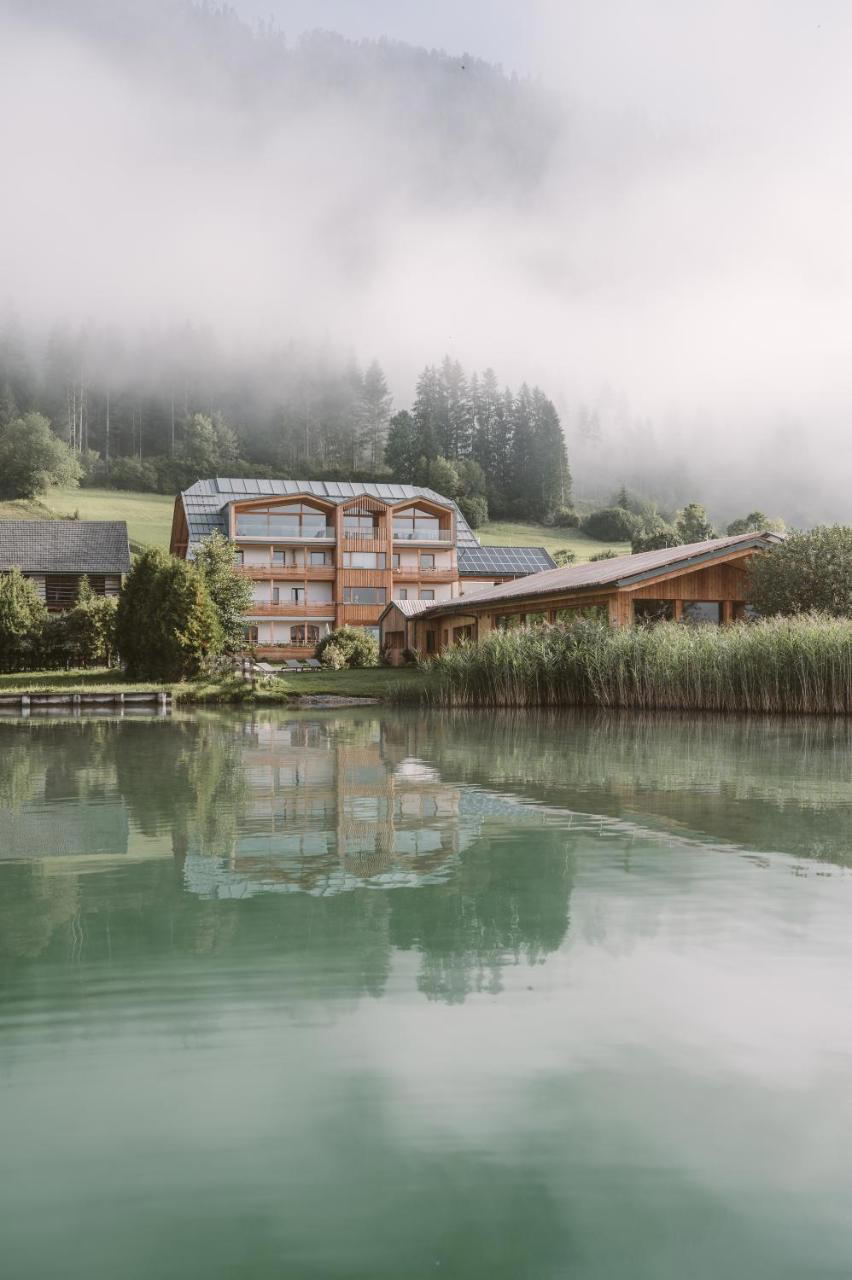

At a Glance
- Cozy
- Rustic
- Intimate
- Casual Hangout
- Family
- Open Kitchen
- Natural Wine
Current opening hours
- Monday
- Closed
- Tuesday
- 5:30–9 PM
- Wednesday
- 5:30–9 PM
- Thursday
- 11:30 AM–1:30 PM, 5:30–9 PM
- Friday
- 11:30 AM–1:30 PM, 5:30–9 PM
- Saturday
- 11:30 AM–1:30 PM, 5:30–9 PM
- Sunday
- Closed
Hours can change for holidays and private events. Last verified .
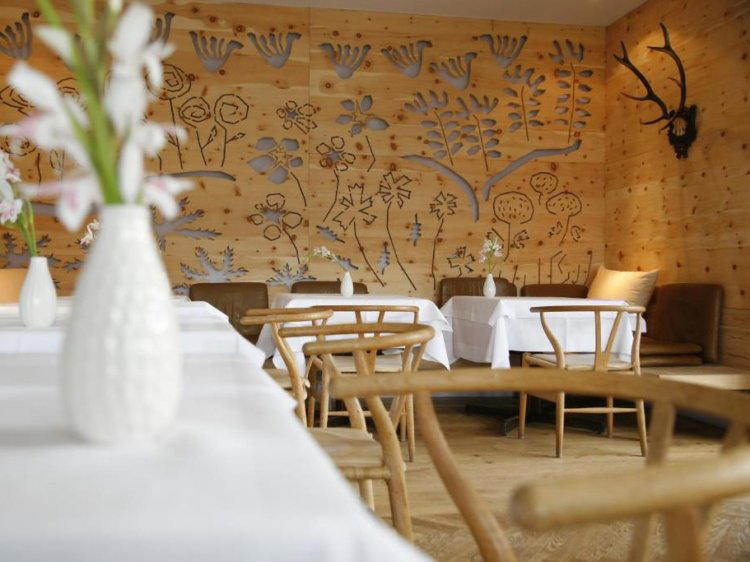
Cozy and homey atmosphere with friendly personal service evoking Italian hospitality.