Das Ronacher
Das Ronacher sits at Thermenstraße 3 in Bad Kleinkirchheim, a Carinthian spa village where alpine sourcing traditions run deep. The property places itself within a dining scene that rewards guests who combine thermal wellness with serious regional cooking. For visitors already committed to Bad Kleinkirchheim, it represents one of the more considered addresses on the local circuit.
Pearl is the En Primeur Club membership app — saves, bookings, and concierge access live there. Same editors, same standards.
- Address
- Thermenstraße 3, 9546 Bach, Austria
- Phone
- +43434240282
- Website
- ronacher.com
- Directions
- Get directions
 Saves & bookings on Pearl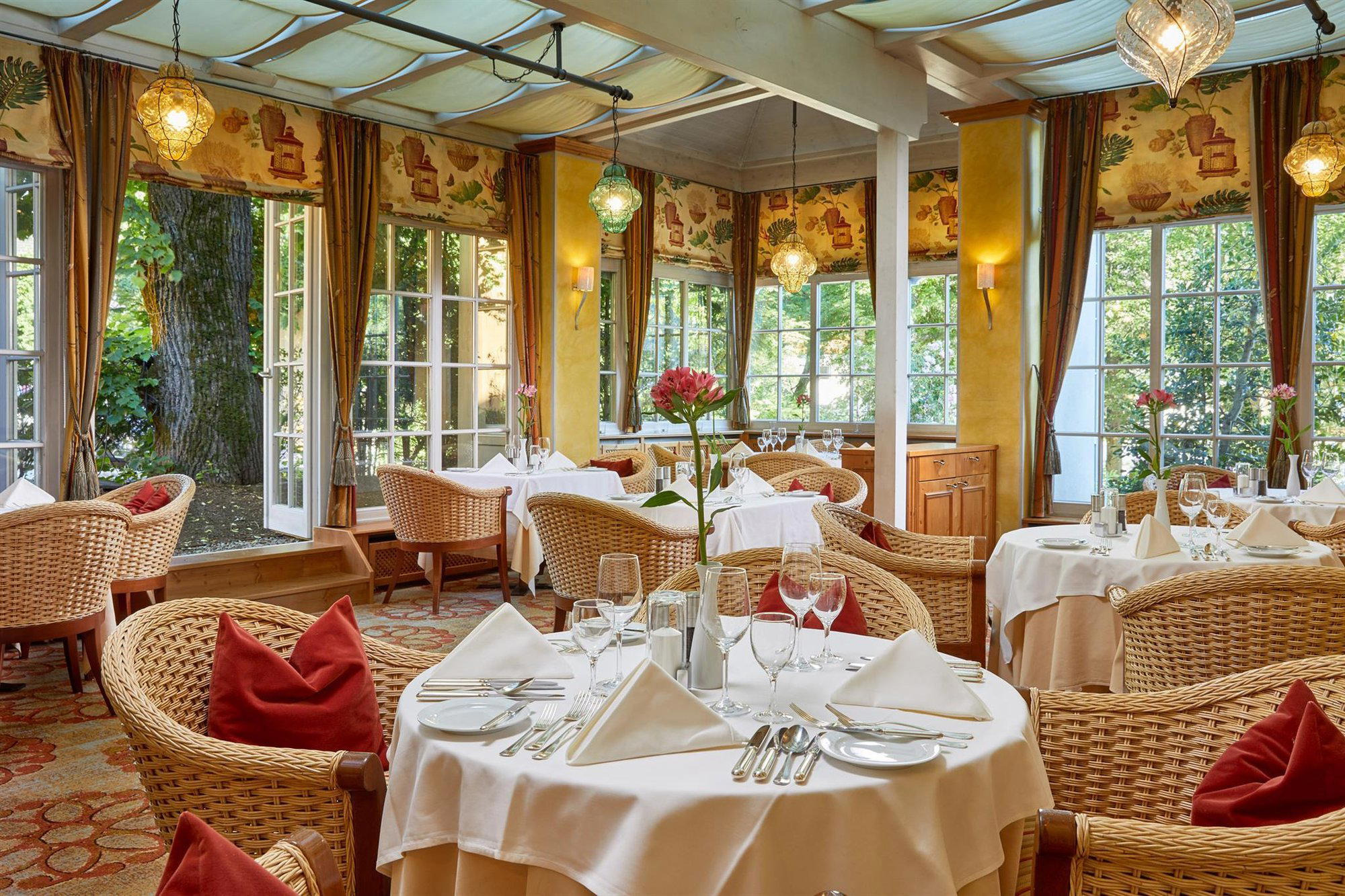
Where Alpine Sourcing Meets Carinthian Table Tradition
Das Ronacher is a restaurant in Bach, Austria, serving Modern Austrian Regional Fine Dining at Thermenstraße 3, 9546 Bach, with a price tier of $$$$. Bad Kleinkirchheim occupies a specific niche in the Austrian alpine dining conversation. It is not Vienna, where Steirereck im Stadtpark sets a metropolitan benchmark for indigenous produce sourced from named farms and foraged hillsides. Nor is it Salzburg province, where Obauer in Werfen has spent decades proving that a village address is no ceiling on culinary ambition. Instead, Bad Kleinkirchheim belongs to the quieter Carinthian model: a spa and ski resort where the kitchen's raw materials arrive from an unusually compressed radius, and where the thermal culture shapes the pace at which people eat.
In that context, Das Ronacher at Thermenstraße 3 operates within a tradition that Austrian alpine properties have refined over generations. The Nockberge mountain range surrounding the village sits at elevations where summer pastures produce milk and meat with a pronounced mineral character, and where autumn hunting seasons have historically dictated menu rhythms. These are not abstract marketing claims but structural facts about Carinthian agricultural geography that any serious kitchen in the region has to either engage with or explain away.
The Regional Sourcing Frame: What Carinthia Puts on the Table
Austrian alpine cuisine's credibility rests on proximity. The short chain between mountain pasture, alpine dairy, freshwater fishing in Carinthia's lakes, and the kitchen pass is not a trend imported from Nordic restaurants, it is the foundational logic of how this region has fed itself for centuries. What changes between a direct Gasthof and a property operating at a more considered level is the degree of intentionality applied to that chain.
Carinthia's lakes, including the Millstätter See roughly fifteen kilometres from Bad Kleinkirchheim, support freshwater fishing that has long anchored regional menus. Properties like Restaurant Adriana and Loystubn in the same village operate within this same sourcing geography. What distinguishes one kitchen from another in a small alpine resort town is often less about the ingredients themselves, which are broadly available to all, and more about the technical approach brought to them and the format in which they are served.
This is the competitive reality that properties across the Austrian alpine corridor have had to confront. Döllerer in Golling an der Salzach built its identity explicitly around what it calls Alpine Cuisine, treating the sourcing chain as the editorial logic of every menu. Kräuterreich by Vitus Winkler in Sankt Veit im Pongau centres its program on herb and plant cultivation from the surrounding Pongau landscape. The question for any kitchen in this tradition is where, precisely, it positions itself along the spectrum from honest regional cooking to formally ambitious sourcing-led cuisine.
The Bad Kleinkirchheim Dining Circuit
The village supports a dining circuit that is small but coherent. gellius and NockResort anchor the local offer alongside Das Ronacher and Trattlers Einkehr, meaning that visitors spending several days in the resort have a genuine circuit rather than a single obvious address. This is characteristic of Austrian alpine villages that have developed serious hospitality infrastructure over the past two decades: the thermal and ski draw creates enough overnight volume to sustain multiple kitchen programs simultaneously.
The thermal dimension matters specifically for how dining functions here. Guests who have spent time in the St. Kathrein or Römerbad thermal facilities arrive at dinner in a particular physiological state, relaxed, appetite-engaged, and with a different relationship to time than an urban restaurant diner. Kitchens in spa resort contexts have historically understood this and calibrated their pacing accordingly. It is a structural advantage over city restaurants, where the pre-theatre crowd and the late business dinner create competing timing pressures.
Austrian Alpine Dining in International Perspective
Placing the restaurant and Bad Kleinkirchheim within a wider frame: the Austrian alpine model of hotel-anchored dining with strong regional sourcing credentials occupies a distinct position in European destination dining. It sits between the French alpine tradition, which leans heavily on raclette and fondue spectacle for resort visitors, and the more technically formal Scandinavian sourcing-led approach. Austrian alpine kitchens tend to hold both threads simultaneously: they will serve Käsespätzle without apology and they will also treat local lake fish with the same attention a chef in a different context might reserve for line-caught turbot.
Properties like Gourmetrestaurant Tannenhof in Sankt Anton am Arlberg and Stüva in Ischgl represent the Tyrolean variant of this approach: ski-resort anchored but with formal kitchen programs that generate their own pull beyond the resort guest base. Carinthia operates at a different tempo, without the same international ski tourism volume, which means its dining properties have developed more insular identities rooted in local regulars and Austrian domestic tourism rather than the international circuit.
The contrast with American destination dining formats is instructive. Lazy Bear in San Francisco built its sourcing narrative as a deliberate program, communicating provenance to diners as part of the experience format. Le Bernardin in New York City operates a different sourcing logic, one anchored in global seafood supply chains managed with technical precision rather than geographic proximity. Austrian alpine kitchens operate from the opposite premise: proximity is assumed, and the kitchen's task is to do justice to what arrives from a short radius.
Planning a Visit
The restaurant is located at Thermenstraße 3, 9546 Bach, Austria. The resort operates across ski season and summer alpine seasons, with the thermal facilities providing a consistent draw outside peak winter and hiking months. Visitors considering a dinner here can also look to comparable alpine properties at Schwarzer Adler in Hall in Tirol, Restaurant 141 by Joachim Jaud in Mieming, and Landhaus Bacher in Mautern an der Donau for a broader sense of what the Austrian regional dining circuit offers at various price points and formats. Ois in Neufelden represents a further data point in the Upper Austrian end of that spectrum.
In Context: Similar Options
Comparable venues nearby, for context on price, style, and recognition.
| Venue | Cuisine | Price | Notes |
|---|---|---|---|
| Das RonacherThis venue — the venue you are viewing | Modern Austrian Regional Fine Dining | $$$$ | Not listed |
| NockResort | Modern Austrian Gourmet | $$$ | Bad Kleinkirchheim |
| Trattlers Einkehr | Traditional Austrian Carinthian Hut Restaurant | $$ | centre of Bad Kleinkirchheim |
| gellius | Modern Austrian | $$ | Dorfstraße |
| Loystubn | Rustic Austrian Nose-to-Tail | $$$ | Bad Kleinkirchheim |
| Restaurant Adriana | Austrian Steakhouse | $$$ | Bad Kleinkirchheim |
Continue exploring
More in Bad Kleinkirchheim
Restaurants in Bad Kleinkirchheim
Browse all →
Bars in Bad Kleinkirchheim
Browse all →

Hotels in Bad Kleinkirchheim
Browse all →

At a Glance
- Elegant
- Quiet
- Cozy
- Sophisticated
- Family
- Celebration
- Special Occasion
- Group Dining
- Brunch
- Hotel Restaurant
- Private Dining
- Craft Cocktails
- Local Sourcing
- Farm To Table
- Mountain
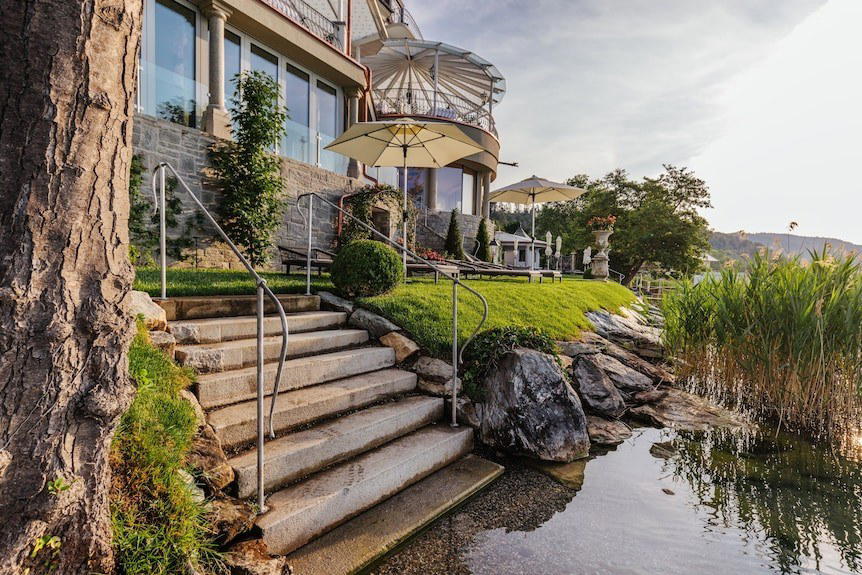
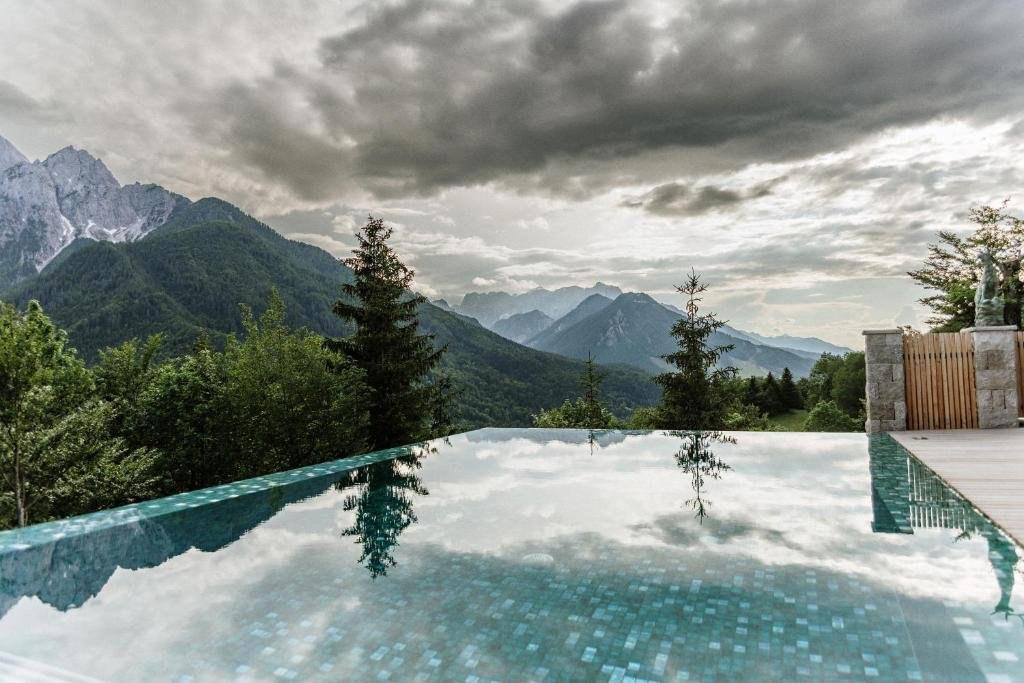
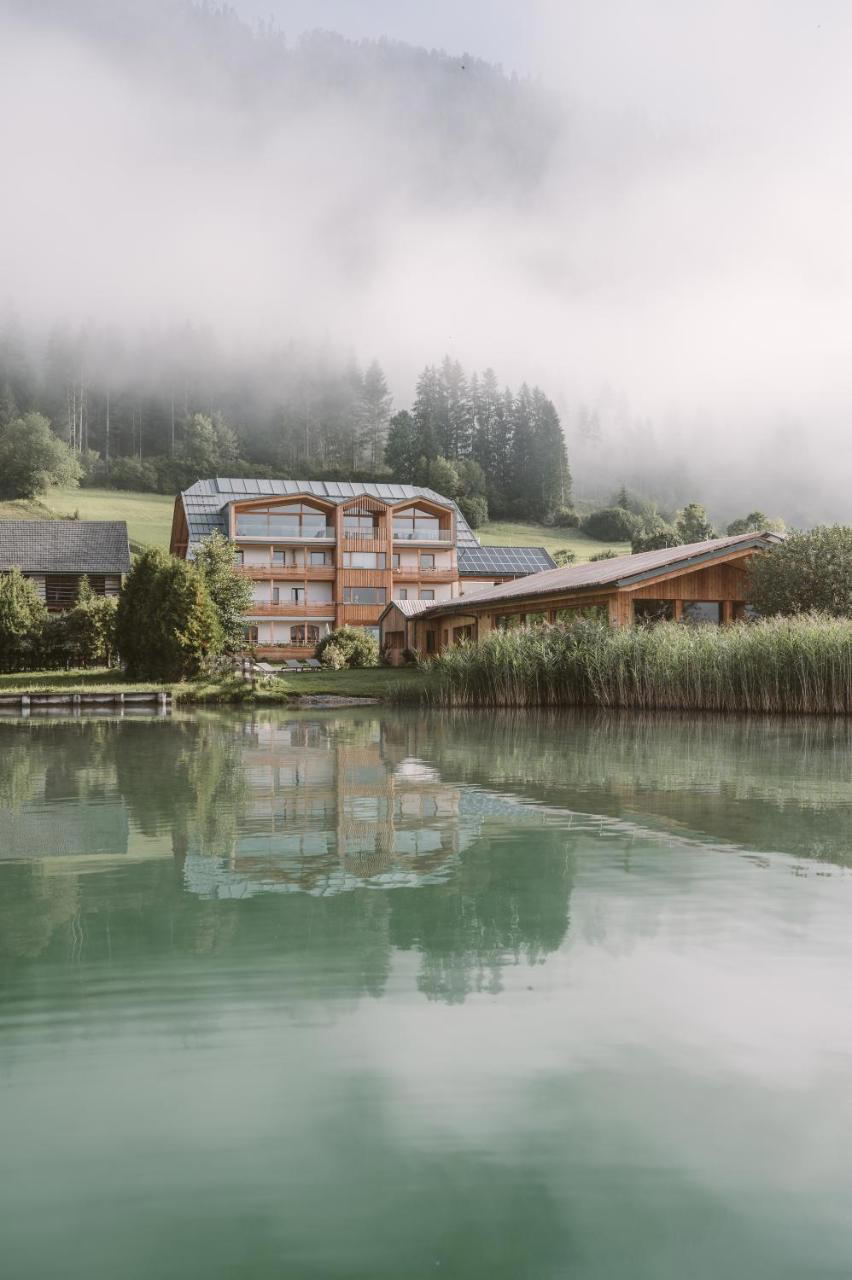
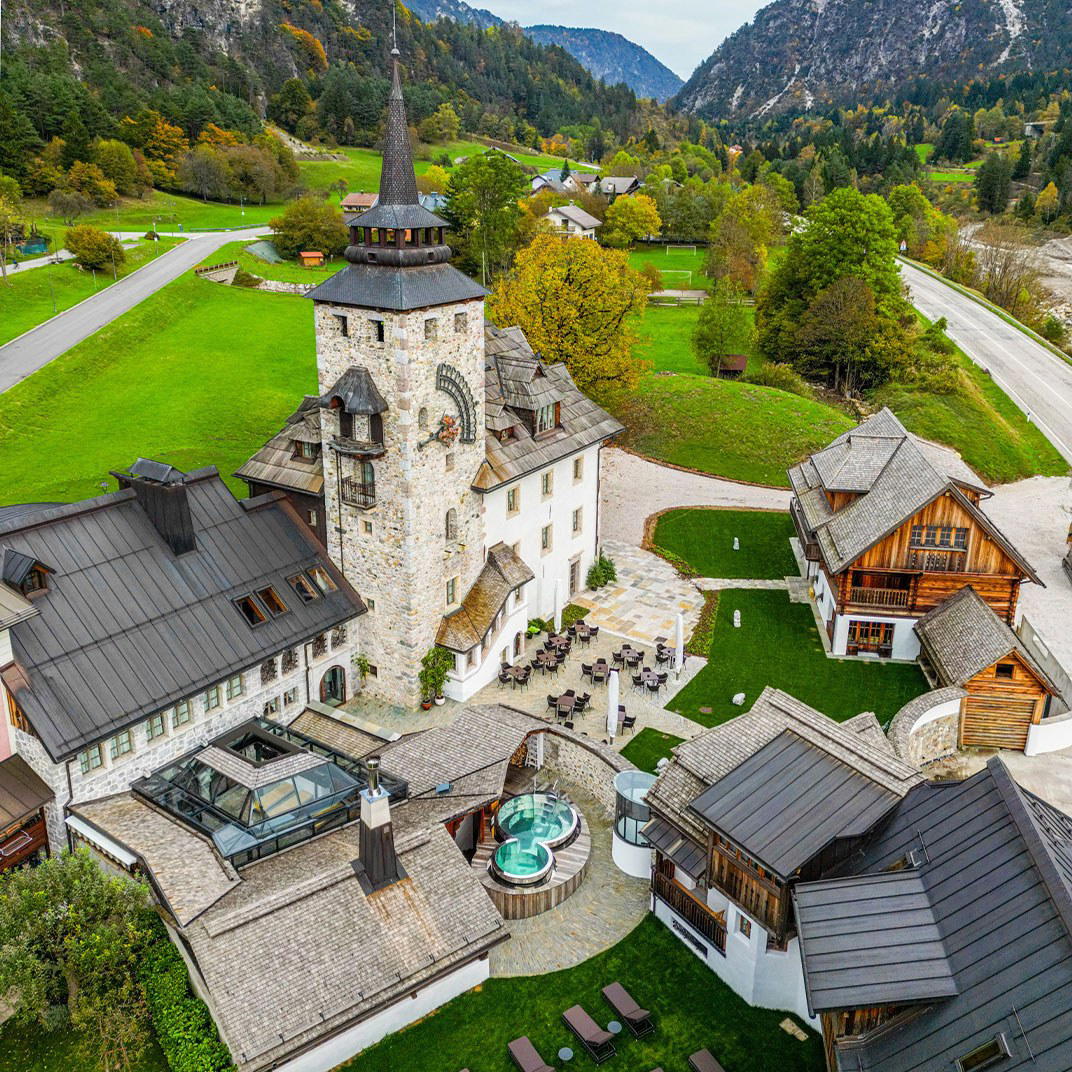
Modern, wellness-focused, and relaxed, with a familiarly charming luxury-hotel atmosphere and sunlit gourmet dining spaces.