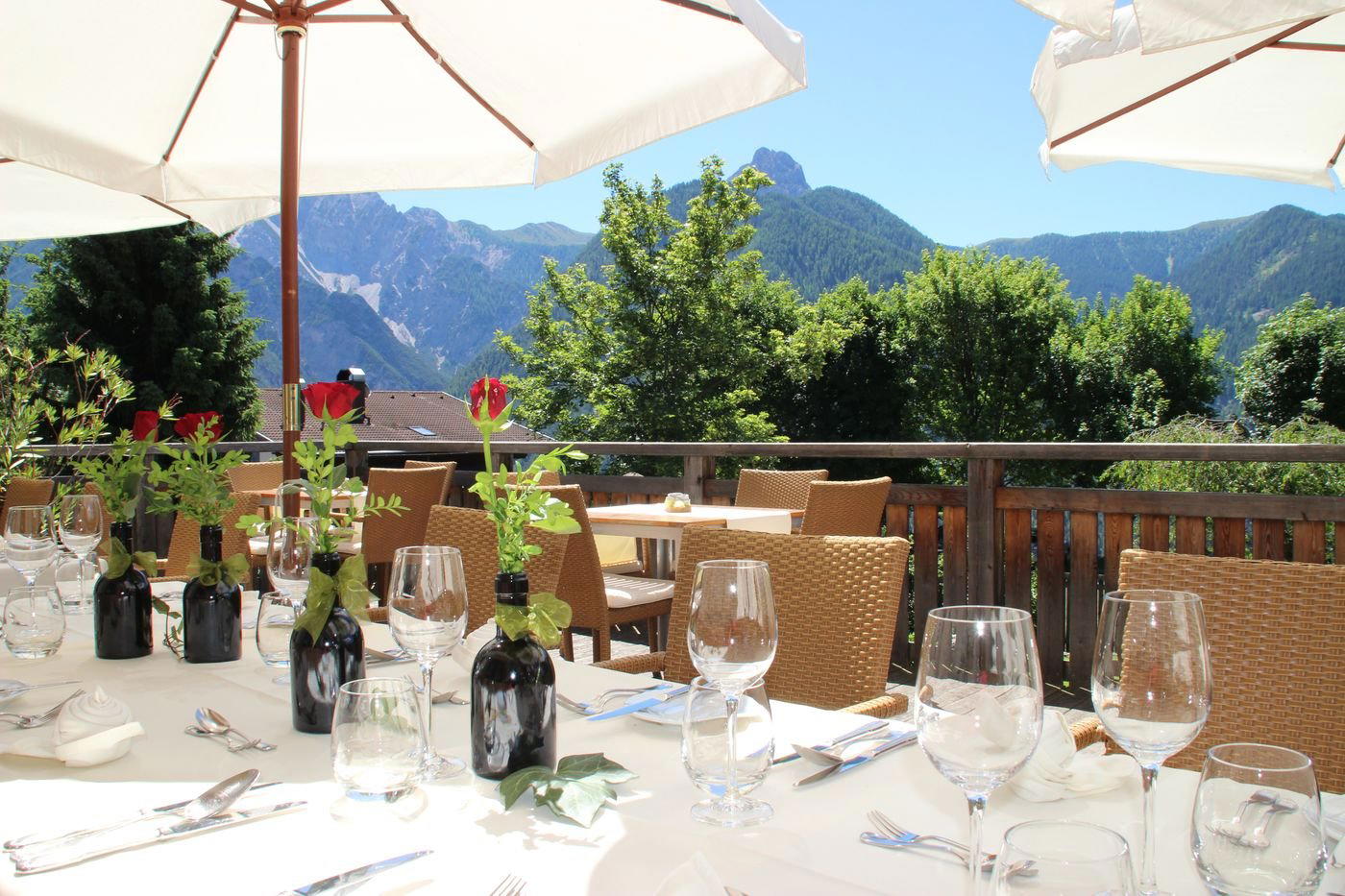
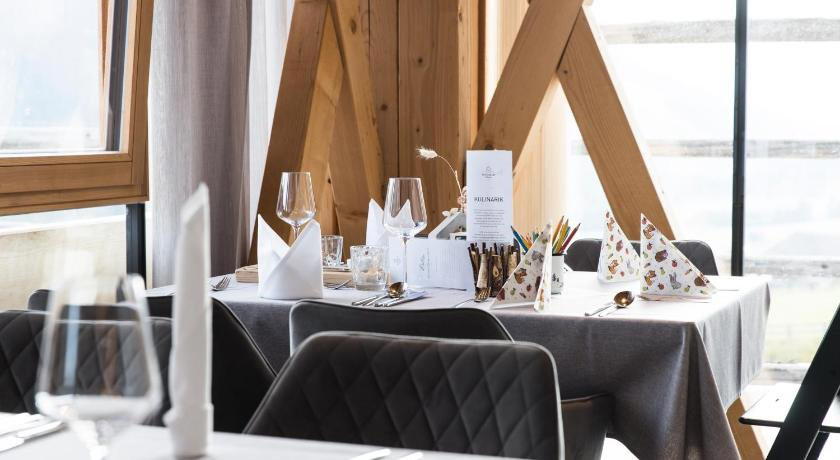
Moarhofstüberl serves Tyrolean à la carte dinner at Hotel Moarhof in Lienz, with terrace seating, mountain and garden views, and an extensive wine list.
Pearl is the En Primeur Club membership app — saves, bookings, and concierge access live there. Same editors, same standards.
- Address
- Moarfeldweg 18, 9900 Lienz, Austria
- Phone
- +43485267567
- Website
- hotel-moarhof.at
- Directions
- Get directions
 Saves & bookings on Pearl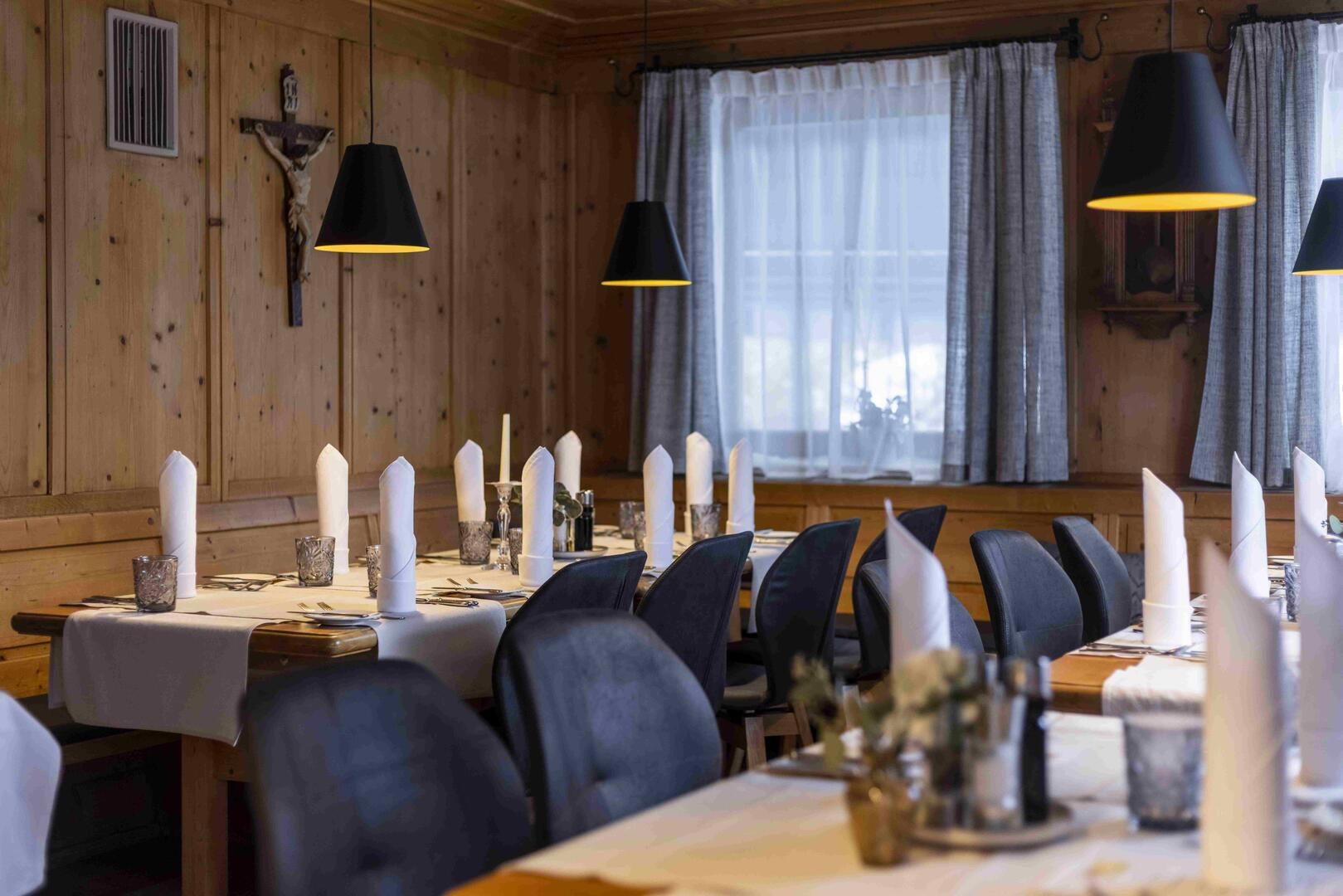
Where the Dolomites Shape the Table
East Tyrol occupies a particular position in the Austrian culinary map: remote enough that it developed cooking traditions independently of Vienna's grand restaurant culture, yet close enough to the Italian border that the regional pantry draws from two distinct Alpine heritages. In Lienz, the region's small capital framed by the Dolomites to the south and the Hohe Tauern to the north, a category of restaurant has persisted that the broader industry has struggled to replicate elsewhere: the farmhouse dining room, or Stüberl, where the sourcing logic is not a marketing decision but a geographic fact. Moarhofstüberl, located along Moarfeldweg on the outskirts of Lienz, operates within this tradition.
The physical approach to a Stüberl of this type sets expectations before the first dish arrives. These are not city-centre addresses designed for walk-in traffic. The road out of central Lienz gives way to the working agricultural edge of town, where the boundary between restaurant and farm is deliberately blurred. The building reads as what it is: a working property that also hosts a table. That context matters because it is one honest signal of what ends up on the plate.
The Sourcing Logic of Alpine Farm Dining
In the broader Austrian restaurant conversation, regional sourcing has become a competitive credential. Venues from Steirereck im Stadtpark in Vienna to Döllerer in Golling an der Salzach and Obauer in Werfen have built nationally recognised programs around hyperlocal ingredient networks. In East Tyrol, however, the geography imposes sourcing discipline that urban venues achieve only through intention. The valley system that makes Lienz relatively difficult to reach by rail or motorway is the same geography that kept its agricultural traditions intact. Rye bread, cured meats, raw-milk dairy, and foraged mountain herbs are available here not as specialty imports from boutique producers but as routine outputs from the farms that surround the town.
This distinction matters for how you read a place like Moarhofstüberl. Where a restaurant in Innsbruck or Salzburg sources regionally as a positioning choice, a farm-anchored Stüberl in the Lienz basin is simply cooking from what is near. The culinary result tends to be less mediated: fewer translations between producer and kitchen, shorter supply chains, and a menu that shifts not because of a chef's seasonal concept but because the surrounding land changes. Comparable dynamics appear at Kräuterreich by Vitus Winkler in Sankt Veit im Pongau and Gourmetrestaurant Tannenhof in Sankt Anton am Arlberg, though those venues operate in a more formalised fine-dining register. The Stüberl format keeps things closer to the ground.
Lienz's Dining Scene in Brief
Lienz does not have a large or particularly stratified restaurant scene. The town's population sits under 13,000, which keeps the total number of serious dining addresses small and the distinction between categories less pronounced than in larger Austrian cities. A few addresses represent the full range. Osttiroler Gaumengaudi sits within the regional-cuisine tradition, while Rose Lienz Hoagascht and Soul Food Bike represent distinct points on the informal end of the spectrum. Moarhofstüberl occupies a different category: it belongs to the farm-origin format that exists in smaller numbers and operates on its own terms, outside the conventional restaurant logic of posted hours and walk-in availability. For a broader view of what the city offers across formats, the full Lienz restaurants guide maps the range.
The comparative frame worth holding is the Tyrolean mountain restaurant tradition more broadly. Venues like Griggeler Stuba in Lech, Stüva in Ischgl, and Schwarzer Adler in Hall in Tirol demonstrate how Alpine settings can support cooking that is simultaneously rooted and technically accomplished. East Tyrol's version of that tradition is less polished in presentation but often more direct in sourcing terms. Restaurant 141 by Joachim Jaud in Mieming, Ikarus in Salzburg, Landhaus Bacher in Mautern an der Donau, and Ois in Neufelden each illustrate how Austrian regional cooking operates across different registers of formality. The Stüberl sits at the informal end by design, not by accident.
What the Format Signals
The Stüberl format across Austria and Bavaria developed as a practical solution to a practical problem: how to feed farm workers and guests in a space that was also a home. The dining room is typically small, the menu limited by what is available, and the hospitality direct rather than orchestrated. That structural economy is what distinguishes it from the broader category of regional Austrian restaurants, which can range from highly polished to casually assembled. A farm Stüberl is something more specific: the kitchen and the land are in the same conversation, and the guest is admitted to that conversation rather than presented with a curated version of it.
For visitors arriving in Lienz from contexts like Le Bernardin in New York City or Atomix in New York City, the register shift is significant. The value here is not technical precision or narrative-driven tasting menus. It is the directness of the supply chain and the specificity of place. East Tyrolean cured meats, mountain cheeses, rye-based breads, and foraged additions to the seasonal menu represent a culinary vocabulary that is genuinely difficult to replicate in an urban kitchen, regardless of budget or sourcing ambition.
Planning a Visit
Moarhofstüberl's address at Moarfeldweg 18 places it outside central Lienz, accessible by car or a short taxi ride from the town centre. Venues in this category typically operate on a reservations basis and may have limited or irregular public hours; contacting the venue directly before visiting is advisable. Lienz itself is reached by regional train via the Drautalbahn or by road through the Felbertauern tunnel from Salzburg, a route that takes approximately two hours under normal conditions.
In Context: Similar Options
Comparable venues nearby, for context on price, style, and recognition.
| Venue | Cuisine | Price | Notes |
|---|---|---|---|
| MoarhofstüberlThis venue — the venue you are viewing | Tyrolean À La Carte | $$ | Not listed |
| Rose Lienz Hoagascht | Traditional Austrian | $$ | Lienz |
| Osttiroler Gaumengaudi | East Tyrolean Cuisine | $$ | Lienz |
| Soul Food Bike | Vegan Soul Food Wraps | $ | Hauptplatz |
| Jodlbühel | Traditional Tyrolean Inn Cuisine | $$ | Jochberg |
| Huberalm | Traditional Austrian Alpine | $$ | Kirchdorf in Tirol |
Continue exploring
More in Lienz
Restaurants in Lienz
Browse all →
Bars in Lienz
Browse all →
Hotels in Lienz
Browse all →
Wineries in Lienz
Browse all →
At a Glance
- Scenic
- Cozy
- Rustic
- Family
- Casual Hangout
- Group Dining
- Garden
- Standalone
- Hotel Restaurant
- Extensive Wine List
- Local Sourcing
- Mountain
Quiet, relaxed, and scenic, with a cozy garden setting in a hotel environment.