Saluti

Saluti holds a 2025 Michelin Bib Gourmand in Matrei in Osttirol, making it one of the few recognised addresses for modern cuisine in Austria's East Tyrol alpine corridor.
Pearl is the En Primeur Club membership app — saves, bookings, and concierge access live there. Same editors, same standards.
- Address
- Grießstraße 10, 9971 Matrei in Osttirol, Austria
- Phone
- +43 4875 6726
- Website
- saluti-matrei.com
- Directions
- Get directions
 Saves & bookings on Pearl
Where Alpine Informality Meets Recognised Cooking
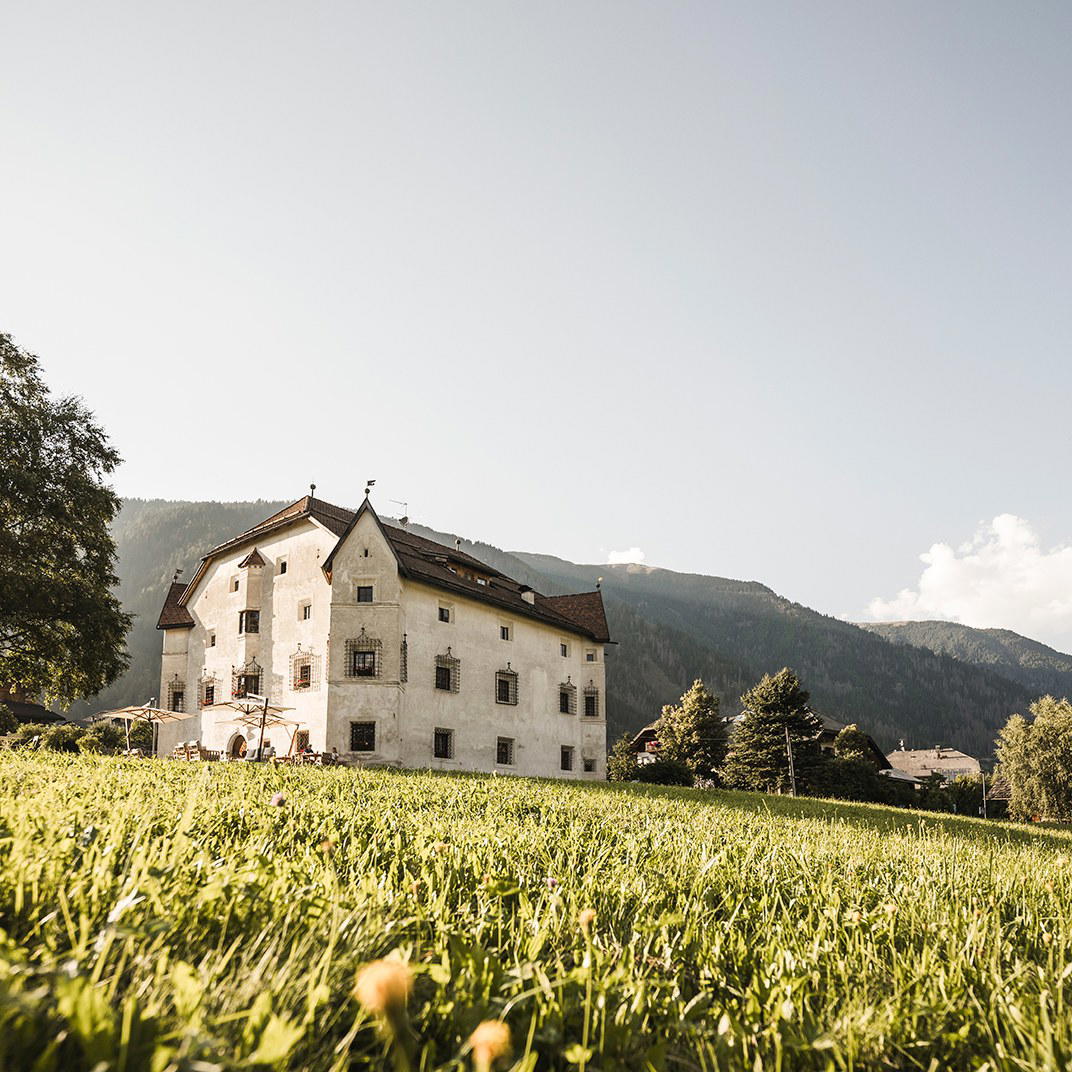
Matrei in Osttirol is a market town in the Tauern valley, hemmed by the Hohe Tauern massif on one side and the Venediger group on the other. Against that backdrop, Saluti at Grießstraße 10 signals a kitchen held to a standard that extends beyond the local market.
The Bib Gourmand designation, awarded in 2025, marks Saluti as a venue delivering good cooking at moderate prices. Earning it in a small alpine town means the kitchen is being assessed on the same criteria as urban peers. That context matters when placing Saluti in the broader map of Austrian dining.
Modern Cuisine in an Alpine Setting
Modern cuisine as a category in the Austrian alpine context tends to occupy a specific register: it draws on regional produce and classical Central European technique, then applies contemporary ideas about restraint, seasonality, and composition. The more celebrated iterations of this approach appear at venues like Döllerer in Golling an der Salzach and Obauer in Werfen, both operating at the €€€€ tier with multi-course formats designed around that kind of ambition. Steirereck im Stadtpark in Vienna occupies stronger examples from that pyramid.
Saluti operates at the €€ tier, which changes the proposition entirely. At that price point, the editorial question is not whether the kitchen can match a starred room on complexity, but whether it can deliver cooking with genuine character and technical discipline at a price that feels proportionate to what arrives on the table.
Comparable alpine settings have produced restaurants at this tier that punch considerably above their geography. Schwarzer Adler in Hall in Tirol and Gourmetrestaurant Tannenhof in Sankt Anton am Arlberg illustrate how Tyrolean addresses build reputations through consistency in small markets. The pattern holds across the Austrian alpine corridor: local clientele provides the foundation, and external recognition from guides like Michelin extends the reach.
The Cultural Thread Running Through Austrian Alpine Cooking
The cuisine served at addresses like Saluti sits at the intersection of two distinct culinary inheritances. The first is Tyrolean mountain cooking, which historically prioritised preservation and caloric density: cured meats, dairy-heavy dishes, rye breads, and root vegetables that could be stored through long winters. The second is the broader Austrian tradition of absorbing influences from the former Habsburg territories, producing a table culture more varied than the alpine geography might suggest.
Modern cuisine in this context does not abandon those roots so much as reframe them. Dishes that reference smoked or cured proteins, alpine herbs, or dairy traditions appear in more considered formats. The same produce that defined a farmhouse table two generations ago now appears in a composed plate that asks the diner to look at it differently. This is the cultural register that Michelin's assessors are evaluating when they award a Bib Gourmand to an address in East Tyrol: does the cooking do something intelligent with where it comes from?
For comparison, Kräuterreich by Vitus Winkler in Sankt Veit im Pongau represents the herb-forward, foraged approach to this same tradition, while Griggeler Stuba in Lech and Restaurant 141 by Joachim Jaud in Mieming anchor it in different parts of the Tyrolean corridor. Each takes a different angle on the same underlying ingredient logic. At the international end of the modern cuisine spectrum, addresses like Frantzén in Stockholm or FZN by Björn Frantzén in Dubai operate in the same broad category but at a completely different tier, illustrating how wide the range of modern cuisine actually runs.
Positioning Within Matrei's Dining Options
Matrei in Osttirol has a limited restaurant offering relative to larger Tyrolean towns. The clearest local comparison is Rauter Stube, which takes a regional cuisine approach and occupies a different stylistic position. Where Rauter Stube leans into the traditional format, Saluti's modern cuisine classification places it in a separate register. For visitors spending time in the Hohe Tauern area, this distinction is practical: the two addresses cover different expectations on the same evening, rather than competing directly.
The €€ price range means Saluti is accessible to most visitors without advance budgeting. For context, the Bib Gourmand tier nationally includes addresses in Innsbruck, Salzburg, and Vienna where similar price positioning produces good cooking in more competitive markets. Earning the designation from a Matrei address indicates the kitchen is not simply filling a gap in a thin local market but producing food that holds up against a national standard.
Planning a Visit
Saluti is located at Grießstraße 10 in the centre of Matrei in Osttirol.
Pricing, Compared
Comparable venues nearby, for context on price, style, and recognition.
| Venue | Cuisine | Price | Awards | Notes |
|---|---|---|---|---|
| SalutiThis venue — the venue you are viewing | Modern Cuisine | $$ | Bib Gourmand | Not listed |
| Rauter Stube | Not listed | $$$ | Michelin Plate | Matrei in Osttirol, East Tyrolean Regional Fine Dining |
| MONTE DinnerClub | Not listed | $$$ | Not listed | Matrei in Osttirol, Modern Premium Soul Food |
| Restaurant Outside | Not listed | $$ | Not listed | Matrei in Osttirol, Modern East Tyrolean Austrian |
| Esskultur by Unterlechner | Not listed | $$$ | Michelin Plate | Pillerseetal, Modern Regional French with Austrian Influences |
| Superstanza | Rechte Altstadt, Italian Soul Food Pasta | $$ | Not listed | Not listed |
Recognition history
Dated appearances from independent guides and award organizations, with the underlying list record or original source where available.
Michelin Bib Gourmand
Michelin
Michelin Bib Gourmand
Michelin
Continue exploring
More in Matrei in Osttirol
Restaurants in Matrei in Osttirol
Browse all →
Bars in Matrei in Osttirol
Browse all →

At a Glance
- Elegant
- Intimate
- Sophisticated
- Cozy
- Date Night
- Group Dining
- Family
- Special Occasion
- Casual Hangout
- Terrace
- Standalone
- Extensive Wine List
- Local Sourcing
Current opening hours
- Monday
- Closed
- Tuesday
- Closed
- Wednesday
- 4–10 PM
- Thursday
- 4–10 PM
- Friday
- 4–10 PM
- Saturday
- 4–10 PM
- Sunday
- 10 AM–10 PM
Hours can change for holidays and private events. Last verified .
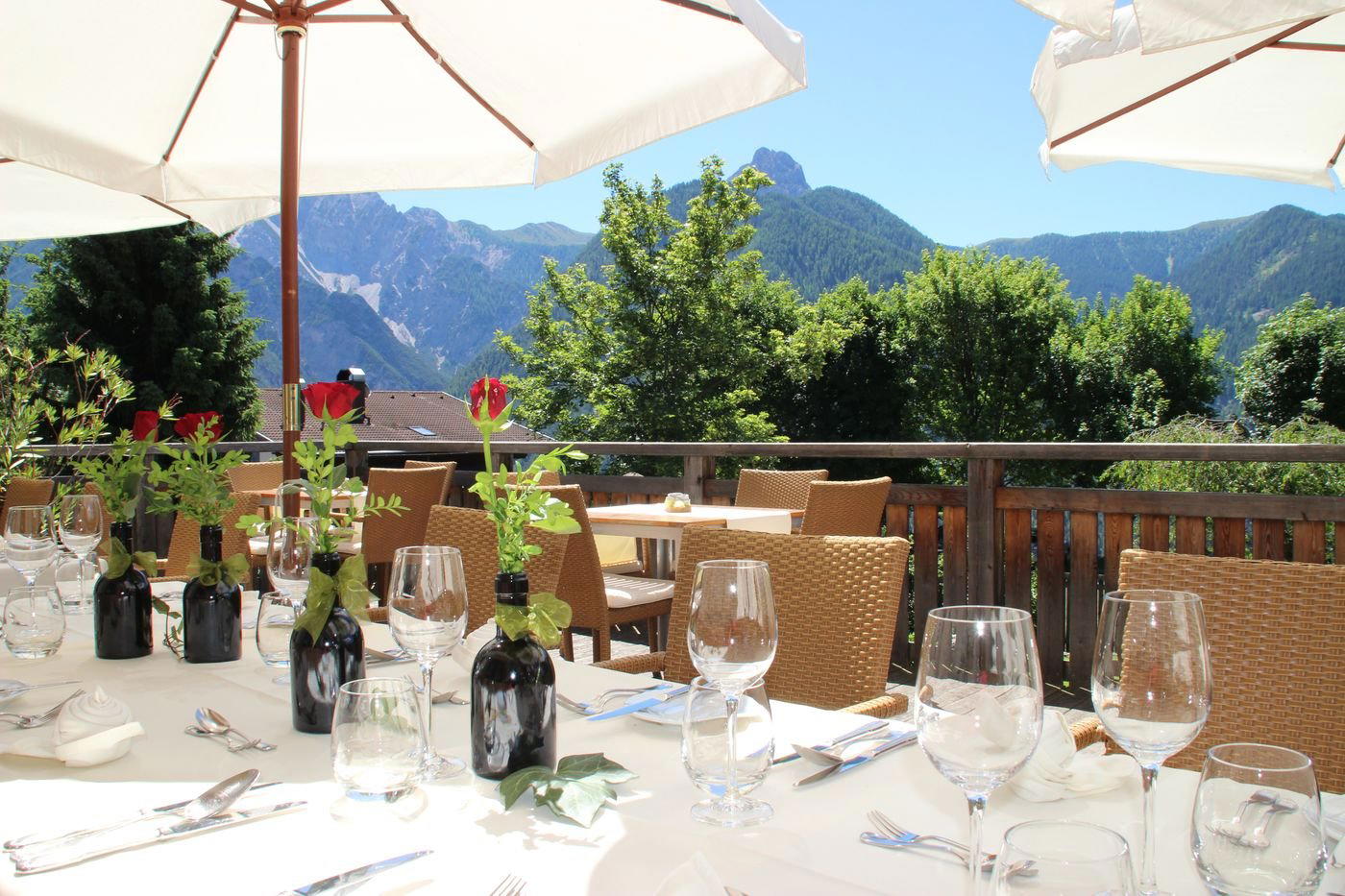
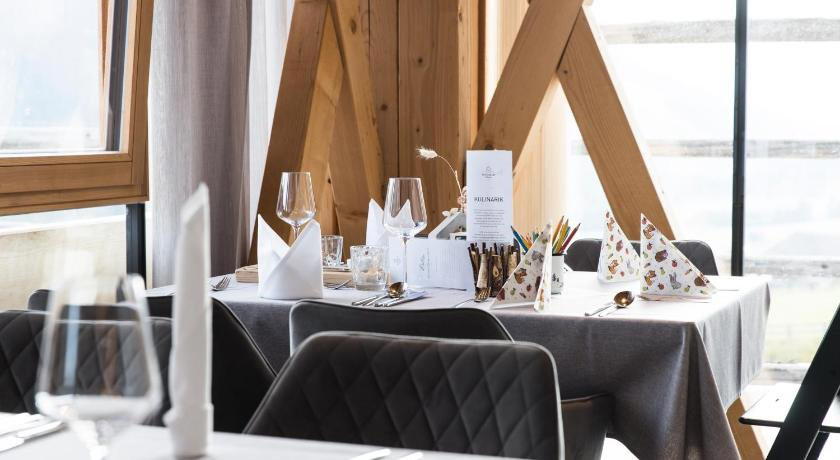
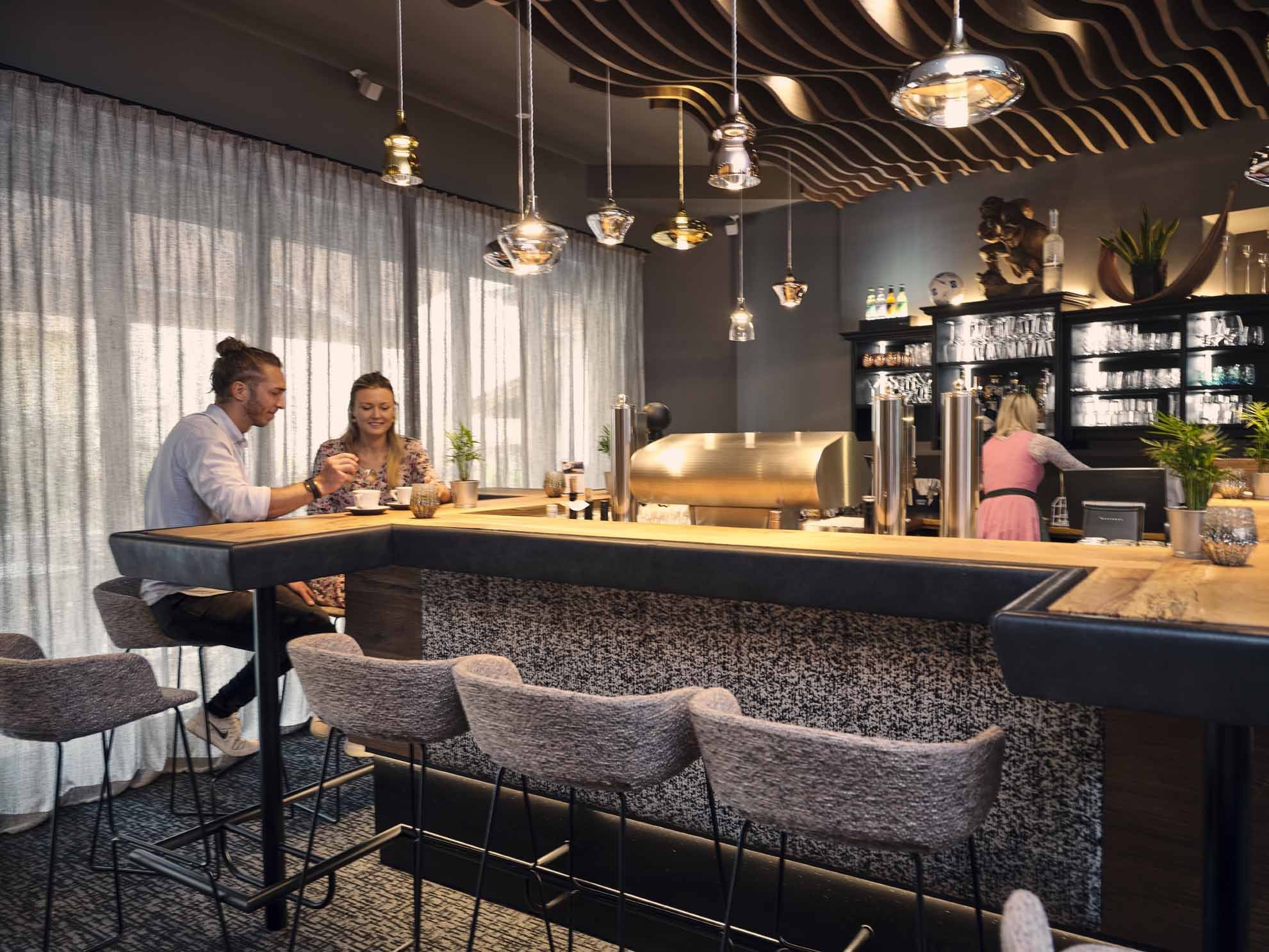
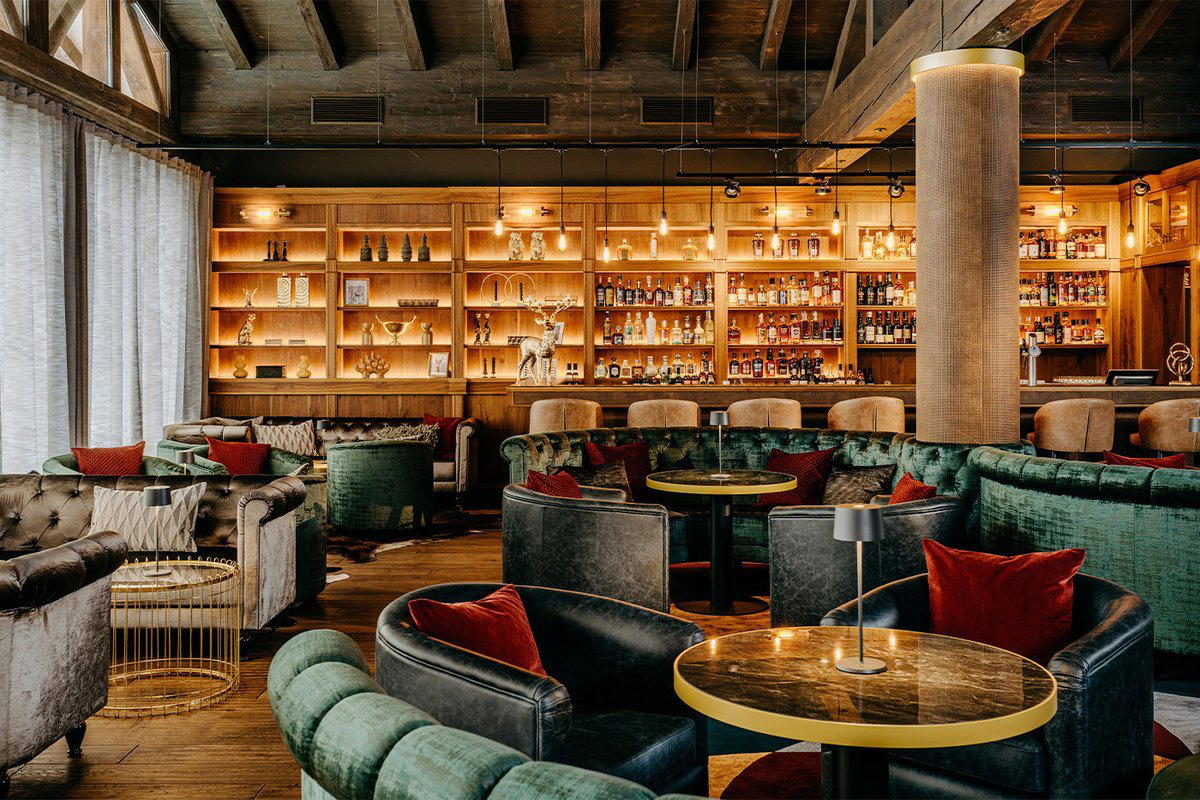
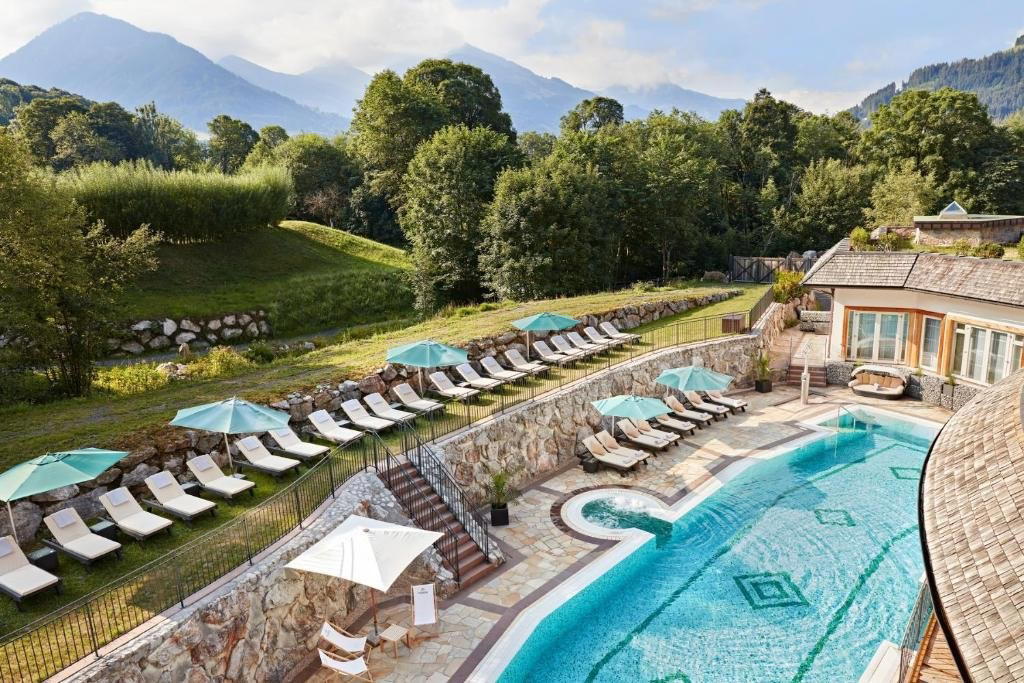
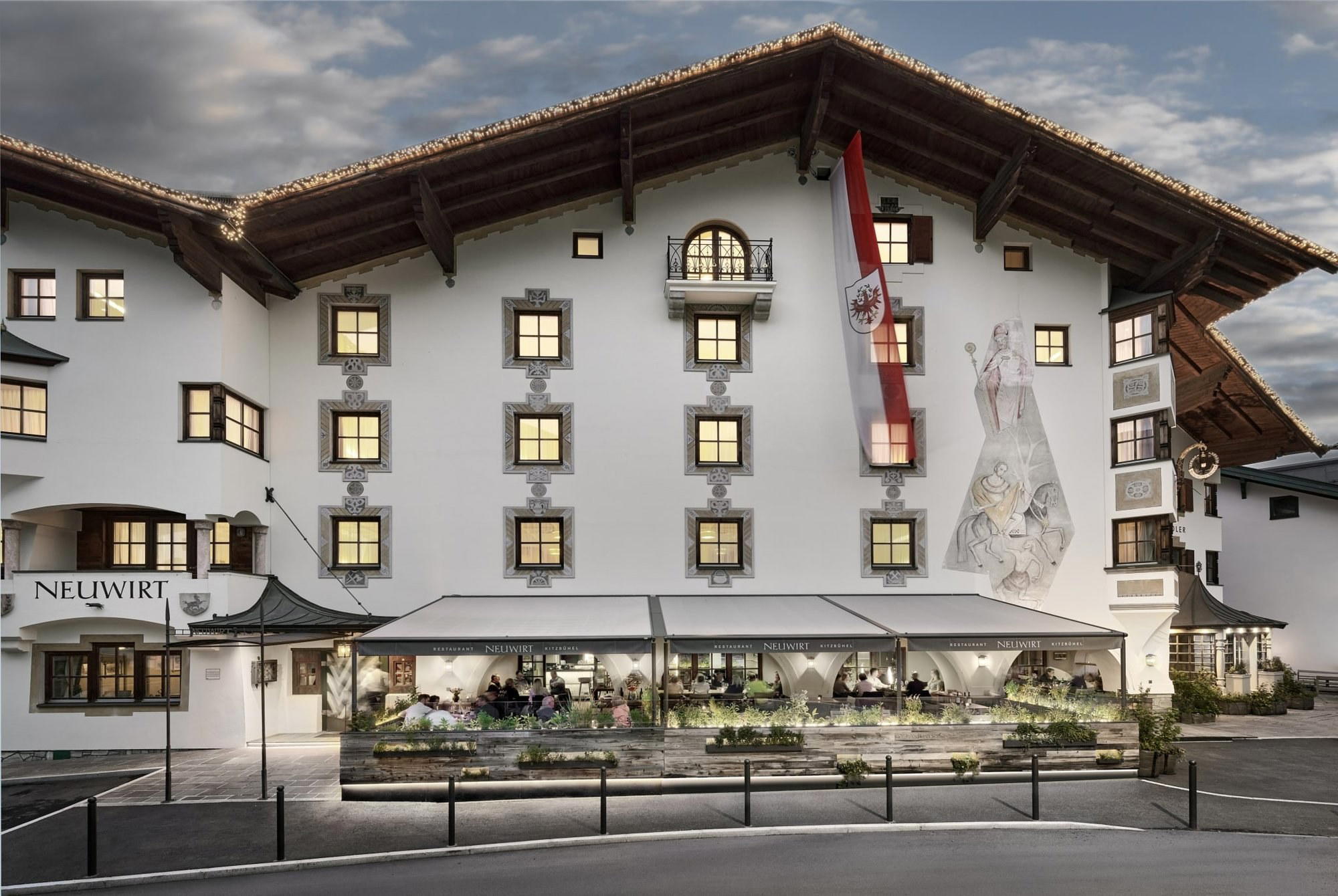
Simple modern surroundings with warm, inviting atmosphere; the petite terrace offers a relaxed setting with hints of pine and early evening glow, creating an unhurried, intimate dining experience.