Huberalm
A traditional alpine Alm above Erpfendorf in Kirchdorf in Tirol, Huberalm sits within a broader regional dining culture defined by proximity to source: mountain pasture, local farms, and seasonal rhythms that urban kitchens can only approximate. For visitors to the Kitzbühel Alps, it represents the kind of grounded, place-specific eating that the area's most characterful addresses share.
Pearl is the En Primeur Club membership app — saves, bookings, and concierge access live there. Same editors, same standards.
- Address
- Alm 20, 6383 Erpfendorf, Austria
- Phone
- +436645575289
- Website
- m.facebook.com
- Directions
- Get directions
 Saves & bookings on Pearl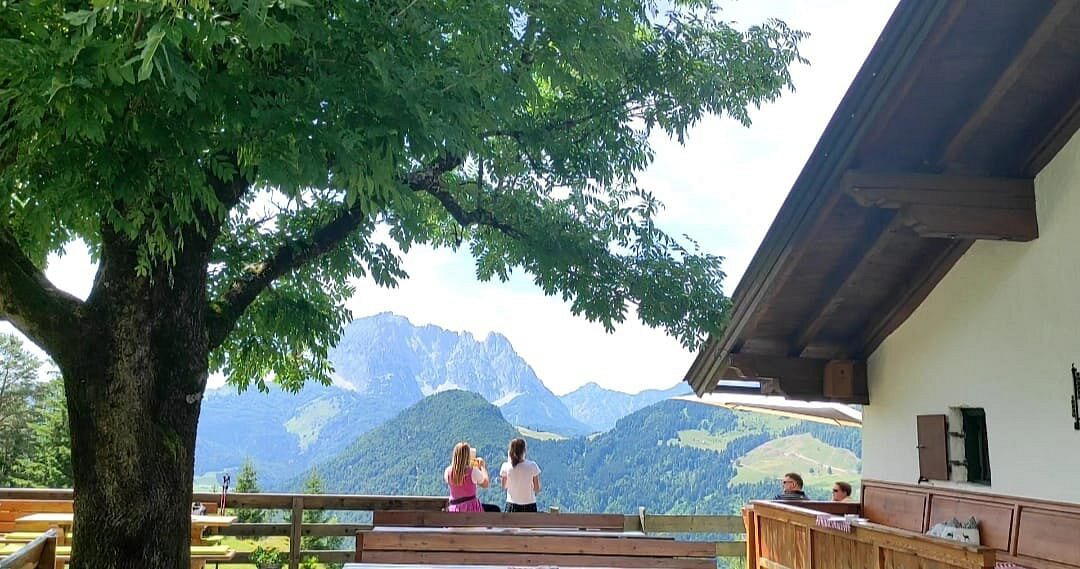
Where the Pasture Meets the Plate
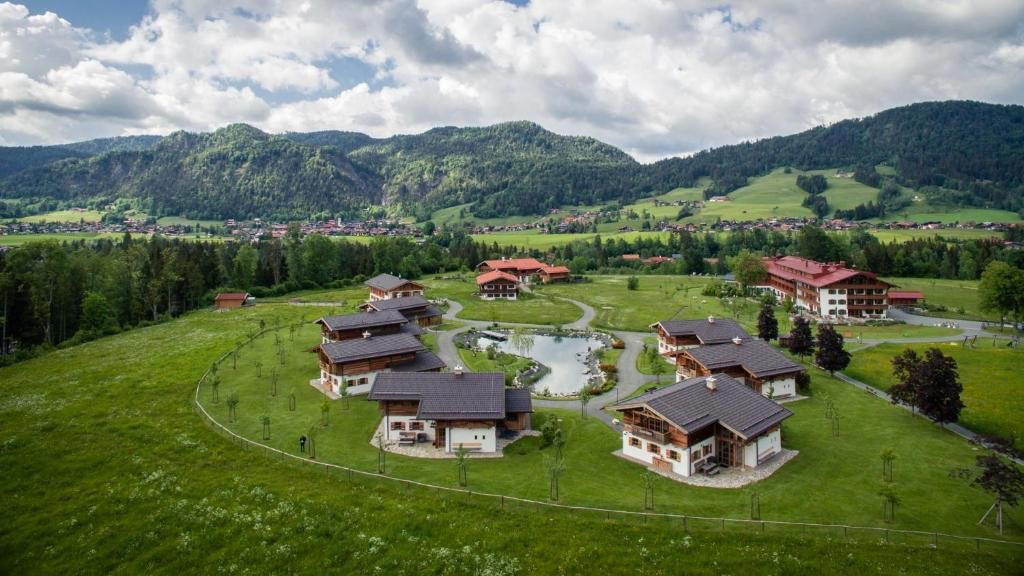
There is a particular mode of alpine eating that no tasting menu in a city hotel can replicate. It depends on altitude, on the smell of cut grass and resinous timber, on a building that has absorbed decades of wood smoke and mountain weather. Huberalm is a traditional Austrian Alpine restaurant at Alm 20, Erpfendorf, Austria. The approach alone signals what kind of place this is: a working alpine Alm in the Kitzbühel Alps, set in terrain where cattle graze through the summer months and the distance between field and kitchen is measured in footsteps rather than logistics chains.
The Kitzbühel Alps have always operated on a different hospitality register than the resort villages that attract international ski tourism a short drive away. The Alm culture here is not a theme; it is an agricultural reality. Huts and farms at this altitude have fed locals, herdsmen, and passing walkers for generations, and the cooking that has emerged from that context is defined almost entirely by what the surrounding land produces rather than by any imported culinary ambition. That is the lens through which Huberalm makes most sense.
Ingredient Sourcing as the Central Argument
In the broader conversation about provenance-led dining in Austria, the discussion often centres on celebrated addresses like Steirereck im Stadtpark in Vienna or Döllerer in Golling an der Salzach, both of which have built nationally recognised programs around sourcing depth and regional identity. What those kitchens demonstrate at a technical and awarded level, Alm dining in the Kitzbühel Alps demonstrates at a more elemental one: the source is not a supplier relationship documented on a menu card, it is the field outside the window.
Alpine Alm kitchens in Tirol have historically drawn from a tight radius of ingredients. Summer-grazed beef and dairy from high-pasture cattle, cured and smoked meats made by the producers themselves, rye and wheat grown in the Inn Valley below, and foraged additions that shift week by week through the short alpine summer. This is not farm-to-table as a marketing position; it is farm-to-table as geographic necessity. The mountains impose a supply logic that has shaped Tirolean cuisine for centuries, and Alm addresses like Huberalm sit inside that logic in a way that purpose-built restaurants cannot easily manufacture.
The Tirolean culinary tradition that contextualises this kind of address is among the more coherent regional food cultures in the German-speaking Alps. Dishes that appear simple on description, cured meats with dark bread, Kasknödel in a clear broth, Tiroler Gröstl with local potatoes and egg, carry centuries of adaptation to altitude and season. They are not rustic by accident; they are rustic by considered necessity, and the leading Alm kitchens serve them with an unselfconsciousness that more formal settings rarely achieve. For a broader picture of how this regional tradition is being interpreted across the spectrum, our full Kirchdorf in Tirol restaurants guide maps the local options in detail.
The Alm Dining Category in Context
Across the Tirolean alps, Alm addresses occupy a distinct tier in the regional hospitality structure. They are neither the polished hotel restaurant nor the village Gasthaus; they are a third category, one where the physical environment and the working agricultural context are as much part of the experience as anything that arrives at the table. Bacheralm, another address in the Kirchdorf in Tirol area, operates within the same category and provides a useful point of comparison for visitors trying to understand what the local Alm offer looks like across different operators.
At the more formal end of alpine dining in the region, addresses like Griggeler Stuba in Lech and Stüva in Ischgl sit within the awarded tier, with Michelin recognition and a price architecture that reflects that positioning. Gourmetrestaurant Tannenhof in Sankt Anton am Arlberg operates similarly, as a hotel-anchored fine dining address with a technical program. Huberalm is not competing in that tier. Its comparable set is the working Alm category, where the judgment criteria are authenticity of setting, quality of local sourcing, and the coherence of the experience with the surrounding landscape rather than cooking technique or wine list depth.
That is not a diminishment. Particularly memorable eating in the alps happens at precisely this register. Addresses like Obauer in Werfen and Landhaus Bacher in Mautern an der Donau have demonstrated for decades that Austrian regional cooking carries genuine depth. The Alm tradition is a different expression of that depth, operating at a more immediate, less mediated level. Visitors who have previously encountered Austrian cooking only through urban fine dining at places like Ikarus in Salzburg or Kräuterreich by Vitus Winkler in Sankt Veit im Pongau will find the Alm register a productive contrast.
Planning Your Visit
Huberalm is located at Alm 20, 6383 Erpfendorf, above Kirchdorf in Tirol in the Kitzbühel Alps. As with most alpine Alm addresses at this altitude, the property is seasonal in character, with the summer months representing the core operating window when high-pasture grazing is active and the surrounding terrain is accessible on foot. Visitors travelling from the Kitzbühel direction or from Waidring will find the area well-connected by regional road, though the final approach to an Alm address of this type typically involves some uphill walking or driving on mountain tracks. Checking directly with the property ahead of a visit is advisable, particularly for early and late season access and to confirm current opening days. No phone or website information is held in public sources at this time, so local enquiry through the Kirchdorf tourism office is one reliable route to current operational details.
The broader Austrian fine dining context is well-documented elsewhere in the EP Club network, from Taubenkobel in Schützen am Gebirge in Burgenland to Schwarzer Adler in Hall in Tirol and Artis in Graz. For those building an itinerary around Austrian regional eating more broadly, Ois in Neufelden and Restaurant 141 by Joachim Jaud in Mieming round out a picture of how contemporary Austrian kitchens are working with regional identity at various formats. The Alm sits at the experiential rather than the technical end of that spectrum, and for visitors whose frame of reference extends to international dining at places like Le Bernardin in New York City or Atomix in New York City, the contrast in register is part of the point.
Comparable Spots, Quickly
Comparable venues nearby, for context on price, style, and recognition.
| Venue | Cuisine | Price | Notes |
|---|---|---|---|
| HuberalmThis venue — the venue you are viewing | Traditional Austrian Alpine | $$ | Not listed |
| Bacheralm | Traditional Tyrolean Alpine Hut | $$ | Kirchdorf in Tirol |
| Hallerwirt | Traditional Austrian Tyrolean | $$ | Aurach bei Kitzbühel |
| Fischerwirt | Traditional Tyrolean | $$ | Walchsee |
| Berghaus Tirol | Tyrolean Alpine Home Cooking | $$ | Hahnenkamm |
| Zottahof | Authentic Tyrolean | $$ | Alpbach |
Continue exploring
More in Kirchdorf In Tirol
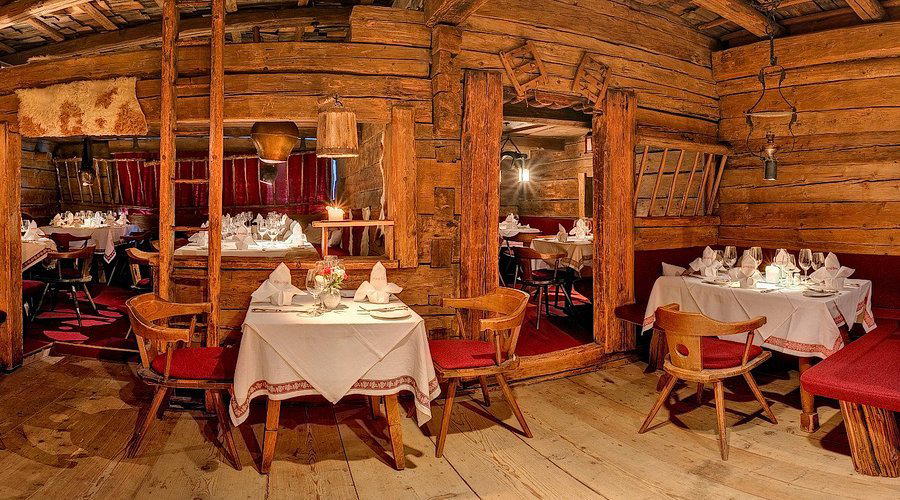
Restaurants in Kirchdorf In Tirol
Browse all →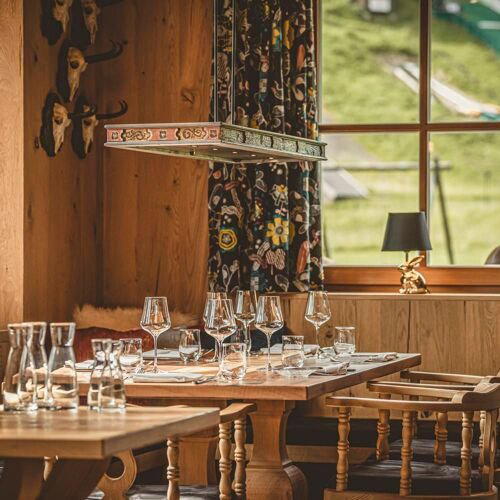
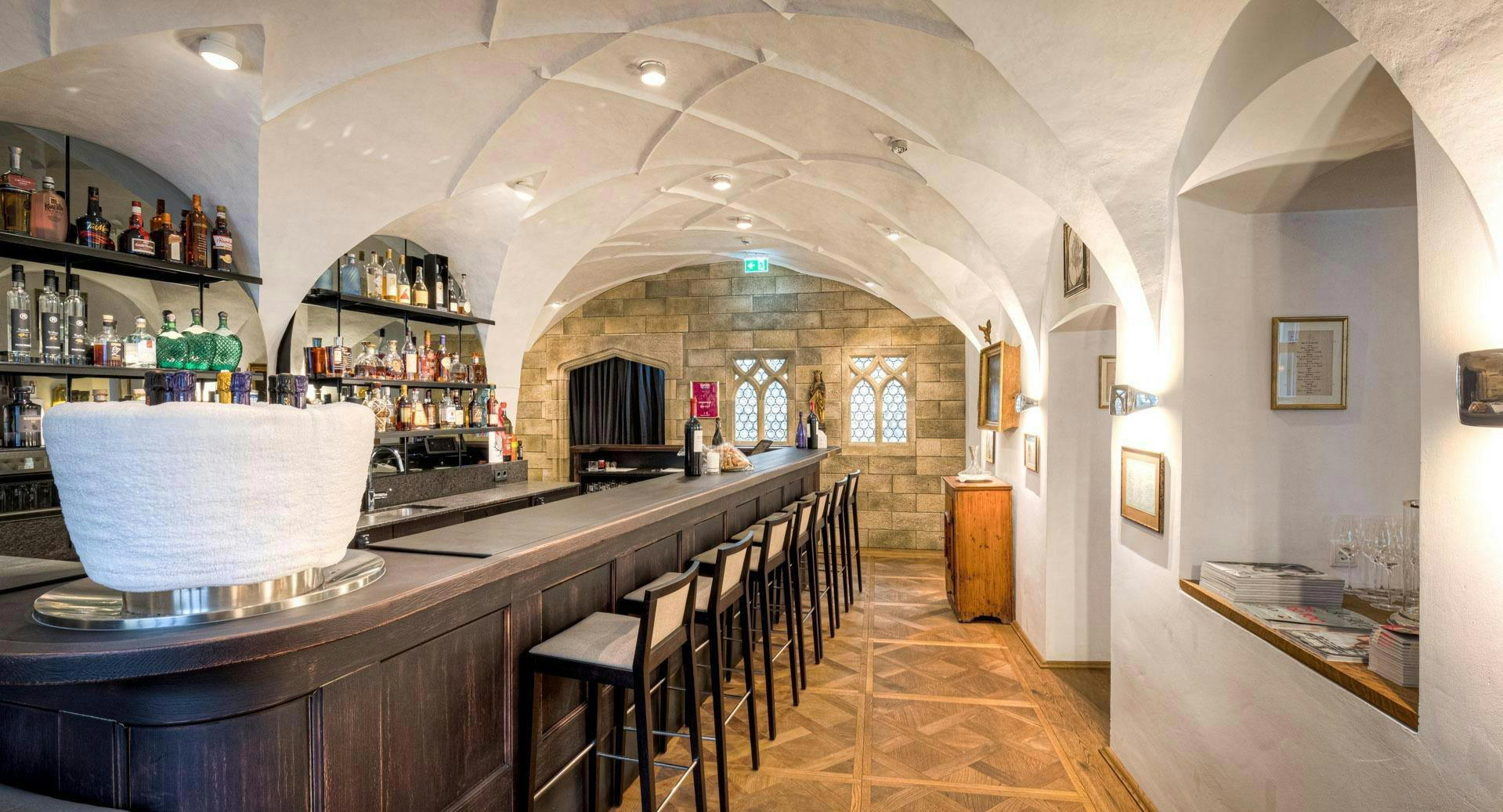
Bars in Kirchdorf In Tirol
Browse all →


At a Glance
- Rustic
- Cozy
- Scenic
- Casual Hangout
- Special Occasion
- Terrace
- Panoramic View
- Local Sourcing
- Mountain
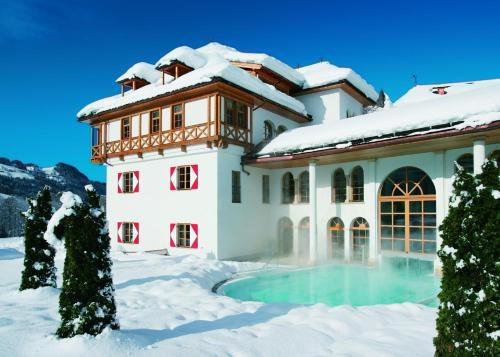
Rustic and cozy alpine atmosphere with terrace enjoying far-reaching mountain scenery.