A Lienz address on Rosengasse 19 where the dining ritual follows the unhurried rhythms of East Tyrolean tradition. Rose Lienz Hoagascht sits in a city that punches above its size for regional Austrian dining, drawing visitors who treat the Dolomite-flanked town as a destination rather than a waypoint. For those arriving with an appetite for local custom, it rewards patience and curiosity in equal measure.
Pearl is the En Primeur Club membership app — saves, bookings, and concierge access live there. Same editors, same standards.
- Address
- Rosengasse 19, 9900 Lienz, Austria
- Phone
- +436764051660
- Directions
- Get directions
 Saves & bookings on Pearl
Approaching the Table in East Tyrol
Lienz occupies a particular position in the Austrian dining conversation. Surrounded on three sides by the Dolomites and sitting at the confluence of the Isel and Drau rivers, it is a market town that has long supported a dining culture tied closely to agricultural seasons and mountain-community customs. Restaurants here do not compete on the same axis as their counterparts in Vienna or Salzburg. Where establishments like Steirereck im Stadtpark in Vienna or Ikarus in Salzburg chase international recognition and modernist technique, Lienz venues tend to anchor themselves in a different register: the Stubenkultur of communal eating, local provenance, and the kind of pacing that assumes no one is in a hurry.
Rose Lienz Hoagascht, at Rosengasse 19 in Lienz, operates within this tradition. The name itself is instructive: Hoagascht is an East Tyrolean dialect term for a gathering, a sitting-together, the kind of sociable occasion that unfolds over several courses and considerable time. That linguistic signal matters. It sets an expectation for how the meal is meant to proceed before a single dish arrives.
The Ritual of Sitting Down Together
Austrian regional dining, particularly in Tyrol and East Tyrol, follows customs that differ meaningfully from the more internationally legible formats found at celebrated houses like Griggeler Stuba in Lech or Stüva in Ischgl. There, tasting menus with precise progression and wine pairing have become the dominant grammar. In East Tyrol, the grammar is older and less formal: shared boards, house-made preserved items, bread that arrives without ceremony, and a rhythm set by the kitchen rather than a printed menu with course numbers.
The Hoagascht format, in its traditional sense, is closer to a wine-country gathering than a restaurant meal. Guests settle in, something to drink arrives, and food follows in a cadence that mirrors social time rather than kitchen efficiency. This is not slowness for its own sake but a genuine cultural inheritance from communities where the evening meal was the social anchor of the day. For visitors arriving from cities where dining rooms turn tables every ninety minutes, the adjustment is not always instinctive, but it is worth making.
Lienz's position as a gateway to the Carnic Alps and East Tyrolean hinterland means its dining venues draw from a supply network that larger Austrian cities cannot easily replicate. Alpine dairy, cured meats from valley farms, river fish from the Isel system, and foraged ingredients from the surrounding forests are part of the local pantry. How that pantry is deployed varies by establishment. Alongside Rose Lienz Hoagascht, venues like Moarhofstüberl and Osttiroler Gaumengaudi anchor this local supply chain differently, the former leaning into traditional farmhouse cooking, the latter emphasizing regional character with a more contemporary presentation. Soul Food Bike represents yet another register in the local scene, a casual outdoor format that speaks to the town's growing mountain-sport visitor base.
Reading the Room: What the Setting Communicates
Rosengasse is one of Lienz's quieter old-town streets, set back from the more trafficked pedestrian zones near the Hauptplatz. An address here signals a certain intentionality. Venues on less prominent streets in Austrian market towns tend to rely on reputation and return custom rather than foot traffic, which shapes both their clientele and their operating rhythm. The expectation at a venue with this kind of address is that guests arrive knowing where they are going, having either made a reservation or at least done some advance research. Walk-ins are possible in quieter seasons, but the approach of planning ahead applies to most serious dining in the region.
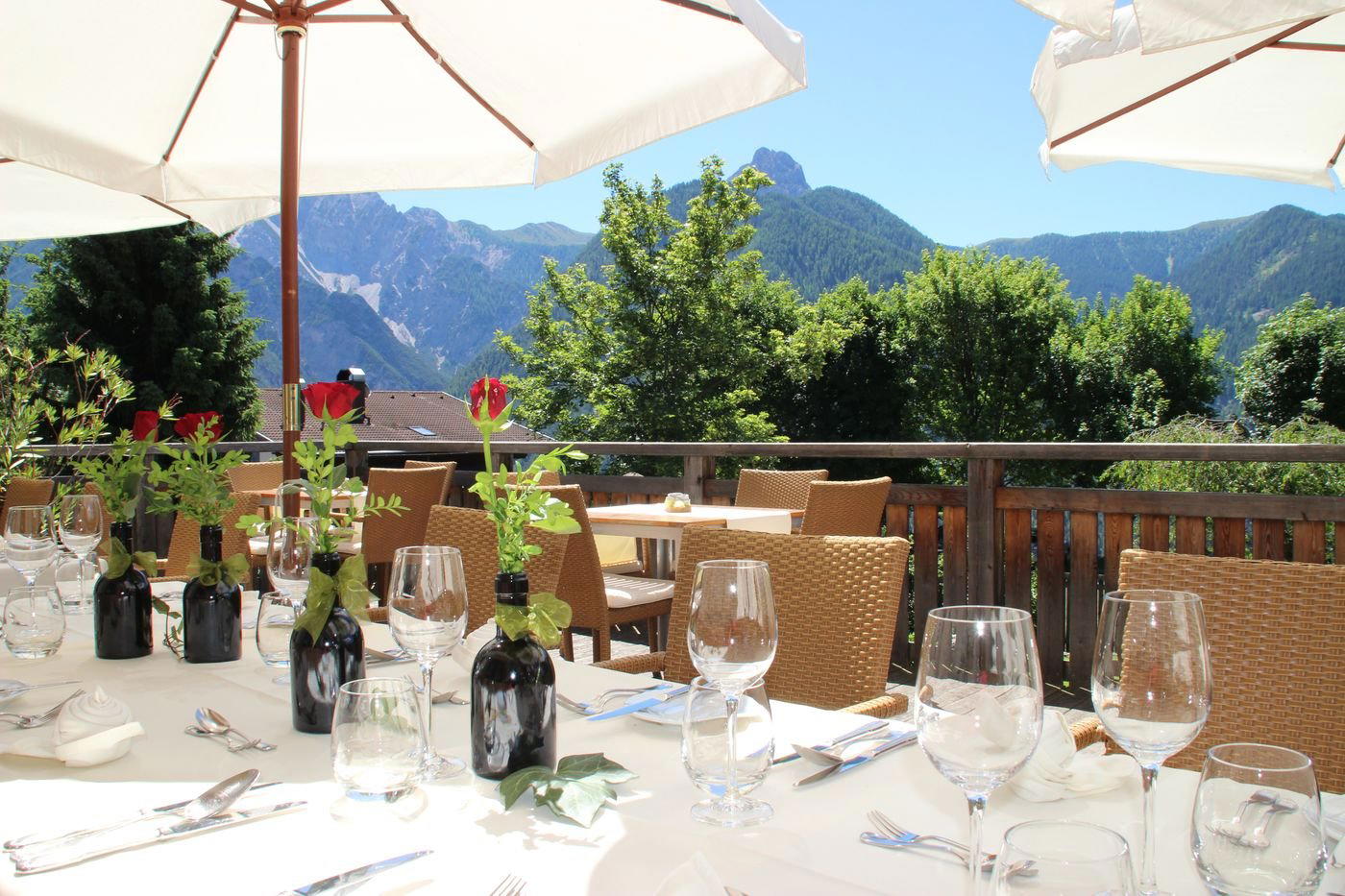
This contrasts with the mountain resort dining model found at places like Gourmetrestaurant Tannenhof in Sankt Anton am Arlberg or Restaurant 141 by Joachim Jaud in Mieming, where the captive resort audience and seasonal tourism peaks define the dining calendar. Lienz operates on a more distributed annual rhythm, with hiking season in summer, skiing at nearby Hochstein and Zettersfeld in winter, and shoulder periods where the town reverts to something closer to its market-town character. Timing a visit to Rose Lienz Hoagascht accordingly matters: summer evenings extend the social hour, and the old town carries a different quality of light and atmosphere than the compressed winter daylight.
Placing Lienz in the Broader Austrian Dining Conversation
Austria's most decorated regional dining addresses tend to cluster in Salzburgerland and western Tyrol, with destinations like Obauer in Werfen, Döllerer in Golling an der Salzach, Landhaus Bacher in Mautern an der Donau, Kräuterreich by Vitus Winkler in Sankt Veit im Pongau, Schwarzer Adler in Hall in Tirol, and Ois in Neufelden drawing the kind of awards attention that pulls destination diners. East Tyrol, by contrast, has not historically been part of that formal recognition circuit. What it offers instead is a dining culture that has developed somewhat insulated from the pressures of guide-hunting and international comparison, which can be either a limitation or a quality, depending on what you are looking for.
For context on how differently the upper tier of dining can operate, consider that venues like Le Bernardin in New York City or Atomix in New York City operate in a state of constant critical scrutiny, where every plate is measured against an international comparable set. The community-scale dining of East Tyrol asks a different question of its kitchens: not how this dish compares to peers in other capitals, but whether it faithfully represents the place and the season it comes from. The restaurant sits squarely in that second register.
The restaurant is located at Rosengasse 19, 9900 Lienz, and the venue is walk-in friendly.
- Wiener Schnitzel
- Kaiserschmarrn
- Kasnocken
- Schlipfkrapfen
- Polentakrapfen
- Schottsuppe
Cuisine-First Comparison
Comparable venues nearby, for context on price, style, and recognition.
| Venue | Cuisine | Price | Notes |
|---|---|---|---|
| Rose Lienz HoagaschtThis venue — the venue you are viewing | Traditional Austrian | $$ | Not listed |
| Osttiroler Gaumengaudi | East Tyrolean Cuisine | $$ | Lienz |
| Soul Food Bike | Vegan Soul Food Wraps | $ | Hauptplatz |
| Moarhofstüberl | Tyrolean À La Carte | $$ | Lienz |
| Jedermann's | Austrian | $$ | Innsbruck city center |
| Bassgeiger-Alm | Traditional Austrian Alpine | $$ | St Johann In Tirol |
Continue exploring
More in Lienz
Restaurants in Lienz
Browse all →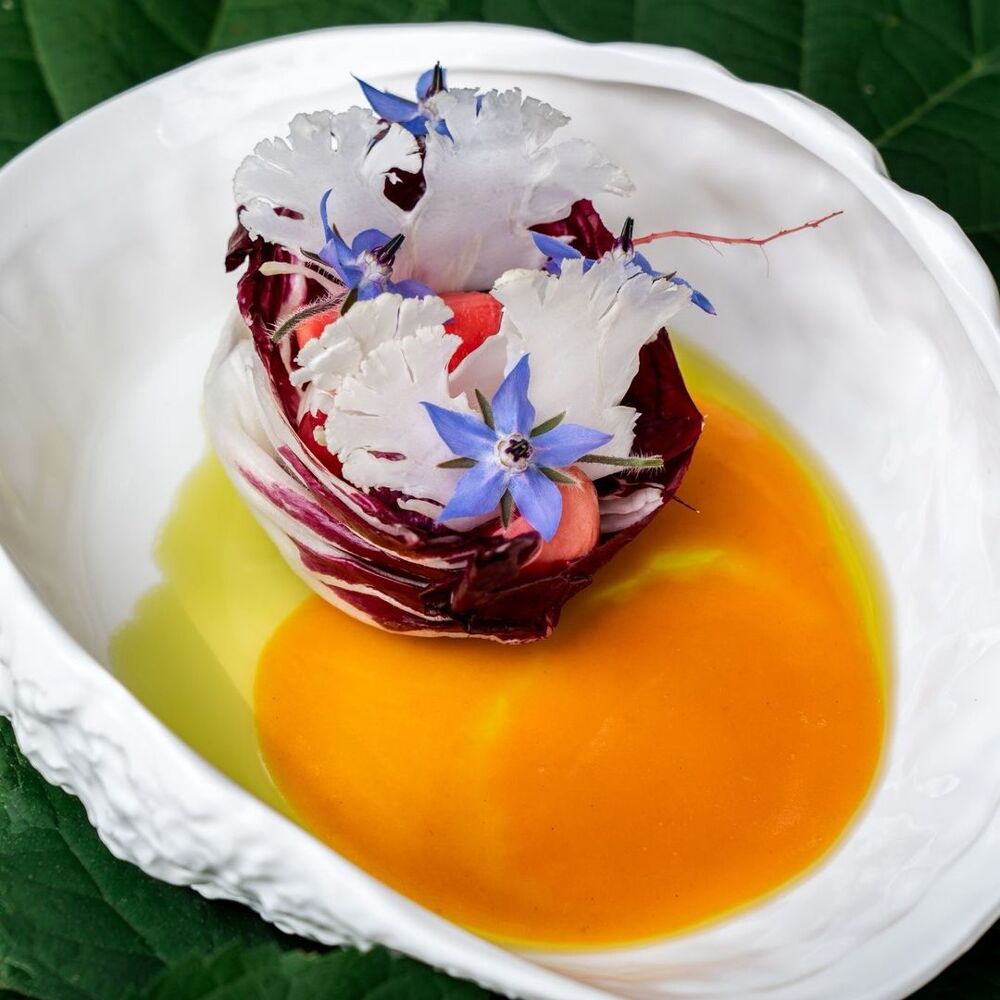
Bars in Lienz
Browse all →
Hotels in Lienz
Browse all →
Wineries in Lienz
Browse all →
At a Glance
- Cozy
- Rustic
- Lively
- Group Dining
- Casual Hangout
- Celebration
- Live Music
- Local Sourcing
Current opening hours
- Monday
- 9:30 AM–7 PM
- Tuesday
- 9:30 AM–7 PM
- Wednesday
- 9:30 AM–7 PM
- Thursday
- 9:30 AM–7 PM
- Friday
- 9:30 AM–7 PM
- Saturday
- 9:30 AM–7 PM
- Sunday
- Closed
Hours can change for holidays and private events. Last verified .
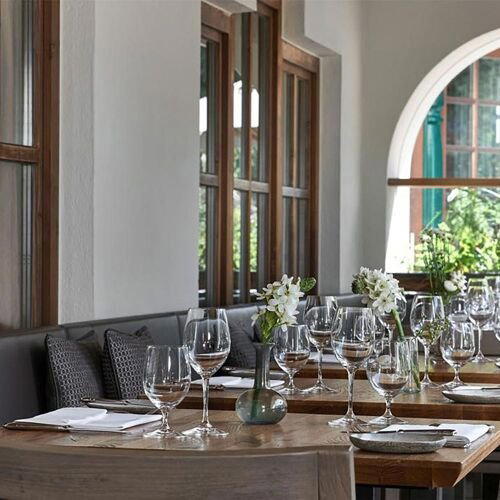
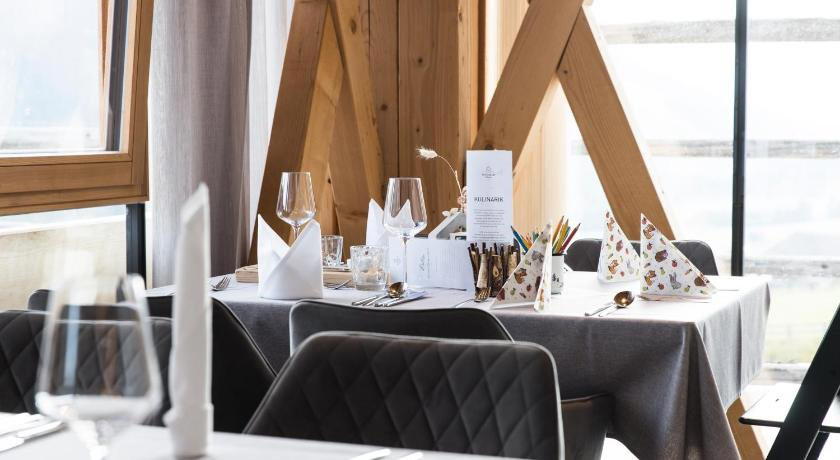
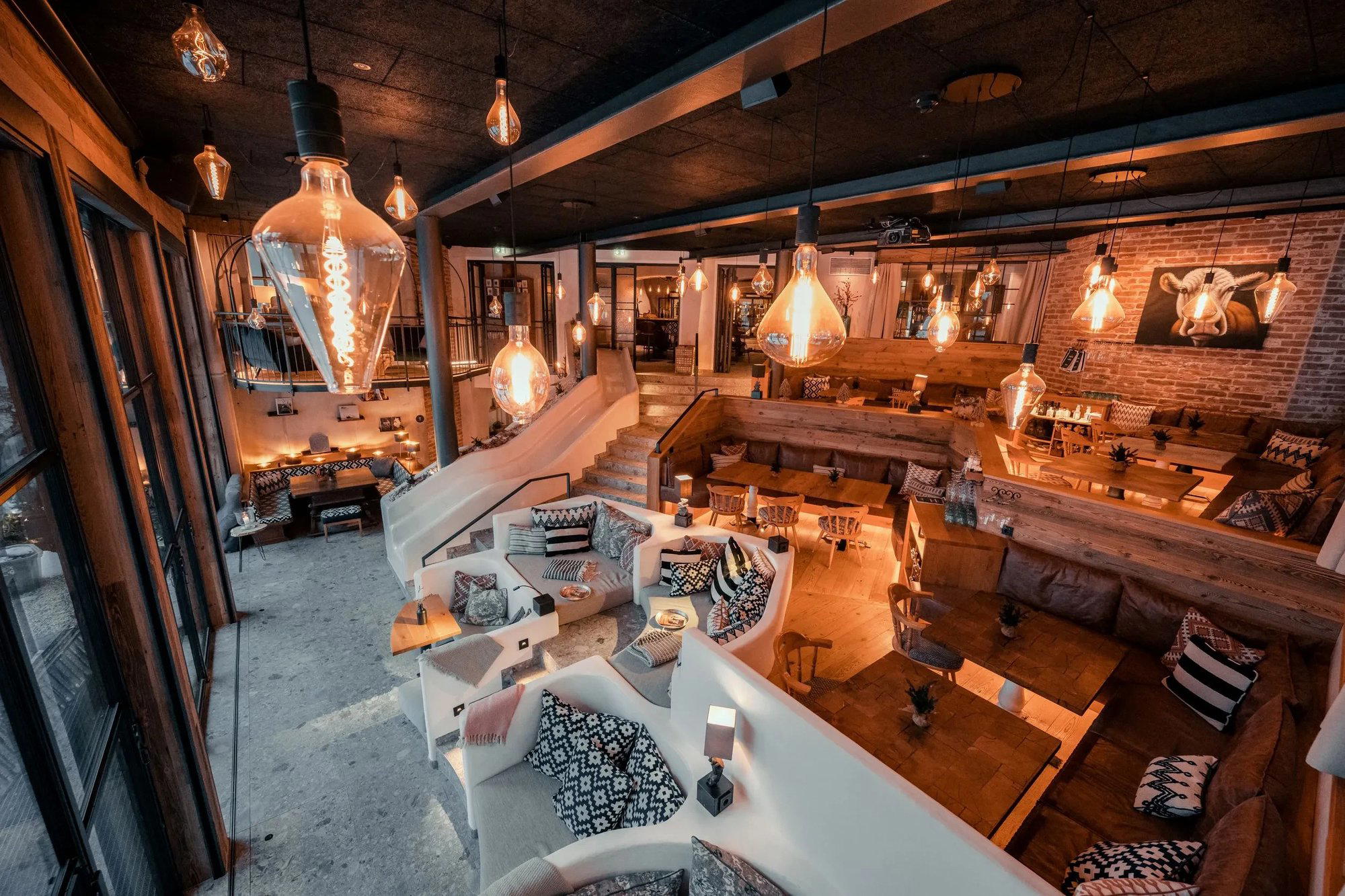
Warm and welcoming cozy atmosphere celebrating East Tyrolean heritage with traditional folk music performances and lively cultural events.