Rauter Stube

Rauter Stube pairs East Tyrolean regional fine dining with a leisurely, quiet service pace, an extensive wine list, and Michelin Plate recognition from 2024 through 2026.
Pearl is the En Primeur Club membership app — saves, bookings, and concierge access live there. Same editors, same standards.
- Address
- Rauterpl. 3, 9971 Matrei in Osttirol
- Phone
- +43 664 4139618
- Website
- rauterstube.at
- Directions
- Get directions
 Saves & bookings on Pearl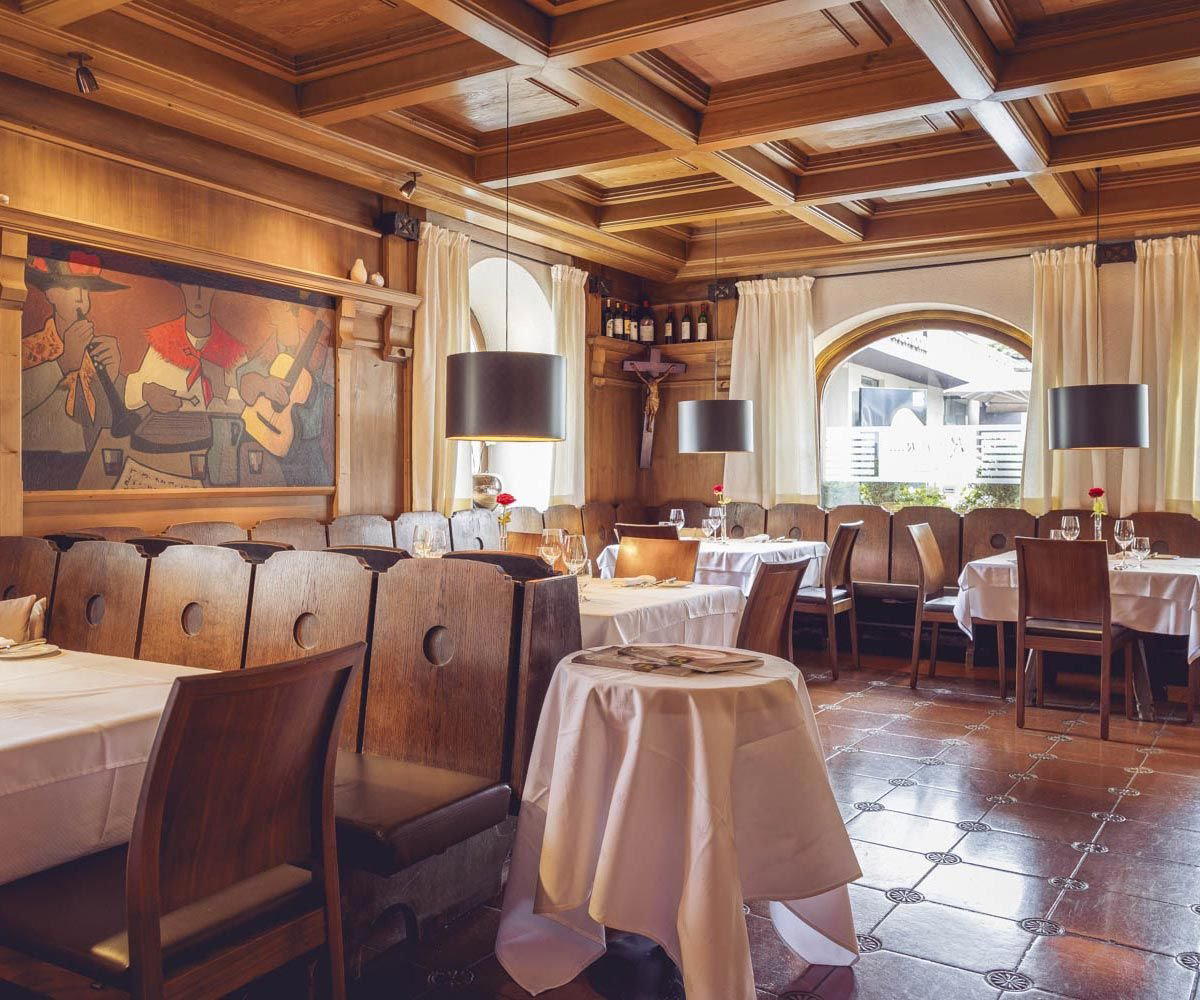
A Stube That Earns Its Reputation in the Heart of the Alps
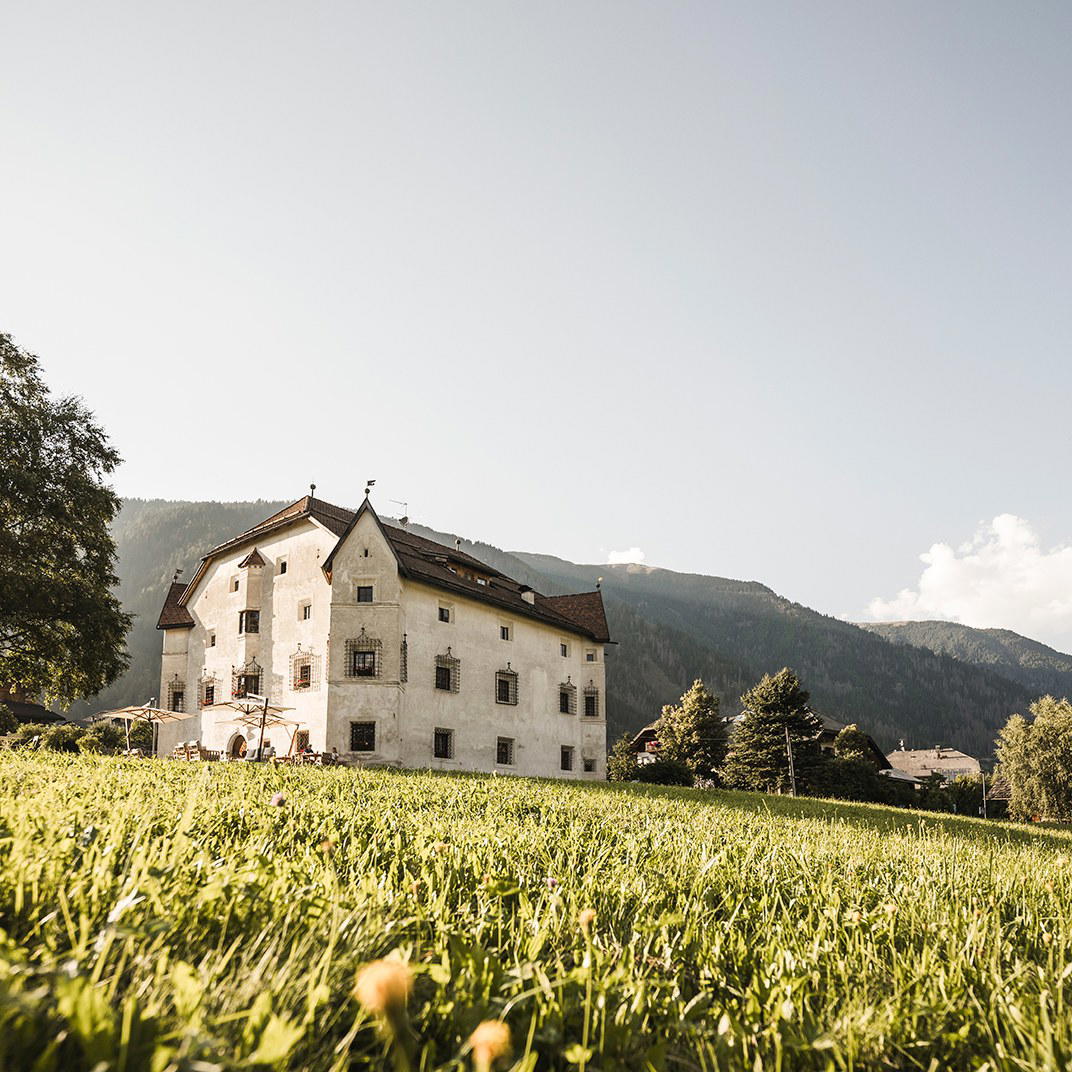
Walking into Rauter Stube at Rauterplatz 3 in Matrei in Osttirol, the interior does most of the persuading before a single dish arrives. Old paintings line the walls, wood panelling absorbs the Alpine light, and a tiled stove anchors the room with the kind of presence that takes generations to accumulate. The table settings are carefully laid rather than fussily arranged, and the overall effect is one of refined rusticity: formal enough to signal that the kitchen takes itself seriously, relaxed enough that you forget to check the time. This is a room shaped by accumulated history, and that history creates a frame around everything served inside it.
From the Soil and Sea to the Stubenl Tisch
Austria’s mountain restaurants have long faced a structural tension in their kitchens. The landlocked geography of Tyrol demands either an unwavering commitment to regional produce or an acknowledgement that certain ingredients, turbot from the Atlantic, for instance, must be sourced from further afield. Rauter Stube takes the second route with discipline rather than apology. The kitchen, under Max van Triel, treats imported produce as a complement to the Alpine base rather than a replacement for it. Spinach, horseradish, and hazelnut read as clearly regional inflections, drawn from the kind of cultivated hillside and valley floor agriculture that has fed the Hohe Tauern region for centuries. The lemon ravioli alongside pan-fried turbot fillet places a Mediterranean citrus note inside a framework that otherwise reads as central European: the sourcing is wide, but the flavour logic remains coherent and grounded.
That attention to provenance is most legible in the kitchen’s treatment of classic Austrian dishes. The Wiener schnitzel on the menu is not offered as a concession to tourist expectation but as evidence that regional identity still holds weight when the sourcing is right. The quality of a schnitzel is almost entirely a function of the veal: its breed, its feed, and how recently it was butchered. Matrei’s proximity to farms in the Virgental and Iseltal valleys gives kitchens in this area a logistical advantage over urban restaurants sourcing across longer supply chains. That geography is an asset that Rauter Stube has consistently used.
Michelin Recognition in a Mountain Context
Michelin’s 2025 Plate award for Rauter Stube reflects a pattern visible across Tyrol’s dining scene: inspectors recognising the integrity of regionally rooted cooking even when it operates far outside the major culinary centres. Comparisons to the top end of the Austrian dining hierarchy, places like Steirereck im Stadtpark in Vienna or Döllerer in Golling an der Salzach, belong to a different conversation entirely. Those are €€€€ operations with large teams, multi-course tasting architectures, and national-scale press profiles. The restaurant operates at €€, a price point that positions it as an accessible local institution rather than a destination tasting counter.
The Michelin Plate places it in a peer group that includes other dedicated regional operations across the Alps: Gannerhof in Innervillgraten and Fahr in Künten-Sulz share a similar profile of family-run integrity at mid-range prices. In the Tyrolean mountain segment specifically, the recognition is significant because these restaurants must work harder to draw inspectors out of urban circuits. Holding a Plate while running a full hotel operation simultaneously, which the Rauter does through Hotel Rauter on the same site, requires a consistency that larger standalone restaurants sometimes struggle to match.
The Wine List as a Second Editorial Voice
Michael Obwexer, who runs the front of house, brings a specific enthusiasm to the wine program that extends well beyond house-selection functionality. His focus spans Austrian, Italian, and French estates, a triangulation that mirrors the kitchen’s own sourcing logic: locally grounded, but not parochial. In a room that could easily default to a short regional list and call it a day, the breadth of the wine program signals genuine investment. Austrian Grüner Veltliner and Blaufränkisch appear alongside French and Italian selections rather than as the entire story. For a mid-mountain restaurant at the €€ tier, the quality of the wine recommendations is a differentiating factor in ways that menu design alone cannot replicate. The informal service described by Michelin is a feature here, not a limitation: Obwexer’s recommendations read as considered rather than scripted, which aligns with the room’s general refusal to perform formality for its own sake.
Format, Booking, and When to Go
Diners can choose between a tasting menu and à la carte, which gives the kitchen flexibility to serve both visitors who want a structured progression through the menu and those who prefer to anchor a meal around a single well-sourced main. For a restaurant working at this price point in a seasonal Alpine town, that dual format is operationally sensible. Matrei in Osttirol draws visitors across the summer hiking season and the winter skiing period, and the kitchen’s ability to serve both a schnitzel order and a full tasting sequence within the same service speaks to how the restaurant functions as a genuine local anchor rather than a pop-up fine dining concept.
The restaurant sits at Rauterplatz 3, in the old town core of Matrei, easily reachable on foot from most accommodation in the village. Guests staying at Hotel Rauter have direct access. Booking ahead is advisable, particularly for dinner during the summer and winter high periods. For those arriving from further afield across Tyrol, the regional dining context is worth mapping: Gourmetrestaurant Tannenhof in Sankt Anton am Arlberg and Griggeler Stuba in Lech represent the higher-end Michelin-starred tier of Alpine Tyrolean dining, while the restaurant occupies a distinct and more useful position as a reliable, character-rich middle tier. Other Austrian comparisons worth knowing include Ikarus in Salzburg, Kräuterreich by Vitus Winkler in Sankt Veit im Pongau, Obauer in Werfen, Ois in Neufelden, Restaurant 141 by Joachim Jaud in Mieming, and Schwarzer Adler in Hall in Tirol.
Matrei’s Dining Scene in Brief
Matrei in Osttirol is a small Alpine town with a dining scene that punches above its population size, largely because of its role as a gateway to the Hohe Tauern National Park. The restaurant is the Michelin-recognised anchor of that scene, but it sits within a cluster of options worth knowing. Saluti offers a modern cuisine contrast within the same town.
What Dish Is Rauter Stube Famous For?
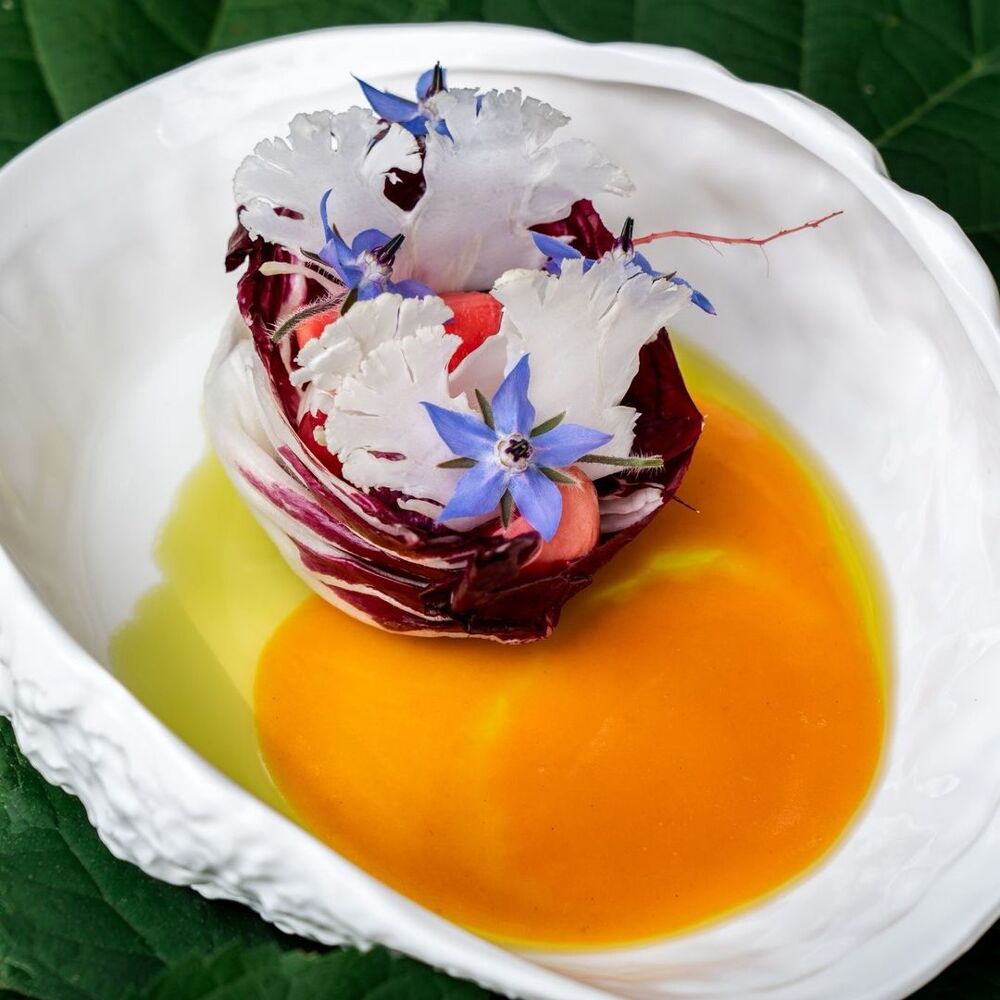
The restaurant is most closely associated with two preparations that sit at opposite ends of its menu logic. The classic Wiener schnitzel represents the restaurant’s commitment to Austrian regional tradition, while the pan-fried fillet of turbot with spinach, horseradish, hazelnut and lemon ravioli signals the kitchen’s capacity for more technically ambitious, cross-sourced cooking. Both dishes carry Michelin Plate recognition as part of the 2025 award citation, with the kitchen’s ability to deliver flavourful results across both registers central to that acknowledgement. The tasting menu provides the structured context in which the kitchen’s full range is most legible, though à la carte orders built around either anchor dish hold up equally well as a visit format.
Comparison Snapshot
Comparable venues nearby, for context on price, style, and recognition.
| Venue | Cuisine | Price | Awards | Notes |
|---|---|---|---|---|
| Rauter StubeThis venue — the venue you are viewing | East Tyrolean Regional Fine Dining | $$$ | Michelin Plate | Not listed |
| Restaurant Outside | Modern East Tyrolean Austrian | $$ | Not listed | Matrei in Osttirol |
| Saluti | Modern Alpine-Italian | $$ | Bib Gourmand | Matrei in Osttirol |
| MONTE DinnerClub | Modern Premium Soul Food | $$$ | Not listed | Matrei in Osttirol |
| Winterstellgut | Traditional Austrian Alpine Cuisine | $$$ | Michelin Plate | Annaberg im Lammertal |
| Meissl & Schadn | Traditional Austrian Brasserie | $$$ | Michelin Plate | Linke Altstadt |
Recognition history
Dated appearances from independent guides and award organizations, with the underlying list record or original source where available.
Michelin Plate
Michelin
Michelin Plate
Michelin
Michelin Plate
Michelin
Continue exploring
More in Matrei in Osttirol
Restaurants in Matrei in Osttirol
Browse all →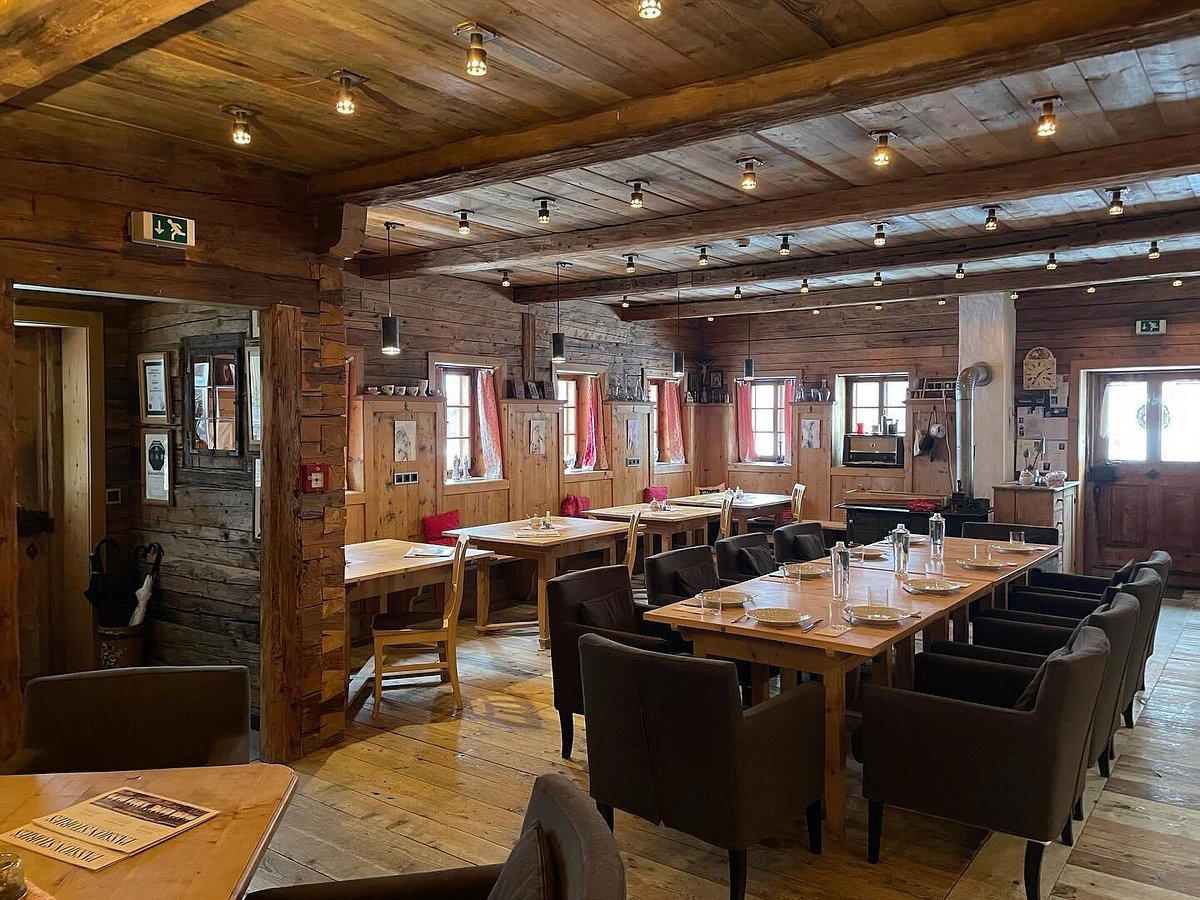
Bars in Matrei in Osttirol
Browse all →

At a Glance
- Rustic
- Cozy
- Elegant
- Classic
- Special Occasion
- Date Night
- Historic Building
- Hotel Restaurant
- Extensive Wine List
- Local Sourcing
Refined rustic decor featuring old paintings, wood panelling, and a tiled stove, creating a charming and elegant atmosphere with beautifully laid tables.