Moar in Grünbach
Moar in Grünbach sits in the agricultural heartland of Upper Austria, where the rhythms of rural Gunskirchen inform a dining experience rooted in regional produce and farmhouse tradition. In a country where ingredient provenance has become a marker of seriousness, this address operates close to its sources. Travellers crossing Upper Austria for the table find a setting that prioritises what grows and is raised nearby over imported convention.
Pearl is the En Primeur Club membership app — saves, bookings, and concierge access live there. Same editors, same standards.
- Address
- Grünbach 13, 4623 Gunskirchen, Austria
- Phone
- +434372466214
- Website
- moar-in-gruenbach.at
- Directions
- Get directions
 Saves & bookings on Pearl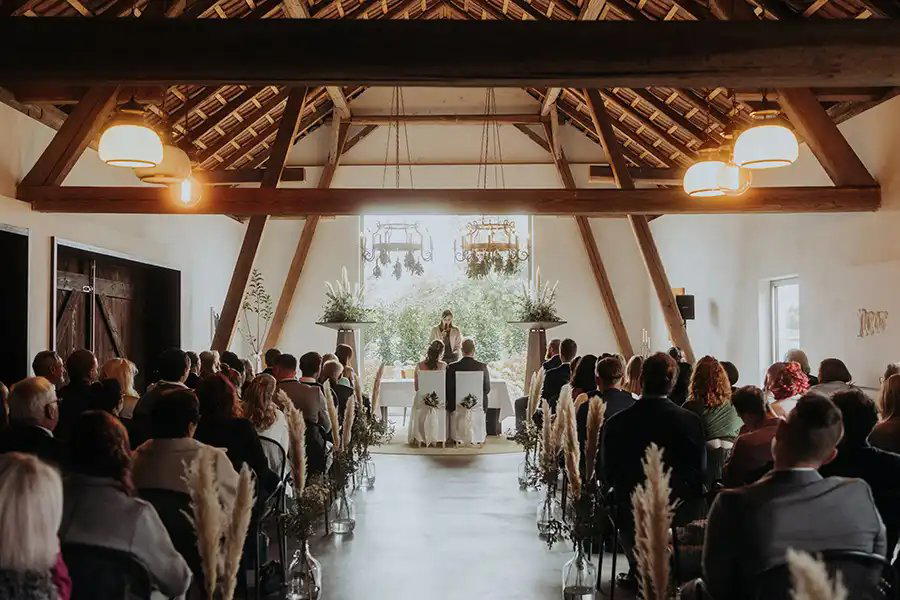
Where Upper Austria's Farmland Meets the Table
Upper Austria's dining scene occupies an unusual position in the national conversation. The country's critical attention clusters around Vienna, where Steirereck im Stadtpark anchors the capital's premium tier, and the alpine corridors of Salzburg and Tyrol, home to addresses such as Döllerer in Golling an der Salzach and Ikarus in Salzburg. What gets less attention is the quieter agricultural middle: the rolling terrain of the Hausruckviertel, where kitchens have traditionally drawn their menus from what surrounds them rather than what arrives by freight. Moar in Grünbach is a restaurant in Gunskirchen, Austria, at Grünbach 13, serving Traditional Austrian Regional cooking.
Griggeler Stuba and Stüva. It is a market town in the Wels-Land district, set among pasture and arable land that has fed the region for generations. That geographic context is not incidental to what Moar in Grünbach represents. In Austria, the word Moar, derived from the old Bavarian term for a farmstead manager or yeoman farmer, carries weight. It signals a relationship with land and livestock that predates the modern restaurant concept entirely. An establishment bearing that name in a rural Gunskirchen address is making a statement about where its loyalties lie.
The Logic of Sourcing in the Hausruckviertel
The ingredient-sourcing framework that shapes Austrian regional cooking has become more visible over the past decade. Across the country, kitchens that once imported ingredients for prestige reasons have recalibrated toward domestic producers. Landhaus Bacher in Mautern an der Donau is one example of a long-standing regional house that built its reputation on knowing its local growing conditions intimately. Kräuterreich by Vitus Winkler in Sankt Veit im Pongau takes herb cultivation to a programmatic level. What distinguishes the Upper Austrian approach is less theatrical than those alpine herb-garden concepts; it tends toward the practical and the unglamorous, dairy from neighbouring farms, pork from local breeds, root vegetables that reflect the season rather than the trend.
The Hausruckviertel is well-positioned for this kind of sourcing. The district's combination of pasture land, small-scale arable farming, and proximity to waterways creates a supply environment that favours a kitchen with genuine local roots. For a venue operating under the Moar name in Grünbach, that proximity to primary producers is a structural fact of the address. Compare this with alpine-focused peers like Gourmetrestaurant Tannenhof in Sankt Anton am Arlberg or Obauer in Werfen, where the terrain shapes the menu in different but analogous ways, and the principle of geographic specificity in sourcing becomes clear as a throughline in Austrian serious cooking.
The Physical Setting and What It Communicates
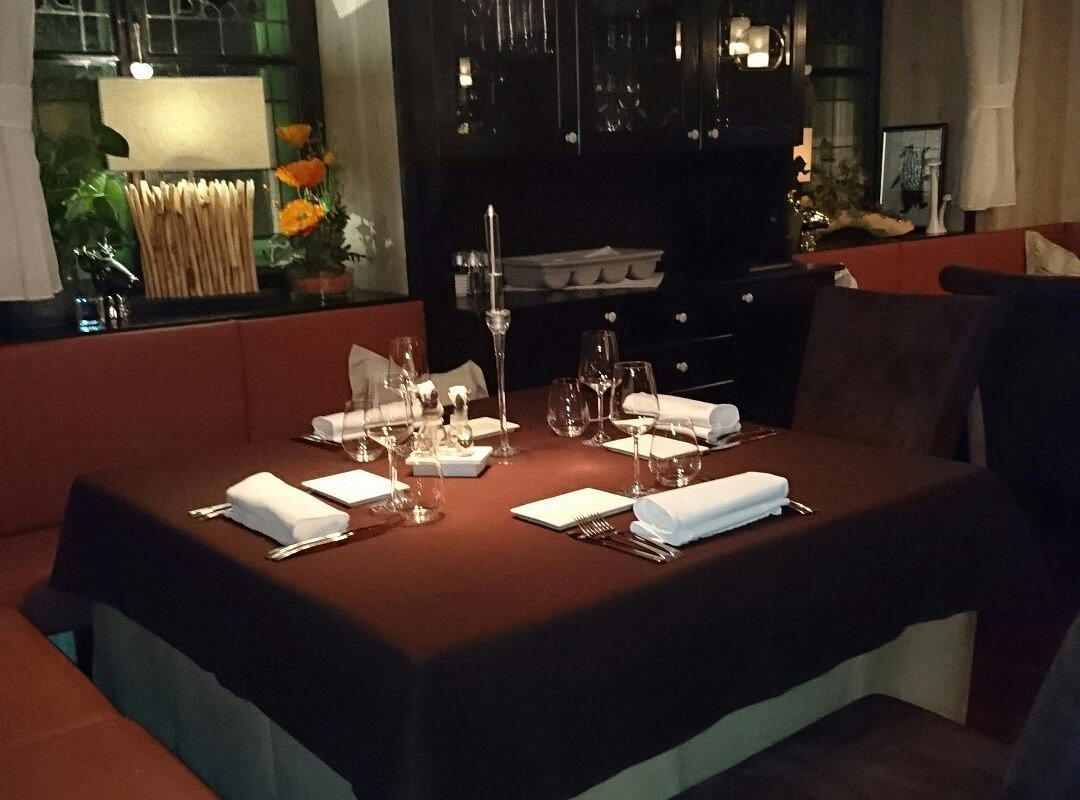
Approaching Grünbach 13 in agricultural Upper Austria, the environment communicates before the interior does. Rural farmhouse settings in this part of Austria tend toward the functional and the enduring rather than the designed: stone, timber, low-ceilinged rooms that retain heat, a relationship with the land visible through the window rather than evoked through the decor. This physical character places venues like Moar in Grünbach in a different register from the polished alpine resort restaurants or the curated wine-country estates of Burgenland, where Taubenkobel in Schützen am Gebirge has built a reputation on design and setting as much as the table.
In the Gunskirchen context, the setting is part of the proposition. Guests who make the drive to a rural farmstead address outside a regional market town are not expecting the visual grammar of a city fine-dining room. They are coming because the address is the argument: this is where the ingredients originate, where the traditions are intact, and where the distance from urban food culture is a feature rather than a limitation. That logic echoes, in a quieter register, the same editorial instinct behind destinations like Ois in Neufelden and Atelier Fischer in Sankt Gilgen, both of which operate in Austrian towns that are not obvious dining destinations but reward the trip precisely because of that.
Where This Sits in the Austrian Regional Picture
Austria's regional restaurant map rewards travellers willing to move beyond the obvious clusters. The corridor from Salzburg to Vienna along the A1 contains most of the country's internationally visible fine dining, but it also passes through Upper Austria, a region whose contributions to Austrian food culture are grounded in substance over profile. Addresses working in the Gunskirchen and Wels area sit in a comparable set defined less by Michelin brackets and more by the quality of their agricultural relationships and the consistency of their regional cooking.
For context on how Austria's most serious kitchens handle the sourcing and regional identity question at the highest level, the contrast with Schwarzer Adler in Hall in Tirol, Artis in Graz, or the internationally recognised format of Restaurant 141 by Joachim Jaud in Mieming is instructive. Each of those addresses operates within a recognisable fine-dining framework, where credentials, tasting menus, and wine programs are part of the expected structure. The restaurant operates at a different altitude entirely: the kind of place where the argument for quality is made through the integrity of the raw material rather than through the architecture of the meal.
Atomix in New York City or the classical rigour of Le Bernardin, Gunskirchen will read as a different register entirely, and deliberately so. What Upper Austrian farmhouse dining offers is specificity of place, directness of sourcing, and a cooking tradition that has not required external validation to persist.
Planning a Visit
Gunskirchen sits approximately 10 kilometres southwest of Wels and is accessible by road from the A1 motorway. Travellers coming from Salzburg or Vienna will pass through or near the district on the main western corridor. Reservations are recommended.
Comparable Spots, Quickly
Comparable venues nearby, for context on price, style, and recognition.
| Venue | Cuisine | Price | Notes |
|---|---|---|---|
| Moar in GrünbachThis venue — the venue you are viewing | Traditional Austrian Regional | $$ | Not listed |
| Gasthof zur Kanne | Traditional Austrian Gast Haus | $$ | Markt Sankt Florian |
| Hotel Restaurant Krone | Traditional Austrian with Regional Specialties | $$ | Mondsee town center |
| Lärchbodenalm | Traditional Austrian Alpine | $$ | Ramsau am Dachstein |
| Brandalm | Traditional Austrian Alpine | $$ | Ramsau am Dachstein |
| Latschenwirt | Austrian Gastropub | $$ | Grossgmain |
Continue exploring
More in Gunskirchen
Restaurants in Gunskirchen
Browse all →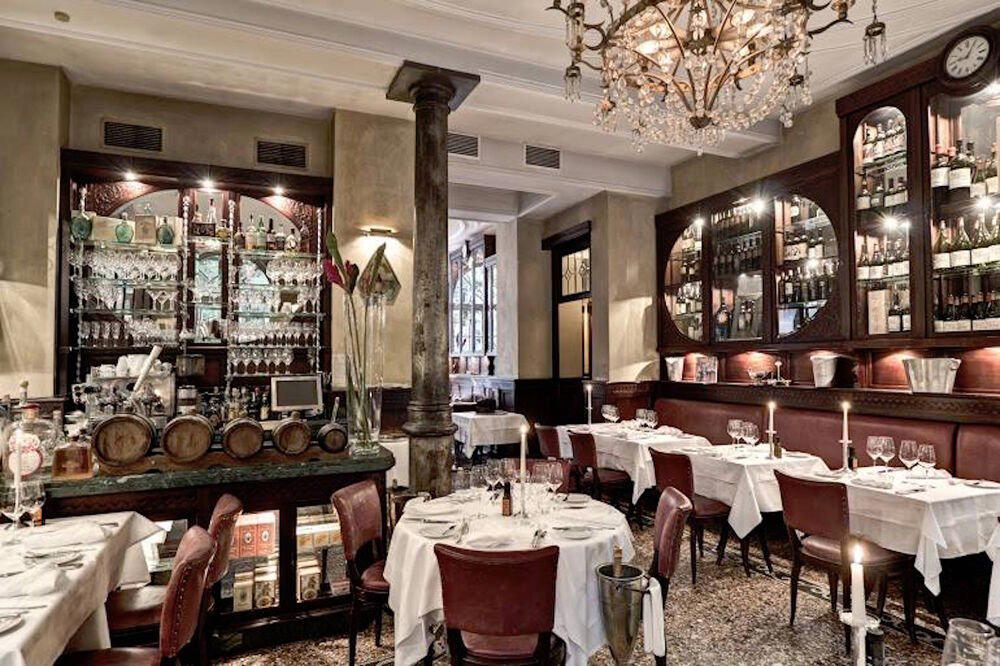
Bars in Gunskirchen
Browse all →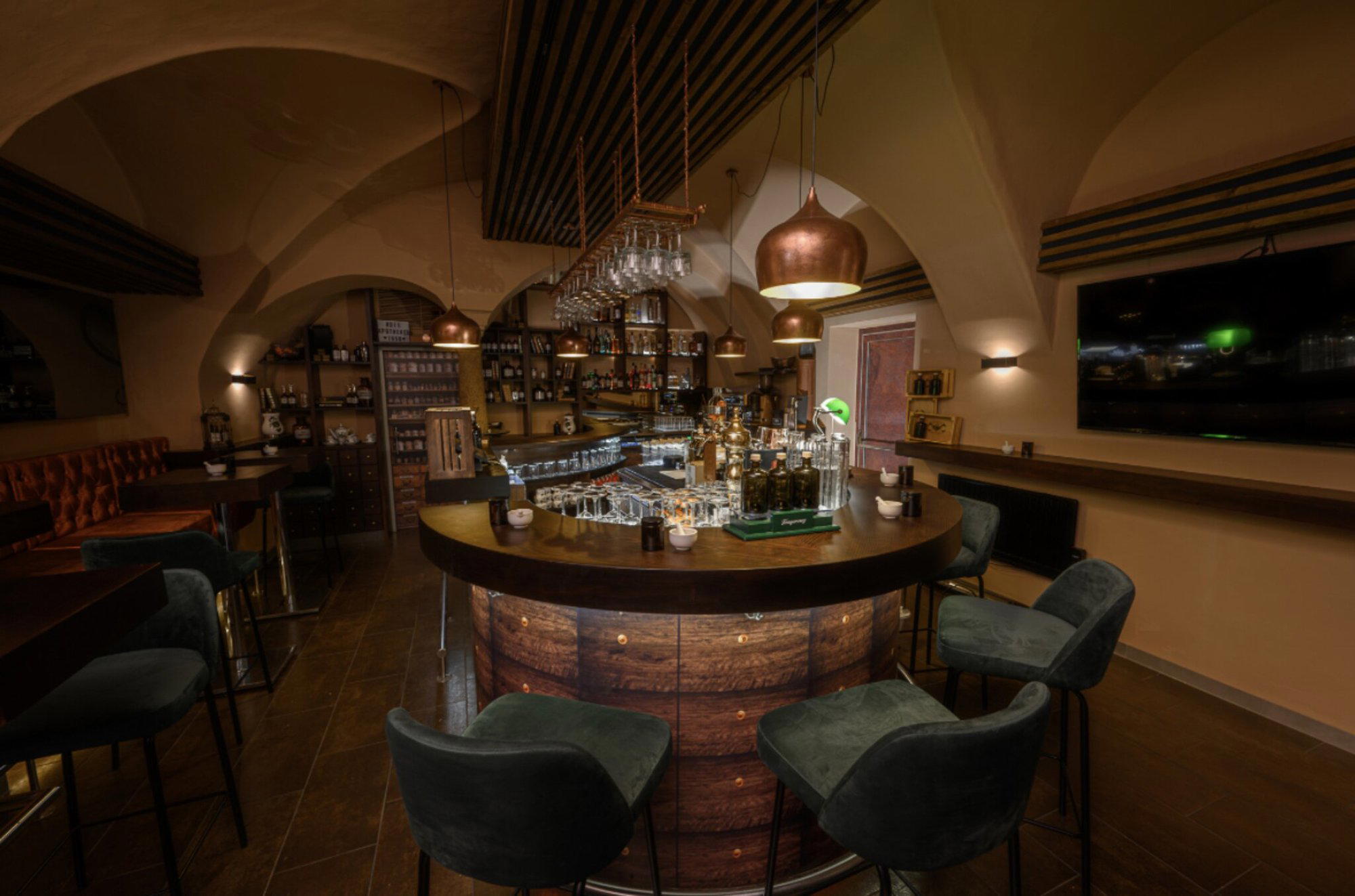
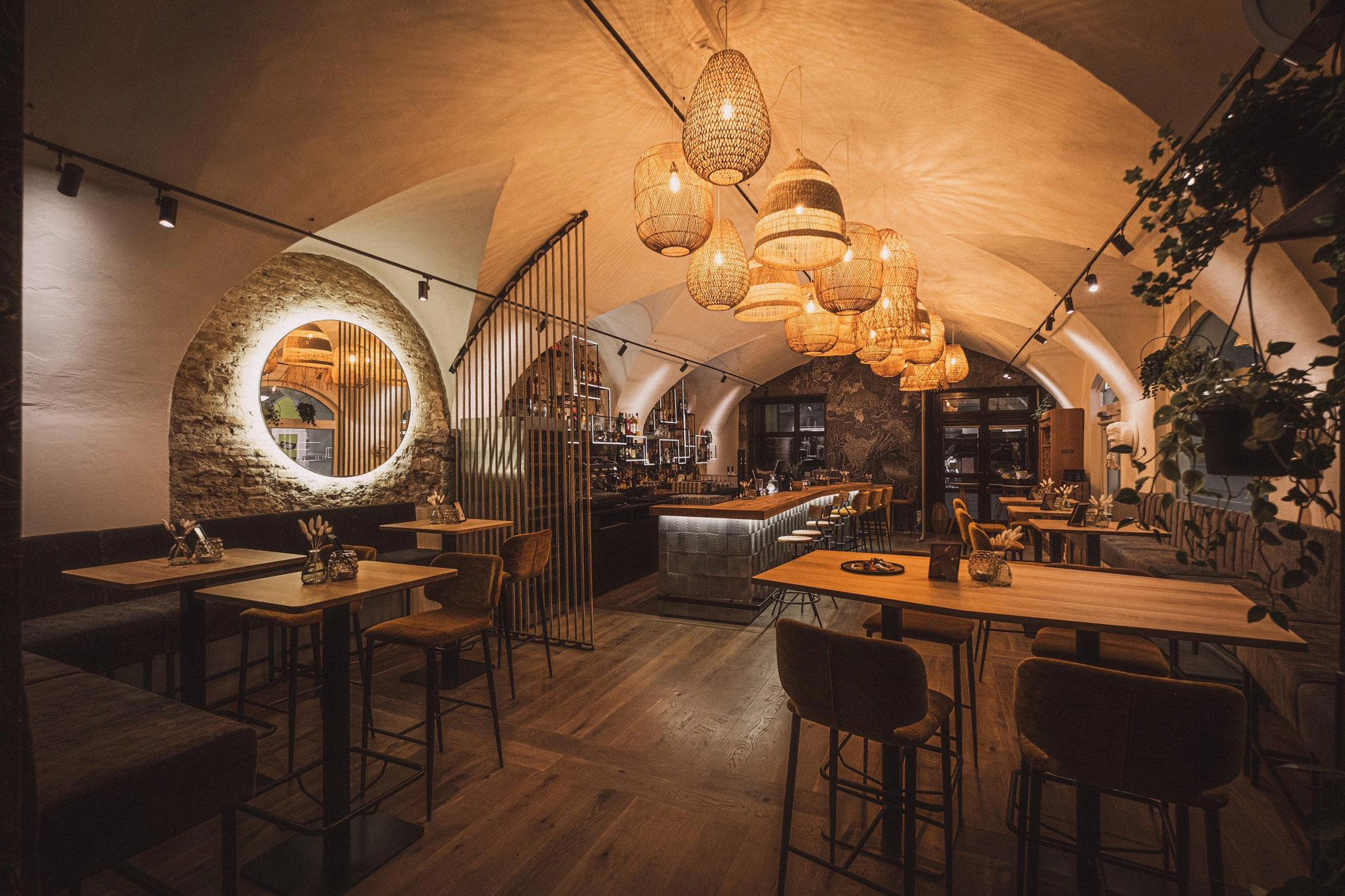

Hotels in Gunskirchen
Browse all →
Wineries in Gunskirchen
Browse all →
At a Glance
- Rustic
- Cozy
- Family
- Group Dining
- Celebration
- Garden
- Historic Building
- Extensive Wine List
- Local Sourcing
- Garden
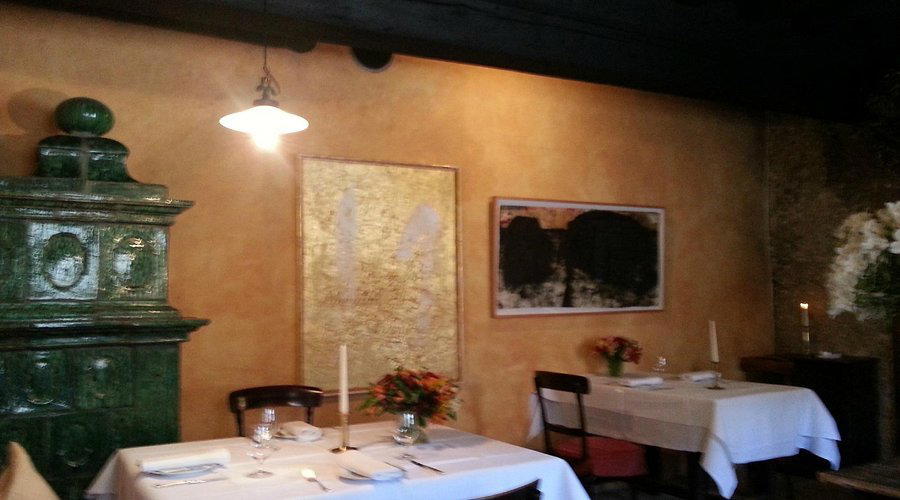
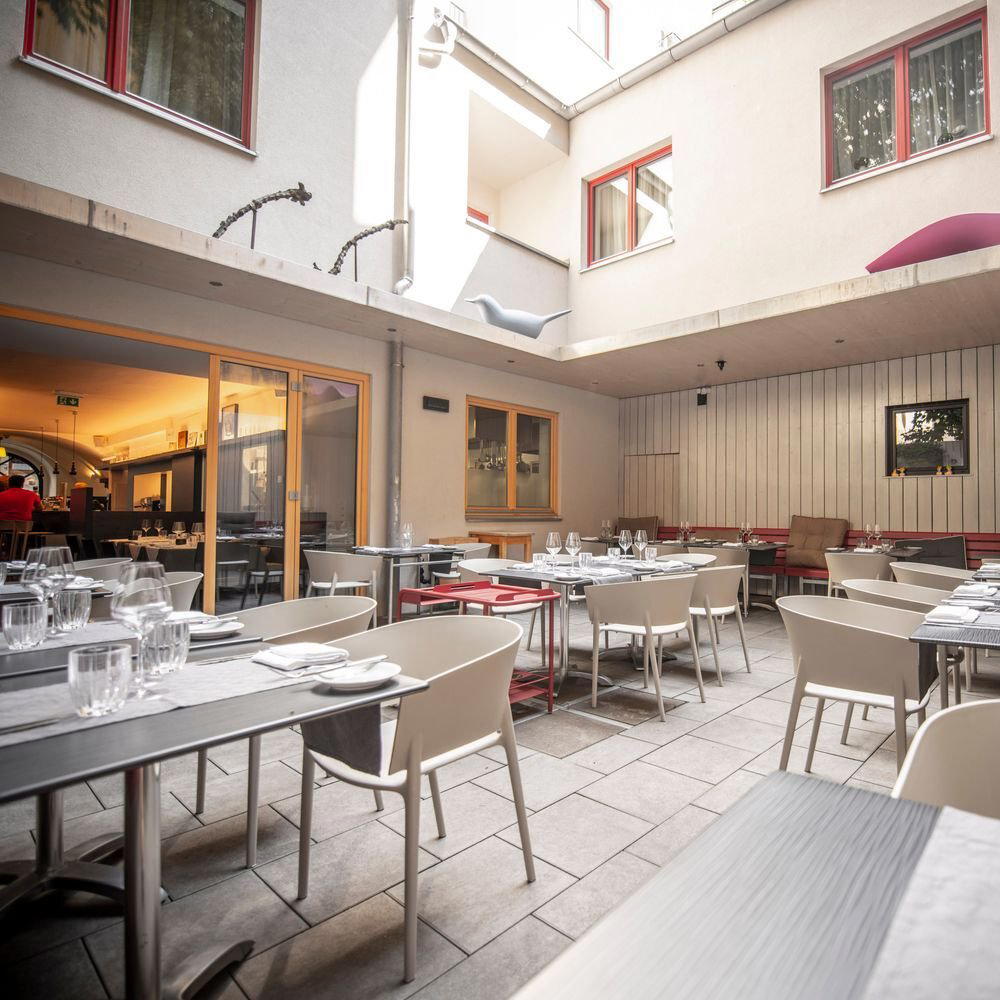
Rustic decor with wooden furnishings, crackling fireplace, and cozy indoor spaces extending to a garden courtyard under an 80-year-old walnut tree.