Waldschänke


1 Michelin Star · Falstaff Restaurant - 96 Falstaff Points
Our verdict
Waldschänke in Grieskirchen pairs forest tranquility with family-led finesse, offering modern-classic tasting menus, a refined à la carte, and a coveted terrace with poised, sommelier-led service.

Pearl is the En Primeur Club membership app — saves, bookings, and concierge access live there. Same editors, same standards.
- Address
- Kickendorf 15, 4710 Grieskirchen, Austria
- Phone
- +43 7248 62308
- Hours
- Mon ClosedTue 11:30 AM–2 PMWed–Sat 11:30 AM–2 PM, 6 PM–12 AMSun Closed
- Website
- waldschaenke.at
- Directions
- Get directions
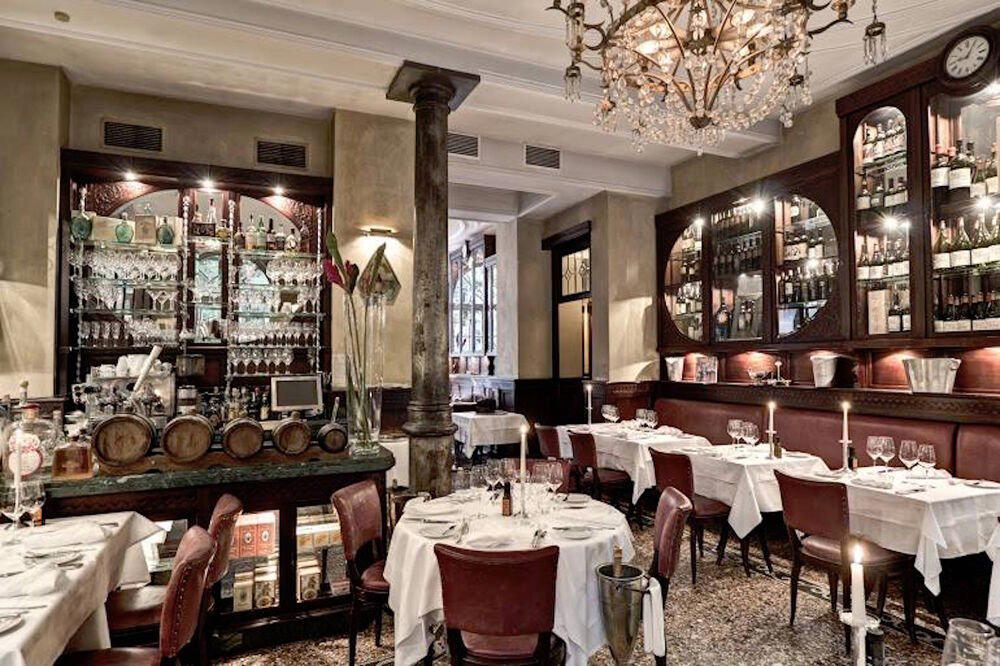
Forest Edge, Family Kitchen: The Case for Upper Austria's Michelin Table
The approach to Waldschänke already signals what kind of meal is coming. The address at Kickendorf 15 puts you on the wooded periphery of Grieskirchen, a market town in Upper Austria's Hausruckviertel district, roughly midway between Linz and Salzburg. The forest presses close to the building, and in summer the garden terrace operates under a canopy of trees with an ambient soundtrack that Michelin's own inspectors chose to describe, with unusual warmth, as a 'bird concert.' This is not the studied natural minimalism of a city restaurant approximating rurality. The setting is straightforwardly agricultural Austria, which makes the cooking inside significantly more interesting.
Where the Ingredients Come From — and Why That Shapes the Menu
Austria's Michelin-recognised restaurants tend to cluster in urban centres or high-altitude resort towns. The one-star circuit runs through Vienna, Salzburg, and the Tyrolean ski belt, with properties like Steirereck im Stadtpark in Vienna, Ikarus in Salzburg, and Griggeler Stuba in Lech occupying premium positions in well-trafficked visitor markets. A Michelin star in a provincial Upper Austrian town, away from tourist infrastructure, signals something different: the kitchen earns its recognition from the food alone, without the support of hotel F&B capture or high-footfall destination dining. The guest base is largely regional, which concentrates the pressure on consistency and sourcing.
The most telling single ingredient on the tasting menu is the Almenland ox. Almenland is a designated alpine pasture region in Styria, where cattle graze on high-altitude meadows under a traceability programme that has drawn attention from Austrian fine dining kitchens for well over a decade. The beef carries a depth of flavour and marbling profile that separates it from conventional Austrian beef, and the rare fillet preparation on the set menu is designed to make that difference legible rather than mask it under heavy sauce. That choice, to let a documented regional product carry a signature dish, is an editorial statement about where the kitchen's priorities sit.
The supporting elements in that same dish reinforce the sourcing logic. King trumpet mushrooms and oyster mushrooms carry roasted notes that function as a savoury foil to the beef, while a small spelt foam introduces a grain note that reads as distinctly Central European. Small spelt (Dinkel in German) has experienced a significant revival in Austrian and Bavarian regional kitchens over the past fifteen years, partly driven by heritage grain projects in Upper Austria and Styria. Using it as a foam rather than a rustic grain side is a classic move in contemporary Austrian cooking: the ingredient is regional and historically grounded, the technique is current. The jus described by Michelin inspectors as having 'shine and depth' anchors the whole composition in classical French-influenced craft without letting the dish drift from its regional identity.
Set Menu vs. À la Carte: Reading the Two Registers
Waldschänke operates with two set menus alongside an à la carte that runs more traditional. This two-track structure is common in Austrian restaurants that need to serve both a regional lunch clientele and a dinner audience willing to commit to a longer format. The set menus carry the contemporary technique and the premium sourced ingredients — the Almenland ox, the mushroom compositions, the spelt foam. The à la carte offers creamed veal and baked carp, dishes that belong to the pre-modern Austrian Gasthof tradition and that would be entirely at home on a menu from forty years ago.
The coexistence of those two registers is a structural argument about what this kitchen is doing. The classical à la carte provides familiarity and accessibility for the local lunch trade; the set menus are where the Michelin inspectors are eating, and where the kitchen's contemporary ambitions are expressed. Restaurants that try to occupy both registers simultaneously often produce menus where neither side fully convinces. The Michelin recognition suggests the set menus here have earned their own standing, separate from the traditional side of the card. For visitors travelling specifically to eat at Waldschänke, the set menu is the appropriate lens.
For similar contemporary Austrian work operating at higher price points, Döllerer in Golling an der Salzach and Obauer in Werfen both occupy the €€€€ bracket with deeper tasting menu formats. Waldschänke's €€€ pricing places it below that tier, which in Austria's fine dining structure represents a meaningful access point for the Michelin-starred set menu format. Comparable regional one-star addresses in the Alps and Upper Austria include Kräuterreich by Vitus Winkler in Sankt Veit im Pongau and Schwarzer Adler in Hall in Tirol, both of which operate in smaller regional markets with strong local sourcing programmes.
The Family Kitchen Model in Austrian Fine Dining
The family operation structure at Waldschänke, where the service side and the kitchen side are managed by different members of the same family, is a pattern with deep roots in Austrian and Bavarian hospitality. The Gasthof tradition that underpins much of rural Central European dining was built around family-run properties where the division of labour between front and back of house followed family lines. What distinguishes the current version at Waldschänke is that the kitchen has moved the food into contemporary fine dining territory while retaining the structural model of the traditional family inn.
This is not uncommon in the Austrian one-star tier. Several of the country's recognised restaurants, including rural addresses in Carinthia and Styria, operate on similar family models where continuity of kitchen leadership produces the consistency that Michelin inspection cycles reward. The inspectors' note explicitly names this as a 'family business par excellence,' which functions both as a descriptive claim and as a contextual frame for understanding how the kitchen achieves its level of consistency without the brigade systems common in urban fine dining properties.
For readers interested in how contemporary fine dining formats translate into non-urban, non-resort settings internationally, Ois in Neufelden offers a useful nearby comparison, also in Upper Austria, also working a regional sourcing model in a small-town context. Further afield, Gourmetrestaurant Tannenhof in Sankt Anton am Arlberg and Stüva in Ischgl operate contemporary tasting menus in resort contexts where the visitor base shifts the pressure points considerably. The contemporary fine dining format also travels well beyond Austria, César in New York City and Jungsik in Seoul both work within the contemporary category, demonstrating how the format adapts across very different urban contexts. Restaurant 141 by Joachim Jaud in Mieming rounds out the picture of how alpine Austria handles the same genre.
Planning a Visit: Hours, Timing, and the Terrace
Waldschänke is closed on Mondays and Sundays. Tuesday through Friday, the kitchen runs a lunch service from 11:30 AM to 2 PM, with evening service on Wednesday through Saturday from 6 PM to midnight. Saturday lunch also runs from 11:30 AM to 2 PM. For the set menus, evening service on Thursday, Friday, or Saturday is the natural slot: the kitchen is not managing a lunch turnover, and the longer format has room to breathe. The summer terrace is the obvious choice for a warm-weather visit, given the forest setting and the ambient acoustic environment that comes with it. Those planning a trip around the seasonal menu should note that Austrian ingredient calendars shift meaningfully between spring mushroom season, summer garden produce, and autumn game, which tends to generate the most technically interesting set menu compositions at kitchens working with regional supply. Grieskirchen itself has limited accommodation, so visitors arriving from further afield should consider our full Grieskirchen hotels guide for nearby options, and our full Grieskirchen restaurants guide for the broader dining context in the area. For drinks before or after, our Grieskirchen bars guide covers the local options, and those curious about the regional wine scene can consult our Grieskirchen wineries guide. Upper Austria's wine production is modest compared to Burgenland or the Wachau, but the local inn tradition of serving regional Grüner Veltliner by the Viertel persists in a way that pairs well with the kitchen's Central European sourcing logic. For a broader sense of what the area offers beyond the table, our Grieskirchen experiences guide covers the cultural and outdoor options in the Hausruckviertel.
Frequently asked questions
Does Waldschänke work for a family meal?
What should I expect atmosphere-wise at Waldschänke?
What's the signature dish at Waldschänke?
How It Stacks Up
| Venue | Cuisine | Price | Awards |
|---|---|---|---|
| WaldschänkeThis venue — the venue you are viewing | Modern Regional Austrian | $50–100 | 1 Michelin Star · Falstaff Restaurant - 96 Falstaff Points |
| Steirereck im Stadtpark | Creative | Not listed | Michelin 3 Star |
| Döllerer | Contemporary Austrian, Innovative | Not listed | Michelin 2 Star |
| Ikarus | Modern European, Creative | Not listed | Michelin 2 Star |
| Mraz & Sohn | Modern Austrian, Creative | Not listed | Michelin 2 Star |
| Obauer | Classic Cuisine | Not listed | Michelin 2 Star |
Recognition history
Dated appearances from independent guides and award organizations, with the underlying list record or original source where available.
Michelin 1 Star
Michelin
Falstaff Restaurant - 96 Falstaff Points
Falstaff
Full recognition history (4 entries)
Michelin 1 Star
Michelin
Michelin 1 Star
Michelin
Continue exploring
More in Grieskirchen
Restaurants in Grieskirchen
Browse all →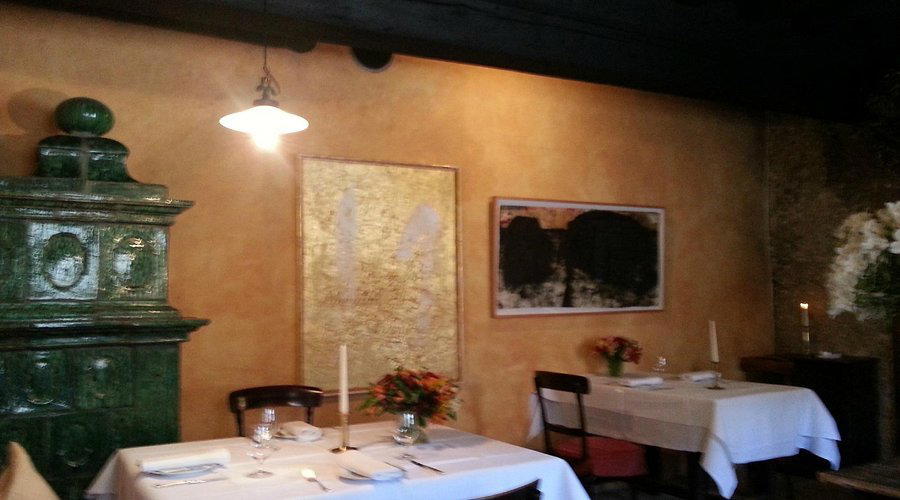
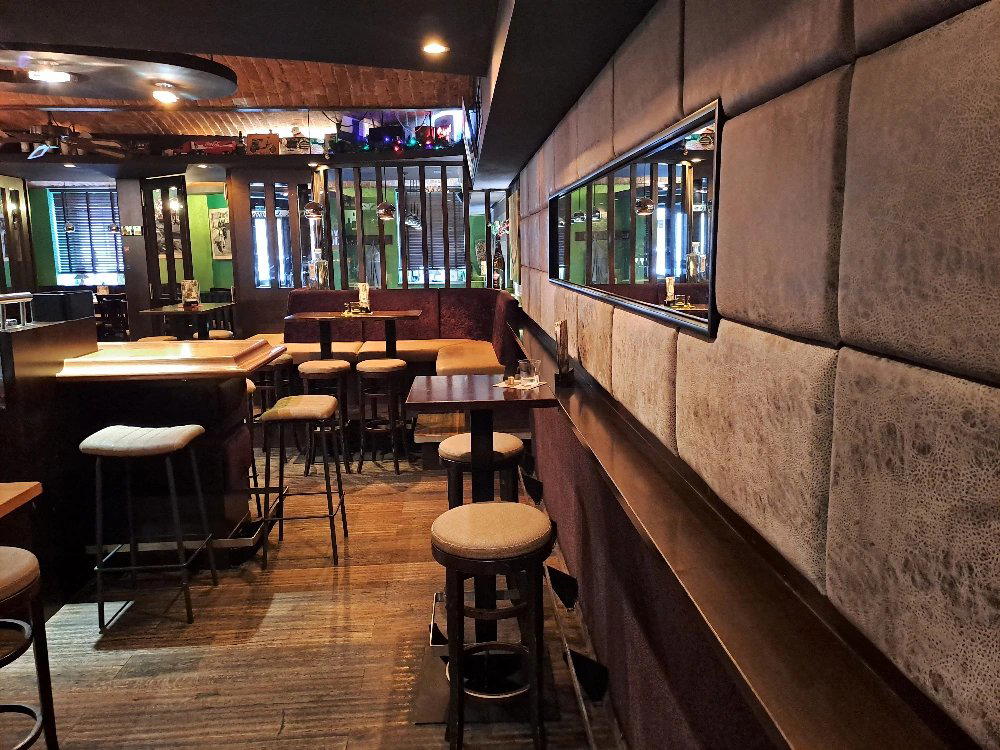
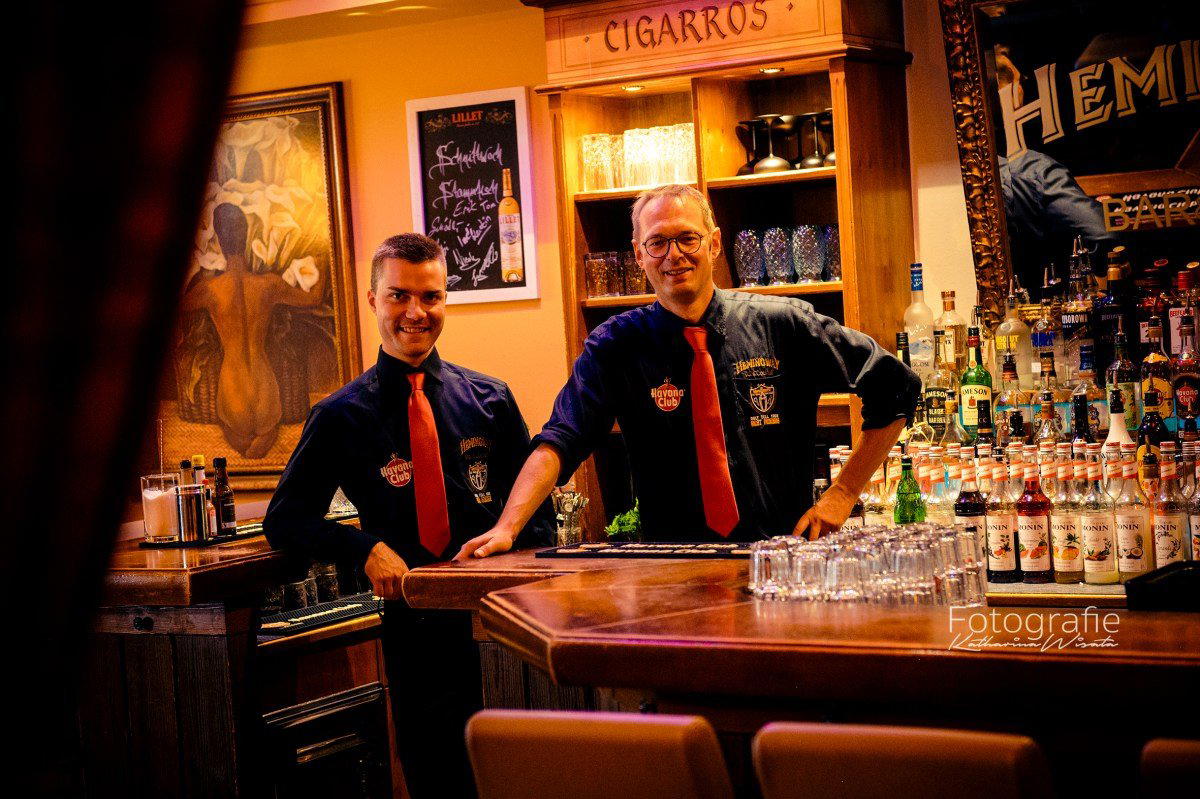
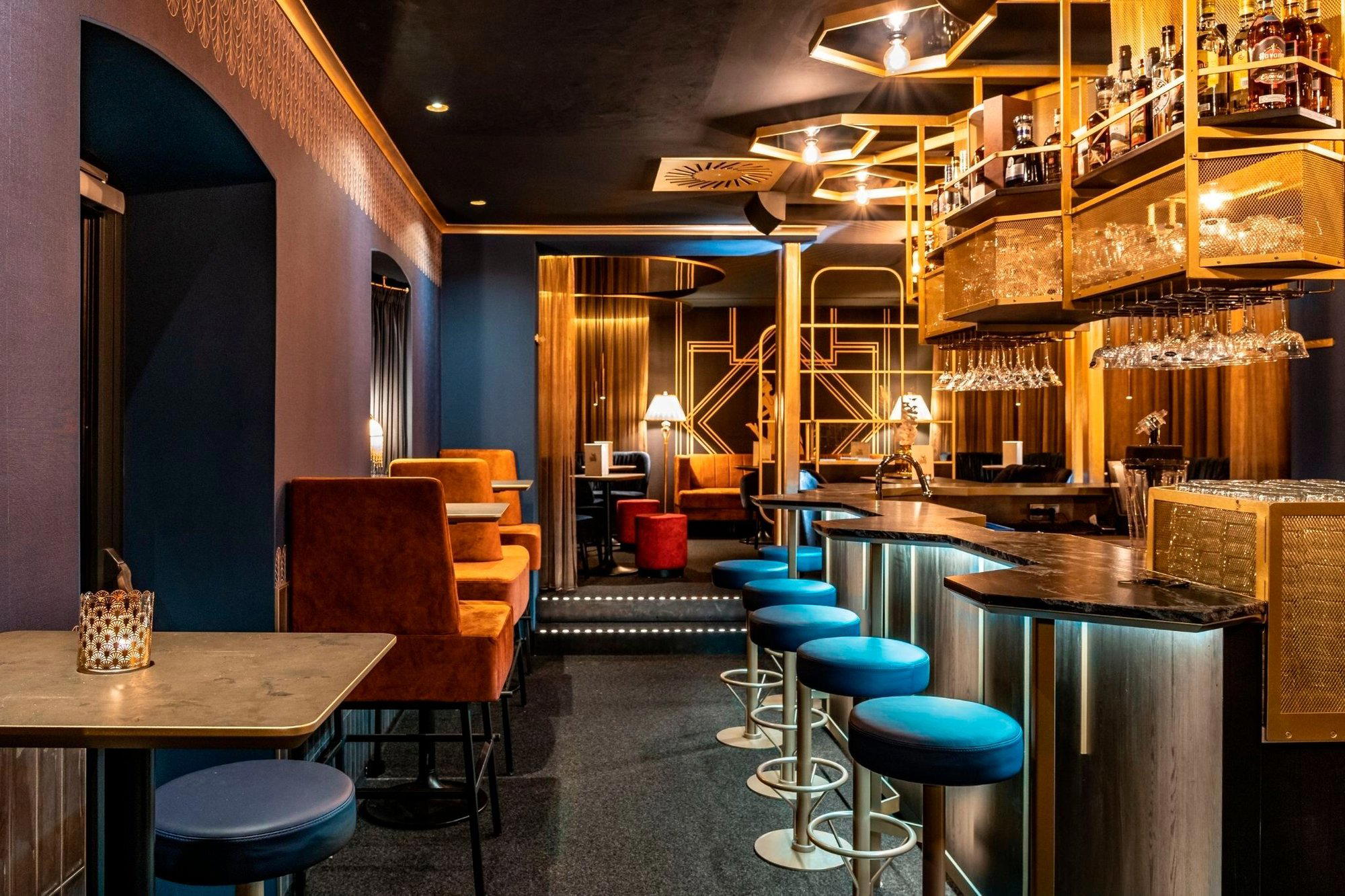
Bars in Grieskirchen
Browse all →
Hotels in Grieskirchen
Browse all →
Wineries in Grieskirchen
Browse all →
Waldschänke
The wine
- Wine program
- Curated wine list
- Extensive wine list
Details
- Rustic
- Cozy
- Scenic
- Date Night
- Special Occasion
- Business Dinner
- Garden
- Extensive Wine List
- Local Sourcing
- Garden
- Tasting Menu
- A La Carte
Current opening hours
- Monday
- Closed
- Tuesday
- 11:30 AM–2 PM
- Wednesday
- 11:30 AM–2 PM, 6 PM–12 AM
- Thursday
- 11:30 AM–2 PM, 6 PM–12 AM
- Friday
- 11:30 AM–2 PM, 6 PM–12 AM
- Saturday
- 11:30 AM–2 PM, 6 PM–12 AM
- Sunday
- Closed
Hours can change for holidays and private events. Last verified .
Warm, familial atmosphere with attentive service in a picturesque natural setting surrounded by orchards and forests.