

Mo de Movimiento occupies a modest corner of Chamberí with a daily-changing menu built around fresh vegetables and direct cooking. There is no performance here, no tasting-menu theatre, just produce-led plates served in an atmosphere that reads young and unpretentious. In a city that can tip easily toward spectacle, that restraint carries its own kind of weight.
Pearl is the En Primeur Club membership app — saves, bookings, and concierge access live there. Same editors, same standards.
- Address
- C. de Espronceda, 34, Chamberí, 28003 Madrid, Spain
- Phone
- +34 667 97 45 99
- Website
- modemovimiento.com
- Directions
- Get directions
 Saves & bookings on Pearl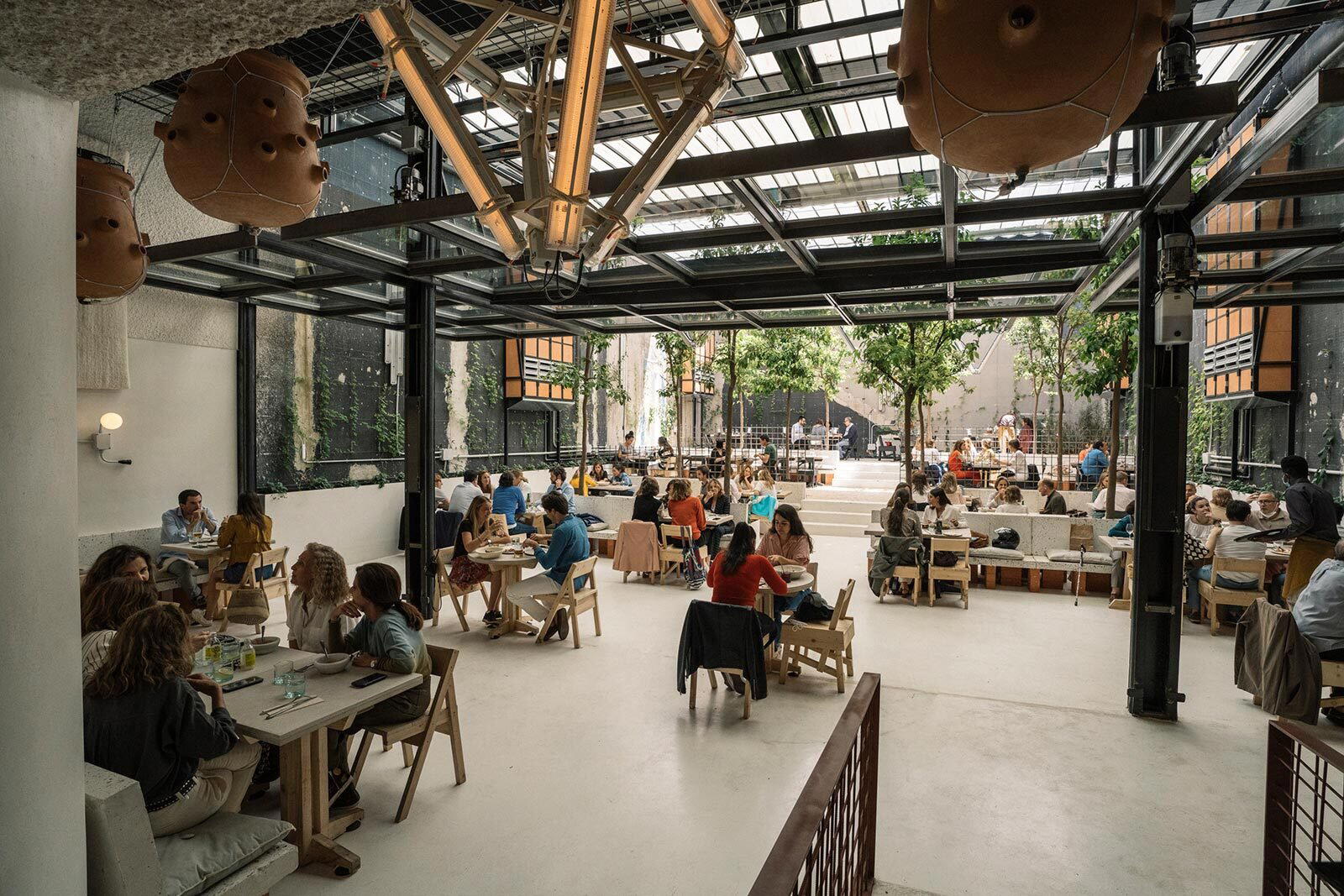
Chamberí Without the Ceremony
Madrid's dining culture runs a wide spectrum. At one end sit the high-wire creative restaurants, DiverXO, Coque, Deessa, where multi-course architecture and ambient design compete as hard as the food itself. At the other end sits a quieter tradition: small neighbourhood rooms with deliberate menus, modest interiors, and a clear commitment to what is actually on the plate. Mo de Movimiento, on Calle de Espronceda in Chamberí, lands firmly in that second category, and it does so without apology.
Chamberí is one of Madrid's more residential districts, a neighbourhood where locals eat with some regularity rather than occasion. The streets around Espronceda carry that character, less tourist-facing than Malasaña, less glossy than Salamanca. Walking toward Mo de Movimiento, the setting is immediate context: this is a place built for the people who live nearby, not for the pilgrim with a notebook.
The Room and What It Signals
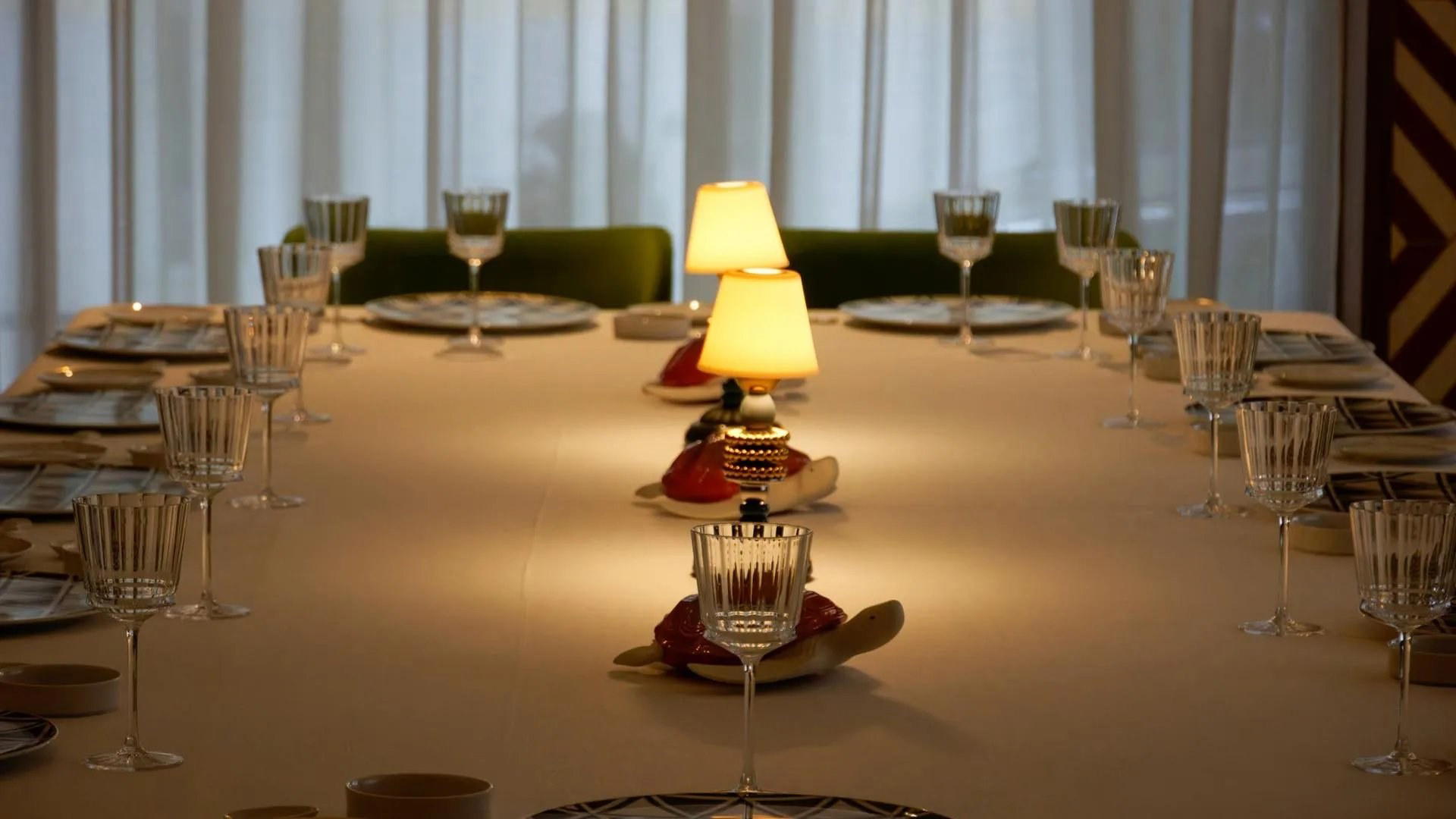
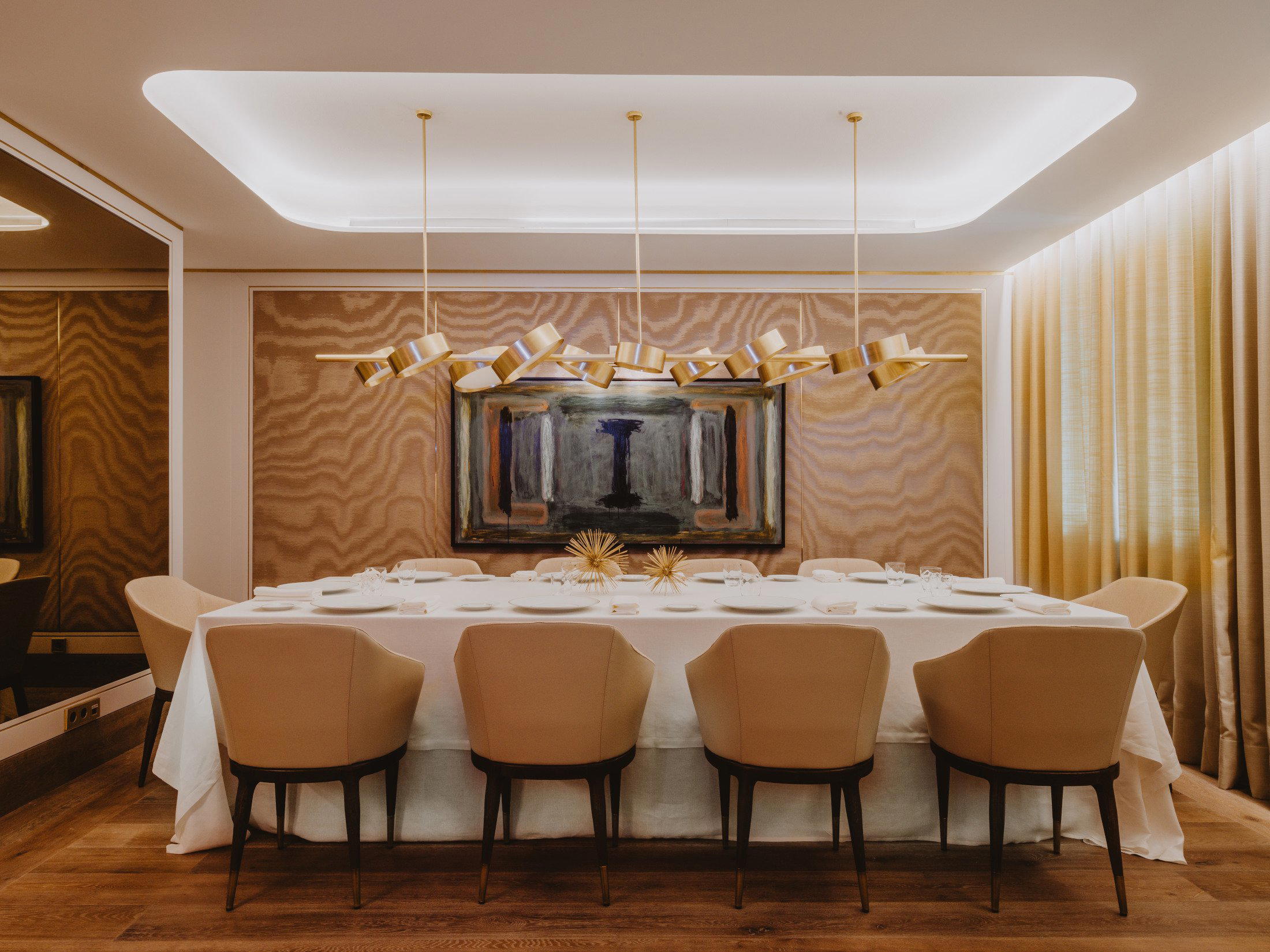
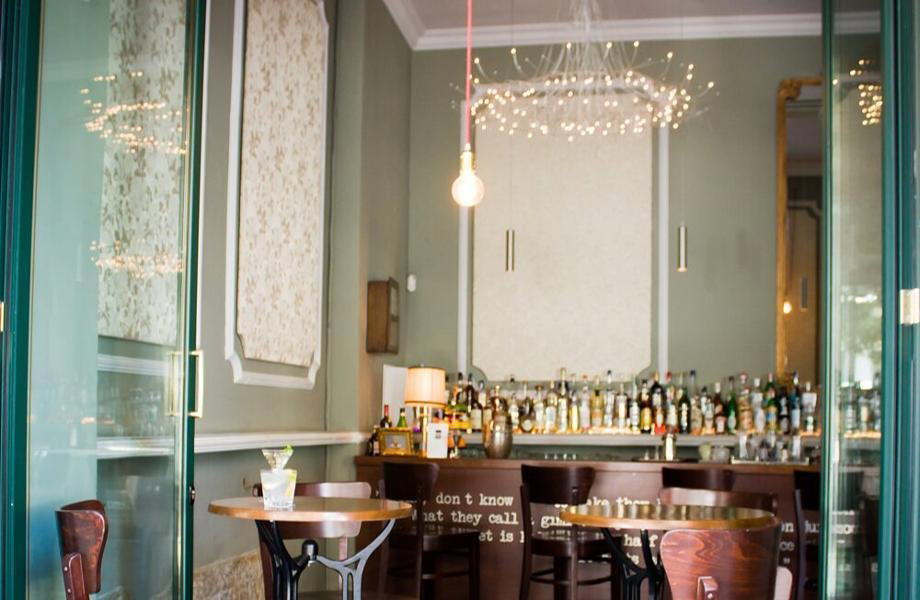
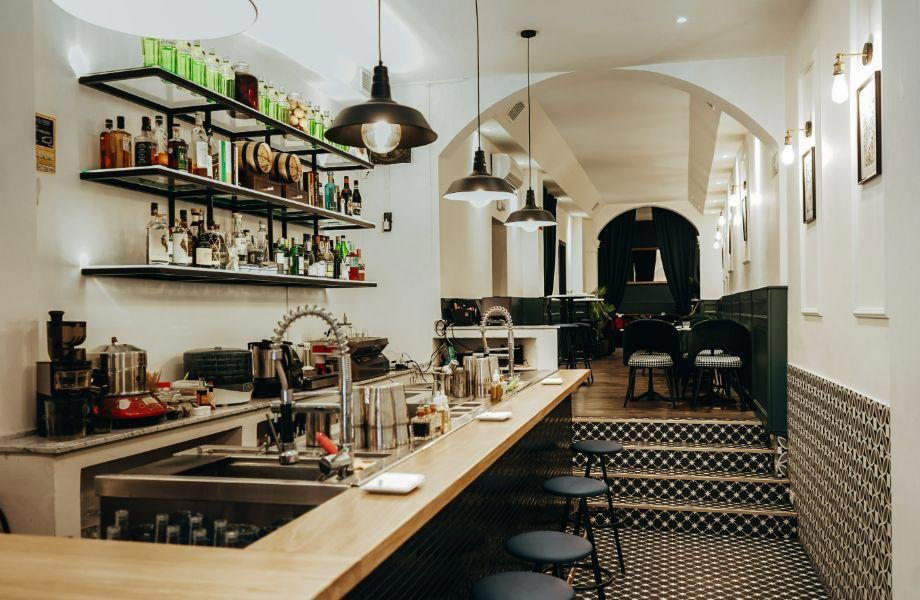
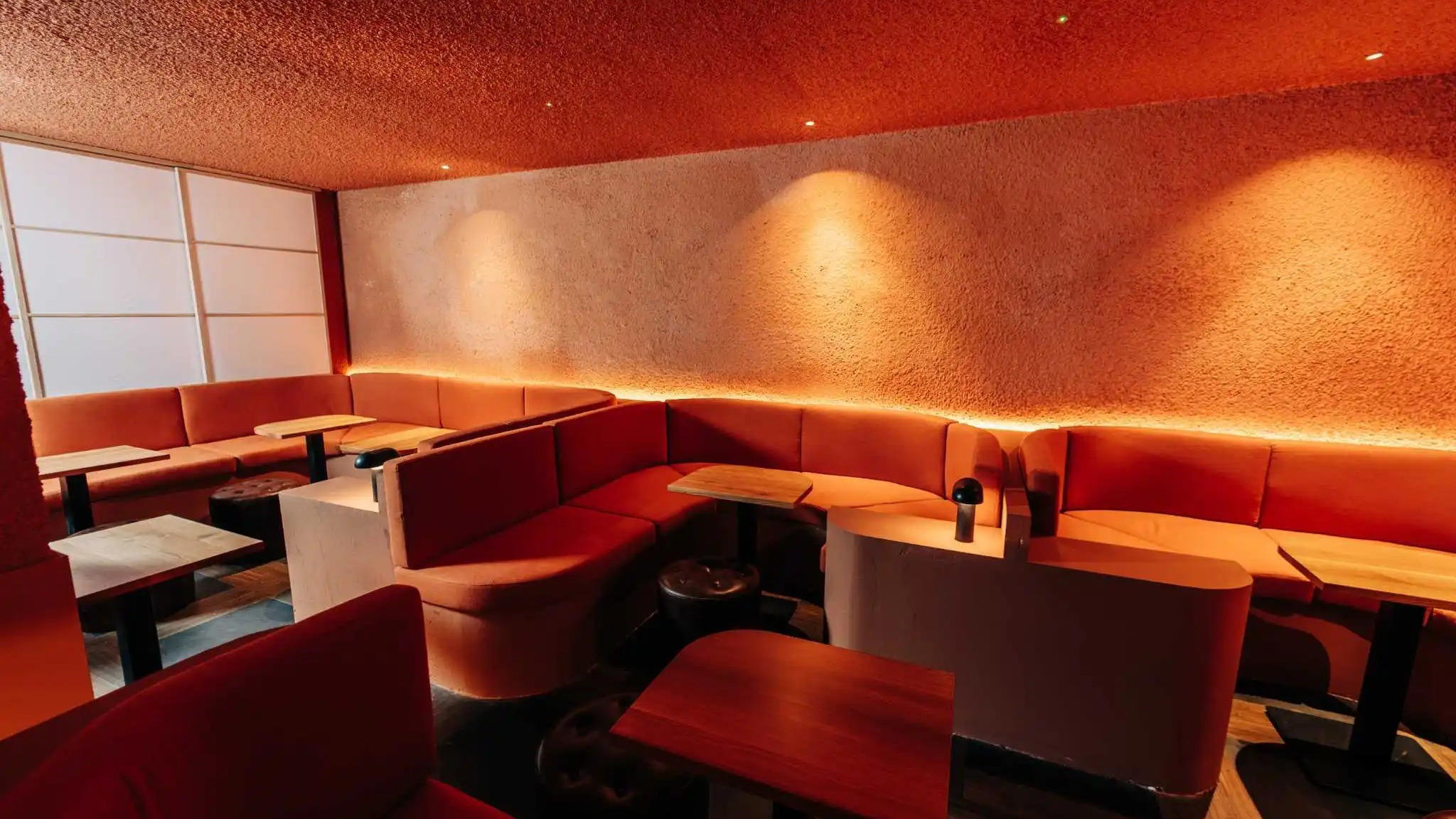
The interior at Mo de Movimiento is modest by design rather than by accident. The décor is spare, the atmosphere carries a youthfulness that stops short of studied informality. Nothing here is trying to set a mood through design objects or ambient lighting calibrated to a specific emotional state. The effect is a kind of openness, the room does not compete with the food for attention, which in itself is an editorial choice about what matters.
That dynamic is worth pausing on. In contemporary restaurant culture, the room is often as loaded with intention as the menu. Spaces like DSTAgE or Paco Roncero in Madrid use their physical environments as part of a total sensory proposition. The restaurant opts out of that conversation entirely. The physical environment here is a signal: flavour is the point, and decoration is not asked to do extra work.
The Produce Argument
The kitchen at the restaurant works from a daily-changing menu with a limited number of choices. That constraint is significant. A short daily menu implies sourcing decisions made the same morning, or close to it, rather than a fixed card engineered for consistency across weeks. In Spain's broader produce culture, that approach has clear precedents: the mercado-to-table model that underpins neighbourhood restaurants from Barcelona to San Sebastián, where the day's availability shapes the afternoon's cooking rather than the other way around.
Vegetables are the focus. The kitchen's description emphasizes produce and flavour, which in a vegetable-led format is the central technical claim. Good vegetable cookery is harder to execute than it appears, there is no protein to anchor a plate, no fat-rich sauce to compensate for sourcing gaps. When the ingredient is the point, the ingredient has to be right. That is the implicit contract a daily-fresh, short-menu operation makes with its guests.
Spain's serious vegetable cooking has earned international attention in recent years. Azurmendi in Larrabetzu operates a biodynamic garden integral to its menu. El Celler de Can Roca in Girona has long treated vegetables as technically ambitious subjects rather than accompaniments. The restaurant operates at a fundamentally different scale and price tier, but the underlying argument, that produce quality and freshness are the real measure, runs through both ends of the market.
Dynamism Without Excess
The restaurant's character is marked by dynamism. That framing is instructive. A daily-changing menu creates a kind of forward motion that a fixed card cannot replicate, the kitchen does not calcify around signature dishes but instead responds to what is available and what is in season. For the regular guest, that means the experience shifts across visits. For the first-time visitor, it means accepting some uncertainty in exchange for the likelihood that what arrives has been sourced that day.
The seasonal logic here is not incidental. Madrid's markets reflect a continental climate with genuine seasonal range, spring produces asparagus, peas, and early alliums; summer brings tomatoes and peppers with serious concentration; autumn turns toward mushrooms, squash, and root vegetables; winter favours brassicas and legumes. A kitchen committed to daily-fresh, limited-choice menus effectively tracks those shifts in real time. Visiting in late spring or early autumn, when the produce calendar is in transition, typically yields particularly interesting plates at restaurants working this way.
Where Mo de Movimiento Sits in Madrid's Broader Scene
Madrid has built its international dining reputation largely on creative ambition. The city's Michelin-starred restaurants, from three-star operations to newer-generation creative Spanish cooking, represent a particular kind of achievement. But the city also sustains a parallel track of neighbourhood restaurants, lower profile, no tasting-menu architecture, priced for regular use, that are harder to find from abroad and rarely appear in the international press.
The restaurant belongs to that second track. It is not positioned against Martin Berasategui or Arzak any more than a Chamberí corner bistro positions itself against Aponiente. The competitive set is different: it is the other daily-menu restaurants in the neighbourhood, the other vegetable-forward rooms in Madrid without the awards infrastructure, the other kitchens choosing produce over performance. Within that set, the consistent descriptions of flavour depth and freshness suggest it occupies the better end of the tier.
Planning Your Visit
The restaurant is located at Calle de Espronceda 34 in Chamberí, a residential district well connected by metro. The Chamberí and Ríos Rosas stations are both within walking distance. Booking ahead is advisable, particularly for weekend lunches or weekday evenings. Because the menu changes daily, there is no fixed card to preview, going in with flexibility rather than specific expectations is the right posture for this kind of kitchen.
Peers You’d Cross-Shop
Comparable venues nearby, for context on price, style, and recognition.
| Venue | Cuisine | Price | Notes |
|---|---|---|---|
| Mo de MovimientoThis venue — the venue you are viewing | Modern Sustainable Pizza & Sharing Plates | $$ | Not listed |
| LE KUN | Ingredient-Driven Gourmet | $$$ | Recoletos |
| Aurora | Creative Modern Dining | $$$ | Nueva Espana |
| Barganzo | Israeli Mediterranean | $$ | Chueca |
| Perla del Pacífico | Authentic Ecuadorian | $$ | Pueblo Nuevo |
| La Fisna Vinos | Spanish Tapas & Natural Wine Bar | $$ | Lavapies |
Recognition history
Dated appearances from independent guides and award organizations, with the underlying list record or original source where available.
Macarfi 6.9 Food Rating
Macarfi
We're Smart World 3 Radishes
We're Smart World



At a Glance
- Industrial
- Modern
- Cozy
- Trendy
- Casual Hangout
- Group Dining
- Open Kitchen
- Courtyard
- Organic
- Local Sourcing
- Garden
- Street Scene
Current opening hours
- Monday
- 1–4 PM, 8 PM–12 AM
- Tuesday
- 1–4 PM, 8 PM–12 AM
- Wednesday
- 1–4 PM, 8 PM–12 AM
- Thursday
- 1–4 PM, 8 PM–12 AM
- Friday
- 1–4 PM, 8 PM–12 AM
- Saturday
- 1–4 PM, 8 PM–12 AM
- Sunday
- 1–4 PM, 8 PM–12 AM
Hours can change for holidays and private events. Last verified .
Industrial design with high ceilings, visible recycled elements, natural light from a covered courtyard with orange trees, calm yet lively atmosphere.