On Burgstraat in Ghent's medieval core, Mémé Gusta occupies the kind of address where the city's appetite for informal wine-led dining makes itself most legible. The room draws a crowd that treats the wine list as the main event and the kitchen as its equal partner. For visitors approaching Ghent's mid-market dining tier, it reads as a reliable indicator of where the city's taste is heading.
Pearl is the En Primeur Club membership app — saves, bookings, and concierge access live there. Same editors, same standards.
- Address
- Burgstraat 19, 9000 Gent, Belgium
- Phone
- +3293982393
- Website
- meme-gusta.be
- Directions
- Get directions
 Saves & bookings on Pearl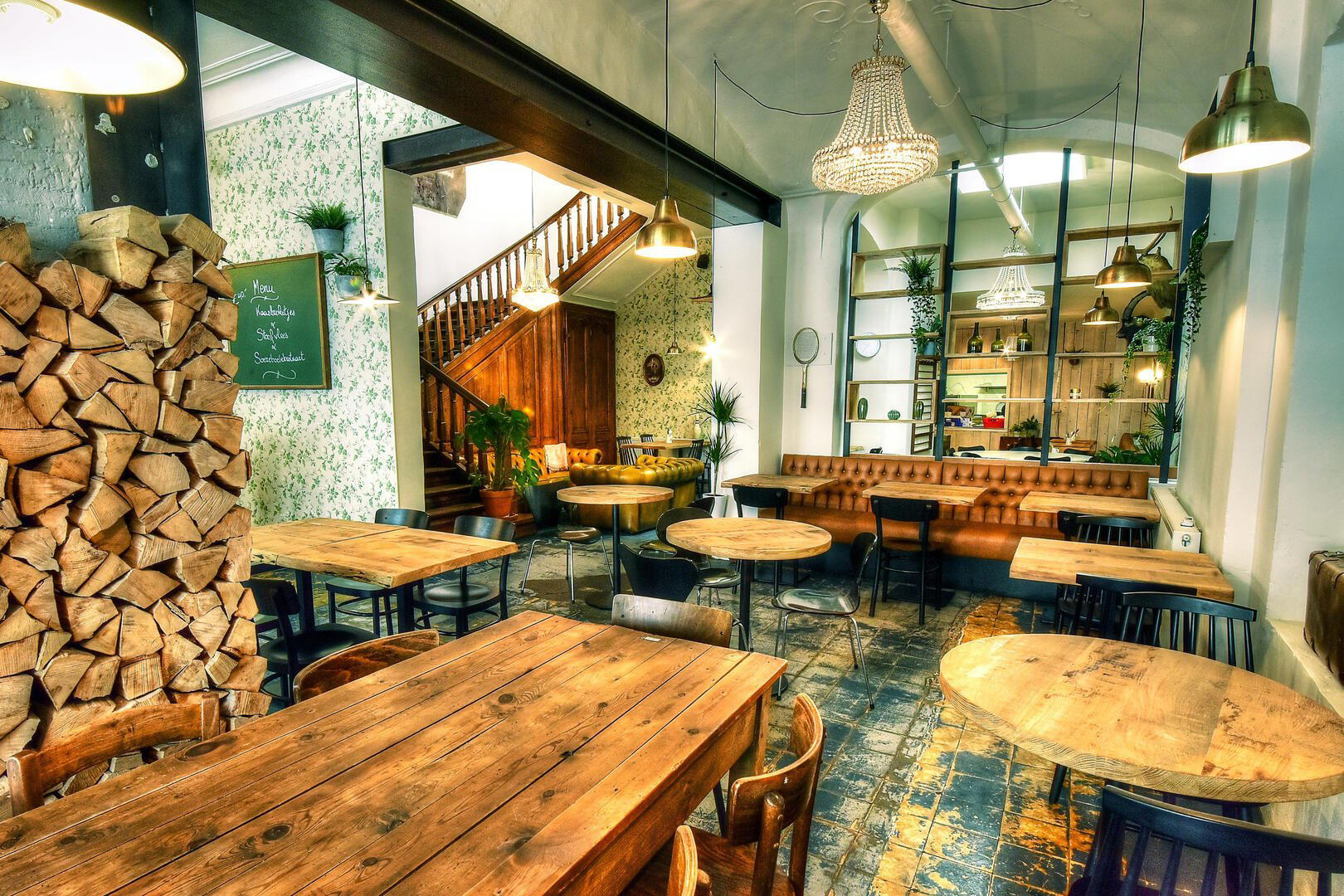
Burgstraat and the Grammar of Ghent's Wine Bar Scene
Burgstraat runs through one of the older residential and commercial seams of central Ghent, a street where the building stock is dense and the ground-floor hospitality mix skews toward the considered rather than the transient. Arriving at number 19, the address reads immediately as part of a broader shift in how Ghent's dining culture has repositioned itself over the past decade: away from formal table service and toward rooms where the glass in your hand is as carefully chosen as anything on the plate. Mémé Gusta sits within that current, and Burgstraat gives it a neighbourhood anchor that reinforces, rather than contradicts, what the room is trying to do.
Ghent has developed one of the more coherent wine-bar-forward dining cultures in the Benelux region, a fact that distinguishes it from Brussels, where grand-brasserie formality still dominates the mid-market tier, and from Antwerp, where the emphasis leans toward high-design destination restaurants. The Ghent model is quieter and more local in its reference points, prioritising the guest's relationship with the glass over theatrical service choreography. In that context, Mémé Gusta is less an outlier than a data point confirming a pattern already visible across the city's better independent addresses.
The Wine List as Editorial Statement
Across Ghent's wine-led rooms, the list is rarely a neutral document. It functions as a position paper: which growers the house trusts, which regions it considers undervalued, how it reads the current moment in natural and low-intervention production. The lists that hold attention over time tend to be built on depth in a smaller number of appellations rather than comprehensive geographic coverage, and they tend to rotate with enough frequency that a returning guest finds something worth reconsidering on a second visit.
The broader Belgian wine bar circuit has moved decisively toward grower Champagne and Loire Valley producers over the past several years, with Jura and Beaujolais holding consistent positions as the reliable workhorses of by-the-glass programs. Burgundy remains aspirationally present on most lists but practically expensive to stock at the level of quality that justifies the price point. The more interesting curation decisions now happen in the Southern Rhône, in Alsace, and across a growing set of Belgian and Dutch natural producers whose work has started appearing on lists that would have dismissed them five years ago. How a room positions itself within that range tells you more about its actual outlook than any descriptor on the menu cover.
For visitors building an itinerary around wine-focused evenings in Ghent, pairing Mémé Gusta with addresses like Arbane, Astro Boy, or Bij den Wijzen en den Zot gives a more complete picture of the range operating within the city's independent sector. Each address makes different decisions about cellar depth and kitchen ambition, and taken together they map the full spectrum of what Ghent's mid-market wine scene currently looks like. You can read our full Ghent restaurants guide for broader orientation across the city's dining tiers.
Kitchen and Room: What the Format Suggests
Rooms that foreground the wine list tend to design their kitchens in one of two directions: shareable small plates calibrated to extend a bottle across two or three pours, or a more structured menu that treats the glass as accompaniment rather than anchor. The former model has become dominant in Ghent's independent tier, partly because it aligns with the convivial, unhurried pace the city's dining culture prizes and partly because it allows the kitchen to work with seasonal product at shorter lead times. Dishes arrive at the table in the order the kitchen is ready to send them, which suits a room where the guest's attention is already divided between what's in the glass and what's on the plate.
The address on Burgstraat positions Mémé Gusta within easy reach of the Gravensteen and the network of waterways that define Ghent's tourist-facing geography, but the room itself reads as local in its pace and regulars. That dual position, accessible to visitors without being calibrated for them, is a marker of the better independent addresses in any mid-sized European city. For reference, Belgium's more formally ambitious tables operate in a different register entirely: Hof van Cleve in Kruishoutem, Boury in Roeselare, and Zilte in Antwerp represent the country's multi-course tasting-menu tier. Mémé Gusta operates in a different mode, and the distinction is worth holding onto when setting expectations.
Elsewhere in Belgium's coastal and Flemish hinterland, addresses like Willem Hiele in Oudenburg and Bartholomeus in Heist have built serious reputations on produce-driven cooking that anchors itself in landscape and season. Castor in Beveren and De Jonkman in Sint-Kruis take different approaches to the same Flemish product base. For international reference points that help calibrate ambition, Le Bernardin and Atomix in New York City represent what the upper tier of tasting-menu formality looks like on a global scale. Ghent's wine-bar registers operate at a deliberate remove from all of that.
Planning a Visit: What to Know Before You Go
Mémé Gusta is located at Burgstraat 19 in central Ghent, within walking distance of the city's main medieval monuments and well-served by the tram network that connects the historic centre to Gent-Sint-Pieters station. Ghent's independent dining rooms tend to operate Wednesday through Saturday evenings, with some extending to Sunday lunch; arriving without a reservation at smaller wine-focused addresses in the city is a risk that increases considerably on Thursday through Saturday. The broader Ghent dining week runs shorter than Brussels or Antwerp equivalents, so Tuesday closures are common across the independent sector.
For visitors building a broader Ghent evening, the Burgstraat address places Mémé Gusta in proximity to BABÚ, Beiruti, and Epiphany's Kitchen, all of which operate within the city's mid-market independent tier. The Bozar Restaurant in Brussels and L'air du temps in Liernu represent Belgian dining at a different register for those extending a trip beyond Ghent. d'Eugénie à Emilie in Baudour rounds out the picture of what formal Belgian cooking looks like outside the major cities.
How Mémé Gusta Ghent compares with similar nearby venues.
| Venue | Cuisine | Price |
|---|---|---|
| Oak Gent | Modern European | €€€€ |

At a Glance
- Cozy
- Rustic
- Classic
- Casual Hangout
- Family
- Group Dining
- Standalone
- Beer Program
Current opening hours
- Monday
- 6–10 PM
- Tuesday
- 12–2 PM, 6–10 PM
- Wednesday
- 6–10 PM
- Thursday
- 12–2 PM, 6–10 PM
- Friday
- 12–2 PM, 6–10 PM
- Saturday
- 12–2 PM, 6–10 PM
- Sunday
- Closed
Hours can change for holidays and private events. Last verified .
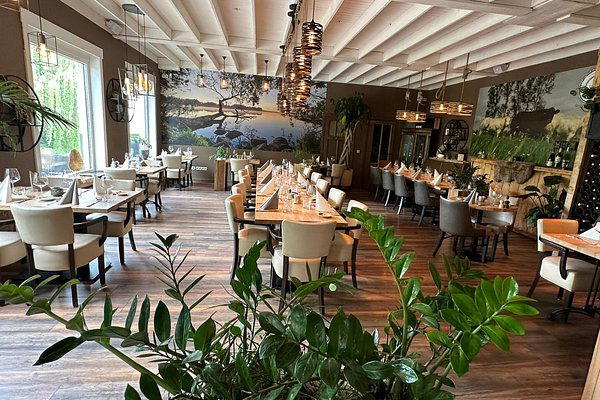
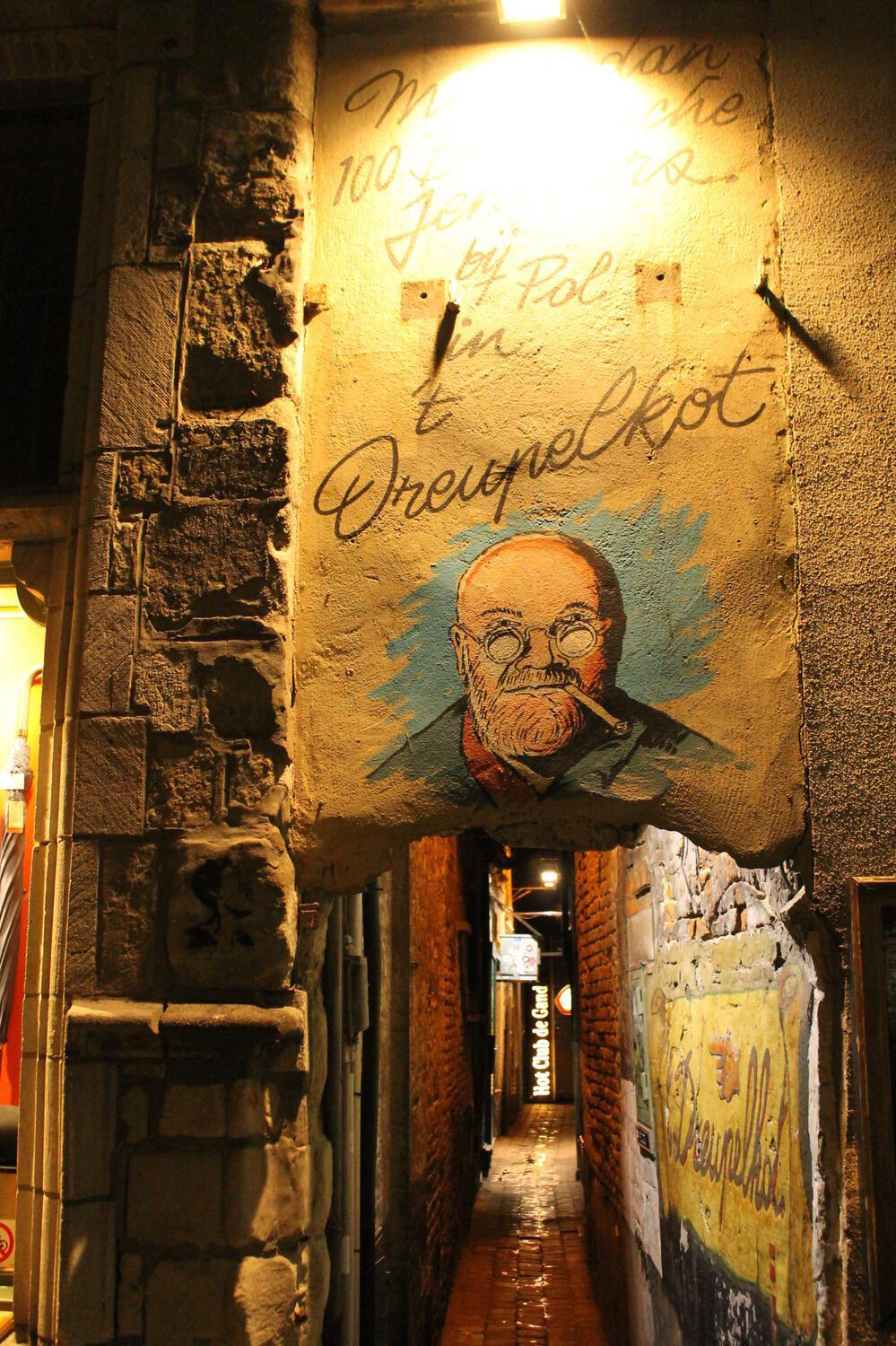
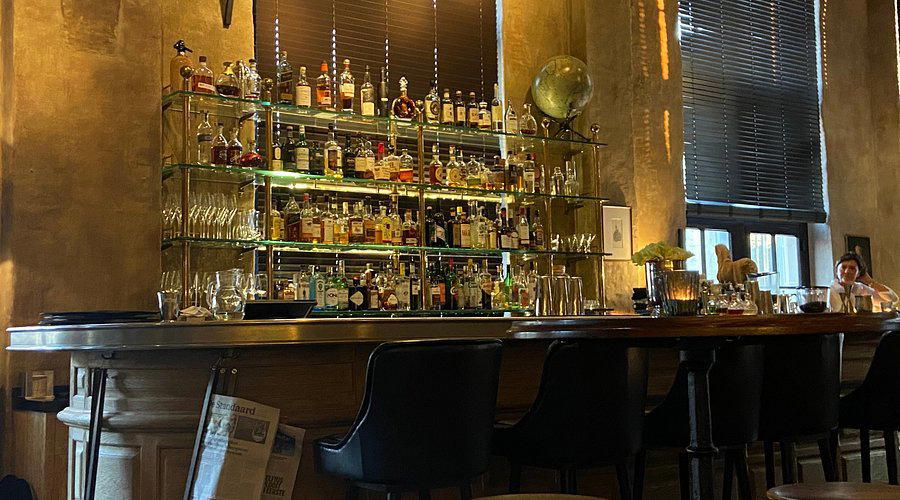
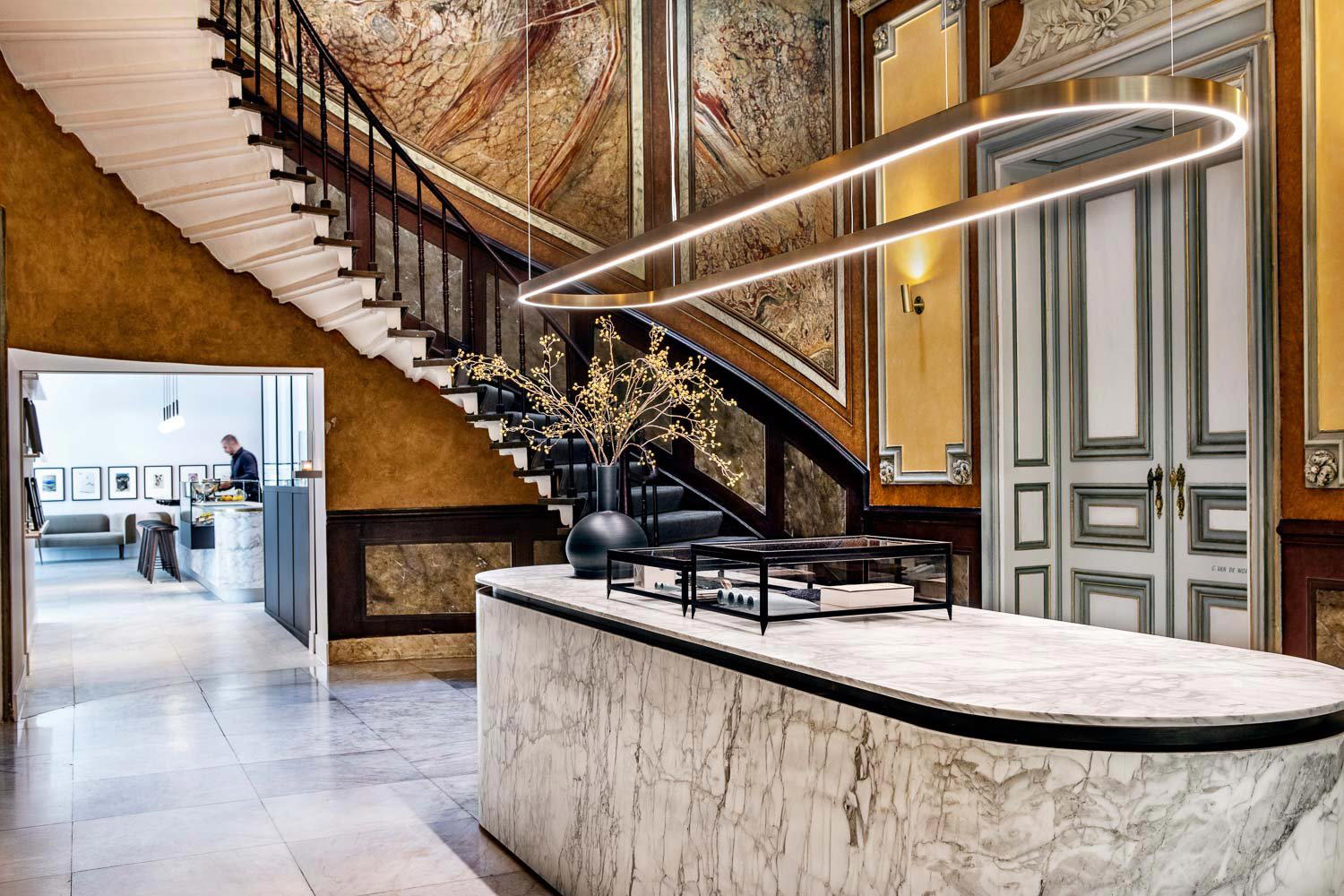
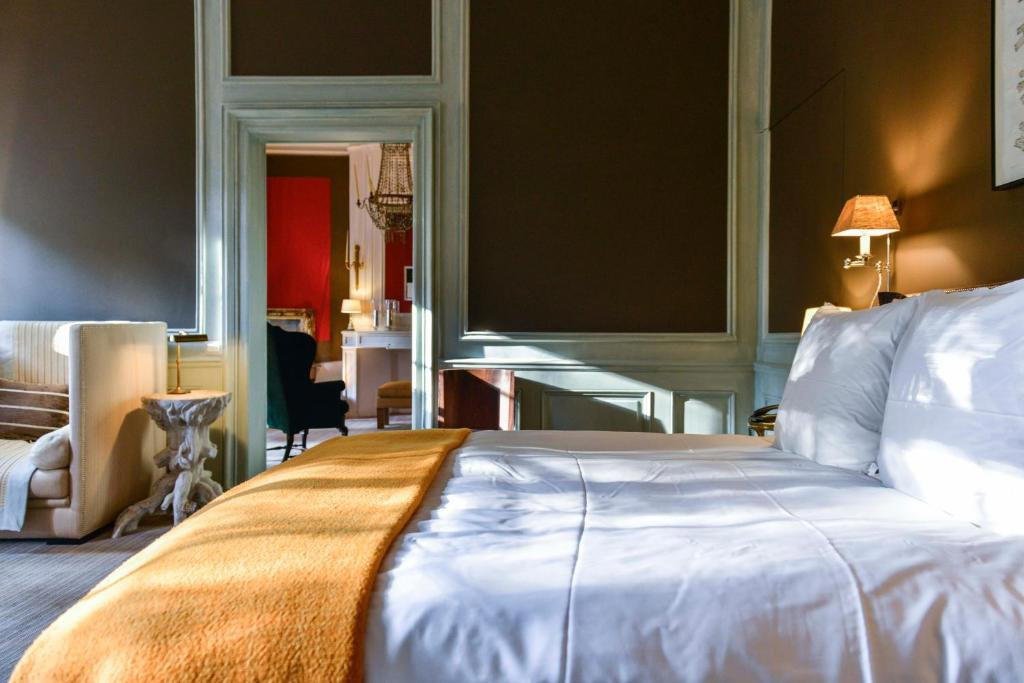
Cozy vintage setting with modern touches including neon lettering and vintage furniture, creating a warm and welcoming casual dining atmosphere.
Know Before You Go
- Getting there
- Burgstraat 19, 9000 Gent, Belgium