
A plant-forward sharing table on Ottogracht, Ferri earns 2 Radishes in the We're Smart Green Guide for cooking that treats seasonality and local sourcing as structural commitments rather than marketing positions. The menu is built around simply prepared vegetable-led dishes, and the house-made kombuchas and kefirs signal a kitchen that thinks in fermentation as much as in fire. The room reads honest and unhurried, which is precisely the point.
Pearl is the En Primeur Club membership app — saves, bookings, and concierge access live there. Same editors, same standards.
- Address
- Ottogracht 48, 9000 Gent, Belgium
- Phone
- +32 469 13 86 77
- Website
- ferri.gent
- Directions
- Get directions
 Saves & bookings on Pearl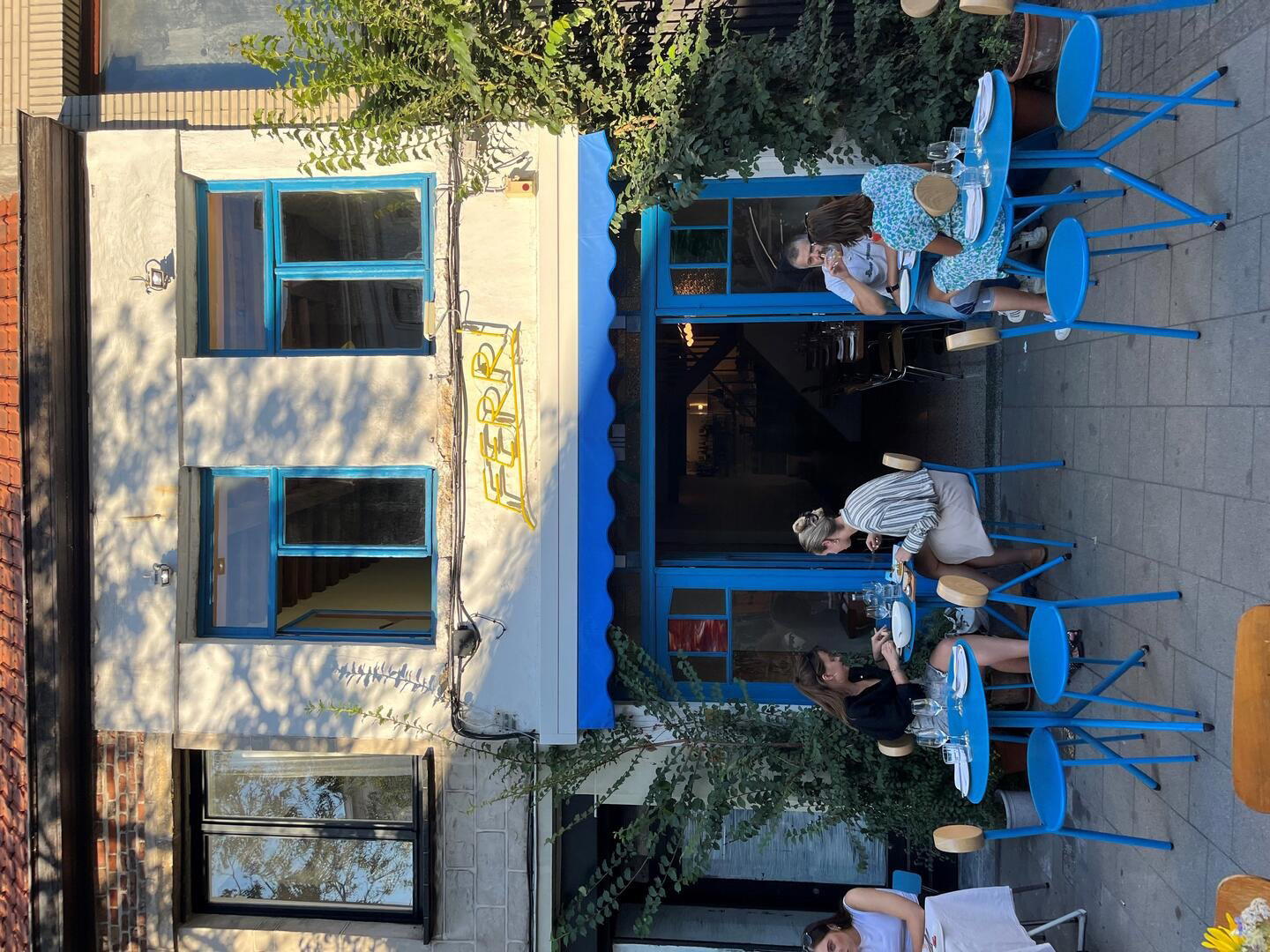
A Canal-Side Address Where the Vegetables Do the Work
Ghent has a longer tradition of plant-forward eating than most Belgian cities care to admit. The city's weekly Veggiedag, launched in 2009 as a civic campaign, pre-dates the European wave of vegetable-centric fine dining by several years, and the culture it seeded has since produced a small but serious cohort of restaurants that treat produce as primary rather than peripheral. Ferri, at Ottogracht 48 along one of the city's narrower canal stretches, sits squarely in that cohort. The address alone signals something: this part of Gent draws fewer visitors than the Graslei postcard strip, and the restaurants that open here tend to be cooking for residents rather than spectacle.
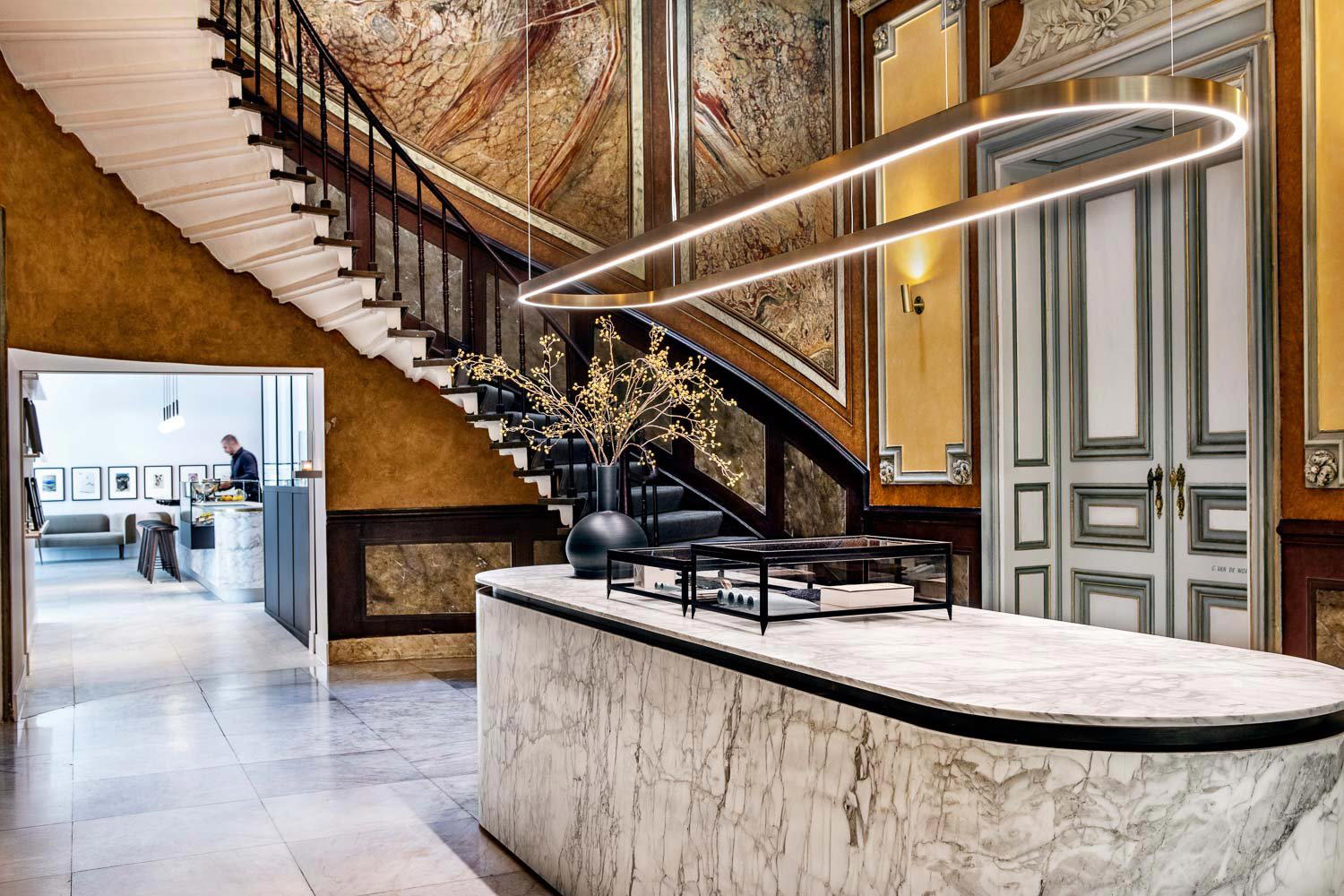
Walking up to the building, the aesthetic reads deliberately unforced. There is no attempt to impose grandeur on the canal-house setting. What you get instead is a room whose visual language matches the kitchen's: down to earth, materially honest, with the kind of décor that doesn't compete with what arrives at the table. That restraint is editorial, not accidental.
How the Menu Is Structured, and What That Structure Says
The format at Ferri is a sharing concept, which in practice means the menu resists the conventional appetiser-main-dessert hierarchy. Sharing menus at this price and scale in Ghent tend to fall into two camps: those that use the format for generosity and informality, and those that use it to build a cumulative argument about a set of ingredients. Ferri leans toward the latter. The dishes are described as simple, and that word should be taken seriously rather than as modesty. Simplicity here is a structural choice: it keeps the sourcing visible and the seasonality legible. When a carrot or a celeriac is the central element of a plate, there is nowhere to hide a mediocre ingredient.
The plant-based orientation is described as "mostly," which is a meaningful qualifier in the current Belgian dining scene. It places Ferri outside the strict vegan-restaurant category, which carries its own set of associations and limitations, and inside a broader movement of kitchens that have simply reorganised their ingredient priorities without making ideology the point. Chef Jethro Ferri's name on the door and in the kitchen signals the kind of ownership-led operation where menu decisions are direct and consistent. That recognition is the most precise trust signal available here: it is category-specific, editorially independent, and not a general-prestige award that happens to include a few vegetarian entries.
Fermentation as a Kitchen Philosophy
One of the more instructive details in how Ferri operates is the emphasis on house-made kombuchas and kefirs. In a sharing-format restaurant, the beverage list is often a secondary consideration, assembled to accompany food rather than to extend its logic. At Ferri, the fermented drinks function as an extension of the kitchen's thinking: live cultures, seasonal inputs, and time as an ingredient. Kombuchas and kefirs require the same commitment to process and patience that good vegetable cookery demands, and their presence on the menu as house-made items rather than sourced products suggests a kitchen that organises itself around those values consistently rather than selectively. For diners who arrive with a serious interest in non-alcoholic pairing, this is a meaningful practical detail worth factoring into how you order.
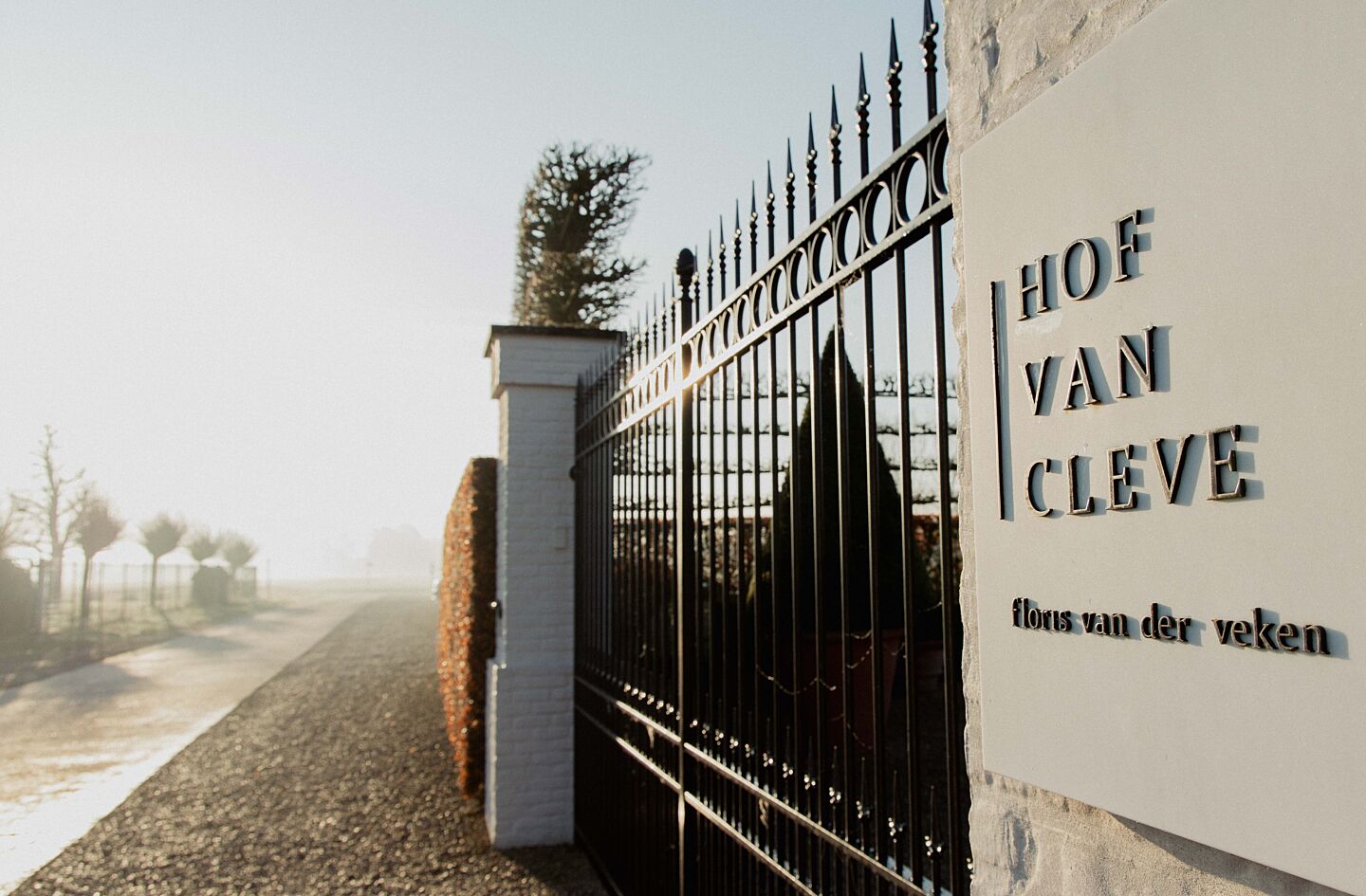
Belgium's broader dining scene, which runs from Michelin-starred rooms like Hof van Cleve in Kruishoutem and Boury in Roeselare to technically ambitious coastal cooking at Bartholomeus in Heist and Willem Hiele in Oudenburg, has historically centred animal protein and classical French technique. The plant-forward tier in that landscape is still relatively thin, which makes Ferri's 2-Radish standing in the We're Smart Green Guide a more differentiated position than a comparable award would represent in, say, London or Amsterdam.
Where Ferri Sits in Ghent's Dining Conversation
Ghent's restaurant scene covers considerable range. On the more formal end, Jan Van den Bon represents classical Belgian fine dining with sustained recognition, while Epiphany's Kitchen and Ce's Arts each occupy distinct positions in the city's more creative mid-market tier. Boon and Debra further fill out a scene that has diversified considerably in the past decade. Within that field, Ferri's differentiation is clear: the We're Smart Green Guide recognition and the plant-led sharing format place it in a specific niche that the rest of the Ghent list does not directly occupy. Diners choosing between Ferri and a more conventional Ghent address are making a meaningful decision about format and priority, not just cuisine style.
For those building a broader Belgian itinerary, the contrast with protein-forward prestige addresses like Zilte in Antwerp or Bozar Restaurant in Brussels is instructive: Belgium's high-end dining identity has traditionally been built on classical technique applied to luxury ingredients, and Ferri represents one of the more coherent counter-arguments to that tradition within the country's borders.
Planning a Visit
Ferri is at Ottogracht 48 in central Gent, in a quieter canal-side stretch that is walkable from the main tourist core but removed from its density. Because no phone or booking platform appears in the public record at time of writing, the practical approach is to arrive having checked for current reservation information through direct research before your visit. The sharing format means the table experience runs longer than a two-course lunch, so an evening booking allows the meal to set its own pace without a time ceiling. Given the house-made fermentation program and seasonal menu logic, the kitchen's output shifts with the calendar: what appears in early spring will differ substantially from what is on offer in autumn, making repeat visits a different experience rather than a repetitive one.
For a fuller picture of eating and drinking in Gent, see our full Ghent restaurants guide, along with dedicated guides to bars, hotels, wineries, and experiences in the city.
How Ferri Ghent compares with similar nearby venues.
| Venue | Awards |
|---|---|
| Ferri | We're Smart World 2025, 2 Radishes |
Recognition history
Dated appearances from independent guides and award organizations, with the underlying list record or original source where available.
We're Smart World 2 Radishes
We're Smart World

At a Glance
- Cozy
- Intimate
- Modern
- Date Night
- Casual Hangout
- Open Kitchen
- Natural Wine
- Organic
- Local Sourcing
Current opening hours
- Monday
- Closed
- Tuesday
- Closed
- Wednesday
- 7–10 PM
- Thursday
- 7–10 PM
- Friday
- 7–10 PM
- Saturday
- 7–11 PM
- Sunday
- Closed
Hours can change for holidays and private events. Last verified .
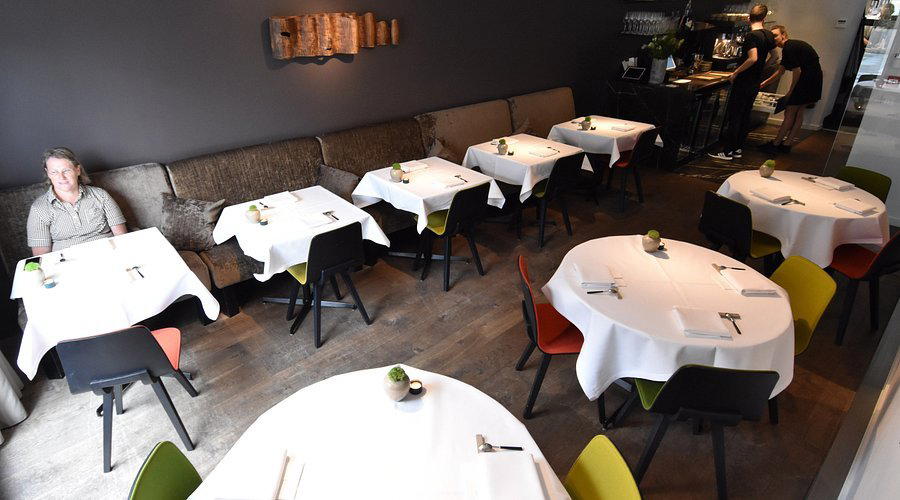
Cozy and atmospheric with vintage touches like wooden benches, school chairs, terrazzo tiles, open kitchen, and an azure blue storefront.
Know Before You Go
- Getting there
- Ottogracht 48, 9000 Gent, Belgium