Arcade Food Hall
Arcade Food Hall occupies a distinct tier in London's food-hall scene, where multiple independent kitchens operate under one roof and the sourcing story shifts with the seasons. Positioned in the West End, it offers a format that suits solo lunchers and groups navigating different appetites equally well. The model prioritises producer relationships over fixed menus, making it a useful read on where London's casual dining is heading.
Pearl is the En Primeur Club membership app — saves, bookings, and concierge access live there. Same editors, same standards.
- Address
- London, United Kingdom
- Directions
- Get directions
 Saves & bookings on Pearl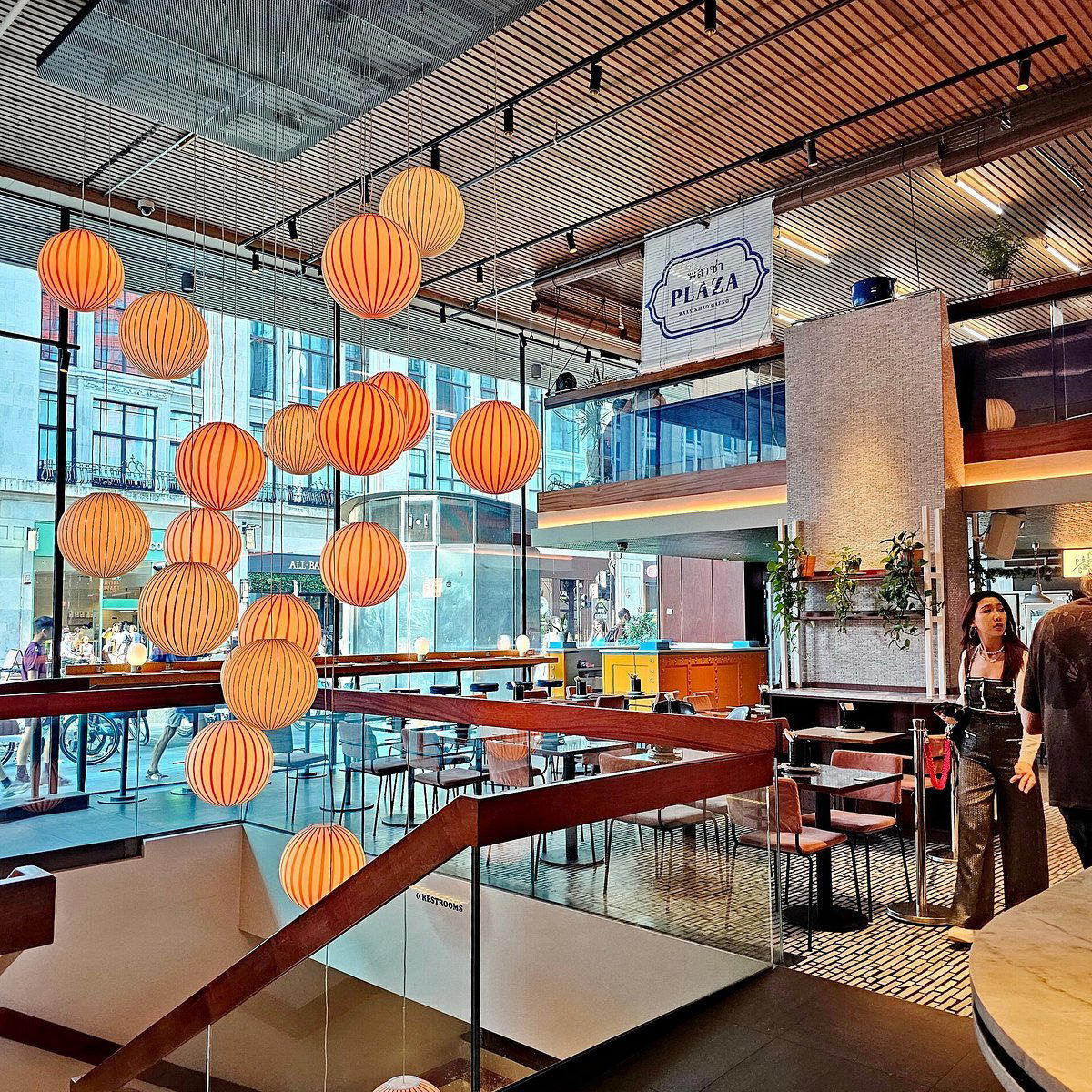
The Food Hall Format in London, and Where Arcade Sits Within It
Arcade Food Hall is a restaurant in London's West End serving global street food and international cuisines at about $30 per person. London's food hall scene has matured considerably over the past decade. What began as a loose collection of street-food-style stalls has divided into two clear tiers: high-turnover markets built around volume and novelty, and more considered multi-kitchen spaces where individual operators are selected for coherence rather than variety alone. Arcade Food Hall belongs to the second category. Located in the West End, it draws on the neighbourhood's dense foot traffic without defaulting to the tourist-facing format that dominates much of the area.
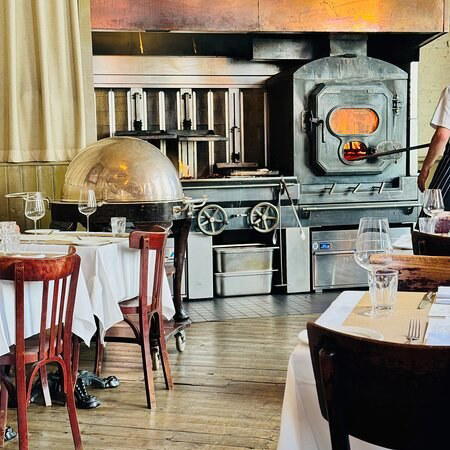
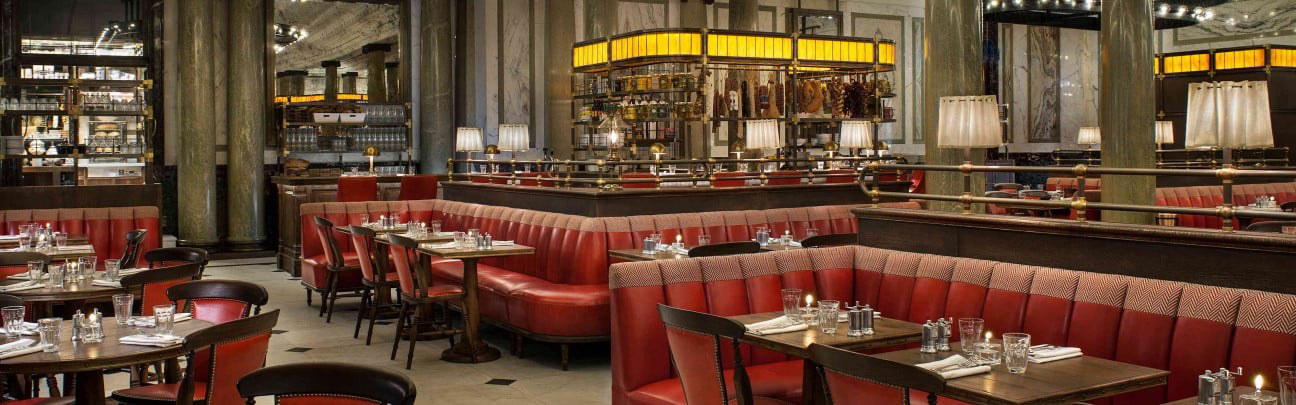
The physical environment sets expectations immediately. The space reads as intentional rather than improvised, with a layout that allows independent kitchens to operate distinctly while sharing a common dining floor. The atmosphere at peak hours carries the productive noise of a working market hall rather than the performative buzz of a concept space. That distinction matters in a city where the two are frequently confused.
Sourcing as the Organising Principle
The food hall format only holds critical weight when the sourcing logic is visible, and at Arcade, producer relationships sit closer to the surface than at most comparable London venues. This is not unusual for independent operators, who have increasingly positioned themselves against the supply chains of larger restaurant groups by working directly with smaller British producers. The practical effect for the diner is that the range of kitchens on offer tends to shift with seasonal availability rather than running the same fixed menu year-round.
British food culture has a complicated relationship with seasonality. High-end operators like CORE by Clare Smyth and The Ledbury have built reputations on strict seasonal sourcing, but that discipline rarely filters down to casual multi-kitchen formats. Where it does, it changes the offer significantly: a late-autumn visit produces a different set of options than a spring one, and the kitchens that perform leading are those whose operators have genuine flexibility in what they source and cook. At the food hall level, this represents a meaningful departure from the model where a fixed menu runs regardless of what's available domestically.
For the diner, the implication is direct: one productive time to visit is when British seasonal produce is at its most interesting. Late spring through early autumn covers the widest range, when domestic growers, smaller meat producers, and coastal suppliers are all operating at fuller output. Winter visits are not without merit, but the range of kitchens making active use of seasonal sourcing narrows.
How Arcade Reads Against London's Wider Dining Context
The West End's dining offer spans an enormous range, from the Michelin-decorated formality of Sketch, The Lecture Room and Library and Restaurant Gordon Ramsay to the historically rooted British cooking at Dinner by Heston Blumenthal. Arcade operates in a different register entirely, one where the format is democratic and the price point is accessible, but where the sourcing ambition can, on a good day, match the seriousness found further up the price tier.
That comparison is worth holding: the multi-kitchen format exists precisely because it allows producers and operators who couldn't sustain a full restaurant to bring their food to a wider audience. In cities like Glasgow, Corner Shop has demonstrated how independent operators can build credibility within a shared space. The Leeds equivalent, The Highland Laddie, works within a comparable framework. At the international level, the contrast with full-service destination restaurants like Le Bernardin in New York City or Alain Ducasse at Louis XV in Monte Carlo is instructive: the food hall format makes no claim to that kind of single-vision cooking, but it offers something those places cannot, which is the ability to aggregate a dozen distinct sourcing relationships under one roof.
Closer to home, Canterbury's Franc illustrates how regional operators are working with local producers in ways that occasionally outpace their London counterparts. That dynamic is relevant context for Arcade, which operates in a city with enormous sourcing options but also enormous competition for those supplier relationships.
Planning a Visit: Practical Considerations
Food halls of this type work leading when visited with some flexibility in mind. A solo visit at lunch on a weekday offers one direct experience, with shorter waits at individual kitchens and easier access to the full range of options. Group visits at peak evening hours require more patience, particularly during the busier months when West End foot traffic increases substantially.
Booking arrangements for food halls typically differ from full-service restaurants: most multi-kitchen formats operate on a walk-in basis, which suits the casual format but means that timing matters. Arriving early in a service period, rather than at its peak, gives access to the full kitchen offer before popular items run out. This is especially relevant at venues where sourcing is genuinely seasonal and quantities are therefore limited by what's available rather than what's been over-ordered.
For those interested in how the food hall format is evolving internationally, Atomix in New York City, Lazy Bear in San Francisco, and Emeril's in New Orleans each represent different answers to the question of how casual and ambitious dining can coexist in the same space.
Peers in This Market
Comparable venues nearby, for context on price, style, and recognition.
| Venue | Cuisine | Price | Notes |
|---|---|---|---|
| Arcade Food HallThis venue — the venue you are viewing | Global Street Food & International Cuisines | $$ | Not listed |
| Jikoni | No Borders Fusion Kitchen | $$ | Marylebone |
| The Lacy Nook | Balkan-Mediterranean Fusion | $$ | Upper Walthamstow |
| Akira Back London | Modern Japanese-Korean Fusion Fine Dining | $$$ | Mayfair |
| Doost & Amici - Flavorful Dishes of Iran to Italy | Persian-Italian Fusion | $$ | Vauxhall |
| Sonny's Kitchen | Dining | Not listed | Barnes |
Continue exploring
More in London
Restaurants in London
Browse all →
Bars in London
Browse all →
Hotels in London
Browse all →



At a Glance
- Modern
- Lively
- Trendy
- Casual Hangout
- Group Dining
- After Work
- Open Kitchen
- Design Destination
- Craft Cocktails
- Beer Program
Bright, contemporary space with a buzzy atmosphere; described as a 'food theatre' with neon-free design and civilized seating arrangements, though notably loud and crowded.