Cho Asia
Cho Asia sits on Lower Richmond Road in Putney, placing it within a southwest London dining corridor where ingredient-led Asian cooking has quietly built a following among neighbourhood regulars and destination diners alike. The kitchen draws on the sourcing traditions of East and Southeast Asian cuisines, where provenance shapes the plate as much as technique. For those willing to cross the river, it offers an alternative to the central London crowd.
Pearl is the En Primeur Club membership app — saves, bookings, and concierge access live there. Same editors, same standards.
- Address
- 90 Lower Richmond Rd., London SW15 1LL, United Kingdom
- Phone
- +44 20 8016 2772
- Website
- choasia.com
- Directions
- Get directions
 Saves & bookings on Pearl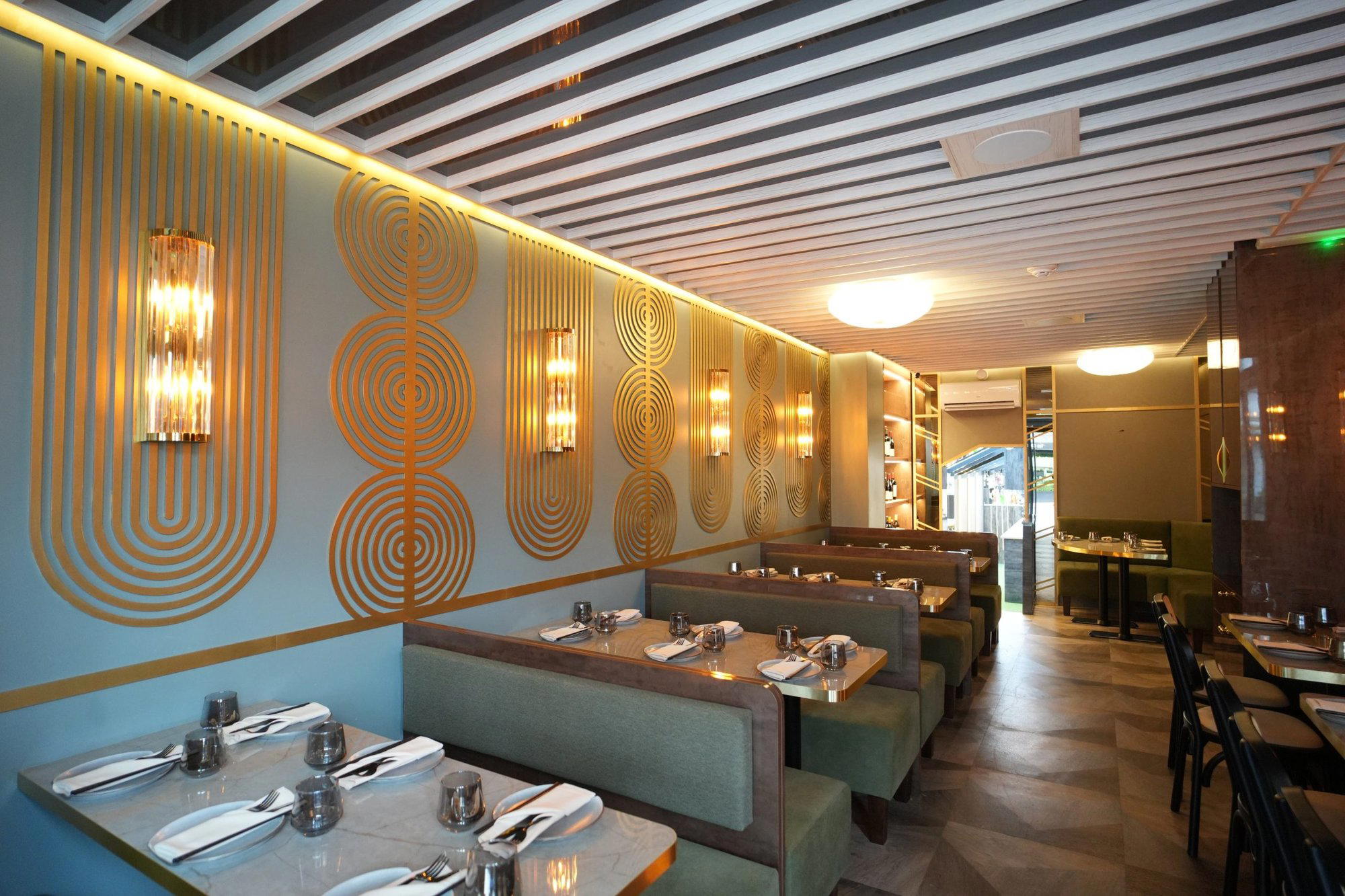
Putney and the Quiet Rise of Neighbourhood Asian Dining
Southwest London has never generated the same column inches as Soho or Mayfair, but the stretch of Lower Richmond Road running through Putney has produced a strand of cooking that rewards attention. The area sits at a remove from the concentration of capital that makes postcode prestige possible in W1 or SW3, which means restaurants here compete on the plate rather than the address. Cho Asia, at number 90, is a restaurant in Putney serving Pan-Indo-Chinese Fusion.
The first is the high-visibility central tier, where Korean tasting menus at places like Atomix in New York City have established a formal-dining template now influencing rooms across London's West End. The second is a neighbourhood tier, less photographed but often more consistent, where the kitchen's relationship with its supply chain defines the daily offer rather than a fixed menu built around spectacle. Cho Asia operates in that second tier, on a road where regulars return not for occasion dining but for cooking they trust.
Where Sourcing Meets the Plate
The ingredient-sourcing logic behind serious Asian cooking is worth understanding before reading any single menu. East and Southeast Asian culinary traditions place notable weight on the provenance and freshness of primary ingredients: the quality of a broth depends on the bones used; the brightness of a stir-fry depends on how recently the produce was cut; the texture of fish depends on handling from boat to wok. These are not aesthetic preferences but structural requirements. When sourcing falters, no amount of technique recovers the dish.
London has a complicated relationship with this standard. The city's wholesale markets supply an enormous range of Asian produce, and the growth of specialist importers over the past fifteen years has made ingredients available that were not accessible before. But availability does not automatically translate into kitchen discipline. The Asian restaurants that earn sustained reputations in London tend to be those where procurement decisions are made daily and where the menu moves with what is actually good rather than what is printed on a card. This operational approach is more common in neighbourhood settings, where the economics do not support the overhead of a fixed prestige format, than in central dining rooms where consistency of the theatre often takes priority over consistency of the ingredient.
Cho Asia's address in Putney places it within a demographic that has both the appetite for serious cooking and the local loyalty to sustain a kitchen that works this way. The surrounding residential streets hold a population that travels regularly across Asia for work and leisure, meaning the reference points for authenticity are sharper than in purely tourist-facing postcodes.
Cho Asia in London's Broader Asian Dining Picture
London's tier of recognised fine-dining restaurants skews heavily European. The three-Michelin-star tier is occupied by CORE by Clare Smyth, Restaurant Gordon Ramsay, Sketch, The Lecture Room and Library, and The Ledbury, with Dinner by Heston Blumenthal operating at two stars. Asian kitchens appear in the recognition tables but not yet at the summit, which tells you something about where institutional critical attention still focuses.
Internationally, the benchmark for ingredient-led Asian fine dining has been set by kitchens in Tokyo, Hong Kong, and increasingly Seoul. In the United States, Le Bernardin in New York City demonstrates how sourcing discipline in a non-Asian kitchen can produce comparable levels of ingredient fidelity. The standard, in other words, is documented and achievable. London's leading Asian neighbourhood kitchens are working toward it with less institutional support than their European counterparts receive.
For context on the broader British fine-dining map, kitchens like The Fat Duck in Bray, L'Enclume in Cartmel, Moor Hall in Aughton, and Gidleigh Park in Chagford have made ingredient provenance central to their identities, each in a European register. The same editorial standard applied to Asian cuisines in London is still developing, but the trajectory is clear. Putney kitchens like Cho Asia are part of that development curve, even if they operate without the press infrastructure that follows destination addresses.
Getting There and Planning Your Visit
Lower Richmond Road is accessible from Putney rail station and East Putney Underground station on the District line, making the journey from central London direct. The southwest London location means travel times from the City or West End run roughly thirty to forty minutes depending on connection. For diners staying centrally, a visit pairs sensibly with other southwest London stops rather than as a standalone cross-city trip unless the specific draw justifies it.
Reservations are recommended, and the current hours are Mon: 5:30–10:30 PM; Tue: 3–10:30 PM; Wed: 3–10:30 PM; Thu: 3–10:30 PM; Fri: 3–11 PM; Sat: 12–11 PM; Sun: 12–10 PM. Spring and early summer, when Asian vegetable sourcing peaks in the UK and import quality aligns with domestic seasonal produce, tends to represent one interesting period for ingredient-driven Asian kitchens in the city.
For regional British dining beyond the capital, Hand and Flowers in Marlow and hide and fox in Saltwood offer points of comparison.
Quick reference: the restaurant, 90 Lower Richmond Rd. London SW15 1LL.
Similar Picks
Comparable venues nearby, for context on price, style, and recognition.
| Venue | Cuisine | Price | Notes |
|---|---|---|---|
| Cho AsiaThis venue — the venue you are viewing | Pan-Indo-Chinese Fusion | $$$ | Not listed |
| UMAMI | Pan-Asian Fusion | $$ | South Kensington |
| Doost & Amici - Flavorful Dishes of Iran to Italy | Persian-Italian Fusion | $$ | Vauxhall |
| Mission | Seasonal Cafe with Japanese Influences | $$ | Bethnal Green |
| BELLY | Filipino-French Fusion Bistro | $$$ | Chalk Farm |
| Ting | Modern British with Asian Influences | $$$$ | Borough |
Continue exploring
More in London
Restaurants in London
Browse all →
Bars in London
Browse all →
Hotels in London
Browse all →

At a Glance
- Cozy
- Intimate
- Elegant
- Modern
- Date Night
- Group Dining
- Casual Hangout
- Open Kitchen
- Craft Cocktails
Current opening hours
- Monday
- 5:30–10:30 PM
- Tuesday
- 3–10:30 PM
- Wednesday
- 3–10:30 PM
- Thursday
- 3–10:30 PM
- Friday
- 3–11 PM
- Saturday
- 12–11 PM
- Sunday
- 12–10 PM
Hours can change for holidays and private events. Last verified .
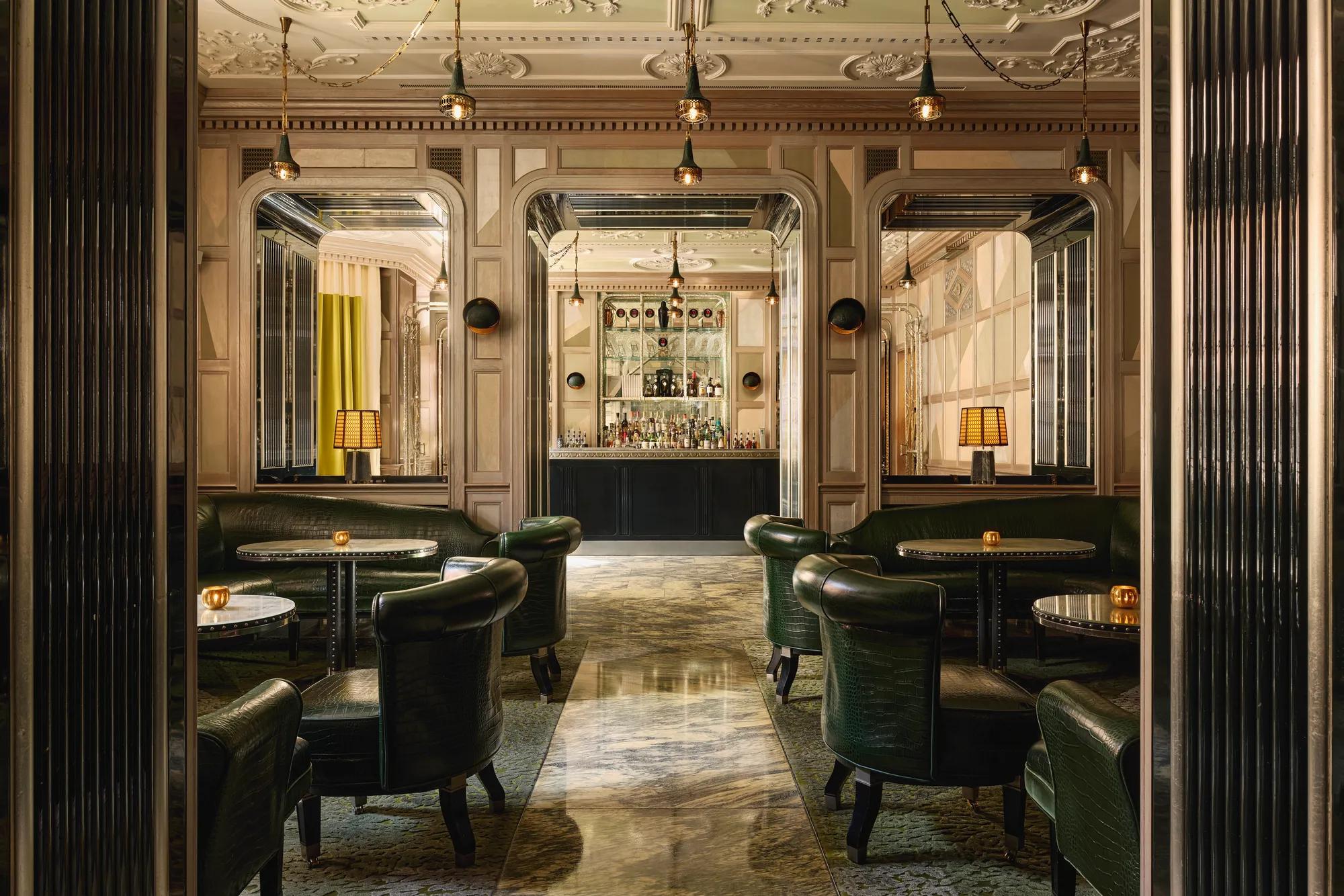
Warm, intimate setting with cozy booth tables, chic green and gold decor, and soft glowing lighting creating a luxurious yet welcoming atmosphere.