Our verdict
On Cambie Street, Miso Taco sits at an address where Japanese technique and Mexican street-food tradition share the same kitchen. The concept places Vancouver inside a wider North American conversation about Asian-Latin fusion formats that has gained traction from Los Angeles to Toronto. Practical, curious, and specific in its ambitions, it occupies a mid-tier niche distinct from the city's $$$$-tier contemporary counters.

Pearl is the En Primeur Club membership app — saves, bookings, and concierge access live there. Same editors, same standards.
- Address
- 3456 Cambie St., Vancouver, BC V5Z 2W8, Canada
- Phone
- (236) 471-8011
- Hours
- Mon–Thu 12–10 PMFri–Sat 12–11 PMSun 12–10 PM
- Website
- misotaco.ca
- Directions
- Get directions
- Booking
- Book on OpenTable
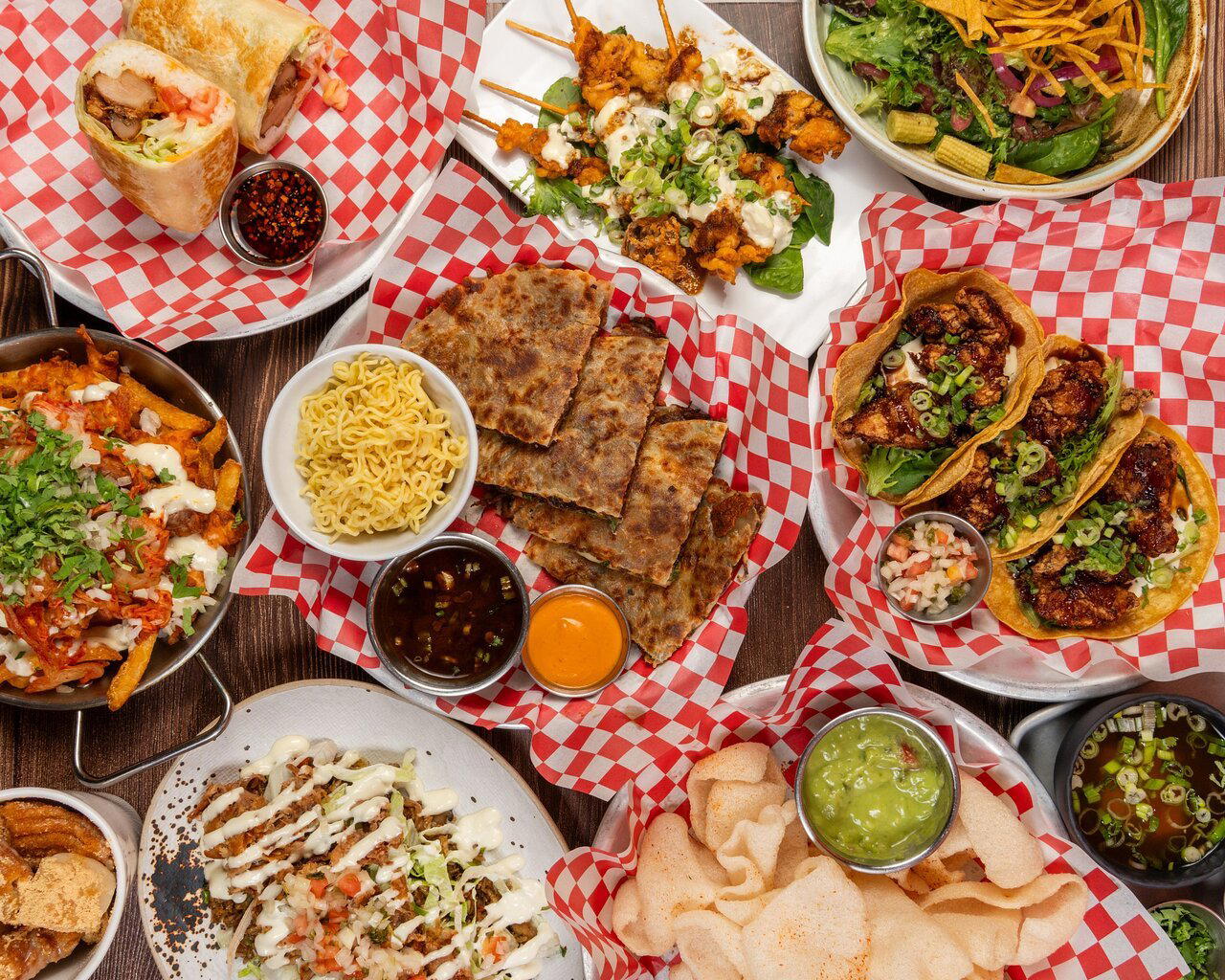
The menu
What to order
- Miso Taco
- Tuna Tataco
- Teriyaki Chicken Bowl
- Kimchi Nacho Fries
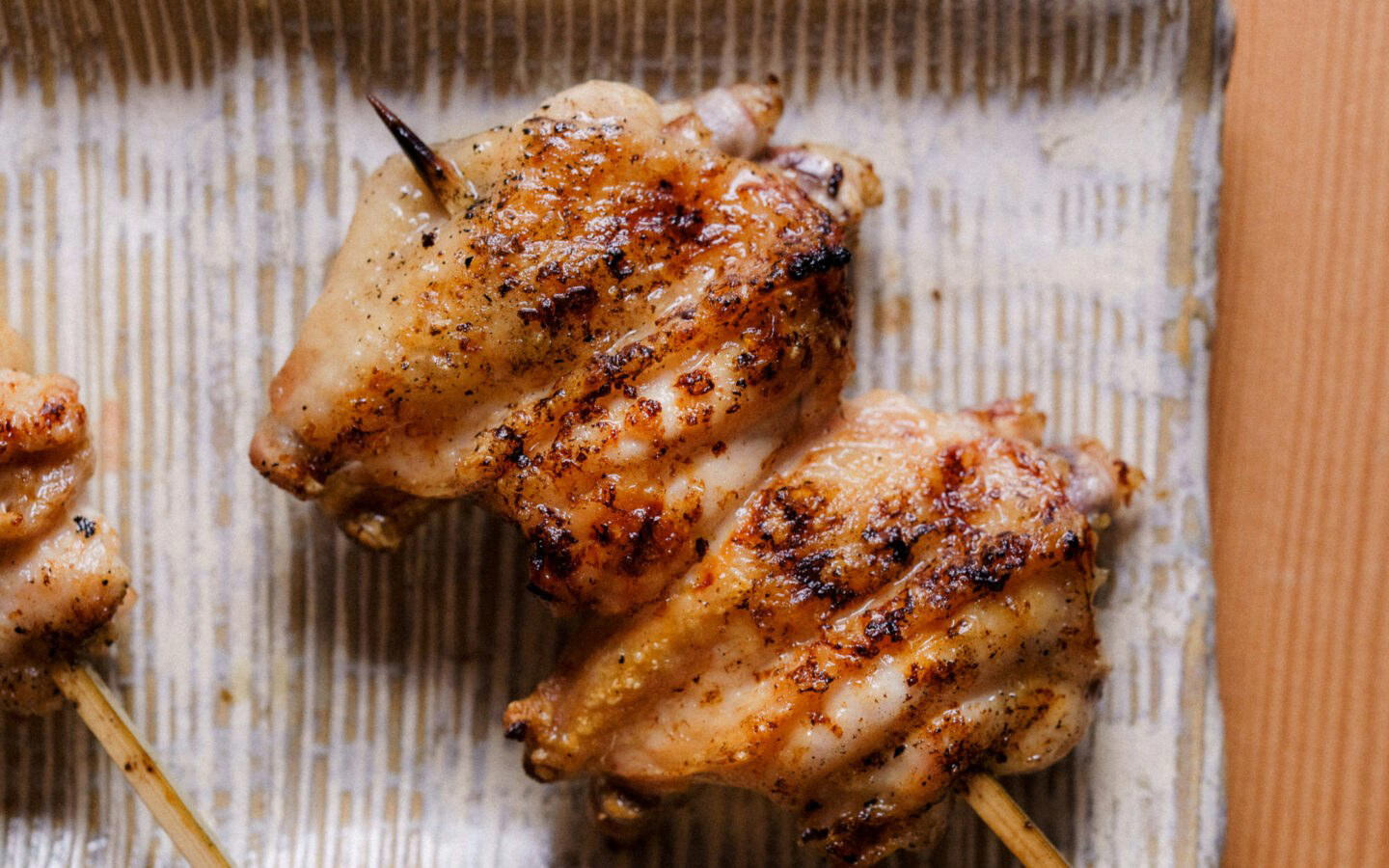
- Squid Skewers
Where Cambie Street Meets a Cross-Cultural Kitchen
The stretch of Cambie Street running through the residential corridor between Queen Elizabeth Park and the South Cambie neighbourhood has become a quiet proving ground for independent restaurants that don't fit neatly into Vancouver's established dining categories. The area lacks the foot traffic of Gastown or the destination-dining cachet of the West End, which means the venues that take root here tend to rely on neighbourhood loyalty and a clear culinary proposition rather than location advantage alone. Miso Taco, at 3456 Cambie St. sits in that context: a room that announces its hybrid ambitions in the name itself, before a single dish arrives.
The fusion of Japanese and Mexican culinary traditions is not a new idea in North American dining. Cities like Los Angeles and New York built early iterations of the format on the overlap between Japanese precision and the bold, acid-forward profiles of Mexican street food. Vancouver's version of that conversation has developed more slowly, shaped by the city's strong Japanese dining culture, which runs from high-end omakase counters like Masayoshi down through the ramen and izakaya formats that define entire neighbourhoods. Against that backdrop, a concept built around miso-inflected taco formats occupies genuinely distinct territory — not because the format itself is rare globally, but because it sits well outside the lanes Vancouver's dining public tends to reward most visibly.
The Asian-Latin Format in a Canadian Context
Across Canada, the restaurants drawing the most sustained critical attention tend to cluster around either refined regional cuisine or high-investment contemporary tasting formats. Tanière³ in Quebec City and Alo in Toronto represent the latter pole, where multi-course precision and deep wine programs define the experience. Jérôme Ferrer's Europea in Montreal leans into European-inflected refinement. Even in smaller markets, places like Narval in Rimouski and Restaurant Pearl Morissette in Lincoln frame their identity around terroir and product-led restraint.
Miso Taco operates in a different register entirely. The Asian-Latin hybrid format is, by design, populist in its DNA — built around accessible price points, shared plates, and the kind of casual energy that tasting-menu culture explicitly rejects. That doesn't make it lesser; it makes it different, and the difference matters when thinking about where it fits in Vancouver's dining map. The city's $$$$-tier contemporary rooms, including AnnaLena, Barbara, and the Japanese-inflected Kissa Tanto, are benchmarked against international fine-dining standards. Miso Taco is benchmarked against a different set entirely: the casual hybrids, the neighbourhood spots that punch above their category.
Kitchen Collaboration and the Logic of Hybrid Menus
The editorial angle that most honestly frames a concept like Miso Taco is not a single chef's biography but the dynamics of a kitchen that has to speak two culinary languages simultaneously. Asian-Latin fusion, when it works, tends to succeed because of genuine fluency on both sides of the equation, not because one tradition decorates the other, but because the underlying techniques and flavour logics find real points of contact. Miso's umami depth and fermentation profile, for instance, maps more naturally onto Mexican chili-and-acid combinations than it might initially appear: both culinary traditions have a long relationship with fermented condiments and layered savoury complexity.
The front-of-house function at a casual hybrid like this carries particular weight. In formats where the menu is unconventional, the team's ability to guide first-time visitors through unfamiliar combinations becomes as important as the kitchen's execution. Staff who can explain why a miso-based preparation works alongside a corn tortilla, without making the explanation feel like a lecture, are doing a version of what sommeliers do in fine-dining rooms: translating a decision for the guest so the decision feels like theirs. Comparable dynamics are visible at globally recognised venues like Atomix in New York City, where front-of-house fluency with cross-cultural Korean tasting formats is considered as central to the experience as the cooking itself.
Vancouver's Fusion Moment and Where It Points
Vancouver has long had the ingredient conditions for genuine Asian-Latin crossover: one of North America's most established Japanese culinary communities, significant Mexican and Latin American immigration, and a dining public that engages seriously with both traditions on their own terms. What has been slower to develop is the restaurant format that takes both seriously at once, rather than treating one as the host and the other as the guest. The Chinese dining tradition is similarly well-represented in Vancouver, anchored by destination-level operations like iDen and QuanJuDe Beijing Duck House, but the cross-cultural conversation between Asian and Latin formats has moved at a different pace.
The broader Canadian dining scene provides useful comparison points. Venues like The Pine in Creemore, Eigensinn Farm in Singhampton, and Aux Anciens Canadiens in Quebec show how deeply rooted, place-specific food culture can sustain a restaurant across decades. The challenge for a hybrid concept is different: it needs to make a case not for rootedness but for coherence, that the combination is more than the sum of its parts. Le Bernardin in New York City offers a counterpoint in the fine-dining register, where a singular, disciplined focus on one culinary tradition becomes the identity. Miso Taco's bet is the opposite: that two traditions, handled with enough respect for each, produce something that neither could alone.
Planning Your Visit
Miso Taco is located at 3456 Cambie St. in Vancouver's South Cambie corridor, accessible via the Canada Line's King Edward station, roughly a ten-minute walk north. The neighbourhood skews residential and quieter than central Vancouver dining districts, so the venue draws a local regular base alongside visitors making a deliberate choice to come here. Specific booking methods, current hours, and pricing are best confirmed directly, as the venue's operational details are not published in standard aggregators at time of writing. For a broader view of where Miso Taco sits among Vancouver's current restaurant options across price tiers and cuisines, the EP Club Vancouver restaurants guide provides comparative context. Comparable mid-tier neighbourhood venues with a strong community following, such as Barra Fion in Burlington or Bearspaw Golf Club in Calgary, suggest that the strongest positioning for venues in secondary locations is consistency and a clearly communicated identity, both of which apply here.
Frequently asked questions
What should I eat at Miso Taco?
How far ahead should I plan for Miso Taco?
What's the standout thing about Miso Taco?
What if I have allergies at Miso Taco?
Is Miso Taco overpriced or worth every penny?
Does Miso Taco suit a solo diner visiting Vancouver for the first time?
Comparable Spots
Comparable venues nearby, for context on price, style, and recognition.
| Venue | Cuisine | Price | Notes |
|---|---|---|---|
| Miso TacoThis venue — the venue you are viewing | Japanese-Mexican Fusion Street Food | $20–30 | Not listed |
| Banter Room | West Coast Fusion with International Influences | $30–50 | Yaletown |
| Argo Cafe | French-Chinese Diner Fusion | $10–20 | Mount Pleasant |
| Dovetail | California-Inspired Italian Fusion | Not listed | Yaletown |
| Frankie's Italian Vancouver | Southern Italian Trattoria | $30–50 | Downtown |
| Nuba - Gastown | Modern Lebanese | $30–50 | Gastown |
Continue exploring
More in Vancouver
Restaurants in Vancouver
Browse all →
Bars in Vancouver
Browse all →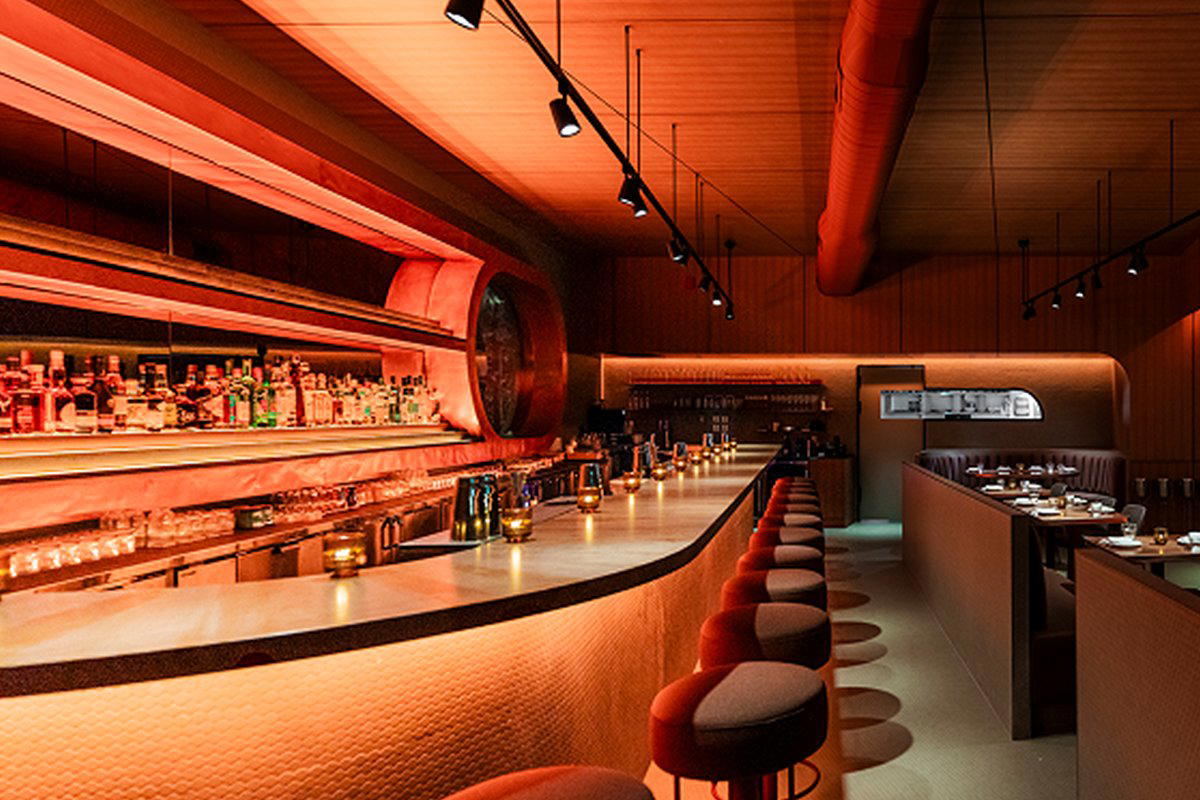
Details
- Lively
- Trendy
- Modern
- Energetic
- Casual Hangout
- Group Dining
- After Work
- Late Night
- Standalone
- Open Kitchen
- Beer Program
- Craft Cocktails
- A La Carte
- Small Plates
- Beer
- Cocktails
- Vegetarian Friendly
Current opening hours
- Monday
- 12–10 PM
- Tuesday
- 12–10 PM
- Wednesday
- 12–10 PM
- Thursday
- 12–10 PM
- Friday
- 12–11 PM
- Saturday
- 12–11 PM
- Sunday
- 12–10 PM
Hours can change for holidays and private events. Last verified .
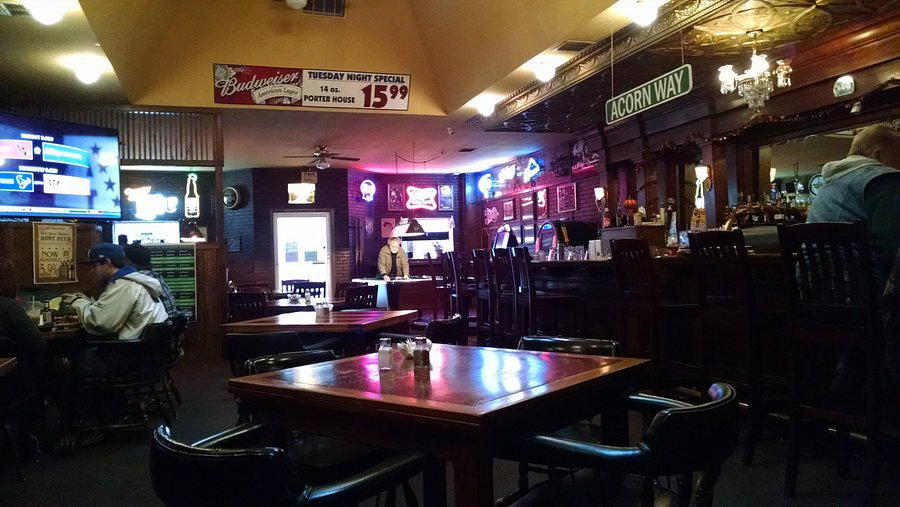
Industrial-looking dining space with neon colors, anime on TVs, high-top and low tables, and a spacious layout with hangout vibes ideal for small groups.