Our verdict
Nuba in Gastown occupies a well-worn stretch of West Hastings that puts it squarely inside Vancouver's most historically layered neighbourhood. The restaurant draws on Lebanese culinary tradition at a price point that sits below the city's fine-dining tier, making it a reference point for how Middle Eastern cooking has found sustained traction in a market dominated by Pacific Rim and contemporary Canadian formats.

Pearl is the En Primeur Club membership app — saves, bookings, and concierge access live there. Same editors, same standards.
- Address
- 207 W Hastings St, Vancouver, BC V6B 1K6, Canada
- Phone
- (604) 688-1655
- Hours
- Mon–Thu 11:30 AM–9 PMFri–Sat 11:30 AM–10 PMSun 11:30 AM–9 PM
- Website
- nuba.ca
- Directions
- Get directions
- Booking
- Book on OpenTable
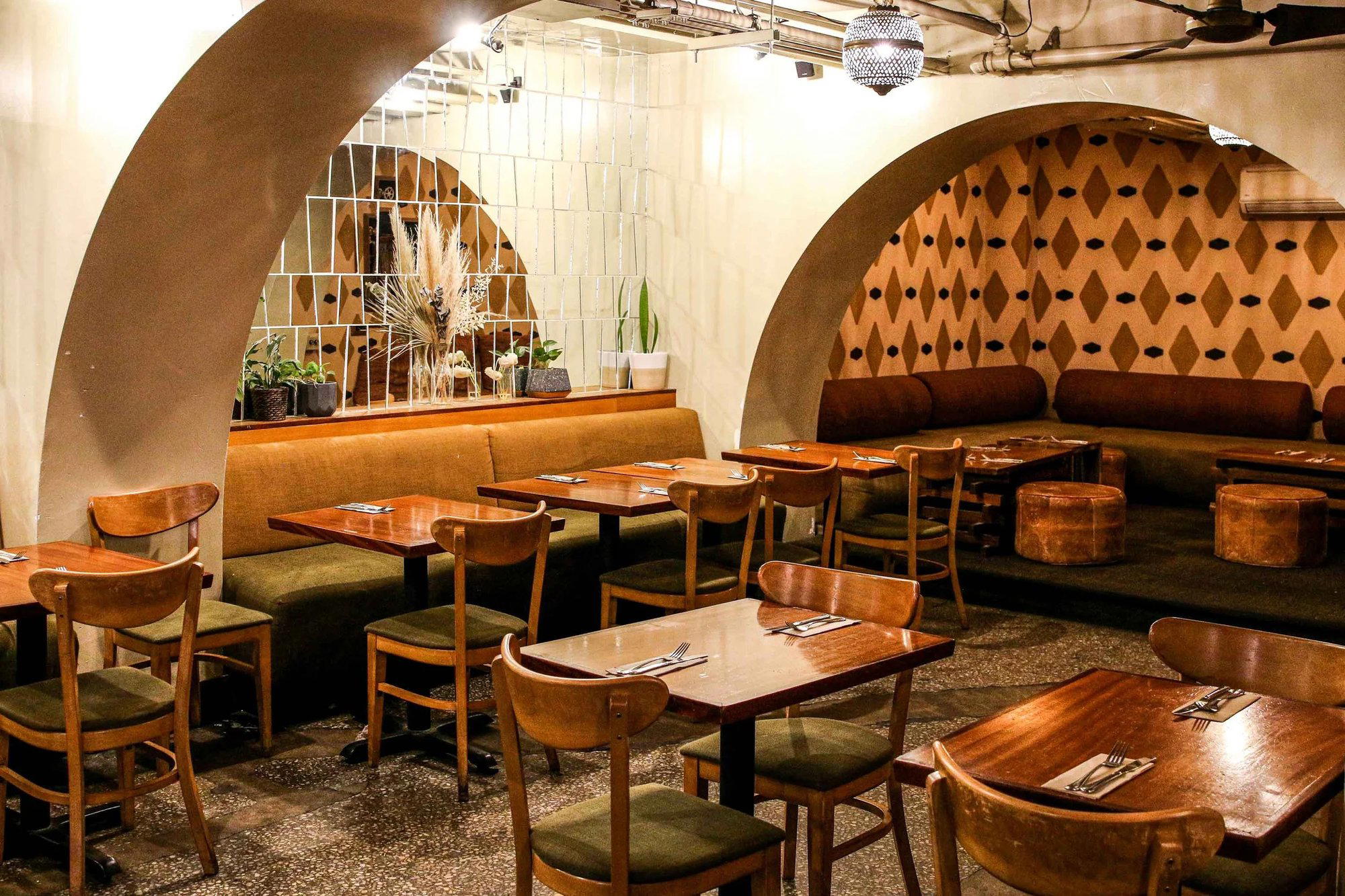
West Hastings and the Weight of the Neighbourhood
The block of West Hastings Street where Nuba sits has accumulated more narrative than almost anywhere else in Vancouver. Gastown — the oldest commercial district in the city, named after a saloon keeper and rebuilt after an 1886 fire — has spent decades cycling between dereliction and reinvention. By the time the neighbourhood's current hospitality character settled into place, the street had become home to a particular kind of dining proposition: not the polished tasting-counter format that defines tables like Masayoshi or Kissa Tanto further south in the city, but something more communal, more affordable, and more rooted in transplanted tradition.
That context matters when placing Nuba. Lebanese restaurants in North America have historically occupied a mid-market position, generous portions, shared formats, and price points that resist the tasting-menu logic dominating the upper tier. Nuba in Gastown holds that position deliberately. It does not compete with the $$$$ bracket represented by AnnaLena or Barbara. It competes on consistency, cultural specificity, and the kind of repeat-visit reliability that neighbourhood restaurants earn over years rather than seasons.
The Ritual of the Lebanese Table
Lebanese dining has a structure that most Western restaurant formats flatten or ignore. The meal begins with meze, a spread of cold and warm small plates that arrives without a fixed sequence, encouraging the table to eat collectively and at its own pace rather than following the kitchen's choreography. This is not appetiser culture dressed in different clothes. The meze stage is substantive enough to constitute most of the meal for many diners, and the transition to a main plate, if it comes at all, feels optional rather than mandatory.
That pacing resists the turn-the-table pressure that drives revenue at higher-volume venues. A table ordering meze broadly, hummus, fattoush, kibbeh, perhaps a warm cauliflower dish, and eating slowly through a shared pitcher of something cold is behaving exactly as the tradition intends. The meal has no obvious end point imposed from outside. This is the custom, and restaurants that honour it tend to generate the kind of loyalty that does not show up in award cycles but does show up in queues on a Thursday evening.
Vancouver's dining culture, shaped heavily by Pacific Rim influences and a strong emphasis on ingredient provenance, has made space for Middle Eastern cooking more slowly than cities like Toronto or Montreal. In Montreal, Lebanese and broader Levantine cooking has deep roots going back decades, and venues like Europea sit within a city that has long absorbed Mediterranean and Middle Eastern culinary tradition into its mainstream. In Vancouver, the equivalent foothold has been harder to establish at scale. Nuba represents one of the more durable attempts.
Where It Sits in the Vancouver Dining Map
Vancouver's restaurant scene in 2024 is heavily weighted toward Japanese-influenced formats, Pacific Northwest ingredient-led cooking, and Chinese regional cuisines, a reflection of both the city's geography and its demographics. The fine-dining conversation is dominated by omakase counters and contemporary tasting menus. At the other end of the price spectrum, the city has deep infrastructure in dim sum and Vietnamese pho. Middle Eastern cooking occupies a middle ground that has grown without generating the critical attention that those categories attract.
Nuba has multiple locations in Vancouver, with the Gastown outpost at 207 West Hastings serving the neighbourhood's mix of creative-industry workers, tourists arriving through the district's revitalised retail corridor, and the longer-standing residential community to the east. That address places it within walking distance of the waterfront and the cluster of hospitality venues that have made Gastown one of the more visited areas in the city for visitors arriving without local knowledge.
For travellers building a broader Canadian dining itinerary, the contrast with Quebec's approach to similar culinary traditions is worth noting. Restaurants like Aux Anciens Canadiens in Quebec City anchor themselves in hyper-local French-Canadian tradition, while Tanière³ pushes that tradition into avant-garde territory. Nuba operates in a different register entirely, transplanted rather than rooted, drawing on Lebanese culinary culture and adapting it for a West Coast city rather than building on what was already there.
That distinction shapes what the meal feels like. Eating at Nuba is not an exercise in discovering Vancouver's culinary identity. It is an exercise in discovering how a specific culinary tradition travels and what it retains when it does. The cauliflower roasting, the tahini ratios in the hummus, the herb balance in the tabbouleh, these are reference points against a Lebanese original, not against anything specifically Vancouverian.
Seasonal Considerations and When to Go
Gastown's pedestrian traffic peaks significantly between June and September, when the city's tourism season overlaps with patio culture and the neighbourhood's street-level activity is at its most concentrated. Winter months bring a quieter version of the same block, fewer visitors, more regulars, and the kind of unhurried service pace that the meze format suits particularly well. For visitors, the shoulder seasons of May and October offer a middle ground: the neighbourhood is accessible and the dining room is less likely to be operating at full capacity on a weekday evening.
The broader Canadian dining calendar shifts meaningfully in late autumn, when the farm-to-table logic that governs much of Vancouver's contemporary restaurant culture responds to the end of the Pacific Northwest growing season. At venues like Restaurant Pearl Morissette in Ontario's wine country, that seasonal shift is the whole editorial point. At a Lebanese restaurant, the seasonal pressure is less acute, the pantry of preserved lemons, dried legumes, and tahini is less dependent on local harvest cycles, which means the kitchen's output stays relatively consistent across the year.
Within Vancouver's mid-market dining tier, Nuba occupies a position defined by cultural specificity rather than technical ambition. It is not attempting the fusion approach of Kissa Tanto, which layers Japanese and Italian culinary logic in a way that requires both traditions to bend. It is also not operating in the ingredient-provenance register that defines AnnaLena's contemporary Canadian proposition.
In New York, the conversation about Levantine cooking at serious technical levels happens at a different register entirely, restaurants like Atomix are adjacent to that world in their Korean tasting-menu format, while Le Bernardin represents the French fine-dining pole against which many North American kitchens still calibrate. Nuba does not belong to either of those conversations. It belongs to the more durable, less celebrated category of restaurants that sustain a neighbourhood's dining culture without chasing the recognition circuits that generate press coverage.
That is not a criticism. Restaurants that generate consistent loyalty across a decade in a neighbourhood as economically volatile as Gastown are doing something structurally harder than winning an award in their opening year. The question for any visitor is whether the Lebanese meze tradition, served in a Gastown room on a weekday evening, is the kind of meal they are looking for. For many, it will be.
Know Before You Go
- Address: 207 W Hastings St, Vancouver, BC V6B 1K6
- Neighbourhood: Gastown, Vancouver
- Format: Lebanese meze and mains; shared dining format
- Price tier: Mid-market; below Vancouver's $$$$ fine-dining bracket
- Leading season: Quieter and more relaxed in winter months; peak tourist-season crowds June–September
- Getting there: Gastown is accessible via the SkyTrain Waterfront Station, approximately a 10-minute walk west along Hastings
- Booking: Specific booking method not confirmed; walk-in availability is typical for mid-market Lebanese formats in this neighbourhood
Frequently asked questions
What's the address for Nuba - Gastown?
Nuba - Gastown is located at 207 W Hastings St, Vancouver, BC V6B 1K6, Canada, Vancouver.
Is Nuba - Gastown a good option for vegetarians dining in Vancouver?
Lebanese meze is structurally one of the more vegetarian-accommodating formats in Vancouver's mid-market dining tier, built substantially around legumes, vegetables, and grain-based dishes rather than protein as centrepiece. Nuba's menu at the West Hastings St location reflects that tradition, making it a practical choice for plant-based diners who want cultural specificity rather than a dedicated vegetarian concept. It sits in a part of Vancouver's dining map where that combination — Lebanese format, meze structure, vegetable depth — is not heavily replicated.
What dish is Nuba - Gastown famous for?
Nuba built its reputation around Lebanese meze — the shared-plate format anchored by hummus, tabbouleh, fattoush, and warm dishes drawn from the Levantine table. The format is less a menu than a structure: cold plates arrive first, warm dishes follow, and the table accumulates across the meal. For a Gastown address on West Hastings St, that cultural specificity sets it apart from the neighbourhood's more format-neutral options.
How hard is it to get a table at Nuba - Gastown?
Nuba operates at a mid-market price point without the tasting-menu format or Michelin recognition that creates months-long waitlists at Vancouver's higher-pressure rooms. Gastown pedestrian traffic peaks June through September, so weekend evenings in summer require more planning than a Tuesday in March. Outside peak season, walk-in availability at 207 W Hastings St is generally more forgiving than at the city's reservation-driven counters.
Comparable Options
Comparable venues nearby, for context on price, style, and recognition.
| Venue | Cuisine | Price | Awards | Notes |
|---|---|---|---|---|
| Nuba - GastownThis venue — the venue you are viewing | Modern Lebanese | $30–50 | Not listed | Not listed |
| Mosaic Bar & Grille | Creative West Coast | $30–50 | Not listed | Downtown |
| Tayybeh | Authentic Syrian Middle Eastern | $20–30 | Not listed | Mount Pleasant |
| Fable Diner | Farm-to-Table American Diner | $20–30 | Diners, Drive-Ins and Dives Featured Restaurant | Mount Pleasant |
| Guu Davie | Japanese Izakaya with Hot-Pot Specialties | $20–30 | Not listed | West End |
| Greenhorn Cafe | Neighbourhood Cafe | $20–30 | Not listed | West End |
Continue exploring
More in Vancouver
Restaurants in Vancouver
Browse all →
Bars in Vancouver
Browse all →
Nuba - Gastown
The wine
- Wine program
- Curated wine list
- Craft cocktails
Details
- Modern
- Trendy
- Intimate
- Cozy
- Date Night
- Group Dining
- Special Occasion
- Historic Building
- Craft Cocktails
- Local Sourcing
- Organic
- Small Plates
- A La Carte
- Vegetarian Friendly
- Vegan Options
- Gluten Free Options
- Halal
Current opening hours
- Monday
- 11:30 AM–9 PM
- Tuesday
- 11:30 AM–9 PM
- Wednesday
- 11:30 AM–9 PM
- Thursday
- 11:30 AM–9 PM
- Friday
- 11:30 AM–10 PM
- Saturday
- 11:30 AM–10 PM
- Sunday
- 11:30 AM–9 PM
Hours can change for holidays and private events. Last verified .
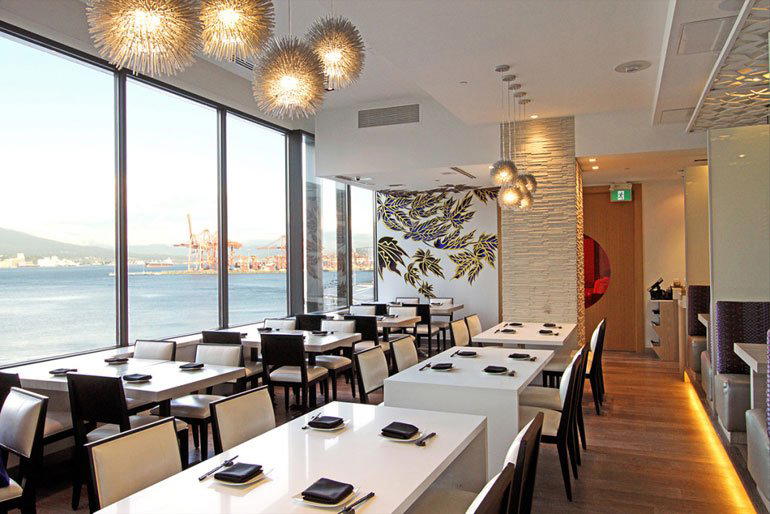
Dimly lit evenings creating an intimate and adventurous atmosphere in a stylish underground setting.