

1 Michelin Star · Canada's 100 Best New Restaurants #1
Our verdict
Vancouver's most in-demand reservation sits on East Broadway in Mount Pleasant, where a 14-seat counter defines what serious yakitori omakase looks like in Canada. Chef Pete Ho grills heritage-breed chicken over binchotan coals with a tare maintained over decades, producing a multicourse format that sits comfortably alongside the city's leading Japanese omakase rooms at the $$$$ price tier.

Pearl is the En Primeur Club membership app, where members save venues, book tables and use the concierge.
The menu
What to order
- Chicken hearts
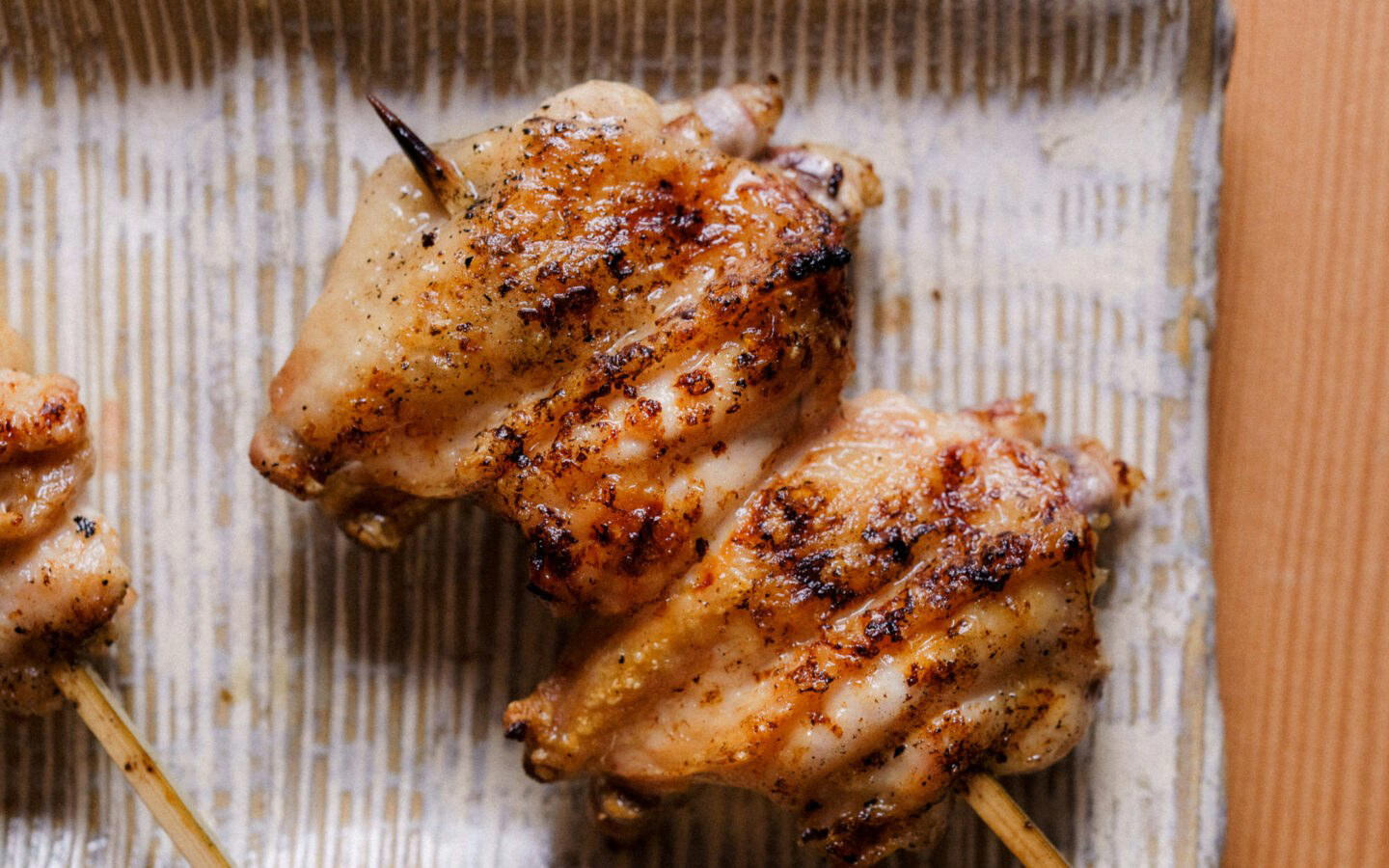
- Tsukune
- Chicken soboro don
Mount Pleasant and the Counter That Changed the Conversation
East Broadway in Mount Pleasant is not where most diners expect to find the reservation that gets talked about more than any other in Vancouver. The neighbourhood sits south of Main Street's restaurant density, away from the downtown hotel circuit and the Gastown blocks where much of the city's high-profile dining concentrates. That displacement is part of what makes Sumibiyaki Arashi legible as a place: a 14-seat counter tucked into a working neighbourhood, where the format is the attraction rather than the address. Omakase dining in Vancouver has largely organised itself around Japanese fish traditions, sushi counters, kaiseki rooms, and raw-fish-led tasting menus, and the arrival of a serious yakitori-first counter on this stretch of Broadway marked a genuine category shift in what the city's Japanese dining scene could accommodate at the leading end.
Mount Pleasant itself has developed incrementally as a dining neighbourhood, with independently owned restaurants filling in along Main and the cross streets rather than arriving as a coordinated scene. A 14-seat counter at this price tier fits that pattern: small-footprint, specialist, relying on word-of-mouth and reservation demand rather than foot traffic. The physical format, counter seating, grill as centrepiece, limited capacity, mirrors what serious yakitori operates like in Tokyo's mid-tier specialist houses, where proximity to the coals and the cook is the point.
The Logic of Binchotan in a Multicourse Format
Yakitori as a category spans a wide range in Japan, from standing-room skewer bars operating on volume and speed to counter-format specialist restaurants where the grill work is treated with the same deliberateness as a sushi chef's knife cuts. Sumibiyaki Arashi operates firmly in the latter register. The fuel is binchotan, the dense white charcoal that burns hotter and cleaner than standard charcoal, produces less smoke, and allows for precise, sustained temperature control over a long service. The choice of binchotan is not aesthetic, it is technical. The difference between binchotan-grilled chicken and gas-cooked yakitori is measurable in how fat renders, how skin crisps, and how the interior of a thigh or breast reaches the correct temperature without drying.
The multicourse omakase format works here because yakitori, taken seriously, generates enough variation across a single bird to sustain a full menu arc. Heritage-breed sourcing is part of that argument: birds with more intramuscular fat and developed musculature produce cuts that behave differently on the grill and carry more distinct flavour. The butchery required to prepare less conventional cuts, the oyster, the heart, the skin, demands the same anatomical knowledge that a sushi chef applies to breaking down a fish. Framing those cuts within a progression, rather than ordering from a list, allows the menu to make an argument about the bird rather than simply serving familiar pieces.
The tare that seasons those skewers carries additional weight. A tare maintained over decades is a living document of accumulated cooking: each dipping and re-seasoning adds depth and continuity that a freshly made sauce cannot replicate. In Japan's most respected yakitori houses, the age of the tare functions as a credential in the same way a wine cellar or a sourdough starter does. At Sumibiyaki Arashi, that continuity is built into the flavour architecture of every skewer.
Where This Sits in Vancouver's Japanese Omakase Field
Vancouver's $$$$ Japanese omakase tier has deepened considerably over the past decade. Masayoshi represents the high-precision sushi and kaiseki end of that spectrum, while Okeya Kyujiro and Sushi Masuda anchor the traditional omakase sushi format at the upper price tier. Sushi Bar Maumi and Octopus Garden extend the range further. Sumibiyaki Arashi occupies a distinct slot within that field: it is the only counter in this peer group where fire and poultry, rather than fish and blade work, generate the central experience. That specificity gives it a different competitive logic, diners are not choosing between sushi counters when they book here, they are choosing an entirely different approach to what an omakase meal can be.
Across Canada, Japanese-influenced omakase dining at the top tier has produced some of the country's most discussed reservations. Kaiseki Yu-zen Hashimoto in Toronto represents the formal kaiseki end of that conversation, while counter-format operators in Vancouver have pushed the category toward fire, sourcing, and precision grillwork. The comparison set for Sumibiyaki Arashi extends, in format terms, to yakitori specialists in Tokyo's Shinjuku and Minami-Aoyama neighbourhoods, houses where the counter is small, the sourcing is stated, and the meal takes two hours. By that measure, what Chef Pete Ho has built on East Broadway reads as a legitimate contribution to the category rather than an adaptation of it.
The Menu Beyond the Skewers
The multicourse structure at Sumibiyaki Arashi frames the yakitori sequence within a broader progression. The red crab chawanmushi with yuzu that appears in the menu represents the kind of supporting course that functions as both palate preparation and signal of range: chawanmushi requires control of heat and timing, and the yuzu addition places the dish in a flavour register that is acidic and aromatic against the deeper, fattier notes of grilled chicken. Crispy tofu accented with sweet soy performs a similar structural role, textural contrast, a quieter flavour register, before the skewer sequence builds. These courses are not decorative; they do work in the progression.
Planning Your Visit
The 14-seat counter at 363 East Broadway is reached most directly via the Broadway-City Hall SkyTrain station, a short walk west, or by bus along Broadway itself. The reservation demand, consistently described as the highest of any restaurant in the city, makes early planning essential. Bookings typically require advance notice measured in weeks rather than days, and the counter's limited capacity means availability does not open up frequently. The $$$$ price tier positions Sumibiyaki Arashi alongside Vancouver's other leading Japanese omakase rooms; diners planning an evening in the neighbourhood can combine the visit with Mount Pleasant's independent bar and wine scene along Main Street. For a fuller picture of where Arashi fits within the city's broader dining options, see our full Vancouver restaurants guide, as well as our Vancouver hotels guide, bars guide, wineries guide, and experiences guide.
For readers building a broader Canada itinerary around serious restaurant tables, the country's high-end dining circuit includes Alo in Toronto, Tanière³ in Québec City, Jérôme Ferrer - Europea in Montreal, Narval in Rimouski, The Pine in Creemore, and Restaurant Pearl Morissette in Lincoln. For international comparison at the technical end of the spectrum, Le Bernardin in New York City represents the benchmark for how a narrow culinary focus, fish, in that case, can sustain a full tasting format at the highest level.
Frequently asked questions
What kind of setting is Sumibiyaki Arashi?
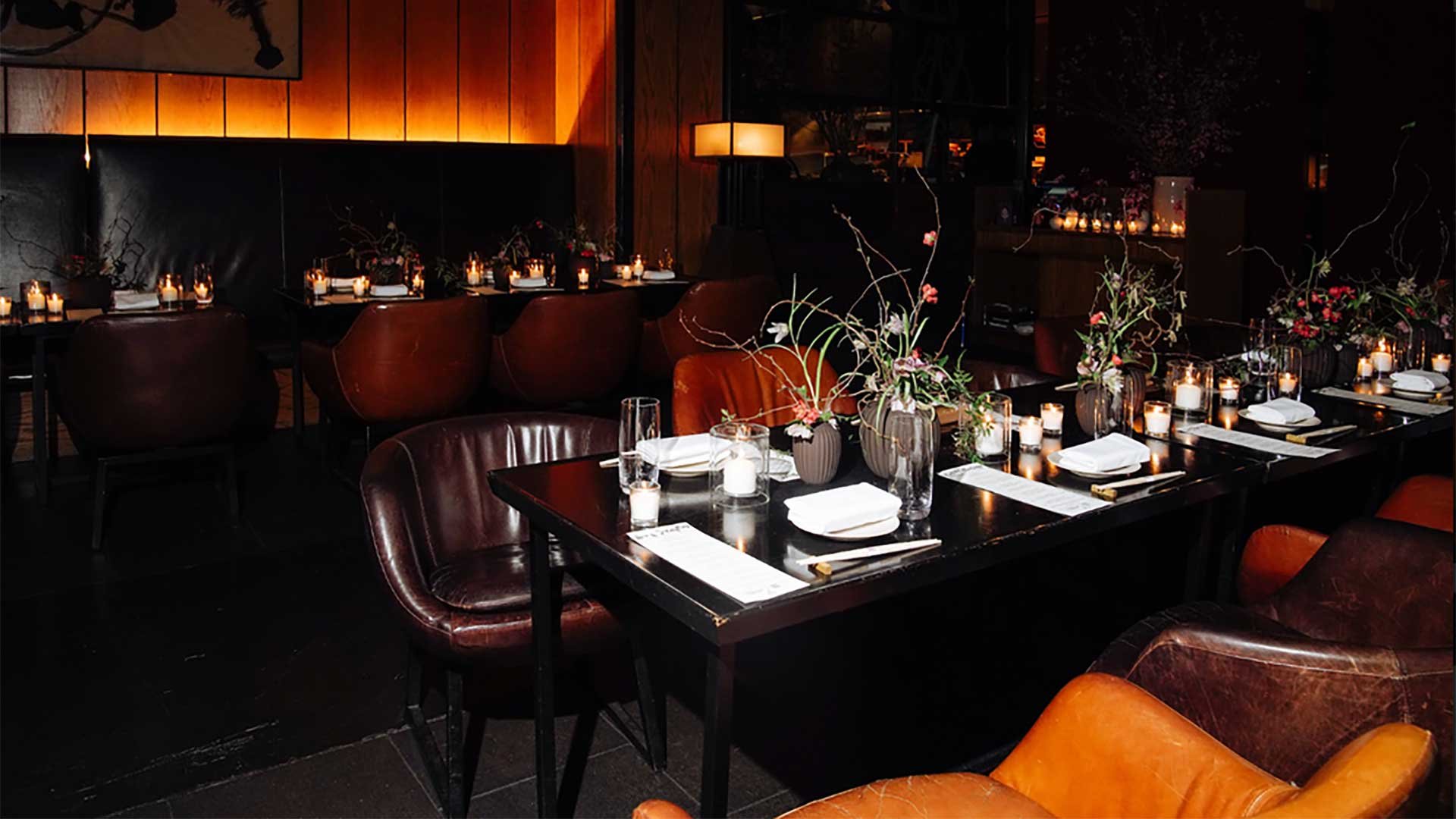
The counter seats 14 guests in a format centred on the binchotan grill, which puts the cooking visible and central to the room. The Mount Pleasant address on East Broadway places it outside the downtown core, giving the setting an intimate, neighbourhood-specialist character consistent with serious counter dining in Tokyo's yakitori district.
What dish is Sumibiyaki Arashi famous for?
The binchotan-grilled chicken skewers are the central argument of the menu. Sourced from heritage-breed birds, butchered to include both conventional cuts and less common pieces like the oyster and heart, and seasoned with a tare maintained over decades, the skewers represent the technical and sourcing depth that has made Sumibiyaki Arashi the most sought-after reservation in Vancouver according to recognised editorial coverage of Chef Pete Ho's counter format.
Is Sumibiyaki Arashi a family-friendly restaurant?
At the $$$$ price tier with a multicourse omakase format and 14 seats, Sumibiyaki Arashi is not structured for younger children, Vancouver has more appropriate options for family dining at that age range.
Just the Basics
| Venue | Cuisine | Price | Awards | Notes |
|---|---|---|---|---|
| Sumibiyaki ArashiThis venue (the venue you are viewing) | Sumibiyaki Yakitori Omakase | $100–150 | 1 Michelin Star · Canada's 100 Best New Restaurants #1 | Not listed |
| AnnaLena | Modern Canadian Tasting Menu | $100–150 | 1 Michelin Star · World's 50 Best #35 | Contemporary |
| iDen & QuanJuDe Beijing Duck House | Beijing Roast Duck Fine Dining | $100–150 | 1 Michelin Star | Chinese |
| Kissa Tanto | Japanese-Italian Fusion | $100–150 | 1 Michelin Star · La Liste Top Restaurants | Fusion |
| Masayoshi | Modern Japanese Omakase | $200–300 | 1 Michelin Star | Japanese |
| Published on Main | Contemporary Canadian | $150–200 | 1 Michelin Star · World's 50 Best #17 | Contemporary |
Recognition history
Dated appearances from independent guides and award organizations, with the underlying list record or original source where available.
Michelin 1 Star
Michelin
Canada's 100 Best New Restaurants #1
Canada's 100 Best
Continue exploring
More in Vancouver
Restaurants in Vancouver
All restaurants in Vancouver →
Bars in Vancouver
All bars in Vancouver →
Details
- Intimate
- Sophisticated
- Modern
- Date Night
- Special Occasion
- Chefs Counter
- Open Kitchen
- Sake Program
- Omakase
- Counter Dining
- Sake Program
Current opening hours
- Monday
- Closed
- Tuesday
- 5:30–10 PM
- Wednesday
- 5:30–10 PM
- Thursday
- 5:30–10 PM
- Friday
- 5:30–10 PM
- Saturday
- 5:30–10 PM
- Sunday
- Closed
Hours can change for holidays and private events. Hours as of .
Intimate 14-seat counter dining with close views of the churning charcoal grill, creating a serene, immersive atmosphere focused on flame, precision, and sensory engagement.