Our verdict
On Viale Pasitea, Positano's main artery of terraced restaurants and boutiques, Misaki Positano occupies a position that reflects a broader shift in the Amalfi Coast dining scene: the convergence of Japanese precision and Campanian coastal sourcing. The address places it within walking distance of the town's core, and its name signals a kitchen philosophy rooted in ingredient provenance rather than theatrical plating.

Pearl is the En Primeur Club membership app — saves, bookings, and concierge access live there. Same editors, same standards.
- Address
- Viale Pasitea, 94, 84017 Positano SA, Italy
- Phone
- +39892146214
- Hours
- Mon 11:30 AM–11:30 PMTue ClosedWed–Sun 11:30 AM–11:30 PM
- Website
- misakisushi.it
- Directions
- Get directions
- Booking
- Book on the venue's website
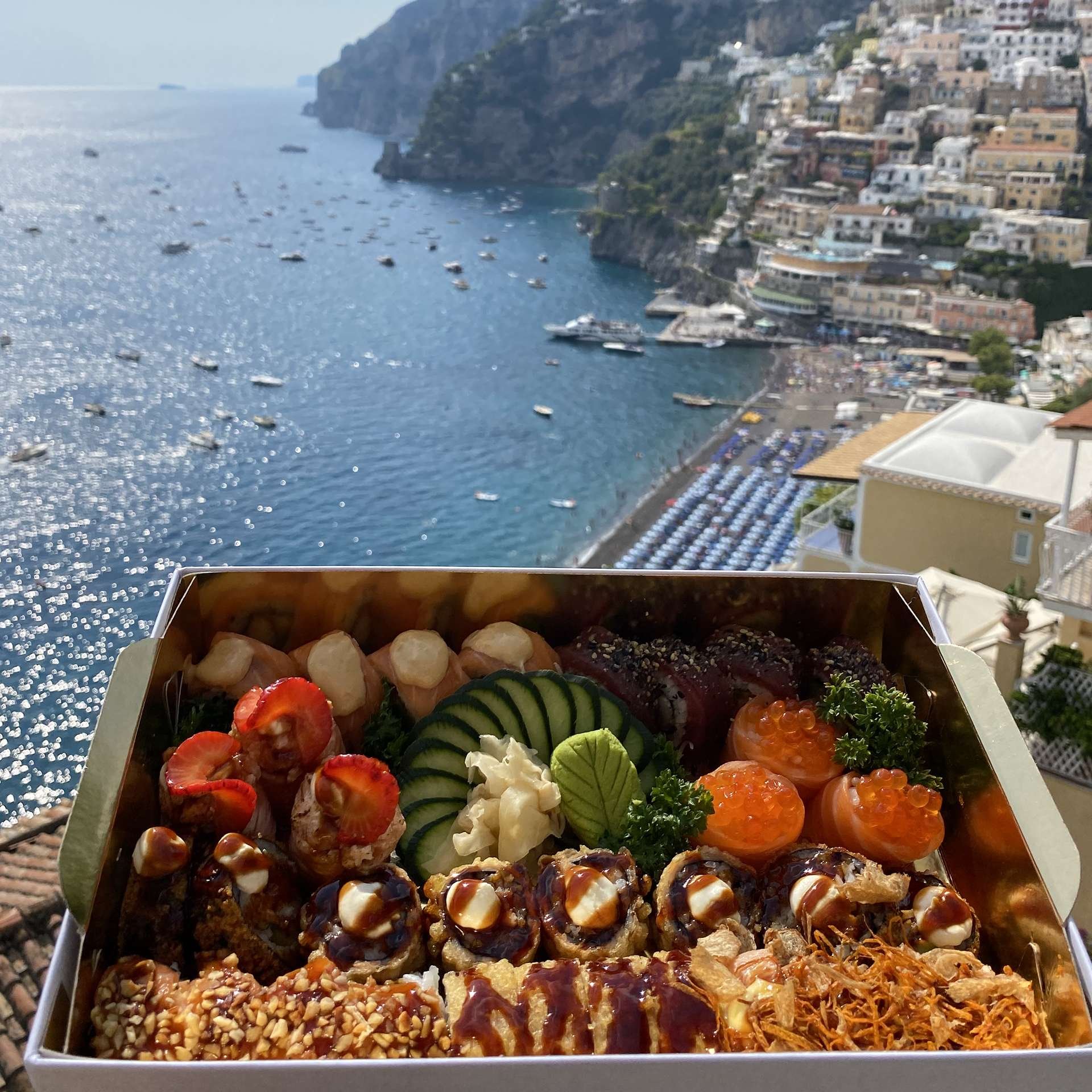
The menu
What to order
- Spicy_tuna_crispy_rice
- Ginger_roll
- Lemon_roll
- Crispy_roll
Where the Amalfi Coast Meets a Different Kitchen Logic
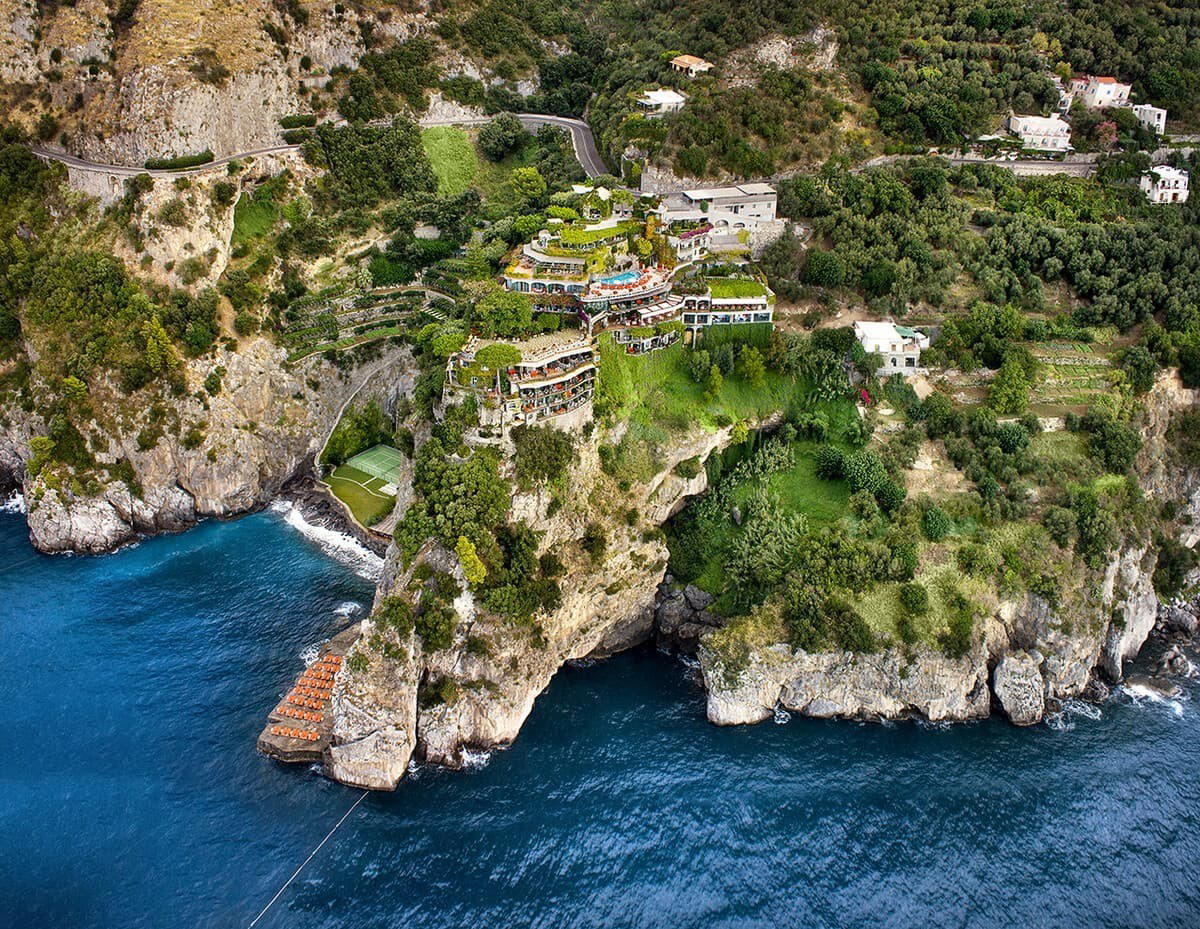
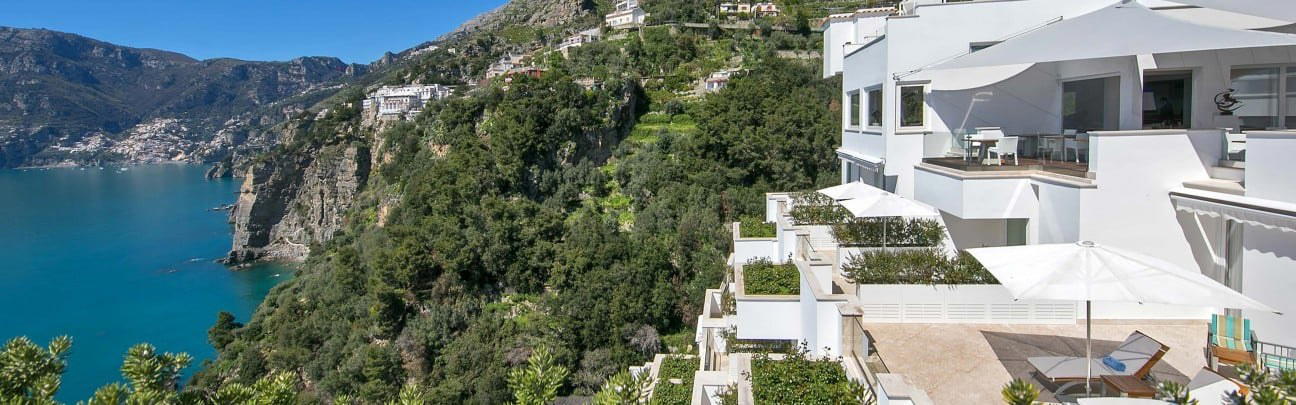
Viale Pasitea climbs through Positano in a series of switchbacks, each bend revealing another cluster of ceramic-tiled steps, lemon trees in terracotta pots, and restaurant terraces angled toward the Tyrrhenian. The address at number 94 sits within this layered townscape, where the physical environment does most of the contextual work before a single dish arrives. In a town where the view is as much a part of the meal as anything on the plate, what distinguishes one table from another is increasingly the sourcing logic behind the kitchen rather than the vista it commands.
Positano's dining scene stratifies fairly clearly. At the leading end, places like Li Galli and Il San Pietro di Positano operate at the €€€€ tier, where the expectation is contemporary technique applied to Campanian and Mediterranean produce. In the middle bracket, Al Palazzo holds a Mediterranean Cuisine position at €€€, and at the accessible end, Da Vincenzo keeps traditional Campanian cooking within reach at €€. Misaki Positano's name, unlike any of these, signals a departure from that regional framing, introducing a Japanese reference into a coastal Italian setting.
Ingredient Sourcing as a Philosophy, Not a Selling Point
The convergence of Japanese kitchen discipline and southern Italian coastal produce is less unusual than it might appear. The Amalfi Coast has long supplied some of Italy's most compelling raw materials: line-caught fish from the Gulf of Salerno, buffalo mozzarella from the plains around Paestum, Sfusato Amalfitano lemons with their thick, aromatic pith, and capers from Capri. These are not generic Mediterranean ingredients; they carry specific terroir logic, which is precisely why they attract kitchens trained in precision-sourcing traditions.
Japanese culinary philosophy has a particular relationship with provenance. The insistence on knowing the origin, season, and handling of a primary ingredient is structural rather than decorative. When that discipline is applied to Campanian produce, the result is not fusion in the casual sense but rather a more rigorous interrogation of what the coast actually offers. The Amalfi seafood supply chain, accessed through the small fishing operations still operating out of Positano and neighboring Praiano, produces fish that rewards the kind of minimal-intervention treatment more commonly associated with Edo-period Japanese technique than with the olive-oil-heavy preparations of traditional Neapolitan cooking.
This is the culinary tradition that coastal Italy's more thoughtful kitchens have been moving toward, and Misaki Positano's name places it explicitly within that conversation. The parallel is visible at the highest end of Italian coastal dining: Quattro Passi in Marina del Cantone has built a two-Michelin-star reputation on exactly this kind of disciplined sourcing from the same stretch of coastline, while Uliassi in Senigallia has demonstrated on the Adriatic how Japanese-influenced technique and Italian coastal produce can produce cooking of genuine seriousness.
Reading Positano's Restaurant Tier Against Broader Italian Benchmarks
For readers arriving from Italy's more decorated dining rooms, the Amalfi Coast operates on a different register. The Michelin presence is concentrated further north: Osteria Francescana in Modena, Le Calandre in Rubano, Piazza Duomo in Alba, and Enoteca Pinchiorri in Florence anchor the country's most recognised tier. In the south, Reale in Castel di Sangro has carved out a reputation for ingredient-driven cooking that holds its own against northern benchmarks. Enrico Bartolini in Milan and Dal Pescatore in Runate represent different facets of the Italian fine dining canon.
Positano's tables, including Misaki, are not competing in that Michelin-starred frame. What the Amalfi Coast offers is a different kind of authority: proximity to exceptional raw materials, an established international audience that brings high expectations, and a physical setting that concentrates dining into a relatively small, easily walkable geography. For visitors who have also eaten at Le Bernardin in New York City or Atomix, the frame shifts from decorated formality to place-specific quality. Atelier Moessmer Norbert Niederkofler in Brunico offers a useful Italian parallel for what rigorous ingredient provenance can achieve outside the Michelin-starred metropoles.
The Positano Setting: Practical Context
Positano receives the majority of its visitors between May and October, with July and August bringing the highest pressure on tables across all tiers. The town's geography, a near-vertical drop from the SS163 down to the beach, means that restaurants on Viale Pasitea are accessible on foot from the main pedestrian paths, though the terrain demands comfortable shoes and some tolerance for steps. For arrivals by ferry from Naples or the Sorrentine Peninsula, the boat dock at the lower beach is a short walk from the town center. Those driving from Naples along the Amalfi Coast road should account for significant congestion in peak season; arriving by water or via the SITA bus service from Sorrento is often the more practical option.
In the context of Positano's tier structure, alternatives worth considering alongside Misaki include Chez Black for a more casual Italian-pizzeria format directly on the beach, and Al Palazzo for Mediterranean Cuisine at the €€€ level. The full range of options across price points and styles is covered in our full Positano restaurants guide.
Frequently asked questions
Would Misaki Positano be comfortable with kids?
Positano's dining scene skews toward adult visitors, particularly along Viale Pasitea where Misaki sits. The venue's apparent focus on Japanese-inflected cooking and a considered table experience suggests a setting oriented toward unhurried adult meals rather than family groups with young children. Families visiting Positano in peak season, July through August, will find the town's higher-pressure dining environment generally less accommodating across all tiers.
What should I expect atmosphere-wise at Misaki Positano?
Viale Pasitea is one of Positano's main arteries, climbing through the village past ceramic steps and lemon trees, so the physical context carries its own character. Inside, the name and culinary concept point toward a quieter, more restrained register than the boisterous seafront trattorias lower on the hillside. The Japanese kitchen influence tends to translate into a measured, detail-oriented room rather than a loud social scene.
Is Misaki Positano the only Japanese-influenced restaurant on the Amalfi Coast?
The Amalfi Coast's restaurant scene is concentrated primarily around traditional Campanian cooking, with Michelin recognition in the region going almost exclusively to Italian kitchens. A venue applying Japanese kitchen logic to local Positano produce occupies a genuinely uncommon position in that context, with no widely documented direct equivalent along the same stretch of coastline. Diners travelling from more internationally varied cities such as Naples or Rome will find the concept less common in this specific coastal setting.
What do people recommend at Misaki Positano?
What the concept signals is a kitchen working with southern Italian coastal produce through a Japanese discipline, which on the Amalfi Coast typically means local seafood and seasonal vegetables handled with precision.
What's the address for Misaki Positano?
Misaki Positano is located at Viale Pasitea, 94, 84017 Positano SA, Italy, Positano.
Fast Comparison
Comparable venues nearby, for context on price, style, and recognition.
| Venue | Cuisine | Price | Awards | Notes |
|---|---|---|---|---|
| Misaki PositanoThis venue — the venue you are viewing | Japanese Sushi & Seafood | Not listed | Not listed | Not listed |
| Chez Black | Italian Beachfront Pizza & Seafood | Not listed | Not listed | Spiaggia Grande |
| Villa TreVille | Mediterranean Fine Dining | $150–200 | Not listed | Positano |
| La Taverna del Leone | Traditional Italian Trattoria | $50–100 | Michelin Plate | Positano |
| La Sponda | Michelin-Starred Mediterranean Italian | $150–200 | Michelin Plate | Positano City Centre |
| Zass Restaurant | Modern Mediterranean Fine Dining | $200–300 | 1 Michelin Star · Relais Chateaux Award | Laurito |
Continue exploring
More in Positano
Restaurants in Positano
Browse all →
Bars in Positano
Browse all →
Hotels in Positano
Browse all →

Details
- Scenic
- Modern
- Intimate
- Date Night
- Casual Hangout
- Terrace
- Mountain
- Street Scene
- A La Carte
- Vegetarian Friendly
- Vegan Options
Current opening hours
- Monday
- 11:30 AM–11:30 PM
- Tuesday
- Closed
- Wednesday
- 11:30 AM–11:30 PM
- Thursday
- 11:30 AM–11:30 PM
- Friday
- 11:30 AM–11:30 PM
- Saturday
- 11:30 AM–11:30 PM
- Sunday
- 11:30 AM–11:30 PM
Hours can change for holidays and private events. Last verified .
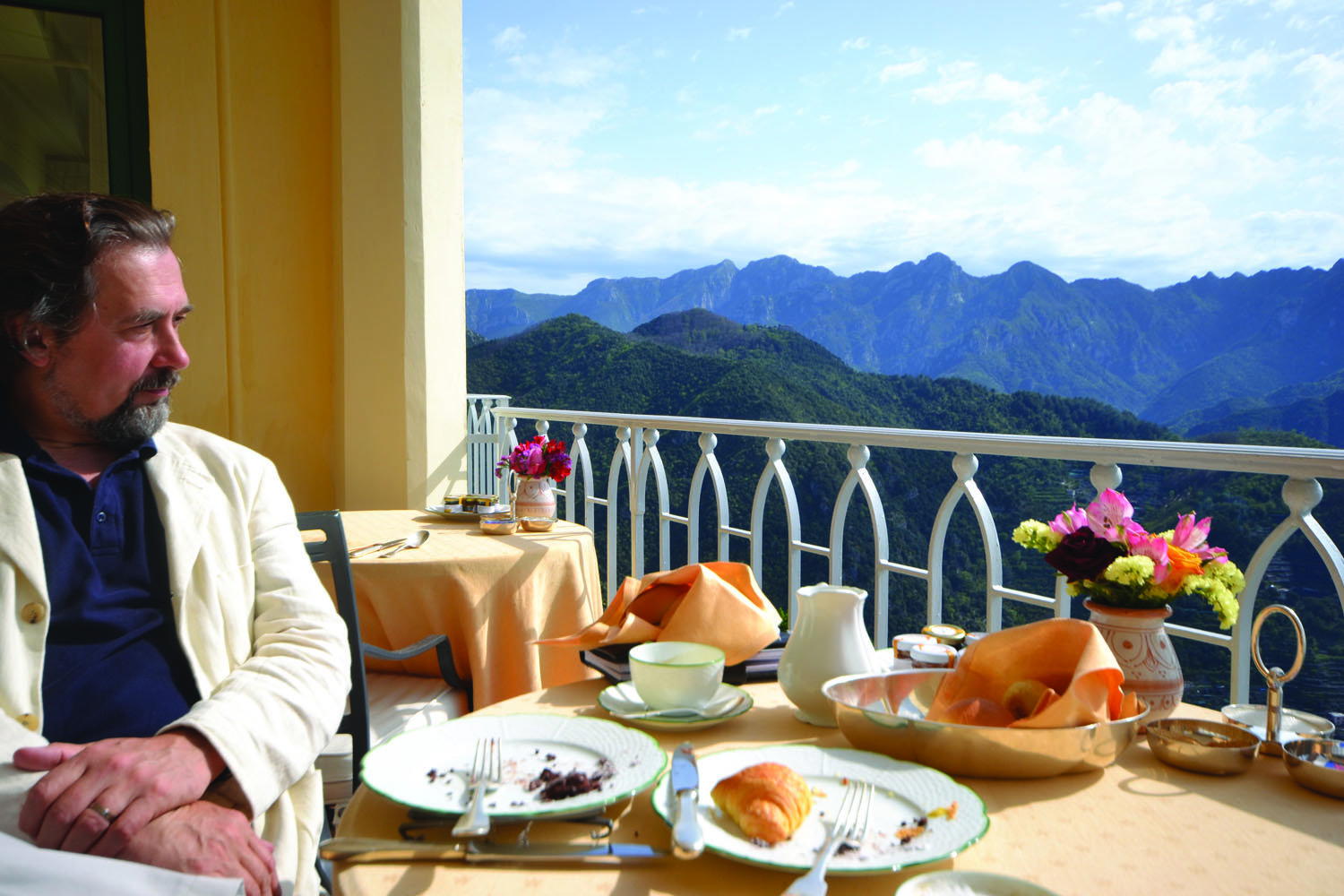
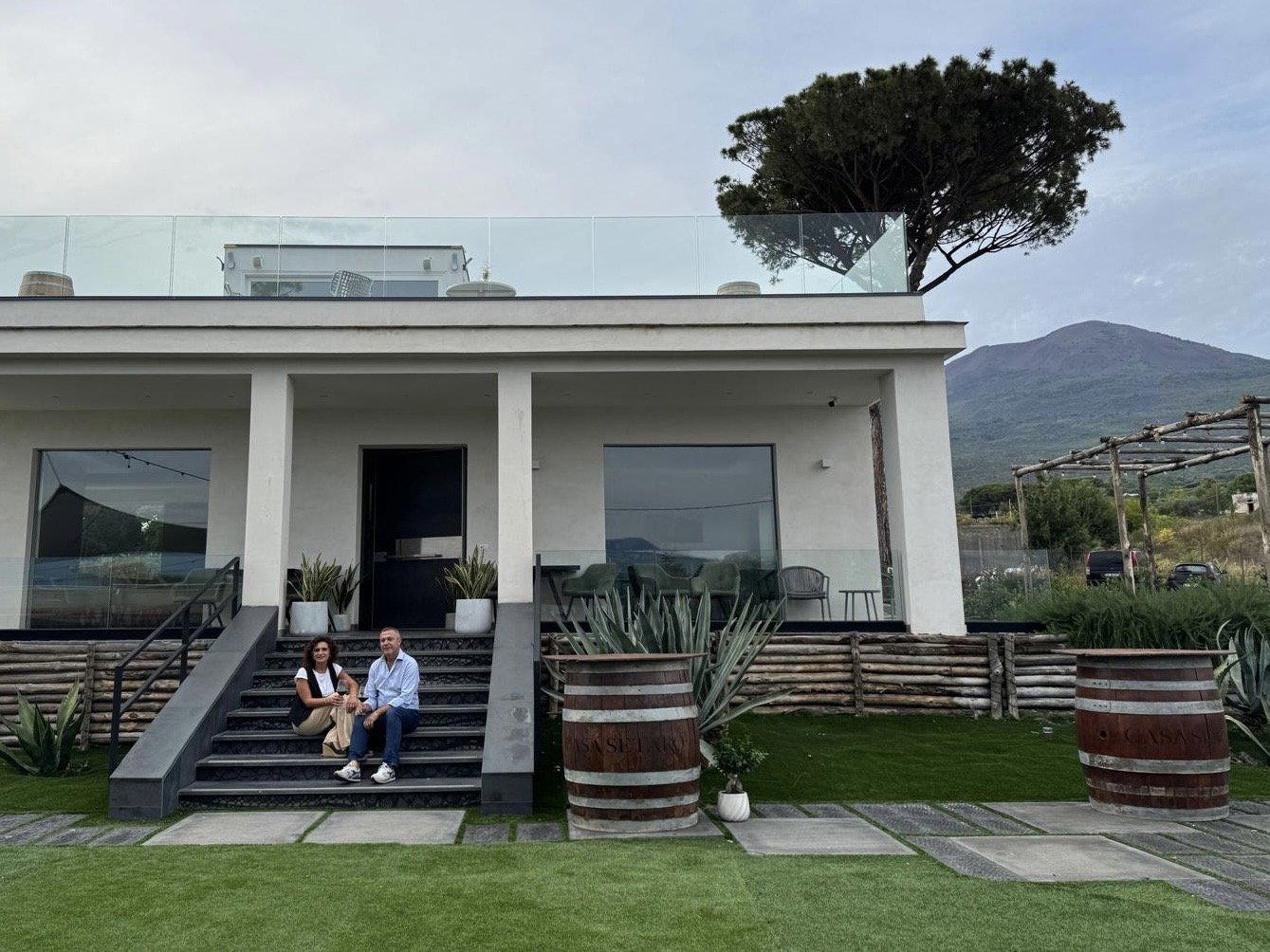
Relaxing environment with great attention to details, good views, and a modern comfortable setting.