






2 Michelin Stars · La Liste Top Restaurants · Macarfi 9.3 Food Rating
Our verdict
A two-Michelin-star address on the Costa Brava waterfront, Miramar has been in the same family for three generations, with Paco Pérez channelling the rhythms of the Mediterranean into progressive Spanish cooking. The kitchen draws on local coastal waters and seasonal produce, structured around à la carte options and several distinct menus. Ranked among Europe's top classical restaurants by Opinionated About Dining, it occupies a serious tier in Spain's fine dining conversation.

Pearl is the En Primeur Club membership app — saves, bookings, and concierge access live there. Same editors, same standards.
- Address
- Passeig Marítim, 7, 17490 Llançà, Girona, Spain
- Phone
- +34 972 38 01 32
- Website
- restaurantmiramar.com
- Directions
- Get directions
- Booking
- Book on CoverManager
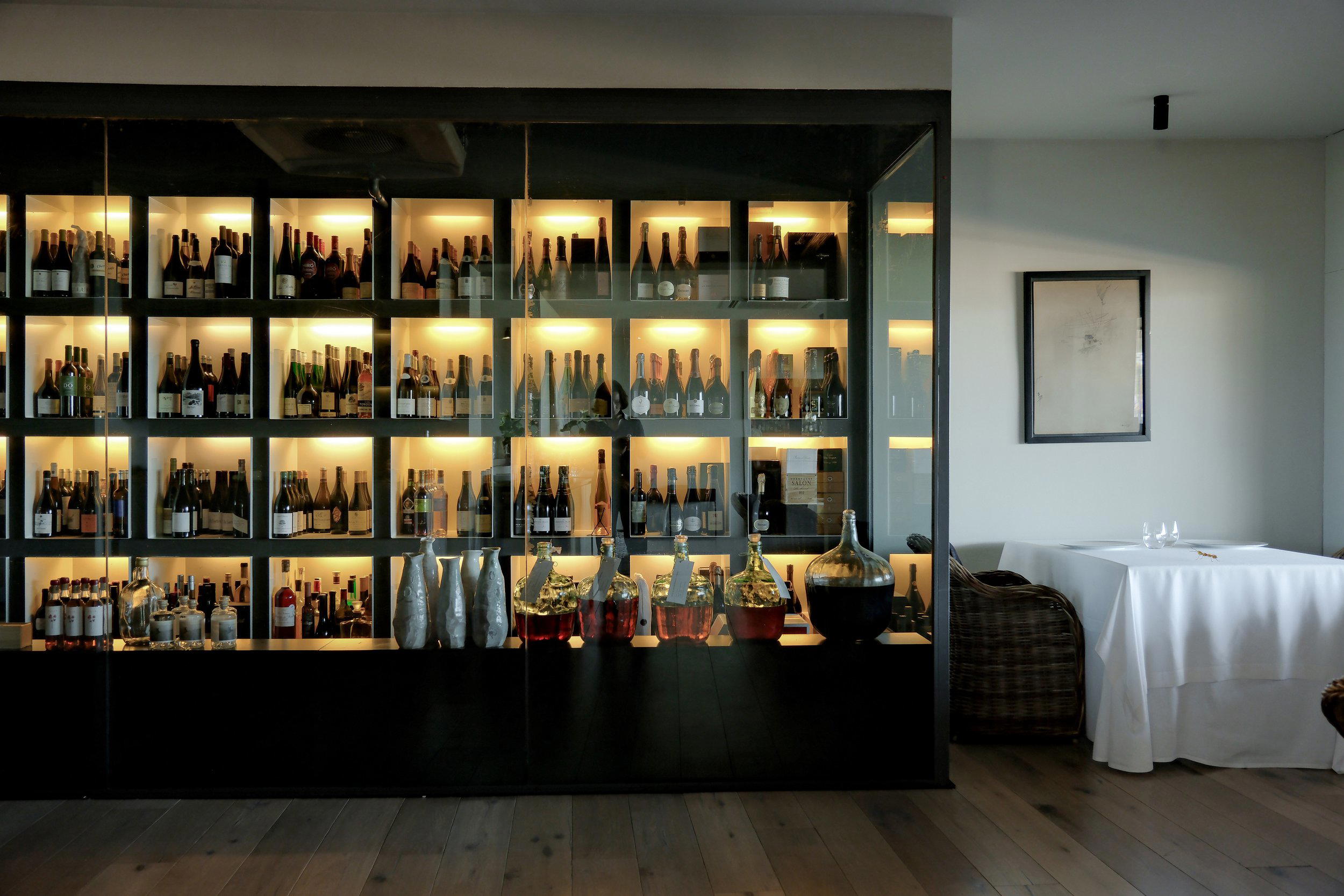
The menu
What to order
- Espardenyas
- Tartar de atún
- Arroz mar y montaña
Where the Mediterranean Dictates the Menu
On the northern Costa Brava, between the French border and the Cap de Creus headland, Llançà sits at a point where the sea is still genuinely local rather than decorative. The fishing boats go out from the town's working port, the Tramontane wind shapes what the kitchen can source on any given week, and the water temperature determines what appears at the table. Miramar, on the Passeig Marítim with the 17th-century Torre del Port as its backdrop, occupies this geography with unusual seriousness. For a two-Michelin-star restaurant operating in a town with fewer than 5,000 permanent residents, the relationship to place is the whole argument.
Spain's two-star tier has historically clustered around San Sebastián, Barcelona, and Madrid, with coastal Catalonia playing a secondary role in the national conversation. That geography has shifted. The stretch of coast between Roses and the French border now sustains serious cooking at multiple levels, and Miramar, held by the same family across three generations, represents its most formally decorated expression. Ranked 126th in the Opinionated About Dining Classical in Europe list for 2025 and scoring 94 points on La Liste's 2026 table, it sits alongside destinations such as El Celler de Can Roca in Girona and Disfrutar in Barcelona in the category of Catalan fine dining that has accumulated multi-year institutional recognition rather than momentary critical heat.
The Seasonal Logic of the Kitchen
Progressive Spanish seafood cooking at this level operates on a calendar that most diners underestimate. The waters off the Costa Brava do not deliver the same catch in February as they do in June, and the kitchen at Miramar structures its offer accordingly. The award description references mini squid from local coastal waters alongside teardrop peas from the Maresme area — a pairing that only makes sense at a specific point in the spring, when small cuttlefish and squid are running inshore and the Maresme's lágrima peas reach their brief window of availability. That specificity is the editorial point: the menu is less a fixed document than a seasonal record of what the coast produces.
Several distinct menus sit alongside the à la carte: a Tradition format, a Homage to Cambrils' Fishermen menu, and a full Tasting option. The Cambrils reference is worth noting. Cambrils, on the Tarragona coast, has a long-established tradition of fish and rice cookery, and invoking it in a northern Costa Brava context draws a line between regional Spanish seafood traditions rather than erasing them in favour of generic fine dining. The kitchen carries those references deliberately.
For timing, the closures are worth planning around. Miramar closes from late November through early December (November 22 to December 8) and again in mid-January through early February (January 17 to February 8). The service year effectively runs from early spring through late autumn, which corresponds to the period when the waters off the Costa Brava are most productive and when the wider Empordà region is at its most accessible. Sunday lunch is served; the kitchen is closed on Mondays throughout the year.
Paco Pérez and the Family Kitchen
Within Spain's larger fine dining conversation, the names most frequently cited are clustered in the Basque Country and Barcelona. Arzak in San Sebastián, Mugaritz in Errenteria, and Martin Berasategui in Lasarte-Oria define one end of that spectrum; DiverXO in Madrid represents a more disruptive register. Miramar occupies different ground: a coastal restaurant with multi-generational family ownership, where the chef's role is to extend and reframe an existing tradition rather than establish one from scratch. That continuity is relatively uncommon in Spanish fine dining, where the dominant narrative has favoured individual founding voices.
Paco Pérez is the current expression of that continuity. The third generation running the same address, he has held two Michelin stars for multiple consecutive years, appeared on Opinionated About Dining's European rankings since at least 2023, and maintained La Liste scores consistently above 94 points across 2025 and 2026. Those are the signals of a kitchen operating at a stable, high level rather than a kitchen in the process of establishing itself. By comparison, restaurants like Quique Dacosta in Dénia and Aponiente in El Puerto de Santa María operate the coastal Spanish fine dining format from different regional contexts and with different competitive identities, but the category of serious, awarded, marine-centred Spanish cooking is the shared frame.
Internationally, the closest analogues to Miramar's positioning are establishments like Le Bernardin in New York City, where the commitment to seafood over many decades functions as both a critical credential and a distinguishing constraint. The methodology differs entirely, but the structural logic of a kitchen defined by proximity to marine sourcing, held over a long period, is comparable. For readers more familiar with contemporary tasting-menu formats, Atomix in New York City offers a contrasting approach to how accumulated critical recognition can be built around a single culinary identity.
The Setting and What It Demands of the Visit
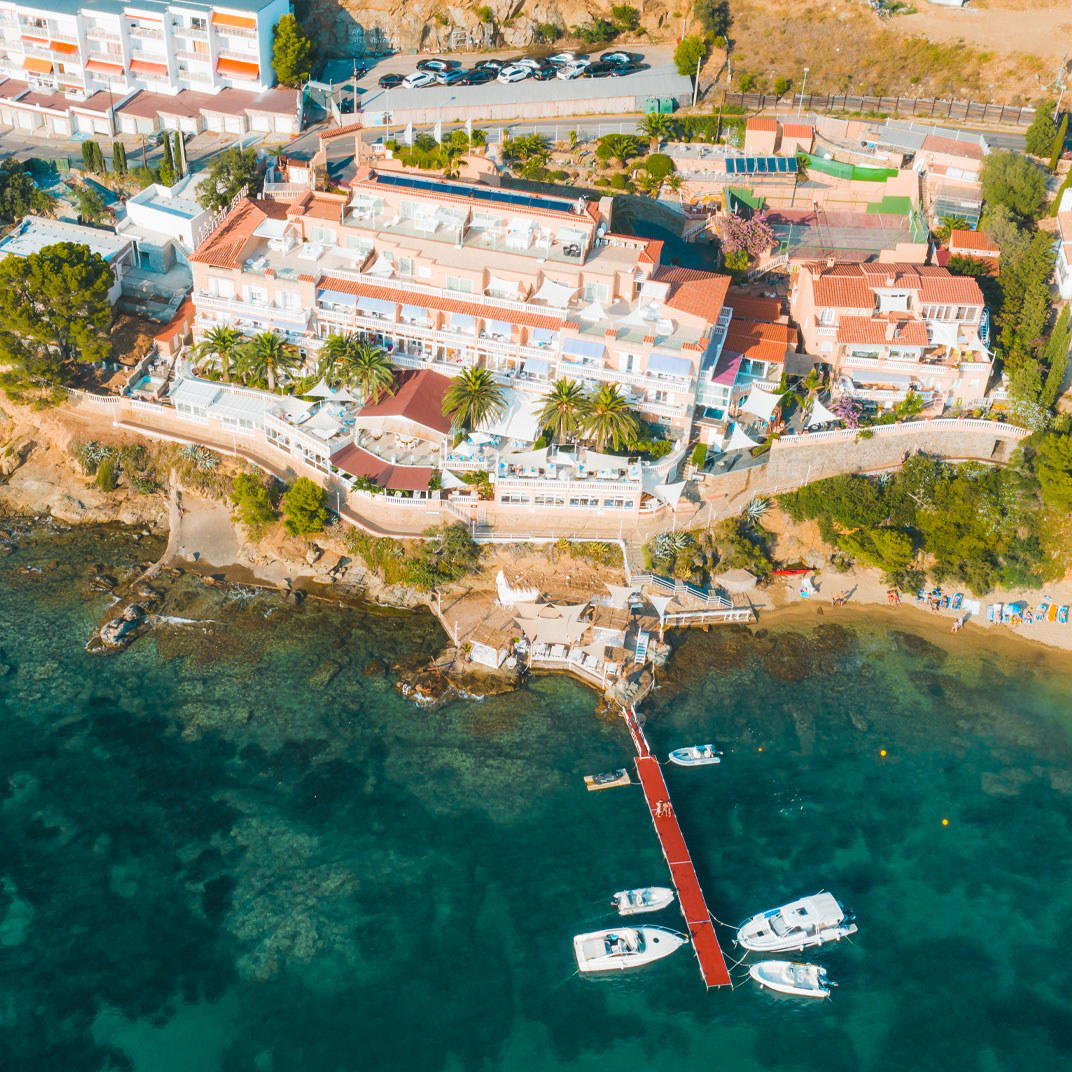
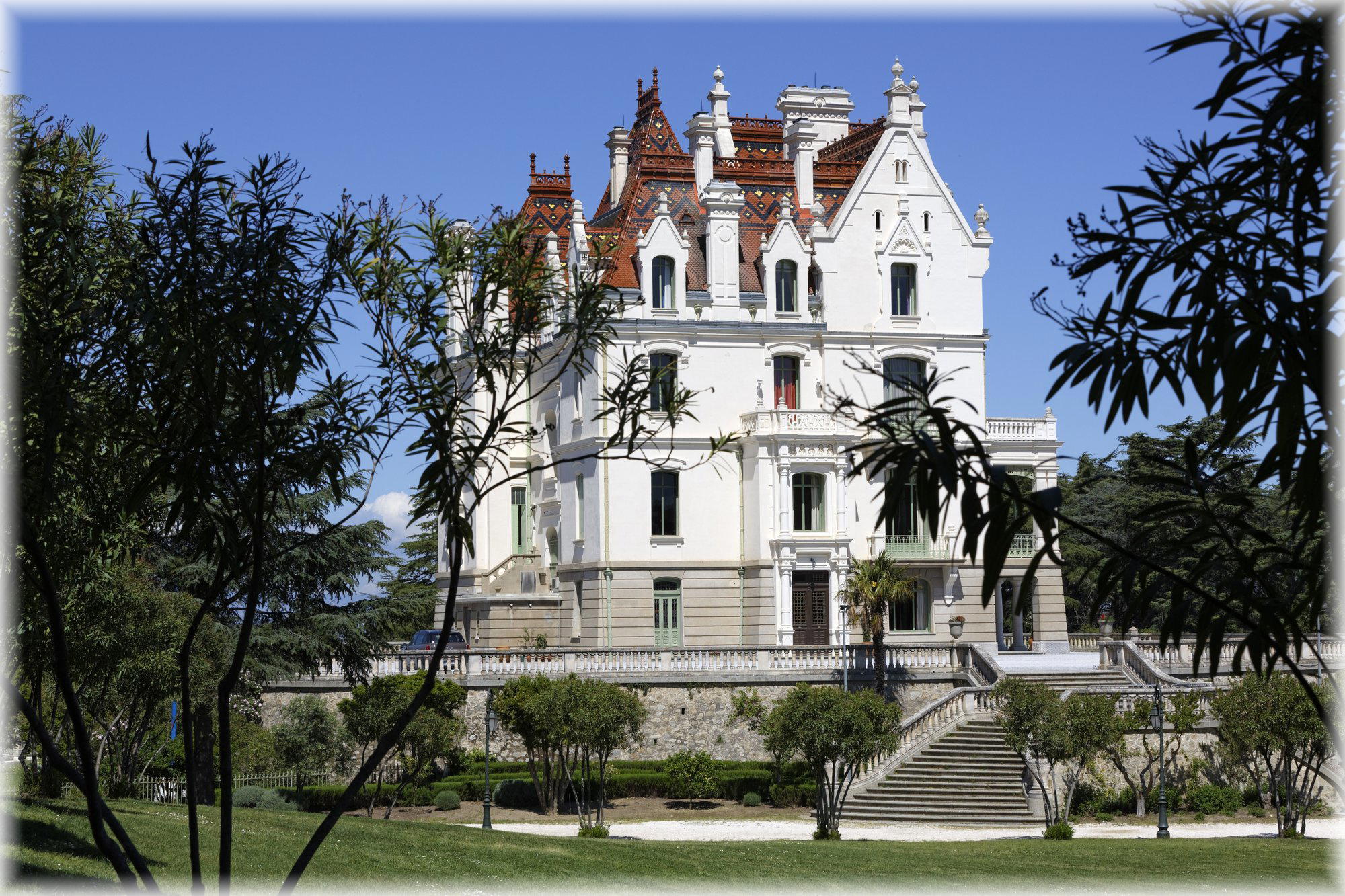
The address on the Passeig Marítim situates the dining room on Llançà's seafront. The tower next door dates to the 17th century. The town itself sits approximately 20 kilometres south of the French border, accessible from the A-9 motorway at the Llançà exit, and served by Renfe train services from Barcelona (roughly two hours) with a station in the town. From Girona, the drive takes around an hour depending on approach.
The practical consequence of a coastal small-town location is that this is not a restaurant you combine with a full day of urban itinerary. Llançà rewards visiting with time: the Cap de Creus peninsula is within reach to the south, the Empordà wine country sits inland, and the town has its own quieter dining and drinking options. For context on the wider area, see our full Llançà restaurants guide, our full Llançà hotels guide, our full Llançà bars guide, our full Llançà wineries guide, and our full Llançà experiences guide.
At the €€€€ price point, Miramar sits at the ceiling of what's available in the area. Other Llançà addresses like El Pescadors and El Vaixell offer more accessible price tiers for the same maritime cooking tradition, making the town viable across multiple budget registers. Miramar functions leading as an anchor for a longer Costa Brava stay rather than a standalone day trip, though the train connection from Barcelona does make the latter possible with early planning.
Service hours are tight: 1:30 to 2:30 pm for lunch and 8:30 to 9:30 pm for dinner, Tuesday through Saturday, with Sunday lunch only. The single-sitting format signals a kitchen working at genuine capacity rather than turning covers. Booking well in advance, particularly for summer and early autumn visits when the coast is busiest and the seasonal produce at its peak, is the practical baseline for securing a table.
What to Eat at Miramar
What should I eat at Miramar?
The kitchen anchors its identity in marine sourcing from the Costa Brava coast, with seasonal availability determining the composition of both à la carte and the fixed menus. The Tasting menu offers the fullest expression of the kitchen's current direction, while the Tradition menu situates Miramar's cooking within the longer arc of family and regional seafood practice. The Homage to Cambrils' Fishermen format draws on Tarragona's fish and rice traditions as a counterpoint to the more progressive elements of the offer. When the spring window is open, dishes involving locally sourced small squid and legumes from the Maresme coastline represent the kitchen's seasonal logic at its most direct. Chef Paco Pérez holds two Michelin stars (2024, 2025) and consecutive placements on Opinionated About Dining's European Classical rankings, which position the kitchen within a framework of sustained technical consistency rather than seasonal reinvention.
Frequently asked questions
What should I eat at Miramar?
The kitchen builds its menus around seasonal marine sourcing from the Costa Brava coast, with both à la carte and set menus available — including a Tradition menu, a Homage to Cambrils' Fishermen menu, and a full Tasting option. Michelin's own notes single out the mini squid from local coastal waters sautéed with teardrop peas from the Maresme area as a representative dish. The à la carte allows more flexibility, while the tasting menu delivers the fullest picture of Paco Pérez's third-generation kitchen. At the €€€€ price point, the tasting menu is the format most consistent with what earned Miramar its two Michelin stars and a 94-point La Liste ranking in 2026.
How much does it cost to eat at Miramar?
Pricing at Miramar is listed as €€€€.
What time does Miramar open and close?
Hours at Miramar: Hours: Monday Closed Tuesday 1:30–2:30 pm, 8:30–9:30 pm Wednesday 1:30–2:30 pm, 8:30–9:30 pm Thursday 1:30–2:30 pm, 8:30–9:30 pm Friday 1:30–2:30 pm, 8:30–9:30 pm Saturday 1:30–2:30 pm, 8:30–9:30 pm Sunday 1:30–2:30 pm Closure November 22-December 8, January 17-February 8.
Where exactly is Miramar?
Miramar is located at Passeig Marítim, 7, 17490 Llançà, Girona, Spain, Llançà.
Cuisine and Recognition
| Venue | Cuisine | Price | Awards |
|---|---|---|---|
| MiramarThis venue — the venue you are viewing | Modern Mediterranean Seafood | $150–200 | 2 Michelin Stars · La Liste Top Restaurants |
| Aponiente | Progressive - Seafood, Creative | Not listed | Michelin 3 Star |
| Arzak | Modern Basque, Creative | Not listed | Michelin 3 Star |
| DiverXO | Progressive - Asian, Creative | Not listed | Michelin 3 Star |
| El Celler de Can Roca | Progressive Spanish, Creative | Not listed | Michelin 3 Star |
| Quique Dacosta | Creative | Not listed | Michelin 3 Star |
Recognition history
Dated appearances from independent guides and award organizations, with the underlying list record or original source where available.
Michelin 2 Stars
Michelin
La Liste Top Restaurants
La Liste
Falstaff Restaurant - 98 Falstaff Points
Falstaff
Guía Repsol 3 Soles
Guía Repsol
Macarfi 9.3 Food Rating
Macarfi
Full recognition history (15 entries)
Opinionated About Dining Top Restaurants in Europe Highly Recommended
Opinionated About Dining
La Liste Top Restaurants
La Liste
Michelin 2 Stars
Michelin
Opinionated About Dining Classical in Europe Ranked #126
Opinionated About Dining
The Best Chef Three Knives
The Best Chef
Michelin 2 Stars
Michelin
Opinionated About Dining Top Restaurants in Europe Ranked #149
Opinionated About Dining
Opinionated About Dining Classical in Europe Ranked #135
Opinionated About Dining
Opinionated About Dining Top New Restaurants in Europe Recommended
Opinionated About Dining
Opinionated About Dining Classical in Europe Ranked #141
Opinionated About Dining

Details
- Elegant
- Sophisticated
- Intimate
- Scenic
- Special Occasion
- Date Night
- Waterfront
- Open Kitchen
- Extensive Wine List
- Sommelier Led
- Local Sourcing
- Sustainable Seafood
- Waterfront
- Tasting Menu
- A La Carte
- Vegetarian Friendly
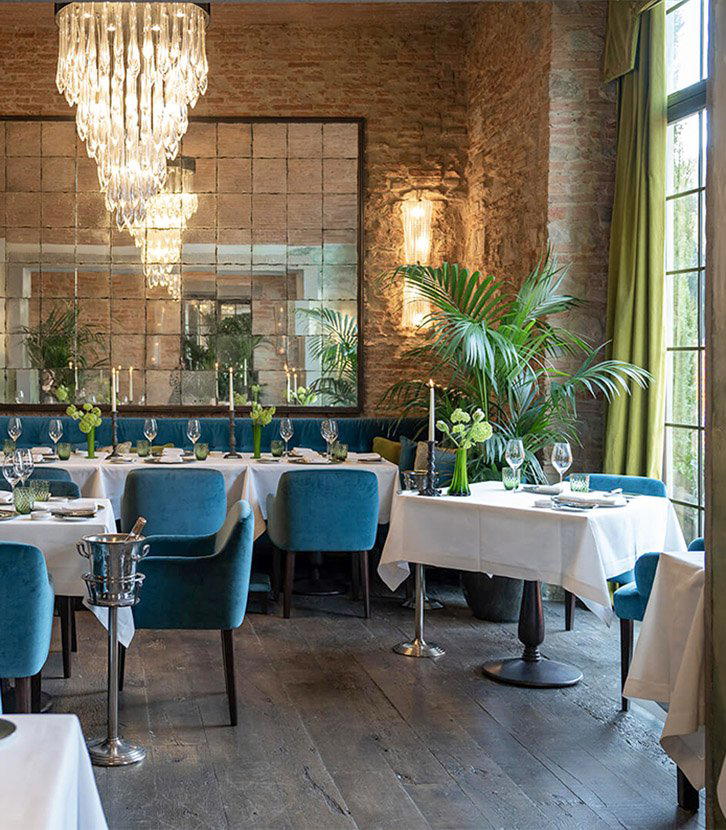
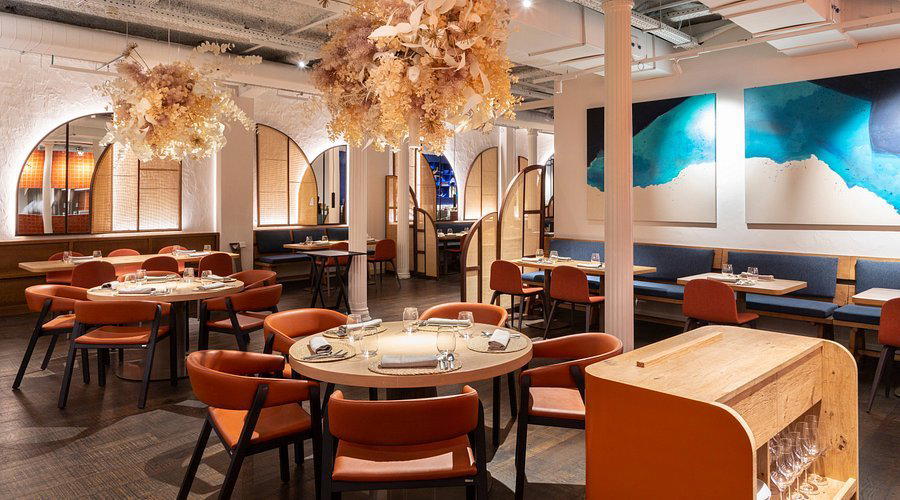
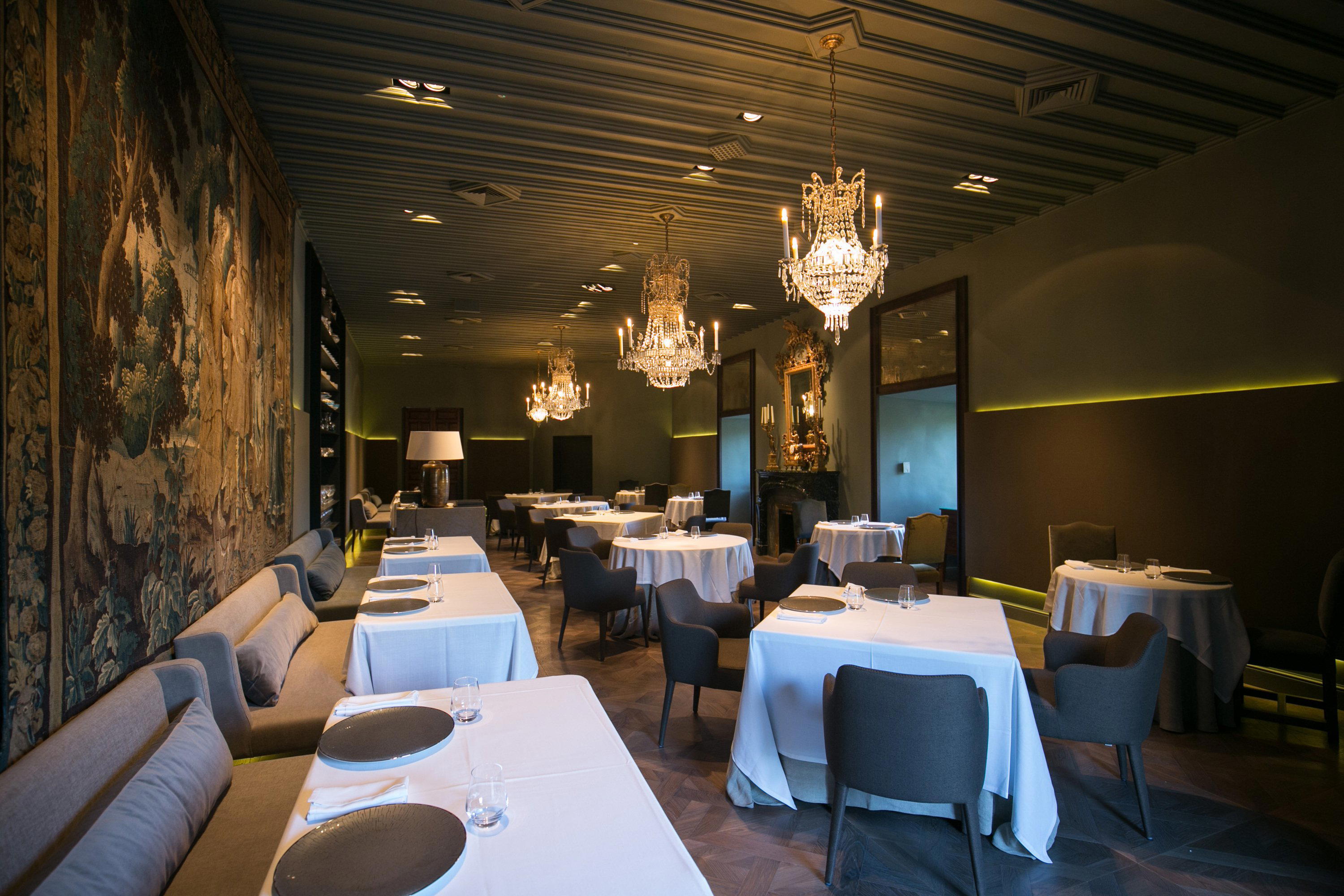
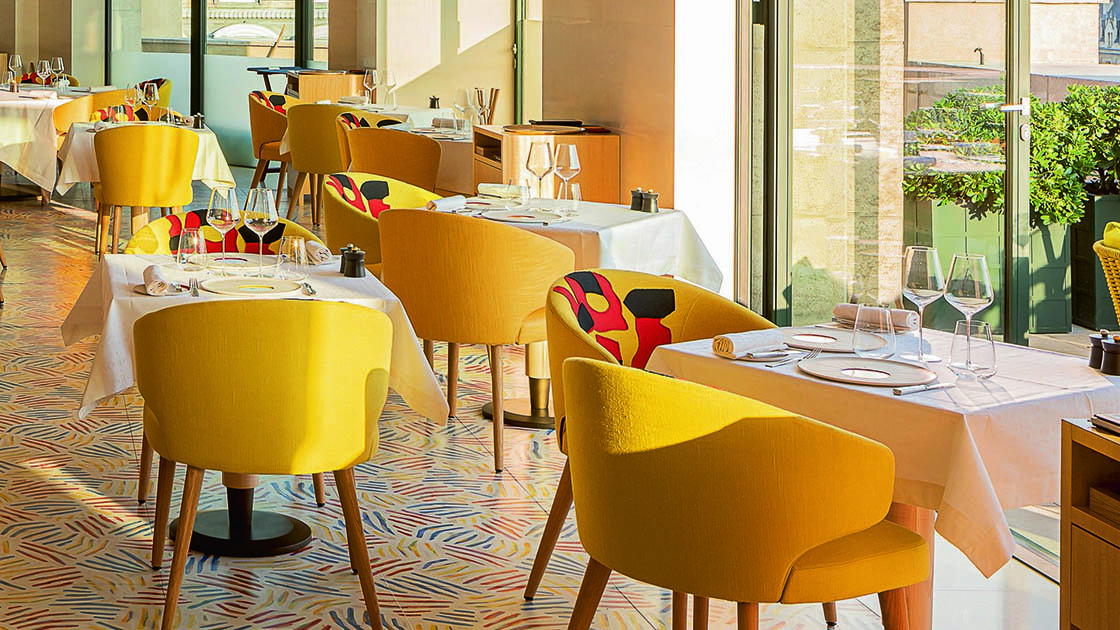
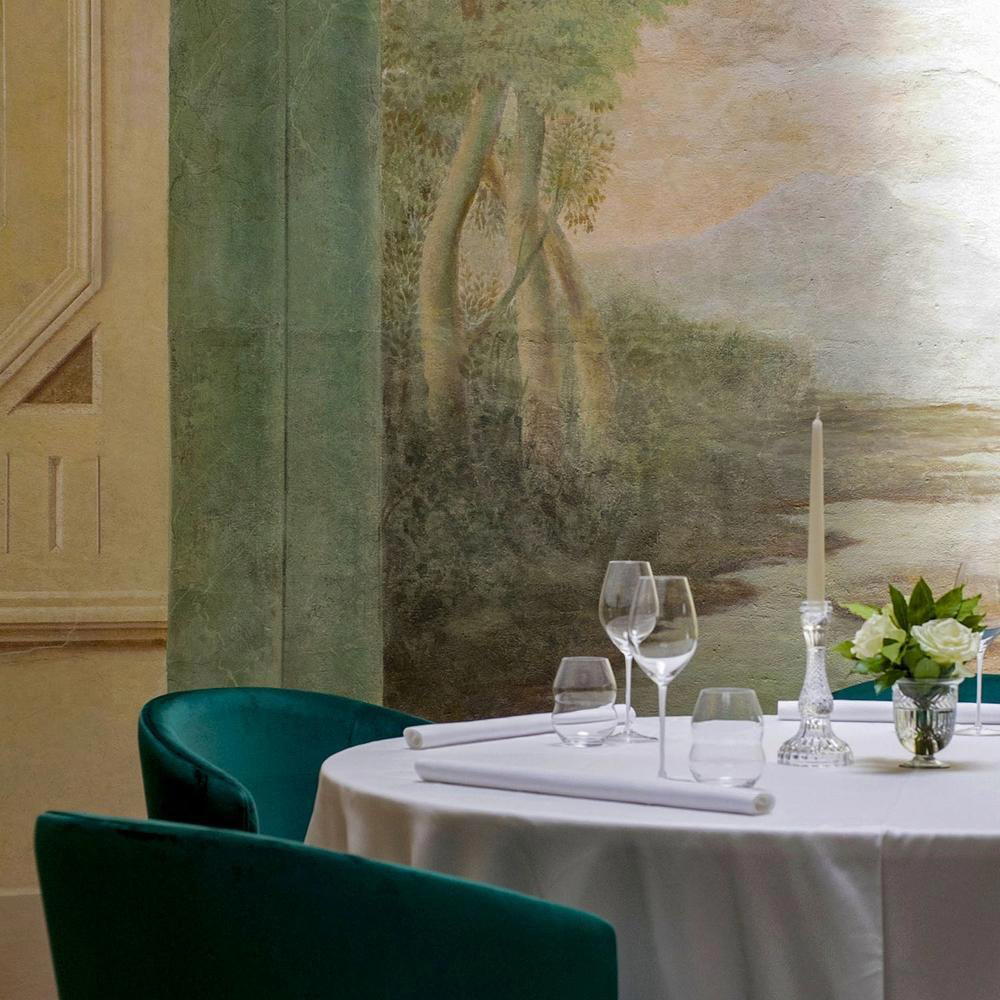
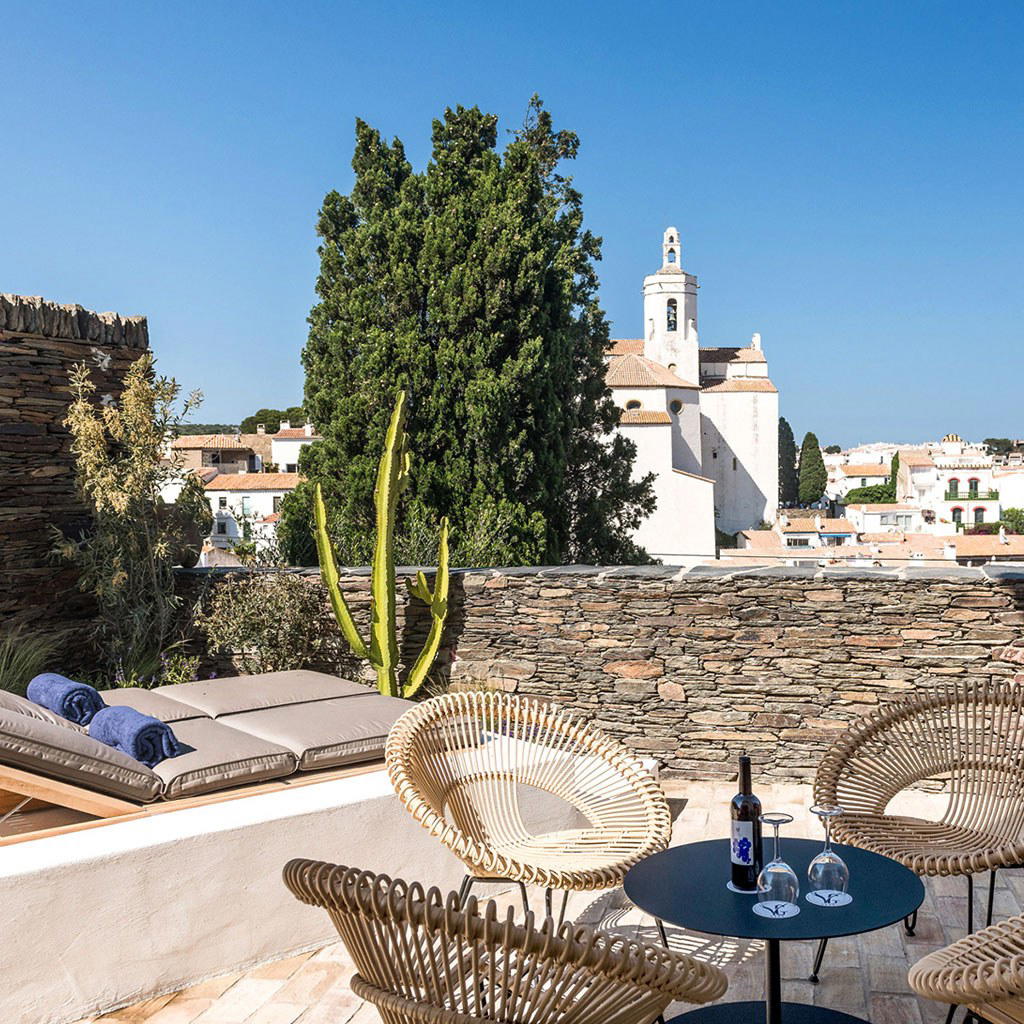
Elegant and cozy white-tablecloth dining room with sea-facing windows, open kitchen views, and a serene, professional atmosphere.