
MINOYA gives Hiroshima’s yoshoku tradition a compact, serious address in Yokogawa, where Japanese-style Western cooking sits closer to craft dining than nostalgia. Its Tabelog 100 Yoshoku WEST 2025 selection, small 13-seat room, and categories spanning yoshoku, hamburger steak, and French cooking make it a useful lens on how local sourcing and Western technique meet in Hiroshima.
Pearl is the En Primeur Club membership app — saves, bookings, and concierge access live there. Same editors, same standards.
- Address
- 2 Chome-3-26 Misasamachi, Nishi Ward, Hiroshima, 733-0003, Japan
- Phone
- +81 82-237-2777
- Website
- minoya1201.com
 Saves & bookings on Pearl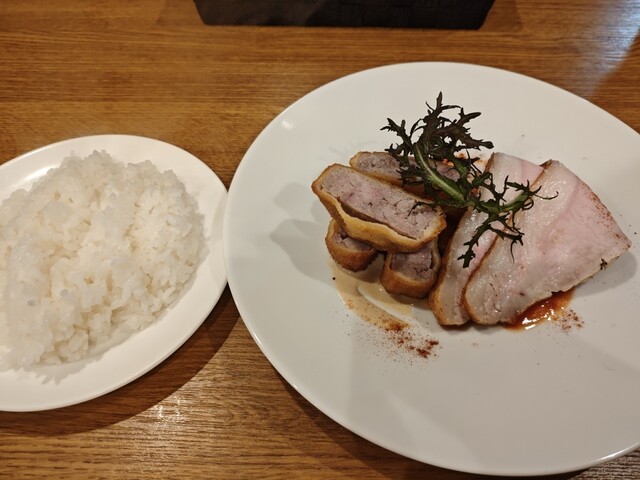
Approaching MINOYA in Misasamachi feels removed from Hiroshima’s main tourist circuit: a smaller neighbourhood rhythm, closer to Yokogawa’s everyday trains and residential streets than to the city’s museum-and-park itinerary. That matters. Yoshoku is a cuisine of adaptation, but in regional cities it often reads less as retro comfort than as a practical conversation between local produce, meat cookery, sauces, rice, and Western technique.
Hiroshima dining is often reduced from the outside to okonomiyaki, oysters, and bar snacks around Nagarekawa. Those are valid entry points, but they do not explain the city’s quieter restaurant culture: compact rooms, precise cooking, and categories between family dining and chef-led craft. MINOYA belongs to that second register. Its public classification spans yoshoku, hamburger steak, and French, signalling the hybrid grammar of the genre rather than one imported style.
Yoshoku in Hiroshima, read through ingredients rather than nostalgia
Yoshoku is often described as Japanese Western food, but the phrase undersells its discipline. The genre depends on how a kitchen handles familiar components: minced meat, demi-glace-style sauces, fried items, omelette rice, seasonal vegetables, and rice rather than bread as the meal’s centre of gravity. The cooking can be casual, but the better versions are not loose. They rely on heat control, sauce work, and sourcing that gives everyday dishes enough structure to compete with more formal French or Japanese formats.
MINOYA’s recognition in Tabelog’s 100 Yoshoku WEST 2025 list places it within a regional field, not only a Hiroshima one. That list is useful because yoshoku is not a Michelin-coded category; its quality is measured by consistency, local loyalty, and whether the kitchen can make modest formats feel deliberate. A Tabelog score of 3.71 is another signal in Japan’s review culture, where scores above the mid-threes can show serious traction, especially outside Tokyo’s hyper-reviewed dining zones.
The sourcing angle is not luxury for its own sake. In yoshoku, the test is whether Western technique makes regional ingredients more legible. Hiroshima’s broader food identity is tied to the Seto Inland Sea, fertile inland areas, and a habit of pairing local staples with borrowed forms. A yoshoku kitchen here is not imitating Paris; it is translating Western methods into a Hiroshima meal pattern. That is why hamburger steak matters. It is plainspoken, but exposes seasoning, grind, texture, sauce, and kitchen timing with little room for disguise.
Compared with Hiroshima peers in the supplied set, MINOYA occupies a different lane from the fermentation-led identity of Nukazuke Kobo nipote Misasa honten, the beef-focused positioning of Wagyu lab K and 和牛lab K, the meat-and-egg casual register of NIKUTAMA Yokogawa hiroshima honten, and the okonomiyaki-adjacent pull of LOPEZ. This is not hierarchy, but category clarity: MINOYA is the yoshoku choice when the meal should feel rooted in Hiroshima without being defined by the city’s obvious signatures.
A small room changes the rhythm of Western-style cooking
The room’s scale is part of the argument. Thirteen seats, split between counter and tables, make it closer to a neighbourhood counter restaurant than a broad family dining room. In Japan, that smallness changes how Western-style dishes are perceived. Sauces, pans, plating, and pacing stay visible enough to make the cooking feel active rather than anonymous. For yoshoku, which can flatten into nostalgia, that proximity gives the meal a sharper edge.
The restaurant opened in 2020, a difficult year for new dining rooms, and its later Tabelog 100 selections in 2023 and 2025 suggest more than opening-week curiosity. Those dates place it inside a post-2020 Hiroshima dining scene where smaller independents had to earn repeat local attention before broader recognition. The timeline is a trust signal: the category is approachable, but the market has tested the kitchen over several years.
There is also a practical family layer: children are welcome and the format is non-smoking. That does not make the room a generic family restaurant; it reflects one of yoshoku’s strengths in Japan. The cuisine can serve serious eaters without excluding mixed-age tables, especially at lunch, when Western-style Japanese cooking bridges office meals, family meals, and destination dining.
For a broader Hiroshima itinerary, MINOYA pairs well with a city plan that does not treat every meal as a monument. A traveller might use Our full Hiroshima restaurants guide to place it alongside contemporary cooking at Akai (Creative Cuisine), bakery culture at ANDERSEN, sake-minded dining at Bishu Bikou Hamai, pastry tradition at Butter Cake no Nagasaki Do, or another independent table such as CHILAN. The city reads better when those categories sit together rather than compete for one definition of Hiroshima food.
Where MINOYA fits in a larger Japan dining map
Japan’s regional dining culture rewards specificity. A small yoshoku address in Hiroshima is not solving the same problem as sukiyaki in Kamakura, tuna and charcoal cooking in Tokyo, café culture in Osaka, or curry specialization in Sapporo. Comparison is useful only when it clarifies format. Readers mapping a wider route can contrast this category with -Grilled beef Sukiyaki- KAMAKURA TANUKIAN 鎌倉 たぬき庵 in Kamakura. 鮪と炭火焼き うお炭 秋葉原店 in Tokyo.cafe in Osaka.know in Kumamoto, (Shoku) Vietnam in Kawasaki, and [Curry Senmon Ten] Maruyama Kyoju. in Sapporo.
For travellers building days around the city rather than one table, the supporting guides matter: Our full Hiroshima hotels guide, Our full Hiroshima bars guide, Our full Hiroshima wineries guide, and Our full Hiroshima experiences guide. For a wider food-and-drink contrast beyond Japan, Jōdo Saké Bar in Los Angeles and Onigiri Time in Pasadena show how Japanese categories travel differently outside their home context.
The editorial case for MINOYA is precise: seek it out for a compact Hiroshima reading of yoshoku, not spectacle. The award recognition gives external validation; the small seating count gives the cooking a tighter frame; the category mix points toward a kitchen interested in where local appetite, French technique, and Japanese Western comfort overlap.
Comparable Spots, Quickly
Comparable venues by cuisine and price in the same metro.
| Venue | Cuisine | Price | Notes |
|---|---|---|---|
| MINOYAThis venue — the venue you are viewing | Western-style hamburger & French-influenced bistro | $$ | Not listed |
| ルペール | Modern French Bistro | $$$ | Naka |
| Denko Sekka (電光石火) | Hiroshima-style Okonomiyaki | $$ | Hiroshima Station area |
| ル・トリスケル | Classic French Fine Dining | $$$ | Naka |
| 和牛lab K | Japanese Lab | Not listed | Nishi |
| NIKUTAMA Yokogawa hiroshima honten | Natural-wine Hiroshima okonomiyaki & teppan kitchen | $$ | Nishi |
Recognition history
Dated appearances from independent guides and award organizations, with the underlying list record or original source where available.
Tabelog 100 #77 · No. 77
Tabelog · Tabelog 100 - Yoshoku - WEST - 2025
Continue exploring
More in Hiroshima
Restaurants in Hiroshima
Browse all →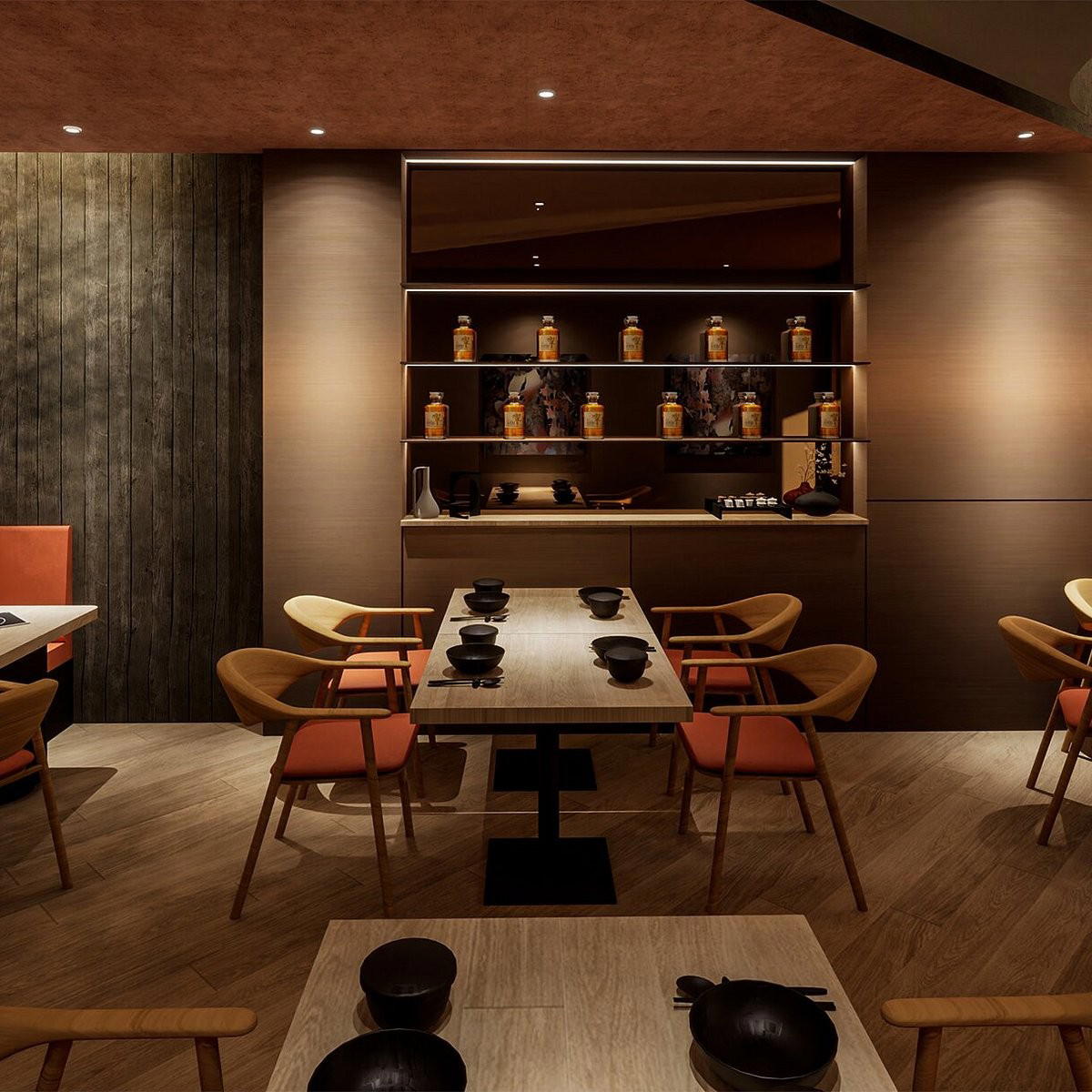
Bars in Hiroshima
Browse all →
At a Glance
- Cozy
- Intimate
- Classic
- Date Night
- Solo
- Casual Hangout
- Special Occasion
- Chefs Counter
- Open Kitchen
- Standalone
- Local Sourcing
Current opening hours
- Monday
- 11:30 AM–2 PM, 5:30–9 PM
- Tuesday
- 11:30 AM–2 PM, 5:30–9 PM
- Wednesday
- 11:30 AM–2 PM, 5:30–9 PM
- Thursday
- 11:30 AM–2 PM, 5:30–9 PM
- Friday
- 11:30 AM–2 PM, 5:30–9 PM
- Saturday
- 12–2 PM, 5:30–9 PM
- Sunday
- 12–2 PM, 5:30–9 PM
Hours can change for holidays and private events. Last verified .
Small eight-seat dining room and five-seat open kitchen counter create a relaxed, softly lit, homey atmosphere where guests can watch the chef carefully prepare beef-focused Western dishes.