Mino Brasserie
Mino Brasserie occupies a West Village address at 225 W 12th St, placing it within one of New York's most food-literate neighbourhoods. The brasserie format has deep roots in the city's dining culture, and this address sits in a block where regulars expect substance over spectacle. A reliable choice for neighbourhood dining with broader ambitions.
Pearl is the En Primeur Club membership app — saves, bookings, and concierge access live there. Same editors, same standards.
- Address
- 225 W 12th St, New York, NY 10011
- Phone
- +18455249006
- Website
- minobrasserie.com
- Directions
- Get directions
 Saves & bookings on Pearl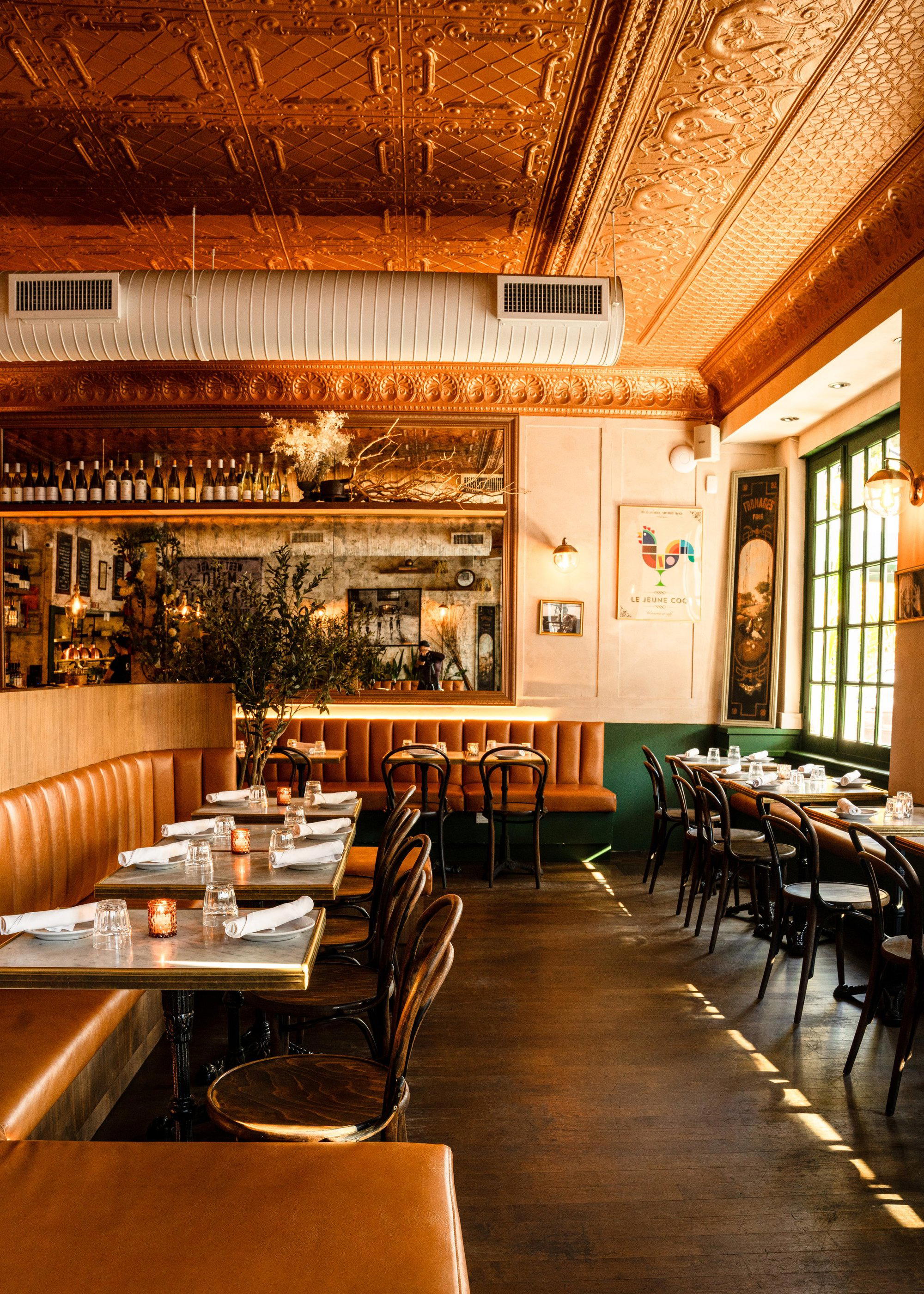
West Village Brasserie, Placed in Context
The West Village has long functioned as one of New York City's most self-assured dining neighbourhoods. Unlike Midtown, where restaurants anchor to hotel footfall or expense accounts, or the Lower East Side, where concepts rise and fall on trend cycles, the blocks around West 12th Street attract a resident-led clientele that returns based on quality and consistency rather than novelty. A brasserie opening here enters a demanding local conversation. The format itself carries expectations: sourced ingredients, a kitchen that treats classical technique as a foundation rather than a costume, and a room that works as well on a Tuesday as a Saturday.
Mino Brasserie, at 225 W 12th St, takes that address seriously. The brasserie category in New York has historically split between French-accented rooms built on Gallic nostalgia and a newer generation of houses that hold onto the brasserie's generosity of format while rethinking where the produce actually comes from. That second approach, increasingly common across American fine-casual dining, places sourcing at the centre of the editorial argument rather than treating it as a footnote on a menu card.
The Sourcing Argument in American Brasserie Cooking
When ingredient provenance shapes a restaurant's identity rather than just its marketing, the kitchen operates differently. Supply chains become relationships, seasonal availability becomes a constraint the menu works inside rather than around, and the gap between front-of-house description and back-of-house reality narrows considerably. Across the United States, a tier of restaurants has built reputations on exactly this discipline. Blue Hill at Stone Barns in Tarrytown is one cited example in the broader New York region, with its working farm supplying the kitchen directly. Single Thread Farm in Healdsburg operates its own agricultural program to similar effect on the West Coast. These are outlier cases, funded by unusual land relationships, but they established a benchmark that now exerts pressure on urban restaurants that cannot grow their own produce.
The response in city kitchens has generally taken one of two forms: either a curated network of named farms and suppliers, with that network made legible to the diner, or a broader commitment to seasonality enforced through menu rotation rather than through specific sourcing claims. Both approaches are honest in their own way. The first requires procurement infrastructure and consistent supplier relationships. The second requires a kitchen disciplined enough to let availability dictate the menu rather than the reverse. Either way, the diner eats differently: with less expectation of year-round consistency, more exposure to what the region actually produces in a given month.
New York's farm and artisan supply base is more substantial than the city's density suggests. The Hudson Valley sits within practical distance, supplying stone fruit, root vegetables, dairy, and heritage-breed proteins to kitchens across Manhattan and Brooklyn. The Greenmarket system, centred at Union Square and operating at satellite locations across the boroughs, has for decades served as a daily sourcing point for restaurant kitchens with the flexibility to adjust on short notice. Brasseries, with their broader menus and higher table-turn expectations than tasting-menu rooms, are in some respects better positioned to use this supply base: they need variety, volume, and the kitchen muscle to turn market-driven ingredients into accessible, appealing plates rather than highly composed single-portion presentations.
Where Mino Brasserie Sits in the New York Dining Range
New York's fine dining upper tier, anchored by rooms like Le Bernardin, Per Se, and Masa, operates at price points and formality levels that place them in a separate category from a neighbourhood brasserie. Below that tier, the middle band of the city's restaurant market is where most diners actually eat, and where most of the interesting sourcing work happens: kitchens with enough flexibility to adapt quickly, and enough financial pressure to justify the extra effort of direct supplier relationships rather than broad-line food service.
The West Village concentration of this middle tier is notable. The neighbourhood has accumulated a density of serious independent restaurants without the Michelin accumulation of, say, Midtown's 49th-57th Street corridor. Progressive Korean rooms like Atomix and Jungsik New York have demonstrated that downtown Manhattan diners will support technically demanding, ingredient-led formats at premium prices. The brasserie sits in a different register, one that values accessibility and breadth over the focused intensity of an omakase or progressive tasting menu, but the underlying commitment to sourcing quality can be just as serious.
For comparison across the American dining scene, the sourcing-led brasserie approach connects to a broader national conversation. Lazy Bear in San Francisco, Bacchanalia in Atlanta, and Providence in Los Angeles each represent how regional ingredient identity can anchor a restaurant's reputation. Alinea in Chicago and The Inn at Little Washington approach the question from a craft-and-precision angle. The brasserie format is a different vehicle, but the underlying question of where the food comes from and how that shapes what ends up on the plate runs through all of them.
Internationally, the conversation extends further. Alain Ducasse at Louis XV in Monte Carlo built its reputation partly on Provençal sourcing as a governing principle, and 8½ Otto e Mezzo Bombana in Hong Kong demonstrates how Italian ingredient identity can survive transplantation. These are not direct comparisons, but they illustrate a principle: sourcing conviction, communicated clearly to the diner, holds across formats and geographies.
Planning a Visit
Mino Brasserie is located at 225 W 12th St in the West Village, a short walk from the 1, 2, and 3 subway lines at 14th Street, and within easy reach of the A, C, E at 14th Street/8th Avenue. The West Village's street grid is irregular enough that checking a map before arriving saves time. Reservations are advisable, particularly on weekends, when the neighbourhood's resident and visitor traffic converges on a relatively small number of serious independent rooms. Current hours and reservations should be checked before visiting.
Cost Snapshot
Comparable venues nearby, for context on price, style, and recognition.
| Venue | Cuisine | Price | Notes |
|---|---|---|---|
| Mino BrasserieThis venue — the venue you are viewing | West Village, Modern French Brasserie | $$$ | Not listed |
| Claudette | Greenwich Village, Coastal French Bistro | $$$ | Not listed |
| French Louie | Not listed | $$$ | Downtown Brooklyn-DUMBO-Boerum Hill, Modern French-American Bistro |
| Bistrot Leo | Not listed | $$$ | SoHo-Little Italy-Hudson Square, Classic French Bistro |
| Maison Nur | Not listed | $$$$ | SoHo-Little Italy-Hudson Square, Modern French-American Fine Dining |
| Jacques Brasserie | Not listed | $$$ | Upper East Side-Carnegie Hill, Classic French Brasserie |
Continue exploring
More in New York City
Restaurants in New York City
Browse all →
Bars in New York City
Browse all →
Hotels in New York City
Browse all →




At a Glance
- Cozy
- Elegant
- Classic
- Intimate
- Date Night
- Brunch
- Casual Hangout
- Open Kitchen
- Extensive Wine List
Current opening hours
- Monday
- Closed
- Tuesday
- 4:30–11 PM
- Wednesday
- 4:30–11 PM
- Thursday
- 4:30–11 PM
- Friday
- 4:30 PM–12 AM
- Saturday
- 11 AM–12 AM
- Sunday
- 11 AM–11 PM
Hours can change for holidays and private events. Last verified .
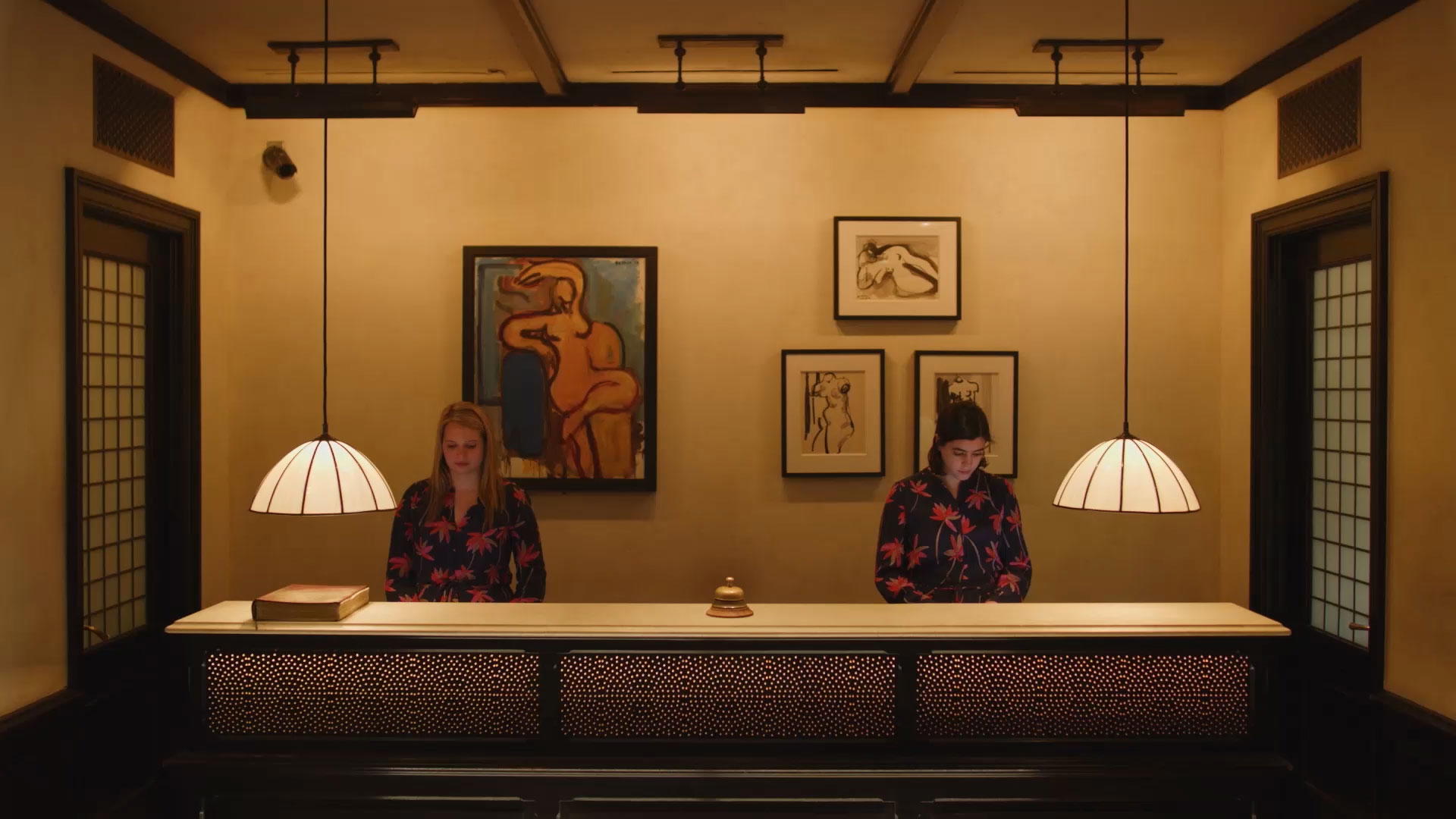
Chic and inviting with leather banquettes, zinc bar, enormous antique mirrors, warm stylish setting, cozy and tight like a Paris bistro.