Our verdict
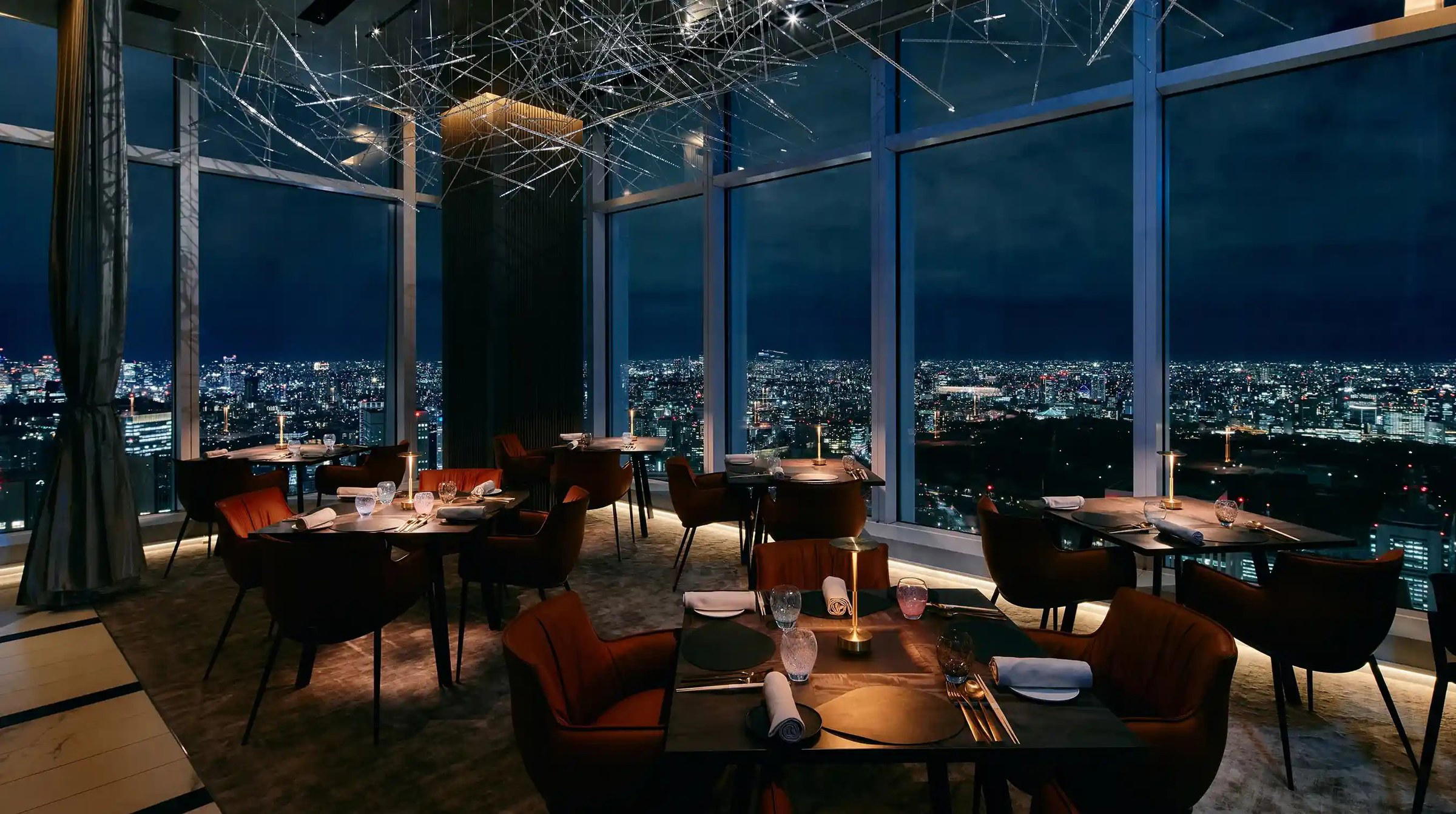
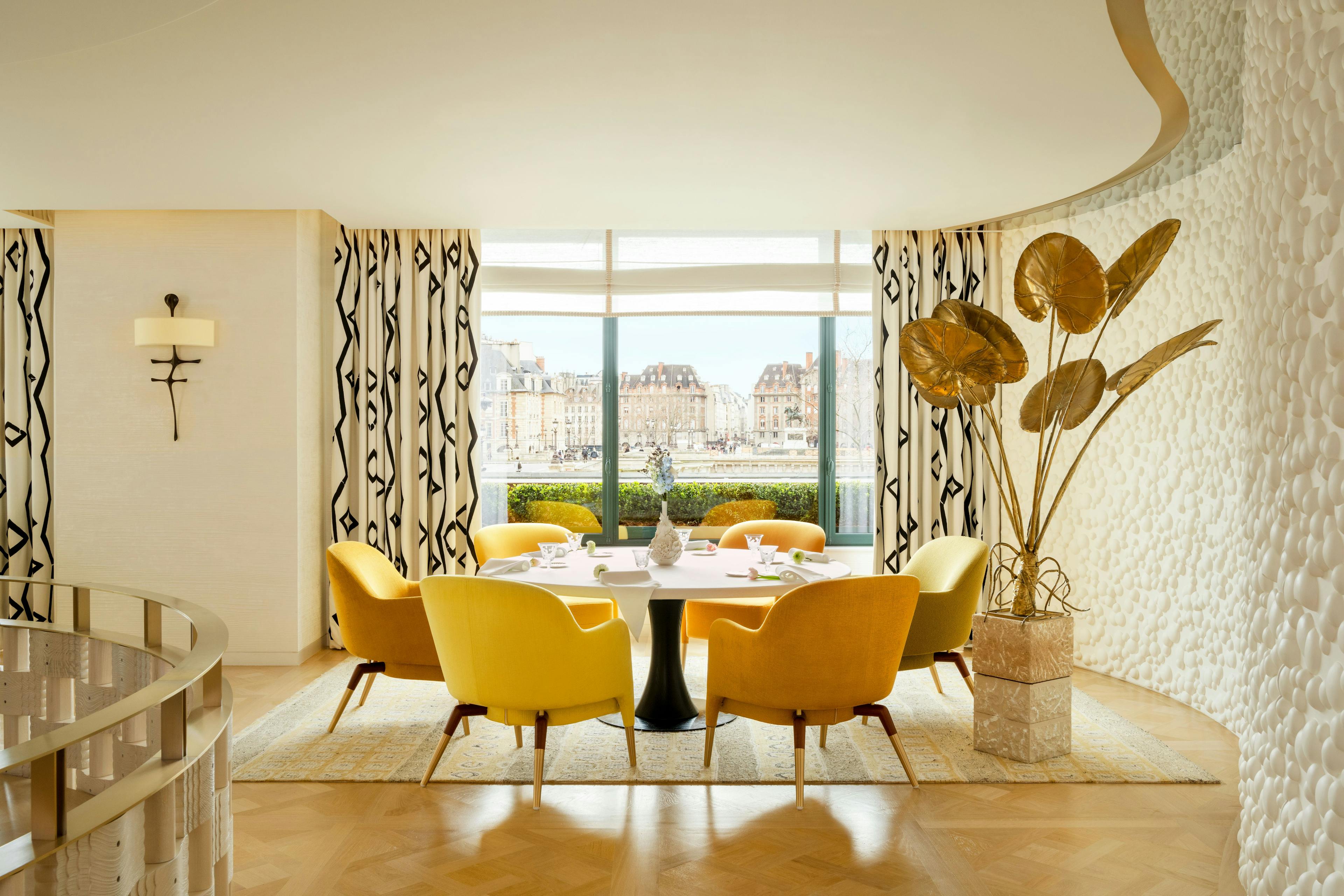
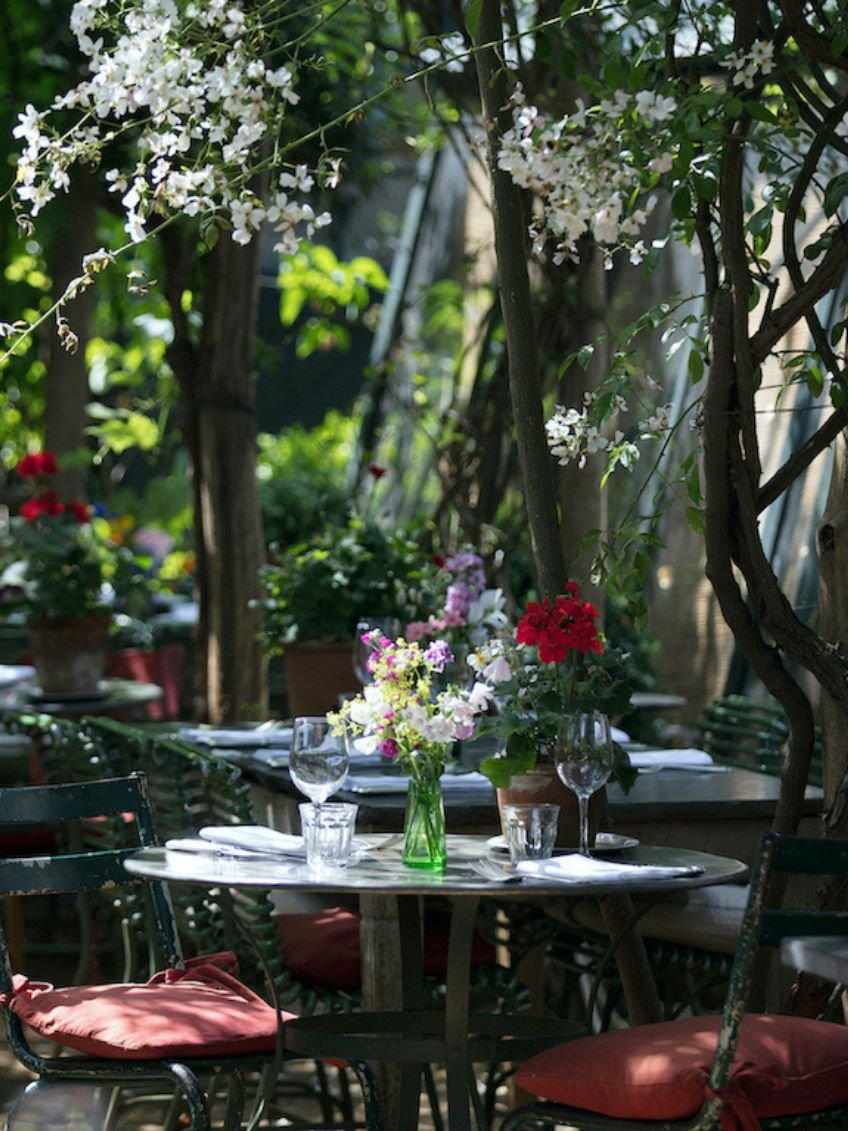
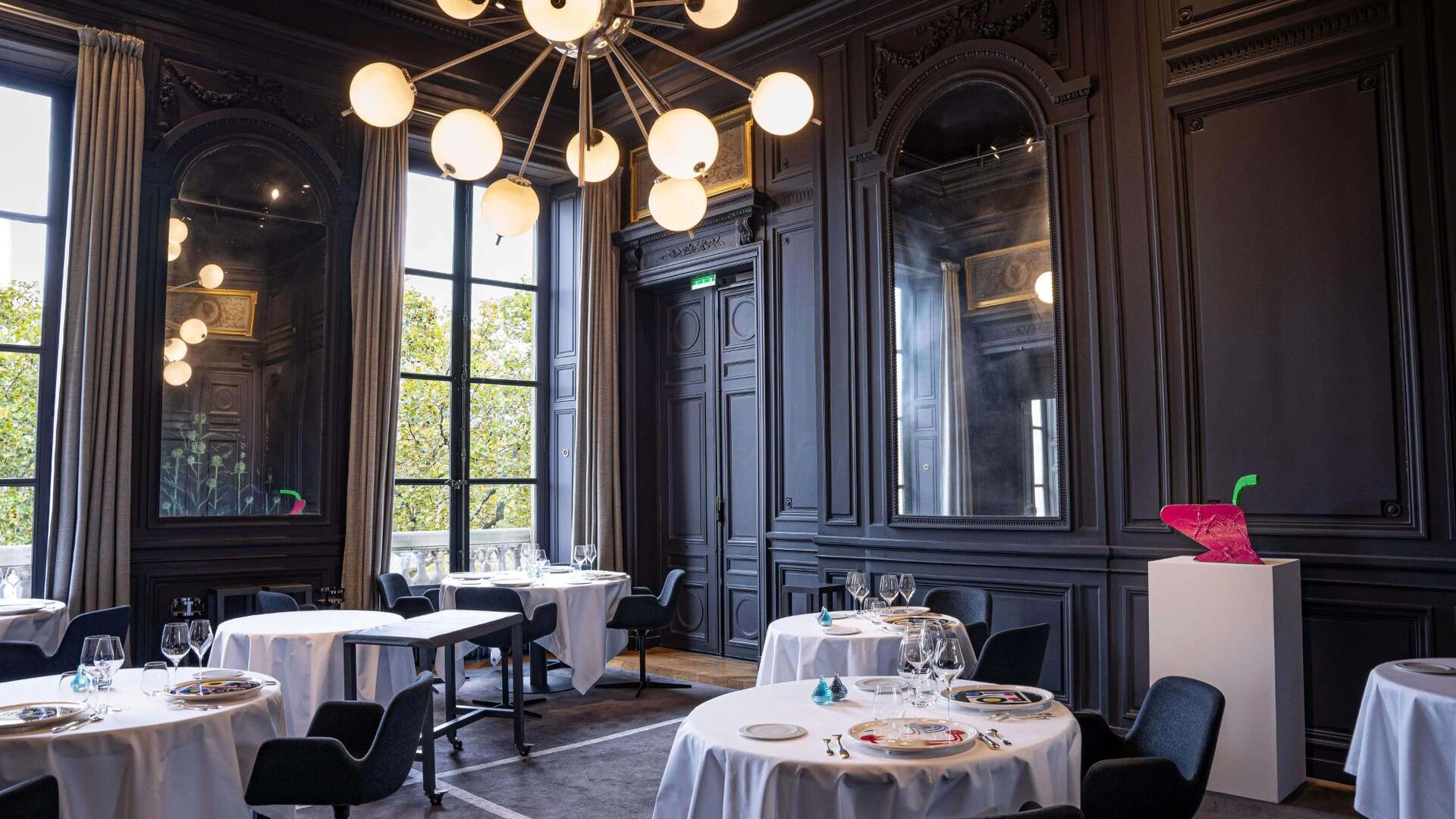
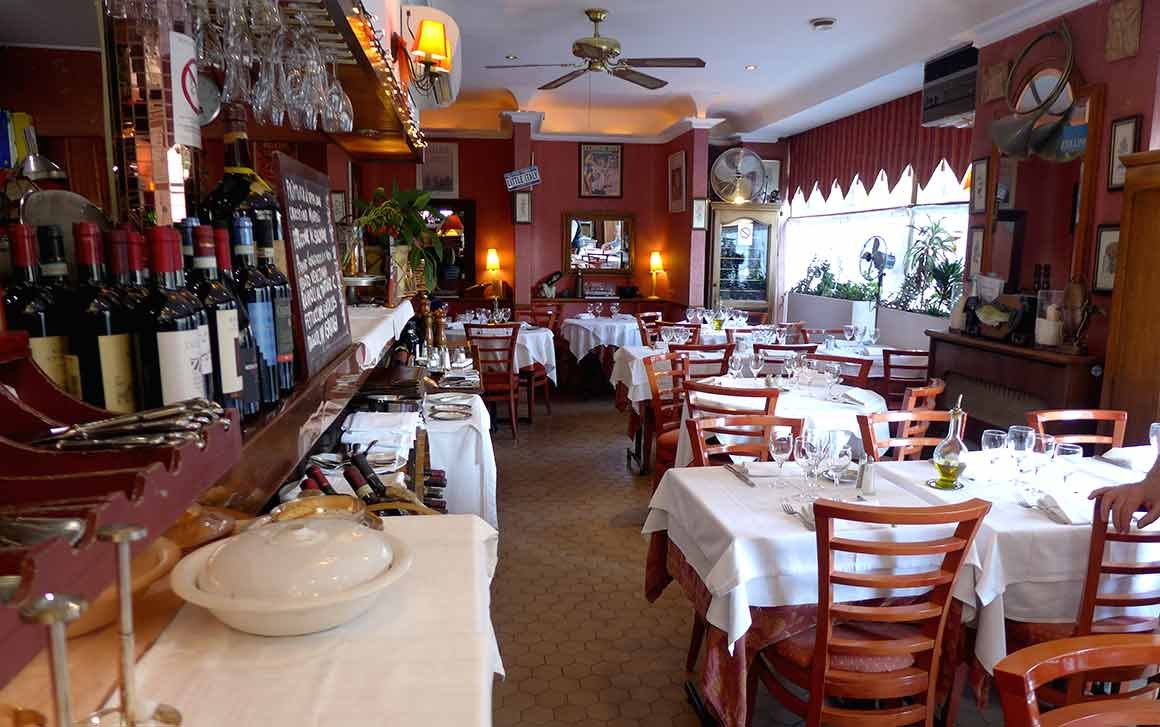
Situated on Rue de l'Arbre Sec in Paris's 1st arrondissement, Fellini sits in a neighbourhood that has long attracted serious dining. The address places it within walking distance of the Louvre and the covered passages of the Right Bank, positioning it among the more considered Italian-leaning addresses in a city that has raised the bar for foreign cuisines over the past decade.

Pearl is the En Primeur Club membership app, where members save venues, book tables and use the concierge.
The menu
What to order
- Tiramisu
- Penne aux quatre fromages
- Carbonara
Italian Dining in Paris: Where the Address Does Some of the Work
Paris's 1st arrondissement has been quietly redefining what imported cuisine looks like at the serious end of the market. The neighbourhood around Rue de l'Arbre Sec sits between Les Halles and the Louvre, a stretch that draws an international clientele with expectations shaped by the broader Parisian dining scene. In that context, Italian restaurants face a particular test: Paris diners have grown accustomed to French kitchens operating at high precision, and addresses that import another country's culinary grammar must compete on those terms. Fellini, at 47 Rue de l'Arbre Sec, has planted itself squarely in that conversation.
The city's premium dining tier, anchored by addresses like Alléno Paris au Pavillon Ledoyen, Arpège, and Le Cinq at the Four Seasons Hôtel George V, operates with a sourcing rigour that has gradually shaped expectations across price points. When Parisian diners encounter an Italian kitchen, they tend to ask the same questions they would of a French one: where is this from, and why?
The Sustainability Argument in a Parisian Italian Kitchen
French fine dining has moved steadily toward ecological accountability over the past fifteen years. The shift is visible at the three-star level, where Mirazur in Menton built a biodynamic kitchen garden into its core identity, and at regional houses like Bras in Laguiole, where sourcing from the Aubrac plateau became a defining credential rather than a marketing footnote. The pressure on urban addresses to follow suit has grown in proportion.
For an Italian restaurant in Paris, this creates an interesting structural problem. Authentic Italian cooking is geographically specific by nature: certain PDO-protected ingredients carry a legal designation of origin. Parmigiano-Reggiano cannot be sourced from Normandy. True DOP extra-virgin olive oils come from defined Italian regions. The sustainability question for a serious Italian address in Paris is therefore not simply about local sourcing, but about how an operation manages the carbon weight of those necessary imports alongside whatever local or regional produce it can bring into the kitchen for seasonal components.
Addresses that have handled this well elsewhere in France tend to draw a clear distinction between non-negotiable Italian heritage ingredients and the supporting cast of vegetables, fish, and dairy, where French regional suppliers can do the work. Operators like Troisgros in Ouches and Flocons de Sel in Megève have demonstrated that a kitchen rooted in one culinary tradition can draw its produce from a tightly defined local radius without compromising the identity of the cooking. That model is instructive for any Italian address operating in France.
The 1st Arrondissement Setting
Rue de l'Arbre Sec is a short street that connects the Rue de Rivoli axis to the older fabric of the Right Bank. It is not a dining destination street in the way that certain addresses in the 11th or the Marais have become, which means foot traffic here is a function of intention rather than proximity to a bar cluster. Diners who arrive have, by definition, planned to. That self-selecting quality shapes the room's character: the clientele tends toward people who already know what they want and are less likely to have drifted in from a nearby bar.
The 1st arrondissement's central position makes it direct to reach by Métro, with Pont Neuf and Louvre-Rivoli both within a short walk. For visitors staying on the Right Bank, the address is particularly convenient. The neighbourhood's dinner window tends toward earlier seatings than the eastern arrondissements, reflecting its stronger tourist and business mix.
Paris's serious French tables in the area include L'Ambroisie on the Place des Vosges (technically Marais but nearby in intention) and Kei, the Franco-Japanese address on the Rue du Coq Héron that earned Michelin recognition for its cross-cultural precision. These are the peer addresses that set the neighbourhood's ceiling, and they are relevant because they demonstrate what Paris diners in this part of the city have come to expect in terms of sourcing transparency and kitchen discipline.
Italian Cuisine in the French Capital: A Broader Pattern
The trajectory of Italian cooking in Paris over the past two decades mirrors what happened to Japanese cuisine in the city during an earlier period. Initial waves of undifferentiated product gave way to a smaller number of serious addresses that understood French diners well enough to meet them on their own terms, without abandoning the cooking's Italian core. The most durable of these tend to share a few characteristics: menus with a seasonal logic that responds to French market availability, wine lists that reflect Italian regional depth rather than a generic offering, and a sourcing posture that treats the question of provenance as a conversation-starter rather than a box-ticking exercise.
Outside France, the template of Italian cooking done with French-kitchen rigour is visible in addresses like Le Bernardin in New York, which, while French in origin, demonstrates how a cuisine transplanted to a foreign city can earn durable credibility through consistency and sourcing discipline. Closer to the Italian culinary tradition itself, Auberge de l'Ill in Illhaeusern and Auberge du Vieux Puits in Fontjoncouse offer a French regional model where deep local rootedness and long operational histories have produced reputations that outrun any single season.
Planning Your Visit
Fellini is located at 47 Rue de l'Arbre Sec, 75001 Paris, in the 1st arrondissement. The nearest Métro stations are Pont Neuf (line 7) and Louvre-Rivoli (line 1), both a few minutes on foot. For a broader orientation to dining options across the city, our full Paris restaurants guide maps the range from neighbourhood bistros to multi-starred addresses. Those with a particular interest in creative French cooking at the high end can find further context at Les Prés d'Eugénie in Eugénie-les-Bains and Georges Blanc in Vonnas, both of which illuminate the regional French tradition that shapes what Paris expects of serious kitchens, Italian or otherwise. For a different register, Lazy Bear in San Francisco and La Table du Castellet show how sourcing-led menus operate in different geographic and cultural contexts. Paul Bocuse - L'Auberge du Pont de Collonges remains the reference point for understanding how French culinary identity at its most rooted compares with any imported kitchen tradition.
Frequently asked questions
What's the address for Fellini?
Fellini is located at 47 Rue de l'Arbre Sec, 75001 Paris, France, Paris.
Is Fellini a good option for Italian dining near the Louvre in Paris?
Fellini at 47 Rue de l'Arbre Sec sits within walking distance of the Louvre, in a stretch of the 1st arrondissement that has quietly developed into a serious dining corridor rather than a tourist-facing one. The address on Rue de l'Arbre Sec connects the Rue de Rivoli axis to older Right Bank fabric, meaning the surrounding context leans toward neighbourhood use rather than destination dining. For visitors to the area seeking Italian cooking in Paris treated with culinary rigour, Fellini occupies a position distinct from the more generic options that cluster around major museums.
What dish is Fellini famous for?
No specific signature dish has been documented in available editorial records for Fellini. Given the venue's position on Rue de l'Arbre Sec in Paris's 1st arrondissement, where Italian kitchens at the serious end of the market tend to anchor menus around region-specific pasta and sourced produce, the kitchen's identity is best understood through its broader Italian cooking approach rather than a single headline dish. Contacting the restaurant directly will give the clearest picture of the current menu.
Do they take walk-ins at Fellini?
No walk-in policy has been confirmed for Fellini at 47 Rue de l'Arbre Sec, Paris 75001. Restaurants operating in the 1st arrondissement's tighter dining rooms typically fill covers through advance reservations, particularly midweek and on weekends. Reaching out directly to the venue before visiting is the practical course.
What has Fellini built its reputation on?
Fellini's address in Paris's 1st arrondissement places it within a neighbourhood that has become a reference point for imported cuisines treated with the same seriousness as French fine dining. The restaurant has positioned itself as a considered Italian option on the Right Bank, in a city where Italian cooking has followed a trajectory similar to what Japanese cuisine went through a generation earlier: moving from generic to genuinely specific. No award citations or chef credentials have been formally documented in current editorial records.
Do they accommodate allergies at Fellini?
No formal allergy policy has been documented for Fellini. Italian kitchens working with traditional techniques frequently use gluten, dairy, and nuts as core ingredients, so communicating dietary requirements directly with the restaurant at 47 Rue de l'Arbre Sec, Paris 75001, ahead of your reservation is the most reliable approach.
Comparable Venues
Comparable venues nearby, for context on price, style, and recognition.
| Venue | Cuisine | Price | Notes |
|---|---|---|---|
| FelliniThis venue (the venue you are viewing) | Authentic Italian Trattoria | $30–50 | Not listed |
| Coinstot Vino | Italian Bistro with Natural Wines | $20–30 | Passage des Panoramas |
| Il Cuoco Galante | Modern Italian Trattoria | $30–50 | 9th Arr. |
| Peppe Pizzeria | Modern Neapolitan Pizza | $30–50 | Belleville |
| Peppe | Authentic Neapolitan Pizza | $20–30 | Ménilmontant |
| Ricette Ristorante | Modern Italian | $30–50 | Quartier Latin |