Peppe Pizzeria operates from Place Saint-Blaise in Paris's 20th arrondissement, a neighbourhood that sits well outside the city's haute cuisine circuit. The address places it among local bakeries and street-level commerce rather than tourist corridors, making it a reference point for Neapolitan-style pizza within a Parisian context where the format has grown from novelty to a serious dining category.
Pearl is the En Primeur Club membership app — saves, bookings, and concierge access live there. Same editors, same standards.
- Address
- 2 Pl. Saint-Blaise, 75020 Paris, France
- Phone
- +33145355913
- Website
- peppeparis.fr
- Directions
- Get directions
 Saves & bookings on Pearl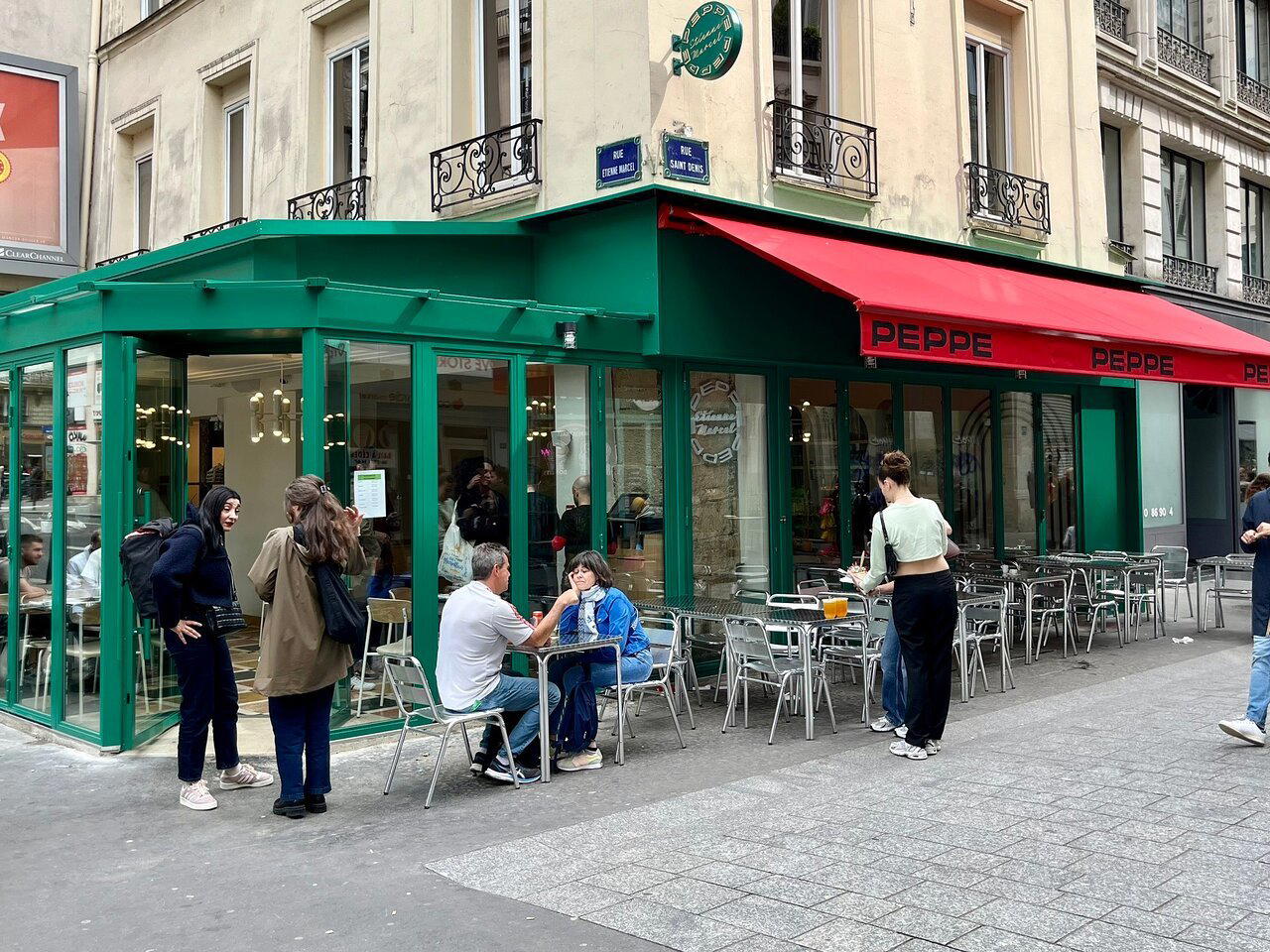
Pizza in Paris: A Category That Has Grown Up
For most of the twentieth century, pizza in Paris occupied a marginal position: cheap, serviceable, and rarely taken seriously by the city's food press. That changed gradually through the 2010s as a generation of operators imported Neapolitan craft standards, sourced Italian flour and tomatoes directly, and built wood-fired programmes that could hold a conversation with the city's broader restaurant culture. Today, the format sits across a spectrum that runs from fast-casual chains to address-specific rooms with genuine provenance claims. Peppe Pizzeria, located at 2 Place Saint-Blaise in the 20th arrondissement, operates inside that more considered tier.
The 20th Arrondissement as a Dining Address
Place Saint-Blaise sits at the eastern edge of Paris, in a pocket of the 20th that retains a neighbourhood character largely absent from more trafficked arrondissements. The square itself is one of the quieter corners of the city, bordered by the church of Saint-Blaise and a handful of small businesses. Dining in this part of Paris tends to be local-facing rather than destination-driven, which puts Peppe Pizzeria in an interesting position: visitors who make the trip from the 1st or 6th are doing so for a reason, not because the address is convenient. Compare this with the concentration of €€€€ tables further west, where L'Ambroisie, Le Cinq, and Alléno Paris au Pavillon Ledoyen anchor a very different dining culture, and the distance between those rooms and a pizzeria on Place Saint-Blaise is not merely geographic.
What Defines a Serious Pizza Programme
In the current Parisian pizza conversation, the markers of a credible operation are relatively consistent: dough hydration and fermentation time, the provenance of tomatoes and fior di latte, and the temperature and wood source of the oven. These are not details that surface on a standard menu card, but they are the infrastructure that separates a forgettable margherita from one worth travelling across the city for. The Neapolitan framework — recognisable by its cornicione (the raised, charred rim), its thin and slightly wet centre, and its restraint on toppings — has become the dominant reference point for ambitious pizza in France, much as it has in London, New York, and Tokyo. Paris has been slower to embrace it than some cities, but the gap has closed considerably in the past decade.
The French context adds its own pressure. A city with serious bread culture and an entrenched sense of what constitutes proper restaurant cooking does not automatically extend credibility to pizza, however well-executed. Operators who have built reputations here have typically done so through consistency rather than novelty, and through a front-of-house approach that treats the format with the same seriousness as any other dining category. For context on how French restaurants at the upper end of the market handle that balance between rigour and hospitality, the programmes at Arpège and Kei offer useful reference points, even if the cuisine is categorically different.
The Service and Collaboration Model
In a room built around a single product category, the dynamic between kitchen and floor becomes unusually visible. There are no tasting menus to pace, no elaborate mise en place rituals to perform. What replaces that structure is the coordination between the person managing the oven and the team reading the room: timing a pizza's exit correctly, reading which tables need explanation and which do not, knowing when to recommend and when to step back. This kind of collaboration, where the front-of-house acts as a genuine translation layer between what the kitchen is producing and what the guest receives, is what separates a well-run pizzeria from a canteen that happens to have a wood oven. It is also the dimension of service most likely to determine whether a first visit becomes a habit.
Paris has a number of rooms across different price tiers where this collaboration is working at a high level. At the far end of the spectrum, the service architecture at Le Cinq or, further afield, at Mirazur in Menton or Flocons de Sel in Megève represents a formal and highly choreographed version of that model. In a neighbourhood pizzeria, the version is less hierarchical but no less dependent on trust between the people running the room and the people building the product.
Paris Pizza in a National Frame
France's broader restaurant culture is defined by its regional traditions: the kitchens of Troisgros in Ouches, Auberge de l'Ill in Illhaeusern, Bras in Laguiole, and Paul Bocuse's Auberge du Pont de Collonges are all expressions of deep regional identity. Pizza in Paris sits outside that tradition entirely: it is an imported format, and its legitimacy has had to be earned on different terms. The operators who have done so most effectively are those who committed to the craft logic of the original rather than adapting it for local taste. Whether Peppe Pizzeria belongs in that category is a question leading answered by the product itself, which is consistent with what the address and format suggest.
Other French addresses building their reputations through disciplined craft approaches include AM par Alexandre Mazzia in Marseille, Assiette Champenoise in Reims, Au Crocodile in Strasbourg, and Auberge du Vieux Puits in Fontjoncouse, each operating in a different register but sharing the same underlying logic: precision over volume, consistency over ambition. For completeness, see our full Paris restaurants guide for a broader map of where the city's dining sits across formats and price points.
Planning Your Visit
Peppe Pizzeria sits at 2 Place Saint-Blaise, 75020, accessible via the Porte de Bagnolet or Alexandre Dumas metro stations. The square is walkable from either stop in under ten minutes. Given its neighbourhood positioning, the room tends to draw locals alongside the visitors who seek it out specifically, which shapes the atmosphere on a weekday evening versus a weekend lunch. Specific hours, pricing, and booking arrangements are best confirmed directly with the venue, as that information is not available for publication at this time. For Paris visitors whose itinerary also includes higher-end rooms, the contrast between this address and the formal dining available at Le Bernardin in New York City or Atomix in New York City is a useful reminder that a city's dining identity is always the sum of its full range, not just its starred tables.
How Peppe Pizzeria Paris compares with similar nearby venues.
| Venue | Cuisine | Price |
|---|---|---|
| Ploc | Modern Cuisine | €€ |
Continue exploring
More in Paris
Restaurants in Paris
Browse all →
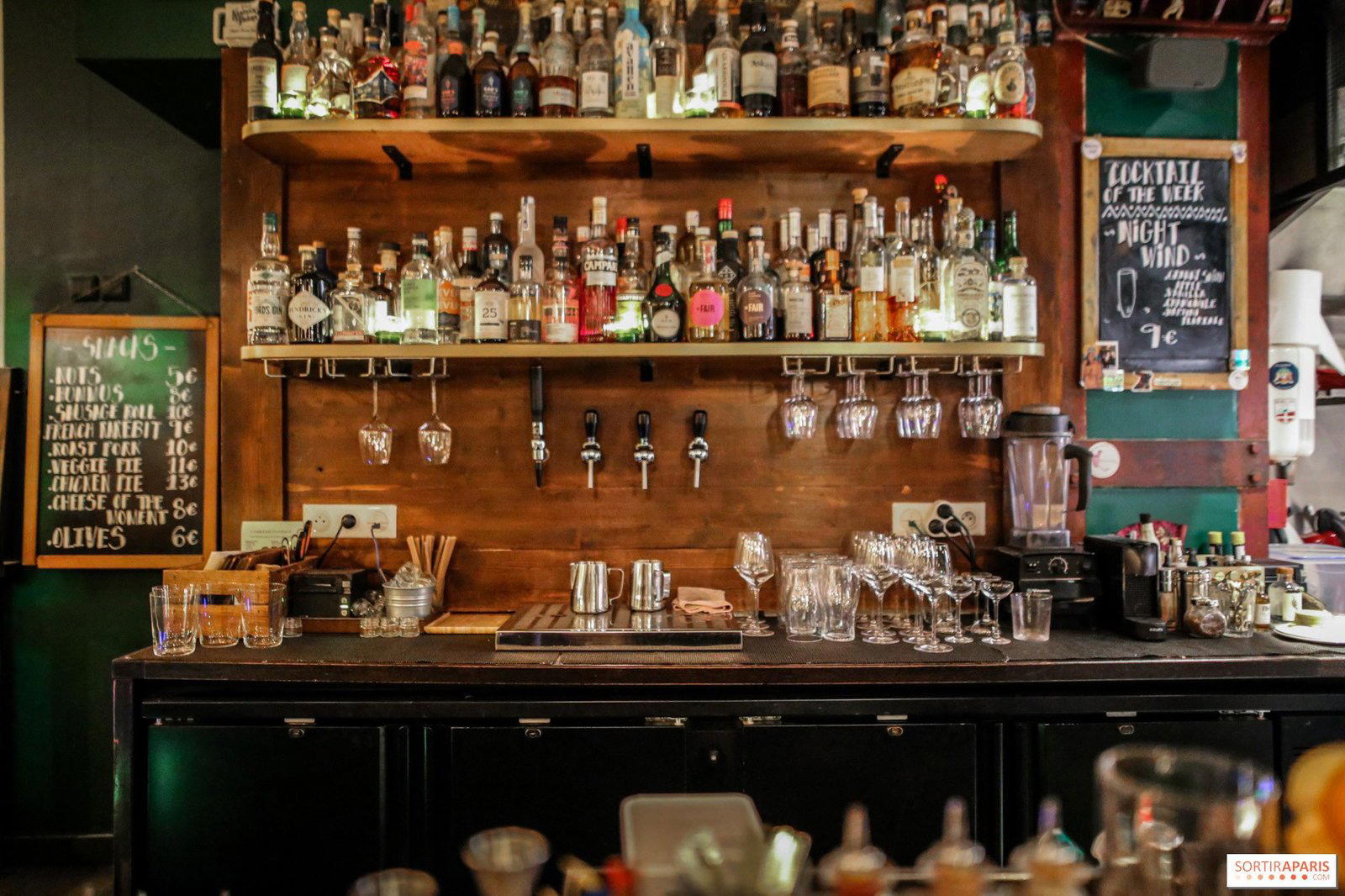
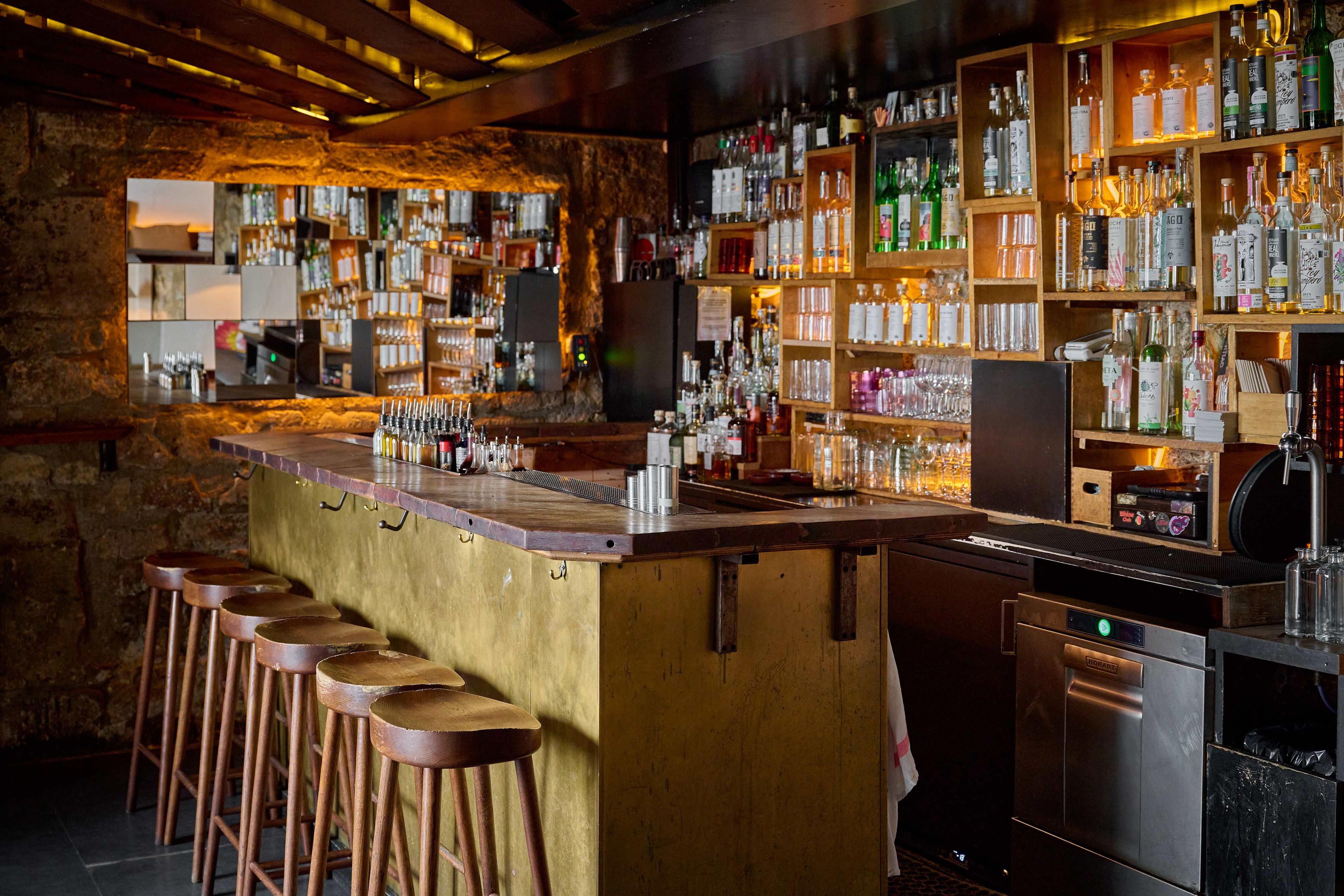
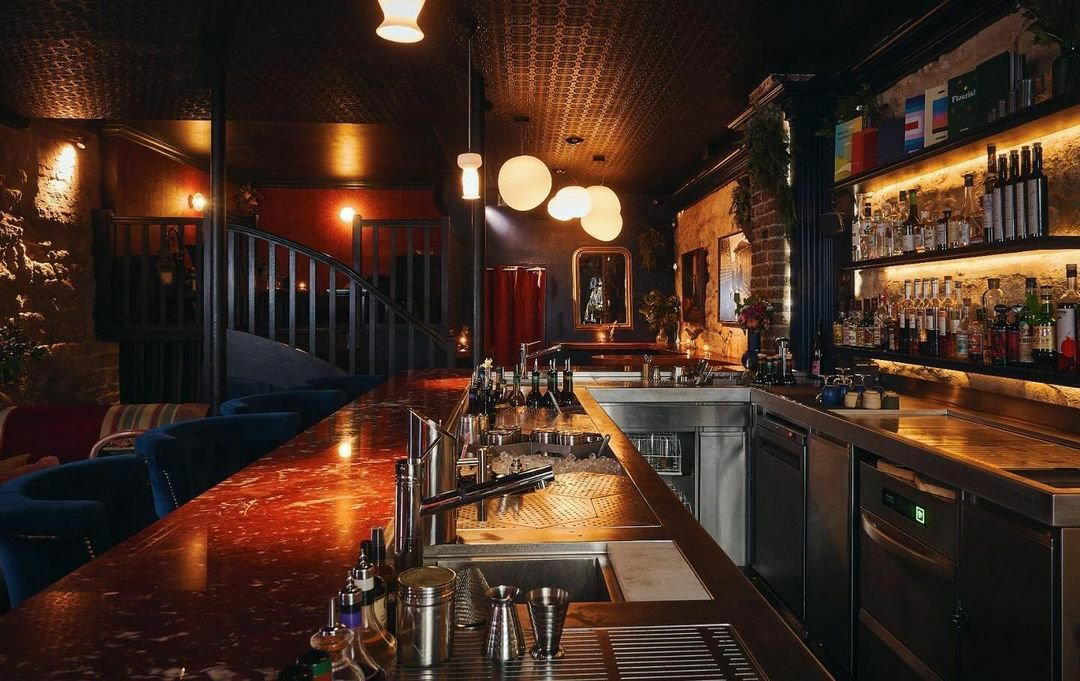
Bars in Paris
Browse all →
Hotels in Paris
Browse all →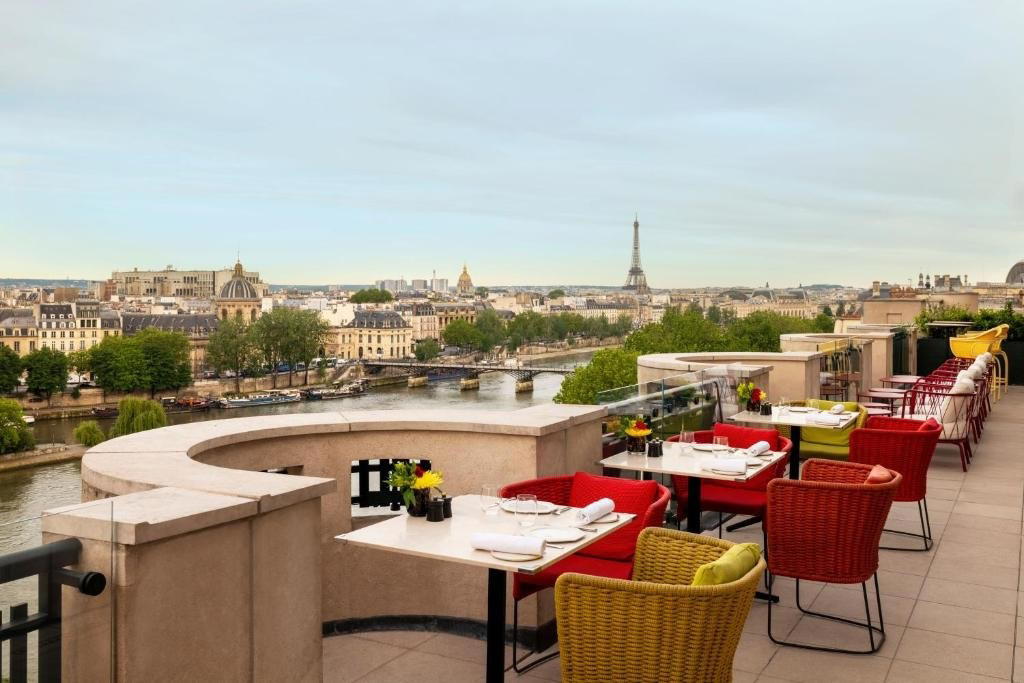

At a Glance
- Lively
- Cozy
- Trendy
- Casual Hangout
- Date Night
- Open Kitchen
- Terrace
- Extensive Wine List
- Street Scene
Current opening hours
- Monday
- 12–2:30 PM, 7–10:30 PM
- Tuesday
- 12–2:30 PM, 7–10:30 PM
- Wednesday
- 12–2:30 PM, 7–10:30 PM
- Thursday
- 12–2:30 PM, 7–10:30 PM
- Friday
- 12–2:30 PM, 7–10:30 PM
- Saturday
- 12–3:30 PM, 7–10:45 PM
- Sunday
- 12–3:30 PM, 7–10:30 PM
Hours can change for holidays and private events. Last verified .
Warm welcoming atmosphere with open kitchen visible to dining room and friendly service.
Know Before You Go
- Getting there
- 2 Pl. Saint-Blaise, 75020 Paris, France