Miga



A Michelin Bib Gourmand-recognised Korean restaurant on Mare Street, Hackney, Miga brings a contemporary sensibility to traditional cooking methods across two generations of family kitchen experience. Soy-braised short ribs, gochujang king prawns, and a deeply nourishing ox-bone broth anchor a menu priced generously for the quality on offer. The open kitchen and family-run front of house give the room a warmth that Hackney's polyglot dining scene has rewarded with a loyal following.
Pearl is the En Primeur Club membership app — saves, bookings, and concierge access live there. Same editors, same standards.
- Address
- 1 Mare St, London E8 4RP, United Kingdom
- Website
- instagram.com
- Directions
- Get directions
 Saves & bookings on Pearl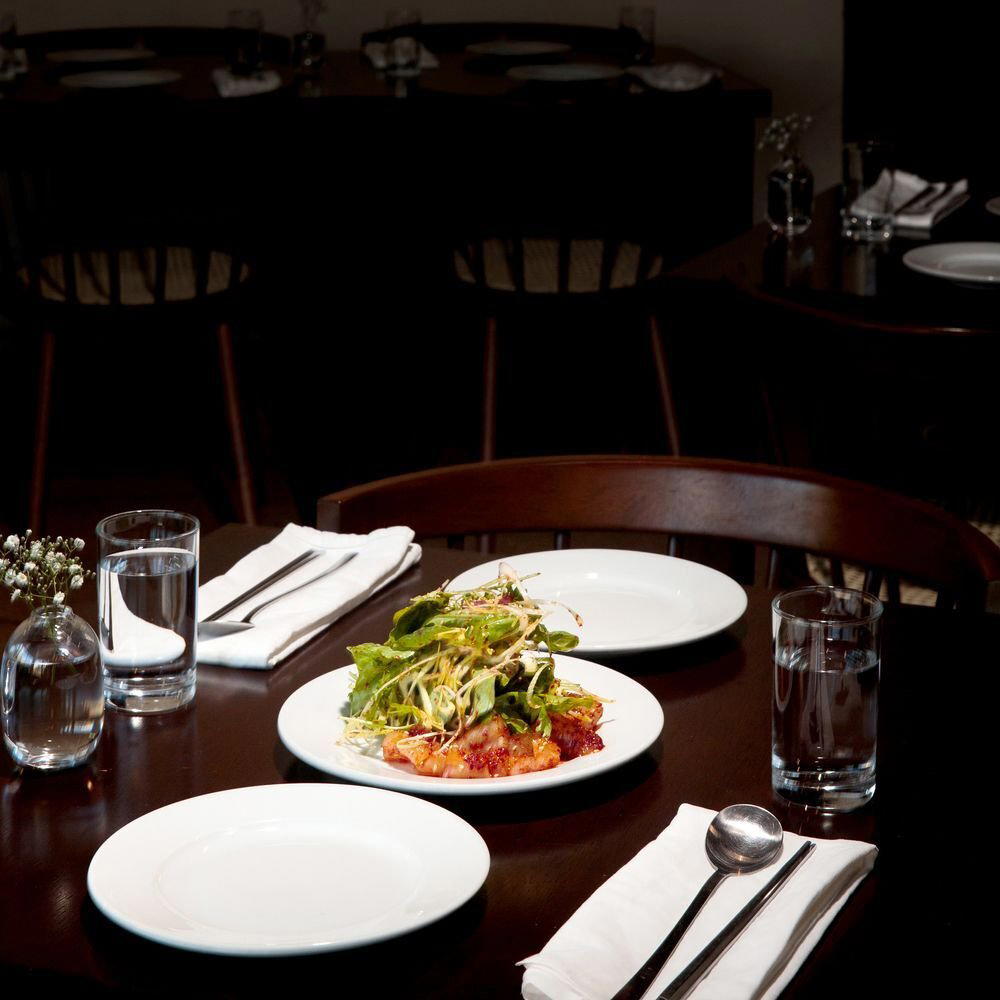
From Seoul to New Malden to Hackney: A Family Trajectory
London's Korean dining scene has expanded well beyond the New Malden enclave that first anchored the UK's largest Korean expat community. Over the past decade, Korean restaurants have moved into central and east London, picking up a broader, more international audience without losing the cooking integrity that defined the original suburban wave. Miga at 1 Mare Street sits squarely in this shift, serving modern Korean food in London at a £45 per person price point. The Ko family started in Seoul, where the grandmother ran an ox-bone broth operation, then relocated to New Malden before making the considerably more culturally charged move to Hackney. That three-generation arc carries real weight on the plate.
Hackney's restaurant strip around Mare Street has absorbed Vietnamese, West African, Japanese, and modern European kitchens over the past several years. Korean was always an obvious fit for a neighbourhood that rewards cooking with clear technique and genuine roots. Miga arrived and found, as the record shows, open arms from locals who were already accustomed to eating across the full range of East and Southeast Asian cuisines in the same postcode.
The Room and the Register
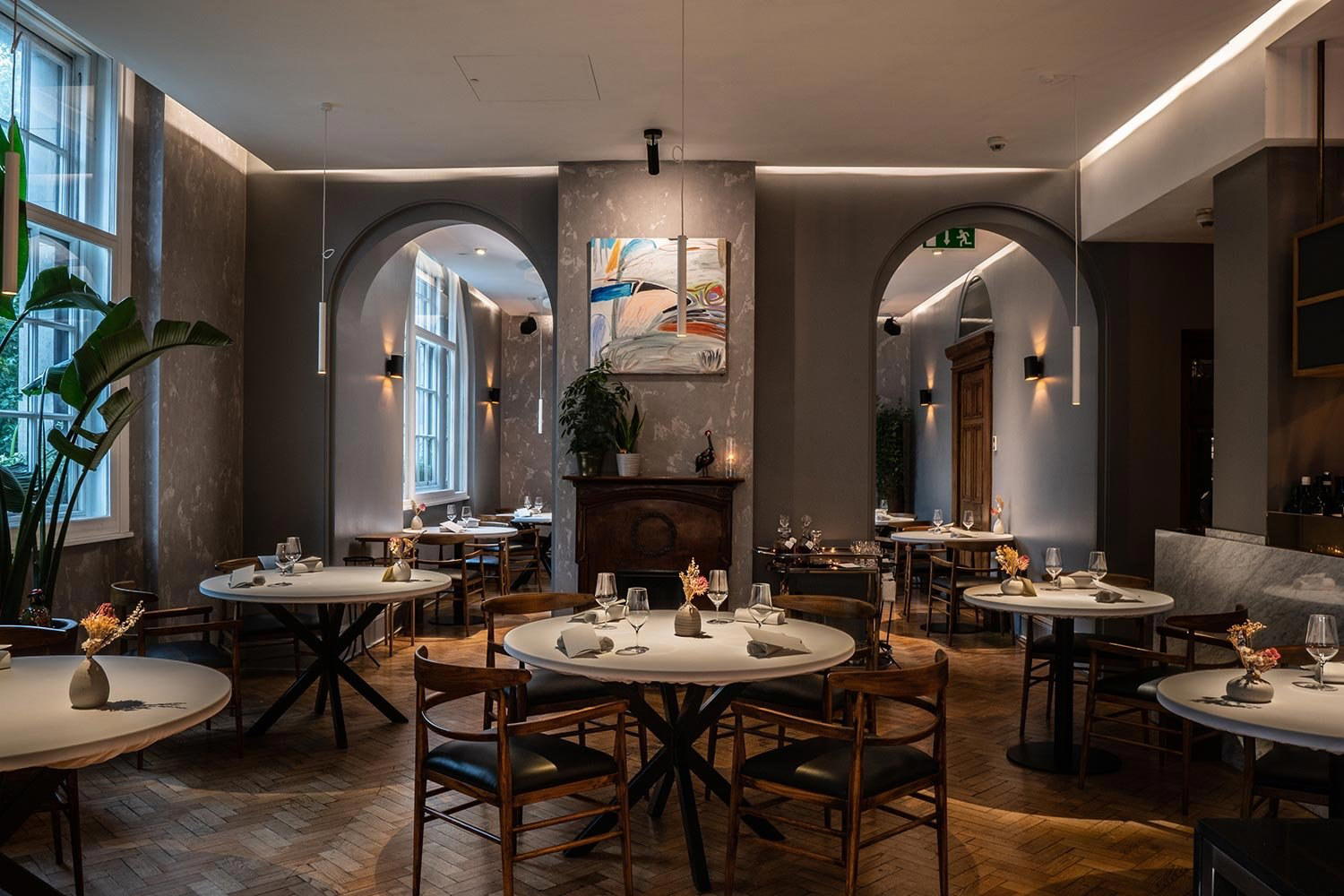
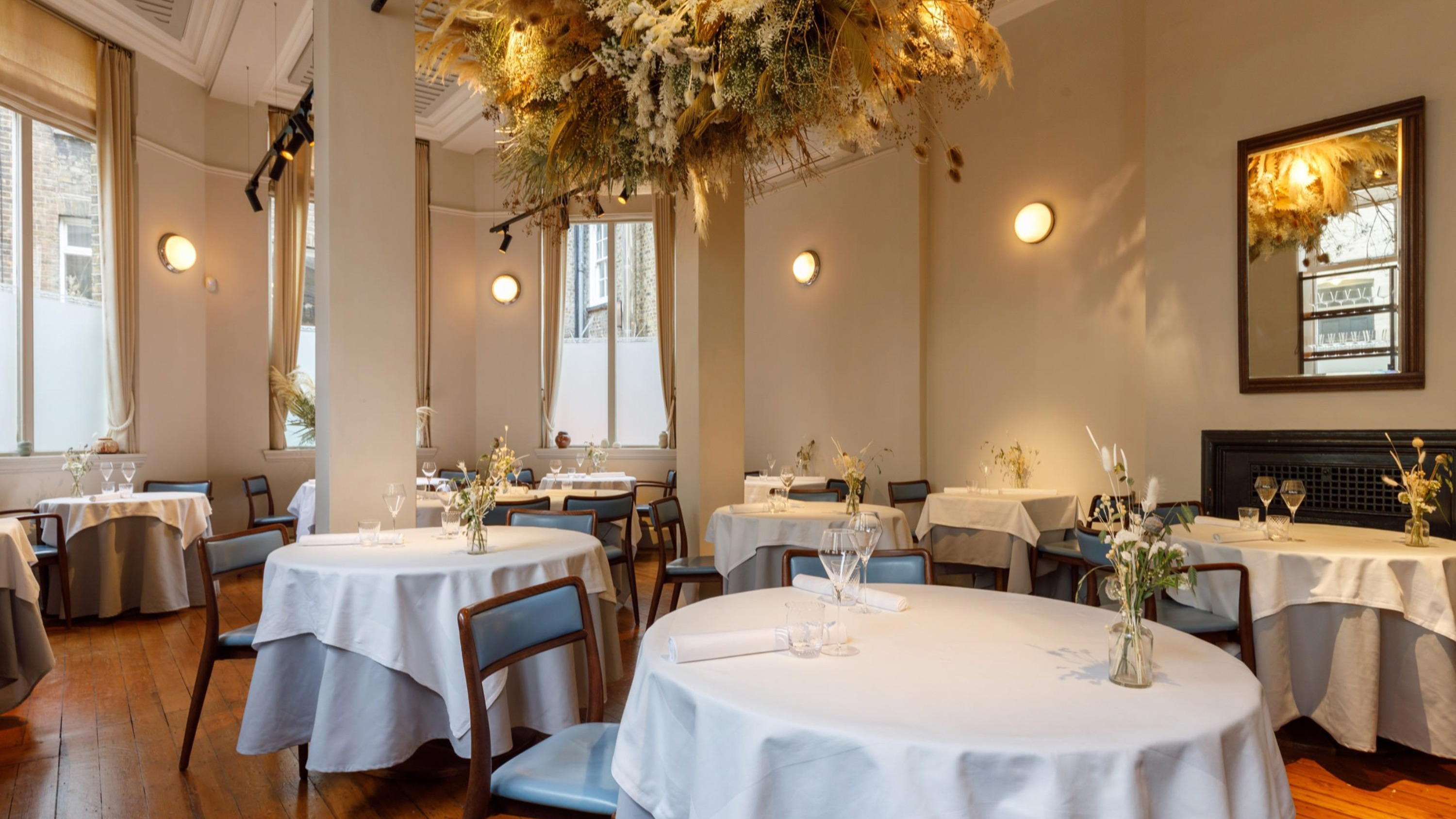
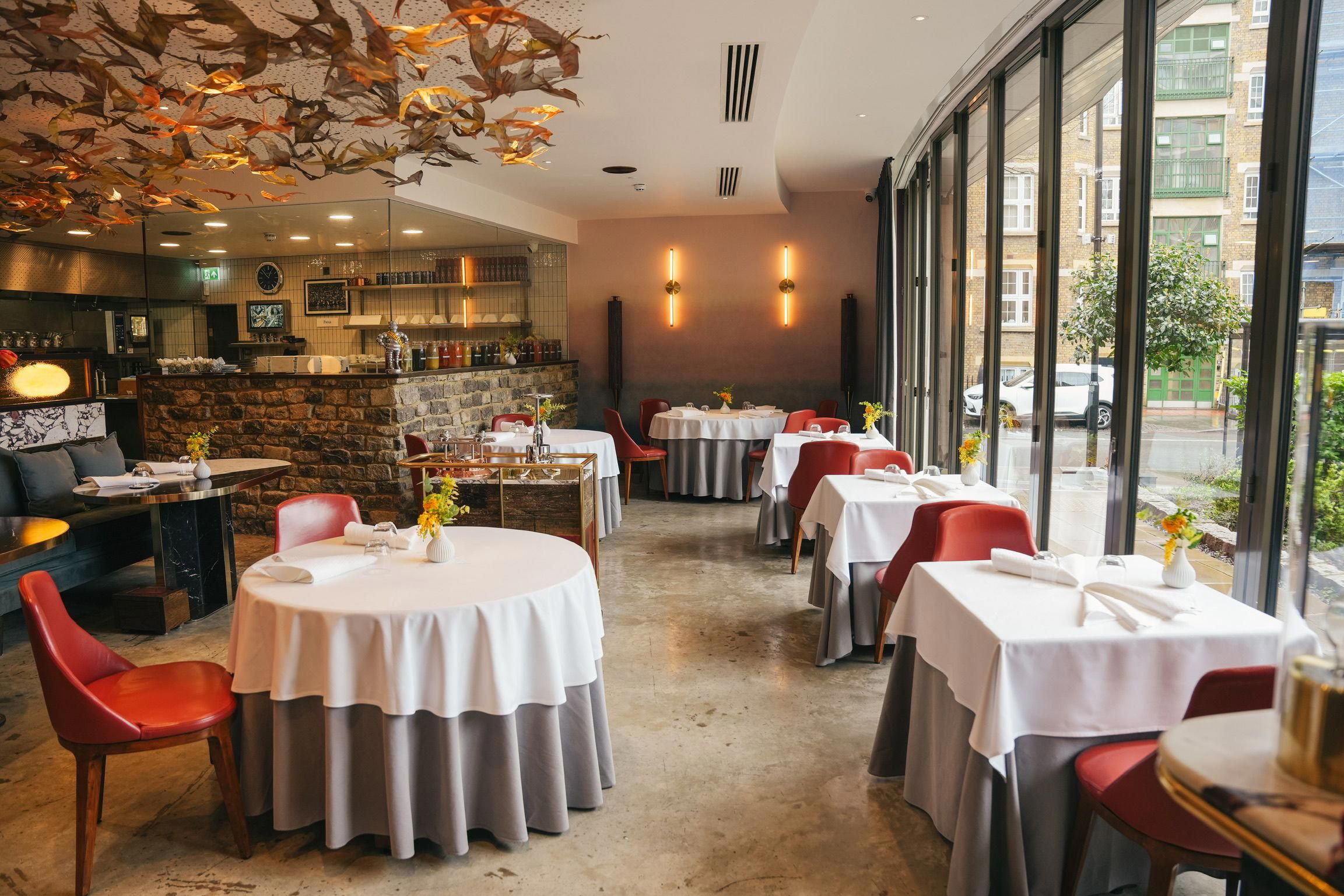
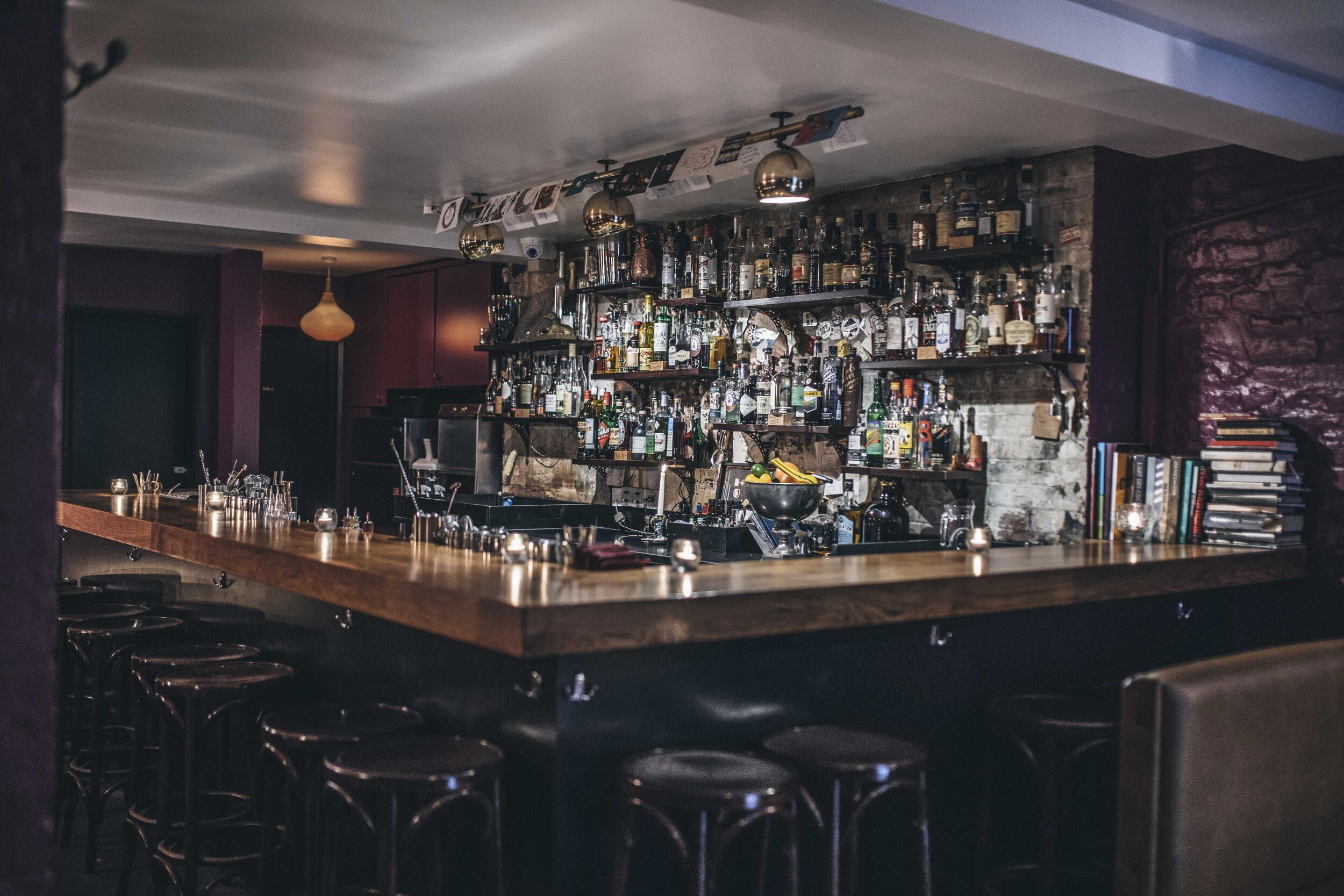
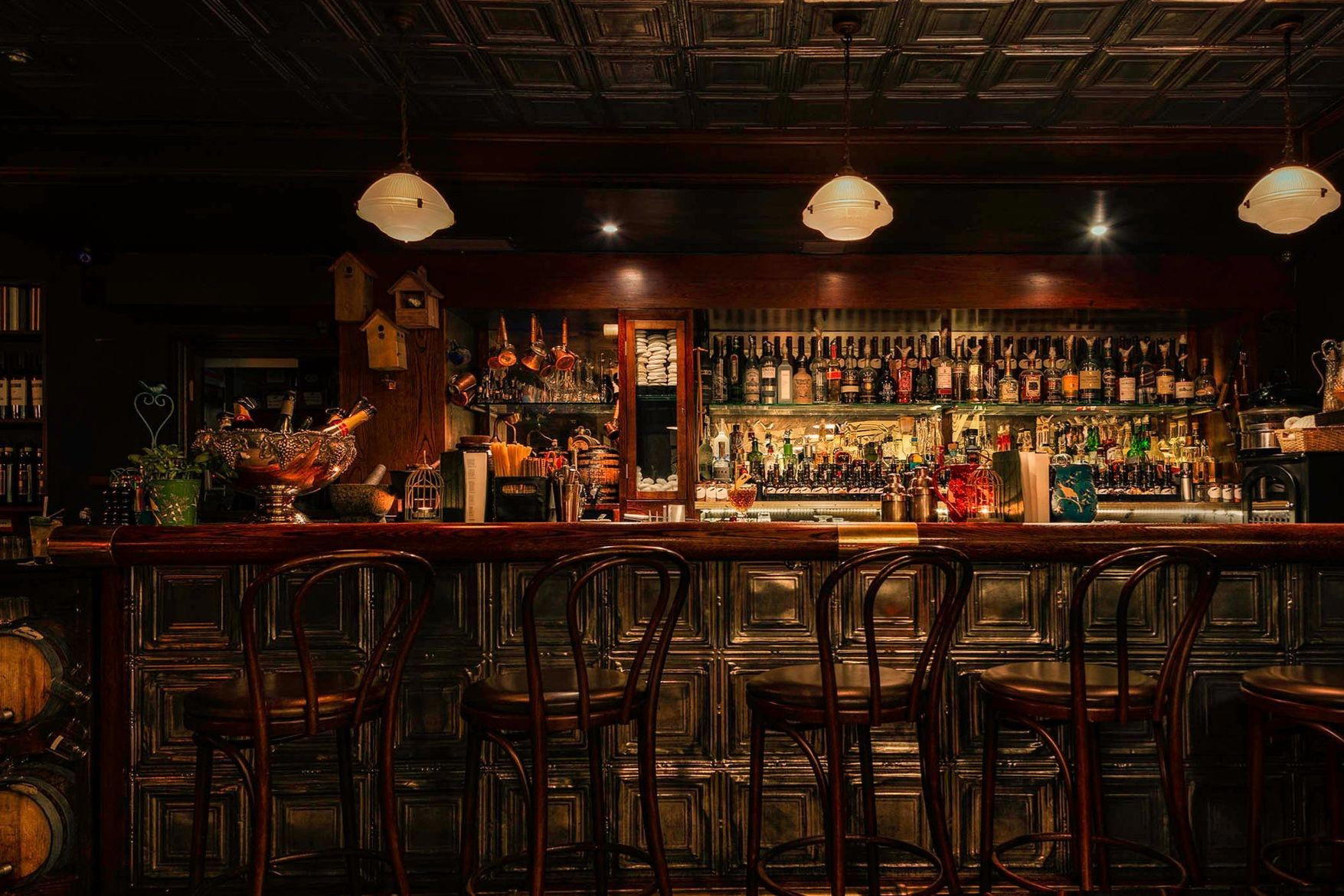
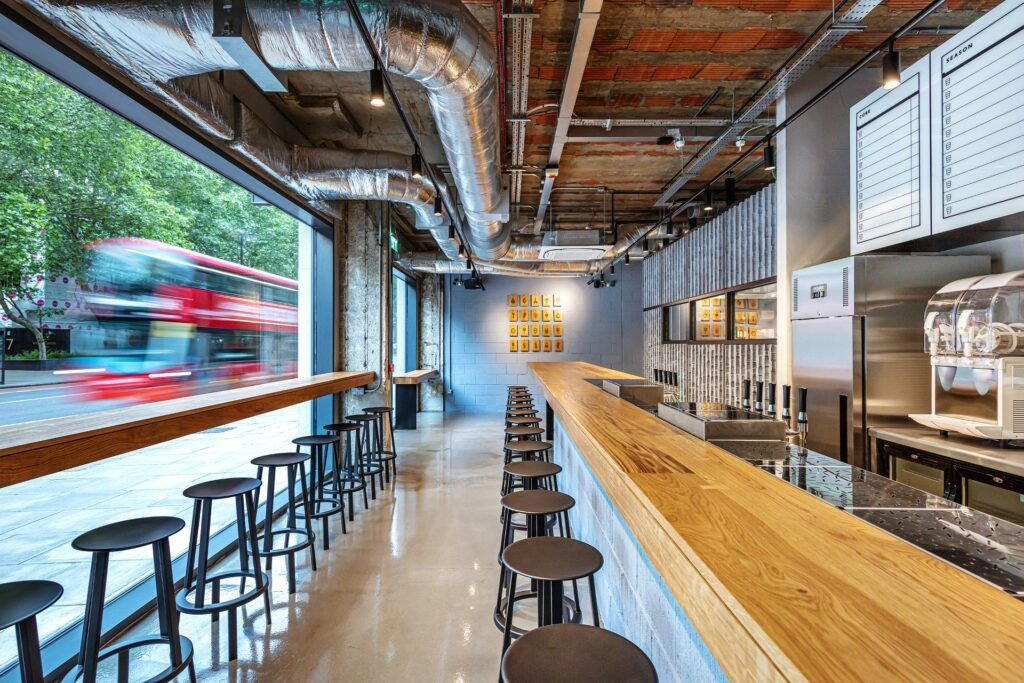
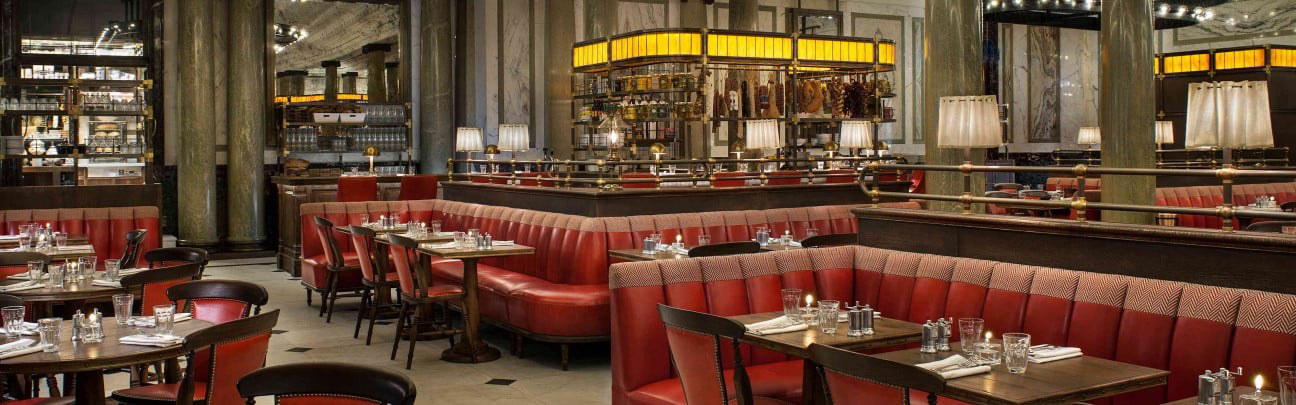
The dining room reads spare: minimalist in design, broken by a single painting, bright and airy in a way that suits lunch as much as dinner. The family history is mounted on the wall outside, which removes any ambiguity about who you are eating with and why they are cooking this food. Mr Ko works the open kitchen; his sons run the front of house. This is not a designed imitation of warmth, it is structural, baked into how the restaurant operates.
At the £££ price point, Miga sits in a different bracket from the Michelin-starred rooms that define London's headline dining conversation. CORE by Clare Smyth, The Ledbury, Restaurant Gordon Ramsay, and Sketch, The Lecture Room and Library all occupy ££££ territory. Miga's Michelin recognition comes via the Bib Gourmand, awarded in both 2024 and 2025, which is the Guide's explicit signal for good cooking at moderate prices. That is not a consolation prize, it is a different category of achievement, and a harder one to sustain in London's cost environment.
Korean Fried Technique and the Jeon Tradition
The editorial angle on Korean fried cooking in London is worth pausing on. The global moment around Korean fried chicken, double-fried for structural crunch, sauced with gochujang or soy-garlic, engineered to stay crisp under sauce weight, has driven significant mainstream attention to Korean cooking techniques over the past five years. That attention has been useful for restaurants like Miga, which apply similar frying discipline across a wider range of preparations than a dedicated chimaek (chicken and beer) operation would.
The menu includes crispy beef jeon, the Korean savoury pancake tradition that shares the same hot-oil logic as fried chicken: controlled heat, a batter that delivers textural contrast, and the expectation that the fried element will carry or frame a sauce. At Miga, this appears in the spicy noodles with crispy beef jeon, a dish that puts the frying technique in service of a broader flavour construction rather than making the crunch the headline act. This is the more sophisticated use of the tradition, and it reflects a kitchen that understands frying as a method rather than a trend.
Gochujang king prawns operate on similar logic: the sauce's fermented chilli heat is assertive enough to demand a protein that can take the weight, and prawn, handled correctly, delivers sweetness against the funk and fire of gochujang. These are not dishes that soften Korean seasonings for a non-Korean audience. They are calibrated for the full register of the cuisine.
The Menu's Structural Argument
What the menu demonstrates, across its range, is a coherent position on what modernising Korean cooking actually means. Adding tofu and marrow to gang doenjang, the thick soybean paste stew, is not fusion for its own sake, it is an extension of a cooking logic that already embraces fermented depth and fatty richness. Perilla-seed aïoli with sliced brisket, leeks, and baby leaves uses a Korean aromatic (perilla, or kkaennip) in a format that reads European but tastes distinctly Korean once the herb hits.
The galbi jjim, braised beef short ribs cooked until the meat separates from the bone, is paired with pear, carrot, and shiitake mushrooms, a combination that uses fruit's natural sugars to balance the braise's savouriness. This is one of the dishes that has accumulated a following quickly. The technique is traditional; the execution, by all accounts, is careful.
The ox-bone broth, a direct reference to the grandmother's Seoul operation, closes the meal in place of dessert. There is no dessert menu. This is an editorial decision as much as a practical one: the broth provides a clean, nourishing finish that is consistent with Korean meal structure, where sweet is not the expected endpoint. The meal ends with ox-bone broth rather than dessert.
Drinks, Sourcing, and the Neighbourhood Network
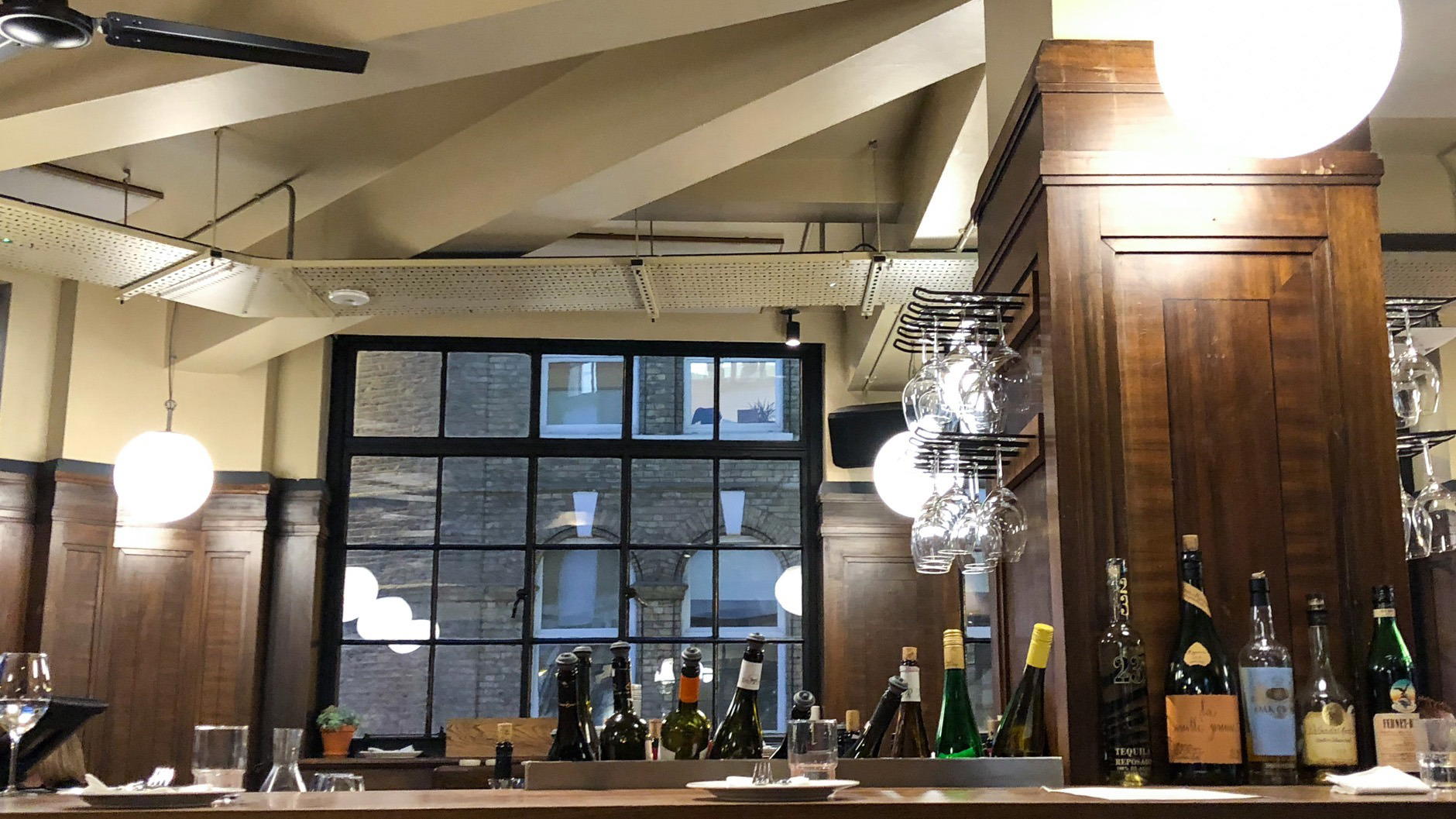
Miga is now licensed and carries a short list worth attention. Soju is present, as expected. Natural wines start at £35. Beer options include Korean Cass alongside Five Points, a brewery operating a short distance from the restaurant. Tea comes from Be-oom, a Korean specialist based in Clerkenwell. This is a drinks programme assembled from specific, traceable sources rather than from a distributor catalogue, which is consistent with the kitchen's sourcing approach and with Hackney's broader preference for producer-direct supply chains.
For those interested in how Korean dining operates at the other end of the price and ambition spectrum, Mingles and Kwonsooksoo in Seoul provide useful reference points for where the haute Korean tradition sits. Miga is not playing in that space, but the underlying cooking intelligence is recognisably part of the same broader conversation about what Korean cuisine looks like when it is handled with serious attention.
London's wider restaurant range, from accessible neighbourhood kitchens like Miga to destination-grade rooms at The Fat Duck in Bray, L'Enclume in Cartmel, Moor Hall in Aughton, Gidleigh Park in Chagford, Hand and Flowers in Marlow, and Le Manoir aux Quat' Saisons in Great Milton, reflects a city where Michelin recognition spreads across price categories rather than clustering exclusively at the leading. For South Asian dining on the east London spectrum, DOSA operates in a comparable neighbourhood-specialist register.
Know Before You Go
- Address: 1 Mare St, London E8 4RP
- Cuisine: Korean (contemporary)
- Price range: ££
- Awards: Michelin Bib Gourmand 2024 and 2025 6 from 444 reviews
- Drinks: Soju, natural wines from £35, Korean Cass beer, Five Points beer
- Dessert: No dessert menu; coffee and pastry available at Forno next door during the day
- Nearest area: Hackney, east London (Mare Street)
Peers You’d Cross-Shop
Comparable venues nearby, for context on price, style, and recognition.
| Venue | Cuisine | Price | Notes |
|---|---|---|---|
| MigaThis venue — the venue you are viewing | Modern Korean | $$$ | Not listed |
| Giulia | Contemporary Italian Trattoria | $$$ | Askew |
| Jolene | Modern Italian Small Plates & Bakery | $$$ | Mildmay |
| Bocca di Lupo | Regional Italian Small Plates | $$$ | Soho |
| Marksman | Modern British Gastropub | $$$ | Bethnal Green |
| Noble Rot Soho | Modern European Bistro | $$$ | Soho |
Recognition history
Dated appearances from independent guides and award organizations, with the underlying list record or original source where available.
Michelin Bib Gourmand
Michelin
National Restaurant Awards Top 100 #56 · No. 56
National Restaurant Awards · 2026 National Restaurant Awards Top 100
Michelin Bib Gourmand
Michelin
The Good Food Guide GFG Very Good
The Good Food Guide
Michelin Bib Gourmand
Michelin

At a Glance
- Modern
- Cozy
- Intimate
- Minimalist
- Date Night
- Solo
- Casual Hangout
- Open Kitchen
- Craft Cocktails
Current opening hours
- Monday
- Closed
- Tuesday
- 5–10:30 PM
- Wednesday
- 12–3 PM, 5:30–10:30 PM
- Thursday
- 12–3 PM, 5:30–10:30 PM
- Friday
- 12–3 PM, 5:30–11 PM
- Saturday
- 12–3 PM, 5:30–11 PM
- Sunday
- 12–3 PM, 5:30–10:30 PM
Hours can change for holidays and private events. Last verified .
Minimalist white-washed space with calming, tasteful retreat atmosphere focused on bold flavors.