
Michelin Bib Gourmand
Our verdict
A Michelin Bib Gourmand recipient in the Namur countryside, Michel operates in a register that most of Belgium's starred circuit has abandoned: generous, classically grounded cooking built on local produce, served in a warm interior where the pace never feels hurried. Duck foie gras terrine with Maitrank and a dedicated lobster menu signal genuine ambition within an accessible price bracket.

Pearl is the En Primeur Club membership app, where members save venues, book tables and use the concierge.
The menu
What to order
- Foie gras with Maitrank
- Lobster menu
- Sweetbreads
Where the Clock Runs Differently
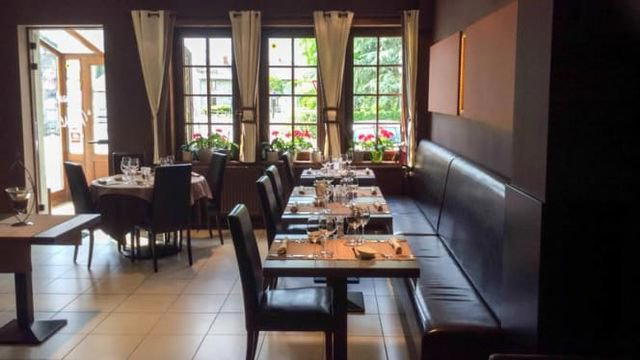
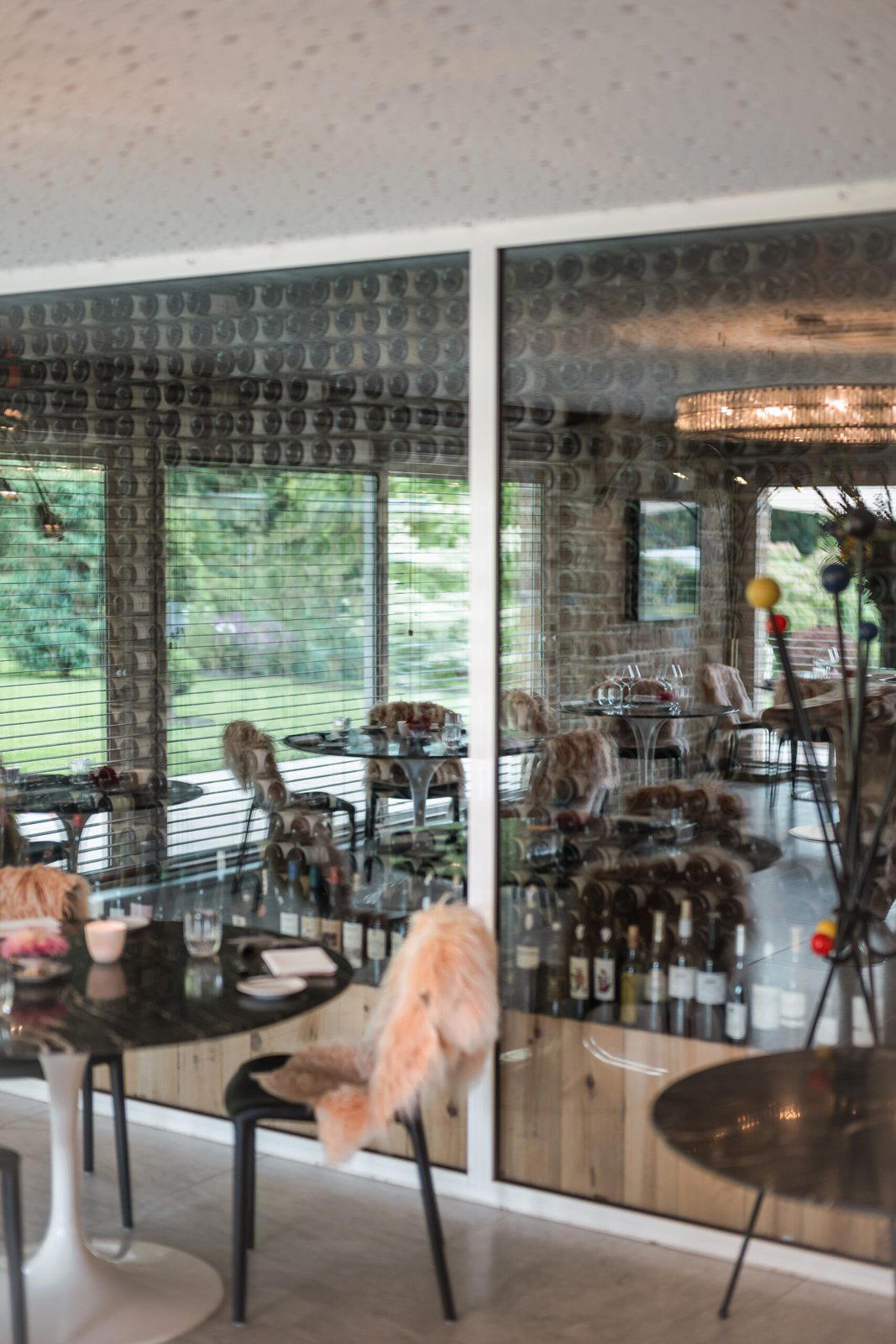
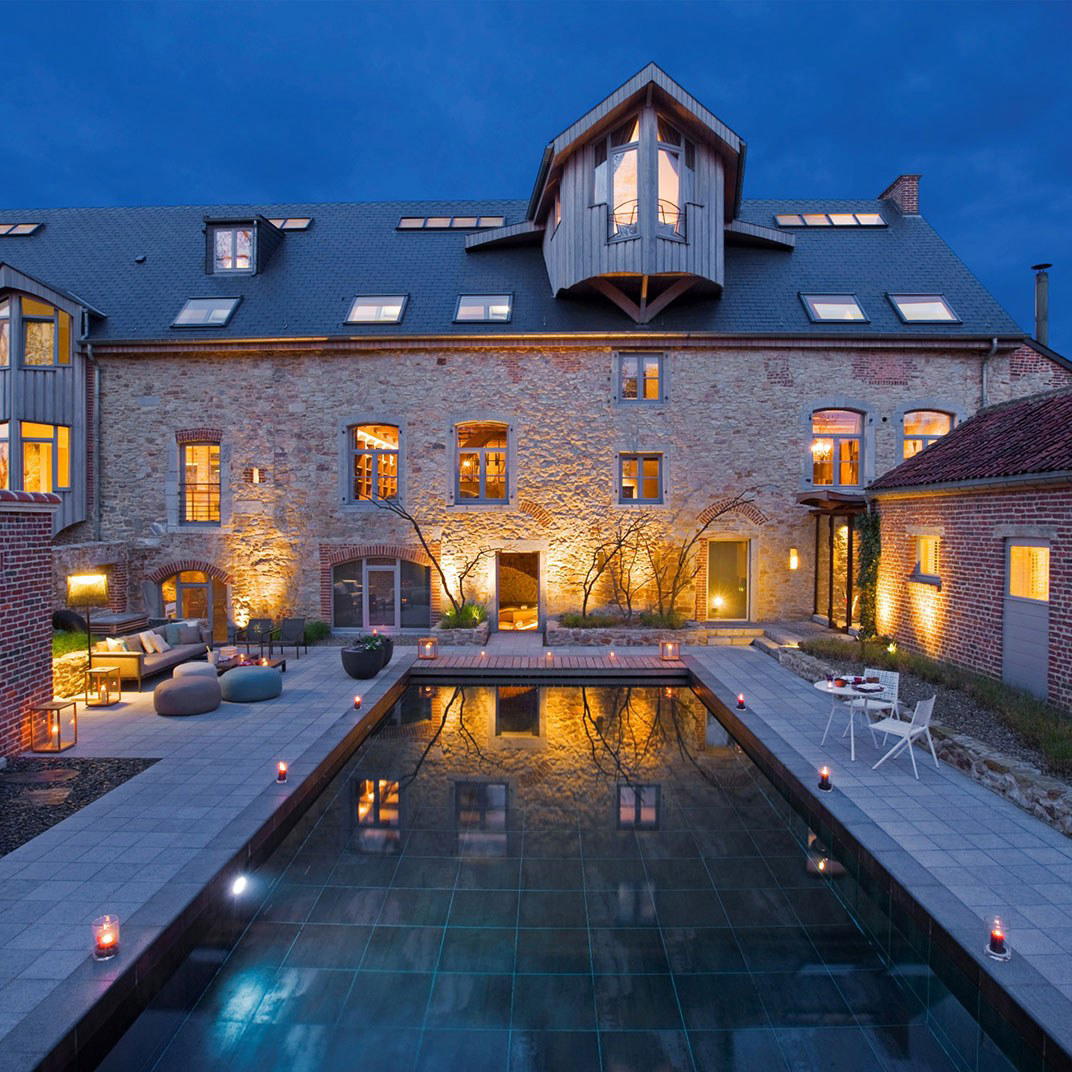
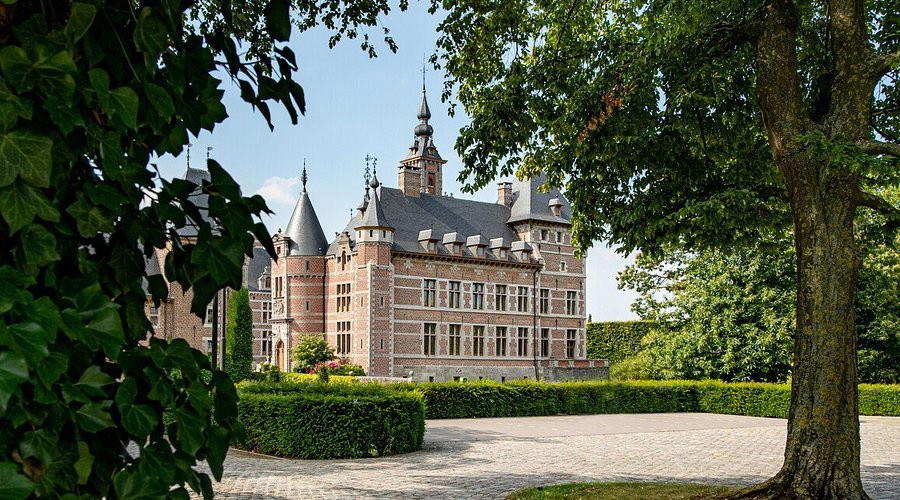
The villages between Namur and the Meuse valley hold a particular type of Belgian restaurant that the country's urban dining press rarely lingers on. These are places where the room has been arranged the same way for decades, where the welcome is unaffected, and where the food is calibrated to satisfy rather than impress a critic. Michel, at Rue Arthur Mahaux 3 in Boninne, sits squarely in that tradition. Walk in and the interior reads as warm and considered: a classy, settled space that signals comfort over theatre. It is the kind of room that makes city dining feel unnecessarily complicated.
That atmosphere is not accidental. Wallonia's classic-cuisine tradition has always prized hospitality as part of the transaction, not an afterthought to it. The Bib Gourmand recognition Michel received from Michelin in 2025 reflects exactly this: the award is reserved for restaurants where cooking quality and value converge, and where the experience reads as generous across every dimension.
Classic Cuisine in a Region That Earns It
Belgian classic cuisine operates in a different register from the creative-modern wave that has defined the country's international reputation over the past fifteen years. Houses like Boury in Roeselare or Hof van Cleve in Kruishoutem work at the upper end of that creative spectrum, operating at €€€€ price points with ambitious tasting formats. Zilte in Antwerp and Willem Hiele in Oudenburg occupy similar territory. Michel does not compete in that arena and is not trying to. At a €€ price range, it occupies a different but equally legitimate tier: classical technique, locally sourced produce, and a format that delivers substantive cooking without requiring a special-occasion budget.
That positioning matters for understanding what the kitchen is actually doing. Classic cuisine in this part of Wallonia draws on the same foundations as northern French provincial cooking: careful sourcing, preparations that prioritise flavour over visual complexity, and a repertoire that has been refined through repetition rather than reinvention. It is a discipline in itself, and one that many kitchens quietly abandon in favour of more photographable output.
Chef Alex Branch and the Kitchen's Priorities
Chef Alex Branch works within that classical framework and has shaped a kitchen with clear signatures. The culinary logic here is rooted in proximity and product: local produce drives the menu, and the cooking is built around preparations that allow those ingredients to read clearly on the plate. The editorial angle here is not chef mythology but rather what the kitchen has chosen to specialise in, and two threads define it.
The first is the duck foie gras terrine, prepared with Maitrank. Maitrank is a Walloon aperitif wine, flavoured with woodruff and typically associated with Namur and the surrounding region. Using it in a foie gras preparation is an act of local rootedness: the dish reaches for a regional flavour profile rather than defaulting to Sauternes or a generic sweet wine. The terrine is served with house-made brioche and marinated vegetables, a pairing that provides textural contrast and a lighter counterpoint to the richness of the liver. This kind of detail, the decision to make the brioche in-house, to use a locally specific wine in the preparation, signals a kitchen that is paying attention rather than executing from a standardised playbook.
The second signature is lobster, treated with sufficient seriousness that an entire dedicated menu has been built around it. In a €€ restaurant, committing kitchen resources and menu real estate to lobster is a statement about ambition. It suggests a kitchen confident enough in its sourcing relationships and technique to anchor a format on a single luxury ingredient. Comparable approaches at this price tier are not common across Wallonia's provincial dining scene. For further context on classic cuisine approaches in Belgium and beyond, d'Eugénie à Emilie in Baudour and L'Eau Vive in Arbre offer regional reference points, though both operate at considerably higher price brackets. Outside Belgium, Maison Rostang in Paris and KOMU in Munich map the classic cuisine tradition across borders.
What Bib Gourmand Recognition Actually Means Here
Michelin Bib Gourmand is often discussed as a consolation category, which misreads what it measures. The award tracks quality-to-value ratio with the same rigour Michelin applies elsewhere in its guide. In practice, it is harder to maintain across a sustained period than a single starred rating, because value expectations from a returning clientele are unforgiving. A restaurant can drift on quality without losing a star in the near term; it cannot drift on value perception without losing its audience entirely.
For Michel, the 2025 Bib Gourmand places it alongside a specific cohort of Belgian restaurants that have chosen accessibility over prestige positioning. That is not a compromise; it is a strategic choice that aligns the kitchen's ambitions with a broader and more loyal audience.
Among Wallonia's Bib Gourmand recipients and comparable classic-cuisine houses, Michel represents the Namur-area entry point for quality-tracked provincial dining. Ralf Berendsen in Neerharen, Sir Kwinten in Sint-Kwintens-Lennik, and La Durée in Izegem operate in adjacent price and style tiers across different Belgian regions. Bartholomeus in Heist brings a coastal classic-cuisine perspective at the higher end of the same quality bracket. For Brussels context, Bozar Restaurant represents a more urban expression of Belgian culinary ambition.
Planning Your Visit
Boninne is a small community in the Namur municipality, accessible by car from Namur city centre in a short drive. The restaurant sits at Rue Arthur Mahaux 3, and the Namur area is well-connected by train from Brussels, making a day trip a practical option for visitors based in the capital. For a broader picture of what the area offers, see our full Boninne restaurants guide, along with our guides to Boninne hotels, bars, wineries, and experiences.
Frequently asked questions
What's the pricing like at Michel?
Pricing at Michel is listed as €€.
Where exactly is Michel?
Michel is located at Rue Arthur Mahaux 3, 5021 Namur, Belgium, Boninne.
Quick Comparison
| Venue | Cuisine | Price | Awards | Notes |
|---|---|---|---|---|
| MichelThis venue (the venue you are viewing) | Traditional French-Belgian | $30–50 | Michelin Bib Gourmand | Not listed |
| Boury | Creative French Fine Dining | $300–500 | 3 Michelin Stars · La Liste Top Restaurants | Modern Frlemish, Creative French |
| Comme chez Soi | French - Belgian, Classic Cuisine | Not listed | Michelin 1 Star | Not listed |
| Hertog Jan at Botanic | Modern Japanese Omakase Fine Dining | Not listed | 2 Michelin Stars · La Liste Top Restaurants | Modern Flemish, Creative |
| L'Eau Vive | Modern French Fine Dining | $150–200 | 2 Michelin Stars · La Liste Top Restaurants | French, Modern French |
| La Durée | Modern French Fine Dining | $150–200 | 2 Michelin Stars · La Liste Top Restaurants | French-Belgian, Creative |
Recognition history
Dated appearances from independent guides and award organizations, with the underlying list record or original source where available.
Michelin Bib Gourmand
Michelin
Full recognition history (3 entries)
Michelin Bib Gourmand
Michelin
Michelin Bib Gourmand
Michelin
Continue exploring
More in Boninne
Restaurants in Boninne
All restaurants in Boninne →
Bars in Boninne
Browse all →

Details
- Classic
- Cozy
- Elegant
- Date Night
- Family
- Special Occasion
- Group Dining
- Private Dining
- Terrace
- Local Sourcing
- A La Carte
Current opening hours
- Monday
- Closed
- Tuesday
- Closed
- Wednesday
- 12–2 PM, 6:45–9 PM
- Thursday
- 12–2 PM, 6:45–9 PM
- Friday
- 12–2 PM, 6:45–9 PM
- Saturday
- 12–2 PM, 6:45–9 PM
- Sunday
- 12–2 PM
Hours can change for holidays and private events. Hours as of .
Warm classy interior with a cozy, festive vibe and well-spaced tables.