Michael's
A Brooklyn neighborhood institution at 2929 Avenue R, Michael's sits in the tradition of American dining rooms that have weathered multiple eras of restaurant culture. The address places it firmly in the borough's residential fabric rather than its trendier corridors, making it a study in how neighborhood restaurants evolve, or don't, while the city around them transforms.
Pearl is the En Primeur Club membership app — saves, bookings, and concierge access live there. Same editors, same standards.
- Address
- 2929 Avenue R, Brooklyn, NY 11229
- Phone
- +17189987851
- Website
- michaelsofbrooklyn.com
- Directions
- Get directions
 Saves & bookings on Pearl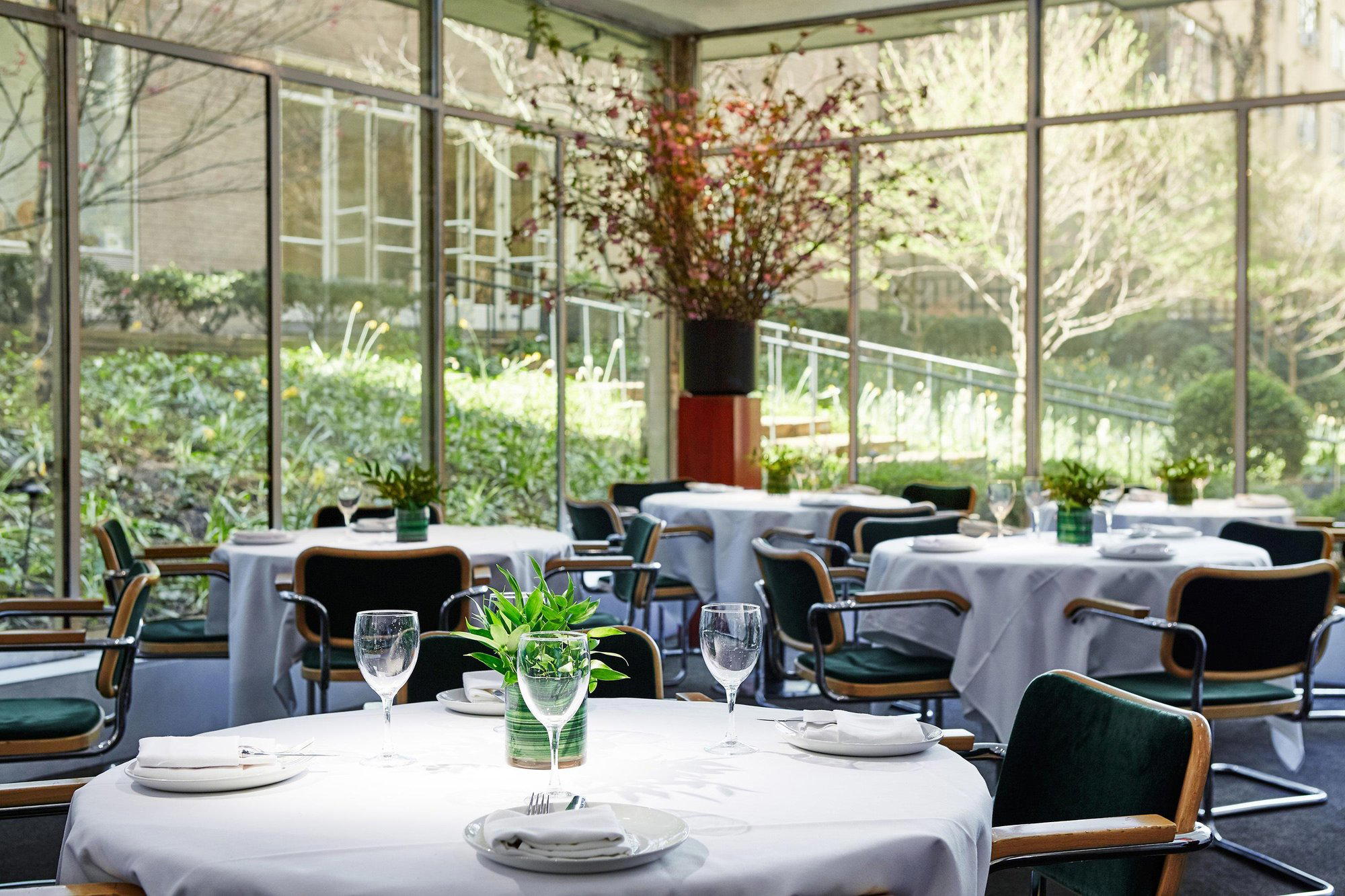
New York's restaurant map has reorganized itself several times in the past two decades. The center of gravity shifted from Midtown formality to downtown casualness, then fractured further as Brooklyn's dining scene matured from novelty into genuine competition with Manhattan's most decorated tables. Venues like Atomix and Jungsik New York pulled serious diners across the river not for the borough's bohemian cachet but for the cooking itself. That shift put every established neighborhood restaurant in Brooklyn under a different kind of scrutiny: not whether it could compete with Le Bernardin or Per Se, but whether it had a reason to exist beyond habit and proximity.
Michael's, at 2929 Avenue R in the Flatbush-adjacent residential grid of Brooklyn, belongs to a category that has become harder to sustain: the neighborhood restaurant that predates the borough's dining boom. Avenue R sits well south of the neighborhoods that draw food press and reservation tourists. The surrounding blocks are residential, multi-generational, and largely indifferent to the quarterly churn of concepts that defines more visible zip codes. That geography shapes what a restaurant here can be and what its regulars expect from it.
What the Address Tells You
The 11229 zip code is not a dining destination in the way that Carroll Gardens or Williamsburg function as destinations. Restaurants here serve communities, not scenes. That distinction matters for understanding how a place like Michael's has likely operated across its lifespan: repeat customers over tourist covers, consistency over experimentation, a dining room that probably looks more or less as it did when the restaurant first opened.
Across American cities, this model has faced sustained pressure. The economics that once supported neighborhood restaurants, lower rents, multi-decade leases, staff retention through familiarity, have eroded in most urban markets. The venues that have survived longest in comparable positions, from Bacchanalia in Atlanta to Emeril's in New Orleans, did so through periodic reinvention rather than pure continuity. The question worth asking about any long-standing neighborhood address is which of those two forces has been at work.
The Evolution Question: How Neighborhood Institutions Change
American dining has cycled through several distinct phases since the early 1990s, and each wave left different marks on the restaurants that lived through it. The farm-to-table movement of the 2000s pushed even conventional American dining rooms to articulate sourcing in ways they previously hadn't. The tasting-menu era that followed, reaching its most concentrated expression in places like Alinea in Chicago, The French Laundry in Napa, and Single Thread Farm in Healdsburg, created a bifurcation between destination-format restaurants and everything else.
Neighborhood restaurants that didn't anchor themselves to a tasting-menu format or a strong ethnic identity often found the middle ground thinning. The ones that adapted tended to do so by tightening their focus: shorter menus, stronger sourcing narratives, or a more deliberate connection to a specific culinary tradition. Those that didn't adapt often became invisible in press coverage while remaining stubbornly alive in their communities, sustained by a customer base that valued familiarity over novelty.
Michael's occupies this territory. That is not a dismissal; across New York's outer boroughs, the restaurants that have lasted longest are frequently the ones that never needed a Michelin star or a James Beard nomination to fill their dining rooms.
Placing Michael's in New York's Wider Dining Frame
New York's restaurant hierarchy is steep and well-documented at the leading. The $$$$ tier includes counters like Masa, where omakase pricing runs well above $500 per person, and destination rooms like Per Se, which has held multiple Michelin stars across its history. Below that tier, the city's dining options are vast and largely uncategorized by any single authority.
Brooklyn's neighborhood restaurants exist in a different competitive frame entirely. They price against local alternatives, not against Manhattan tasting menus. Their regulars evaluate them on consistency, value, and the specific comfort of a room that knows their preferences. By those measures, longevity at an address like 2929 Avenue R is itself a signal, not of greatness in any formally awarded sense, but of sustained relevance to a specific community.
For readers who use EP Club to track the decorated end of the American restaurant scene, from Blue Hill at Stone Barns in Tarrytown to Providence in Los Angeles to Addison in San Diego to The Inn at Little Washington, the restaurant represents a different category of inquiry: the neighborhood institution that operates outside formal recognition systems while remaining embedded in its community.
That category deserves attention precisely because it is the more common restaurant experience, globally and locally. The 8 1/2 Otto e Mezzo Bombana tier and the Alain Ducasse Louis XV tier are the exceptions. The neighborhood dining room is the rule, and understanding how specific examples of it have changed, or resisted change, is a legitimate subject for anyone who takes dining seriously beyond the award circuit.
Planning a Visit
The restaurant is located at 2929 Avenue R in Brooklyn's 11229 zip code, accessible from several subway lines running through the borough. As a neighborhood restaurant operating outside the mainstream reservation and press infrastructure, expect a different pace and register than the destination dining rooms that anchor most premium travel itineraries.
Same-City Peers
Comparable venues nearby, for context on price, style, and recognition.
| Venue | Cuisine | Price | Notes |
|---|---|---|---|
| Michael'sThis venue — the venue you are viewing | Contemporary American | $$$$ | Not listed |
| Harry's | Classic American Steakhouse | $$$$ | Financial District-Battery Park City |
| Ketchy Shuby | Contemporary American with Island Influences | $$$$ | SoHo-Little Italy-Hudson Square |
| The Mark Restaurant by Jean-Georges | Contemporary American Fine Dining | $$$$ | Upper East Side-Carnegie Hill |
| Home | Contemporary American Fine Dining | $$$$ | West Village |
| City Vineyard | New American with Seafood | $$$ | Tribeca-Civic Center |
Continue exploring
More in New York City
Restaurants in New York City
Browse all →
Bars in New York City
Browse all →
Hotels in New York City
Browse all →
Wineries in New York City
Browse all →


At a Glance
- Elegant
- Sophisticated
- Classic
- Well Known
- Business Dinner
- Special Occasion
- Private Dining
- Historic Building
- Extensive Wine List
Current opening hours
- Monday
- Closed
- Tuesday
- 12–10 PM
- Wednesday
- 12–10 PM
- Thursday
- 12–10 PM
- Friday
- 12–10 PM
- Saturday
- 12–10 PM
- Sunday
- 12–10 PM
Hours can change for holidays and private events. Last verified .
Bright, well-decorated room with intriguing artwork, classy and sophisticated atmosphere just below street level.