City Vineyard
City Vineyard occupies a stretch of Hudson River waterfront at 233 West St in TriBeCa, placing it in a part of lower Manhattan where river views and wine-focused programming intersect. The format leans into outdoor dining and a curated bottle list that positions it as a distinct alternative to the tasting-menu corridor uptown. For the EP Club reader, it sits in a different register than the Michelin-starred competition but draws on the same borough-wide appetite for serious beverage curation.
Pearl is the En Primeur Club membership app — saves, bookings, and concierge access live there. Same editors, same standards.
- Address
- 233 West St, New York, NY 10013
- Phone
- +16466778350
- Website
- citywinery.com
- Directions
- Get directions
 Saves & bookings on Pearl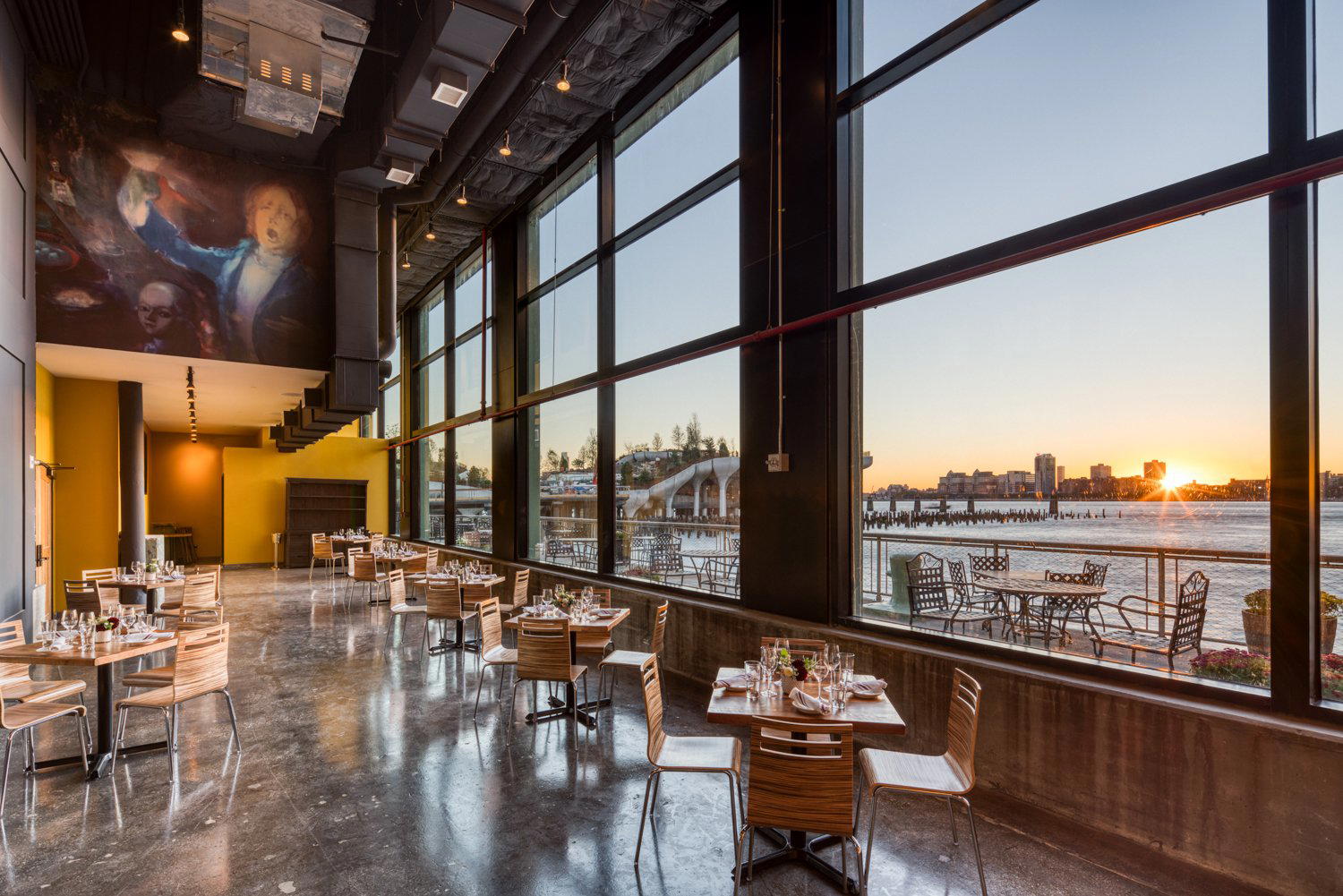
Waterfront Wine Programming in Lower Manhattan
Along Hudson River Park, where the West Side Highway gives way to a strip of waterfront esplanade between TriBeCa and the West Village, a particular kind of dining format has taken hold: outdoor-anchored, wine-forward, and deliberately positioned away from the tasting-menu formality that dominates the uptown conversation. City Vineyard, at 233 West St, is a restaurant serving New American with Seafood in New York City, with. Its address places it on the river itself, with a terrace that faces the water rather than a street, a setting that shapes the entire drinking and dining logic of the place.
New York's wine-bar and wine-restaurant tier has expanded considerably over the past decade, splitting between the natural-wine-by-the-glass format popular in the East Village and a more curated, bottle-depth approach found in spots like this one. City Vineyard reads as the latter: a venue where the bottle list and the physical setting do the editorial work, rather than a chef-driven tasting sequence. City Vineyard's identity is anchored in the glass and the view.
The Wine List as Organizing Principle
Venues that build their reputation around beverage curation rather than kitchen prestige occupy a specific niche in New York. The wine list functions not as a supplement to the food program but as the primary editorial statement. In this model, breadth and selection philosophy matter more than cellar depth measured in rare verticals.
The restaurant's waterfront location creates its own constraints and opportunities for that question. A river terrace with high foot traffic from the park draws a broader demographic than a reservation-only dining room, which means the list must work across confidence levels, from the guest who wants a recognizable Napa Cabernet to the one looking for a less-traveled region. That dual pull is a tension most wine programs in accessible settings handle imperfectly. The better-executed versions, found in places like Frasca Food and Wine in Boulder and Single Thread Farm in Healdsburg, resolve it by anchoring the list in a clear regional or stylistic perspective that gives the sommelier a coherent story to tell regardless of who is sitting at the table.
The location and format are strong arguments in its favor. A wine program designed for outdoor, river-facing consumption has different requirements than one built for a candlelit dining room, and getting that calibration right, lighter-bodied whites and rosés that perform in sunlight and warmth, bottles that hold up across a two-hour terrace session rather than a structured tasting sequence, is its own form of curation expertise.
Where It Sits in the New York Dining Map
TriBeCa and the Hudson River waterfront occupy an interesting position in New York's dining geography. The neighborhood carries serious restaurant credentials, from long-established French-influenced rooms to newer chef-driven formats, but the waterfront strip itself has historically been more casual than the interior blocks. The restaurant fits that waterfront register while aiming higher on the beverage side than most park-adjacent spots manage.
For the reader tracking New York's full range of serious dining, the appropriate frame of reference is not the Michelin-starred tasting rooms. The more useful comparison set is the wine-focused rooms that have built reputation through list quality and atmosphere rather than kitchen acclaim. On that basis, the restaurant earns attention as a waterfront option in a city where serious wine drinking and outdoor setting rarely overlap convincingly. Venues that manage both draw a loyal repeat clientele precisely because the combination is harder to find than either element alone.
A Note on the National Wine-Restaurant Tier
The restaurant's format, wine-anchored, view-led, accessible in atmosphere if not necessarily in price, reflects a broader national pattern. Across American cities, a category of restaurant has emerged that treats the wine program as the primary identity marker. In San Francisco, Lazy Bear anchors its reputation in tasting-menu formality, while in New Orleans, Emeril's built its identity on kitchen personality. The wine-first model operates differently: it asks the guest to come for the glass, stay for the setting, and return for the curation.
That model has strong precedents in American fine dining. The French Laundry in Napa and Blue Hill at Stone Barns in Tarrytown both built beverage programs that became as discussed as the food. Providence in Los Angeles, Addison in San Diego, Smyth in Chicago, and The Inn at Little Washington each demonstrate that wine depth and kitchen ambition can reinforce each other. Internationally, rooms like Atelier Moessmer Norbert Niederkofler in Brunico and Dal Pescatore in Runate show what happens when a wine program reaches collector depth alongside serious cooking. The restaurant operates at a different scale and ambition level, but the organizational principle, lead with the glass, is the same.
Know Before You Go
Address: 233 West St, New York, NY 10013
Neighbourhood: Hudson River waterfront, TriBeCa/West Village border
Format: Wine-focused; outdoor terrace with river views
Reservations: Check current availability directly with the venue
Getting There: Accessible via the 1 train (Franklin St) or the A/C/E (Canal St); the Hudson River Greenway runs directly alongside
Ideal time to visit: Late afternoon and early evening in warmer months, when the terrace faces the setting sun over the Hudson
Cuisine Lens
Comparable venues nearby, for context on price, style, and recognition.
| Venue | Cuisine | Price | Notes |
|---|---|---|---|
| City VineyardThis venue — the venue you are viewing | New American with Seafood | $$$ | Not listed |
| Lucky Cheng's | American Drag Cabaret | $$$ | Hell's Kitchen |
| The Dawson | Modern Irish-American Pub Fare | $$$ | Midtown-Times Square |
| Anton's | European-American Bistro | $$$ | West Village |
| Gair | Modern American Gastropub | $$$ | Downtown Brooklyn-DUMBO-Boerum Hill |
| Tillage | Refined American | $$$ | Midtown South-Flatiron-Union Square |
Continue exploring
More in New York City
Restaurants in New York City
Browse all →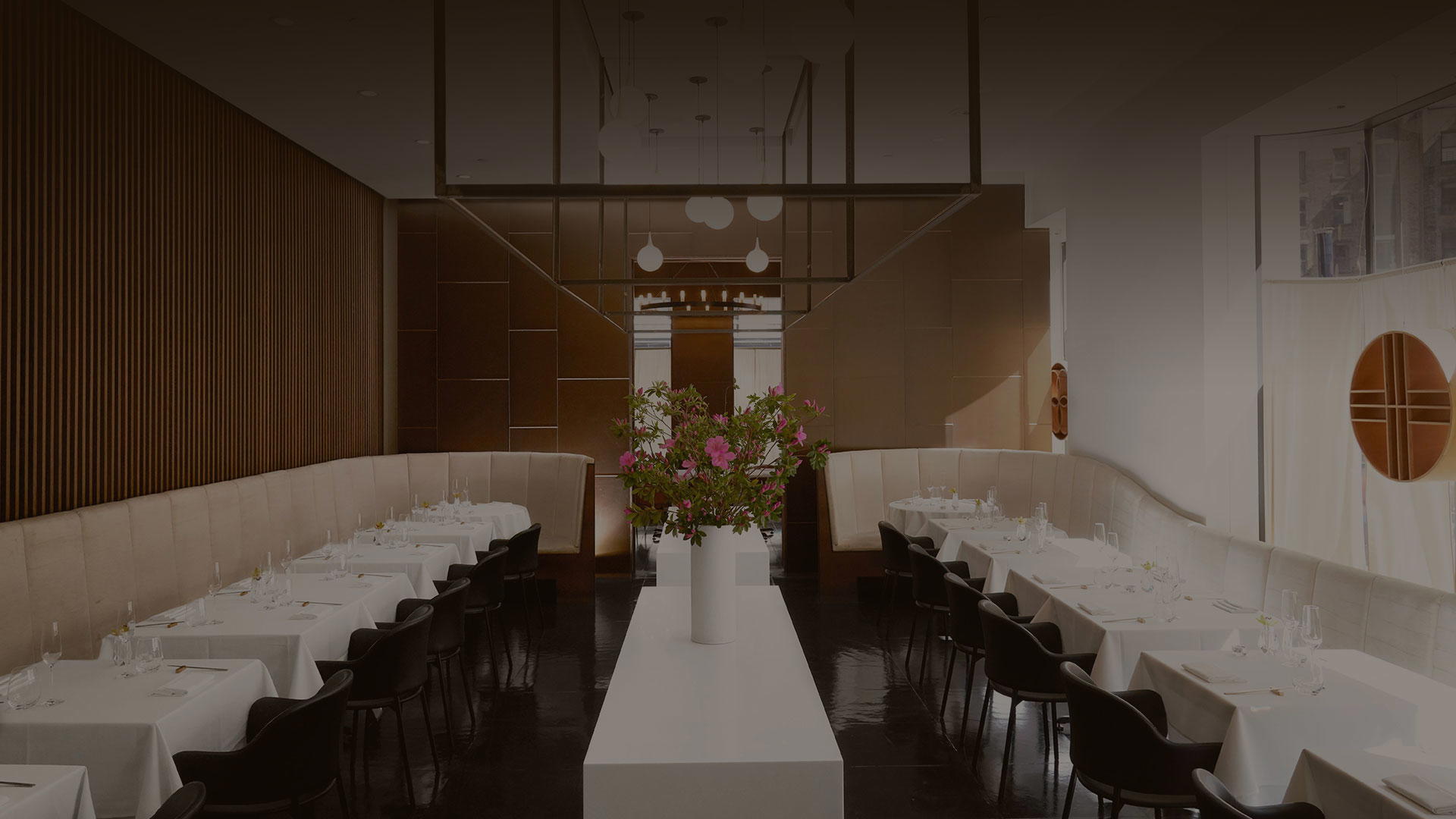
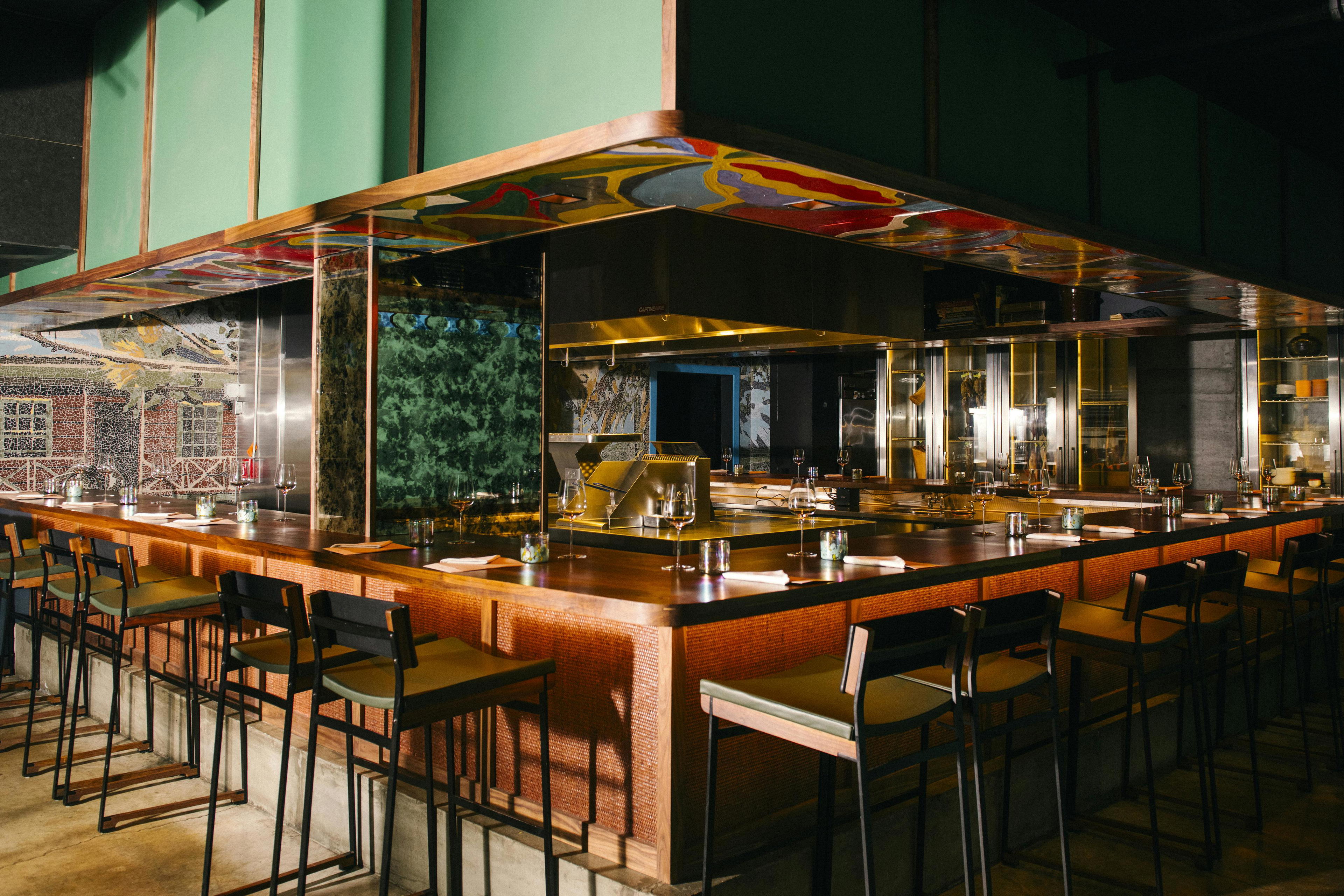
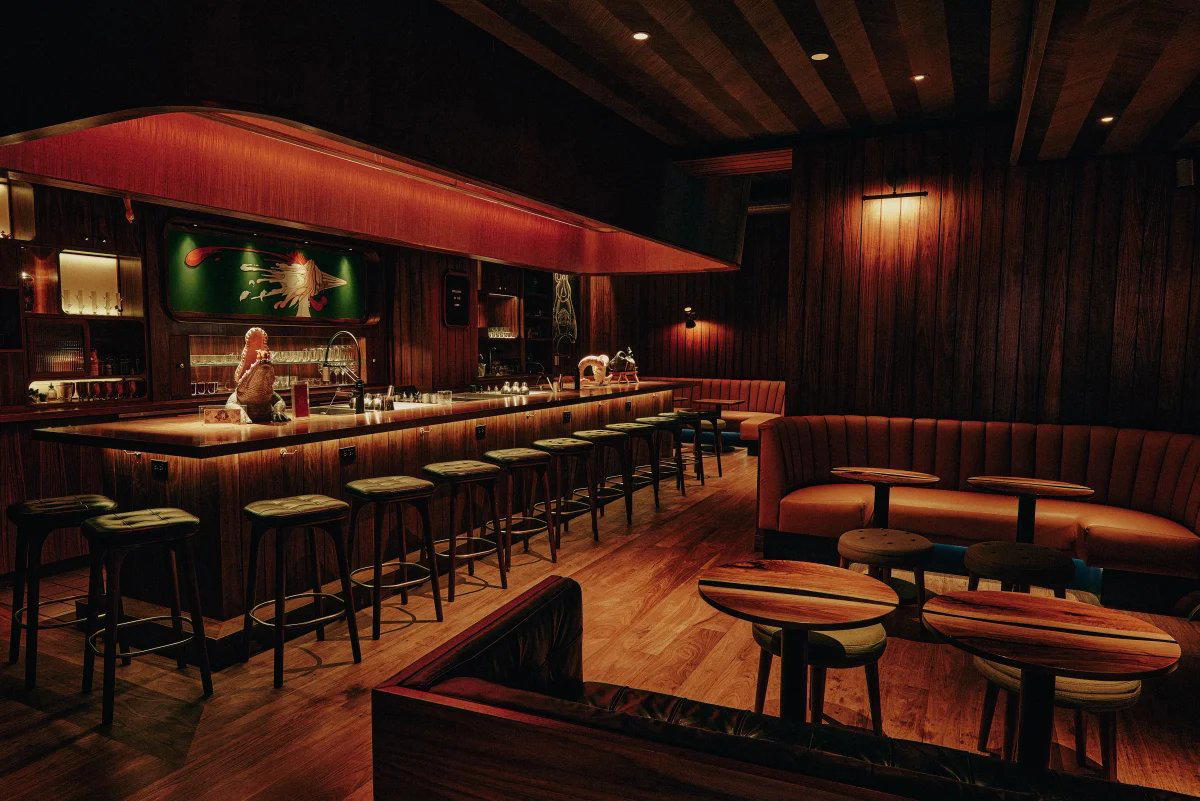
Bars in New York City
Browse all →
Hotels in New York City
Browse all →


Wineries in New York City
Browse all →


At a Glance
- Scenic
- Lively
- Elegant
- Date Night
- Brunch
- Group Dining
- Celebration
- Rooftop
- Live Music
- Waterfront
- Wine Cellar
- Terrace
- Extensive Wine List
- Craft Cocktails
- Local Sourcing
- Waterfront
- Skyline
Current opening hours
- Monday
- 12–10 PM
- Tuesday
- 12–10 PM
- Wednesday
- 12–10 PM
- Thursday
- 12–10 PM
- Friday
- 12–10 PM
- Saturday
- 10 AM–10 PM
- Sunday
- 10 AM–10 PM
Hours can change for holidays and private events. Last verified .
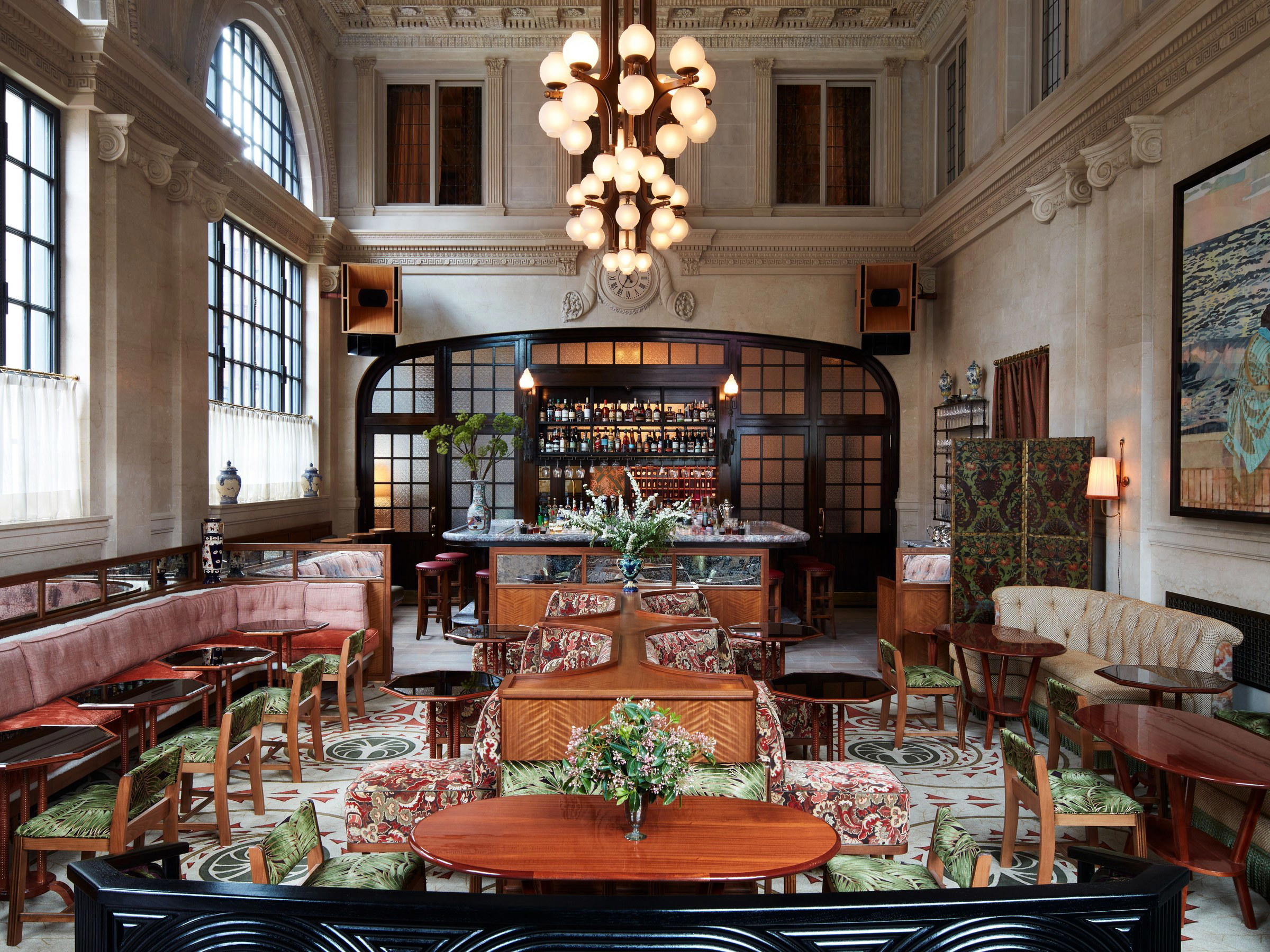
Relaxed yet elegant atmosphere with scenic riverfront and skyline views from the rooftop terrace, enhanced by grapevines and seasonal outdoor seating.