
Michelin Bib Gourmand
Our verdict
Mi Thai has held the Michelin Bib Gourmand in both 2024 and 2025, placing it among the small number of Thai restaurants in Shanghai recognised for quality at a mid-range price point. Located on Anfu Road in Xuhui, it operates in one of the city's most restaurant-dense neighbourhoods. The menu draws on the bold, herb-forward tradition of Thai cooking, with the ¥¥ price range making it accessible relative to the broader Michelin-recognised field in Shanghai.

Pearl is the En Primeur Club membership app, where members save venues, book tables and use the concierge.
The menu
What to order
- Tom yum soup
- Green curry
- Seafood yellow curry
- Deep fried shrimp patty
- Salt baked fish
- Pad thai
Anfu Road and the Thai Dining Tier in Shanghai
Anfu Road in Xuhui District is one of Shanghai's most competitive stretches for independent restaurants. The street and its immediate surrounds attract a mix of long-running neighbourhood staples and newer openings that cycle through quickly if the food doesn't hold. Thai cooking occupies a specific position in this environment: it sits in the mid-market tier, pitched against a wide field of Asian cuisines, and earns loyalty through flavour intensity rather than format or ceremony. Mi Thai has held a Michelin Bib Gourmand in both 2024 and 2025, which places it at the recognised end of this tier, the Bib Gourmand designation, awarded by Michelin for quality cooking at a moderate price, is a meaningful signal in a city where the full Michelin-starred bracket runs considerably more expensive.
The ¥¥ price range positions Mi Thai well below the Michelin-starred restaurants in Shanghai's dining scene. For comparison, venues like Fu He Hui in the vegetarian fine-dining category operate at ¥¥¥¥, and Taian Table in modern European sits at a similarly refined price point. Even within recognisably accessible fine dining, 8½ Otto e Mezzo Bombana and Xin Rong Ji target different spend brackets. The Bib Gourmand category exists specifically to surface places where the quality-to-price ratio is the point, and two consecutive years of that recognition is harder to sustain than a single entry.
The Isaan Tradition and What It Means on a Shanghai Menu
Thai cooking in mainland China often skews toward the milder, coconut-forward dishes that travel most easily across palates, curries, pad thai, tom kha. But the more interesting and less frequently replicated strand of the cuisine comes from Thailand's northeast, the Isaan region, where the kitchen operates on a different set of flavour principles. Isaan food is built around fermented fish paste, raw aromatics, toasted rice powder, and chilli in quantities that aren't decorative. Som tum, the green papaya salad with pounded garlic, chilli, lime, and fish sauce, is its most exported dish, but larb (a minced-meat salad dressed with toasted rice, herbs, and shallots) and grilled meats served with dipping sauces show the same structural logic: acid, heat, funk, and freshness in a single dish rather than in sequence.
This approach to bold, herb-forward cooking is what distinguishes serious Thai restaurants from those serving an internationalised version of the cuisine. When Michelin's Bib Gourmand inspectors recognise a Thai restaurant in Shanghai, the implication is that the cooking is maintaining some fidelity to Thai flavour logic rather than softening it for a broader audience.
How Mi Thai Sits in Shanghai's Broader Thai and Southeast Asian Field
Shanghai has a handful of Thai restaurants that circulate in the recommendation conversation, but the Bib Gourmand is a narrow filter. Most Thai restaurants in the city operate outside any Michelin consideration at all. The ones that attract sustained critical attention tend to either push into the fine-dining bracket, which Thai cooking in China rarely occupies, or earn recognition at the accessible end for doing the fundamentals well. Mi Thai's position in the latter category, recognised for two consecutive years, is worth taking seriously as a signal of consistency rather than a single good season.
For readers interested in comparing across regional Chinese cuisines in Shanghai, 102 House offers a Cantonese reference point, while the Taizhou-focused Xin Rong Ji shows how a single regional Chinese cuisine can sustain a serious restaurant program. Thai cooking at Mi Thai represents a different kind of argument: that a non-Chinese cuisine can earn Michelin recognition in Shanghai by staying true to its source rather than adapting toward local preferences.
For those planning a wider trip across the region, Bangkok's Thai dining scene sets a useful benchmark. Nahm and Samrub Samrub Thai both represent the more research-driven, historically grounded approach to Thai cooking that has redefined how the cuisine is discussed internationally, and they provide context for what a kitchen genuinely committed to Isaan and Thai regional traditions is working toward.
What the Neighbourhood Adds
Xuhui's Anfu Road area operates as one of Shanghai's most walkable dining-and-drinking clusters. The street itself is lined with plane trees and draws a mix of local residents, expats, and visitors who have moved past the Bund-and-People's Square circuit. Restaurants on and around Anfu Road tend to survive on repeat custom rather than tourist traffic, which creates a different kind of pressure than a high-footfall location. Sustained quality matters more when your audience returns regularly and compares visits. Mi Thai's back-to-back Bib Gourmand recognitions in this context carry more weight than they might in a more transient dining strip.
For context on the broader Shanghai scene, our full Shanghai restaurants guide covers the range from Michelin-starred tasting menus to neighbourhood staples. If you're planning accommodation, our Shanghai hotels guide maps the city's lodging options. Drinking in Xuhui and beyond is covered in our Shanghai bars guide, and the full cultural and experiential picture is in our Shanghai experiences guide. Wine-focused visitors should check our Shanghai wineries guide.
Further afield, EP Club covers Michelin-recognised dining across the region: Ru Yuan in Hangzhou, Xin Rong Ji in Chengdu, Xin Rong Ji in Beijing, Chef Tam's Seasons in Macau, Imperial Treasure Fine Chinese Cuisine in Guangzhou, and Dai Yuet Heen in Nanjing.
Know Before You Go
- Address: No. 195 Anfu Road, Xuhui District, Shanghai 200031
- Cuisine: Thai
- Price range: ¥¥ (mid-range)
- Awards: Michelin Bib Gourmand 2024 and 2025
- 4.4
- Booking: Contact details, check current aggregator listings for reservation options
- Hours: Confirm directly before visiting
Frequently asked questions
Has Mi Thai won any awards?
Mi Thai has received recognition including: Michelin Bib Gourmand (2025); Michelin Bib Gourmand (2024).
What price level is Mi Thai?
Pricing at Mi Thai is listed as ¥¥.
What's the best thing to order at Mi Thai?
Mi Thai's back-to-back Bib Gourmand listings in 2024 and 2025 point to a kitchen with consistent command across its menu rather than a single standout dish. The Bib Gourmand designation specifically recognises good cooking at moderate prices, which at Mi Thai's ¥¥ price tier suggests the value sits across the meal rather than in one headline plate.
What's Mi Thai's location?
Mi Thai is located at No.195 Anfu Rd, Xuhui District, China, 200031, Shanghai.
Budget and Context
| Venue | Cuisine | Price | Awards | Notes |
|---|---|---|---|---|
| Mi ThaiThis venue (the venue you are viewing) | Traditional Thai | $30–50 | Michelin Bib Gourmand | Not listed |
| Fu He Hui | Modern Seasonal Vegetarian Fine Dining | $200–300 | 2 Michelin Stars · World's 50 Best #11 | Vegetarian |
| Ming Court | Cantonese with Shanghainese Influences | $30–50 | 1 Michelin Star · Black Pearl 1 Diamond | Cantonese |
| Polux | French Bistro | $30–50 | Michelin Bib Gourmand | Not listed |
| Royal China Club | Cantonese Dim Sum | $100–150 | Michelin Plate · The Good Food Guide GFG Good | Not listed |
| Scarpetta | Refined Italian Pasta & Pizza | $50–100 | Michelin Plate · Wine Spectator Best of Award of Excellence | Not listed |
Recognition history
Dated appearances from independent guides and award organizations, with the underlying list record or original source where available.
Michelin Bib Gourmand
Michelin
Full recognition history (3 entries)
Michelin Bib Gourmand
Michelin
Michelin Bib Gourmand
Michelin
Continue exploring
More in Shanghai
Restaurants in Shanghai
All restaurants in Shanghai →
Bars in Shanghai
All bars in Shanghai →
Details
- Cozy
- Modern
- Elegant
- Group Dining
- Celebration
- Casual Hangout
- Business Dinner
- Open Kitchen
- Craft Cocktails
- A La Carte
- Set Menu
- Cocktails
- Wine
- Vegetarian Friendly
Current opening hours
- Monday
- 10:30 AM–10 PM
- Tuesday
- 10:30 AM–10 PM
- Wednesday
- 10:30 AM–10 PM
- Thursday
- 10:30 AM–10 PM
- Friday
- 10:30 AM–10 PM
- Saturday
- 10:30 AM–10 PM
- Sunday
- 10:30 AM–10 PM
Hours can change for holidays and private events. Hours as of .
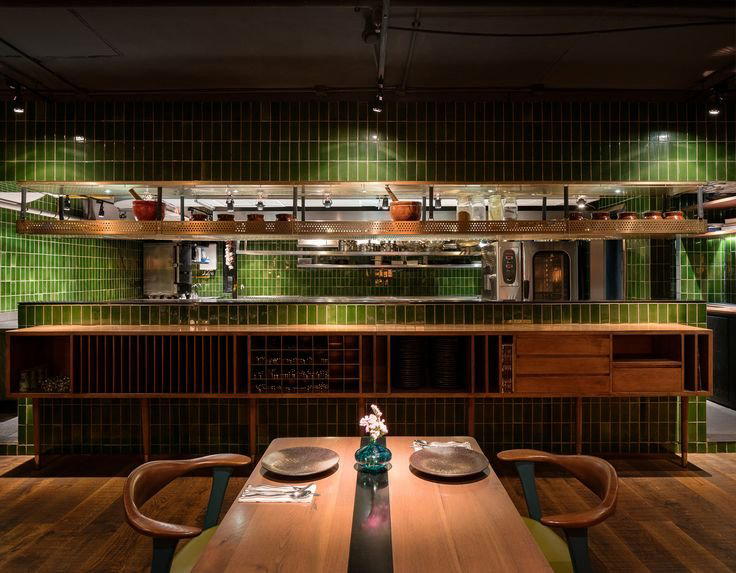
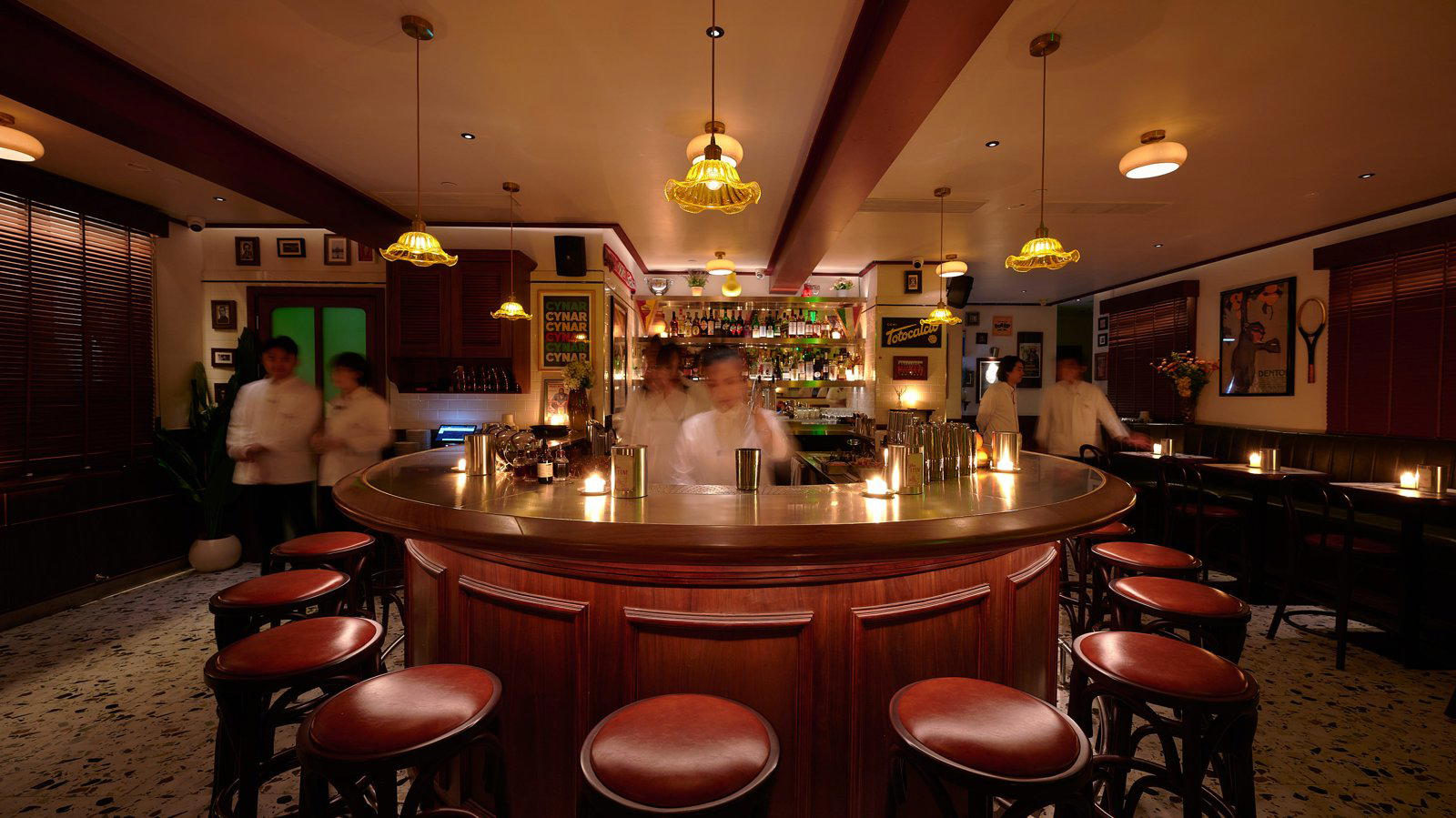
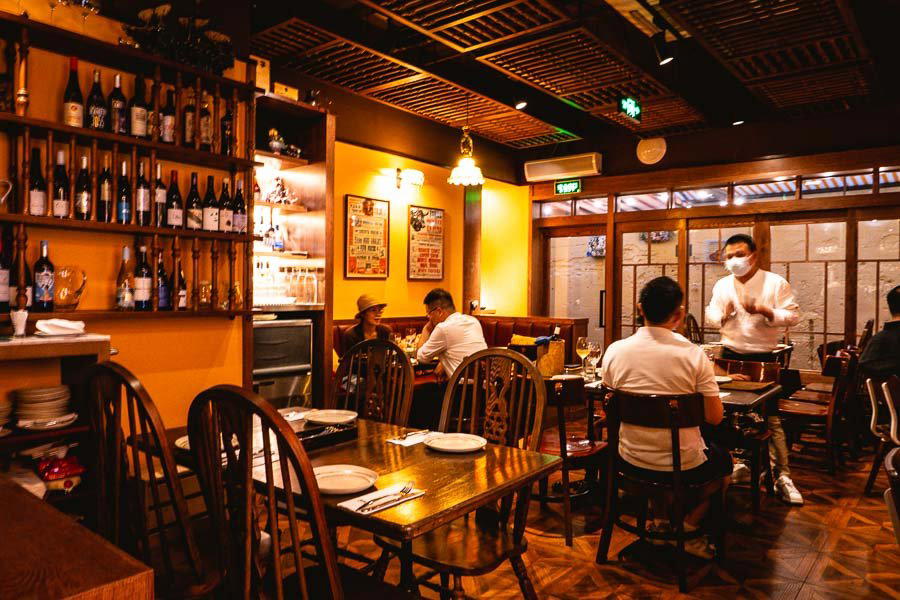
Cozy and modern with two distinct rooms: one featuring an open kitchen and the other with an attractive timbered ceiling; warm lighting and comfortable seating create an inviting atmosphere.