Orso on West 46th Street has anchored the Theatre District's Italian dining scene for decades, operating in a neighbourhood where pre-show dining tends toward speed over substance. Unlike the district's more transient options, Orso has built a reputation grounded in consistency, earning loyalty from regulars who return regardless of curtain times. It occupies a specific tier in New York's Italian restaurant conversation, familiar but not casual, neighbourhood-oriented but Manhattan in ambition.
Pearl is the En Primeur Club membership app — saves, bookings, and concierge access live there. Same editors, same standards.
- Address
- 322 W 46th St, New York, NY 10036
- Phone
- +12124897212
- Website
- orsorestaurant.com
- Directions
- Get directions
 Saves & bookings on Pearl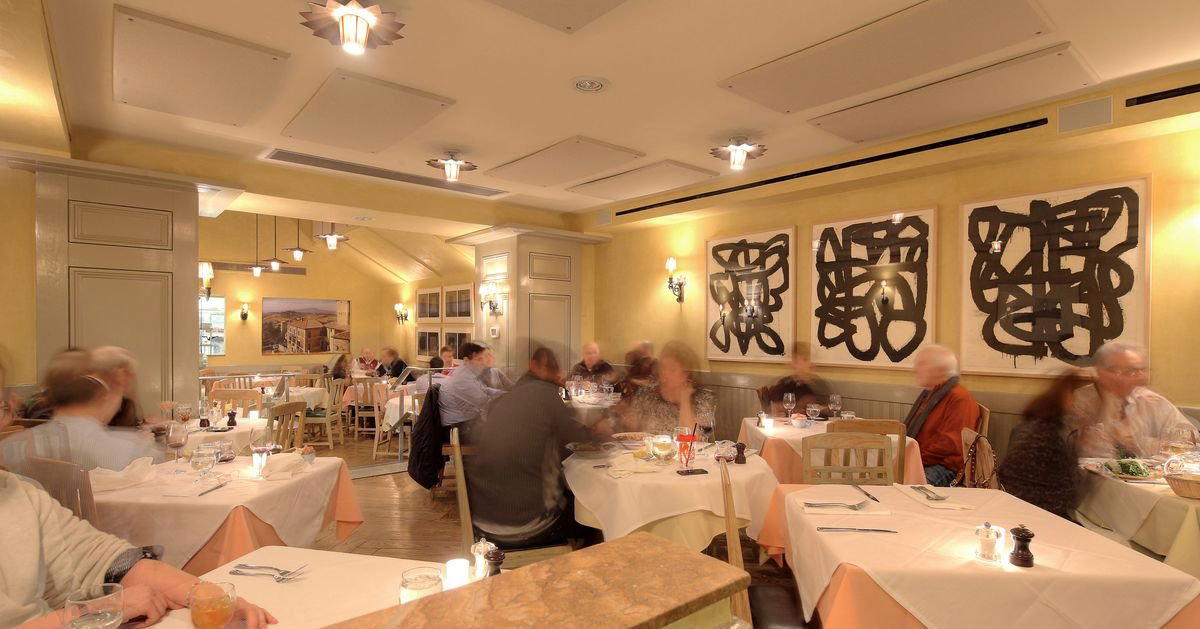
Theatre District Italian, Taken Seriously
West 46th Street between Eighth and Ninth Avenues, Restaurant Row, as it has been called since the 1970s, represents one of the more studied dining corridors in Manhattan. The block exists in tension: it serves one of the highest-traffic, time-pressured dining populations in the city, yet it has also produced restaurants with genuine staying power. Orso, at 322 W 46th St, belongs to the latter category. Its longevity on a street where turnover is frequent is itself an editorial statement about what the Theatre District's dining scene can sustain when a venue earns consistent loyalty rather than relying on foot traffic alone.
For context on how competitive New York's Italian dining tier has become, consider that the city's most decorated tables, places like Le Bernardin and Per Se, represent the upper ceiling of a market where diners have become increasingly precise about what they expect for their money. Orso has never competed in that bracket, nor has it tried to. Its positioning is different: a neighbourhood-anchored Italian room that happens to sit in among the more commercially pressured dining zones in New York, holding its own through regulars rather than occasion dining.
How Restaurant Row Has Changed Around It
The evolution of the Theatre District as a dining destination tracks closely with broader shifts in how New Yorkers think about pre-theatre eating. Through the 1980s and into the 1990s, Restaurant Row operated as a reliable but rarely adventurous strip, Italian, French, and American standards delivered efficiently to audiences with early reservations. The rise of celebrity-chef dining culture in the 2000s, and the subsequent democratisation of serious food knowledge, raised expectations city-wide. Diners who might once have accepted a perfunctory pre-curtain pasta began comparing notes with colleagues eating at destination tables in other neighbourhoods.
That shift put sustained pressure on Restaurant Row establishments to either improve or fade. Some faded. Others adapted incrementally. The restaurants that survived did so because they built something the Theatre District's transient dining model rarely encourages: a base of returning guests who come back not because the venue is convenient to the show but because they want to eat there. Orso's durability across this period places it in that group, a venue that outlasted the neighbourhood's more forgettable iterations.
Compare this dynamic to other long-running American restaurant institutions that have managed reinvention without losing their core identity. Emeril's in New Orleans and Bacchanalia in Atlanta have both navigated the challenge of maintaining relevance across decades in cities where dining culture shifted significantly beneath them. The mechanism is similar in each case: institutional memory, a loyal local base, and a menu that evolves without abandoning what made the room work in the first place.
The Current Direction
Italian dining in New York has fractured considerably since Orso opened. The city now runs a full spectrum from hyper-regional southern Italian to modernist Italian-American, from casual red-sauce rooms in the outer boroughs to tasting-menu-format Italian that competes directly with French fine dining in both price and ambition. Orso has not followed Italian dining into its experimental registers. Its lane has remained the mid-to-upper-casual tier, the kind of Italian room where the cooking is taken seriously but the format does not impose itself on the evening.
This positioning means Orso sits in a different competitive conversation than venues like Atomix or Masa, which operate at the format-forward end of New York dining where the structure of the meal is part of the proposition. Orso's format is more transparent: a room, a menu, service geared toward guests who may have a curtain at eight. That transparency, managed well over time, is its own form of discipline.
Nationally, the question of how established restaurants sustain relevance is answered differently across markets, Alinea in Chicago, The French Laundry in Napa, and Providence in Los Angeles have each taken distinct approaches to the same long-term challenge of institutional durability.
Placing Orso in Its comparable set
Within the Theatre District specifically, Orso's comparable set is not the destination restaurants of Midtown West more broadly, it is not competing with Jungsik New York for the same diner. Its competitive frame is the set of reliable, experienced Italian rooms in Manhattan that have maintained quality and consistency without requiring a special occasion to justify the visit. That is a smaller group than it might appear. The city has dozens of Italian restaurants in this tier, but far fewer that have done it in the same location, serving the same general audience, for as long as Orso has.
Internationally, the question of how a mid-tier Italian room maintains position across decades has a clear answer in places like 8 1/2 Otto e Mezzo Bombana in Hong Kong, which has held its ground in a high-competition market through sustained kitchen discipline rather than reinvention. The analogy is imperfect, Hong Kong's fine dining tier and New York's Theatre District operate under different pressures, but the underlying principle is the same: longevity in a competitive restaurant city requires something more durable than novelty.
Other long-running American venues worth comparing include Blue Hill at Stone Barns in Tarrytown, Single Thread Farm in Healdsburg, Addison in San Diego, The Inn at Little Washington, and Lazy Bear in San Francisco, each of which has built identity through consistency in a specific format rather than broad repositioning. At the highest end of European comparison, Alain Ducasse at Louis XV in Monte Carlo represents what decades of kitchen discipline can produce when institutional ambition and format remain aligned.
Know Before You Go
| Address | 322 W 46th St, New York, NY 10036 |
|---|---|
| Neighbourhood | Theatre District / Restaurant Row, Manhattan |
| Price Range | About $40 per person |
| Reservations | Advance booking recommended |
| Timing | |
| Getting There |
A Lean Comparison
Comparable venues nearby, for context on price, style, and recognition.
| Venue | Price | Notes |
|---|---|---|
| OrsoThis venue — the venue you are viewing | $$$ | Not listed |
| Barolo East | $$$ | East Midtown-Turtle Bay, Northern Italian |
| Il Pastaio | $$$ | Midtown South-Flatiron-Union Square, Housemade Italian Pasta Bar |
| Giorgio's of Gramercy | $$$ | Midtown South-Flatiron-Union Square, Classic Italian-American |
| Chelsea Ristorante | $$$ | Chelsea-Hudson Yards, Traditional Italian |
| SUNGOLD | $$$ | Williamsburg, Italian Wood-Fired Pizza and Pasta |
Continue exploring
More in New York City
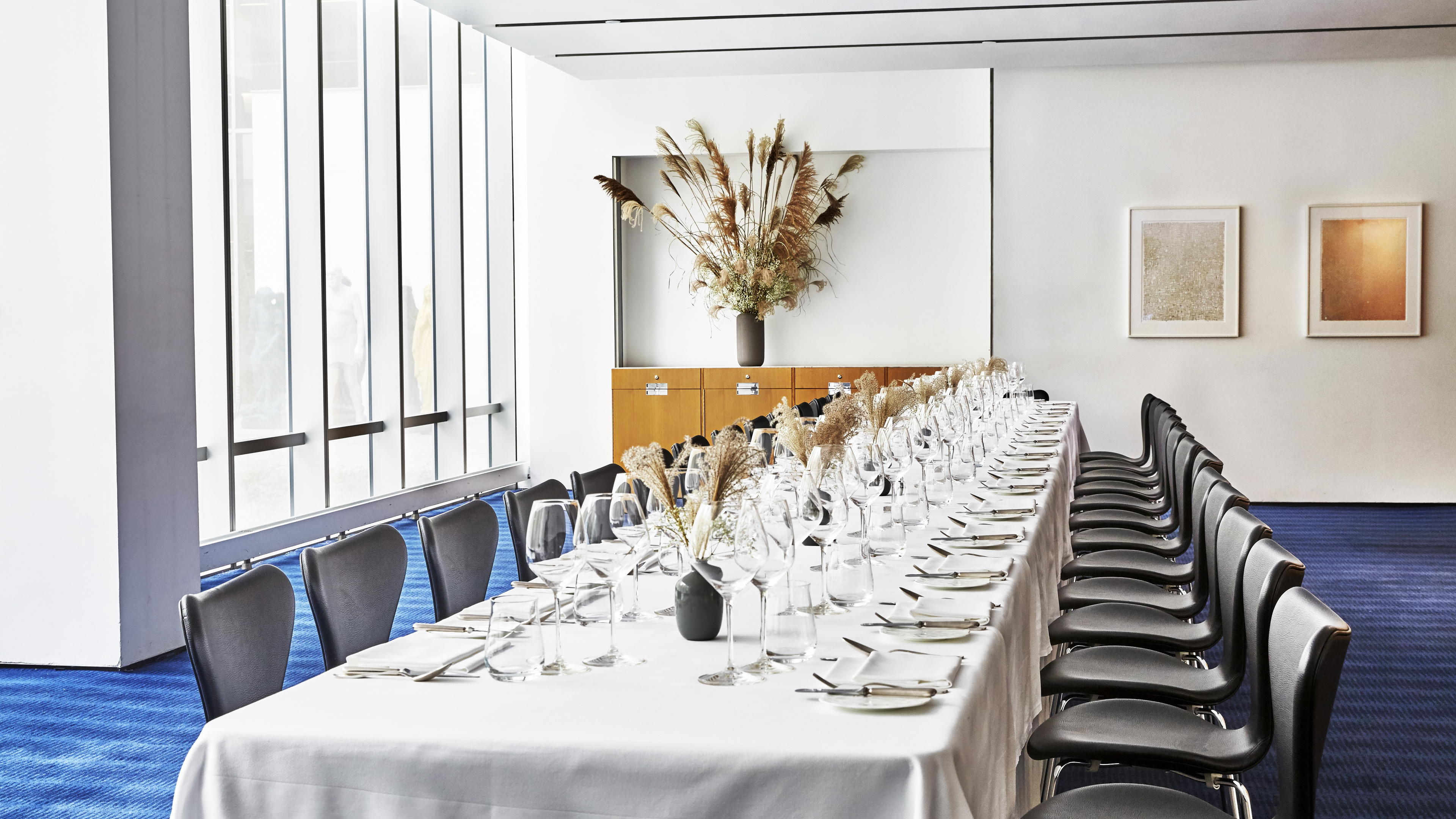
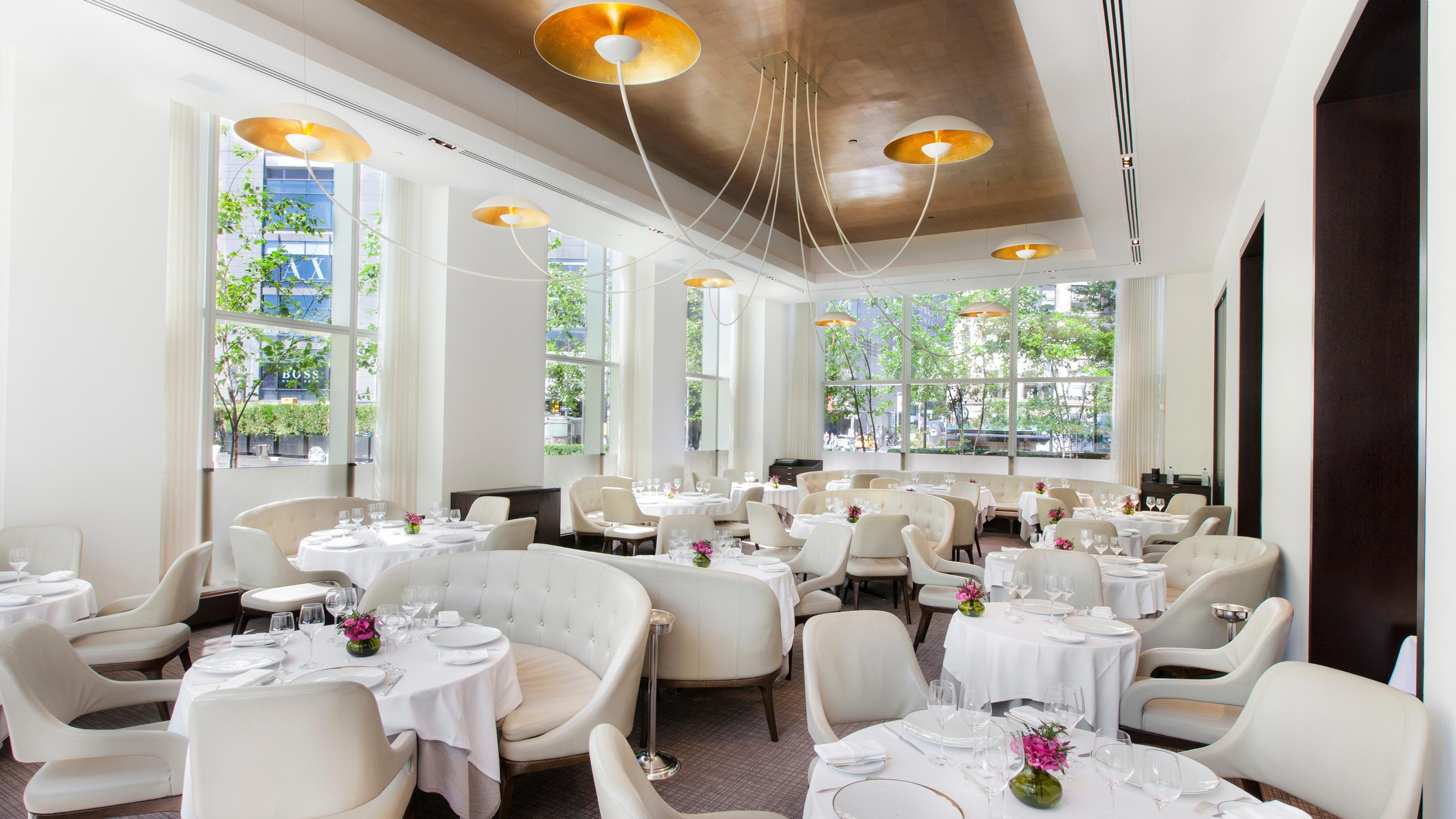
Restaurants in New York City
Browse all →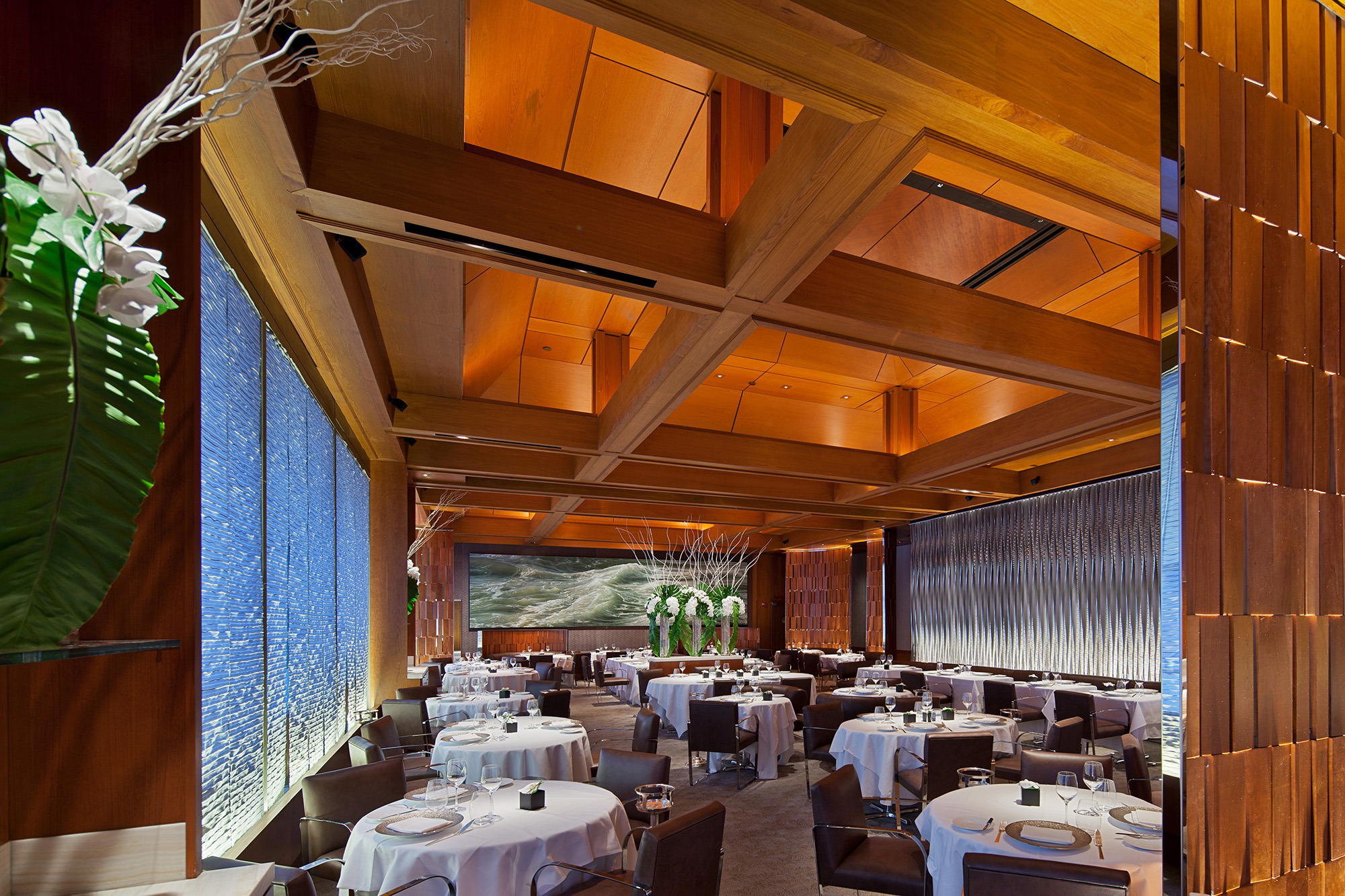
Bars in New York City
Browse all →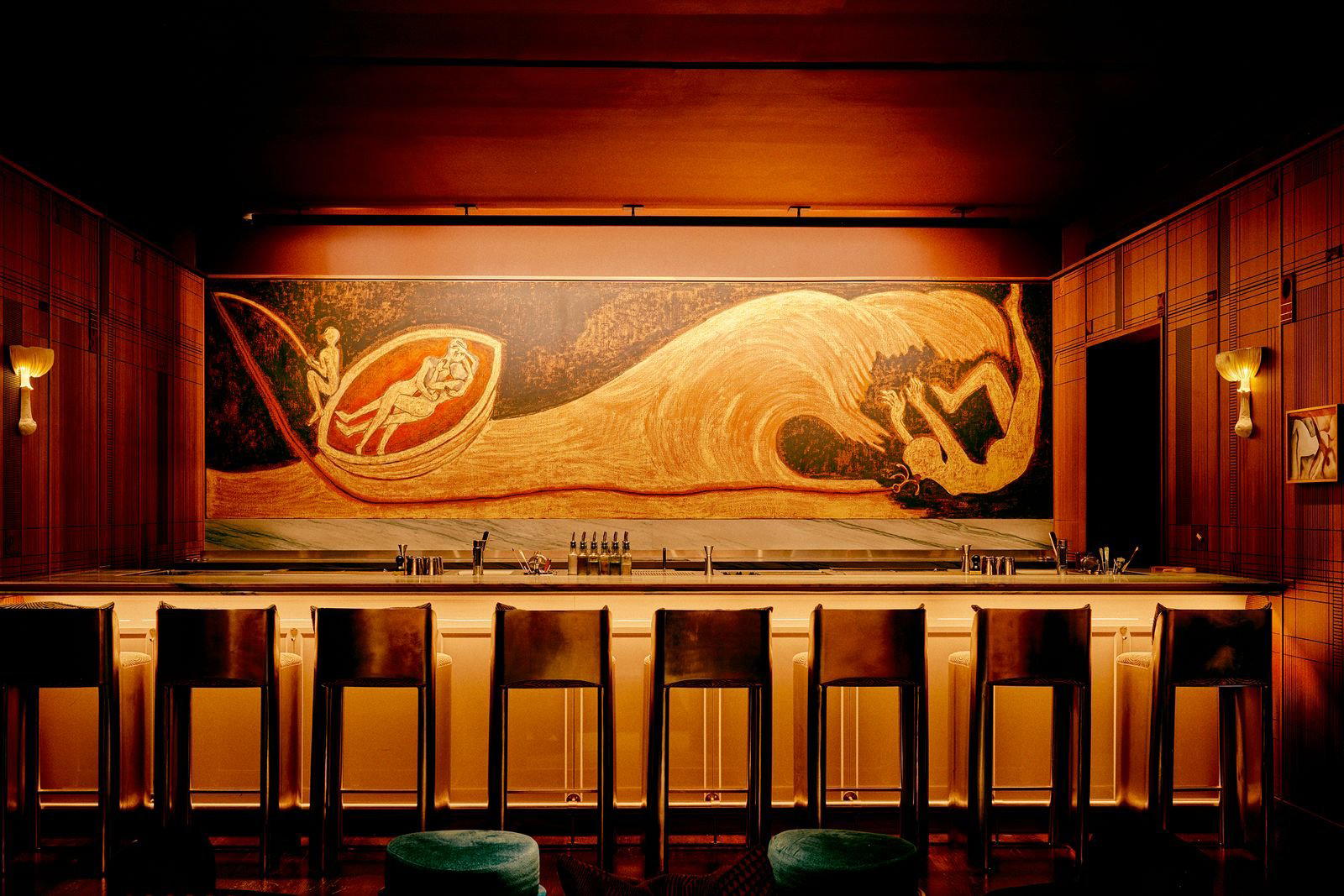
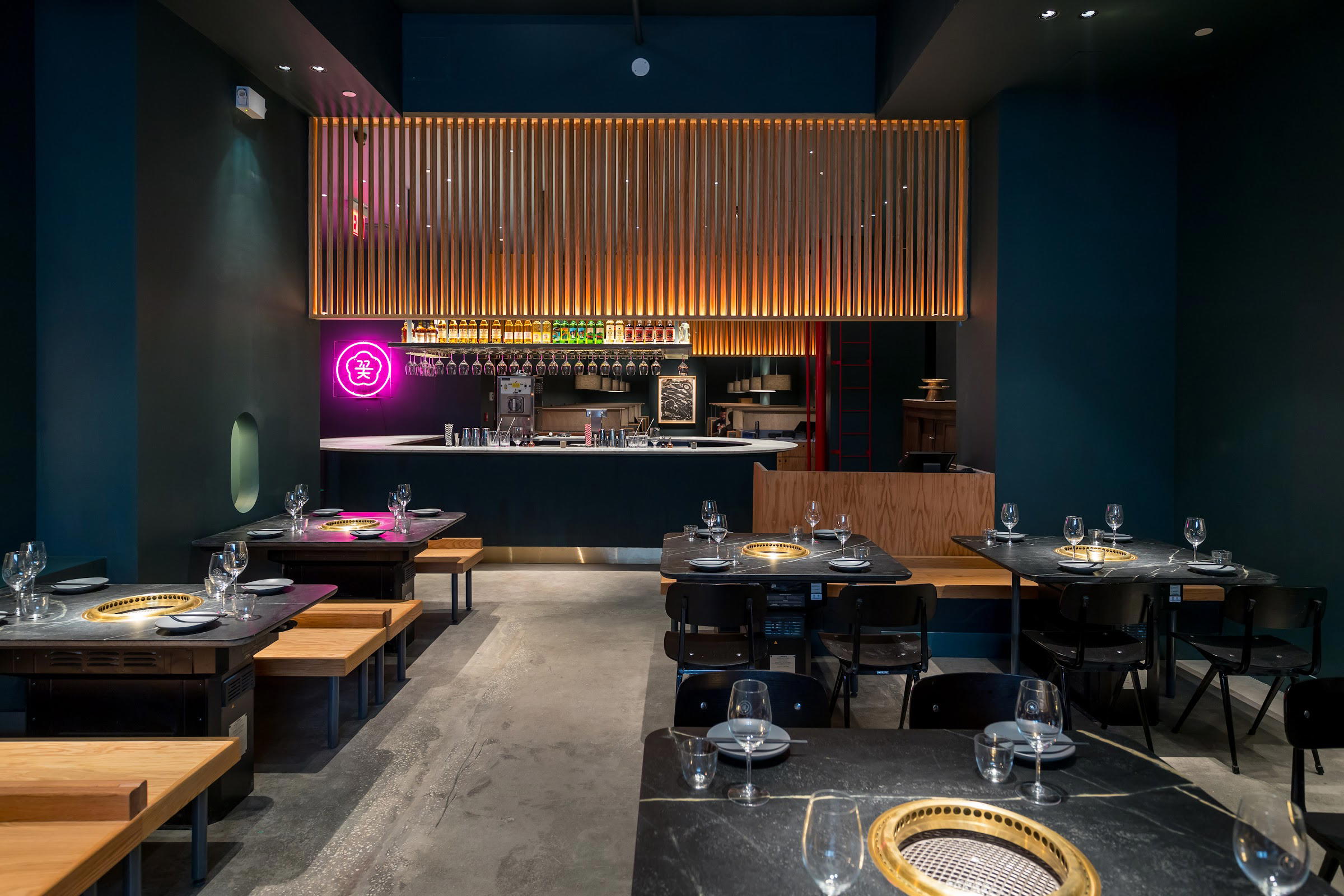
Hotels in New York City
Browse all →





At a Glance
- Cozy
- Elegant
- Intimate
- Classic
- Date Night
- Special Occasion
- After Work
- Historic Building
Current opening hours
- Monday
- Closed
- Tuesday
- 5–11 PM
- Wednesday
- 5–11 PM
- Thursday
- 5–11 PM
- Friday
- 5–11 PM
- Saturday
- 5–11 PM
- Sunday
- Closed
Hours can change for holidays and private events. Last verified .
Cozy and intimate trattoria atmosphere with warm, informal elegance and friendly service.