Metier


Métier at 1015 7th Street NW holds a 2-Star accreditation from the World's Best Wine Lists, signalling a wine program serious enough to anchor the dining experience. Located in Washington D.C.'s Shaw corridor, the restaurant operates in the upper tier of the city's fine-dining scene, where wine service and culinary pacing carry equal weight. It belongs in the same conversation as Jônt and Bresca for destination-level meals in the capital.
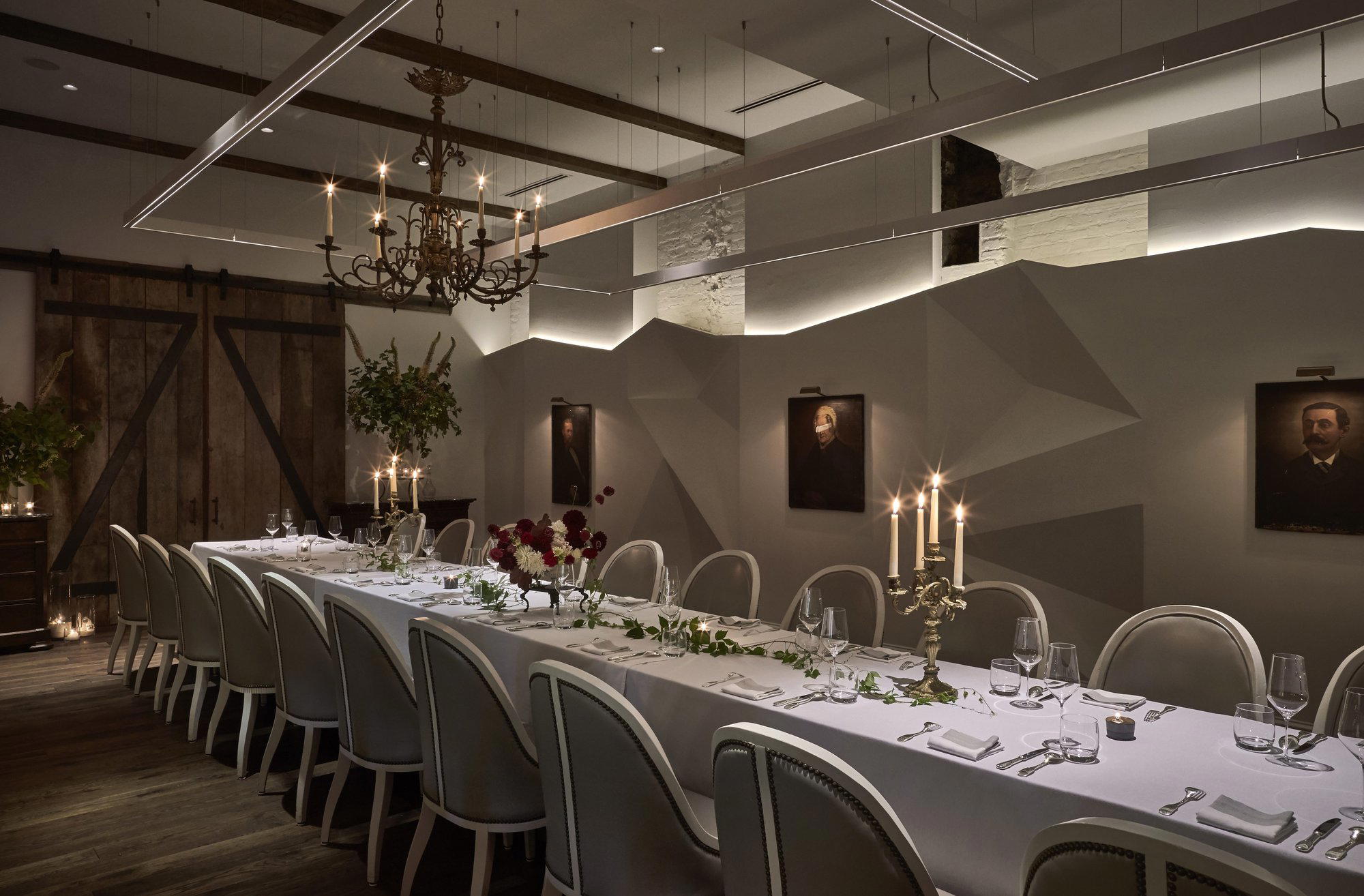
Where the Meal Is Structured Around Pause
Washington D.C.'s upper tier of dining has, over the past decade, moved steadily away from the power-lunch model that once defined its restaurant identity. The city that long defaulted to white tablecloths as a proxy for seriousness now produces tasting-format rooms where the architecture of the meal, the sequencing, the pacing between courses, the moment the sommelier enters the conversation, carries as much weight as what arrives on the plate. Métier, at 1015 7th Street NW, operates in that register. The address places it in the Shaw and Mount Vernon Triangle corridor, a part of the city that has absorbed more ambitious restaurant openings in recent years than almost any other neighbourhood, and where the competition for the deliberately slow, intentional dinner is genuinely fierce.
The experience at a room like this one is shaped from arrival. Shaw's street-level energy, busy with foot traffic and the hum of adjacent bars and casual spots, gives way inside to something calibrated differently. The format here is the meal as ritual: not a collection of dishes to be evaluated individually, but a progression in which each element, plate, glass, the gap between them, is part of a deliberate structure. Venues in this tier typically design service so that courses arrive at intervals that allow conversation to reassert itself. The sommelier's input is not a formality but a structural component of the evening.
The Wine Program as Load-Bearing Architecture
Métier is a restaurant in Washington, D.C. with a price tier of 4 and an average spend of about $200 per person.
In D.C.'s fine-dining tier, wine programs of this calibre remain relatively rare. Most of the city's high-end rooms treat the list as a supporting document. Guests who arrive with a fixed idea of what they want to drink will find that the room rewards those who engage with it differently, asking what the kitchen is doing with the next two courses before committing to a glass.
Rooms like Le Bernardin in New York City, The French Laundry in Napa, and Single Thread Farm in Healdsburg all operate with wine programs that function as structural components of the meal rather than accompanying elements. Métier earns a place in that broader conversation based on its accreditation signal alone.
D.C.'s Upper Fine-Dining Tier: Where Métier Sits
Washington D.C. has, quietly, built one of the more serious fine-dining ecosystems in the United States. The narrative has lagged behind the reality, partly because New York and San Francisco absorb most of the national food-media attention, and partly because D.C.'s leading rooms have not always made themselves easy to talk about in shorthand. But the output is there. Jônt operates a Japanese-inflected tasting format that draws direct comparisons with elite rooms in Tokyo and Paris. minibar has sustained a technically ambitious program for years. Albi applies the same seriousness of intent to Middle Eastern cooking. Causa and Oyster Oyster represent different points on the spectrum, the former anchored in Peruvian technique at the luxury tier, the latter making a case for sustainable New American cooking with equal ambition.
Métier sits in the uppermost bracket of this group. Its wine accreditation distinguishes it from peers whose food programs are comparably serious but whose lists operate at a lower tier of depth. The room is a destination for the kind of diner who reads the wine list before the menu and for whom the sommelier's recommendation is especially interesting sentence among the evening.
On a broader scale, the accreditation places D.C. in a conversation with other American cities producing internationally referenced wine programs. Lazy Bear in San Francisco, Alinea in Chicago, and Emeril's in New Orleans each represent different models of how a serious American restaurant constructs its relationship to wine. Internationally, the comparison set extends to rooms like 8½ Otto e Mezzo Bombana in Hong Kong and Alain Ducasse at the Louis XV in Monte Carlo, where the wine program's depth is understood as a mark of institutional seriousness.
The Ritual of an Evening at Métier
The dining ritual at a room of this category follows a particular logic. The evening begins before you order: the physical space communicates the pace you are expected to adopt. Shaw's neighbourhood context, with its mix of casual eating and neighbourhood bars, makes the shift into a slow, structured meal feel more deliberate. You are choosing to step outside the neighbourhood's prevailing rhythm.
The pacing of the meal is the product. Courses arrive at intervals measured to allow each one to be discussed, finished, and left behind before the next appears. The wine service mirrors this structure: a new pour does not arrive until the previous one has had room to develop in the glass. This is a different discipline from the efficient table-turn model that governs most of the city's dining. Here, efficiency is redefined as the precision of timing rather than speed.
Arriving with that framework shifts the experience from endurance to intention.
Planning the Visit
Métier is located at 1015 7th Street NW, in the Mount Vernon Triangle section of Shaw. The address is walkable from the Mount Vernon Square/7th Street Convention Center Metro station on the Yellow and Green lines, making pre- and post-dinner logistics direct for visitors staying in central D.C.
Where It Fits
Comparable venues nearby, for context on price, style, and recognition.
| Venue | Cuisine | Price | Notes |
|---|---|---|---|
| MetierThis venue — the venue you are viewing | Modern American Fine Dining | $$$$ | Not listed |
| Elizabeth's | Vegan Fine Dining | $$$$ | East End |
| Jackie | Contemporary American Bistro | $$$ | Near Southeast |
| Flavorture | Polished American Soul Food | $$$ | Woodley Park |
| Proper 21 | Modern American Sports Bar | $$$ | East End |
| Marcus DC | Modern American with Black Culinary Traditions | $$$$ | NoMa |
Recognition history
Dated appearances from independent guides and award organizations, with the underlying list record or original source where available.
Star Wine List
Star Wine List
World's Best Wine Lists Awards WBWL 2-Star
World's Best Wine Lists Awards
Continue exploring
More in Washington DC
Restaurants in Washington DC
Browse all →
Bars in Washington DC
Browse all →
Hotels in Washington DC
Browse all →
At a Glance
- Elegant
- Intimate
- Sophisticated
- Modern
- Date Night
- Special Occasion
- Open Kitchen
- Private Dining
- Extensive Wine List
- Sommelier Led
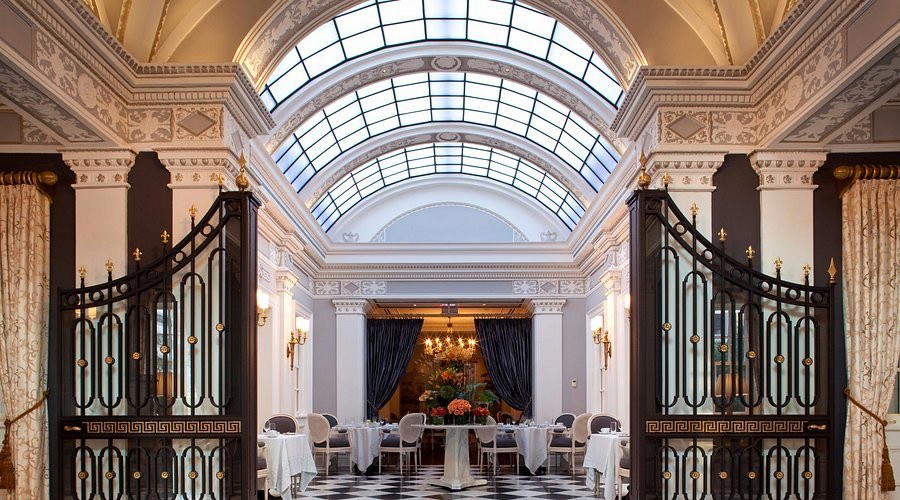
Dimly lit, romantic, and elegant with tasteful decor resembling a living room-art gallery hybrid and a window into the kitchen.