Metanet Lokantasi sits inside Gaziantep's dense network of neighbourhood lokanta traditions, where the cooking is rooted in the southeastern Anatolian pantry rather than adapted for outside audiences. The menu draws on the same spice logic and technique that underpins the city's UNESCO Creative City of Gastronomy designation. A practical stop for those eating the way locals do, at the pace locals do it.
Pearl is the En Primeur Club membership app — saves, bookings, and concierge access live there. Same editors, same standards.
- Address
- Gaziantep, Turkey
- Directions
- Get directions
 Saves & bookings on Pearl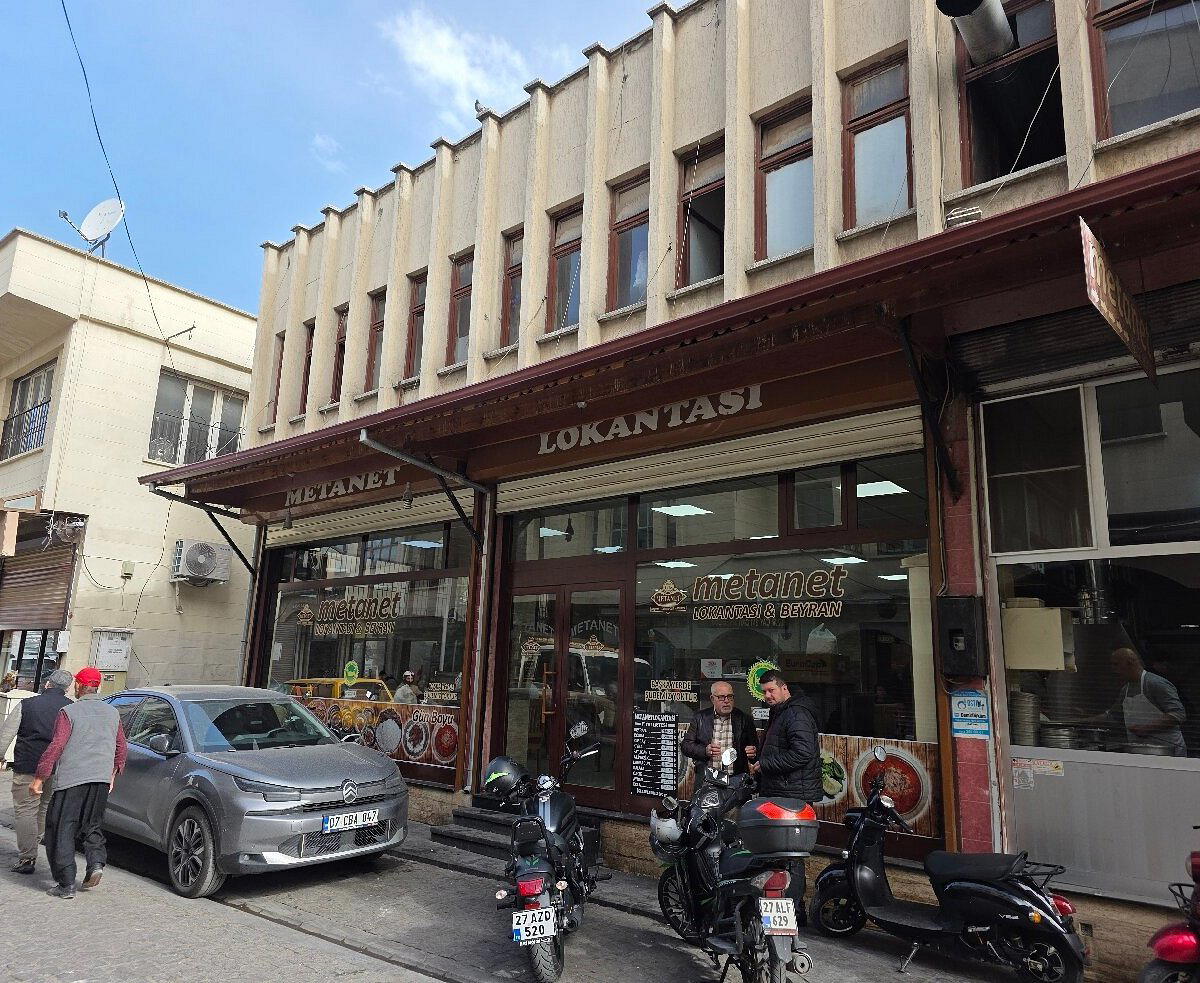
Eating at the Speed of a Southeastern Anatolian Kitchen
There is a particular quality to the air inside a working Gaziantep lokanta at midday: the low rumble of copper pots, the dense thread of dried red pepper and rendered fat, the chatter of regulars who ordered without looking at a menu. This is the format that Metanet Lokantasi occupies, not the reconstructed heritage restaurant designed for food tourists, but the kind of place where the meal is already in motion before you sit down. Gaziantep earned its UNESCO Creative City of Gastronomy status on the back of exactly this infrastructure: workaday rooms where cumulative decades of cooking knowledge show up on the plate without editorial comment.
The lokanta tradition across Turkey sits between a canteen and a neighbourhood restaurant. Dishes are prepared in the morning, held warm, and served through the lunch hours until the pots run down. It is a format that punishes the cook who doesn't know the food intimately, because there is no à la carte pivot, no specials board to cover gaps. Cities like Gaziantep, where that tradition has the deepest roots, tend to produce particularly consistent versions of it. The question for any individual lokanta is whether the kitchen applies the format with consistency and care.
The Gaziantep Context That Makes the Meal Mean Something
Gaziantep operates on a different axis from Turkey's coastal dining scene. Where Maçakızı in Bodrum and Narımor in Izmir have oriented themselves toward a design-led, internationally legible kind of hospitality, Gaziantep's serious food culture runs almost entirely through local and regional frameworks. The city's pantry, pistachios from the orchards around the Euphrates basin, Antep pepper in its dried and paste forms, lamb raised in the surrounding plateau, wheat varieties milled into the semolina that underpins its pastry tradition, is specific enough that cooking here carries a geographic signature you don't get in Istanbul or Ankara.
That specificity is the backdrop against which any Gaziantep lokanta operates. The comparison set isn't Turk Fatih Tutak in Istanbul or Asitane in Fatih, both of which engage Anatolian culinary history through a more scholarly, reconstructive lens. The reference points are closer and more immediate: places like Kebapçı Halil Usta, which holds down the city's kebab tradition with consistent craft, or Durumcu Recep Usta, which demonstrates how a single format executed without compromise accumulates genuine authority. Metanet Lokantasi sits within that peer tier.
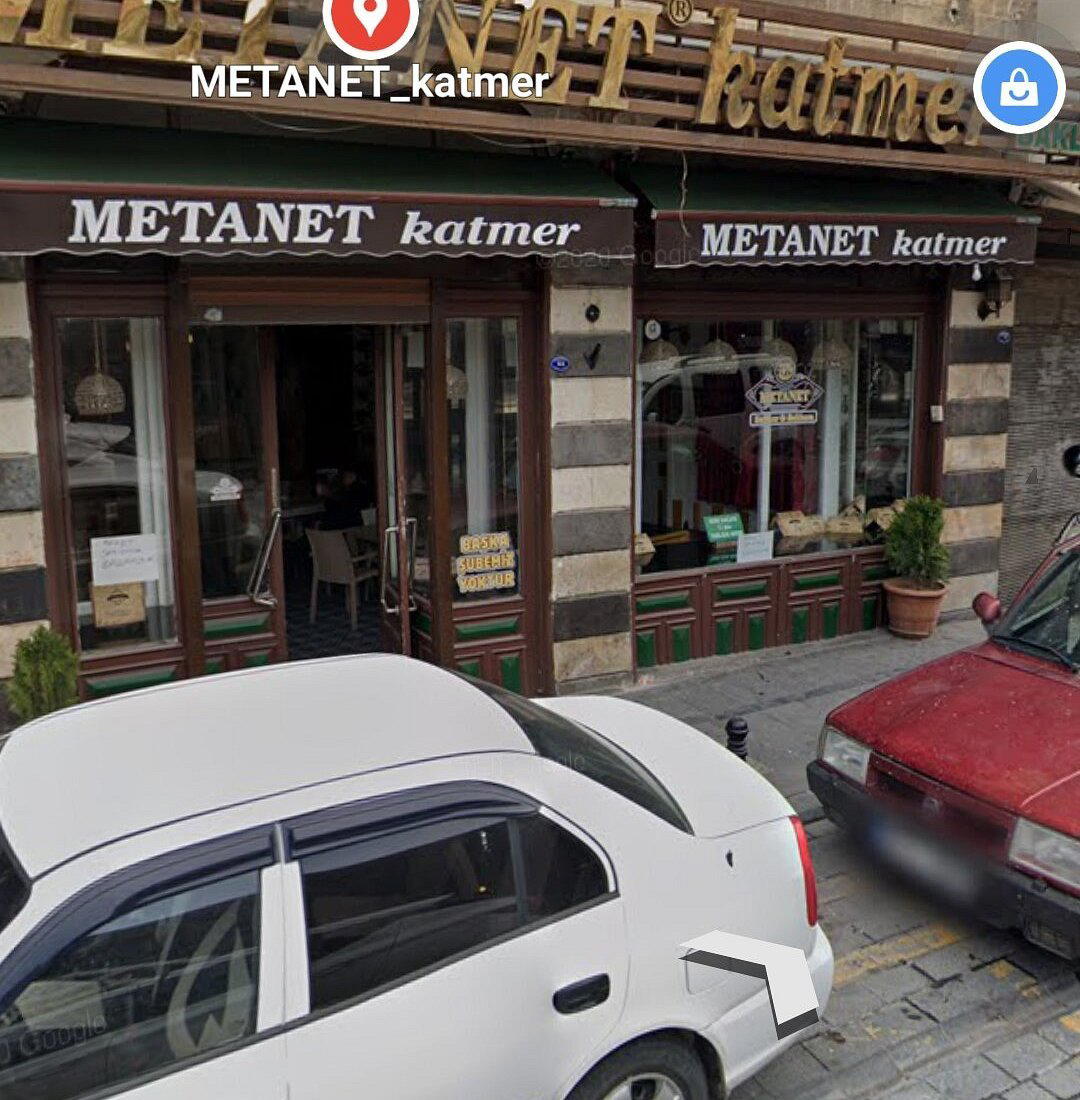
The contrast with Gaziantep's sweeter institutions is also worth noting. Kocak Baklava and Baklavaci Zeki Inal represent the city's pastry side, where pistachio content, butter quality, and the layering discipline of the yufka define the competitive stakes. Metanet Katmer handles the breakfast katmer format, which is its own distinct preparation, flaky, clotted-cream-filled, eaten in the morning. The lokanta is the savory midday register of what is, taken together, a serious eating city.
Sensory Orientation: What the Room Does Before the Food Arrives
In lokanta dining, the physical environment does specific work. The smell of a kitchen that has been cooking since early morning carries information: whether the lamb fat has been rendered carefully or rushed, whether the tomato-based stews have had time to develop depth or were built quickly. The visual display of pots along a steam table, the low gleam of reduced sauces, the colour contrast between herb-heavy dishes and drier grain preparations, is, in its way, a menu. Regulars read it in seconds and point. Visitors take slightly longer, but the format is generous. Nothing is hidden.
This sensory front-loading is part of what separates the lokanta format from tasting-menu culture, where information is withheld and sequenced for effect. Here, the information is immediate and abundant. The cook who assembled the pots is usually visible. The pace is set by hunger and turnover, not by a choreographed service rhythm. For travellers accustomed to the latter, the long-table formats of Le Bernardin in New York City or the precision progression of Atomix in New York City, the shift requires a small recalibration, and is worth making.
Eating Through the Region from a Single Table
Southeastern Anatolian cooking at the lokanta level tends to organize around a few structural categories: braised meats slow-cooked with local peppers and aromatics, legume dishes with a depth of seasoning that comes from technique rather than quantity of spice, and occasional oven-baked preparations that reference a wood-fire tradition even when the equipment has modernized. These are dishes that reward attention paid to texture and layering rather than to spectacle. The kind of cooking, in other words, that the region's UNESCO designation was recognizing when it cited Gaziantep's living food culture rather than any single showpiece venue.
The mid-afternoon lull, when the lunch rush thins and the pots are lower, is when the quality of what remains tells you the. A lokanta that holds up late in the service, dishes that haven't dried out, sauces that haven't broken, is running its kitchen with discipline. It is also, practically speaking, when the room is easiest to sit in without the press of the midday crowd. Timing a visit for late lunch, around 1:30 to 2pm, threads the needle between full pots and available seating.
For those moving through Gaziantep across multiple meals, the city rewards a structured approach: lokanta for savory midday cooking, a dedicated stop at one of the baklava houses in the afternoon, and the katmer format at breakfast. Gaziantep's broader eating circuit spans these categories across the day. Metanet Lokantasi functions within that structure, as part of a day's eating rather than as a standalone destination.
The city also rewards comparison across its regional neighbors. Kısmet Etliekmek ve Lahmacun Salonu in Karaman represents a related but distinct Anatolian tradition, and the contrast between the two cities' approaches to flatbread-based dishes is instructive. Further afield, Hiç Lokanta in Urla and Kritikos Meyhane in Mudanya show how different Aegean frameworks handle the same format question, while Dürümzade in Beyoglu and Bayramoğlu Döner in Beykoz anchor the Istanbul side of the comparison. Casa Lavanda in Sile sits at a different angle entirely, but the range illustrates how varied the lokanta and neighbourhood-restaurant category is across Turkey. Gaziantep's version, rooted in the southeastern pantry and largely untranslated for outside audiences, remains one of the more coherent expressions of what the format can do when geography and technique align.
Practical Notes for Planning a Visit
The lokanta format is a lunch institution, typically operating from mid-morning through early afternoon, which means the meal is leading planned as the centerpiece of a late morning or early-to-mid-afternoon rather than an evening event.
Peers You’d Cross-Shop
Comparable venues nearby, for context on price, style, and recognition.
| Venue | Cuisine | Price | Notes |
|---|---|---|---|
| Metanet LokantasiThis venue — the venue you are viewing | Traditional Gaziantep Turkish | $$ | Not listed |
| Metanet Katmer | Traditional Gaziantep Katmer | $$ | Suyabatmaz |
| Kocak Baklava | Authentic Gaziantep Baklava | $$ | Şehitkamil |
| Durumcu Recep Usta | Turkish Dürüm Wraps | $ | Şahinbey |
| Baklavaci Zeki Inal | Traditional Turkish Baklava | $$ | Şahinbey |
| Kebapçı Halil Usta | Traditional Gaziantep Kebabs | $$ | Şehitkamil |
Continue exploring
More in Gaziantep

At a Glance
- Classic
- Cozy
- Casual Hangout
- Standalone
Cozy and local with a homey, traditional diner atmosphere.