In Gaziantep, the city that holds UNESCO Creative City of Gastronomy status and produces more baklava per capita than anywhere else in Turkey, Baklavaci Zeki Inal occupies a place in the older generation of family-run pastry houses. The format is familiar to anyone who has spent time in the city's historic bazaar district: counter service, copper trays, and baklava sold by weight against a backdrop of decades of accumulated practice.
Pearl is the En Primeur Club membership app — saves, bookings, and concierge access live there. Same editors, same standards.
- Address
- Alleben, Atatürk Blv. No: 38/B, 27010 Şahinbey/Gaziantep, Türkiye
- Phone
- +90 342 231 88 40
- Website
- zekiinal.com
- Directions
- Get directions
 Saves & bookings on Pearl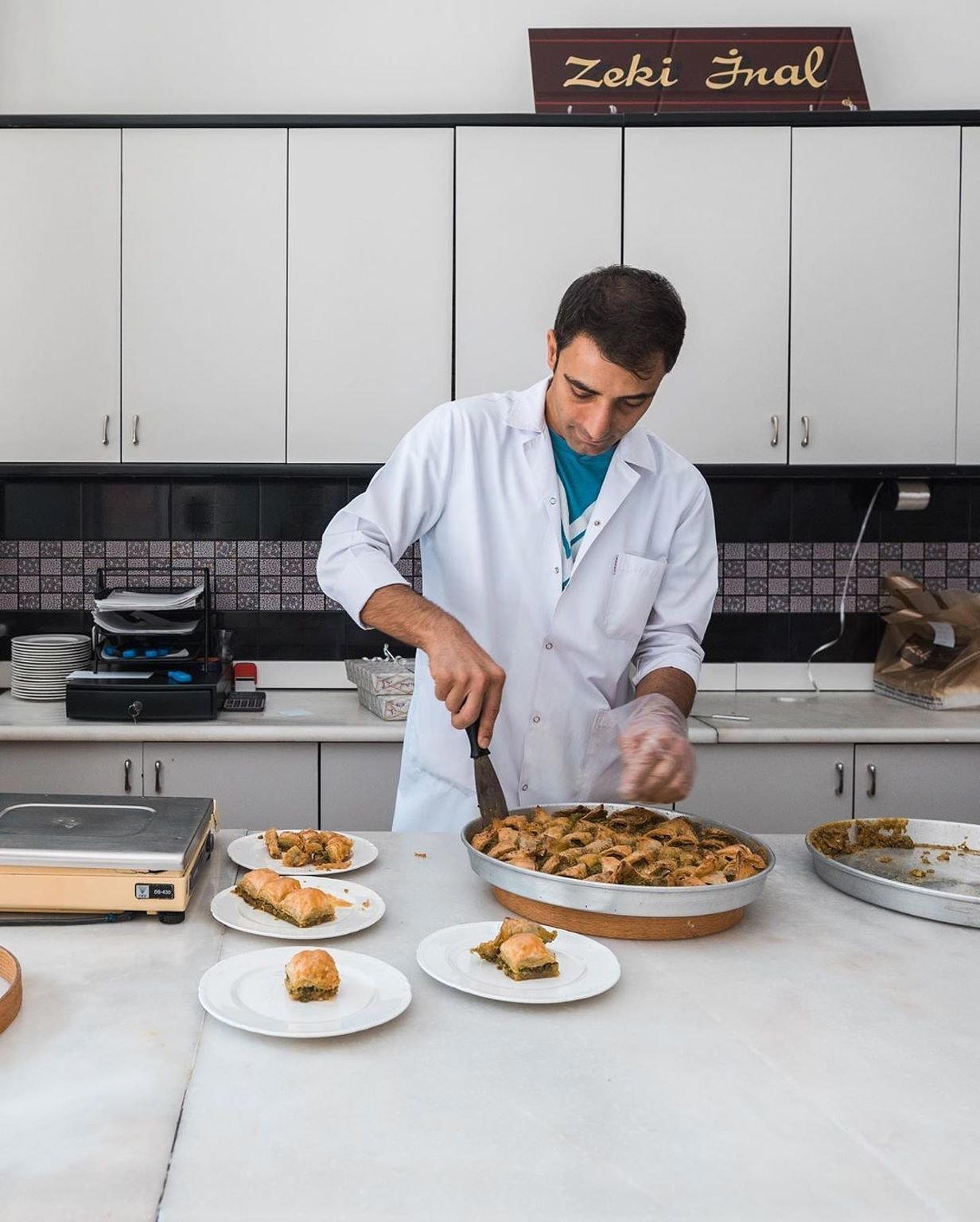
Where Gaziantep's Baklava Ritual Begins
The approach to any serious baklava house in Gaziantep follows a pattern that has changed little in a century. You arrive at a counter rather than a table, you watch trays being cut rather than plated, and the transaction is measured in grams rather than portions. This is not a city that dresses up its pastry culture for visitors. Gaziantep, which holds UNESCO Creative City of Gastronomy status, treats baklava as civic heritage rather than tourist attraction, and the shops that have survived across generations do so by serving locals who have been eating there since childhood. Baklavaci Zeki Inal is a traditional Turkish baklava shop in Gaziantep, priced around $10 per person.
The Grammar of the Baklava Counter
In Gaziantep, the ritual of buying baklava is structured around a set of understood conventions that distinguish the city from anywhere else in Turkey. The pistachio question comes first: how much, and what grade. Antep pistachios, grown in the region and prized for their colour and density, are the defining ingredient in the local style, and the ratio of nut to syrup to pastry is the central debate among regulars. Fıstıklı baklava, the walnut-free, pistachio-forward version, is the local preference and the format by which a shop's standing is assessed. Order by the half-kilo. Eat at room temperature. These are not suggestions; they are the operating norms of the genre.
Shops in this category also tend to carry katmer, the flaky, cream- and pistachio-filled pastry that is Gaziantep's breakfast format, and fıstıklı sarma, a tighter roll-style variant for those who prefer less syrup and more crunch. The wider repertoire across the city's baklava houses is worth mapping before you commit to a single stop. Kocak Baklava operates at the larger, more institutional end of the local market, while Metanet Katmer has built its reputation specifically around the morning katmer format. Baklavaci Zeki Inal occupies a different position: the kind of neighbourhood-rooted shop where regulars arrive with their own containers and the staff know the orders before they are placed.
Gaziantep's Position in Turkey's Pastry Geography
To understand what Baklavaci Zeki Inal represents, it helps to understand how Gaziantep functions within Turkish food culture more broadly. The city is not simply a regional hub; it is the reference point against which baklava everywhere else in Turkey is measured. Istanbul shops that produce serious baklava typically signal their Gaziantep sourcing or lineage as a credential. The same logic applies to the chefs operating at the higher end of Turkish cuisine: Turk Fatih Tutak in Istanbul and Asitane in Fatih both engage seriously with Anatolian culinary heritage, but the source material for that heritage in the pastry category flows from cities like Gaziantep. What a dedicated baklava house here offers is access to that source, without mediation.
The gap between Gaziantep baklava and its Istanbul counterparts is partly about ingredient proximity and partly about volume economics. Shops in the city move product at a pace that keeps the pastry genuinely fresh, which matters enormously in a category where syrup absorption over time changes the texture in ways that most casual visitors do not register until they have eaten the same baklava at different stages. In a high-turnover local shop, you are more likely to encounter tray-fresh cuts. That is a structural advantage, not a stylistic one.
Eating in Context: The Gaziantep Table
Baklava in Gaziantep is rarely eaten in isolation. The city's food culture runs from morning katmer through midday kebab to afternoon pastry, and the sequencing matters. Visitors who have spent time at Metanet Lokantasi or Kebapçı Halil Usta for their main meal often route through the baklava district in the afternoon, treating the pastry course as a separate excursion rather than a dessert. That pattern reflects how locals organise the day, and it is one coherent way for a visitor to engage with the city's food geography. The baklava shops function as their own destination, not as the end of a restaurant meal.
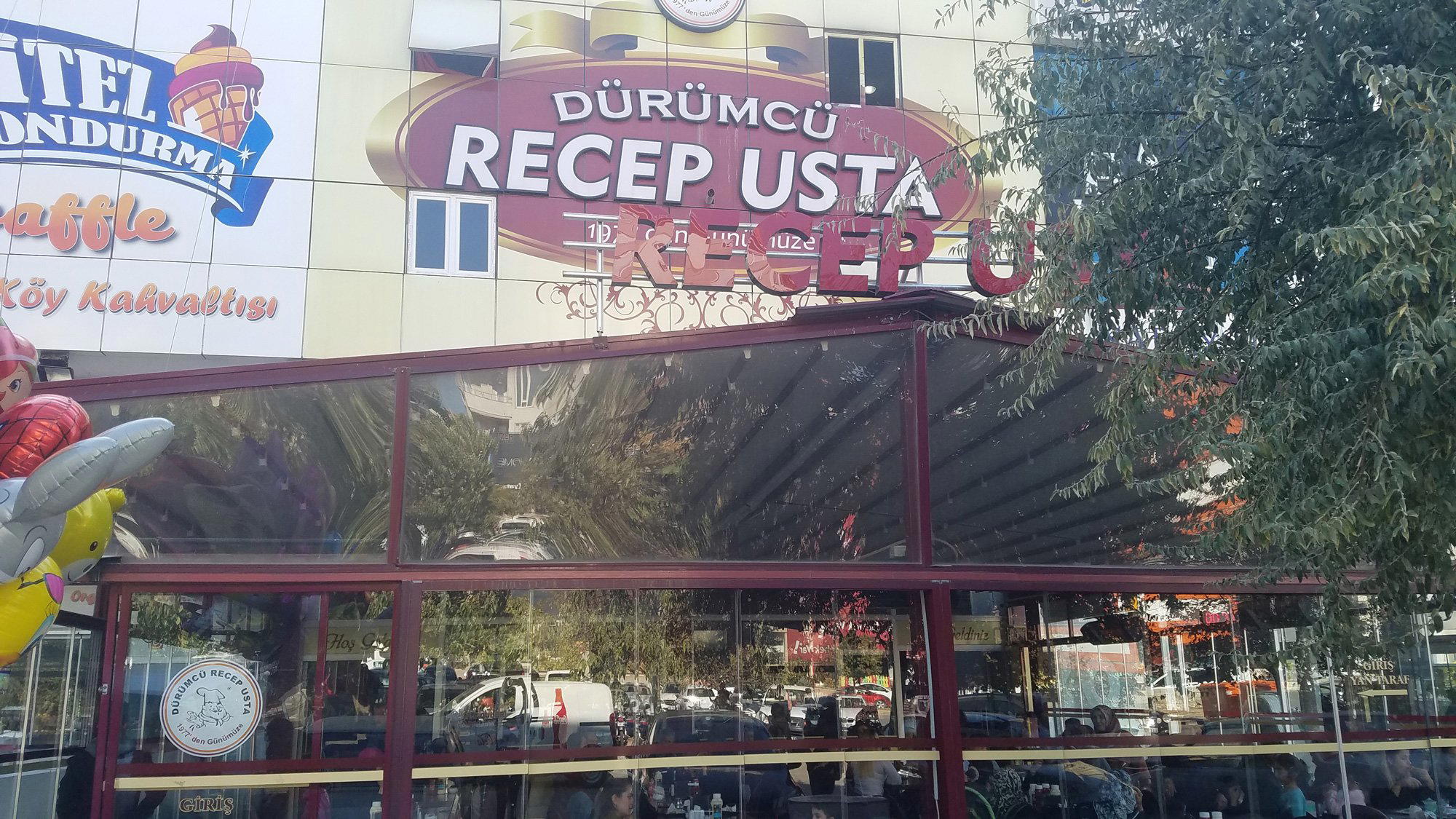
Related stops worth building into the same day include Durumcu Recep Usta, which handles the dürüm format that is a local midday fixture.
How Gaziantep Compares to Turkey's Other Food Cities
Turkey's dining map has shifted considerably over the past decade, with cities like Izmir and Bodrum drawing attention for their contemporary and coastal interpretations of the cuisine. Narımor in Izmir, Maçakızı in Bodrum, and further afield Hiç Lokanta in Urla represent a mode of Turkish eating that is coastal, produce-led, and oriented toward a well-travelled audience. Gaziantep operates in a different register entirely. There is no tasting menu format here, and the city keeps to its own traditions. The city's food culture is internally coherent and confident in its own terms, which makes visits feel less like discovery and more like education. For those who have also eaten at Dürümzade in Beyoglu or Bayramoğlu Döner in Beykoz, Gaziantep's relationship to its own traditions will feel familiar in structure if not in flavour profile.
Planning Your Visit
Baklava shops in Gaziantep operate on a different clock from restaurants. It is walk-in friendly and typically keeps to a simple daytime rhythm. Arriving in the morning, particularly on weekdays, gives greater choice across formats and the highest likelihood of eating from a freshly cut tray. It is walk-in friendly, cash-friendly, and built around speed. Budget expectations should be calibrated to the shop's modest price point. Buy more than you think you need. It travels reasonably well for a few hours, and the logic of taking a half-kilo back to your accommodation rather than a single portion is understood by everyone who has made the trip before.
Cuisine and Recognition
Comparable venues nearby, for context on price, style, and recognition.
| Venue | Cuisine | Price | Notes |
|---|---|---|---|
| Baklavaci Zeki InalThis venue — the venue you are viewing | Traditional Turkish Baklava | $$ | Not listed |
| Kebapçı Halil Usta | Traditional Gaziantep Kebabs | $$ | Şehitkamil |
| Metanet Lokantasi | Traditional Gaziantep Turkish | $$ | Kozluca |
| Kocak Baklava | Authentic Gaziantep Baklava | $$ | Şehitkamil |
| Durumcu Recep Usta | Turkish Dürüm Wraps | $ | Şahinbey |
| Metanet Katmer | Traditional Gaziantep Katmer | $$ | Suyabatmaz |
Continue exploring
More in Gaziantep

At a Glance
- Classic
- Well Known
- Casual Hangout
- Historic Building
Classic pastry shop atmosphere focused on traditional sweets.