In Gaziantep's dense network of specialist street-food counters, Durumcu Recep Usta holds a specific position: a dürüm-focused operation in a city that takes flatbread wraps as seriously as its baklava. Gaziantep earned UNESCO Creative City of Gastronomy status in 2015, and places like this are part of the reason why. Come for the wrap, stay to understand what southeastern Turkish street food actually means at its most direct.
Pearl is the En Primeur Club membership app — saves, bookings, and concierge access live there. Same editors, same standards.
- Address
- Gaziantep, Turkey
- Directions
- Get directions
 Saves & bookings on Pearl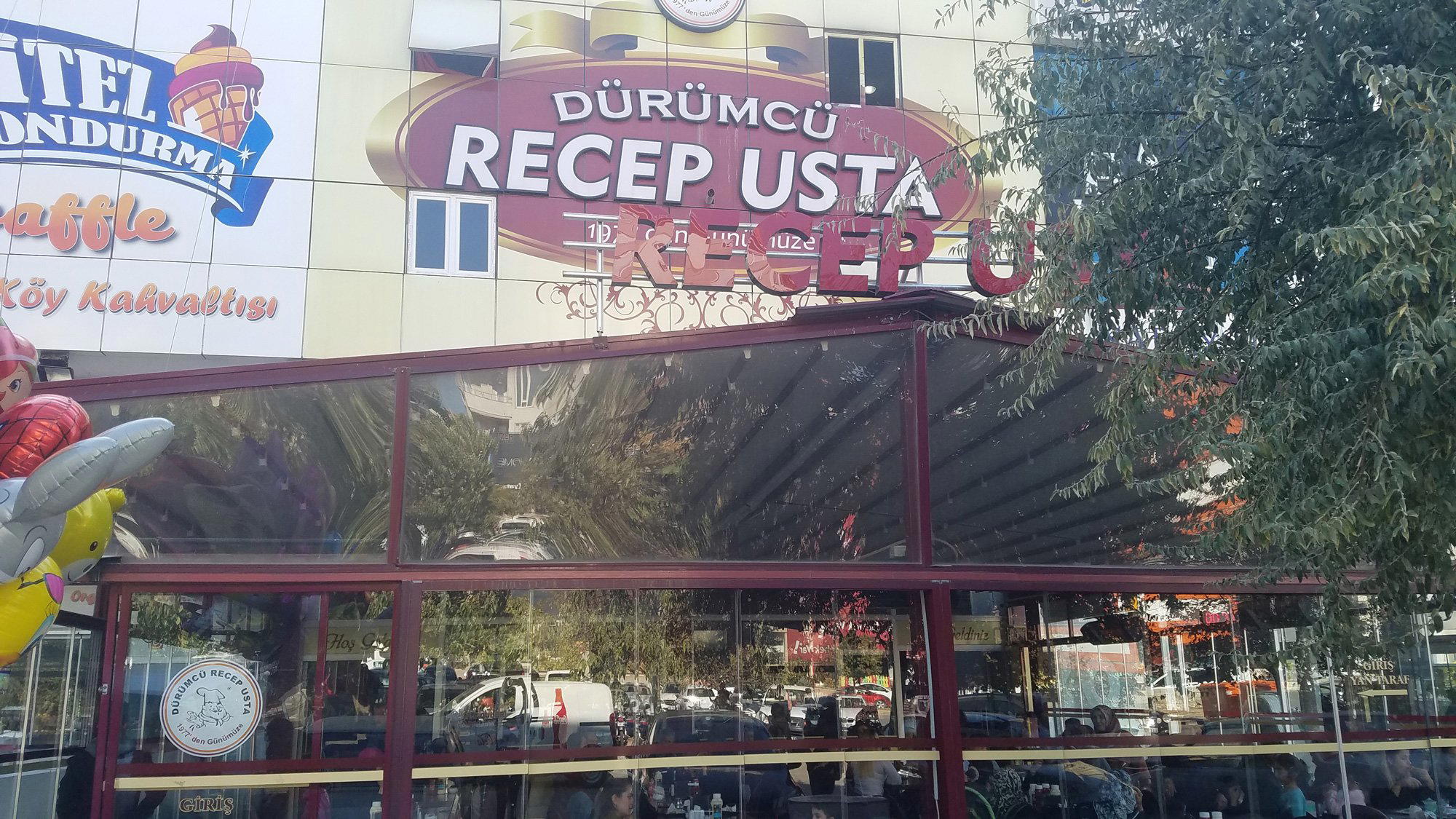
Dürüm in Gaziantep: The Wrap as a Culinary Argument
Durumcu Recep Usta in Gaziantep serves Turkish dürüm wraps at a walk-in-friendly counter, with an entry-level price tier around $10 per person. The dürüm is not a convenience food in Gaziantep. In a city where UNESCO Creative City of Gastronomy status (awarded in 2015) reflects a genuine, multi-generational investment in food craft, even the flatbread wrap carries the weight of regional identity. The logic is direct: lavash or yufka rolled around spiced meat is one of the oldest portable meal formats in southeastern Anatolia, and Gaziantep's version draws on the same spice trade history that gave the region its pepper pastes, pistachio-loaded pastries, and slow-cooked offal traditions. Durumcu Recep Usta sits in this context as a specialist operation, a place where the product is singular and the audience is largely local.
To understand what separates Gaziantep's dürüm culture from its Istanbul approximations, it helps to look at how this city organizes its food scene. Specialty counters dominate over full-service restaurants in the old quarters. A baklava house does baklava; a kebapçı does kebap; a durumcu does dürüm. This disciplinary focus is not a commercial quirk, it reflects a culinary culture where mastery of a single technique commands more respect than breadth. Durumcu Recep Usta operates within that tradition.
The City That Built This Scene
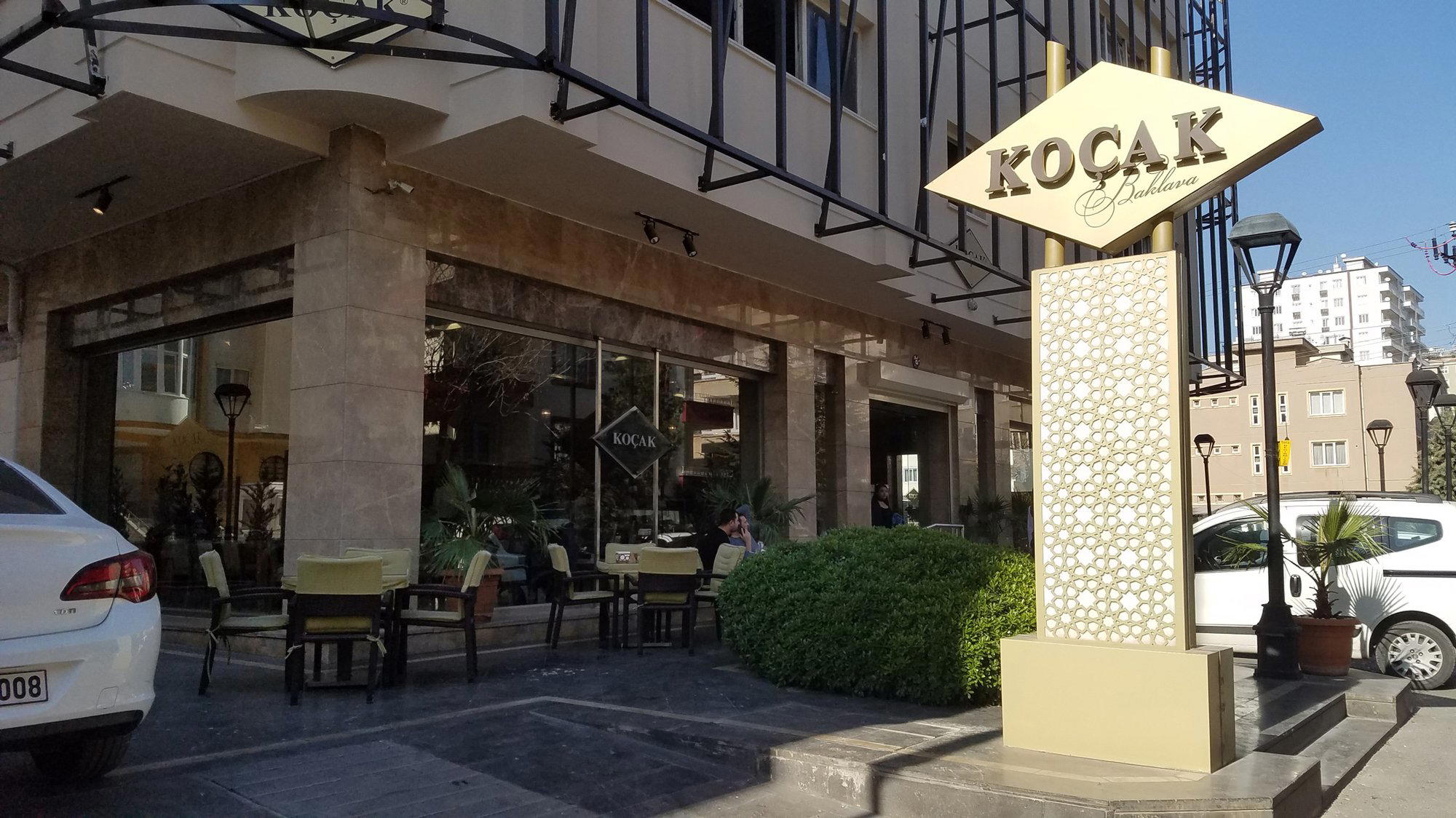
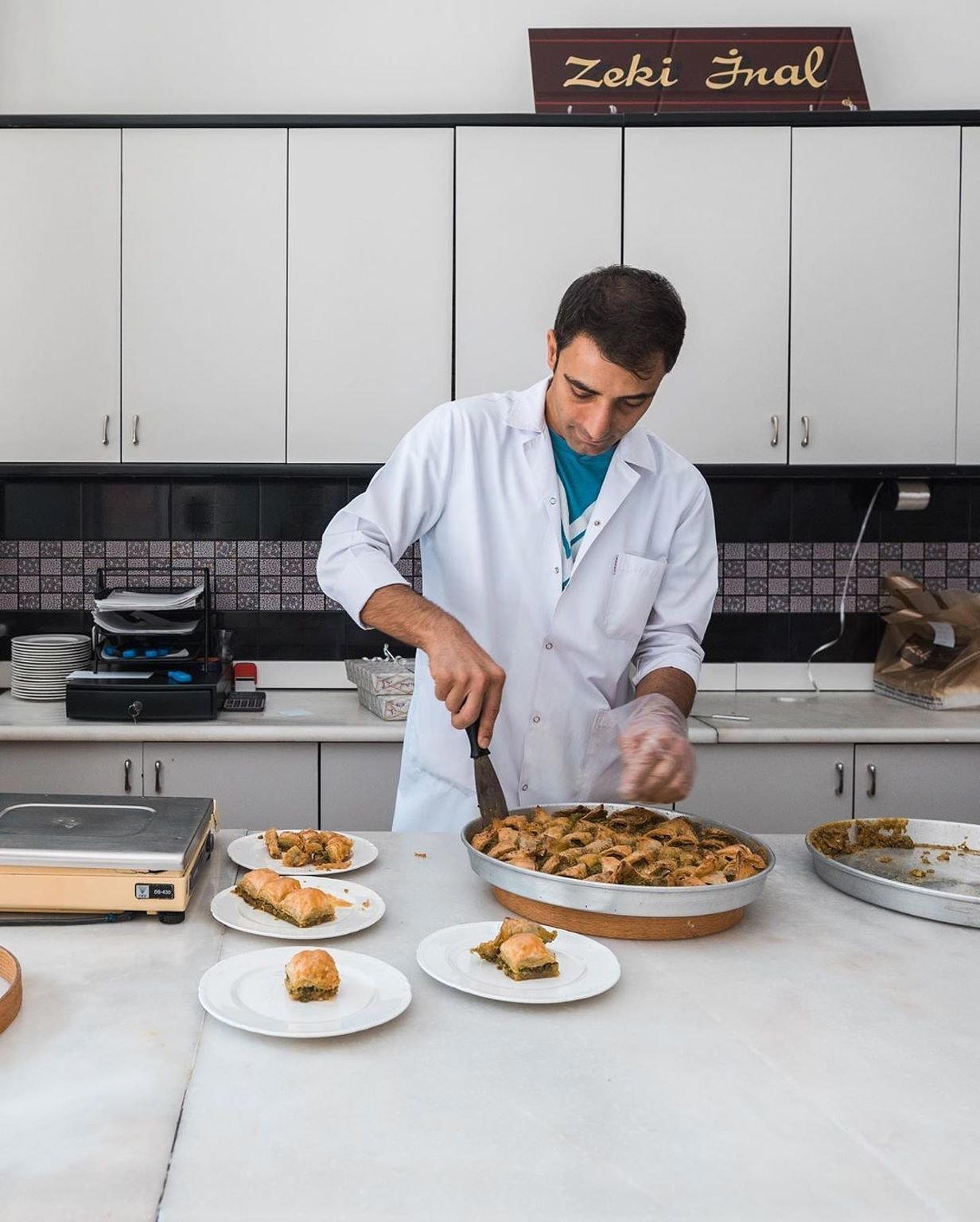
Gaziantep's food reputation rests on at least three distinct pillars: its pastry culture (dominated by baklava houses like Baklavaci Zeki Inal and Kocak Baklava), its meat-cooking traditions (represented by operations like Kebapçı Halil Usta), and its street-food specialist counters, of which the dürüm category is a significant branch. What links all three is the principle of focused excellence: in Gaziantep, a place that tries to do everything tends to be trusted for nothing.
The breakfast katmer tradition illustrates the same logic. Metanet Katmer is a counter that exists almost exclusively to serve one item at one time of day, and the queue outside it on any given morning tells you everything about how Gaziantep residents relate to food specialism. The broader lokanta tradition, represented by establishments like Metanet Lokantasi, fills in the home-cooking registers. The restaurant occupies a different niche again: the quick, hot, spiced meat wrap consumed standing or perched, often between other tasks.
What Dürüm Specialism Actually Means
Across Turkey, the word dürüm covers a wide range of quality. At its lowest point, it is a wrap assembled from whatever meat is available, rolled in whatever flatbread is cheapest. At its highest, and this is what Gaziantep's reputation demands, it is a calibrated balance of meat quality, spice ratio, bread freshness, and construction technique. The flatbread matters: lavash that is too thick deadens the flavour of the filling; too thin and it tears under the weight of the meat and fat. The wrap ratio, how much meat relative to bread, is where specialist operators reveal their priorities.
In this, the Gaziantep dürüm tradition has more in common with the disciplined approach of Istanbul's best-regarded specialists, such as Dürümzade in Beyoglu, than with the mass-market version found at generic kebap shops. Both operate on the principle that the format deserves the same ingredient discipline applied to any other meat preparation. The difference is that in Gaziantep, the regional spice palette, including the local red pepper paste known as biber salçası, gives the filling a specific character that is difficult to replicate elsewhere.
Turkey's broader restaurant conversation has increasingly moved toward fine-dining credentials and international frameworks, Turk Fatih Tutak in Istanbul and coastal properties like Maçakızı in Bodrum represent one end of that spectrum, while Narımor in Izmir and Asitane in Fatih occupy a middle register of historically grounded, mid-formal dining. The restaurant sits at a completely different axis: no formal credentials, no tasting menu, no design concept. What it offers is the reliability that comes from a singular, repeated focus, the same product, made the same way, for a local audience that knows exactly what it should taste like.
Approaching the Counter
Specialist dürüm counters in Gaziantep typically operate without reservation systems or structured service. Customers arrive, order, and eat, often on-site, sometimes taking away. The physical environment tends toward functional: tiled surfaces, open grills or hot plates visible from the ordering point, paper wrapping rather than plated service. This is not a failure of ambition; it is the correct format for the product. A dürüm that sits on a ceramic plate under a heat lamp for four minutes while a waiter fetches it is already a worse dürüm than one consumed immediately at the counter.
Visitors arriving from Gaziantep's bazaar quarter, a dense concentration of copper merchants, spice sellers, and old han architecture, will find this kind of counter embedded in the daily rhythm of the neighbourhood. A useful time to arrive is at peak lunch service, when turnover ensures the meat is freshest and the flatbread has not been sitting.
Regional specialists carry geographic identity in their product in a way that no centralized chain version does. Gaziantep's dürüm tradition is a case in point.
The principle is not so different; only the price point and formality change. Closer to home, properties like Hiç Lokanta in Urla, Kritikos Meyhane in Mudanya, and Casa Lavanda in Sile each represent a version of focused regional identity at a different register.
Price Lens
Comparable venues nearby, for context on price, style, and recognition.
| Venue | Cuisine | Price |
|---|---|---|
| Durumcu Recep UstaThis venue — the venue you are viewing | Şahinbey, Turkish Dürüm Wraps | $ |
| Baklavaci Zeki Inal | Şahinbey, Traditional Turkish Baklava | $$ |
| Metanet Lokantasi | Kozluca, Traditional Gaziantep Turkish | $$ |
| Kebapçı Halil Usta | Şehitkamil, Traditional Gaziantep Kebabs | $$ |
| Metanet Katmer | Suyabatmaz, Traditional Gaziantep Katmer | $$ |
| Kocak Baklava | Şehitkamil, Authentic Gaziantep Baklava | $$ |
Continue exploring
More in Gaziantep

At a Glance
- Lively
- Rustic
- Casual Hangout
- Solo
- Family
- Open Kitchen
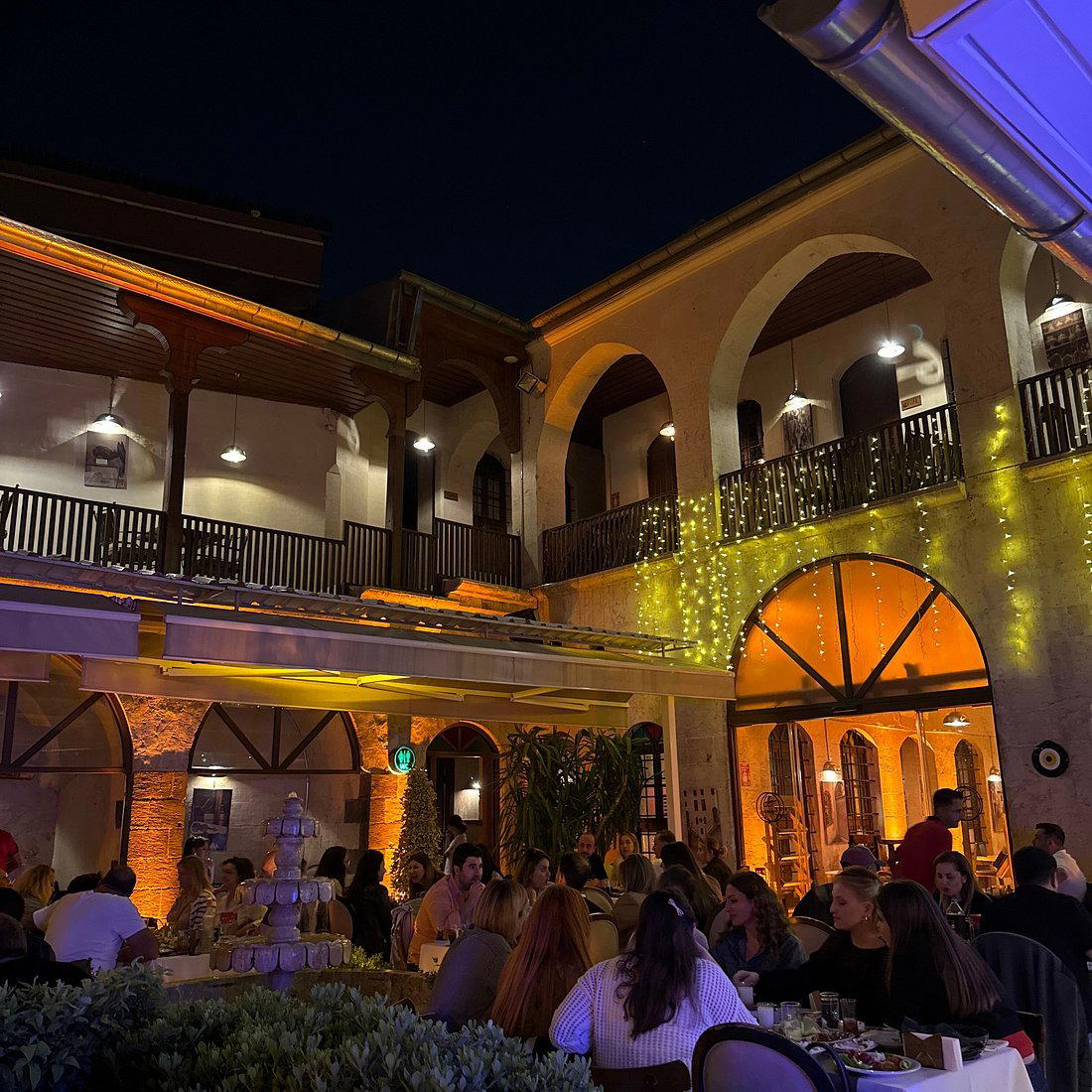
Casual and lively street food spot with friendly service and a bustling atmosphere.